How agricultural training is changing Wolda’s harvests in Ethiopia
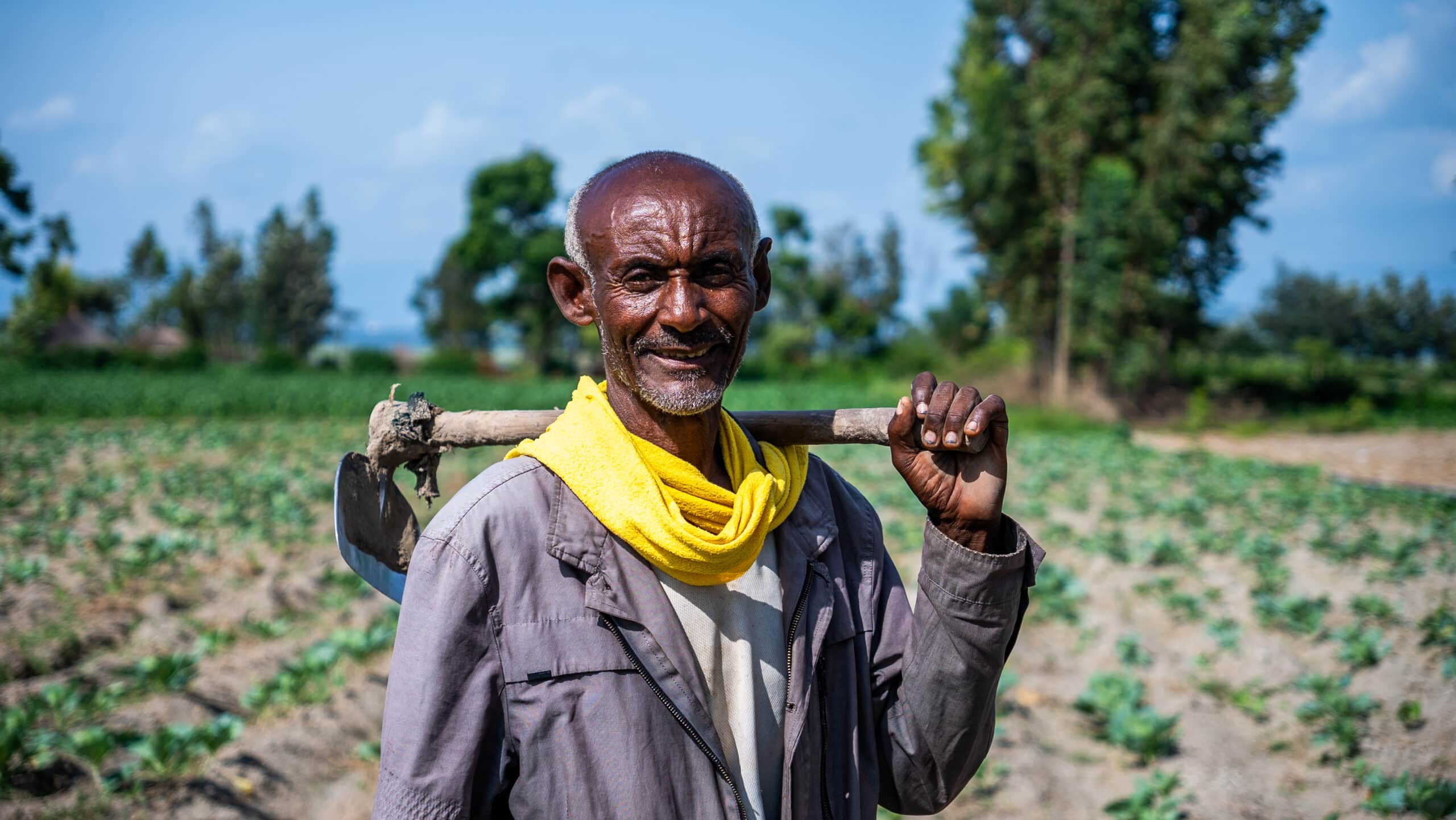
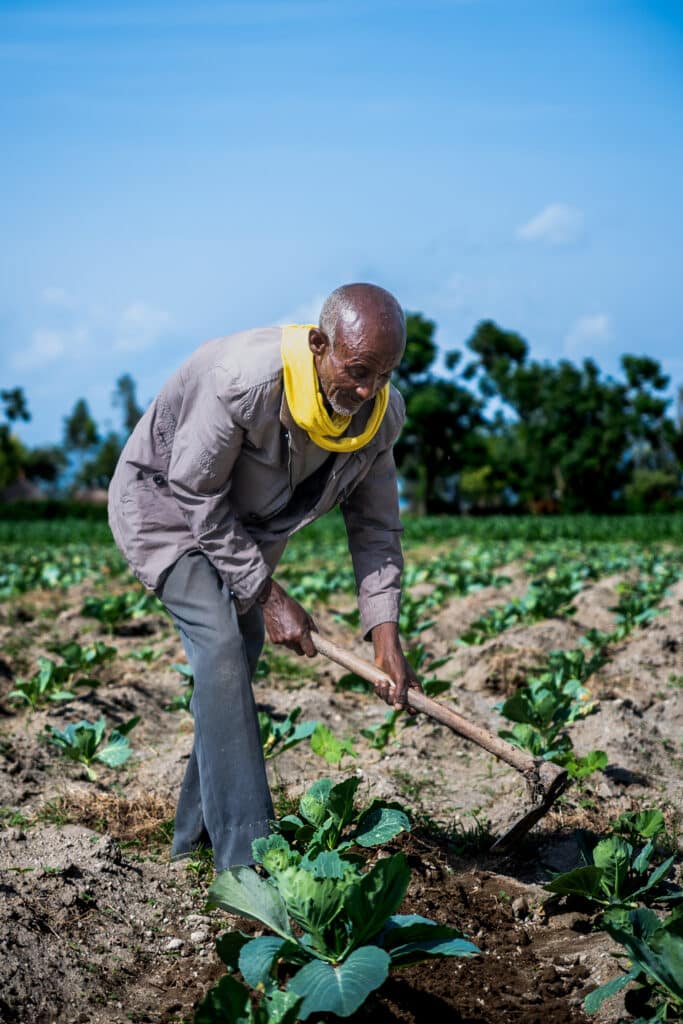
For years, farmer Wolda, relied on a single maize harvest each season to provide food and income for his family. When a harvest failed, he struggled to feed his family and pay for his children’s education. Through agricultural training provided by Dorcas, he learned to diversify his crops and sell his surplus produce. Today, he harvests a wider range of crops and works with other farmers to market their produce collectively.
Diversifying crops to reduce risk
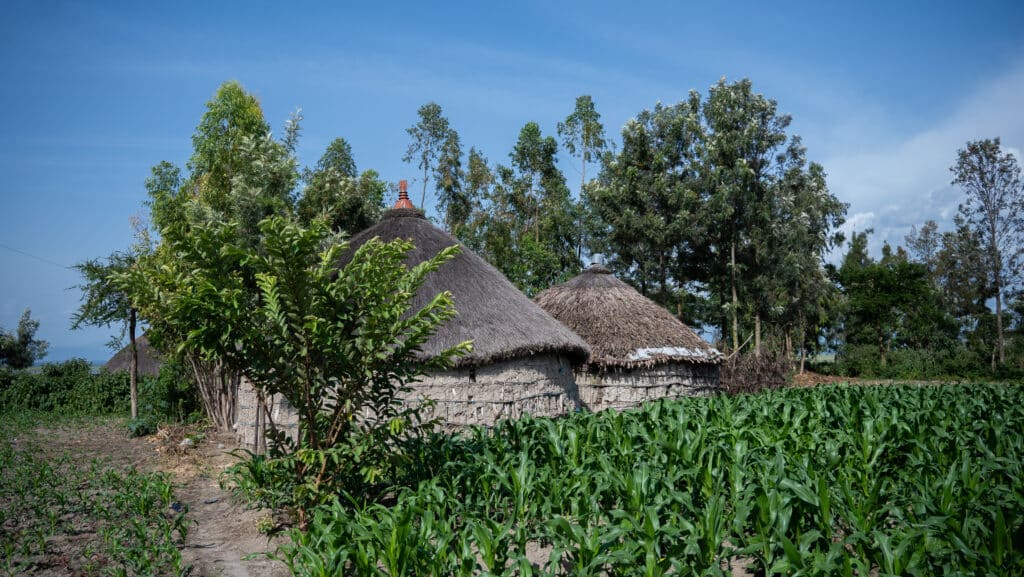
Wolda has lived and farmed on the same piece of land near Lake Hawassa in Ethiopia throughout his life. He inherited the farm from his father. For years, he planted maize just once per season. This left his family dependent on a single harvest, which could be affected by drought, excessive rainfall or disease.
‘If the harvest failed, I would have hardly any food for a whole year. I would earn nothing, either, so there was no money to send my children to school,’ Wolda explains.
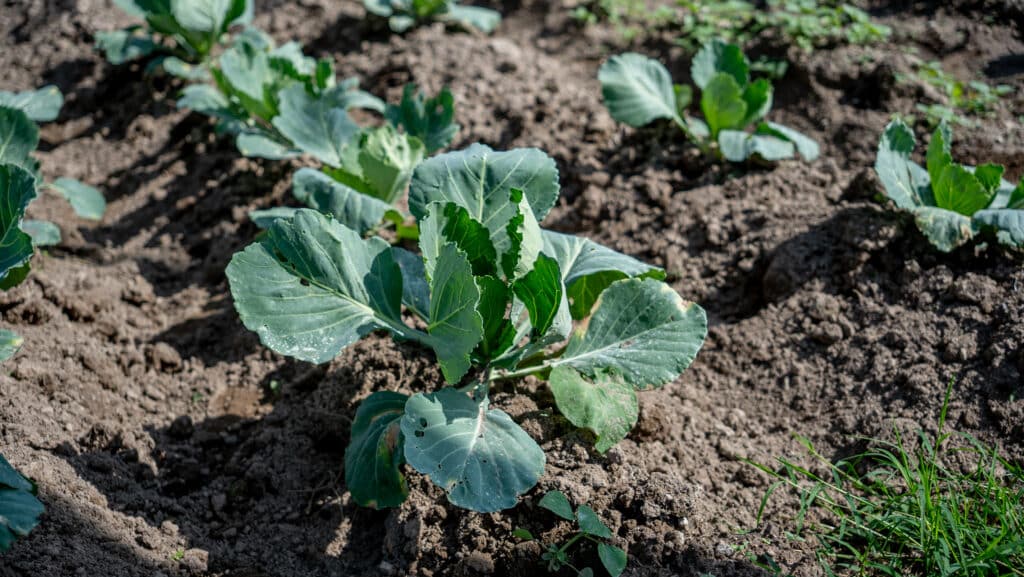
Through a Dorcas project, Wolda took part in agricultural training that introduced him to different farming techniques. He learned to grow a variety of crops, including potatoes, cabbage and tomatoes, rather than relying solely on maize.
‘Now I plant different types of crops. This means I can harvest more often, and it matters less if one harvest fails.’
Reaching the market together
The training also taught Wolda how to sell the produce his family does not need. He has since joined more than twenty farmers from the surrounding area to establish a cooperative.
Together, the farmers discuss which crops to plant in the coming season and sell their produce collectively at the market. By working together, they aim to secure better prices for their harvests.
‘By doing this together, we can ask for a higher price and earn more,’ says Wolda.
Investing in his children’s future
The changes in Wolda’s farming practices have made a difference to his family’s daily life. He can now afford to send his children to school, something that was difficult when a failed harvest meant losing both food and income.
‘This is a real change for my children. I’m glad they can now receive an education.’
Wolda also has ambitions for the future. He hopes to build a new house and perhaps one day buy a car.
His experience shows how agricultural training can support farmers to diversify their production, improve their opportunities to sell their produce and work towards greater food security for their families.