Tackling the global food crisis
A global food crisis, local solutions
Food insecurity affects millions of people around the world. Conflict, climate change, extreme weather and rising prices can disrupt food supplies, damage harvests and make food unaffordable for families.
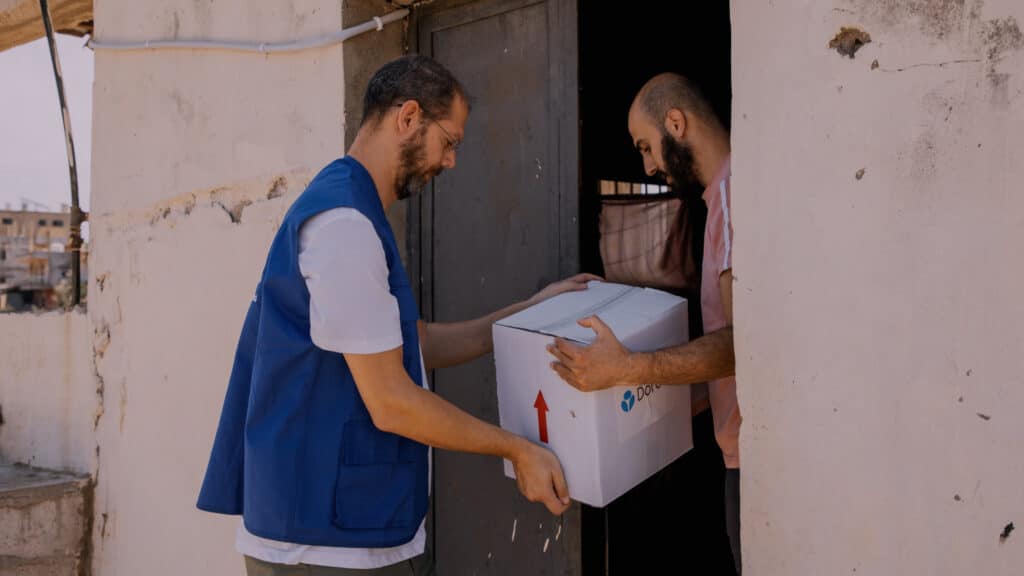
At Dorcas, we address food insecurity through both emergency assistance and longer-term solutions. When food is urgently needed, we provide support such as food parcels. At the same time, we work with communities to strengthen food production and build more resilient livelihoods. This includes training in sustainable farming techniques, providing agricultural materials and developing skills that enable people to generate income.
By addressing immediate food needs while tackling the factors that undermine food security, we support communities in securing reliable access to food and building resilience to future shocks.
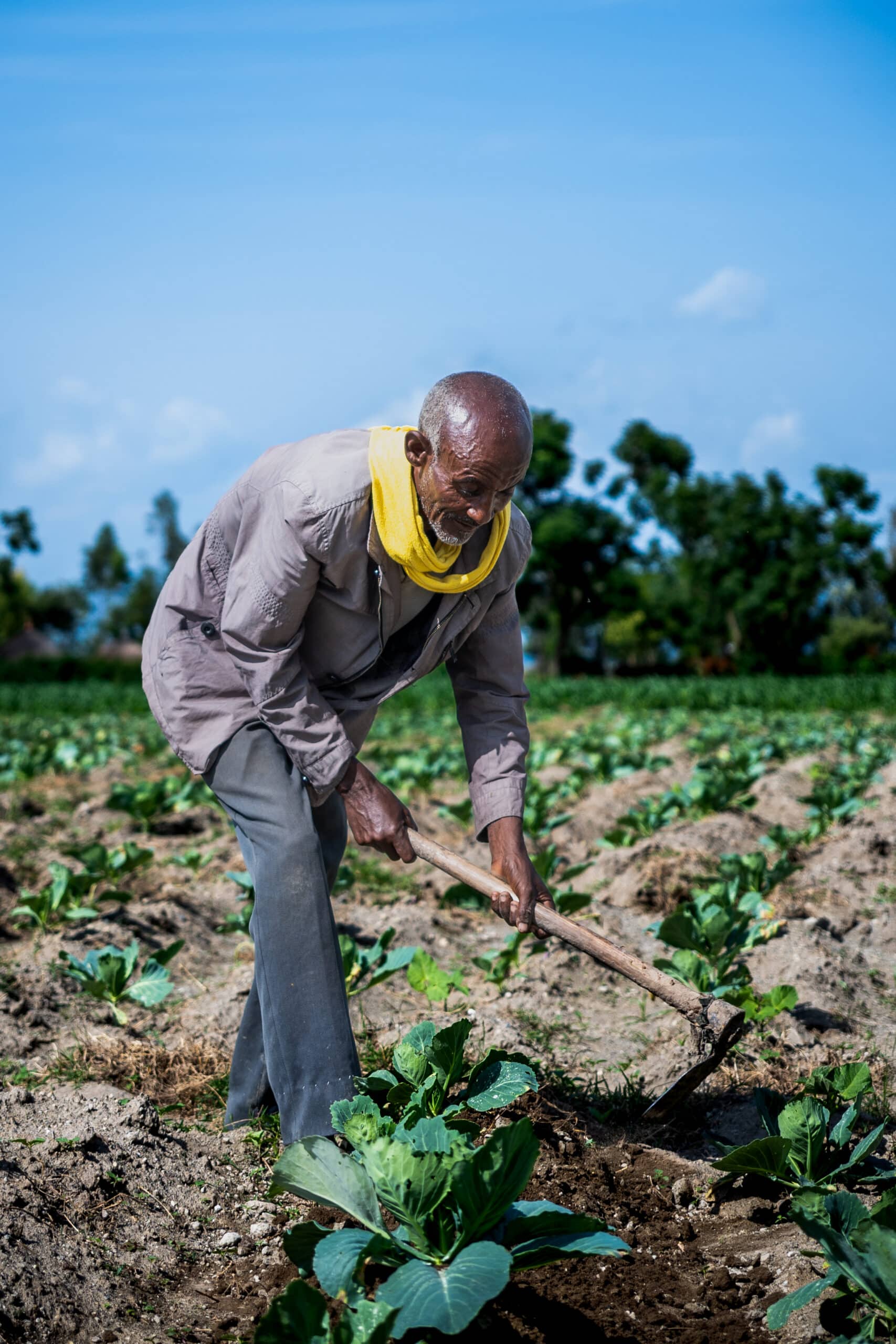
How Dorcas tackles food insecurity
Food security means more than having enough to eat today. It also means having the resources and opportunities to access nutritious food in the future. Dorcas combines immediate assistance with longer-term support to address urgent food needs and build resilience. Through the annual Dorcas Food Campaign, we support people in accessing food today while working towards sustainable food security for the future.
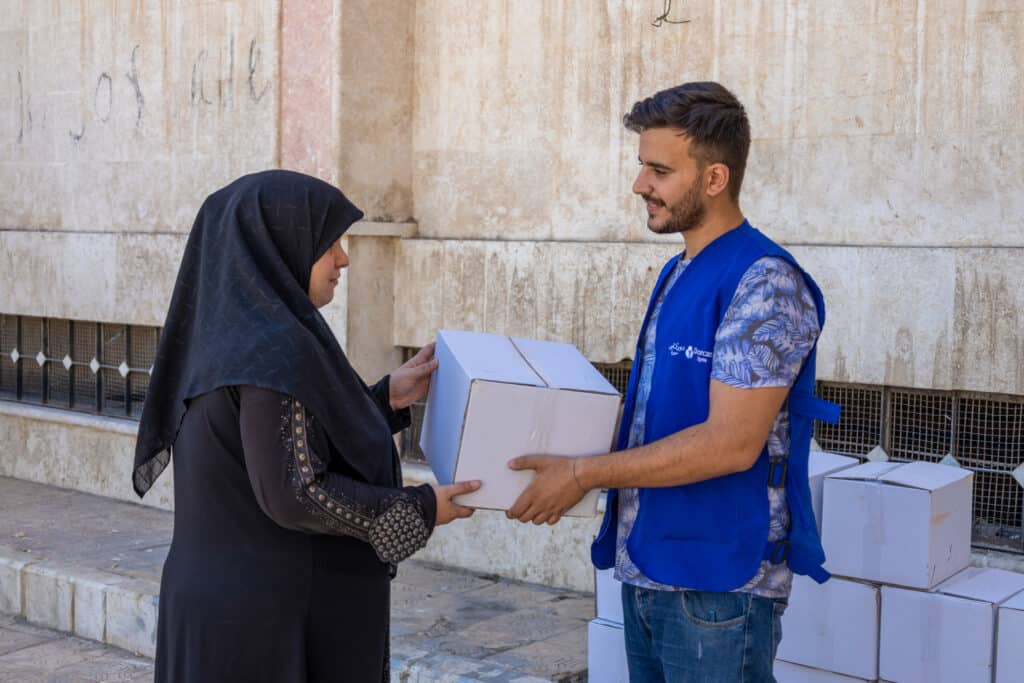
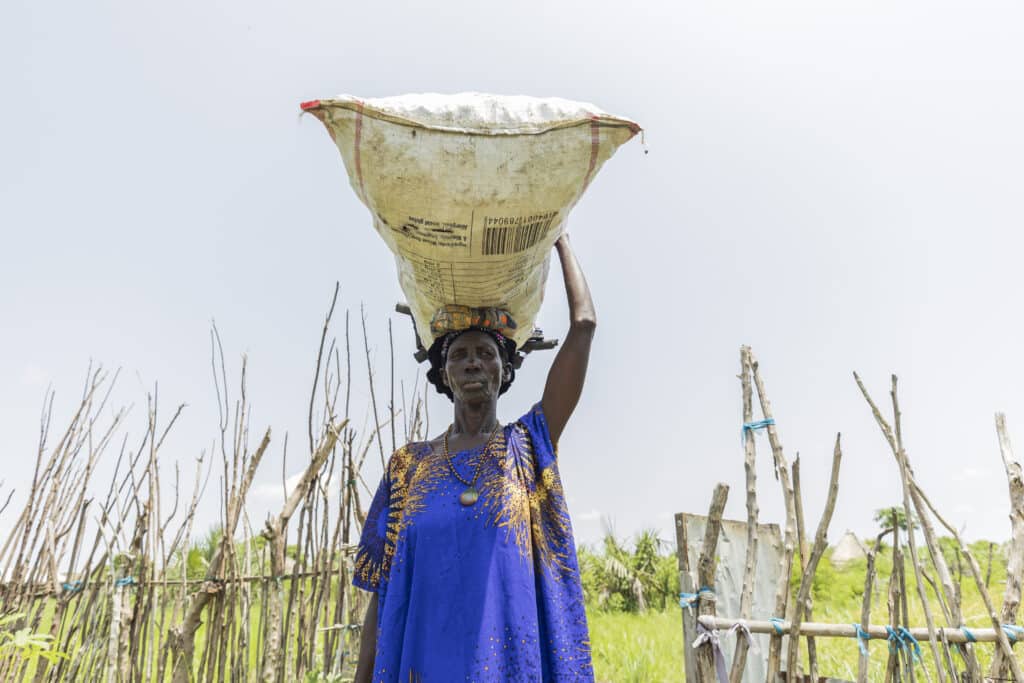
When conflict or disasters disrupt access to food, we provide food parcels or cash assistance to help people meet their immediate needs. This support can provide breathing space for households to recover and plan their next steps.
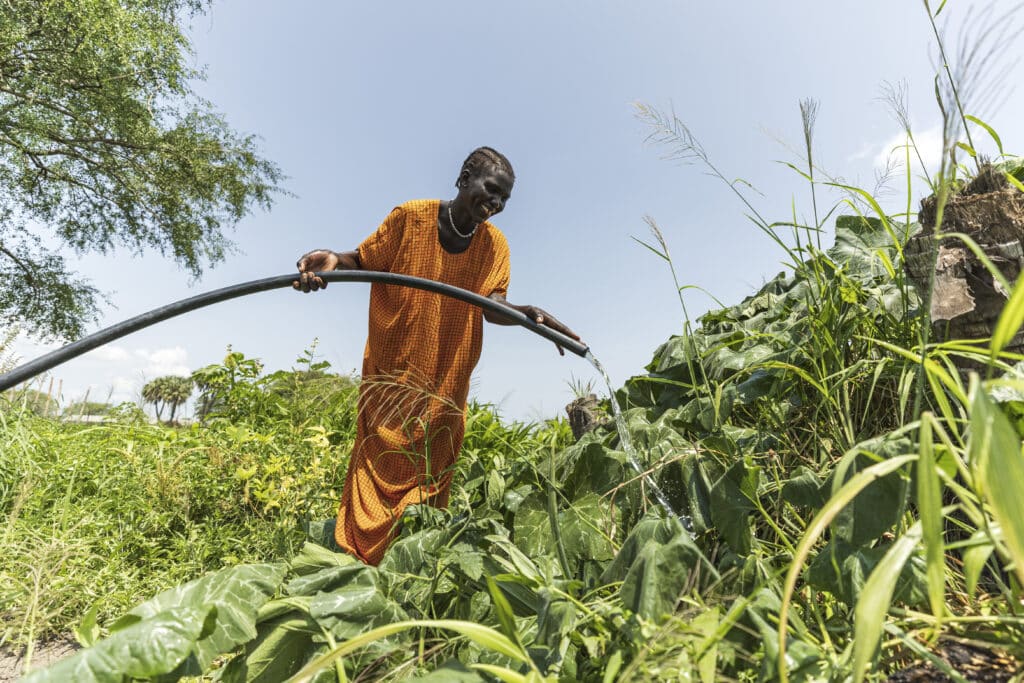
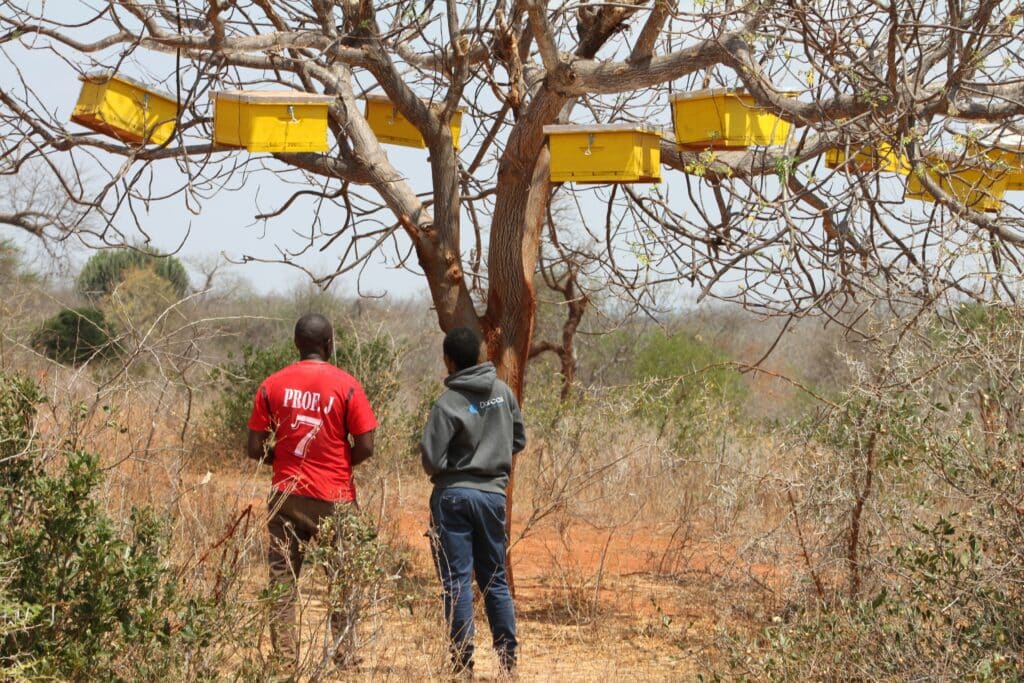
We provide seeds, tools and training in sustainable, climate-smart farming techniques. Through approaches such as Participatory Integrated Planning (PIP), farmers strengthen their capacity to manage resources, adapt to changing conditions and produce food more sustainably.
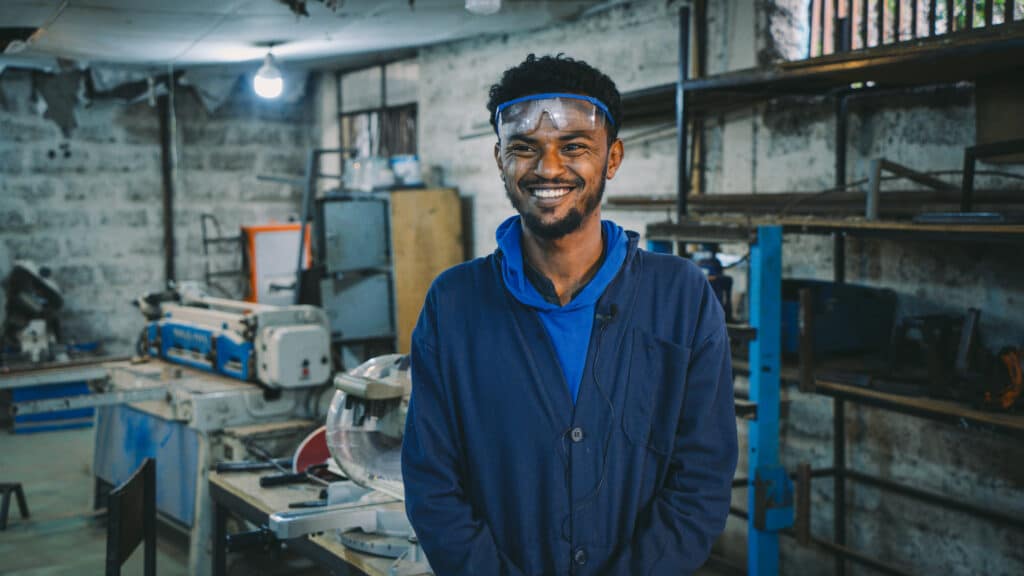
Access to food also depends on people's ability to afford it. We provide vocational training and support people in starting businesses and diversifying their sources of income. This helps households build more secure livelihoods and provide for their families over time.
Food insecurity in numbers
Millions of people around the world still lack access to sufficient, nutritious food. At Dorcas, we believe everyone should have the opportunity to live with dignity and flourish. By addressing immediate food needs and tackling the underlying causes of food insecurity, we work alongside communities to build sustainable food security and resilient livelihoods, enabling people to provide for their families now and in the future.

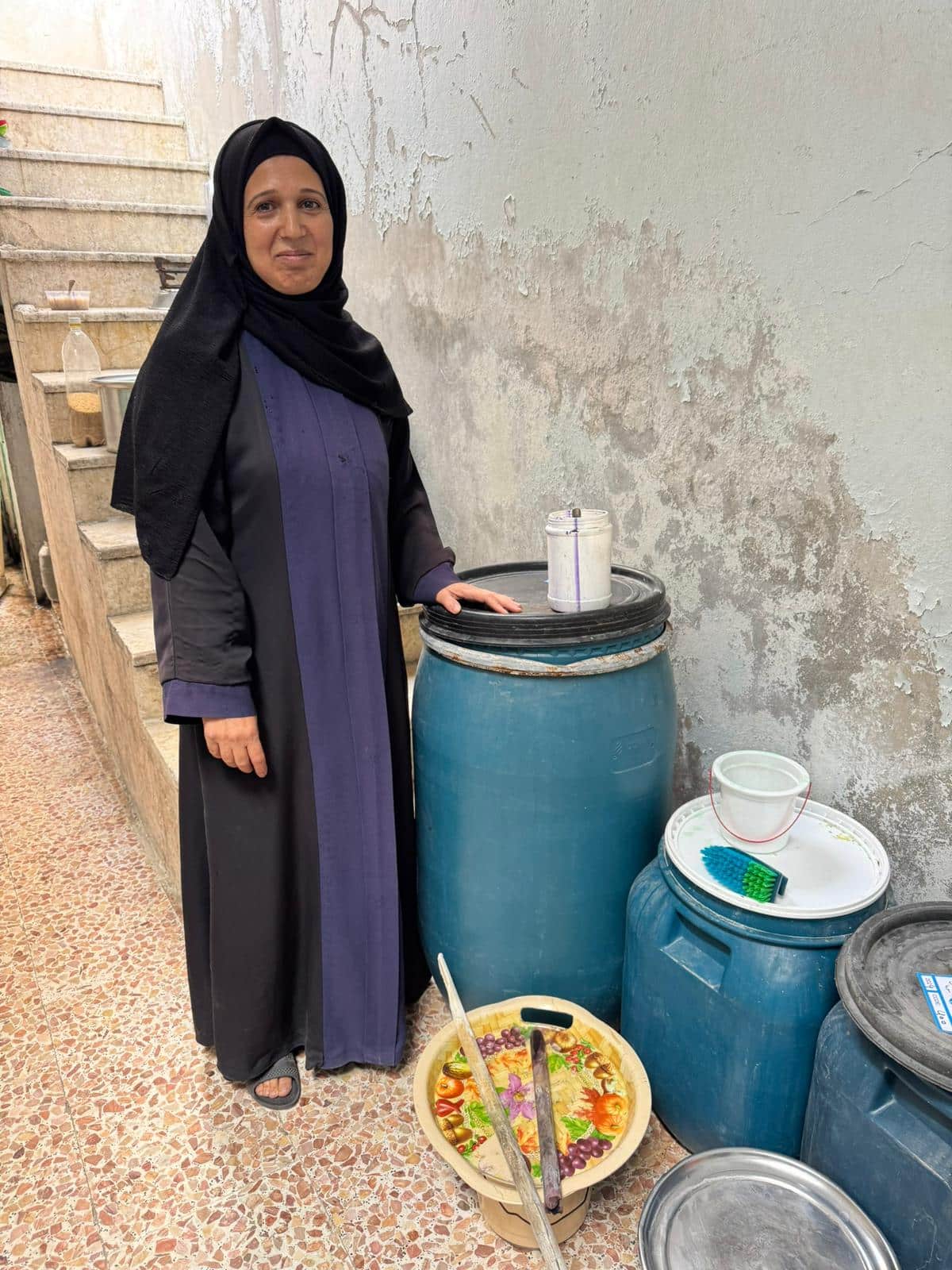
‘Today, I can provide a decent life for my family.’
Years of conflict and displacement in Syria have made it difficult for many families to secure a stable income and put food on the table. In Aleppo, Shukriya has found a way to strengthen her family’s financial security, despite significant personal and economic challenges. With training and support from Dorcas Syria, she has grown her own detergent-making business and increased her income by more than 50 per cent.
(opens in new tab)





New report: Building reliable value chains
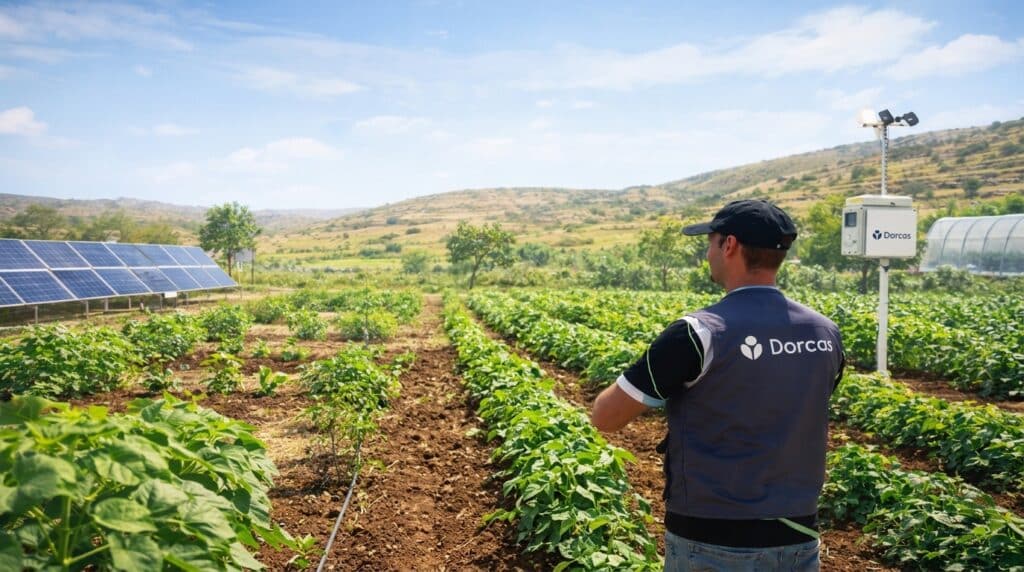
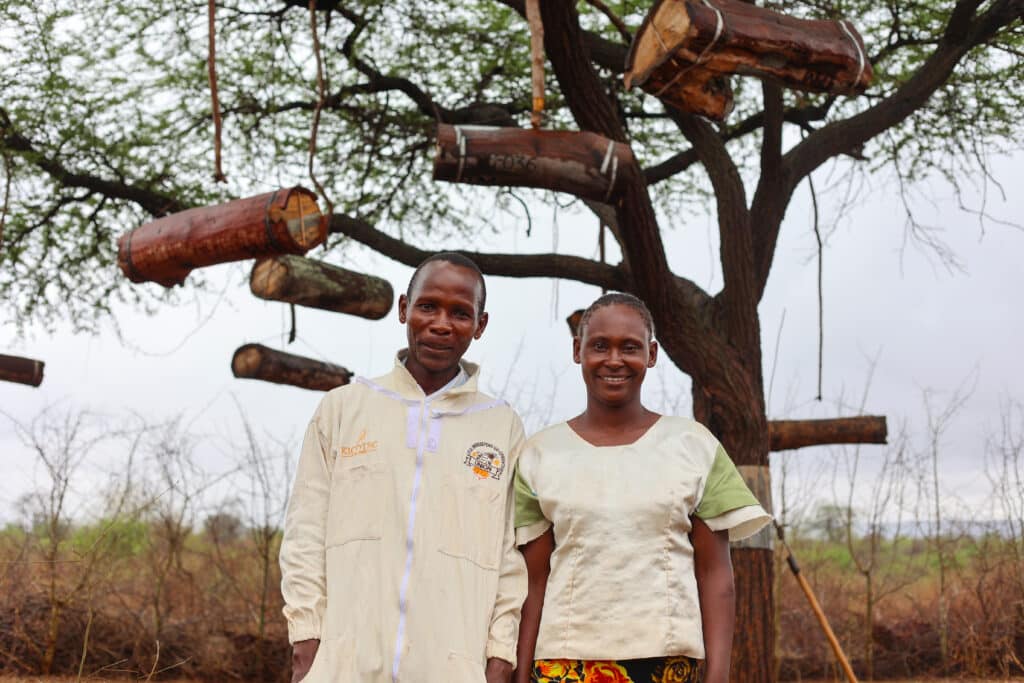
Dorcas has published a new report, Building Reliable Value Chains: Lessons from Dorcas’ multi-country experience. The report explores what enables value chains to deliver reliable benefits for producers and where challenges remain. The report shares lessons from an independent evaluation of value chains across Kenya, Ethiopia and Tanzania. The findings challenge common assumptions and show that reliability, trusted systems and strong market connections are often more important than production growth alone.