Climate Adaptation
Adapting to a changing climate
At Dorcas, we support communities in adapting to the growing impact of climate change on their livelihoods and the natural environment. As climate shocks increasingly affect food production, water availability, and land health, we collaborate with communities to enhance their capacity to adapt to change and develop long-term resilience.
Our climate adaptation approach focuses on protecting and restoring the natural resources on which people depend. We work across three closely connected areas:
- Food.
- Water.
- Land.
By strengthening climate-resilient food systems, promoting sustainable water management and restoring degraded landscapes, we support communities in reducing climate risks and securing their livelihoods. We mainstream disaster risk reduction, advocacy and the use of clean energy across the three areas.
Our programmes support practical, locally led solutions. Our aim is to build resilient communities that can adapt to a changing climate while sustaining their livelihoods and the natural environment for future generations.
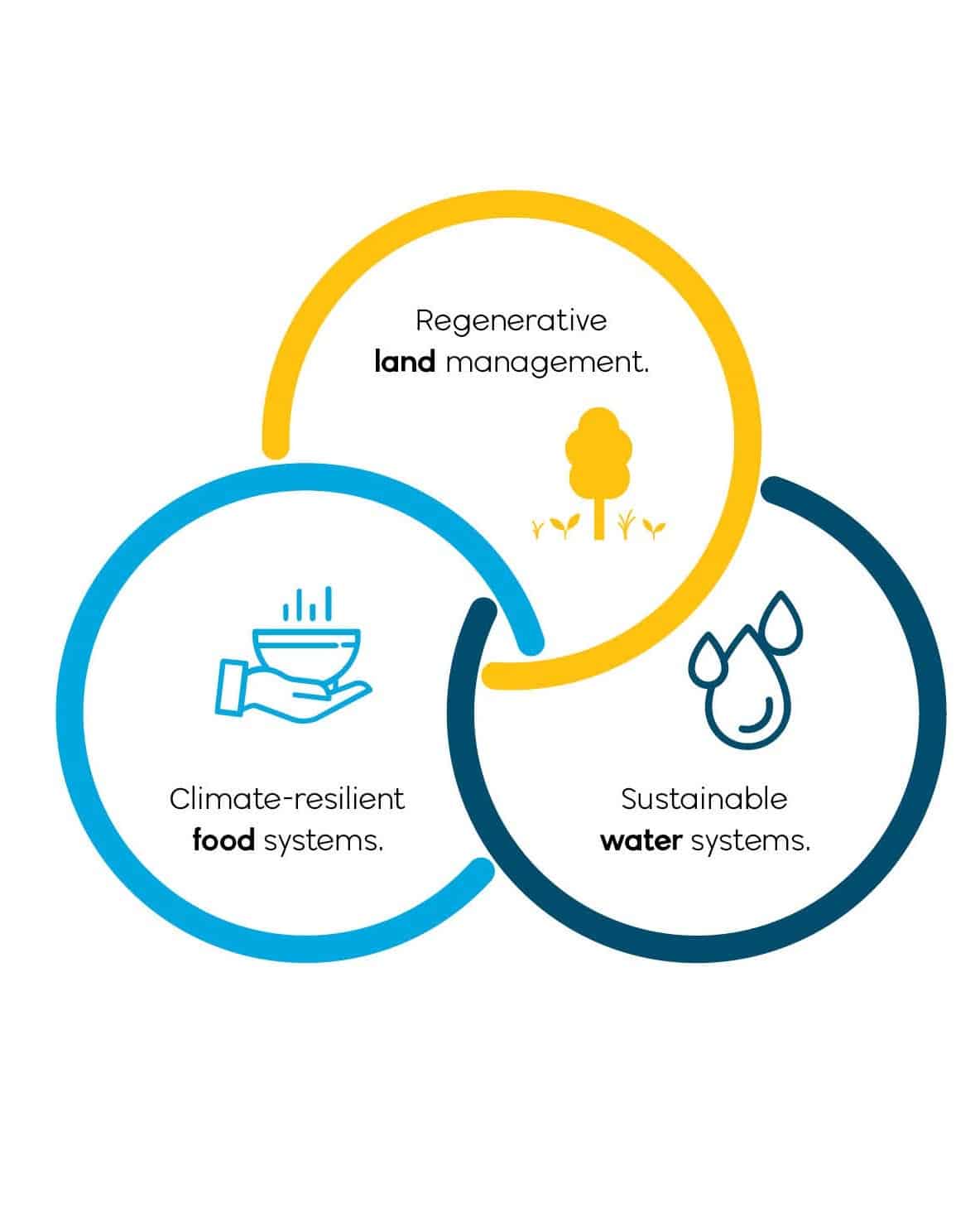
Our three-pillar climate strategy
Dorcas’s Climate Adaptation and Resilience strategy centres on three interconnected pillars: food, water and land.
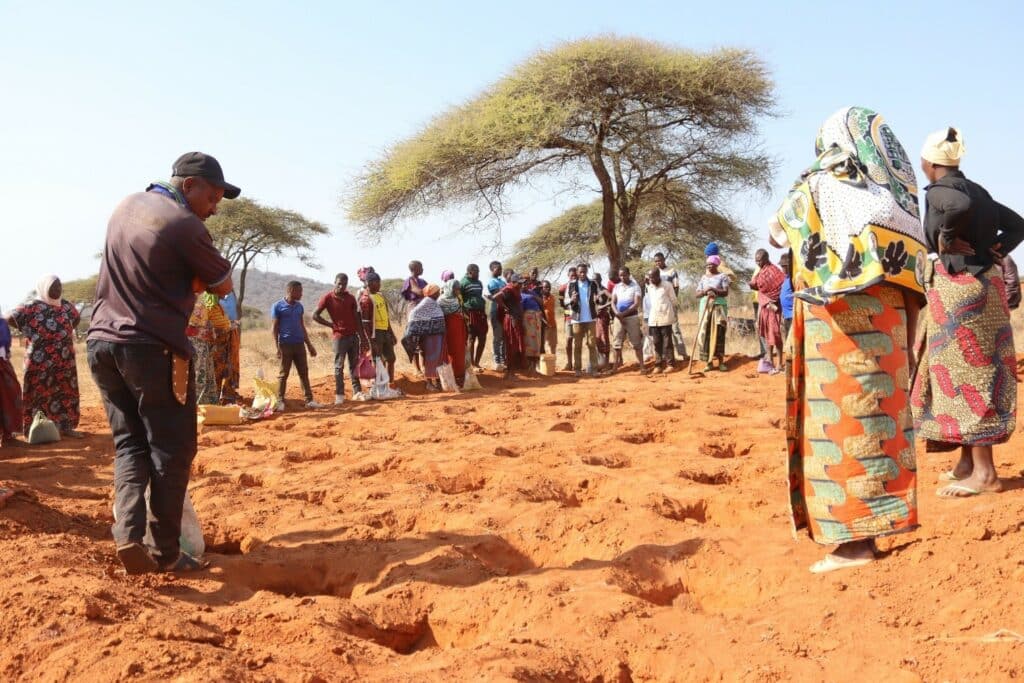
We are scaling up tree-based solutions for restoring degraded land, promoting agroforestry, ensuring biodiversity conservation, and strengthening soil health through composting and regenerative grazing.
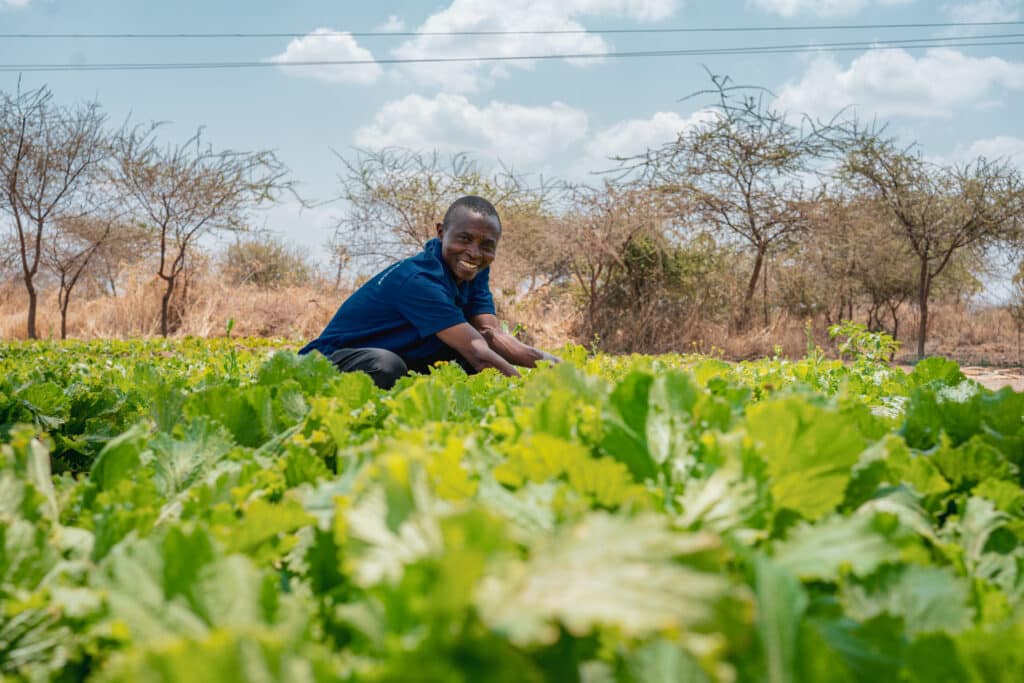
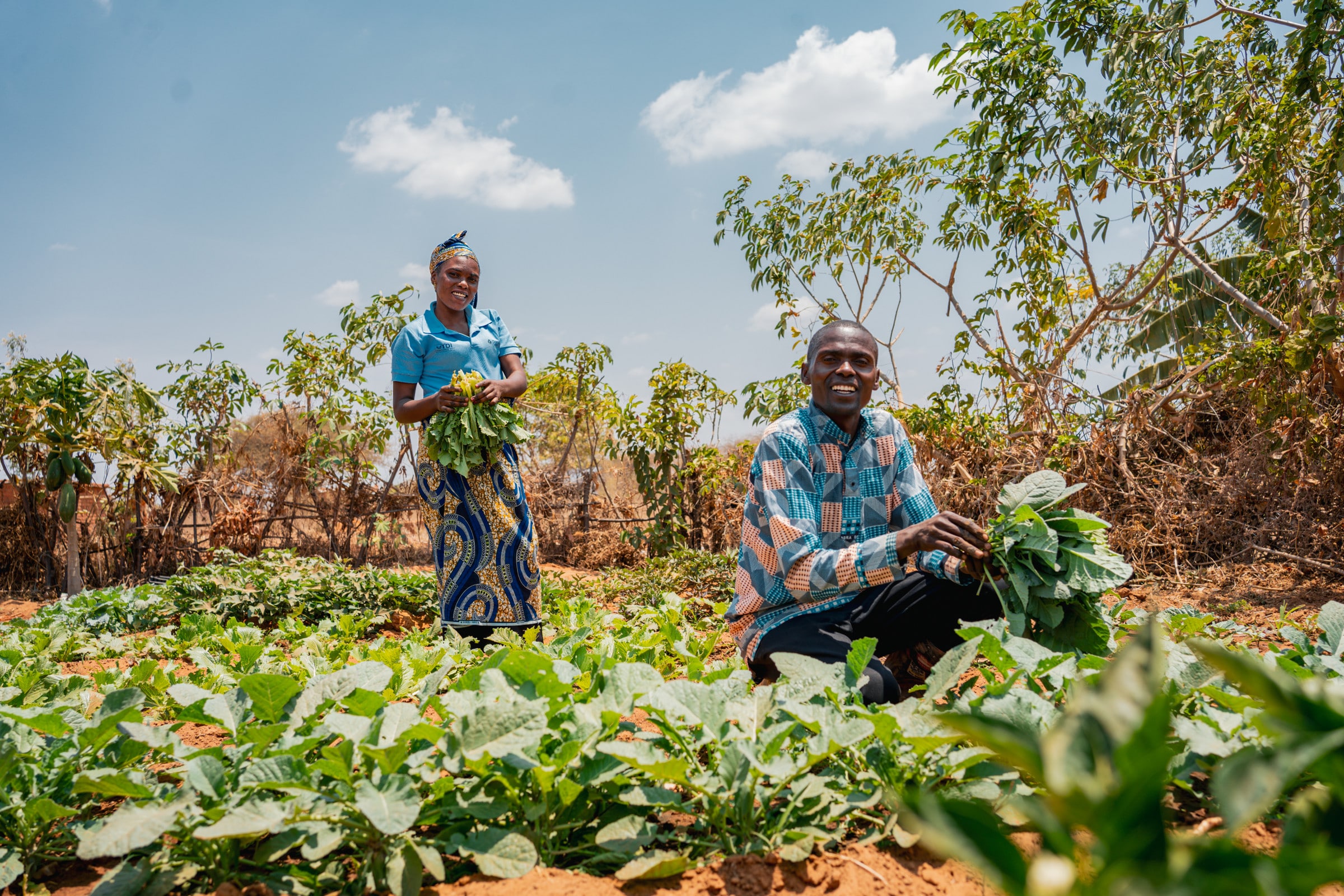
We strengthen the climate-resilience of food value chains by promoting sustainable agriculture, equipping farmers with climate smart tools and reducing food waste.
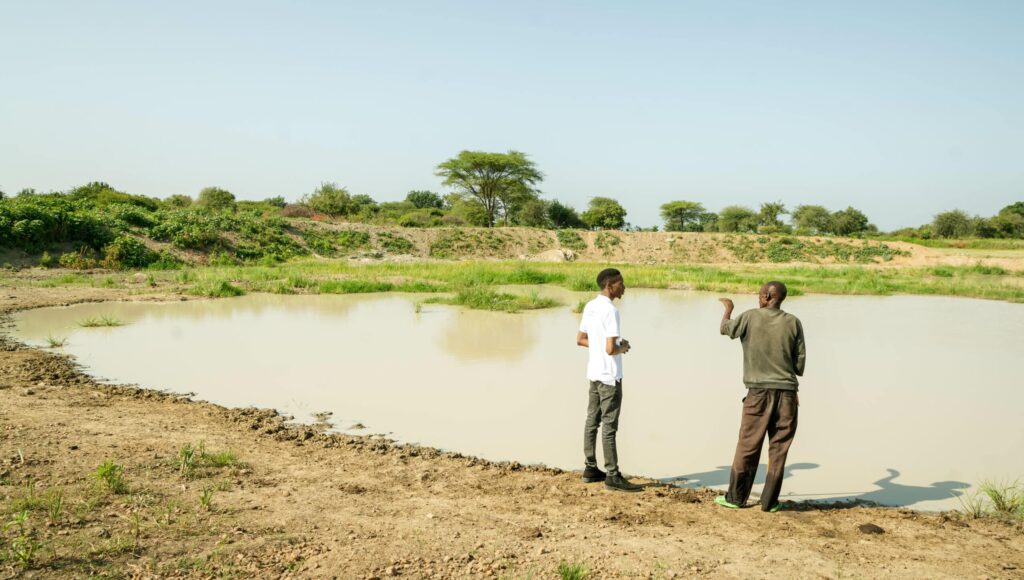
We support sustainable water use through efficient practices, rain harvesting and soil retention, backed by strong water governance and flood resilience measures, promoting nature-based solutions and early warning systems.
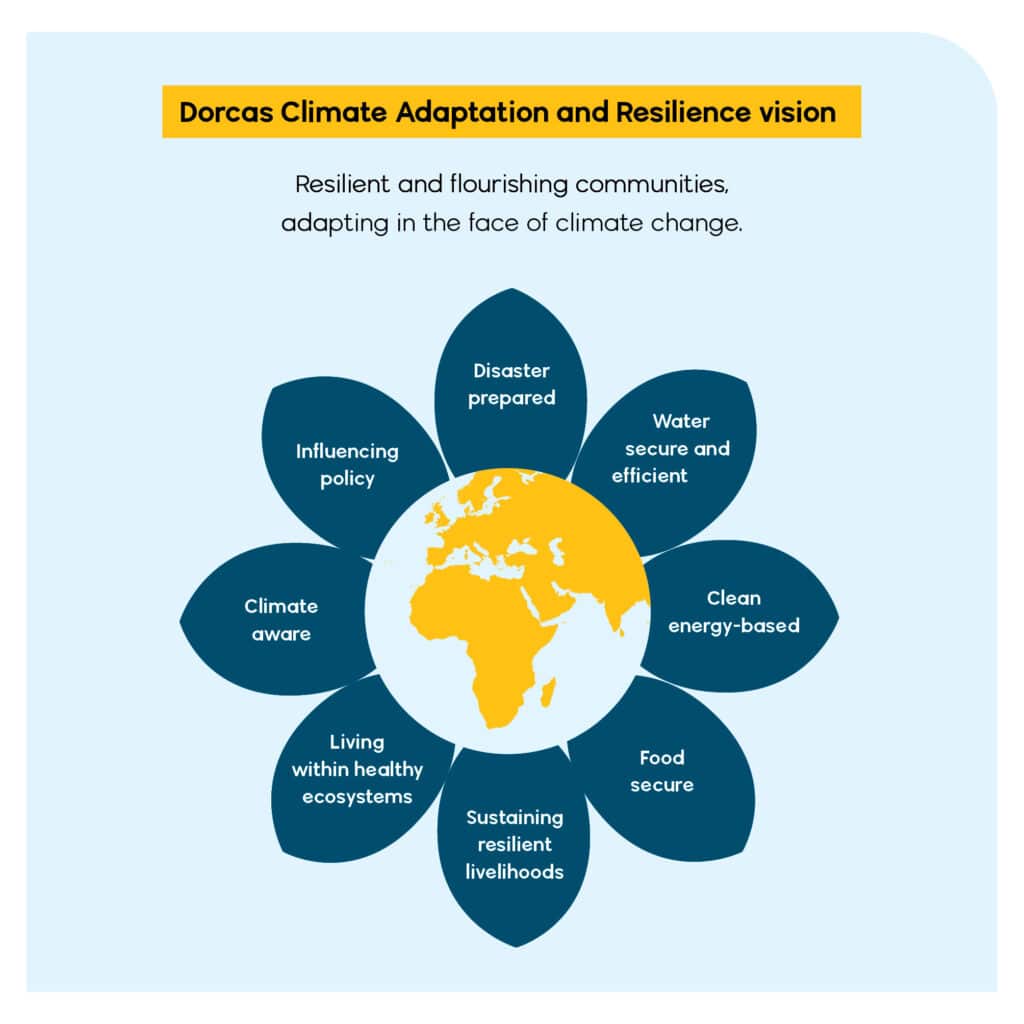
Dorcas’s strategy for flourishing communities in the face of climate change
The deepening climate crisis is reshaping the way people in many parts of the world live, grow food and manage natural resources. Food systems are becoming more exposed and susceptible to climate shocks. Land degradation and deforestation are accelerating biodiversity loss and reducing agricultural productivity. Meanwhile, water insecurity, droughts and floods continue to threaten sustainable livelihoods.
At Dorcas, supporting communities to adapt to these changing conditions is a key priority.
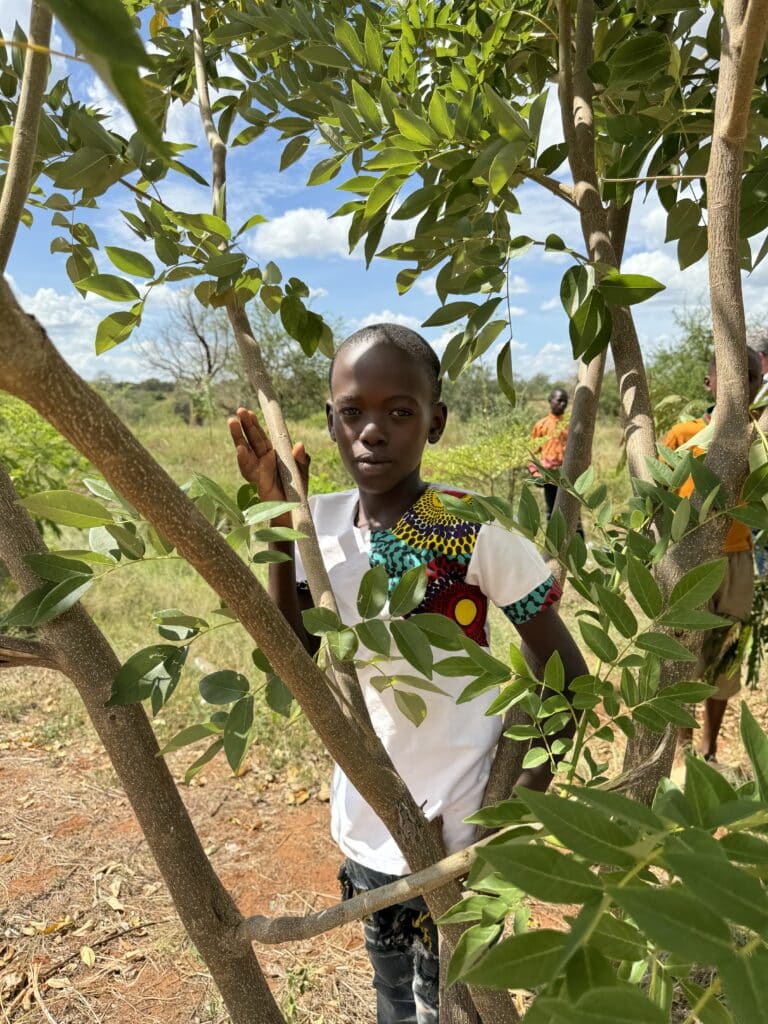
How children in Kenya are involved in tackling climate change
Kenya is severely affected by climate change, experiencing challenges such as prolonged droughts, rising temperatures, erratic rainfall and floods. These environmental stresses caused by global warming have led to land degradation and deforestation, further exacerbating the country’s vulnerability. To combat this, the Kenyan government has set a target to plant 15 billion trees by 2032 to reduce the country’s greenhouse gas emissions and enhance climate resilience.