Dorcas in Egypt
About Egypt
Dating back to 4000 BC, Egypt has one of the longest histories in the world. Yet, this rich ancestry has done little to safeguard the country’s journey into modern times.
Today, the “cradle of civilisation” is beset by difficulties, many of which stem from the rising disparity between rich and poor. In swamped cities on the banks of the Nile, the full force of rapid population growth is felt, particularly considering that 95 per cent of Egypt is arid desert. This significant population increase comes at a time of unprecedented climate shocks with serious implications for almost all agricultural activity. Bad news for an economy where over a quarter of job seekers aged 18–29 are unemployed.
Widespread violence against women on the street and the repeated exploitation of disabled people regularly make the headlines. In 2014, in the wake of the Arab Spring, Egypt adopted a new constitution giving transformative constitutional rights to women and girls. Since then, women have played a pivotal role in politics, though this is often dwarfed by endemic public and domestic violence.
Our programmes
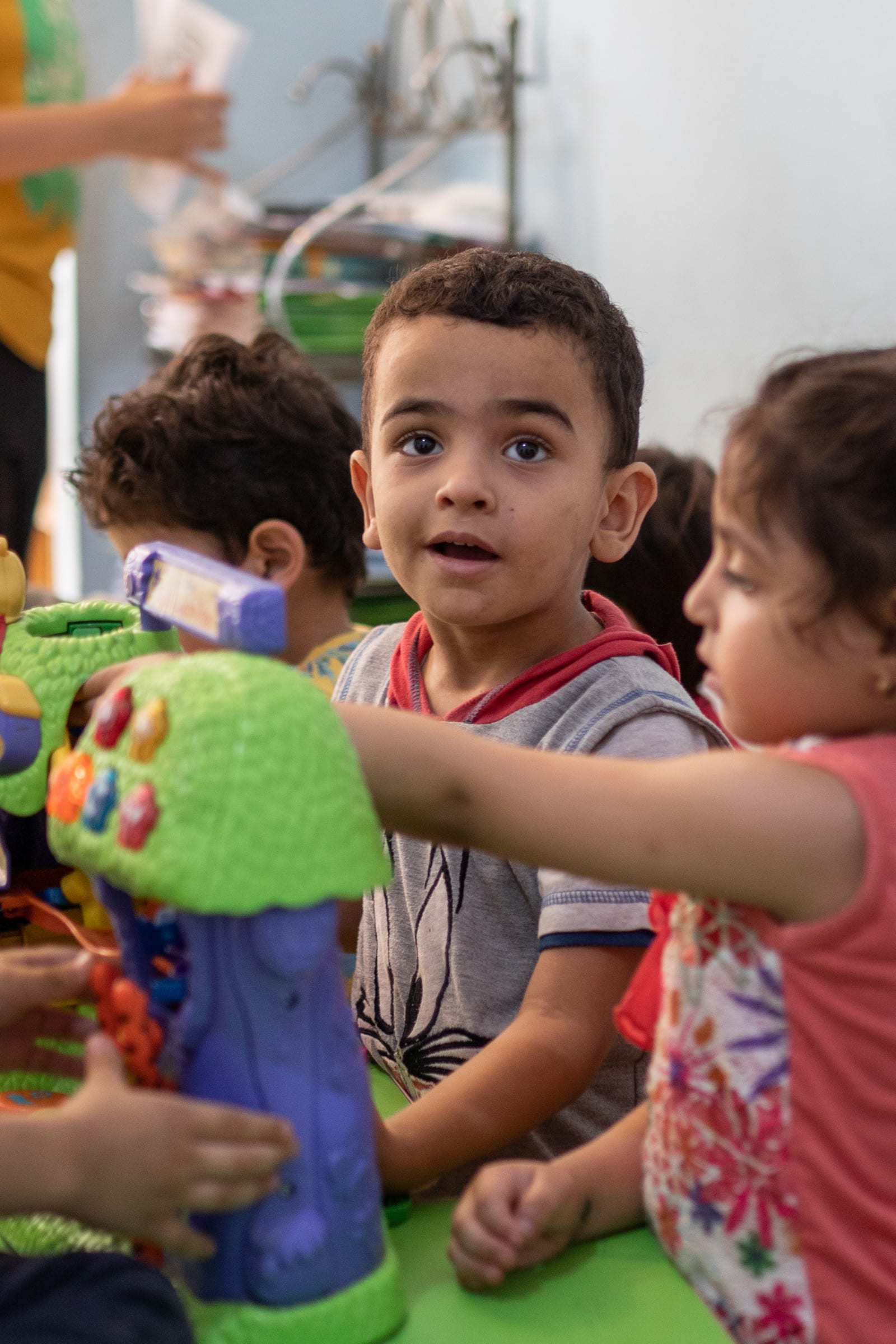
Dorcas works tirelessly to create a better position for women and girls during a critical time in Egypt’s history. Our integrated community-based programmes are specially designed to tackle the poverty trap and open up access to capital for people at the margins of society. Everything we do is validated by the Sustainable Development Goals 5: Gender Equality and 10: Reduced Inequalities, and is backed by rigorous evidence to guarantee the highest standards of quality and accountability.
We provide entrepreneurial and life skills training for women to support their entry into the job market. Through regular coaching sessions, we also connect vulnerable women to online support services and raise awareness about their rights. Our education projects exist alongside this, tackling high rates of illiteracy amongst other objectives. The broader aim: to restore confidence, promote justice and challenge the victim-narrative.
Through psychosocial support and awareness-raising activities targeted at children, we invite communities to reject harmful practices such as female genital mutilation and cutting (FGM/C), domestic violence and early marriage. Our network of community safety nets act as safe spaces for girls to speak up about sexual abuse and begin a process of healing and recovery, together.
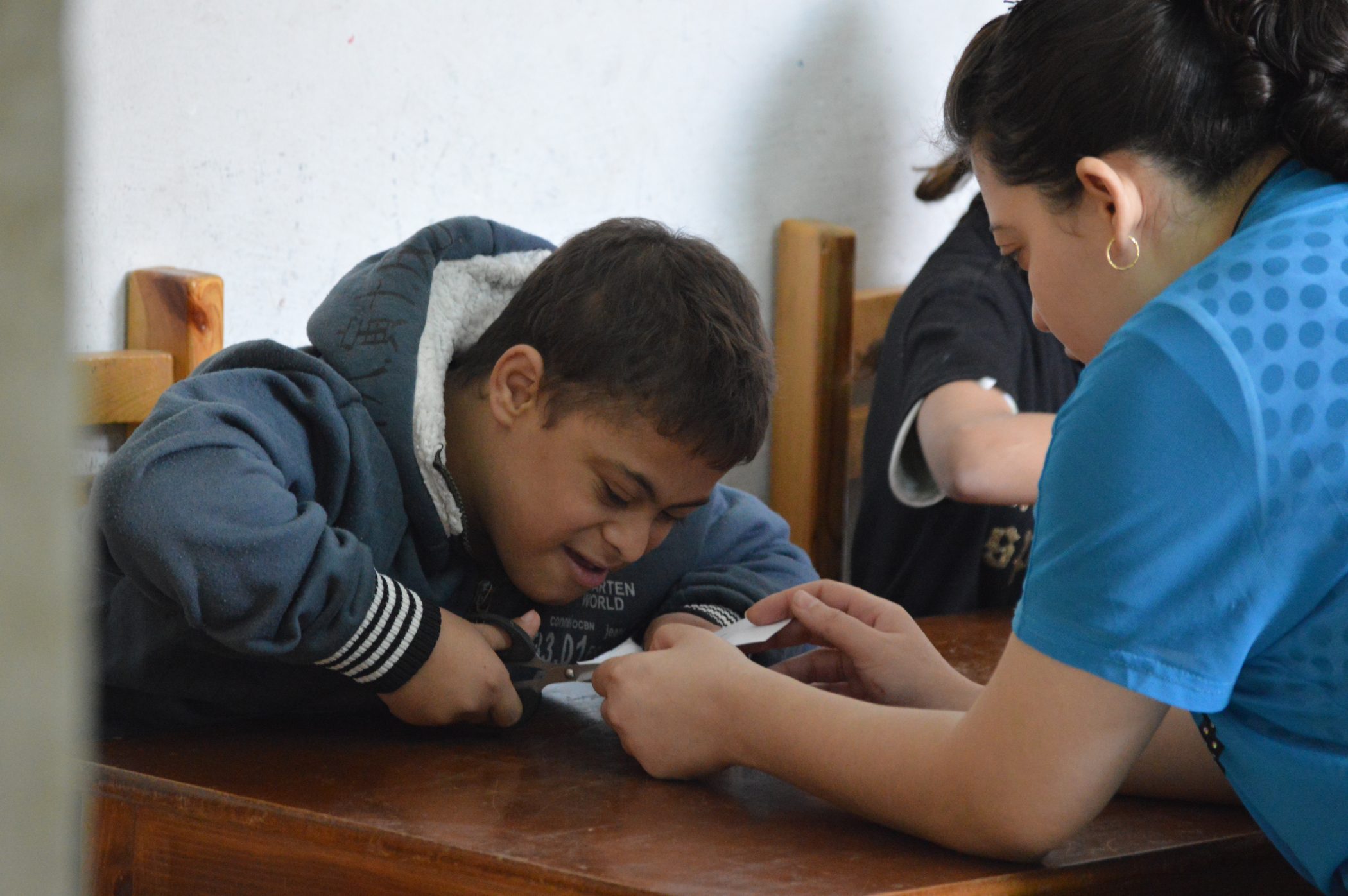
A combination of high fertility rates and a burgeoning youth population marks a new chapter for Egypt’s older people. Through intergenerational activities, we make sure they don’t get left behind. We also set up networks that connect people with disabilities to community-owned structures and local advocates for inclusion. In relation to this, we engage in formal lobbying for the rights of those most marginalised.
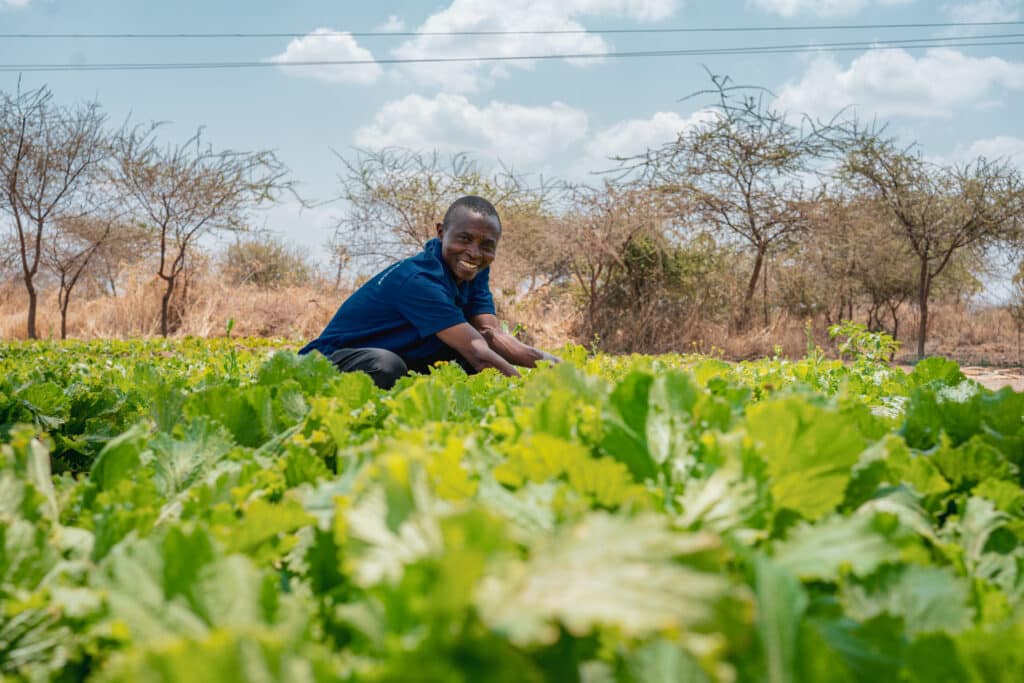
We provide smart-agriculture training to help women gain confidence, harness their best strengths and become self-sufficient. Our Farmer Field School teaches women how to adopt good agricultural practices while growing their own crops and boost their household income by increasing the value of their output and keeping livestock. They also learn how to read and write and acquire life and entrepreneurial skills, designed to help them kick-start their own business.
Oasis Community Centre
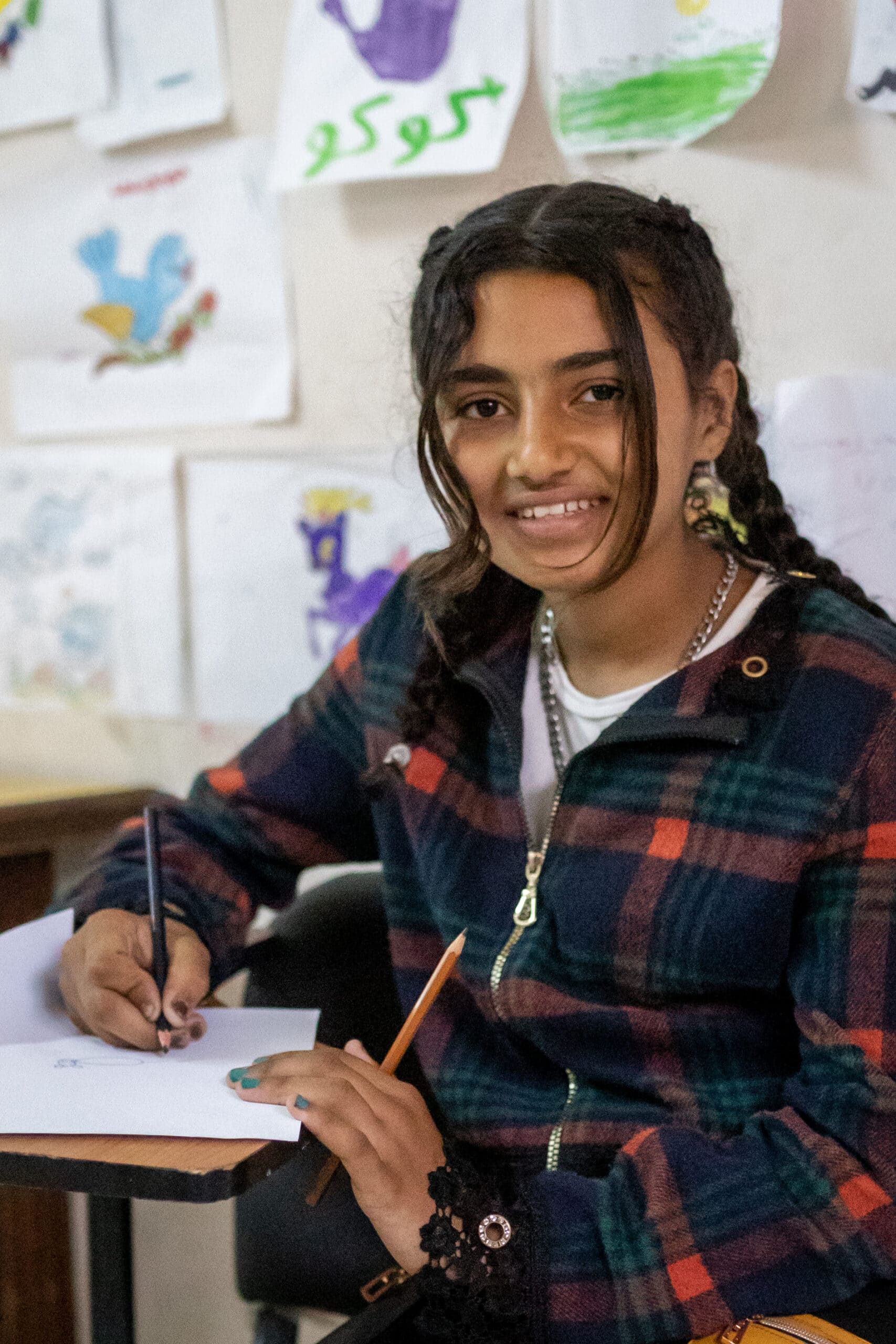
Discrimination and violence against women and girls is one of the most systemic and prevalent violations of human rights worldwide. In Egypt, a historically patriarchal society, domestic violence, sexual harassment and female genital mutilation (FGM) are distressingly on the rise. Despite existing state protection laws, women and children, especially those living in poverty and informal settlements, have limited capacity to make their own choices and shield themselves from harm.
In the cities, the effect that deep-rooted gender discrimination has had is starkly clear. Women living in the slum areas of Cairo battle with their socioeconomic status on a daily basis. Even the work of the Zabbaleen (زبالين), the capital’s famed ‘garbage collectors’, is regularly dominated by men, leaving women with little way out.
Meet our partner in Egypt
We are able to operate in a complex environment thanks to our long-term partnership with Egyptian NGO, Life Vision for Development. Life Vision takes a grassroots approach to everything they do, serving the most marginalised (women, children and youth) by strengthening the capacity of local communities and helping every person live life with dignity.
Together we work to create a more equal society and bring about lasting change, all with respect to the changing situation on the ground.
Downloads
Download the Dorcas Egypt Strategic Plan 2026–2030: From crisis to resilience. This document outlines our vision and strategy for the coming years.