Piroska from Romania finds strength in community
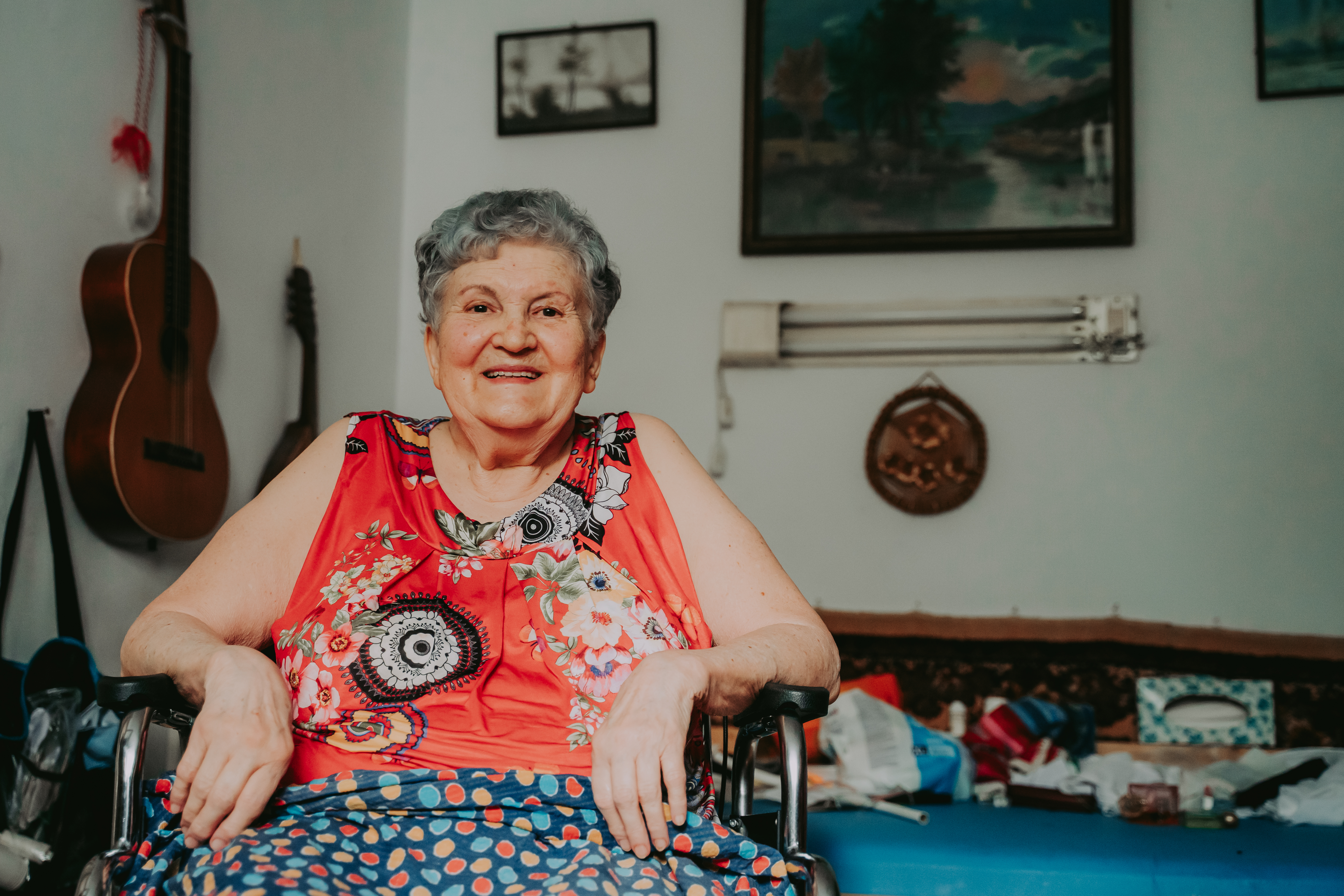
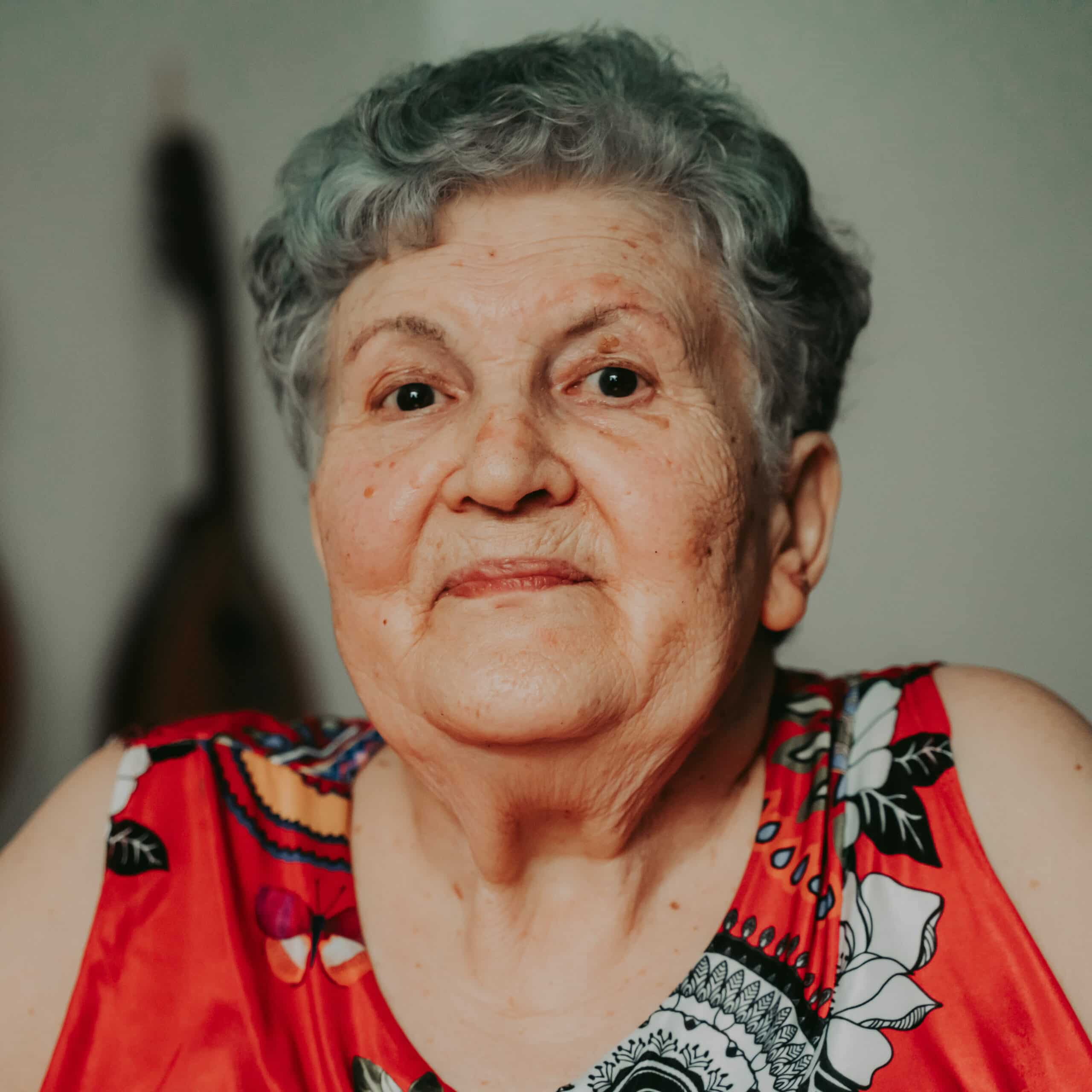
Piroska has been part of the Community Safety Nets (CSN) programme in Romania since 2012. After losing parts of both legs in a train accident, everyday life became a significant challenge. Living on a small pension, she struggled to meet her needs and manage daily tasks. Alongside practical support, she needed something just as important: people she could rely on.
Over the years, the CSN programme of Dorcas Romania has supported Piroska in making her home more accessible and meeting essential needs. She has received monthly food packages, medication and hygiene products, as well as support with utility bills and minor repairs. Her bathroom door was widened so she could use it with her wheelchair, and cleaning assistance was arranged through local authority services.
Mobility has also been an important part of maintaining her independence. Prosthetic legs gave her greater freedom of movement for a period, and a small electric mobility vehicle made it easier for her to get around.
More than practical support
Today, complications related to diabetes mean Piroska can no longer use her prosthetic legs, and moving around has become difficult again. Yet after more than a decade in the programme, she knows there are people she can turn to. When she has a problem, feels unwell or is admitted to hospital, she calls the people she has come to trust through the Dorcas team.
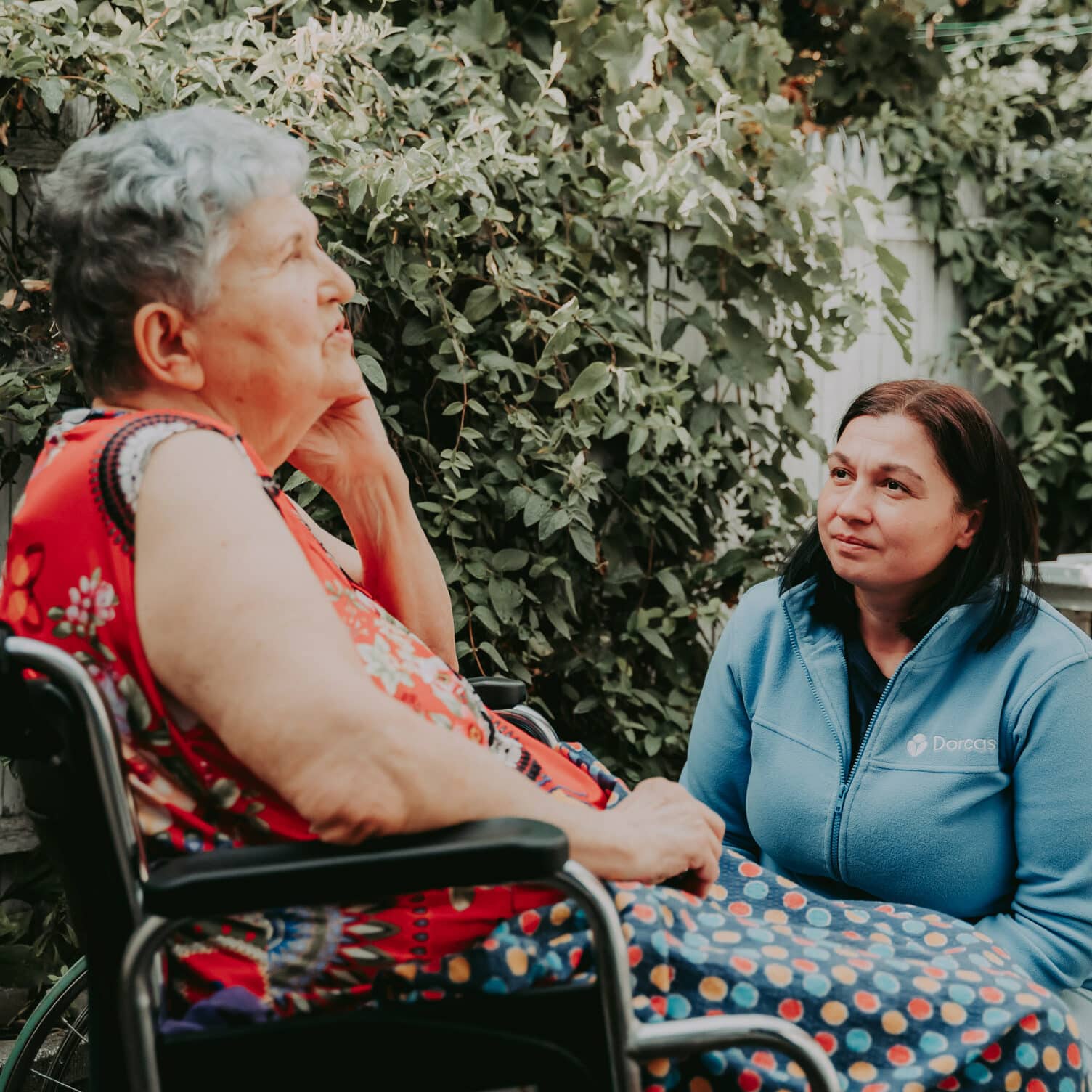
This sense of connection is strengthened through having regular contact. Volunteers make visits to Piroska and also come to see her on her birthday. These visits have become an important part of her life.
A community that stays close
Community-based support is about more than responding to practical needs. Through Community Safety Nets, Dorcas works with local actors to strengthen the support around older people and connect them with the assistance and relationships they need to remain part of their communities.
For Piroska, that support has made life safer and more dignified. It has also given her something that cannot be measured in material terms: the reassurance that she is seen, heard and valued.
Her story shows why the rights and dignity of older people are closely connected to community life. Accessible living conditions and support with essential needs matter, but so do relationships, trust and the reassurance that someone will be there when needed. When communities stay connected to older people, they can ensure that no one has to face life’s challenges alone.
As part of Dorcas’ 2026 International Day of Older Persons campaign, ‘Seen and valued – rights and dignity of older people’, we are highlighting the rights, dignity and contributions of older people and the value they bring to their communities.