The bicycle is a very useful and handy means of transportation for many people around the world. Not only is cycling good for your health, but it is also a very sustainable way of transportation that is low in costs. Because of the many benefits and the positive impact of the bicycle on the environment, we celebrate world bicycle day each year on the 3rd of June.
Lifechanging bicycles
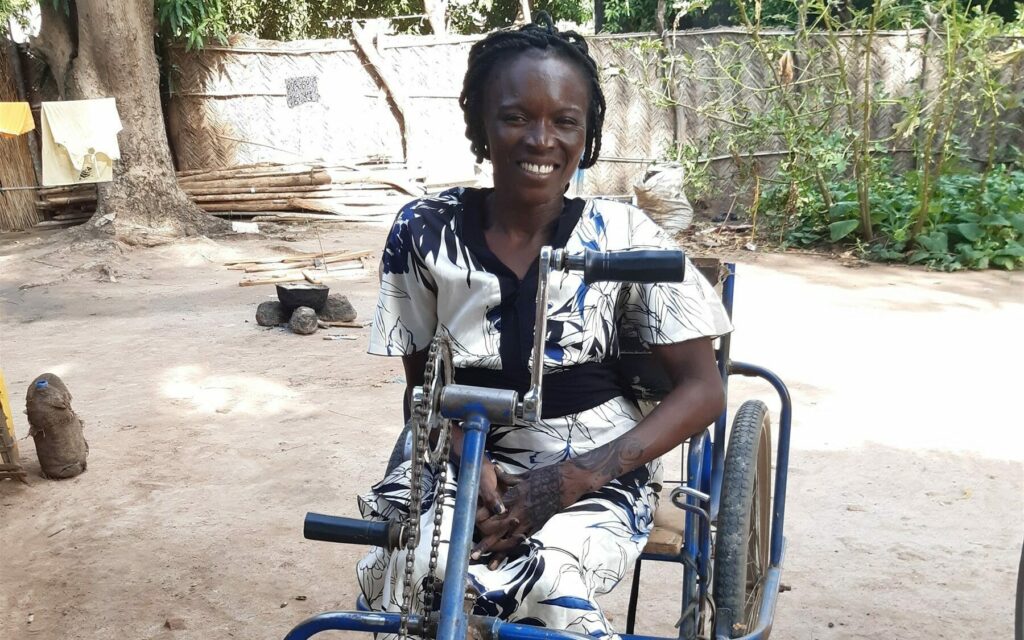
Next to the flexibility and benefits to one’s health and the environment, the access to a bicycle or tricycle for some people is lifechanging. Project participants of our skills for work-project in South Sudan for example received a bicycle because many participants had to travel a long distance to the training facility. Tricycles were given to students with a disability. This was beneficial to the mobility of these students and because they were now able to access education, the bicycles and tricycles strengthened their socio-economic status. Next to that, it also increased their ability to access different livelihood opportunities and it overall significantly improved their lives.
James Kang from South Sudan is one of the students with a disability whose life was positively impacted by the tricycle. Because of the tricycle, he was able to access his classes and complete his business administration certificate. Later, he proceeded to join the university and used the tricycle to get a diploma in Business Administration.
Business by bike
Students in South Sudan received a bicycle through our vocational skills and livelihood improvement-project. The distribution of bicycles to project participants in remote areas has been very instrumental in the improvement of how they conduct their businesses. By bike, students were able to transport their farm produce more easily to the markets in town. For several students with disabilities, the bicycles increased their livelihood opportunities and reduced their transportation costs, as they were no longer reliant on hired motorcycles.
Through the Pride! project, bicycles and tricycles were also distributed to persons with disabilities in order for them to improve their mobility and access activities. Pride! ran from 2021 to 2023 and is funded by the European Union and implemented by a consortium led by Dorcas with partners ZOA Dorcas*, Light for the World, and Help a Child.
Because of all these benefits and the way bicycles considerably improved the lives of many project participants in South Sudan, we happily celebrate world bicycle day!
*In South Sudan – as of 1 May 2022 – Dorcas and ZOA form a joint working organisation under the name ‘ZOA Dorcas South Sudan’. With this collaboration, more impact on the lives of people who are most affected by the crisis and poverty in the country is realised.
A safe and healthy working environment is a fundamental right. Today, on the World Day for Safety and Health at Work, we want to highlight the importance of this topic, specifically of providing good staff care that lowers work-related stress.
The World Day for Safety and Health at Work focuses on advocating towards governments and employers to provide a context in which risks in the workplace are minimised and for them and employees to take these risks seriously. Lowering work-related stress and high work pressure, are an important part of promoting health and safety.
People who work for Dorcas can be confronted by difficult and stressful circumstances, such as conflict, instability and natural disaster. Our colleagues are very motivated and actively working to support people who face poverty, exclusion and crisis, but they also live in these challenging contexts themselves. It is therefore of great importance to consider how to support staff when they are facing stress inducing situations. This is relevant for Dorcas, but also for other organisations that supply humanitarian assistance and facilitate development cooperation.
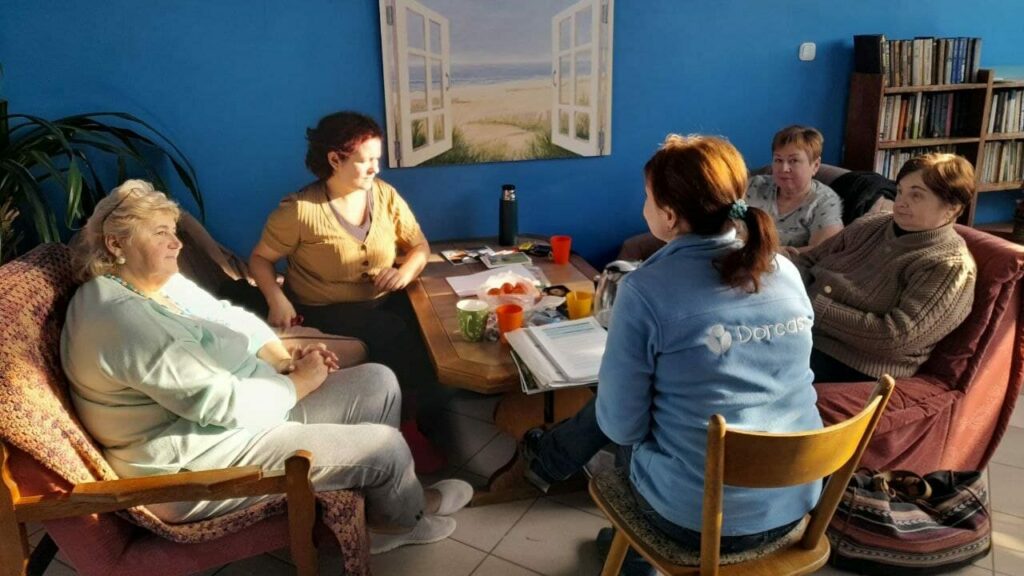
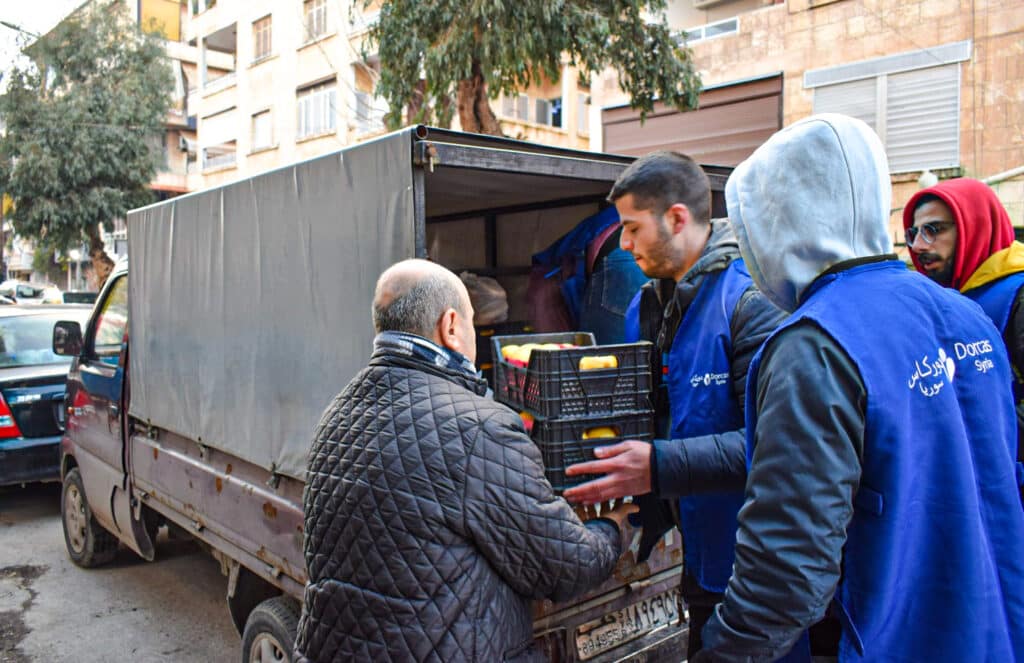
Annerieke Kisjes, International HR Advisor at Dorcas, describes: ‘While our colleagues are providing humanitarian assistance and psychosocial support, they also have to face these circumstances in their own lives. When the conflict in Ukraine started, colleagues from Dorcas Ukraine had to evacuate and became internally displaced persons, while they were simultaneously helping others who were fleeing the violence. We actively offered support and counselling to our colleagues, which benefited them a lot. Also, recently a mayor earthquake caused devastation in Syria. Our colleagues in Syria immediately started to supply shelter and meals to those in need. At the same time, the Dorcas office in Syria was severely damaged, their own houses were not safe to return to and for some it was unsure whether friends and family were safe.’
Maureen Mahfouz, Mental Health and Psychosocial Support Coordinator for Dorcas Lebanon, describes: ‘It is challenging because we live in a very difficult context. We work with people who are suffering from injustice and traumatic events, which is very stressful. Activities that could help us deal with distress are not always possible because of for example the economic crisis and lack of time. However, as a team we receive training to deal with this and to build and strengthen our relationships, as we face this together.’
As an organisation that works in difficult circumstances, Dorcas has a responsibility towards its employees to make sure that they are safe and receive the support they need. Psychosocial support is a vital part of this. We offer coaching, counselling, mentoring and training and right now, we are rolling out a worldwide staff-care project to be able to even better support Dorcas employees. The staff care that is needed in the country offices, can differ across different cultures and we are sensitive to the needs of our staff. In collaboration with the Antares Foundation and our country offices, we endeavour to address key areas for improvement and organise the necessary support, training and guidance in strengthening psychosocial resilience of Dorcas staff, volunteers and partners. In this way, we support our colleagues, and this enables them to support project participants and to continue to work on the frontline for those in need.
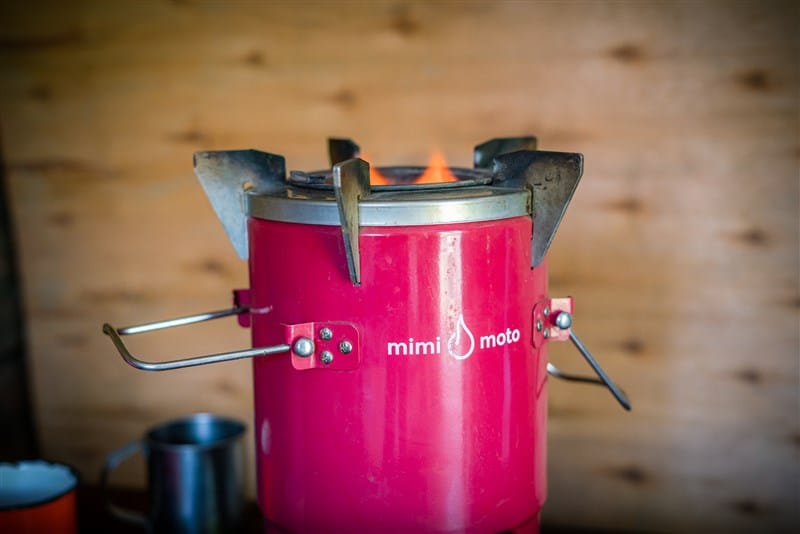
Today is International Women’s Day: a day that is celebrated around the world! On this day, we specifically acknowledge and honour the achievements and strength of women from all backgrounds. This year, the UN highlights the importance of access to technology and innovation in order to attain gender equality. In an age of constant progress and innovation, technology plays a vital role in the empowerment of women and girls when it is focussed on meeting their needs. The clean cooking energy project of Dorcas aims to empower women and strengthen their position for economic participation. Waliaranga from Tanzania shares how clean cooking improved her health, increases adaptation to climate change and empowered her in her day-to-day life.
Waliaranga: ’Preparing food for my family is one of those chores on top of my priority list. I had never imagined the effects of using firewood as the only source of fuel. Our way of preparing food is not only a miserable experience, but also a damaging habit to the immediate environment and it causes land degradation. On top of that, it’s also very harmful for our health and leads to itching red eyes and constant coughing. These are just some of the prices we are paying for using firewood. We didn’t have a choice then – but now we do.’
The effects of clean cooking
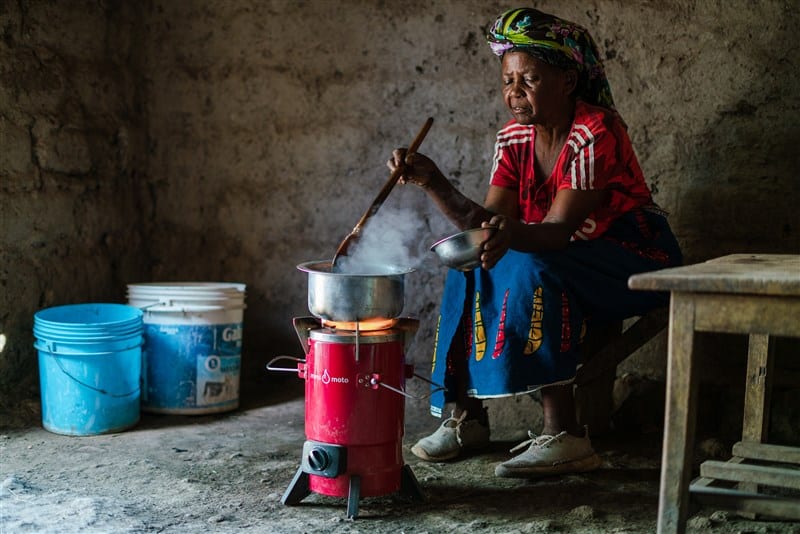
Waliaranga became part of the clean cooking energy project of Dorcas. Clean cooking is the production and distribution of fuel pellets and briquettes and the inclusive market development of ultra-clean cooking stoves, which positively impacts the lives of many Tanzanians. In this project we establish a socially responsible, innovative entity geared toward social change. Clean cooking leads to increased household resilience, family health and adaptation to climate change because of reduced deforestation, gas emission, workload for women, costs for fuel and new income generating opportunities. The cycle of energy poverty will be broken by making clean cooking affordable and accessible.
Waliaranga shares: ‘Since we’ve cut down all our trees, we now had to buy firewood at 2,000 Tanzanian shilling a bunch. The clean cooking stove, the Mimi Moto stove, uses recycled wood pellets which are affordable and economically practical – I can cook more food with just one kilogram of recycled wood pellets than with a bunch of smoky firewood. And a kilogram of pellets is only 700 Tanzanian shilling.’
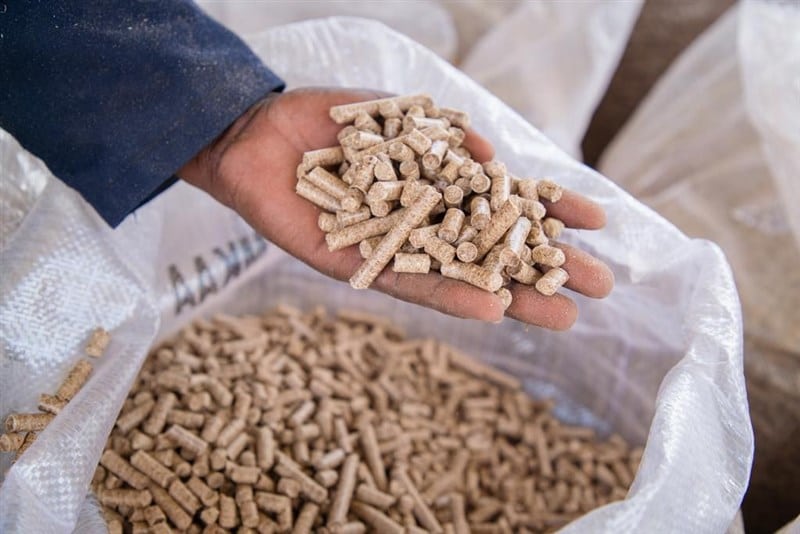
How Clean Cooking improves gender equality
Dorcas is committed to promoting gender equality. This has been deeply embedded in our way of working for many years. One of the ways we want to contribute to increased gender equality, is by creating equal opportunities for economic participation. The reduced workload for women, is essential in their empowerment and access to other sources of income and education. When women and girls are required to spend a lot of time gathering firewood and tending the fire while cooking, this reduces their opportunities to spend that time doing other work (and increase their income) or go to school.
Waliaranga: ’I had never imagined that I would one day just turn on the stove and make a meal in the comfort of my living room. No smoke involved and the cooking goes a lot faster. I don’t have to sit there to keep the fire burning. This gives me time to attend to other chores on my priority list. The clean cooking stove helped to turn things around in my life.’
Today is the 16th World Day of Social Justice. This year’s theme is: Overcoming Barriers and Unleashing Opportunities for Social Justice. Strengthening socials justice is a vital part of the United Nations agenda, while simultaneously the world seems more fractured than ever due to the many crises that we have faced over the last decade. Social justice deserves more attention in the coming years to achieve more equal, thriving and inclusive societies.
Dorcas is committed to combat major inequality and promote social inclusion in the countries we work. As an organisation, we address exclusion by empowering groups that have been structurally marginalised, such as older people, people with disabilities and minority groups. These groups are our key priority, as we recognise that when socials justice for marginalised people and groups is attained, it improves the overall well-being of societies.
Dorcas invests in sustainable change on three levels: individual, community, society. On individual level, we create opportunities for people to develop themselves further, and if necessary, we provide for their basic needs. On community level, we invest in resilient, self-organising communities that work together to solve their problems. At society level, we contribute to a just society in which everyone can participate. Change on these three levels is also important in striving for social justice.
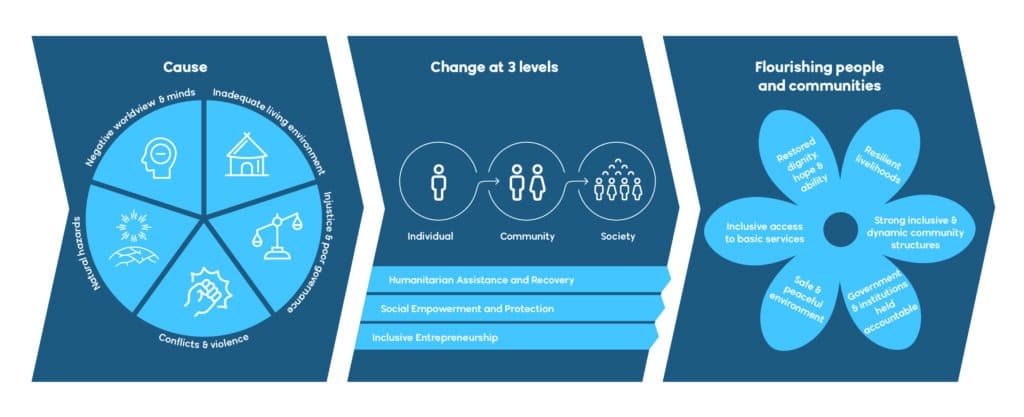
How we facilitate social justice in countries such as Albania, Lebanon and Ethiopia:
On an individual level, we directly empower people by:
- Supplying in basic needs such as food packages, hygiene products and lifesaving assistance.
- Offering protection such as psychological support, child protection and support to those facing gender-based violence.
- Organising vocational trainings and information sessions on government services.
- Providing legal support and cash-assistance.
These services empower individuals to be thriving members of society and overcome barriers that lead to exclusion.
On community level, we empower communities by:
- Raising awareness on human and social rights and advocating for the rights of the most vulnerable.
- Supporting care and protection of vulnerable people through safety nets.
- Training in community mobilisation and leadership.
- Stimulating the exchange of experience with community representatives.
- Establishing self-help groups and business groups.
- Promoting the protection of vulnerable community members through different approaches, such as awareness raising related to GBV and child rights, capacity building and knowledge on rights.
Strengthening community leaders and capacitating them to engage in promoting human rights is essential in overcoming exclusion and promoting social justice.
On society level, we influence policies and create impact by:
- Continuously collaborating with actors, stakeholders and municipalities to coordinate and complement approaches and services to advocate for change.
- Providing knowledge, information and capacity building.
- Advocating with local government for additional services for marginalised people.
- Offering technical assistance to develop local policy documents.
- Facilitating multi-stakeholder meetings.
- Engaging in advocacy initiatives to reduce rights violations and shed lights on the important role of local partners in humanitarian response.
To continue to improve social justice, Dorcas works towards sustainable development and has clear points of action for the coming years. We will work closely with government institutions to support them in the development of programmes that promote social equity and advocate for more funds on social cohesion. We keep raising awareness on human rights and the importance of the inclusion of marginalised groups to improve social justice. Also, we prioritise activities that strengthen capacity building of local leaders and mobilise communities. We plan to achieve this through establishing formal and informal networks of service providers and stakeholders.
Strengthening social justice in an increasingly divided world struck by multiple crises requires an approach on these three levels. It is not only the world’s economies that are increasingly linked and interdependent; structures within a society are also interconnected.
On individual, community and society level, the capacity building of marginalised people groups needs to increase. Only when everyone has a voice and is included, will we see a thriving world.
Why Dorcas considers mental well-being to be a priority
Poverty, disaster and violence impact communities and countries worldwide and have a devastating impact on millions of people’s mental health and psychosocial well-being. Yet humanitarian assistance often just focuses on providing tangible health services, food and shelter. In this article, Dorcas argues why mental health and psychological support (MHPSS) should also be an integral component of both short- and long-term humanitarian assistance.
The importance of mental well-being
Evidence has consistently shown that people with mental illness have greater physical health morbidity and mortality compared to the general population. Heleen Berends, Humanitarian Assistance Expert at Dorcas Ukraine, explains how mental health issues in a conflict situation affect people’s resilience and ability to cope. ‘For example, a few months after the war in Ukraine started, we noticed that teenagers and young adults were having such a hard time. Especially those who had fled from the contact lines. Suddenly they were without school or work, experienced uncertainty about their future and lacked a purpose in their lives. On top of that, they had experienced traumatic events, such as life-threatening bombing, having to leave home and losing loved ones. One of the awful consequences of losing hope like this is an increase in the suicide rate.’
Likewise, millions of other people around the world are confronted with a whole range of mental health issues. Without sufficient support, people can experience long-term or recurring setbacks. This can lead to more serious mental health complaints such as anxiety, depression and (post) traumatic stress that can have a negative impact on a person’s ability to work, earn an income or care for their children, for example. Therefore prevention and early treatment are much better than cure when it comes to mental health.
Dorcas’ approach
Dorcas has a long track record with MHPSS in humanitarian assistance, especially in Lebanon and Syria. Our MHPSS programmes aim to protect or promote psychosocial well-being and prevent or treat mental health complaints. We offer individual therapy, group sessions and creative approaches. Our focus is primarily on people with specific needs, such as older people, children, minority groups and people with disabilities.
MHPSS is integrated into all existing programmes of Dorcas. For example:
- On an individual level, Dorcas provides food security, shelter, clean water, medication (for mental health treatments) and cash programmes. We also support people with referrals to specialised support services.
- On a community level, Dorcas is active in awareness raising, supportive parenting programmes, group sessions, educational activities, livelihood activities, community safety nets for older people, self-help groups for women, youth clubs, life skills activities and supporting (self-) employment opportunities. We also have mobile teams (therapists) that reach out to the community.
- On a society level, Dorcas advocates for the rights of marginalised groups and access to (mental) health care and social services.
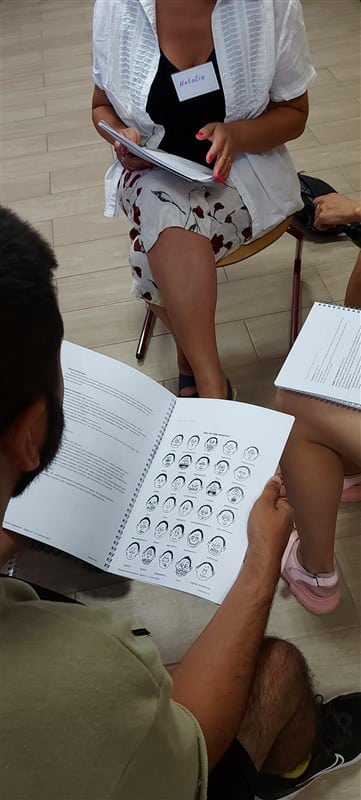
Removing the stigmas associated with mental health issues
An important part of our approach is removing the stigmas associated with mental health issues. We see how many individuals are hesitant to seek help as they might face stigma. This applies to both very severe traumas (for example, due to sexual violence) and minor traumas (for example, when a child has seen its parents in a panic). Social and cultural beliefs regarding mental health cause a lot of preconceptions. The long-used community-based approach of Dorcas provides a solution to this challenge. Heleen: ‘In our group sessions, the participants share experiences, connect with each other, recognise similar mental health issues, and learn that these are a normal reaction to an abnormal situation. This is how the social cohesion – including mutual trust – that has often been damaged is restored again.’
Example from Yemen
Yemen is facing the largest humanitarian crisis worldwide with ongoing armed conflict, displacement, depleted health delivery systems, a fuel and economic crisis, and a shortage of humanitarian funding. In Yemen, mental health and psychosocial support is underfunded and lacks prioritisation. The population of Yemen lives in extreme poverty and with high fragility. These years of conflict, displacement and emotional distress after traumatic experiences cause a wide range of mental health issues and chronic stress for both adults and children.
Adriaan Jagersma, interim Country Director in Yemen, explains: ‘War brings all kinds of trauma, especially in Yemen where thousands of children have starved to death and many people live in refugee camps and have experienced rocket attacks. All these things take their mental toll. At the same time, we also see a lot of resilience and a great desire to look beyond this crisis. So when we are looking for ways to support people in rebuilding their lives, one of the most important questions to ask is simply: how do you feel? How can we support you in finding hope, confidence and motivation again?’
Staff care
Humanitarian staff may experience direct or indirect exposure to trauma and therefore many stressors in their work. An increased risk for burnout and depression is seen among local and international humanitarian workers. As an employer, Dorcas ensures that all staff have access to supportive tools so that they are self-aware, find a healthy work-life balance and can process intense emotional experiences. This also applies to staff working in situations of extreme and chronic poverty.
In conclusion, mental health is a critical emergency health tool and protection intervention for everyone involved in humanitarian work and development. It is crucial to the overall well-being, functioning and resilience of individual project participants and staff, as well as communities and societies recovering from emergencies and poverty. Dorcas invests in professionals with sufficient psychological knowledge and experience. We believe this is an essential part of structural recovery after poverty, disaster and violence.
The Resilience and Contributions of Older Women
A Dorcas inquiry on the situation of older persons in Eastern Ukraine shows that a relatively large number of older people stay at home even when they live close to an area with active fighting. Sometimes this is out of choice, often it is out of necessity, being unable to flee or start a new life elsewhere.
Older people are resilient and resourceful albeit often not by their own choice. It is a sometimes brutal necessity to just survive. The recent Dorcas report on older people and conflicts and the earlier Dorcas report on COVID-19 and the rights of older people address two global challenges – conflict and COVID-19 – that force older people to be resilient. Resilient whether they like it or not.
A key call to action in both reports is to: ”Listen to the voices of all older people and acknowledge their wisdom, knowledge and experience.” Older people have the right to be seen and listened to. They have the right to participate in priority setting and decision making about topics that matter to them, including humanitarian and other assistance.
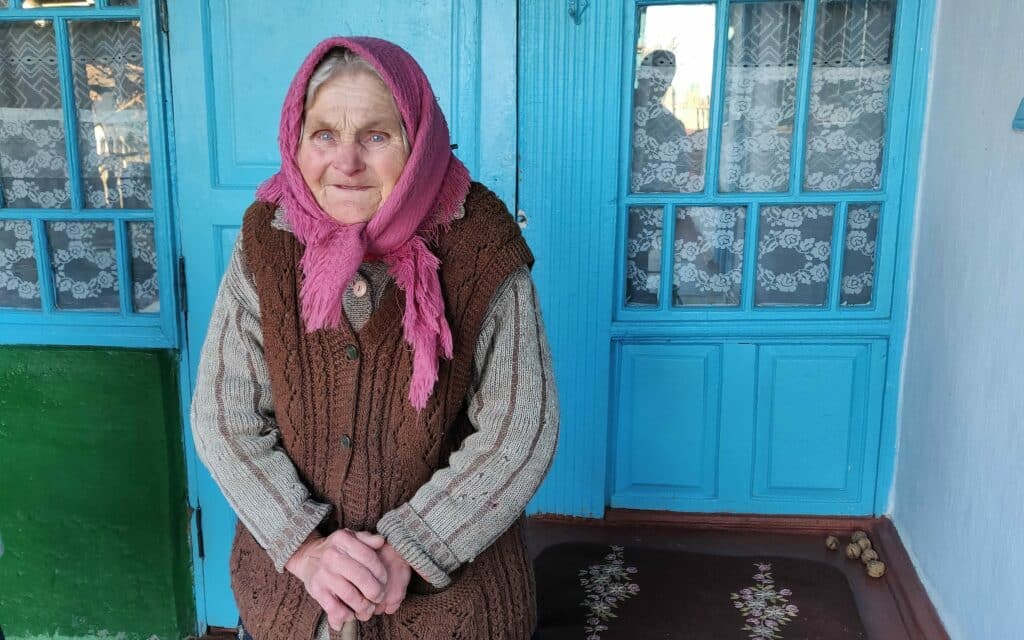
1 October is the International Day of Older Persons. The 2022 edition celebrates the resilience of older people and gives special attention to the resilience and contributions of older women who constitute the majority of older people worldwide.
Older people manage to successfully navigate today’s myriad of global challenges. These global challenges are manifest: the COVID-19 pandemic, the increasing number of conflicts, climate change and major socioeconomic challenges including the current exorbitantly high fuel and energy prices.
The effects of these challenges are felt globally and continue to be significant, particularly for many older women in low-and middle-income countries, who bear the burden of cumulative disadvantage. Recognition of the vital contributions of older women and inclusion of their perspectives and needs is critical to creating policies responsive to local, national and global challenges.
Older women, in particular are the unsung heroes embodying often unseen resilience in living through and responding to climate disaster, pandemic and conflict. They do so as they experience and manage the physical and emotional disruption due to losses of family, income, and social connectedness.
The meaningful contributions and experiences of older women remain largely invisible and disregarded due to gendered disadvantages accumulated throughout the life course. The intersection between discrimination based on age and gender compounds new and existing inequalities, including negative stereotypes that combine ageism and sexism.
Dorcas calls on all governments – in particular the Dutch government – and all private sector and civil society actors, to include older women and other people who are marginalised in all policies.
“All older people have the right to be seen, to be valued for who they are, to be listened to, to participate in all decisions that matter to them, to be protected and supported.”
Nico Smith, Thematic Expert Social and economic Inclusion
In 2021, Dorcas portraits older women using their powerful personalities to advocate for change in their communities: at economic, social and political levels. These normal yet extraordinary women are portraited in word and images in Dorcas’ Portraits of Power. Be inspired by their resourcefulness, their hope and their resilience.
https://dorcas.org/olderpeople
Written by: Ioana Lungoci, Ioana Ghiurau – Dorcas Romania
In December 2019, the world heard about the first “pneumonia” cases of unknown cause in China. On 7 January 2020, a novel coronavirus was identified: 2019-nCoV.
Since then, the world has changed beyond imagination. Over 6 million people have died[1] and many who contracted the virus are now suffering from the effects of long COVID. The secondary social and economic effects across the world are still hard to fully comprehend.
Healthcare workers were the frontline heroes in the battle against the COVID-19 disease. Organisations around the world responded to decrease the negative impacts of the COVID-19 pandemic on society, especially amongst vulnerable communities.
One of these communities is represented by the Roma people. Roma form the European Union’s largest ethnic minority. While there is no official number for the Romani population worldwide, 10 – 12 million Roma people[2] live in Europe. Approximately 6 million of them reside inside the European Union.
These people, already scarred by extreme racism, social exclusion and poverty, saw their situation worsen under the pandemic.
According to the Second European Union Minorities and Discrimination Survey of 2018, every third Roma child lives in a household where someone went to bed hungry at least once in the previous month. Only 53% of Roma children attend early childhood education. This is typically less than half of the proportion of children their age in the overall population. Between 2011 and 2016, the number of Roma children in segregated, inadequate schooling climbed by half, from 10% to 15%, in just five years[3].
Only 30% of Roma are able to work for a living, compared to the average EU employment rate of 70% in 2015. Furthermore, 41% of Roma report they have been discriminated against in everyday situations, such as looking for work, housing, health and education over the last five years[4].
In this environment, the COVID-19 pandemic has adversely impacted the already challenging lives of Roma communities. During the pandemic, the Roma population continued to endure prejudice and unequal access to essential services. They encountered problems in five areas: housing, health, employment, education, and discrimination.
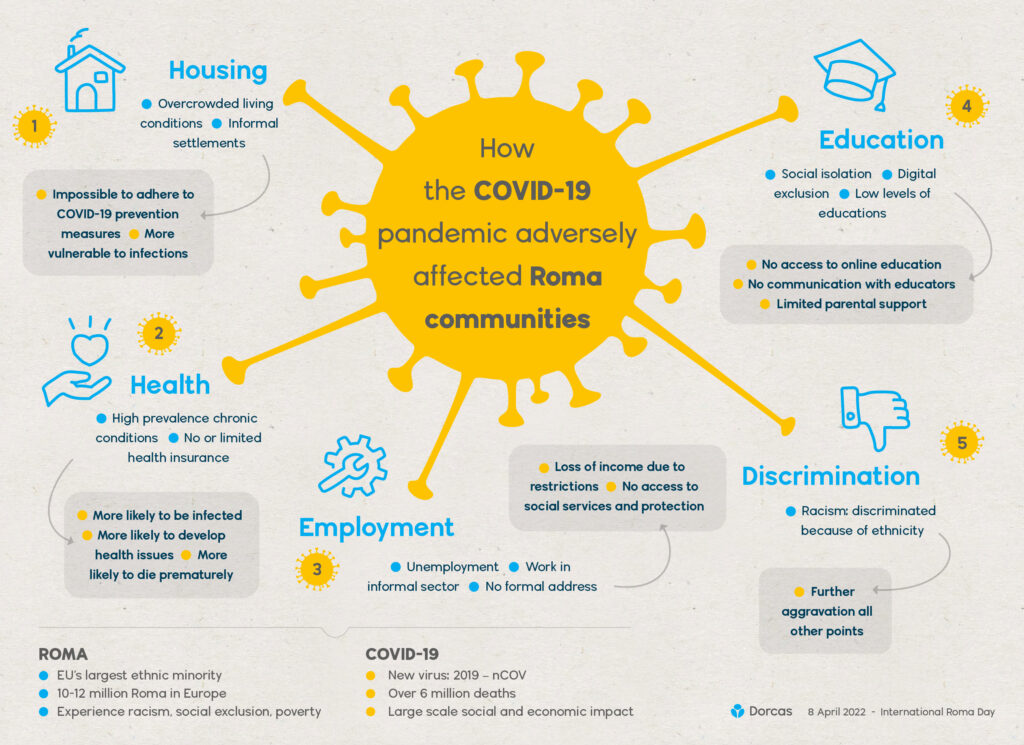
- Housing
Overcrowded living conditions make it impossible for Roma to adhere to hygiene, social distancing and isolation standards in informal settlements. In the European Union, 30% of Roma do not have access to running water and up to 80% live in densely populated areas with overcrowding[5].
2. Health
Due to a high prevalence of long-term chronic conditions, Roma are more likely to not only catch the virus but also to develop health issues and die prematurely.
They face challenges in obtaining healthcare since few have health insurance and the majority reside in segregated neighbourhoods. Many of them are vulnerable to malnutrition, which was already prevalent prior to the pandemic. Their life expectancy is ten years lower on average than that of the general population in the countries where they dwell[6].
3. Employment
Unemployment and low work intensity have long been a problem for Roma, particularly among women. Many Roma lost their daily sources of income and face limited access to social services, which are sometimes made more difficult by quarantine restrictions.
Their daily or occasional job in the informal sector, such as collecting and selling waste materials, small trading, digging in landfills, scavenging for food in garbage cans or even begging, has historically been their source of income. The current situation has driven them even further into poverty. Due to their unstable employment and lack of a formal residential address, Roma were frequently denied social security benefits. Most employment assistance policies to reduce the impact of the COVID-19 crisis impact did not specifically target or include them.
4. Education
Socially isolated and digitally excluded Roma children found it difficult to participate in distance learning. They often lack access to digital media and an internet connection, so they could not follow lessons or communicate with educators. In addition, parents, who often have a low level of education themselves, could not offer educational support.
Many distance-learning programmes need a variety of resources that Roma children rarely have at home. And even if such resources were available, then studying at home in tiny houses with large families was a considerable challenge.
5. Discrimination
Roma continue to endure intolerable levels of prejudice in everyday life, whether they seek a job, are at work or in school, need healthcare, interact with administrative entities, or visit a store. In the past five years, nearly 41% of Roma felt discriminated against in at least one of these areas due to their ethnic origin. However, one-quarter of Roma (26%) say the last incident of perceived discrimination occurred in the 12 months prior to the survey[7].
Racism is common, exacerbated by the fact that many Roma individuals have returned to Eastern Europe after losing their employment due to lockdowns in Western Europe. In some communities, they were even blamed for bringing the virus home with them[8].
[1]https://www.economist.com/graphic-detail/coronavirus-excess-deaths-estimates
[2]https://ec.europa.eu/info/policies/justice-and-fundamental-rights/combatting-discrimination/roma-eu/roma-equality-inclusion-and-participation-eu_en
[3]https://fra.europa.eu/en/publication/2016/second-european-union-minorities-and-discrimination-survey-roma-selected-findings
[4]https://fra.europa.eu/en/publication/2016/second-european-union-minorities-and-discrimination-survey-roma-selected-findings
[5] Roma in the COVID-19 crisis: An early warning from six EU Member States – Italy | ReliefWeb
[6] https://www.eesc.europa.eu/en/news-media/presentations/roma-health
[7] https://fra.europa.eu/sites/default/files/fra_uploads/fra-2016-eu-minorities-survey-roma-selected-findings_en.pdf
[8] https://www.euractiv.com/section/coronavirus/opinion/the-roma-are-among-most-threatened-by-covid-19-in-europe/
Seventy per cent of the 1.3 billion people living in conditions of poverty are women. In urban areas, 40 per cent of the poorest households are headed by women. Women predominate in the world’s food production (50-80 per cent), but they own less than 10 per cent of the land. Eighty per cent of the displaced by climate related disasters and changes around the world are women and girls. Climate change may lead to more gender-based violence, an increase in child marriages, and worsening sexual and reproductive health.
Looking at these data published by the United Nations, it would be easy to view women – and in particular older women – as victims. Dorcas has a different message on International Women’s Day.
Women are not helpless victims, but they do experience – more than others – the impact of injustice and gender inequality. Advancing gender equality in the context of the climate crisis and disaster risk reduction is one of the greatest global challenges of the 21st century. Women are increasingly being recognised as more vulnerable to climate change impacts than men, as they constitute the majority of the world’s poor and are more dependent on the natural resources which climate change threatens the most.
At the same time, women and girls are effective and powerful leaders and change-makers for climate adaptation and mitigation. They are involved in sustainability initiatives around the world, and their participation and leadership results in more effective climate action.
Every day Dorcas meets strong older women who live in difficult circumstances. A current example are Ukrainian women who for the past week daily cross the border with Romania to help and comfort those who flee from the war in Ukraine. At the end of each day, they return to their own homes in Ukraine.
Despite their circumstances, these women have chosen to empower others and to help them develop – not only themselves, but also the people around them. These women use their strength to advocate for changes in their communities, on an economic, social and political level. Women such as Nabila from Lebanon, Ana from Moldova and Martha from Tanzania inspire us with their resourcefulness, their hope and their resilience. You can read their portraits on the Portraits of Power website.
Structural injustice and gender inequality leading to poverty, marginalisation, stereotyping and discrimination of women – and in particular older women – needs to be unpacked and called out for what it is: unjust. All of us need to recognise that women are the ones that across the globe daily experience the subtle and overt effects of injustice and gender inequality. Most importantly all of us need to live out the fact that we all have a role to play in addressing this injustice and gender inequality. And that women – in particular older women – are the ones that lead the way in this when we listen and pay attention. Without gender equality today, a sustainable future, and an equal future, remains beyond our reach.
Meet Jane (57), a strong senior woman from Tanzania – a country known for its beautiful wildlife reserves and for being home to a large variety of ecological systems ranging from Alpine deserts to rainforest areas. Tanzanian women are generally marginalised, a fact that is even more often the case for older women. Older women are usually impoverished, stigmatised and they have limited access to healthcare. Be inspired her story of courage and creativity as she stands strong in the face of poverty and the effects of HIV/AIDS.
“You never know how strong you are until being strong is your only option”
Jane, Tanzania
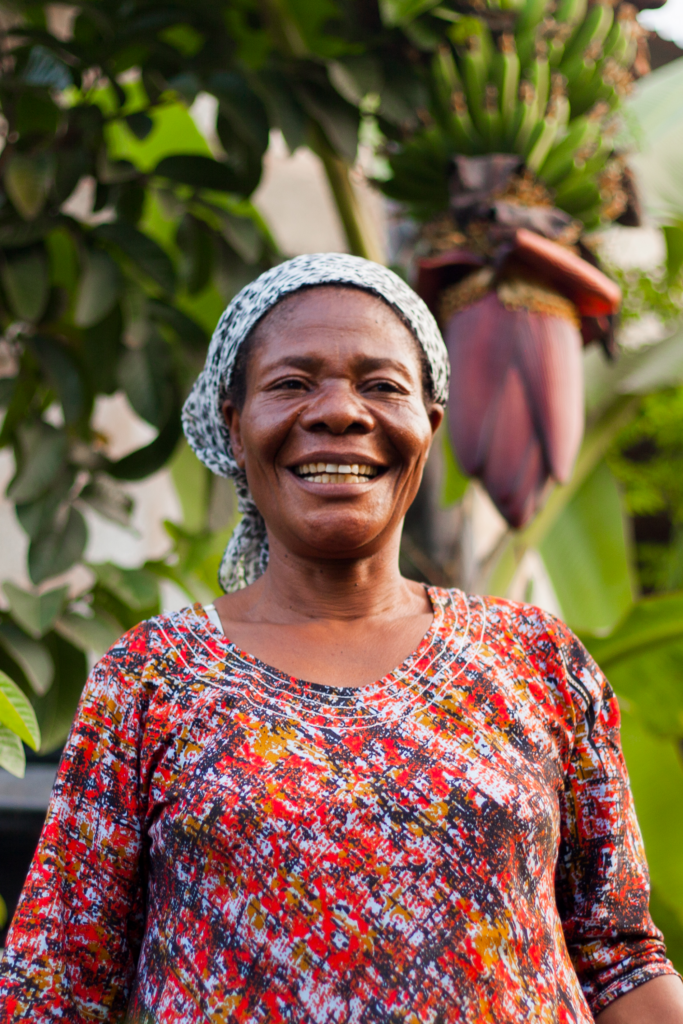
My name is Jane and in 1995, my life changed completely. My husband passed when I was pregnant with our fourth child. We seemed to have a good life – I was married to a soldier, we were blessed with wonderful, healthy children and we lived in an apartment on the military base in Monduli. We had hopes and dreams, just like any other couple.
But, shortly after the funeral, I discovered that my husband had died from AIDS. I was tested and my results came out positive. I felt utterly crushed. Nobody knew anything about HIV in those days, most of the information we had at the time was false. We did hear a lot of rumours and these rumours turned victims into outcasts.