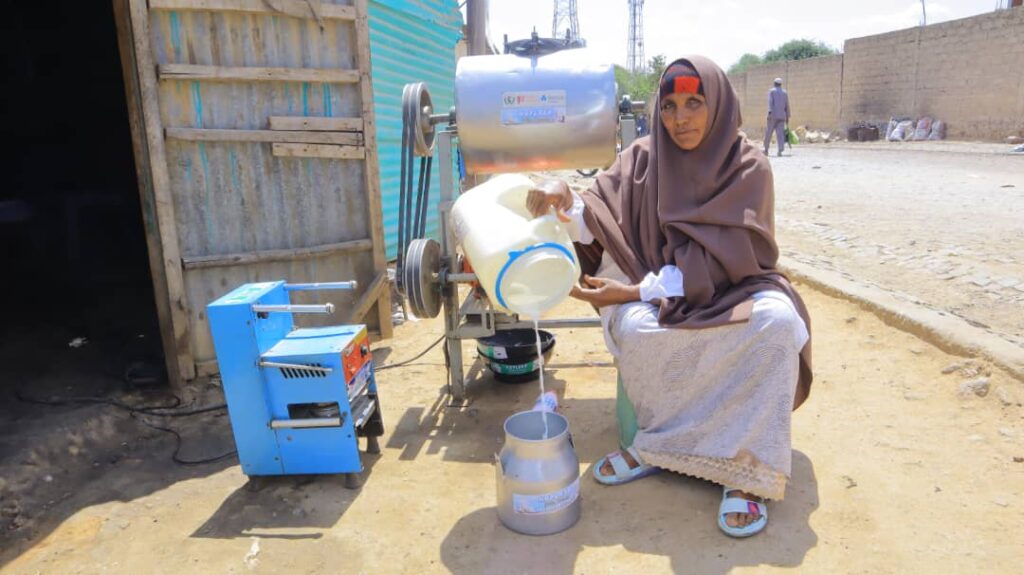
When energy prices rise, food security takes the hit
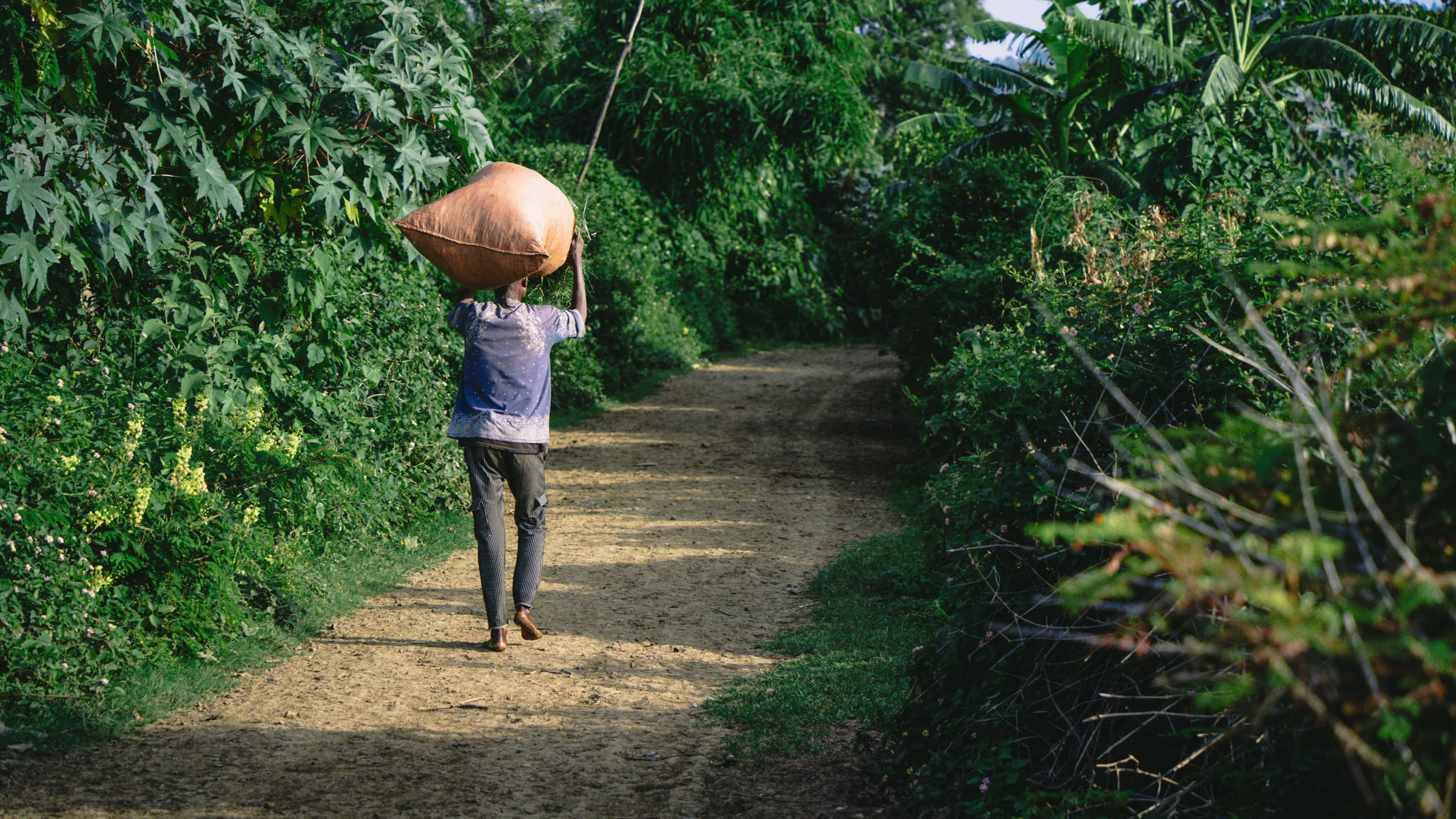
Rising oil prices are often felt first at the petrol station, yet their impact reaches far beyond the cost of fuel. Energy is embedded throughout food systems: it is needed to produce fertiliser, move seeds and harvests, store food and connect farmers to markets. When oil and gas prices rise, the cost of agricultural inputs and food distribution rises with them.
For households already affected by drought, conflict, poverty and high food prices, these pressures can deepen food insecurity. Understanding the links between energy, fertiliser and food prices is therefore essential for anticipating risks and strengthening resilience before a crisis becomes acute.
How rising energy prices affect food systems
The crisis in the Middle East created great uncertainty in 2026 around the Strait of Hormuz, a major shipping route for oil, gas and fertiliser. Experts warned that disruption to this route could have significant consequences. According to the International Fertilizer Development Center (IFDC), up to 30 per cent of internationally traded fertiliser normally passes through the Strait of Hormuz.
Food production is often associated with rainfall, land and harvests. Yet gas and fuel are also key. Gas is essential for producing widely used nitrogen fertilisers, while fuel is required for transporting seeds, fertiliser and harvests. A small-scale farmer in Ethiopia, Kenya or Tanzania may not use a large tractor, but may still depend on a water pump, transport to market and access to agricultural inputs.
Why higher fertiliser costs can affect future harvests
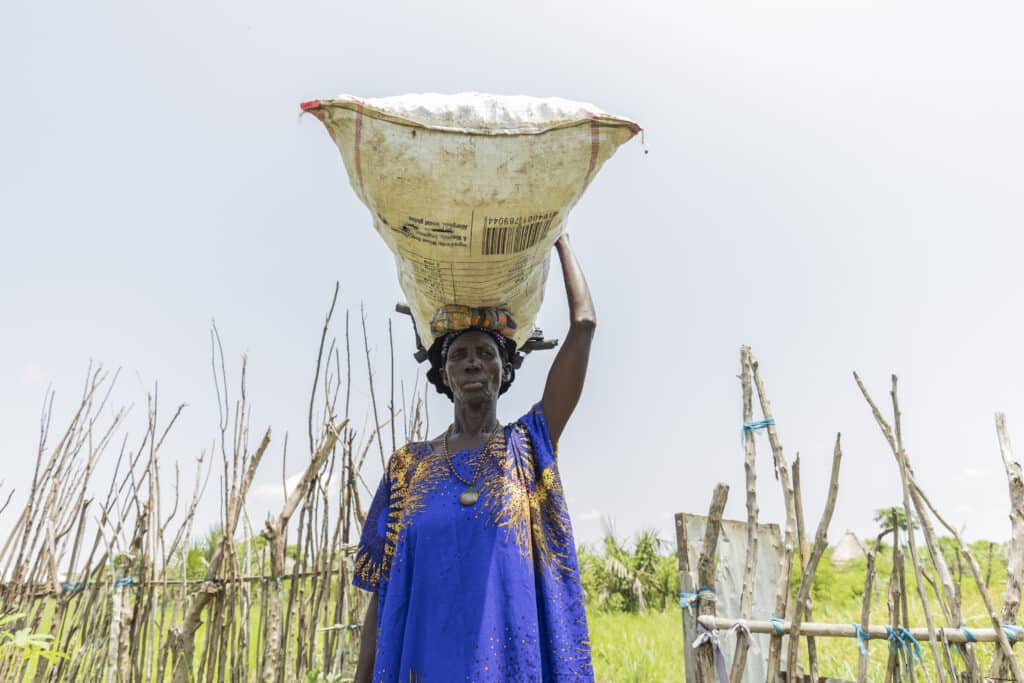
Fertiliser gives crops the nutrients they need to grow well and enables farmers to produce more food from the land available to them. When fertiliser becomes more expensive, small-scale farmers with limited financial reserves face difficult choices: they may buy less, apply it to a smaller part of their land or cultivate less land altogether.
Because these decisions are made before sowing, the consequences often only become visible months later, when harvests are lower. For farmers in Ethiopia, Kenya, South Sudan and Tanzania, higher fertiliser prices can affect farm productivity, household food security and income. Experts warn that pressure on fertiliser markets may be felt into 2027, making early action important before food shortages become acute. If a poor harvest is followed by drought, further food price increases or another shock, household reserves can be depleted quickly.
Where rising costs hit hardest
The impact is likely to be greatest where households already struggle to afford enough food and have little capacity to absorb further price increases. In Yemen, Iraq, Syria and Lebanon, many households are affected by conflict, poverty and high food prices. Further increases in fuel, transport or fertiliser costs can place additional pressure on already limited budgets.
In Ethiopia, Kenya, South Sudan and Tanzania, many households depend on small-scale farming, livestock or temporary work. Their resilience is shaped not only by market prices, but also by increasingly unpredictable weather patterns. Drought can be followed by heavy rain or flooding, making it harder for farmers to produce enough food and maintain income.
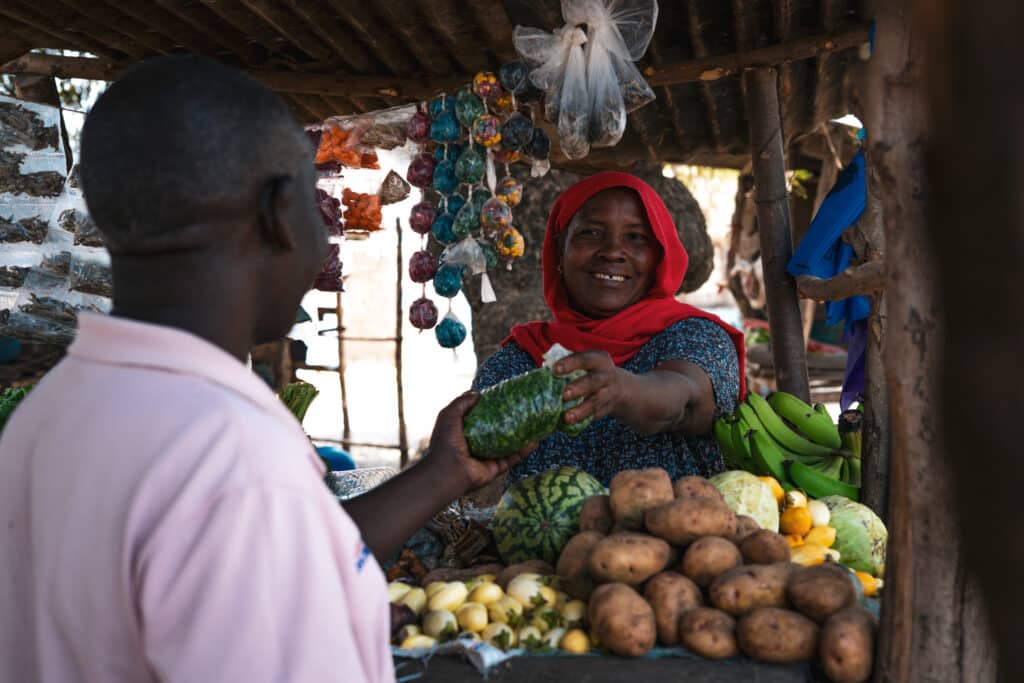
When food becomes more expensive, households may buy less or switch to cheaper products, resulting in smaller and less varied meals. Young children are particularly at risk of malnutrition because they need healthy and varied diets to grow well. Households may also have less money available for school, healthcare and other essentials. Some may sell livestock or tools to buy food, weakening the assets they need to earn an income in the future.
Kenya: when climate and market pressures converge
Kenya illustrates how climate and market pressures can reinforce one another. In early 2026, many parts of the country finally received rain, but the timing and distribution were uneven. In several important agricultural areas, the rains stopped too early, just when maize needed water. Many households had also not yet recovered from previous droughts, having already lost livestock, savings or food stocks.
At the same time, fuel prices rose quickly. In June 2026, country information indicated that petrol was 20 per cent more expensive than in March, while diesel was 34 per cent more expensive. In Kenya’s arid and semi-arid areas, between 3 million and almost 3.5 million people were expected to need food assistance between June 2026 and January 2027.
Dorcas’ response: meeting urgent needs and strengthening resilience
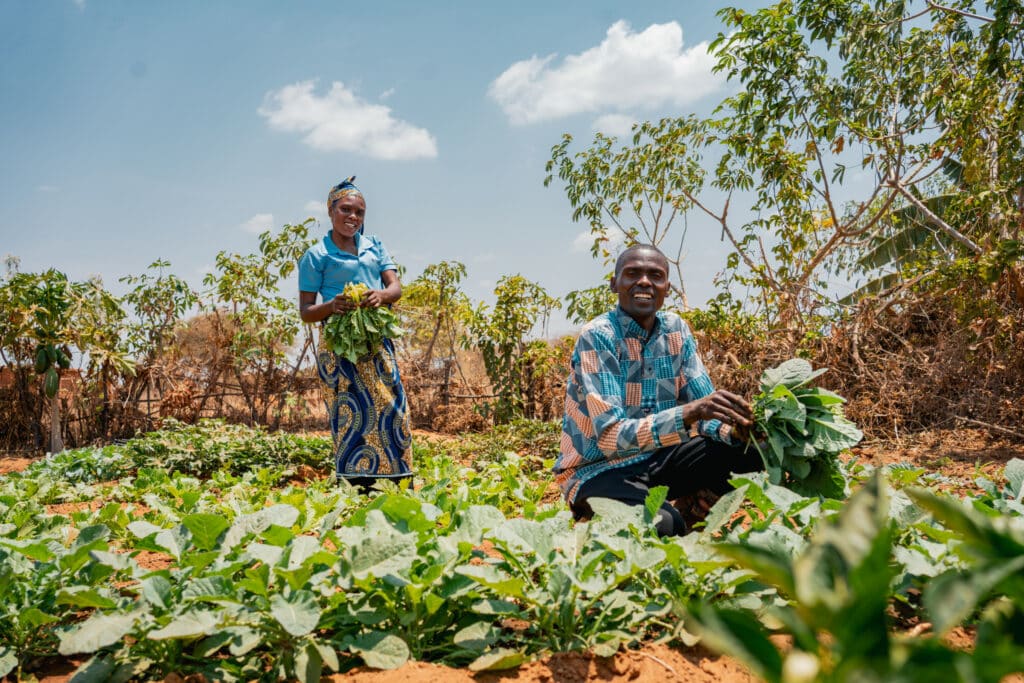
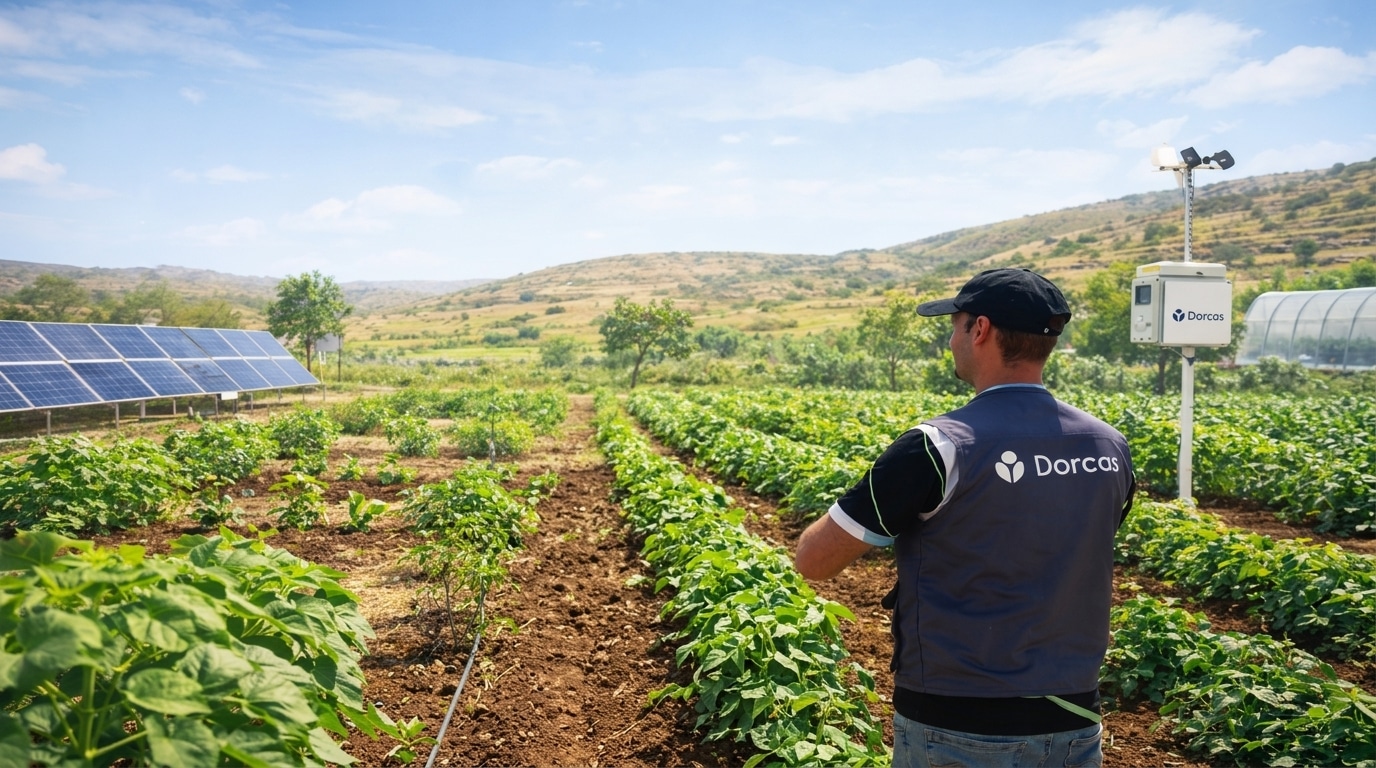
Dorcas combines emergency support with longer-term approaches that strengthen food security. When needs are urgent, households may receive food or cash assistance, enabling them to buy what they need most. Alongside this, Dorcas works with farmers to improve agricultural practices, use water more efficiently, maintain soil fertility and diversify income sources.
Reducing dependence on expensive fertiliser does not mean that farmers stop using it altogether. The aim is to use fertiliser more effectively while improving soil health. In Tanzania, Dorcas supports farmers to develop a plan for their own farm, including the use of compost and manure, rainwater harvesting, crop diversification, planting trees among crops and combining livestock with crop production.
These practices support healthier soil, more efficient water use and lower risk. Diversified crops and income sources mean that if one harvest fails, another activity may still provide food or income.
Wolda’s story: from training to better harvests
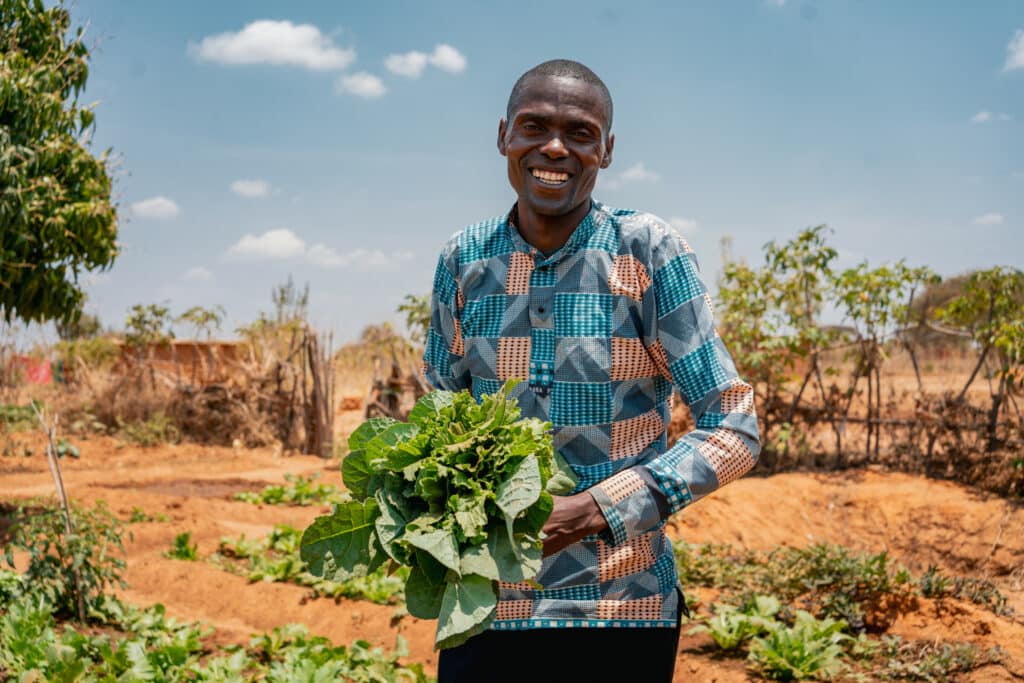
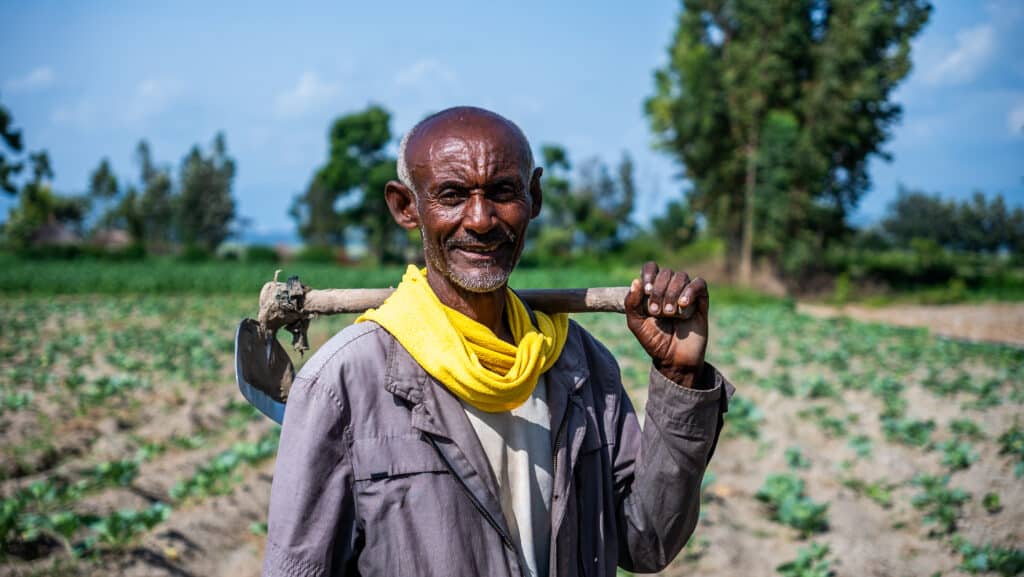
How this approach can work in practice is illustrated by Wolda, a farmer from Ethiopia. After participating in Dorcas Ethiopia‘s agricultural training programme, he applied his newfound knowledge to his own land. His harvests improved, as did his income, enabling him to cover his children’s school costs. His experience demonstrates that stronger farming practices can benefit households well beyond the harvest, providing families with greater opportunities to meet their other essential needs.
Farmers such as Wolda cannot control global oil and fertiliser prices, but with the right knowledge and support, they can be better prepared for their consequences. By combining immediate assistance with practical, long-term resilience-building, Dorcas supports families to protect their food security, strengthen their livelihoods and face future shocks with greater confidence.
Strengthening food security
The impact of high oil prices goes far beyond the petrol station.
When energy costs rise, fertiliser, transport and food can become more expensive too. For families already facing drought, poverty or conflict, this can have serious consequences.
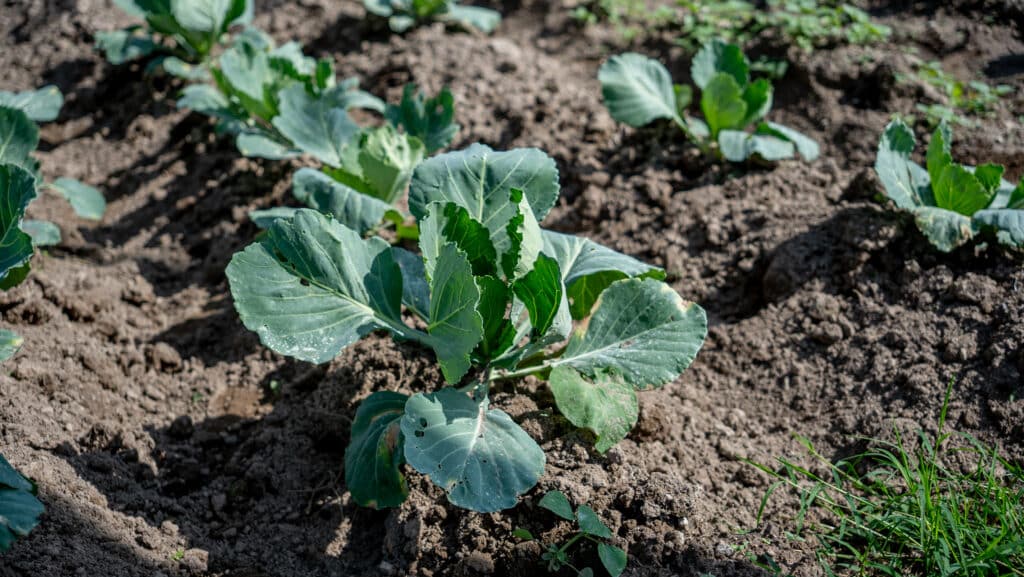
That is why Dorcas not only provides support during crises but also invests in sustainable solutions that enable families to produce more food, strengthen their livelihoods and prepare for future challenges.