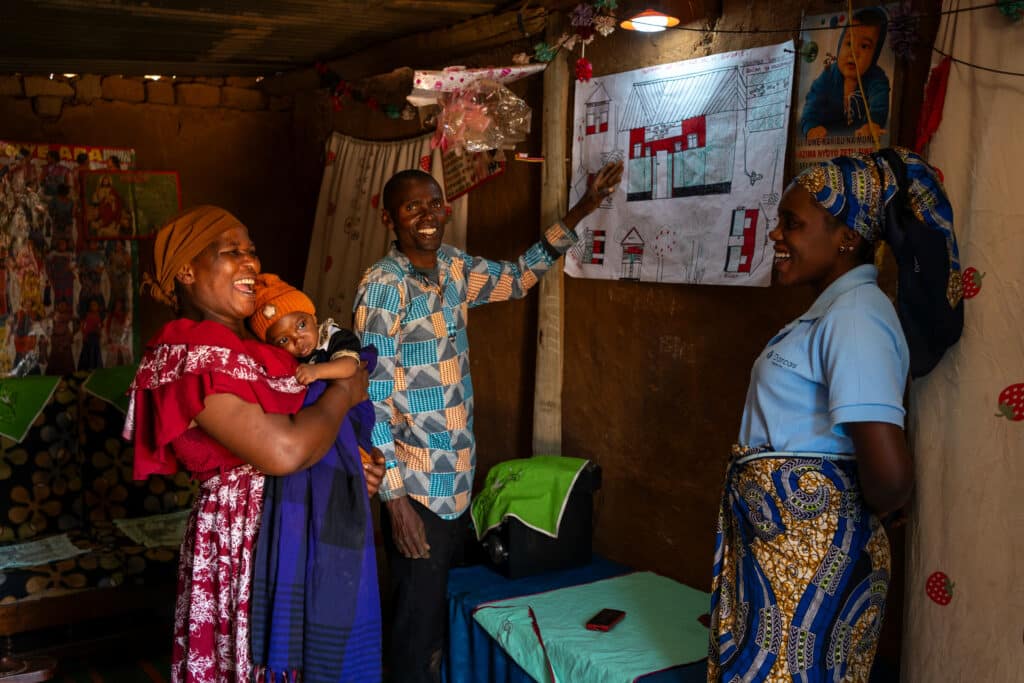
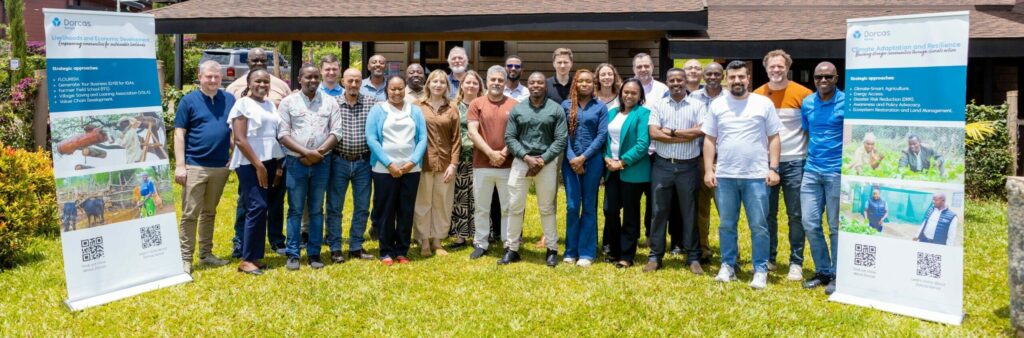
In late February, colleagues from Dorcas offices across East Africa, the Middle East and Eastern Europe, as well as from the International Office, joined the team in Kenya for a learning event.

The goal was to examine how programmes are designed around livelihoods and economic development, as well as climate adaptation and resilience, share lessons across contexts, and leave with sharper thinking and practical tools. Topics covered included value chains, employability and market-focused thinking, as well as land restoration, water resilience and nature-based solutions.

Three key takeaways on climate adaptation and resilience

1. Understand the ecosystem before taking action.

Climate work begins with an understanding of the landscape. Restoration does not always mean planting trees. In some areas, farmer-managed natural regeneration (FMNR), soil and water conservation, or rangeland management can be more effective. Tailored strategies are more important than speed.

2. Use tools that centre communities.

Climate Vulnerability and Capacity Analysis and Local Adaptation Planning support communities in identifying risks, assessing vulnerabilities and shaping adaptation plans. This ensures that interventions are based on reality rather than assumptions.

3. Nature-based solutions are essential.

Landscape restoration, water harvesting, ecosystem protection and regenerative agriculture strengthen resilience while improving soil quality, biodiversity and productivity. In communities that rely on natural resources, these solutions form the core of their infrastructure.

Three key takeaways on Livelihoods and Economic Development

1. Recognise the livelihood pathway.

Households transition from survival and coping strategies to adapting and engaging with markets. Support must be tailored to their current situation. Families struggling to meet their basic needs require different support to stabilised cooperatives that are ready to engage with value chains.

2. Think in terms of value chains and connect to markets.

The Dorcas Value Chain Approach, informed by evaluations across East Africa, has highlighted both opportunities and challenges. Case studies, including that of the honey value chain in Kitui, Kenya, revealed issues ranging from quality control to market access. Future programmes will focus on creating sustainable, demand-driven opportunities.

Nicodemus, Director of Programmes at Dorcas Yemen, describes:

‘Many participants in Yemen are involved in honey production, and the environment in Kitui is similar to parts of Yemen. We will use these lessons to ensure that project participants take part in sustainable value chain activities, improve production quality and gain access to local markets.’

3. Invest in youth and the long term.

Job and Business Centres, which combine life skills, vocational training and entrepreneurship support, have demonstrated that connecting young people to labour markets is most effective in the long term. Sustainable change requires long-term engagement with communities and market actors.

Learning in practice: field visits

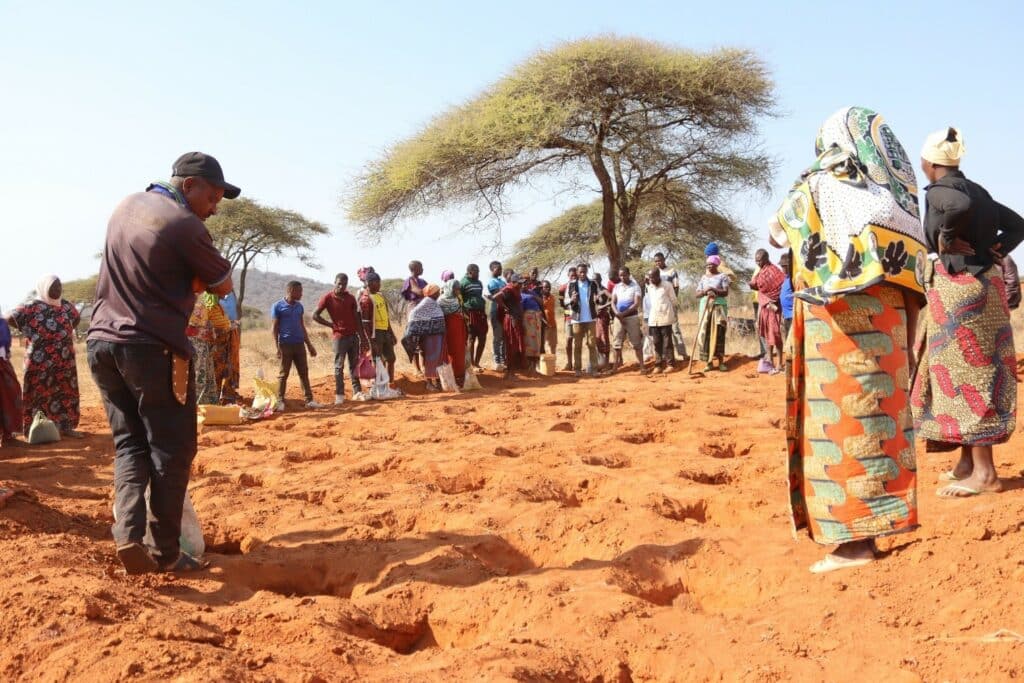
Field visits were a highlight of the event and helped to make abstract concepts more tangible. Participants had the opportunity to visit ongoing Dorcas projects and meet farmers, community groups, and project staff. They observed value chain development in action at the honey cooperative in Kitui and climate adaptation strategies, including land restoration, water management and regenerative agriculture, in Loitoktok in Kajiado County. Participants could ask questions, test assumptions and observe what works and what doesn’t in real contexts.

Andrei, Programme Manager at Dorcas Moldova elaborates:

‘It was incredibly valuable to see the projects in Kenya. The honey value chain project in Kitui was particularly inspiring! It was well organised and close to self-sustained. It could serve as a model for our farmer field schools in Moldova.’

The most inspiring insight

The event highlighted a simple truth: the most effective programmes combine technical expertise with genuine community ownership. Communities that shape solutions achieve sustainable and scalable results, whether the focus is on land restoration, honey production, water management or youth employability.

Daniella, Thematic Expert at Dorcas, describes:

‘The goal of this learning event is not just to learn new tools, but to bring them back to our programmes. The real success will be if, in the coming years, our country offices apply these approaches and build stronger programmes that deliver lasting impact for communities.’

Iraq is facing one of the most severe climate crises in the region. Temperatures are rising seven times faster than the global average, and the country is expected to experience increasing flooding, drought, and desertification over the coming decade. These pressures are already undermining livelihoods and economic resilience at the household level, contributing to rising poverty.

By 2035, Iraq is expected to have a water deficit of around ten billion cubic metres, driving drought, soil salinisation, and the loss of around 25,000 hectares of agricultural land each year. It is estimated that 70 per cent of Iraq’s agricultural land is at risk of total degradation due to climate change.

Climate needs assessment

Against this backdrop, Dorcas Iraq conducted a qualitative climate needs assessment in Basra, Ninewa (Sinjar) and Duhok between November and December 2025. The assessment aimed to identify priority climate risks and practical actions to strengthen resilience in agriculture, water management, and ecosystems.

Data was gathered through fifteen key informant interviews across Basra, Ninewa, Duhok and Mosul, as well as two focus group discussions in Sinuni (Balef and Ware Khidre villages), involving 21 participants in total.

Key findings

The assessment highlights a consistent pattern across all locations:

Priority needs per governorate

In Basra, severe water scarcity, high salinity, desertification and industrial pollution are all major issues. Priority areas include the implementation of water-efficient irrigation systems, the establishment of local water storage facilities, the rehabilitation of canals, and the strengthening of governance, particularly with regard to industrial water use.

In Ninewa (Sinjar), prolonged drought, high temperatures and erratic rainfall are causing soil degradation and losses to crops and livestock. Support for climate-smart agriculture, including drip irrigation, rainwater harvesting and coaching through demonstration plots, is especially needed for women, youth, smallholders and internally displaced people.

In Duhok, drought, irregular rainfall, land degradation and frequent wildfires are having an impact on forests and livelihoods. Key priorities include integrated water resource management, community water committees and forest fuel management linked to wildfire prevention.

How Dorcas is contributing

Dorcas addresses these needs by planting trees using water-saving methods such as the Waterboxx, distributing fruit tree seedlings, and providing practical climate adaptation training. Forest-focused activities include pruning and establishing a biomass-to-compost value chain to reduce fire risk and improve soil quality. Dorcas also supports institutional capacity building and green jobs programs, including vocational training in mushroom cultivation.

Sargon, Country Director of Dorcas Iraq, explains:

‘Our climate resilience strategy prioritises proactive, evidence-based action. In Basra, we focus on expanding community- and farm-level water storage, improving irrigation efficiency, and addressing soil salinity. In Duhok and Ninewa, we are promoting climate-smart agriculture, restoring degraded land, and strengthening wildfire prevention.

Central to this approach is improved coordination between water authorities, agricultural departments, and local communities, enabling lasting, inclusive climate resilience across Iraq.’

Yesterday, the 30th UN Climate Conference (COP30) officially opened in Belém, Brazil, with an urgent call to implement climate pledges. Running until 21 November, the summit is focused on accelerating the implementation of practical solutions to meet national climate goals under the Paris Agreement.

This year, the core theme is climate adaptation, which the summit focuses on through six official action agenda areas:

  1. Transitioning energy, industry and transport. 
  2. Stewarding forests, oceans and biodiversity. 
  3. Transforming agriculture and food systems. 
  4. Building resilience for cities, infrastructure and water. 
  5. Fostering human and social development. 
  6. Unleashing enablers and accelerators, including on financing, technology and capacity-building (cross-cutting theme). 

These six themes are broken down into 30 key objectives, which provide more detail on the actions needed in these areas.

Agriculture and food systems on the agenda  

Among the priorities at COP30, the transformation of agriculture and food systems is worthy of note. For decades, climate talks have largely overlooked food and farming, even though these sectors are crucial not only for tackling climate change, but also for ensuring that communities have enough to eat and can flourish in a changing world. 

Heleen Berends, Dorcas’s Strategic Programme Advisor, explains:

‘The shift became evident back at COP27, when countries launched a four-year work programme on agriculture and food security (the Sharm El Sheikh Joint Work). Now, governments are reporting on progress and discussing how to increase climate action in the agricultural sector. The Global Action Agenda specifically lists goals such as restoring land, building climate-resilient food systems, and ensuring equitable access to food.’ 

Heleen adds:

‘This also raises a key issue: roughly one-third of global emissions are driven by food production, and agriculture is a primary driver of biodiversity loss. At the same time, hunger and food insecurity remain widespread. It is therefore essential to rethink how we produce, process and consume food. This needs to include regenerative farming, protecting forests and wetlands, reducing food waste, and promoting truly sustainable diets. Such measures can lower emissions while also ensuring sufficient yields, nutrition and resilience. What is clear, is that the current situation demands immediate action. The world must now come together to pledge sufficient funds and create accessible mechanisms that allow for better and accelerated adaptation.’ 

The spotlight on food systems also underscores the importance of community-level action, and shows why Dorcas’ work matters more than ever. 

How Dorcas supports communities to adapt to climate change 

For Dorcas, climate change is not an abstract issue. It directly affects the communities we support. From droughts in Ethiopia and Kenya to floods in South Sudan and wildfires and desertification in Iraq, extreme weather is making farming unpredictable and threatening food security. Those in vulnerable situations often have the fewest resources to cope, which is why climate adaptation is central to our work. 

Heleen explains:

‘We support communities in adapting to changing conditions, improving food security, and preparing for disasters. For farmers in vulnerable areas, climate-adaptive solutions are essential.’ 

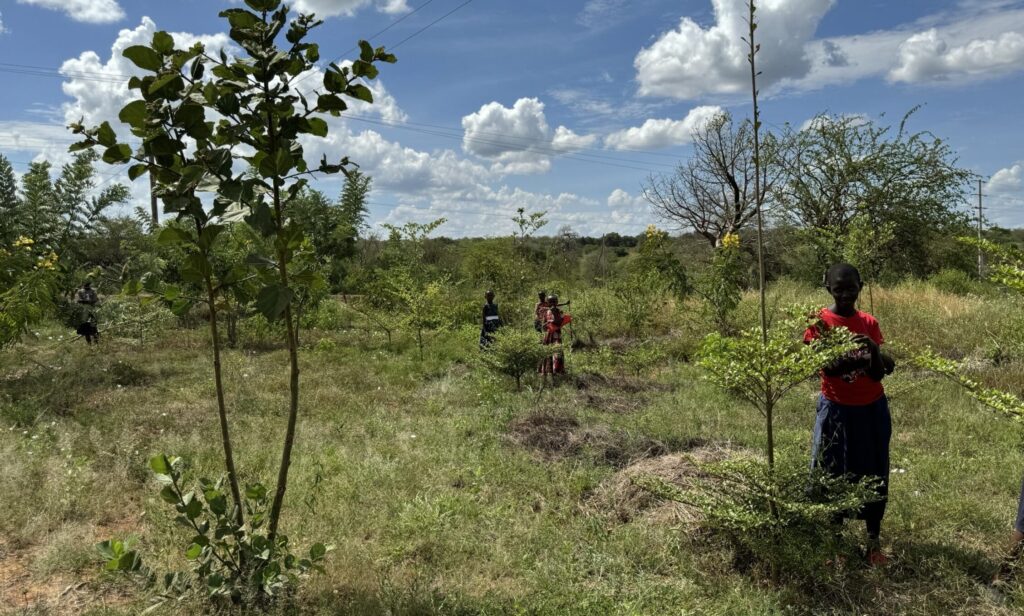
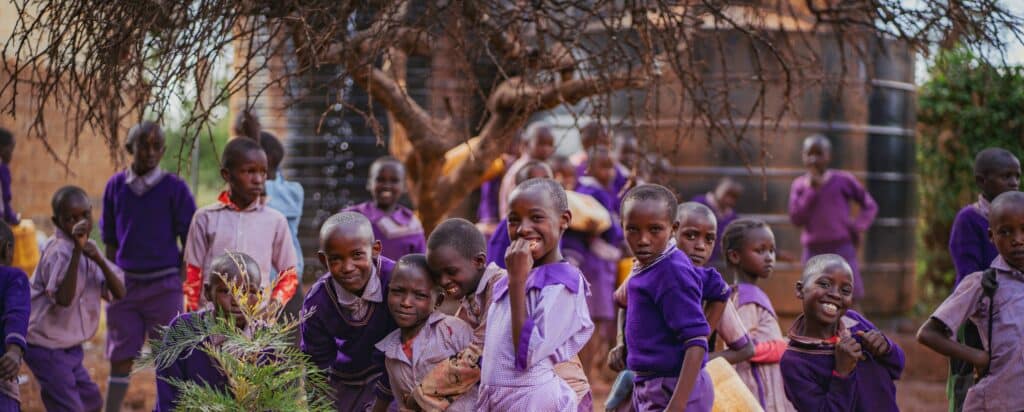
In practice, Dorcas combines innovation with local solutions to address climate challenges. In Yemen, solar-powered water systems provide clean drinking water and irrigation. In Iraq, water-saving technologies help trees survive in the desert. In Kenya, wetlands are being restored to manage floods, and schoolchildren plant trees to connect communities with their environment. These locally led solutions build resilience, safeguard livelihoods, and support people to flourish.

Dorcas takes a holistic approach to climate adaptation, working across food systems, land and water management, and community development. In this way, Dorcas transforms global commitments, such as those emphasised at COP30 and in the Belém Declaration, into tangible change for local communities. 

Reading time: 3 minutes

Brendah, 33, from Kenya, works for Dorcas on Climate Adaptation and Resilience. Brendah: ‘My passion for the climate started in primary school. To reduce greenhouse gas emissions from artificial fertilisers, we did a project on green manure fertilisers using Tithonia (Mexican sunflower, ed.). I decided to continue the research at home with our own crops. And it worked! It felt good to be able to provide an environmentally friendly solution at home.’ 

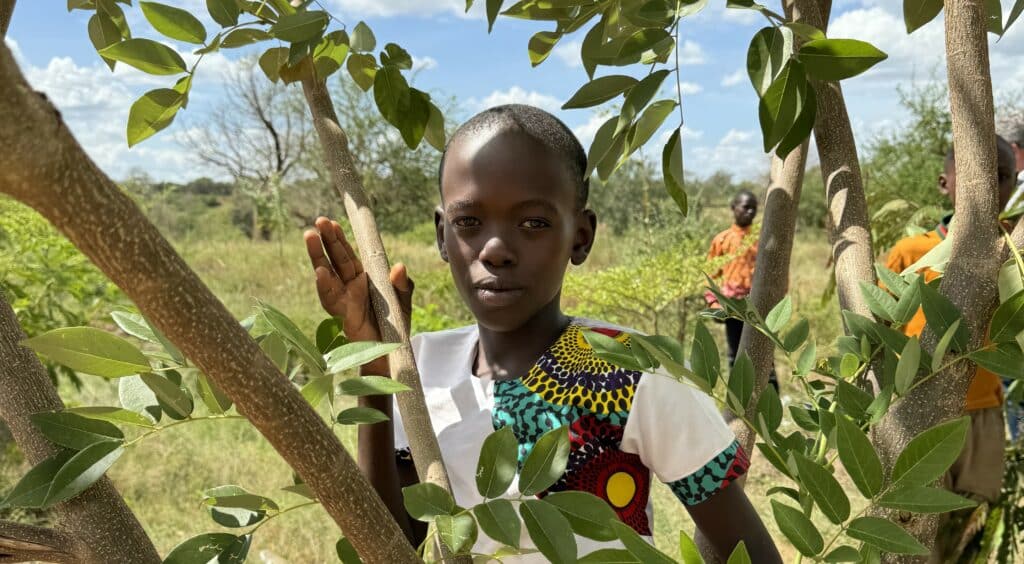
‘In my work for Dorcas, I contribute to solutions focused on self-reliance and climate resilience every day. The great thing is that children are also part of these solutions. For instance, we have established an afforestation programme together with schoolchildren. This is particularly important in areas where biodiversity has declined significantly. The children are allowed to plant a tree themselves and are given the option to practise at home by planting a tree there, too.’

‘It is wonderful to see how they take care of their own trees by watering them with bottles during dry periods. Through this project, children not only learn about the climate, but they also gain hope for the future. This is just one of the many climate initiatives that we are carrying out with the community. We are raising awareness among men, women, children, and young people.’ 

‘Why we should not give up’

‘It gives me enormous satisfaction that I can see first-hand how our initiatives are changing lives and ways of thinking. Many people live in poverty, so when someone is able to earn an income and send their children to school thanks to a climate-proof investment, it touches me deeply. In my work, I see a lot of dedication. From my colleagues and the people in the communities. They want change, and our projects give them hope. This is why we should not give up on development cooperation. Even if only to address the ongoing inequality and poverty in the world. However, it must be locally driven and supported by the local population. Only then will movement occur and opportunities be created.’

‘As a development worker, I have learned to be patient. Real change takes time. God calls us to take that time to care for the earth and support people so they can flourish. However, we cannot achieve this alone in Kenya. We also need support from the Netherlands. That is why I am appealing to you: to keep praying and giving. The people of Kenya are not helpless; they are resourceful and determined. They just need the means.’

What would I say to young Brendah?

‘That a better, more sustainable future is getting closer and closer!’ 


This interview was originally published in the Nederlands Dagblad on Saturday, 28 June. You can read the article (in Dutch) here.

Reading time: three minutes.

Dorcas is proud to announce the publication of its strategic plan 2026-2030: Local power creates lasting change. This roadmap sets out Dorcas’s vision for the coming years, focusing on empowering local communities, driving innovation, and creating measurable impact for people vulnerable to poverty, exclusion, and crises.

Facing a changing world

The world is rapidly evolving, with technological, economic, and demographic shifts often hitting the most marginalised the hardest. Dorcas recognises that the needs of the communities it serves are growing, even as funding environments become more challenging. From climate-induced agricultural issues in Africa to ongoing conflicts in the Middle East and the isolation of older people in Eastern Europe, Dorcas’s mission is more vital than ever.

Three pillars for impact

The new strategic plan is built on three core pillars:

  • Grow: By 2030, Dorcas aims to reach 1.5 times as many people as our income increases over 60 million euros and a significant increase in volunteers and supporters.
  • Quality: By 2030, Dorcas has a clear track record, invests in quality standards and continuous improvement to ensure its support leads to lasting, positive change.
  • Positioning: Dorcas seeks to be recognised as a leading international partner in humanitarian and development cooperation, with a strong presence in the Netherlands and beyond.

Seven programmatic themes

Dorcas will apply seven programmatic themes to sharpen expertise, strengthen its track record, and define clear organisational positioning. By 2030, Dorcas aims to harmonise and standardise our approaches resulting from these themes through a lens of inclusion and vulnerability, with community-based programming as our core approach.

Dorcas’s approach is defined by the following programmatic themes:

  • Crisis Response
  • Protection
  • Community Development
  • Climate Adaptation
  • Water
  • Livelihoods and Food Security
  • Economic Development

These themes guide Dorcas’s work across the Middle East, Eastern Europe, and Eastern Africa.

Empowering local communities

A key feature of the strategic plan is the commitment to localisation. Dorcas will invest in building the capacity of local partners and country offices, shifting expertise and resources closer to the communities served. By 2030, country offices will have expanded their programme portfolios by 40 per cent, strengthening both their sustainable presence and overall impact.

Innovation and collaboration

Dorcas will foster a culture of innovation, investing in new ideas and partnerships to address emerging challenges. The organisation will also strengthen its fundraising, aiming to double its supporter base and become the largest charity thrift store chain in the Netherlands.

Looking ahead

Dorcas’s strategic plan 2026-2030 is a response to a fragile and unpredictable world. By focusing on local power, operational excellence, and strategic partnerships, Dorcas is committed to enabling people and communities to flourish in the face of adversity.

Read the full strategic plan:

Dorcas Strategic plan – Local power creates lasting change [2026-2030]Download

Dorcas Kenya and our partner, Kitise Rural Development (KRD), have recently concluded the Makueni Pasture and Milk Value Chains Project. Through this initiative, we worked to enhance livelihoods in Makueni County by promoting climate-smart agriculture, developing value chains, and empowering young people.

Farming in Kikome village: A practical learning experience

One of the project participants was Boniface, a 28-year-old pastoralist and dairy farmer from Kikome village in Makueni County. He lives with his wife, Faith, and their two children. Before joining the project, Boniface cultivated a small plot of land, but he had limited knowledge of pasture management, seed selection, and planting methods. Consequently, his milk production was low, resulting in an income that was insufficient to meet his family’s needs.

‘Through the project, I was able to join the Kikome Farmer Field School, where I gained practical skills in pasture and milk production,’ Boniface shares.

His strong commitment led to him being selected for a six-week intensive course at the Dairy Training Centre in Kenya, where he gained knowledge of soil fertility, feeds and feeding, breeding and animal health.

‘After the training, I planted more pasture the right way. I fed my animals well and put into practice what I had learnt. My milk yield increased from three to six litres per day,’ Boniface explains.

Income growth and community recognition

With the monthly income he now makes, Boniface can now comfortably pay school fees and support his family. He has become a peer-led farmer, offering guidance to others, and was recently contracted by the government to collect data and register farmers for upcoming agricultural programmes.

Boniface: ‘I highly appreciate the work carried out by KRD and Dorcas. I look forward to expanding my farming business and sharing my knowledge with other farmers.’

The deepening climate crisis is reshaping the way people in many parts of the world live, grow food and manage natural resources. Food systems are becoming more exposed and susceptible to climate shocks. Land degradation and deforestation are accelerating biodiversity loss and reducing agricultural productivity. Meanwhile, water insecurity, droughts and floods continue to threaten sustainable livelihoods. 

At Dorcas, supporting communities to adapt to these changing conditions is a key priority. Our efforts focus on three pillars, which are interconnected and form the foundation of our climate adaptation strategy: food, water and land.  

In this article we elaborate on these three key areas and how we work to support communities to become more resilient in the face of climate shocks. 

Climate-resilient food systems 

Our approach begins by addressing the urgent challenge of transforming food production to withstand climate stress. Food systems worldwide are facing immense pressure, and smallholder farmers are particularly at risk as they often lack control over essential resources like seeds, supply chains, and markets.   

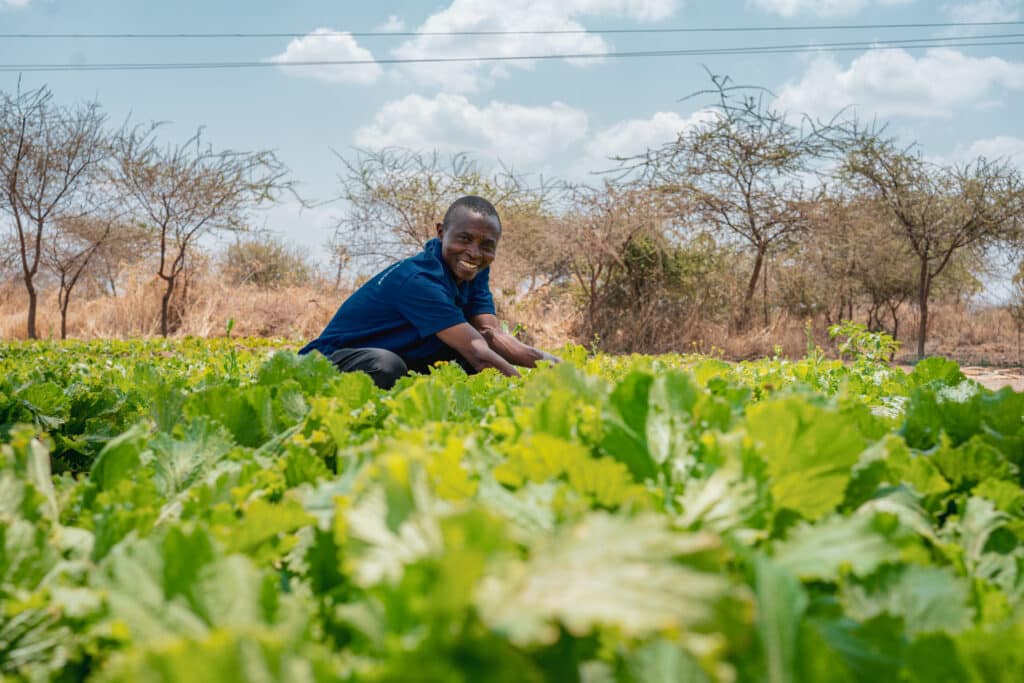
To tackle these challenges, Dorcas focuses on building farming systems that are both climate-resilient and regenerative. We emphasise practices that restore soil health, enhance biodiversity, and utilise nature-based pest control methods. Farmers receive hands-on training to implement techniques that regenerate soil and improve productivity.   

In addition, Dorcas equips farmers with relevant tools, such as access to real-time weather and market data, drought-resistant crops, and precision irrigation systems.  

We are also committed to strengthening agricultural value chains to create inclusive and sustainable food systems. By connecting smallholder farmers to local and regional markets, improving supply chains, and promoting better food processing and storage methods, we reduce waste and post-harvest losses while ensuring long-term agricultural resilience. 

PIP in Tanzania

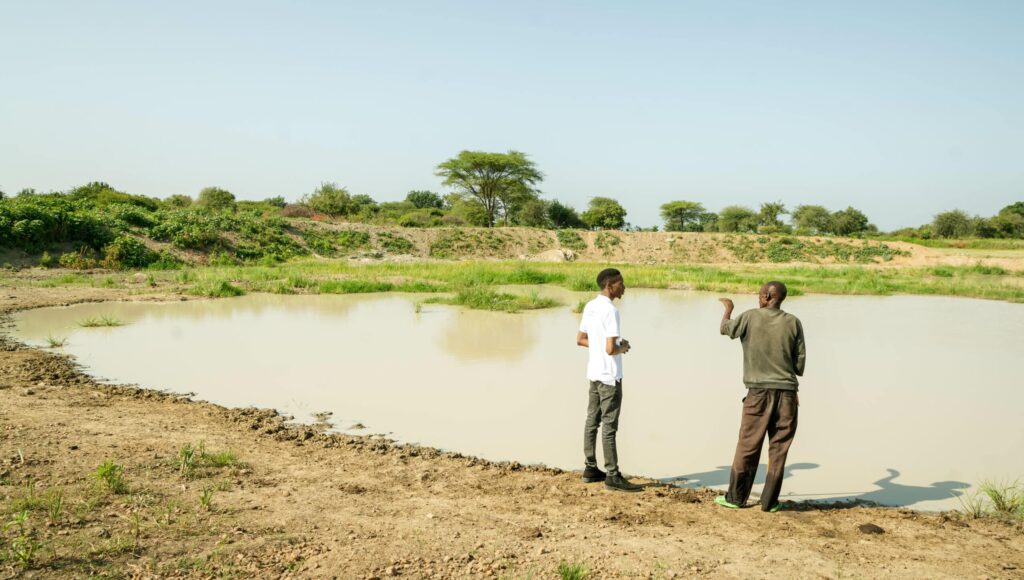
One example of our work to support climate-resilient food systems is the PIP project in Chemba, Tanzania. As part of this initiative, two demonstration farms have been set up in the village and a mini dam has been renovated and enlarged to improve rainwater harvesting.

These farms serve as practical learning centres where smallholder farmers can adopt climate-smart practices, such as agroforestry, growing drought-tolerant crops, regenerating soil and using integrated livestock systems. These methods help to mitigate the effects of climate change, including erratic rainfall, prolonged dry spells and soil degradation.

The improved mini-dam increases the community’s capacity to store rainwater, ensuring a more reliable supply for irrigation and livestock during dry periods. ‘At first, we struggled with severe droughts that led to famine,’ says a 75-year-old local farmer. ‘But now, with the availability of this dam, we can continue farming even during the dry season, ensuring sustainable food security all year round.’

Sustainable water systems 

Resilient food systems depend on dependable water access, making water security a critical focus. Increasing water shortages, driven by climate change and poor water management, threaten farming and communities, while frequent flooding damages farmland and infrastructure. 

At Dorcas, we are committed to ensure sustainable water use for agriculture and communities. We promote efficient techniques such as rainwater harvesting, groundwater replenishment, and soil water retention through methods like contour farming and terracing, supported by stronger water management structures. 

We also work to mitigate flooding by enhancing: 

Supporting bees with a water pan in Kenya 

One example of Dorcas’s work to support sustainable water use is in Ngiluni village, Kenya, where we are working through our local partner, the Makindu Rural Development Programme (MRDP). Farmers from the Ngiluni Farmer Field School have received training in hive management and were equipped with 100 modern hives, 1,130 bee-friendly plants, and a water pan. ‘Before the interventions, our hives used to have low colonisation rates and hive abandonment was the norm of the day,’ explains 37-year-old Makau Mutua, a local farmer. The water pan now provides bees with easy access to water, reducing the need to travel long distances and improving colonisation rates. As a result, a bee multiplication centre has been established, and farmers are now planning to start a commercial tree nursery and practise agroforestry to make full use of the rainwater collected. 

Regenerative land management 

Healthy land is essential for maintaining sustainable food and water systems. Our third focus area is dedicated to restoring and safeguarding landscapes to ensure long-term resilience. Deforestation exacerbates soil erosion and biodiversity loss, while land degradation undermines food production and ecosystem stability. 

At Dorcas, we are addressing these challenges through tree-based solutions for climate resilience, which include: 

To bolster soil health, we support environmentally friendly methods such as composting and biochar, advocate agroforestry to revitalise soil nutrients, and promote regenerative grazing to prevent land overuse. 

Planting trees in the desert with the Waterboxx in Iraq  

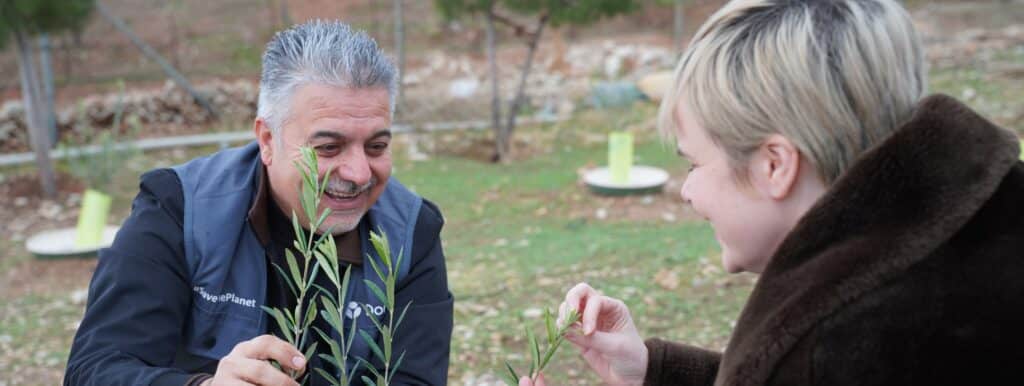
One example of our work to support regenerative land managment is the Waterboxx initiative in Iraq. Developed by Groasis, this innovative device fosters tree growth with minimal water by collecting rainwater and dew, which is released gradually to preserve soil moisture. This approach is vital for land restoration and food security. Farmer Amin, who cultivates figs, olives, and grapes, reported a 90 per cent reduction in water usage thanks to the Waterboxx, enabling him to recover after years of drought: ‘This is exactly what I needed,’ he remarked. 

Flourishing communities 

With these efforts, we are committed to supporting communities to become resilient in the face of climate change:  

Kenya is severely affected by climate change, experiencing challenges such as prolonged droughts, rising temperatures, erratic rainfall and floods. These environmental stresses caused by global warming have led to land degradation and deforestation, further exacerbating the country’s vulnerability. To combat this, the Kenyan government has set a target to plant 15 billion trees by 2032 to reduce the country’s greenhouse gas emissions and enhance climate resilience. In addition to improving air quality, trees help prevent flooding, support biodiversity, and strengthen ecosystems, while also playing a key role in regenerative agriculture and sustainable land management practices by restoring soil health and preventing further degradation.

In line with these efforts, Dorcas Kenya launched the Kitui climate change project in 2021 to combat climate change while engaging children and supporting both their education and future resilience. This was done under the slogan ‘A child, a tree’, where each child is assigned a tree to plant, care for and maintain. The project has successfully planted 55,000 seedlings and distributed 100,000 seed balls of indigenous, bee-friendly trees. Survival rates measured one year after planting were over 65 per cent for the tree seedlings and 50 per cent for the seed balls. Building on these efforts, Dorcas Kenya launched the Marsabit climate change project in 2024, which aims to plant 8,400 tree seedlings in schools by 2027.  

Why is the involvement of children and schools in solutions to climate change such a valuable practice? This article explores how engaging children not only empowers them to take ownership of their future, but also builds wider community resilience, and highlights why the education system is such a fruitful setting for these initiatives.   

The role of education in climate action  

Schools are an ideal setting for climate action projects as they provide a structured environment where children can learn and actively participate in initiatives such as tree planting. Dorcas works with schools that are motivated to get involved, have at least one hectare of land and an active environmental club. Through these school environmental clubs, children gain knowledge and skills about the impact of climate change awareness, particularly how it affects their future livelihoods, the country’s economy and biodiversity. This encourages a deep understanding of the importance of environmental conservation and climate action. Including climate education in schools not only equips students with the information they need to address climate challenges but also builds a sense of responsibility and ownership. In this way, education creates a generation that is more informed, engaged and ready to lead the way to climate resilience.   

The power of children in the creation of a sustainable future  

Children are powerful agents of change, and Dorcas’ projects have shown how quickly they can adapt to new practices and behaviours, especially when given the opportunity to participate in hands-on activities. Through involvement in tree planting and environmental clubs, children develop a strong sense of ownership.  

Daniella Maroma, Thematic Expert on Climate Adaptation and Resilience at Dorcas, describes: ‘During my visit to the schools in Kenya, I witnessed something truly remarkable. The children proudly showcased their trees, their faces lighting up as they pointed out how tall they had grown. Each tree was a living testament to their care, dedication and belief in a brighter future. These children are not just caring for trees, they are actively shaping a more resilient and sustainable world. Their actions are a powerful reminder that meaningful change begins with simple, determined steps.’ 

Children who grow trees to maturity are further encouraged through individual and school awards, which motivate them to continue their efforts. One of the schools Dorcas has worked with, Athi Primary School, is a good example of how highly motivated children can be. It now has at least 300 surviving trees, and the children carry water from their homes to keep the trees from drying out. This commitment often inspires their peers to get involved, creating a ripple effect in their schools and communities. Tree planting not only improves the environment in various ways but also secures a sustainable future for children by promoting biodiversity and supporting long-term climate resilience in their communities. 

Dorcas hopes to inspire young children to take a leading role in environmental conservation and in tackling the effects of climate change, ensuring a sustainable future for generations to come.   

In Iraq, the challenges posed by climate change are enormous, with temperatures rising seven times faster than the global average. Over the next decade, Iraq is expected to experience significant increases in flooding, drought and desertification. These conditions severely affect livelihoods, undermining household economic resilience and contributing to increased poverty.  

To address these challenges, it is essential to implement climate-smart agricultural approaches that enhance climate resilience and strengthen communities. The Waterboxx is a technology that can contribute to this effort. 

The Waterboxx technology  

The Waterboxx is an innovative device developed by Groasis to tackle water scarcity and promote sustainable agriculture in arid areas. It is a cylinder-shaped container that collects and stores rainwater for plants and trees. Its design incorporates features that make it particularly useful in difficult climates such as Iraq.

The Waterboxx works by collecting rainwater and dew through its top, which directs the moisture into a central reservoir. The stored water is then slowly released into the ground through a drip system. This provides a steady supply of water for plants and creates a better environment for seeds to grow in.  

The need for sustainable water management in Iraq is urgent and this technology can contribute to addressing these challenges in a number of ways:

Supporting marginalised households

Dorcas Iraq is working in Sinjar, Iraq, to support people who are particularly at risk to the effects of climate change. This includes female-headed households, households with people with disabilities or chronic illnesses, and older people without support.   

Dorcas Iraq is training nearly 2,500 people in climate-smart agricultural practices and livelihood diversification strategies. Dorcas also provided 50 people with the Waterboxx, tree seedlings and the necessary training to use and maintain the technology. Next year, Dorcas Iraq plans to distribute around 8000 more Waterboxes. This project has already yielded significant positive results, and Dorcas will continue to build on these efforts. One of the project participants who can attest to these positive outcomes is Amin.   

Amin is a farmer who has been tending to the fig, olive and grape trees on his ancestral land for a long time. Recently, he began to notice alarming climate changes that threatened his livelihood. Unpredictable rainfall was causing flooding, while extreme summer heat and prolonged drought were threatening his crops. Concerned about the future of the farm, Amin looked for ways to adapt to these new environmental challenges.  

Amin came into contact with Dorcas and was introduced to the Waterboxx technology. This was exactly what Amin needed to make his farm sustainable, and after installing the Waterboxes he saw significant improvements in water conservation. He was able to grow crops even in drought conditions. The technology’s ability to collect rainwater and condensation makes it a vital tool for farmers in Sinjar, allowing them to adapt to extreme weather patterns. 

Amin’s farm became a model of success and he actively participated in community programmes, sharing his knowledge of sustainable agriculture. His efforts not only ensured the survival of his crops, but also inspired others by demonstrating the impact of innovative technologies. 

Kitui County, one of Kenya’s semi-arid regions, is facing severe challenges from climate change. Rising temperatures, erratic rainfall, prolonged droughts, floods, and invasive species are taking a heavy toll on the region’s ecosystems and livelihoods. With agriculture and natural resources under increasing strain, many residents have turned to activities such as tree logging and charcoal burning, further exacerbating land degradation and deforestation. These unsustainable practices have created a vicious cycle of environmental decline, making it critical to take action. 

In response, Dorcas Kenya, in collaboration with Muangeni Rural Development Programme, launched the Kitui Climate Change Project in 2020. This initiative aims to enhance the climate resilience of communities through comprehensive interventions, such as behavior change, policy advocacy, and ecosystem restoration. The project aligns with global sustainability goals, including SDG 13 (climate action), SDG 1 (no poverty), and SDG 2 (zero hunger), promoting sustainable development practices to safeguard the future. 

Afforestation efforts through schools 

A key element of the Kitui Climate Change Project is afforestation, carried out through schools in the region. Since 2021, over 150 schools in Kitui South have participated in the tree-planting initiative, which is designed to address water scarcity challenges while fostering environmental stewardship among students. Tree planting is strategically aligned with the short rain season (October, November, December) when the climate is more stable, ensuring the newly planted trees benefit from two rainy seasons and thus have higher survival rates. 

Under the slogan “A Child, A Tree,” each student is encouraged to adopt and care for a tree for a full year. This approach not only fosters environmental responsibility among the younger generation but also ensures that the trees are well-maintained. Each school receives 100 seedlings annually and, upon successfully nurturing them, qualifies for additional seedlings in subsequent years.  

Notable success and impact 

To date, the project has seen the survival of approximately 36,000 out of 55,000 trees planted between 2021 and 2022, representing a survival rate of 65-70 per cent. Schools like Athi Primary now boast over 300 thriving trees, thanks to the commitment of students, who even carry water from home to ensure their survival during dry spells. Additionally, Dorcas has invested in infrastructure like a 50,000m³ water pan at Kiange Mixed Secondary School to provide a reliable water source during droughts. 

This afforestation initiative not only contributes to Kenya’s national goal of planting 15 billion trees by 2032 but also plays a crucial role in restoring degraded landscapes, reducing biodiversity loss, and promoting decarbonisation. By involving school children, Dorcas is inspiring the next generation of conservationists, ensuring that the fight against climate change continues for years to come. 

Through such innovative projects, Dorcas Kenya continues to foster sustainable development and climate adaptation in regions that are vulnerable, empowering communities to build a more resilient and environmentally conscious future.