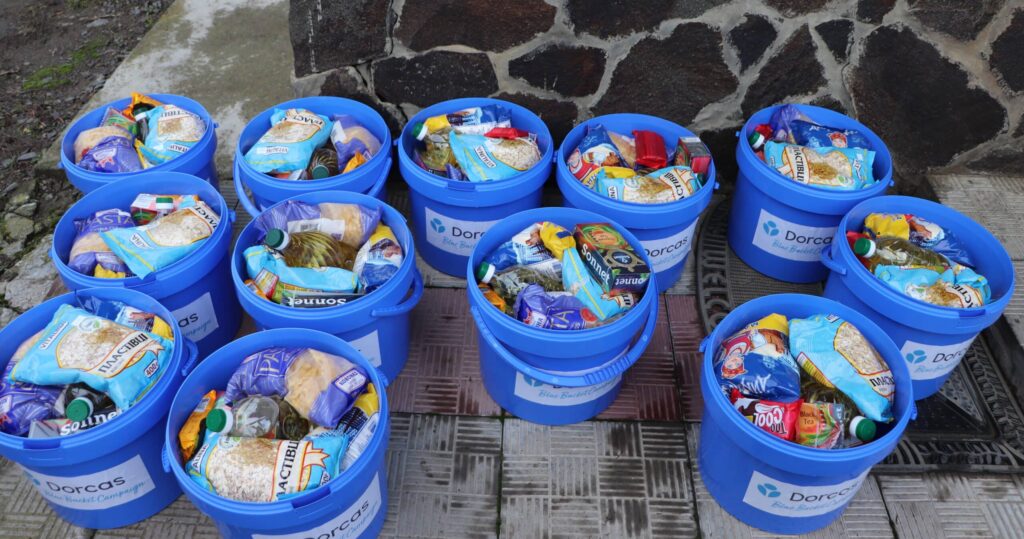
Distributing food in blue buckets to older people and families in vulnerable situations is at the heart of Dorcas’ Blue Bucket Campaign in Eastern Europe. However, the initiative is about more than just providing food: it also focuses on offering personal attention, restoring self-confidence and fostering stronger communities.

In addition to the annual Dorcas Food Campaign in the Netherlands, Dorcas runs a separate food initiative called the Blue Bucket Campaign. This campaign takes place each year in Moldova, Romania, Ukraine and Albania – countries where Dorcas operates in Eastern Europe.

Volunteers, churches and schools collect food in blue buckets for older people and families in vulnerable circumstances. The buckets primarily contain non-perishable items such as oil, flour, and beans, though local fresh produce is often included too.

Attention and appreciation

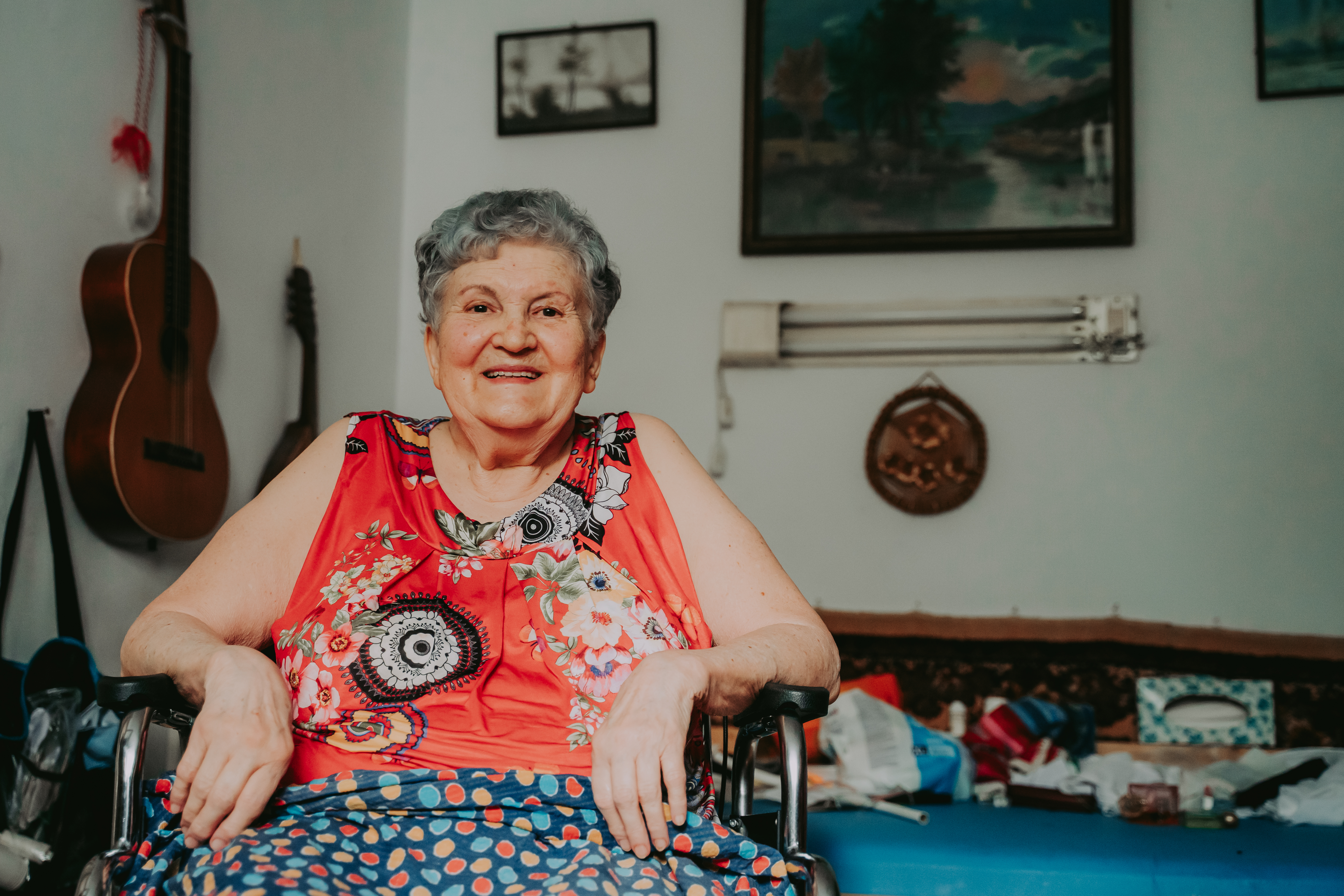
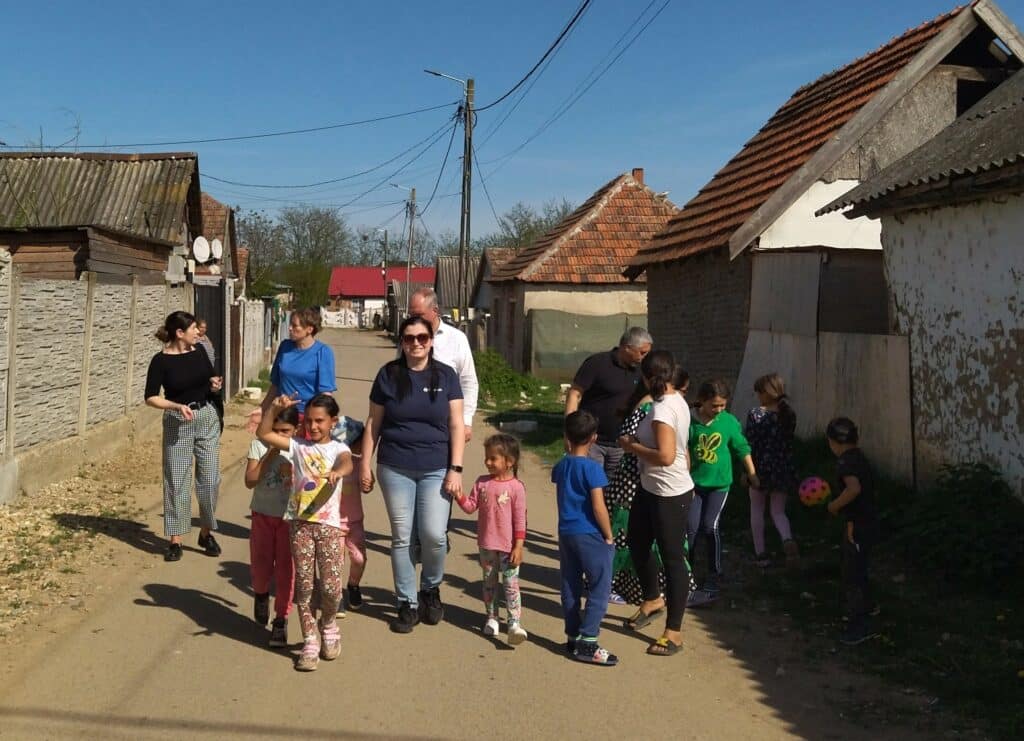
For many of those who receive the buckets, the food provides a welcome addition to what little they have. However, distributing food involves much more than just handing over supplies. Volunteers who deliver the buckets take the time to chat, offering personal attention that makes older people feel seen and valued. These interactions restore dignity and offer renewed hope for the days ahead.

A snowball effect

The Blue Bucket Campaign has been running in Romania since 2009. Food and monetary donations are collected from supermarkets and other locations.

‘Our campaign grows every year. It truly has a snowball effect. Last year, we almost doubled our efforts, collecting an impressive 5,860 buckets of food,’ explains Mihai Coste, Programme Coordinator at Dorcas Romania.

‘This year, we aim to expand the campaign further. We are seeking to engage more partners and have established a volunteer committee to coordinate the initiative here in Cluj, where our office is located. By involving additional stakeholders, we can reach and assist even more people.’

A social safety net

The Blue Bucket Campaign has a significant impact on communities. It raises awareness of the difficult living conditions often faced by the older generation. It encourages people to look out for one another and offer support to those in need.

Mihai adds: ‘We strive to involve as many community members as possible. We collaborate with churches, volunteers, local development organisations and businesses. Through this approach, we aim to build stronger communities. Ultimately, this creates a social safety net within the community itself, reducing long-term dependency on our assistance.’

> Find out more about the Blue Bucket Campaign <

Social farming harnesses the power of agriculture to deliver care and support for people in vulnerable situations. It involves using agricultural resources such as plants, animals, and land to provide health, social and educational services to vulnerable groups. This includes individuals with mental or physical health needs, people facing social exclusion or long-term unemployment, and those recovering from addiction.

Activities on social farms can include animal care, vegetable cultivation, fence maintenance and food production. Often run by family farmers in partnership with care providers, these farms offer flexible, community-based alternatives to institutional care.

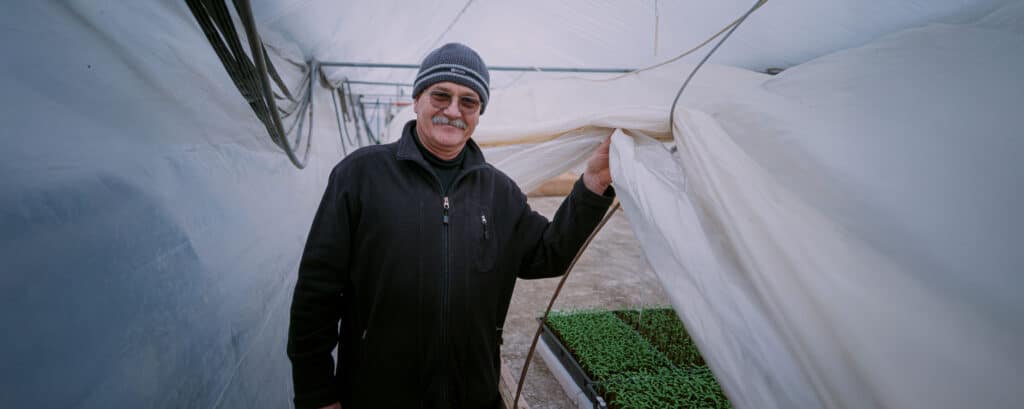
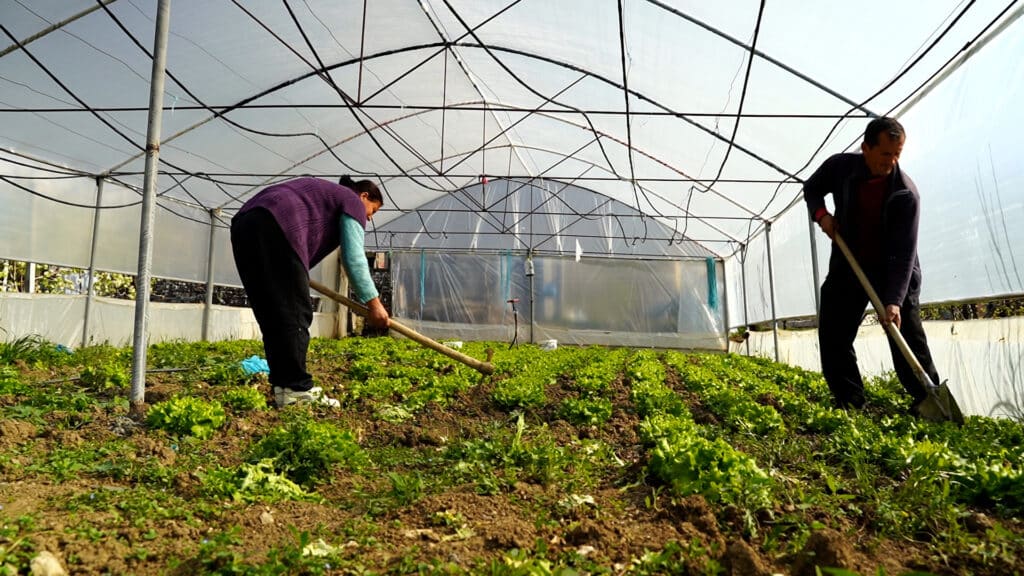
This approach comes to life in places like Romania. Since 2003, Attila has been running a social farm that restores dignity and strengthens community ties. Together with older people from the local Dorcas project, he cultivates vegetables and flowers in greenhouses, creating a space where purpose and belonging flourish.

Greenhouses
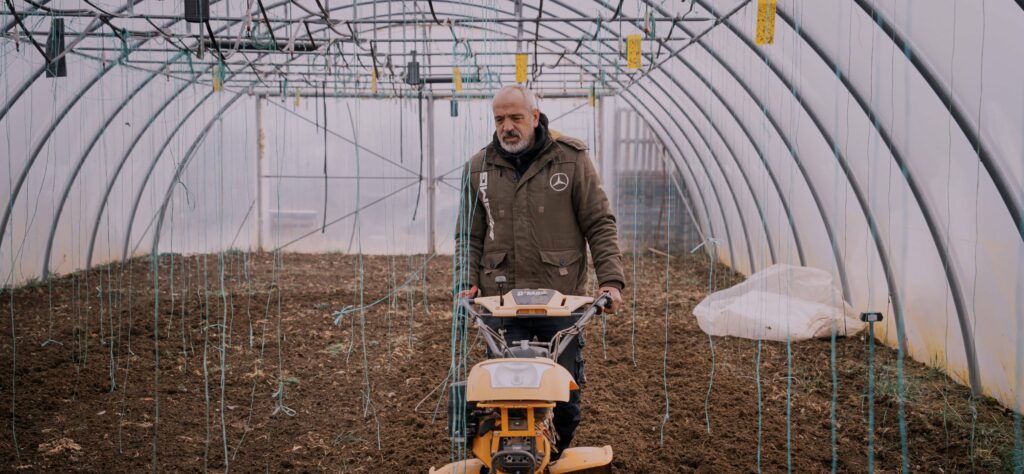
Behind a modest roadside building, two greenhouses brim with life. Here, Attila grows vegetables and flowers with the help of older people from the local Dorcas project. Together, they sow seeds not only for food but for friendship and purpose.

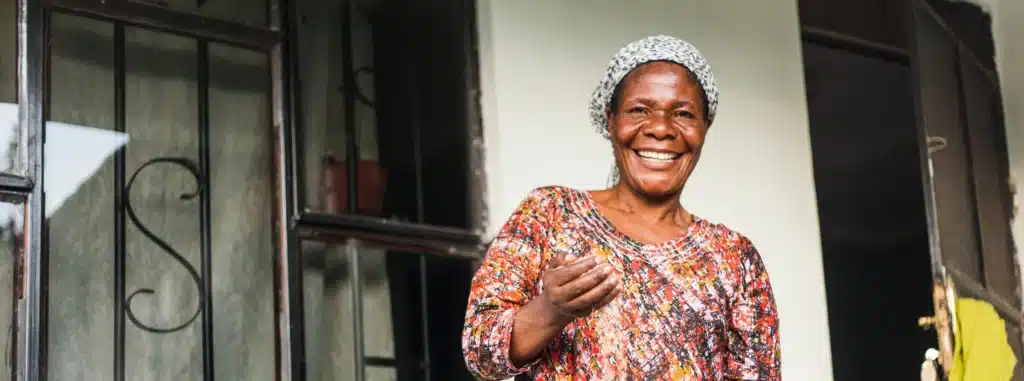
‘Before we started the farm, there was a lot of hopelessness,’ Attila shares. ‘Now I see smiling faces. There’s a sense of belonging again.’

The work in the greenhouses serves many goals. It provides extra food for older people, helping them stretch their pensions. But just as importantly, it brings people together creating connection, dignity, and a sense of being needed.

A season of growth
Each March, the growing season begins. Participants take on different tasks, from preparing the soil and planting seeds to weeding and harvesting. Their involvement depends on their physical ability, and everyone contributes in their own way. Some earn a small income through their work. Others grow vegetables on their own patch of greenhouse soil. Many take seeds home to plant in their gardens, extending the impact even further.

Harvesting hope
The greenhouses are full of life: lettuce, strawberries, cabbage, tomatoes, cucumbers and sometimes flowers, especially lilies, which thrive here. The produce and seeds are sold locally, and the income is reinvested into thesupport programme for older people. But the farm’s impact goes far beyond food and finances.

‘Sometimes schoolchildren visit,’ Attila says. ‘Older people share their knowledge, and suddenly there’s a bridge between generations.’

Attila also employs paid staff many of whom become so inspired by the farm’s mission that they volunteer in other activities for older people. The spirit of giving back is contagious. The change in the community is unmistakable. Where once there was resignation ‘I can’t do anything anymore’ there is now joy, energy, and engagement.

‘There’s more love in the community,’ Attila reflects. ‘This project hasn’t just changed the lives of older people it’s transformed the whole village. Life is more vibrant. People look out for each other.’

These farms are part of Dorcas’ broader strategy to restore dignity, promote inclusion, and create sustainable livelihoods through community-based solutions.

At Dorcas, we believe in creating lasting change by enabling communities to become self-sufficient. One of the key ways we achieve this is by developing social enterprises: businesses that exist to generate income and achieve a clear social mission. Designed to address pressing societal challenges, these enterprises operate on sound business principles. They create jobs, provide training opportunities, and reinvest profits in community development. For Dorcas, social enterprises are a pathway to dignity, inclusion and long-term resilience. 

Social enterprises aim to solve social problems through entrepreneurial strategies, balancing economic sustainability with social impact. These businesses generate income through selling goods or services, and they often qualify for government subsidies, which enables them to sustain their operations and expand their impact. 

The Fairytale Oven

Cuptorul de basm (The Fairytale Oven) in Trușești, Romania, is more than just a bakery. It is a prime example of a social enterprise that fosters inclusive employment, strengthens communities and promotes sustainable impact in rural areas. By providing training in bread production, marketing and basic business skills, it supports participants to build confidence and gain valuable professional experience. Dorcas Romania has played a pivotal role in supporting this enterprise by providing financial investment, expertise in social economy development and capacity building for the local association. 

Understanding social farming

Another example of a social enterprise is Dorcas’s work in social farming. Social farming involves using agricultural resources, such as plants and animals, to provide health, social and educational services to groups in vulnerable circumstances. These groups include individuals with mental or physical health needs, those facing social exclusion, long-term unemployment or addiction recovery. Unlike clinical settings, social farms offer a natural, non-institutional environment where people can engage in meaningful work, build self-esteem and improve their well-being. 

Activities on social farms can include animal care, vegetable cultivation, fence maintenance and food production. Often run by family farmers in partnership with care providers, these farms offer flexible, community-based alternatives to institutional care. Financing comes from a combination of product sales, government subsidies and payments from care organisations for services provided. 

Dorcas’ strategic approach 

Dorcas implemented social enterprises in Romania, Moldova and Albania. These initiatives support people in vulnerable circumstances and provide farmers and the bakery with additional income streams and a sense of purpose. The benefits extend beyond the individual to the wider community, fostering inclusion, reducing stigma and strengthening local economies. Our broader vision is to transition from providing assistance to promoting sustainable, locally driven initiatives. This involves supporting our partners and community organisations so they can become self-sufficient. By adopting social enterprise models, these organisations can generate their own income and, in some cases, qualify for government funding. 

In essence, social enterprises are not just projects; they are movements. They represent a shift in how we think about development, moving from dependency to dignity and from giving to growing. 

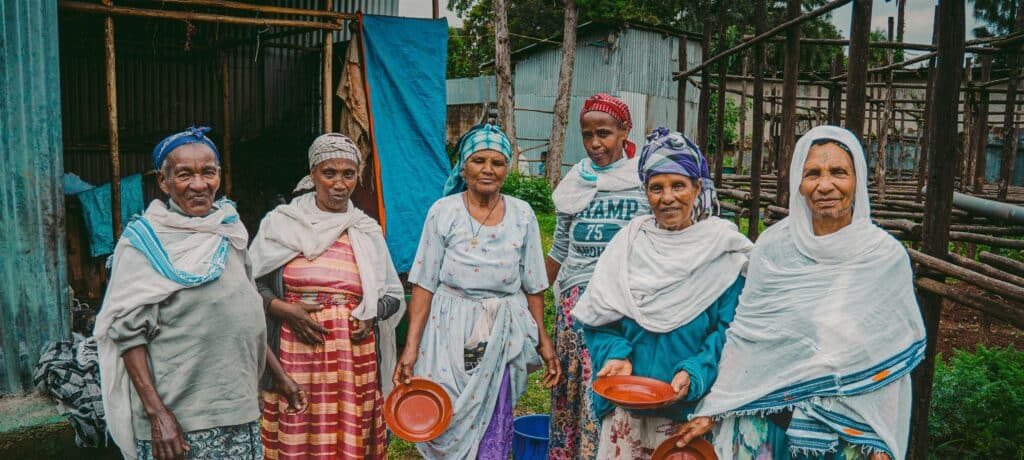
1 October is the UN International Day of Older People, and one of its aims is to ensure that people can grow old with dignity and continue to participate in society. In the countries where Dorcas works, older persons are often marginalised, lack access to basic services and struggle to survive on meagre incomes. With its community safety net programme, Dorcas tackles these issues by enabling local communities to care for and protect their older people. 

What are community safety nets? 

Dorcas started to develop and implement the community safety nets (CSN) approach in 2017. A community safety net (CSN) mobilises different organisations in a community to provide a safe and supportive environment for older people in which they can flourish. It also raises awareness about the issues older people face.  

‘I have a large number of people to talk to now, and I feel like a human. I am back to normal.‘ – Quote from a project participant.

Evaluation of the CSN approach 

This year, Dorcas commissioned an evaluation of its CSN projects in Albania, Egypt, Ethiopia, Moldova, Romania, Tanzania and Ukraine to discover the impact of the programme and which best practices can be implemented to make it more sustainable.  

Older people’s dignity restored 

The dignity of older people is restored through the wide range of social, intergenerational, income-generating and spiritual activities that CSNs offer. Participants become more active in their local communities and feel valued. Less able-bodied participants are not forgotten either: those who are bedridden receive home visits. Valuable traditions are created, social cohesion is strengthened, and communities discover that they can do more than they originally realised to enable older people to flourish. 

‘CSN taught us how to cook healthy food.‘ – Quote from a project participant.

Challenges encountered 

However, the transition from Dorcas’ original Adopt-a-Granny approach to sustainable community safety nets that make full use of local resources is not a straightforward path. There have been many challenges along the way for example:  

Best practices?  

The various CSN projects are still in a state of transition. As a result, no clear set of best practices has emerged from the evaluation. However, various successful practices were found, such as actively involving participants, churches as natural allies in caring for older people, creating a shared and diverse ownership of a CSN, and holding governments accountable. 

Peer-to-peer and social support systems are gaining traction. What began with volunteers inviting attendees has flourished into a self-sustaining cycle where attendees extend the invitation to their friends. This exemplifies the power of social support in fostering a safe and inclusive community.‘ – Actor from Egypt 

Next steps for CSNs 

The evaluation report made various recommendations about the next steps for CSNs. These include:  

In the coming months, the Dorcas country offices in Albania, Egypt, Ethiopia, Moldova, Romania, Tanzania and Ukraine will use the evaluation to take appropriate measures to improve the sustainability and impact of their CSN projects. 

Curious to learn more? Read the evaluation report below:

Dorcas Evaluation report on community safety net approachDownload

Human trafficking is one of the most pressing social issues in Romania, one of the top five EU countries in terms of victims. Dorcas Romania is tackling this pressing issue through a comprehensive project focusing on key areas: awareness raising and prevention, building and strengthening partnerships with stakeholders, handling direct cases and reducing the vulnerability of young people at risk.

Trafficking in persons in Romania 

Romania’s geographical location and socio-economic challenges make it a prime location for human trafficking. The main destinations for Romanian victims of trafficking include Italy, France, Germany, Spain and the United Kingdom. Exploitation takes place in various sectors, including prostitution, agriculture, construction and domestic work. Children make up more than a third of identified trafficked persons in Romania. The recruitment of children for trafficking has increased through the internet and social media.

Traffickers in Romania are largely Romanian nationals operating as part of organised crime groups. Their exploitation of Romanian women and children is mainly in the form of sex trafficking within Romania and to other European countries. Traffickers often lure victims with the promise of a better life abroad by using the ‘lover boy’ strategy, in which they feign romantic interest.

Several factors contribute to the extent of human trafficking in Romania:

Dorcas Romania’s anti-trafficking programme 

Working in the at-risk regions of Vaslui, Botoșani, and Bihor, Dorcas Romania has developed a multi-faceted programme with a focus on: 

Elena’s* journey 

Elena’s story illustrates the impact of Dorcas Romania’s efforts. Growing up in a financially unstable and abusive household, Elena’s life was full of challenges. When she was 18, her parents’ separation led her to Oradea, where she was forced into prostitution. Despite her attempts to escape, financial pressure and abusive relationships trapped her in a cycle of exploitation.

Elena’s turning point came when she reached out to her mother for help and eventually connected with Dorcas Romania through the intervention of a counsellor named Cristina. This connection provided Elena with the emotional and practical support she needed to rebuild her life. 

With the support of the project, Elena secured a job and received support for her recovery. Reflecting on her journey, Elena says, ‘After 28 years, I can finally say that my life has meaning now. I am truly happy and content, surrounded by the love and prayers of my family and co-workers.’ 

For those in need 

Dorcas Romania’s anti-trafficking project is an example of a holistic and multi-faceted approach to a deeply entrenched problem. By addressing the root causes of vulnerability and providing comprehensive support to victims, the project not only rescues individuals but also empowers communities. As Elena’s story shows, with the right support and opportunities, the road to recovery is possible.

The scale of the challenges posed by human trafficking in Romania is considerable and requires all stakeholders and partners to play their part. Together with local, regional and national stakeholders, Dorcas Romania is committed to this issue and will continue to fight human trafficking to support those in need.

*Not her real name. At the participants request, we have used a pseudonym for this contribution. 

ALMERE/NIJKERK – Eastern Europe lacks a stimulating business climate, hindering entrepreneurs in small and medium-sized enterprises (SMEs) from developing their businesses. Obtaining loans is complex and very costly. Moreover, specific knowledge, such as expertise in export, is not accessible to smaller entrepreneurs. These factors prevent otherwise successful companies from growing into solid SME enterprises. The Dutch foundations Dorcas and Kom over en help aim to offer entrepreneurs a new growth perspective through the investment company SharInvest, which they have jointly established.

SharInvest connects investors in the Netherlands with entrepreneurs in Eastern Europe. This initiative focuses not on startups but on established companies with growth potential. This growth aligns a healthy financial return with social impact. To qualify for an investment from SharInvest, companies must demonstrably contribute positively to the local community, for example, by creating jobs for people with fewer employment prospects. Investors in the Netherlands provide not only financial input but also knowledge and access to their networks to Eastern European entrepreneurs.

SharInvest offers Dutch investors a return that consists of social impact on local communities and a modest financial return. Dorcas and Kom over en help, the initiators, have been active in Eastern Europe for decades and possess extensive knowledge of the local (business) culture and social structure. Both foundations also have a large network and contacts with local churches, social organisations, and governments.

Several Dutch entrepreneurs are involved in the establishment of SharInvest. Over the coming years, the investment company aims to grow significantly to give a positive boost to local communities and increase the self-reliance of individuals. Investing in SharInvest is possible starting from €100,000.


About SharInvest

SharInvest invests in local small and medium-sized enterprises in emerging countries in Eastern Europe. The investment company is a driving force behind growth and sustainability by contributing to access to finance, knowledge, markets, and relevant networks. Through this, SharInvest invests in tangible and sustainable impact in Eastern Europe.

Written by: Agnes Kroese, CEO of Dorcas

Freedom? 

I’m in Romania.  Together with teacher Christina, I walk through a neighbourhood where most people are Roma. We visit projects of local partner organisations. Suddenly, Julia comes running towards us, a girl in a brightly coloured dress with a big smile on her face.  Enthusiastically, she wraps her arms around her teacher. Christina responds to the embrace and hugs Julia back. 

Julia feels it 

 This may seem normal to you, but for Julia, it isn’t. The Roma neighbourhood is usually avoided by her fellow villagers. And even though Julia is still so young, she feels it. She notices others talking about her. 

At school, Julia struggled to keep up. Until Christina saw her and the other Roma children. She helped them by giving extra tutoring. What Christina does might not seem so important.  But it is small gestures like these that make a big difference in the lives of people who are excluded. 

Celebrating freedom 

Today we pause and remember. Tomorrow, we celebrate freedom. These two days evoke mixed feelings in me every year. Of course, I am grateful for the freedom we live in, but it still feels double. Worldwide, there are still millions of people who are excluded, oppressed, or worse. I can’t celebrate freedom without thinking about all those people who don’t live in freedom. 

Persecution of Roma 

The Roma community that Julia is part of lives in freedom, but is still stigmatised and excluded. Most of them live in Romania, where there are about two million of them. They too were heavily persecuted during the Second World War. Up to half a million Roma lost their lives in labour and concentration camps. 

After this horrific violence against them – and against all those other population groups – we have unanimously said, ‘Never again!’ And yet, the Roma community is still looked down upon today. They are marginalised and have fewer opportunities. So, they live in freedom, but are they truly free? 

Never again! 

Then I am grateful for people like Christina. People full of love for others, who dare to go against the tide. They don’t look away, they look around. Through all the prejudice, they see the person. 

Let us follow the example of people like Christina. And let us work together, with love and compassion, for a world where freedom and equality are for all. Only then can we say, ‘Never again!’ 

Agnes Kroes is CEO of Dorcas. Agnes:”I contribute with great dedication to our mission in creating opportunities for people and communities to flourish. One of the ways I do this is through a monthly column in Dutch newspaper Nederlands Dagblad. In this column, I share insights from my professional experience at Dorcas. My aim is to inspire, inform and encourage readers to engage with Dorcas’ initiatives, campaigns, and projects.

Ioana is the Co-founder and Director of ASA Association, an implementing partner of Dorcas. ASA Association aims to fight poverty and exclusion and to develop communities in Romania, especially Roma communities.

Ioana: ‘For many Roma, the cycle of prejudice and exclusion starts when they are young. Roma children experience social marginalisation and segregation from the outset of their educational journey.’

‘We fight for Roma children’s right to a proper education. We want to ensure these kids get the same quality of education as kids from more privileged backgrounds. Obstacles that many Roma children face, such as a lack of appropriate clothes for school, poor personal hygiene, unhealthy eating habits, or an imbalanced family dynamic, should not limit their access to such education.’

‘In partnership with Dorcas Romania, we implement a complex programme that meets the needs of children and their parents. First and foremost, we want to educate adults about the importance of education for their children because Roma children are more likely to attend school if their parents are supportive. The children in our programmes don’t just go to school. We also involve them in after-school activities, summer camps, and special events where they learn life and social skills. Finally, we address the issue of social exclusion at a community level by involving mayors, school administrators, doctors, and social workers in our programme and by organising public events.’

‘Our love for these children motivates us to keep going. We’ve seen the first Roma children complete elementary school and head on to high school. Every Roma child has the right to a proper education and the opportunities this offers in life.’   

𝘛𝘩𝘪𝘴 𝘴𝘵𝘰𝘳𝘺 𝘪𝘴 𝘱𝘢𝘳𝘵 𝘰𝘧 𝘋𝘰𝘳𝘤𝘢𝘴’ 𝘩𝘶𝘮𝘢𝘯 𝘳𝘪𝘨𝘩𝘵𝘴 𝘤𝘢𝘮𝘱𝘢𝘪𝘨𝘯. 𝘙𝘦𝘢𝘥 𝘮𝘰𝘳𝘦 𝘴𝘵𝘰𝘳𝘪𝘦𝘴 𝘢𝘯𝘥 𝘴𝘵𝘢𝘵𝘦𝘮𝘦𝘯𝘵𝘴 𝘰𝘯 𝘰𝘶𝘳 𝘥𝘦𝘥𝘪𝘤𝘢𝘵𝘦𝘥 𝘩𝘶𝘮𝘢𝘯 𝘳𝘪𝘨𝘩𝘵𝘴 𝘱𝘢𝘨𝘦. Human Rights: Contributing to a just society – Dorcas

Ioana is a project participant of Dorcas Romania.  

Ioana: ‘I stand up for the rights of Roma women to an education and a decent job. When I was 18 months old, my left hand was severely burned in an accident. As a result of this disability, my parents never sent me to school. So, I did not learn to read or write or acquire some of the skills you need to get a job. I married and became a mother. We struggled to survive on a low income, and although we managed to send my son to school, we did not have the money to send my two daughters. 

Via my boy’s school, we became involved in a Dorcas project, which made it possible for both my daughters to attend school. Now, several years later, I’m really proud that my son has completed school and enrolled at a vocational college in Oradea. 

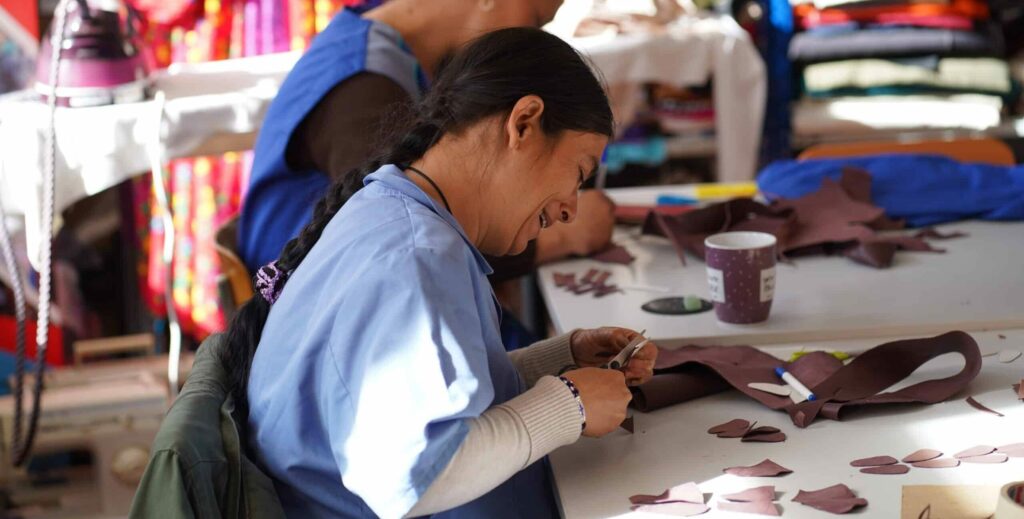
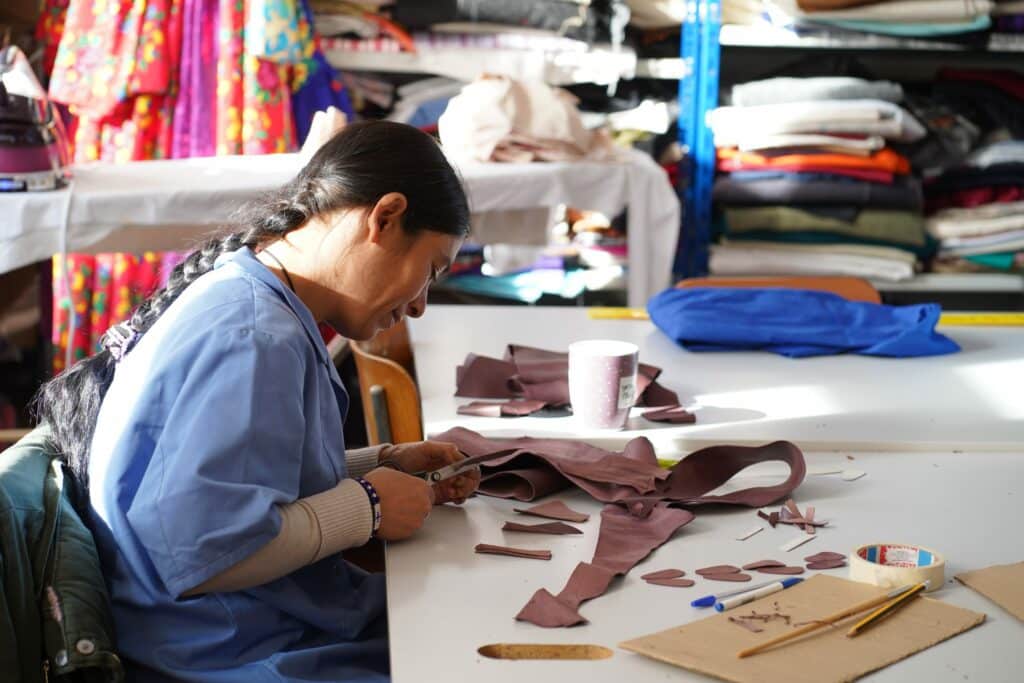
However, the programme has not only helped my children. I enrolled in a literacy class and learned to read and write, and thanks to the sewing lessons at the local community centre, I am now a skilled seamstress. At the centre, I helped to make the shoes and clothes for a small doll named Aelia, which is used in an educational project for Romanian girls.  

I am really grateful for everything the Dorcas project has done for my family. My children are receiving an education I never had and have a better chance of finding a job. I no longer feel ashamed due to my disability, and thanks to the sewing club, my self-confidence has grown and I’ve become a valued member of the local community. I hope that other Roma adults, especially women, will have the chance to acquire the vocational and social skills they need to find employment and live a decent life. And I long for the day when all Roma are no longer viewed as outsiders but are instead valued members of the local communities in which they live.’ 

𝘛𝘩𝘪𝘴 𝘴𝘵𝘰𝘳𝘺 𝘪𝘴 𝘱𝘢𝘳𝘵 𝘰𝘧 𝘋𝘰𝘳𝘤𝘢𝘴’ 𝘩𝘶𝘮𝘢𝘯 𝘳𝘪𝘨𝘩𝘵𝘴 𝘤𝘢𝘮𝘱𝘢𝘪𝘨𝘯. 𝘙𝘦𝘢𝘥 𝘮𝘰𝘳𝘦 𝘴𝘵𝘰𝘳𝘪𝘦𝘴 𝘢𝘯𝘥 𝘴𝘵𝘢𝘵𝘦𝘮𝘦𝘯𝘵𝘴 𝘰𝘯 𝘰𝘶𝘳 𝘥𝘦𝘥𝘪𝘤𝘢𝘵𝘦𝘥 𝘩𝘶𝘮𝘢𝘯 𝘳𝘪𝘨𝘩𝘵𝘴 𝘱𝘢𝘨𝘦. Human Rights: Contributing to a just society – Dorcas

Arendje is a thematic expert on Community Safety Nets at Dorcas. She is also one of the driving forces behind CPOE, a network of Christian humanitarian assistance organisations and other NGOs operating in Eastern Europe.  

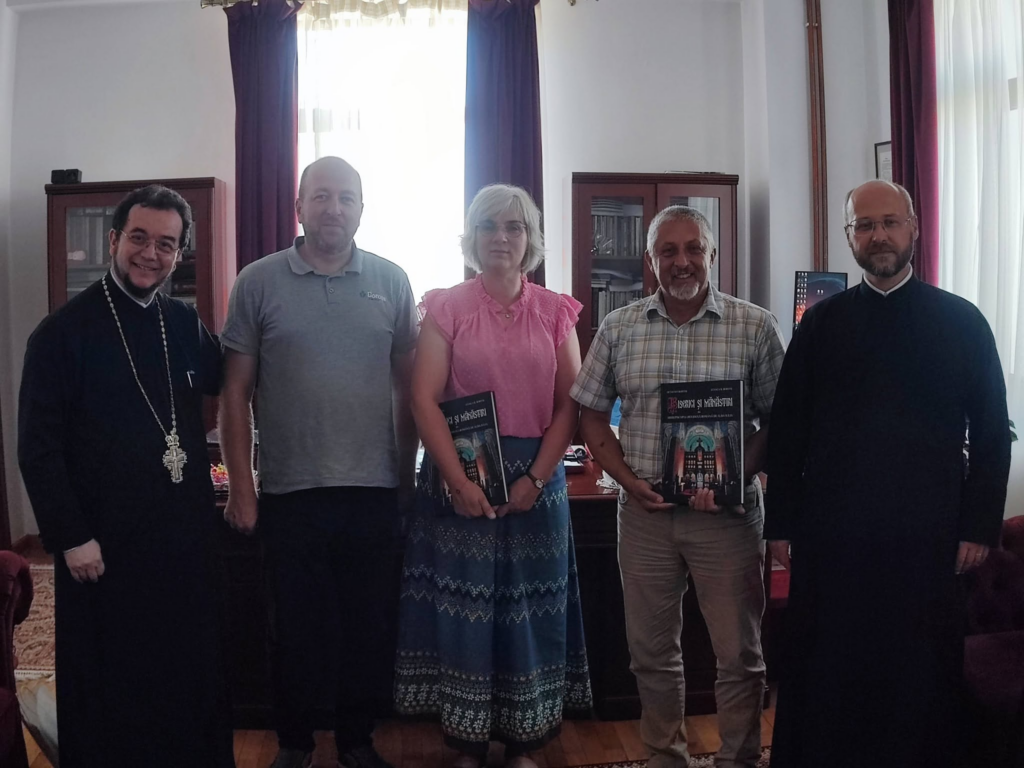
Arendje: ‘In Eastern Europe, numerous Christian NGOs are active. Some organisations specialise in specific areas, working within a niche, while others engage in various activities. Several years ago, CPOE was established by larger organisations, including Dorcas. CPOE aims to connect both large and small Christian organisations to share knowledge and expertise, provide a platform for networking, enhance external visibility, and serve as a catalyst for joint projects. This approach has proven effective: organisations previously unaware of each other’s existence are now collaborating.’ 

‘As CPOE, we can assist more participants in strengthening their capacities and train our members on current topics such as project cycle management, agriculture, and the history of the Roma in Eastern Europe. From Dorcas, I bring a wealth of knowledge and experience that supports others in their work and opens doors to additional knowledge partners. We are eager to witness positive change in Eastern Europe, and CPOE can contribute to that goal. A while ago, we, along with nineteen organisations, wrote a letter to informer Ronald Plasterk, drawing attention to the humanitarian situation in Ukraine. We could make a collective impact that individual organisations could not have achieved alone. Together we are joining forces for a flourishing Eastern Europe.’ 

Conference 
‘As CPOE, our goal is to connect people. Therefore, we are organising a conference in Romania in June, bringing together participants from the network. During this engaging conference, we will focus on interaction and knowledge-sharing, taking time to truly listen to each other’s stories and experiences.’ 

‘Lectures will cover topics such as human trafficking, Roma issues, working methodologies, and economic development. I am proud that we, as CPOE, can organise this conference and look forward to a rewarding time.’ 

For more information about the CPOE conference, please visit: Conference Eastern Europe 2024 – Prisma (prismaweb.org) 

𝘛𝘩𝘪𝘴 𝘴𝘵𝘰𝘳𝘺 𝘪𝘴 𝘱𝘢𝘳𝘵 𝘰𝘧 𝘋𝘰𝘳𝘤𝘢𝘴’ 𝘩𝘶𝘮𝘢𝘯 𝘳𝘪𝘨𝘩𝘵𝘴 𝘤𝘢𝘮𝘱𝘢𝘪𝘨𝘯. 𝘙𝘦𝘢𝘥 𝘮𝘰𝘳𝘦 𝘴𝘵𝘰𝘳𝘪𝘦𝘴 𝘢𝘯𝘥 𝘴𝘵𝘢𝘵𝘦𝘮𝘦𝘯𝘵𝘴 𝘰𝘯 𝘰𝘶𝘳 𝘥𝘦𝘥𝘪𝘤𝘢𝘵𝘦𝘥 𝘩𝘶𝘮𝘢𝘯 𝘳𝘪𝘨𝘩𝘵𝘴 𝘱𝘢𝘨𝘦. Human Rights: Contributing to a just society – Dorcas