Peter: ‘PIP focuses on the vision of the farmers and communities’

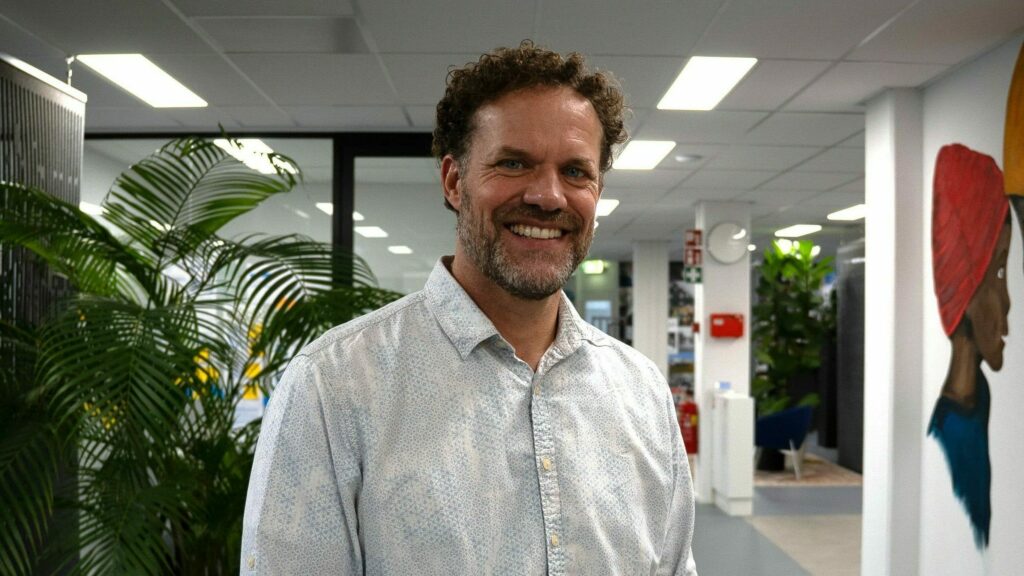
Peter de Hoogh is a Thematic Expert at Dorcas.
Participatory Integrated Planning (PIP) helps farming families take the lead in improving their livelihoods, farms and surrounding landscapes. But how does the approach work in practice, and what makes it effective? In this interview, Peter, who is involved in implementing PIP within Dorcas, explains how families turn their long-term ambitions into concrete plans and how sharing knowledge within communities helps the approach create lasting change.
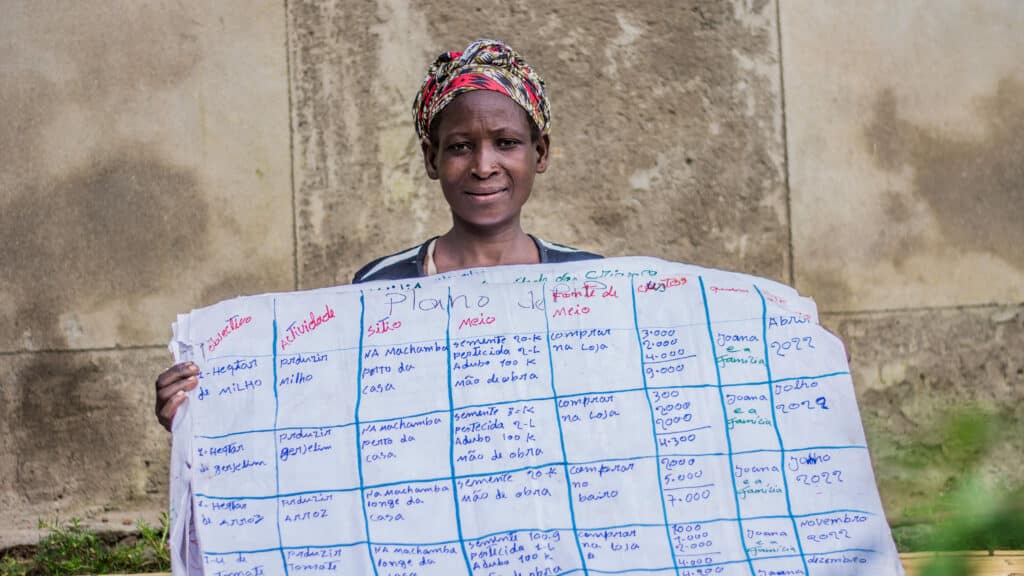
Peter: ‘Central to the PIP approach is the development of an Integrated Farm Plan by all members of the household. Together, they make a drawing of the desired future situation, which serves as a basis for taking concrete steps towards their dream. Since it is their own plan, they are very motivated to achieve it! Unlike many traditional expert-led methods, PIP empowers communities to take charge of their own development, making the approach sustainable and scalable without relying too much on external resources.
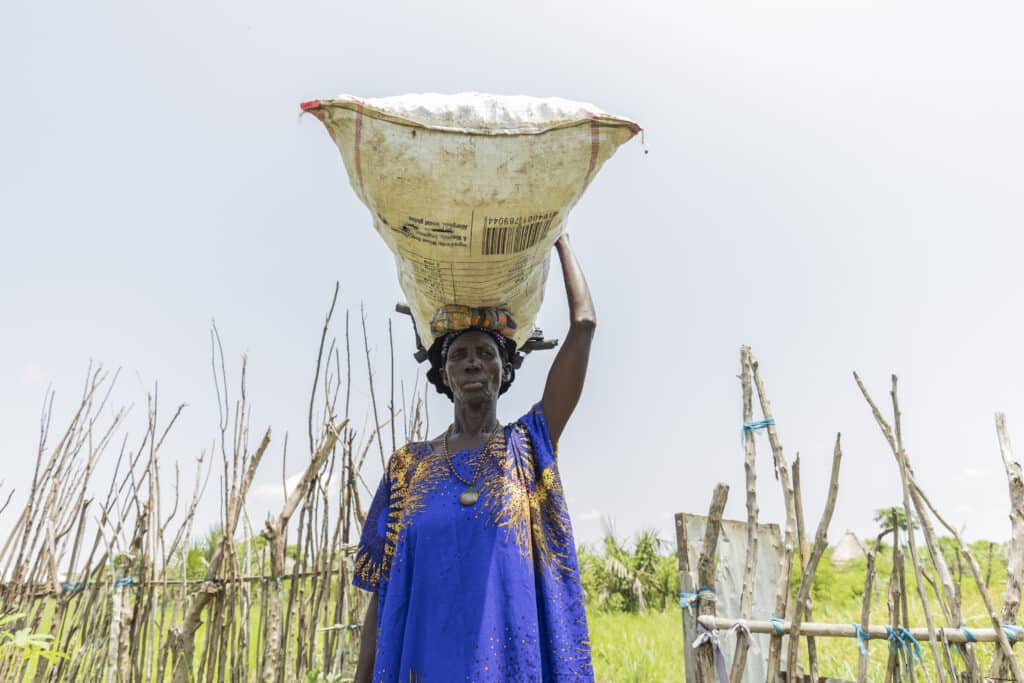
‘PIP employs simple yet effective methods that can lead to considerable increases in productivity in a short time. Examples include digging water-catchment trenches and leaving crop residues on the soil to retain moisture, prevent erosion and improve soil health. Working in groups is another key strength, helping communities address shared challenges such as unpredictable rainfall patterns and soil degradation. By starting with innovative individuals, training them and then having them train others, PIP can achieve 80 per cent coverage of farmers in a community within 2.5 years.’
Long-term effects of PIP
Peter continues: ‘Because PIP focuses on the vision of the farmers and communities themselves, the long-term effects are significant. PIP’s impact can be seen in more diverse land use, with a wider variety of crops, kitchen gardens, animals and additional sources of income. The approach makes households more resilient and engages young people in activities such as poultry farming, enabling them to contribute actively to their households and communities.’
Why PIP works
‘What I find beautiful about PIP is its focus on the entire family and its potential to spread quickly within communities. It empowers people to pursue their aspirations, moving away from the traditional expert-driven model. Unlike approaches that collapse when NGOs withdraw, PIP can sustain itself by drawing on local knowledge and inspiring innovation.
‘PIP also plays an important role in raising awareness and preparing households for environmental challenges such as droughts and floods. By sharing knowledge and encouraging people to diversify their activities, PIP helps households and communities become better prepared for unforeseen circumstances.
‘It is very inspiring to see more organisations adopting and implementing the PIP approach. In the Netherlands, these organisations are working together through the PIP platform, sharing knowledge and lessons learned. I look forward to seeing this approach expand further as more organisations, farmers and communities adopt it.’