Global food insecurity: why action cannot wait
For millions of households, securing a daily meal means navigating rising costs, disrupted livelihoods and repeated crises. Food insecurity remains one of the world’s most persistent humanitarian and development challenges.
Although global hunger has declined in recent years, progress remains far behind the targets of the 2030 Agenda for Sustainable Development. An estimated 645 million people faced hunger in 2025, while approximately 2.7 billion people worldwide could not afford a healthy diet.
The 2026 Global Hunger Index points to a concerning reversal in progress against hunger. Its score is higher than in 2018, interrupting the improvement recorded since 2000. Based on data from 2021 to 2025, the findings reflect the combined impact of conflict, climate extremes and economic shocks.
These pressures reinforce one another. Conflict and displacement disrupt livelihoods and markets, climate shocks undermine agricultural production, and high prices erode household purchasing power while increasing the cost of agricultural inputs. At the same time, humanitarian funding is under pressure, making it harder to respond to growing needs.
For organisations working on food security, addressing immediate food shortages alone is therefore insufficient. Responses must meet urgent needs while strengthening people’s ability to withstand future shocks.
Food insecurity is about access, not only availability
Global food supplies may be broadly adequate, but this does not automatically translate into food security. According to the World Bank, global commodity prices rose in 2026, including prices for cereals, maize and wheat. Low- and lower-middle-income countries continue to face significant food-price pressures.
Availability does not guarantee access: even where markets have sufficient food, declining incomes or rising prices can put adequate, nutritious food beyond households’ reach.
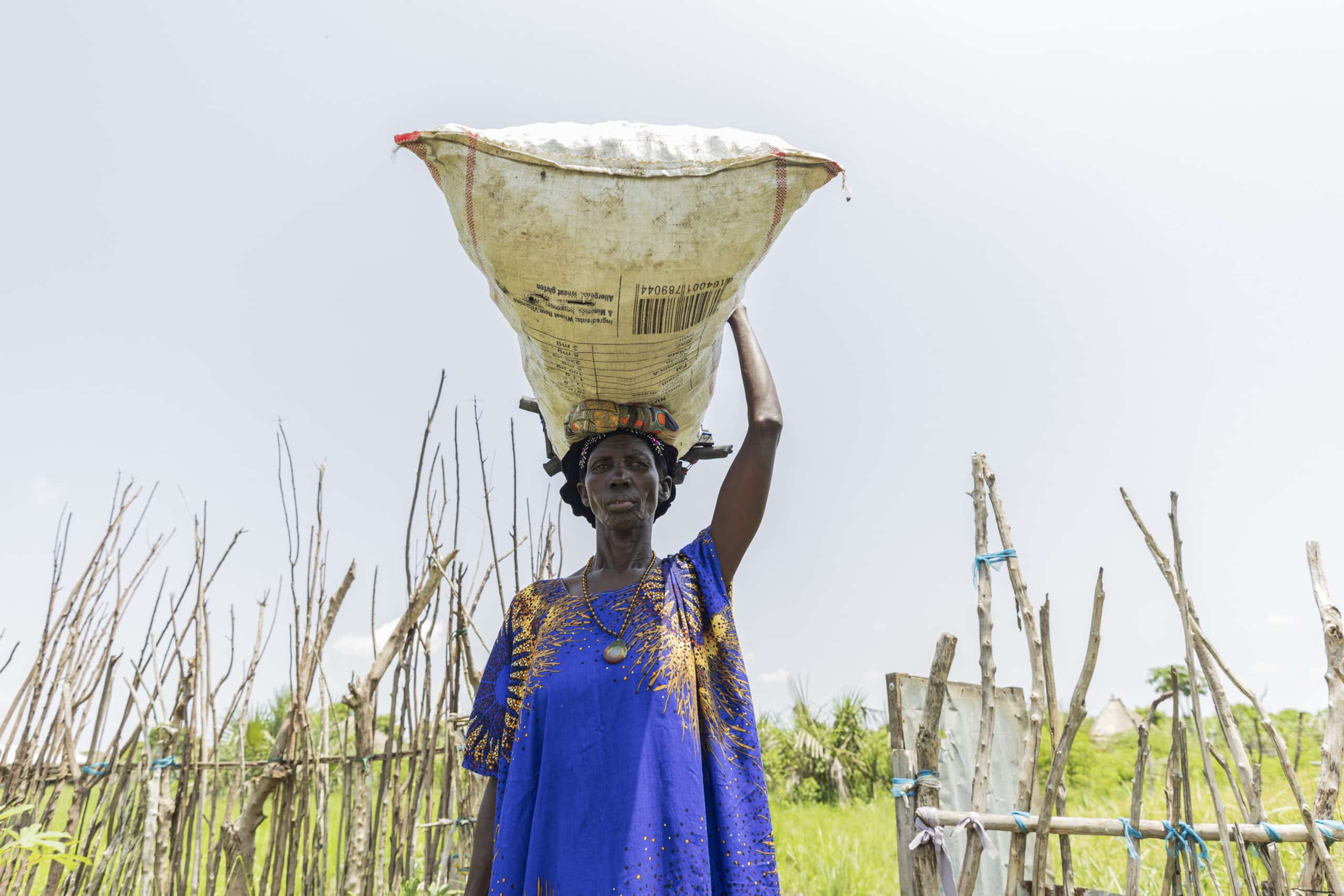
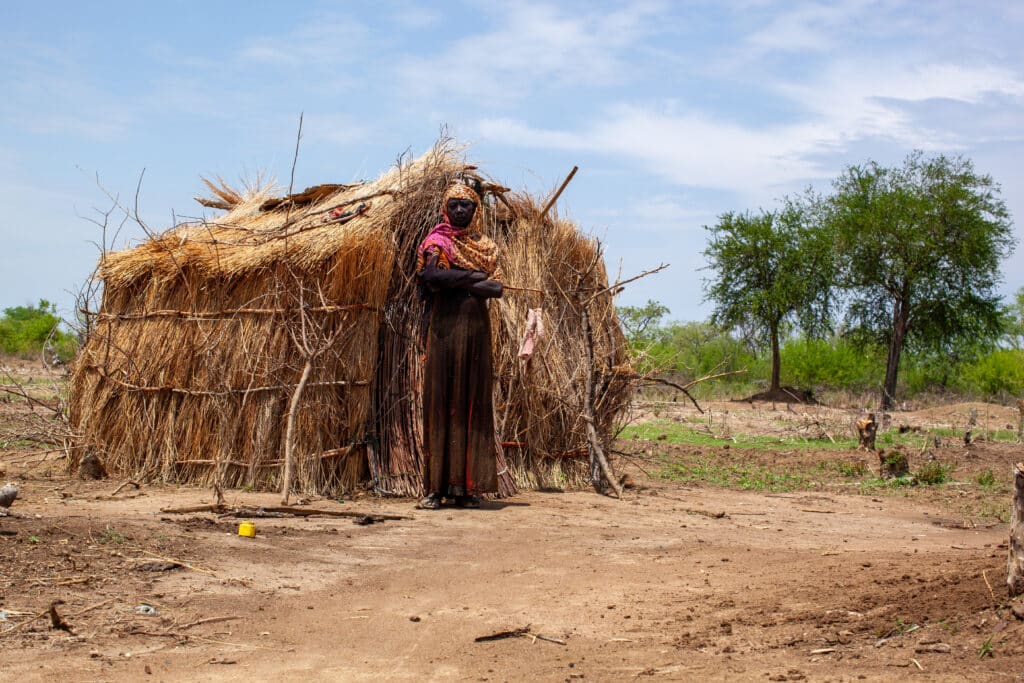
‘South Sudan depends on food imports. Rising transport costs are making food and other products more expensive and unaffordable for many South Sudanese people.’

Smallholder farmers are under pressure from two sides. Higher input costs can force those with limited savings to cultivate less land, which reduces harvests and income. Meanwhile, rising food prices make it harder for them to meet their households’ food needs.
Conflict, climate and economic pressure converge
Conflict remains a major driver of acute food insecurity. It can displace people, restrict access to land and productive assets, disrupt markets and income opportunities, and constrain humanitarian access.
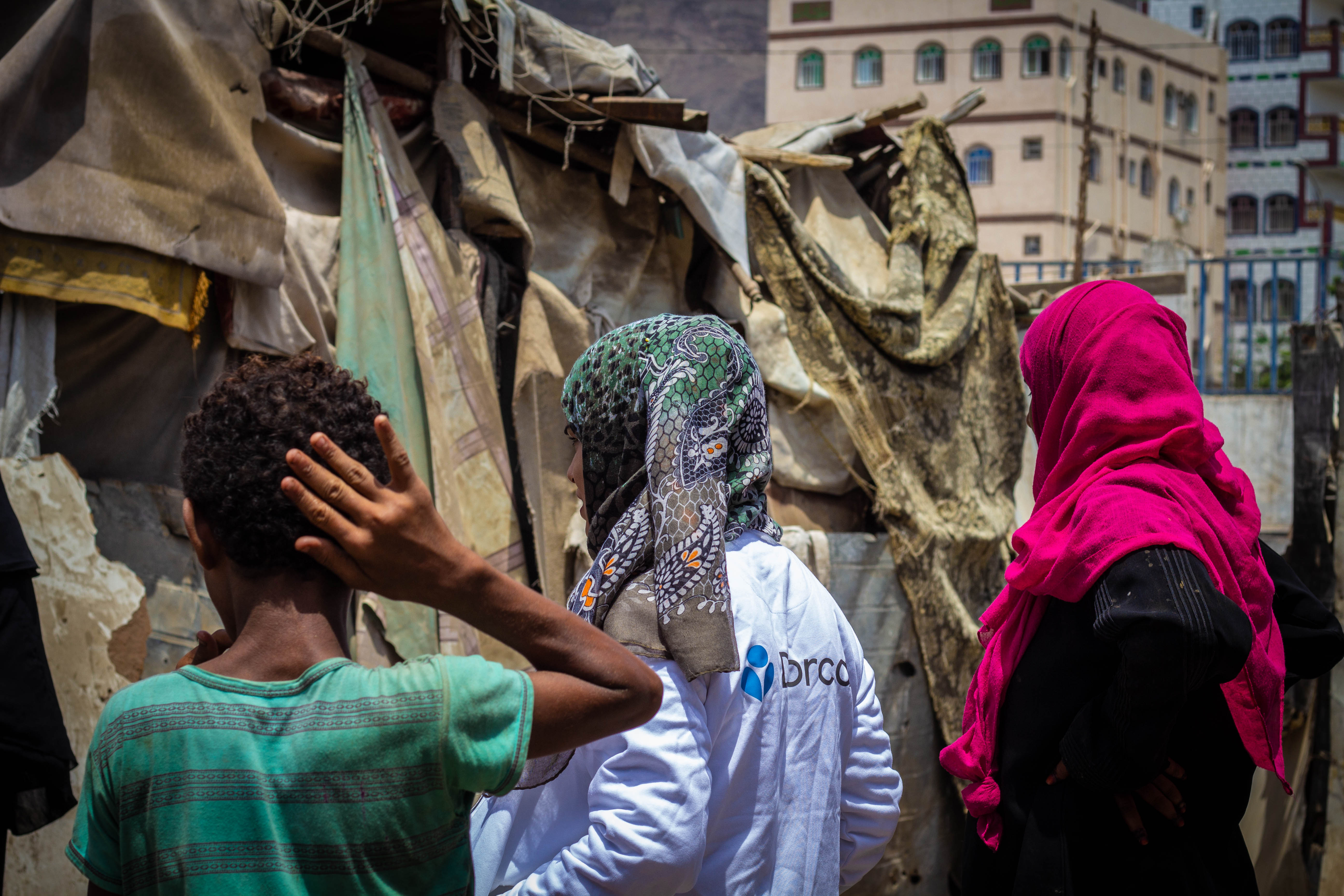
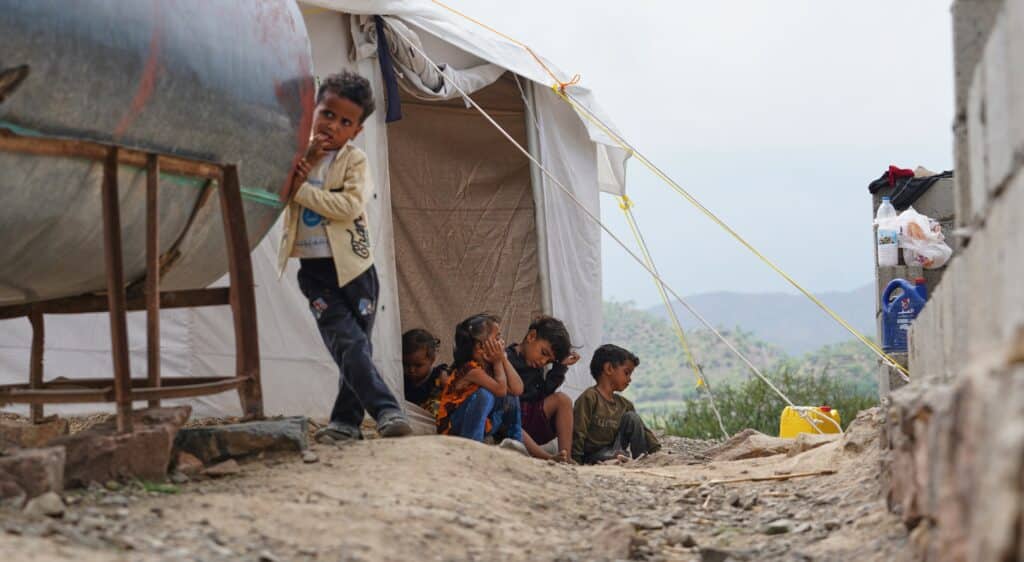
In Yemen, more than a decade of conflict has left people facing overlapping threats to their basic needs. ‘People in Yemen are severely affected by conflict, displacement, economic decline and successive crises,’ says José Salema, Country Director of Dorcas Yemen. ‘People barely have any access to food, clean water, healthcare and essential support.’
In South Sudan, conflict, displacement, high food prices, constrained humanitarian access and funding shortfalls reinforce one another, according to the IPC analysis. Between April and July 2026, an estimated 7.8 million people experienced acute food insecurity at crisis levels or worse (IPC Phase 3 or above). This included some 2.5 million people classified in Emergency (IPC Phase 4) and around 73,000 classified in Catastrophe (IPC Phase 5).
Climate variability can further undermine livelihoods by reducing agricultural production through drought, flooding and erratic rainfall. For households with limited financial buffers, successive shocks can rapidly erode their ability to cope.
El Niño, a naturally occurring climate pattern altering rainfall and temperature, adds different risks across regions. Forecasts indicate that southern Africa will experience below-average rainfall during the rainy season from October to March in 2026/27, while parts of the Horn of Africa will face an increased risk of flooding and heavy rainfall from October to December in 2026.
Reduced harvests and lost income can leave households with fewer resources during the following lean season, so food security impacts may emerge months later. Although local impacts remain uncertain, these forecasts offer an opportunity to prepare before needs intensify.
From crisis response to stronger livelihoods
Food insecurity’s scale and complexity require different interventions. The IPC framework distinguishes acute food insecurity, chronic food insecurity and acute malnutrition, each requiring a different response. For Dorcas, this means providing immediate assistance alongside support for food production and income generation throughout the food security and livelihoods spectrum.
Meeting immediate needs
In humanitarian crises caused by conflict, displacement or natural hazards, households may suddenly lose access to food and income. Dorcas provides food or cash assistance so people can meet essential needs during the most critical period.
Cash-based support can be particularly relevant where markets continue to function but households in vulnerable circumstances have lost purchasing power. Where access to food is disrupted, direct food assistance may be required.
Emergency assistance protects lives, prevents further deterioration and supports recovery by enabling households to avoid coping strategies that could further undermine their livelihoods.
Strengthening food production
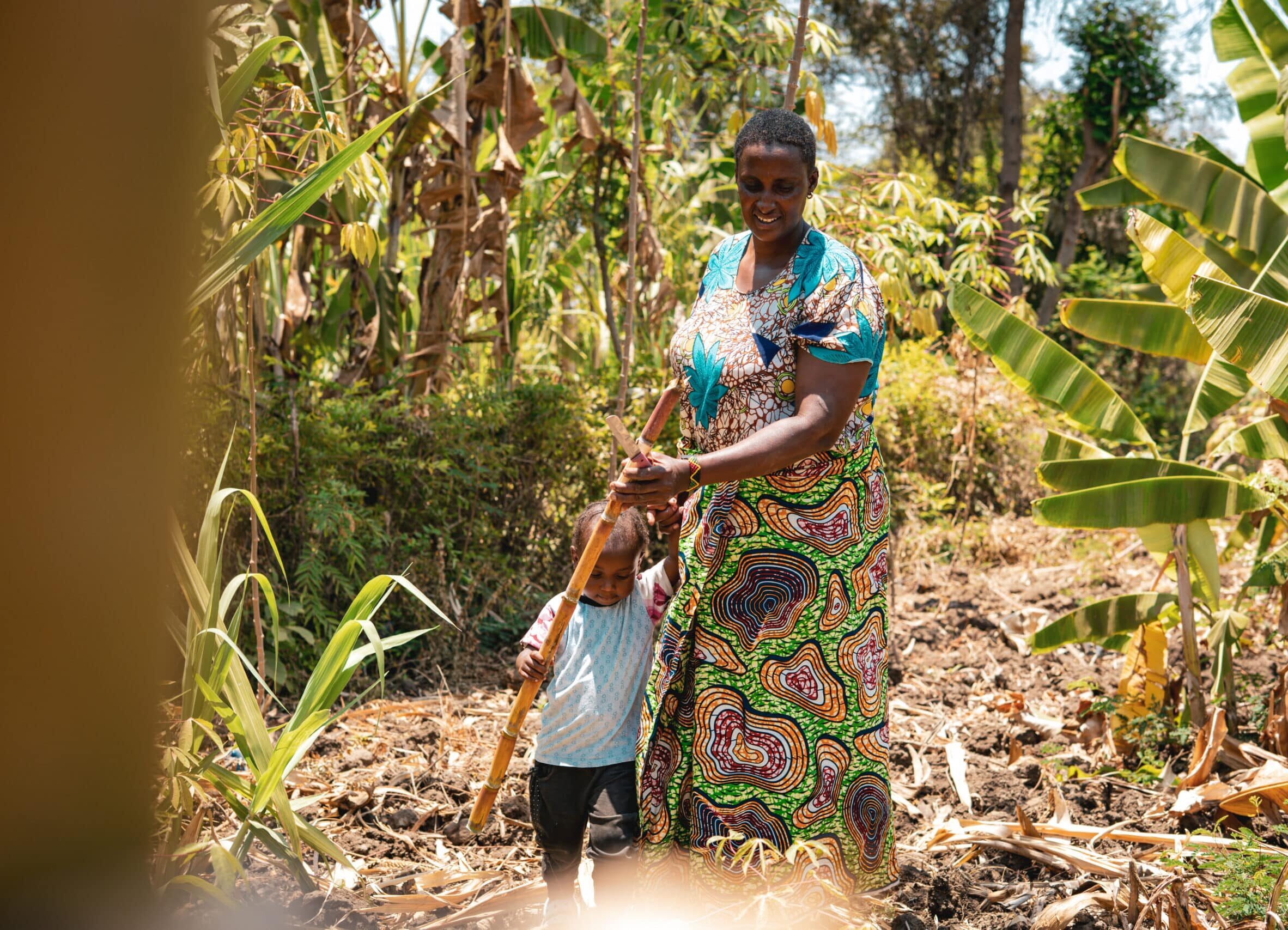
Where agriculture is central to household livelihoods, Dorcas supports people to grow their own food by providing seeds and tools and strengthening agricultural knowledge and skills through climate-smart agriculture.
For smallholder farmers facing unpredictable weather and rising input costs, climate-smart agricultural practices can help them adapt to changing conditions and better withstand climate-related shocks. This strengthens food production and access to food while protecting an important source of household income and building longer-term resilience.
Strengthening livelihoods and income
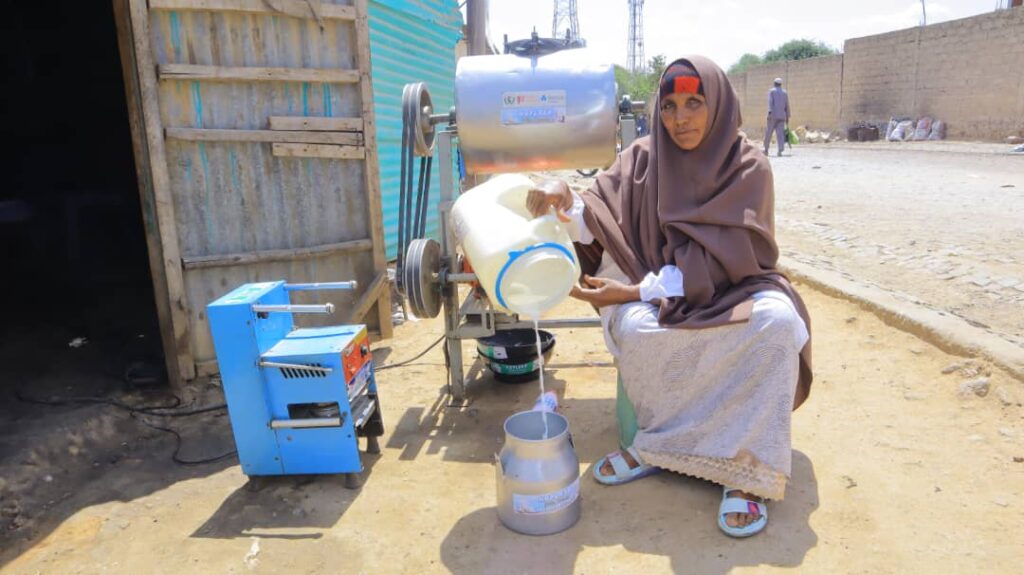
Food security depends on both what households can grow and what they can afford. Dorcas therefore supports people to develop marketable skills and income-generating activities, combining vocational training with support in entrepreneurship, marketing and financial management.
This strengthens people’s ability to earn income and access food through local markets. Longer-term, diverse and resilient livelihoods can reduce vulnerability to individual shocks, particularly for households heavily dependent on a single income source.
Connecting humanitarian response and long-term resilience
As humanitarian funding declines, meeting immediate food needs is becoming increasingly difficult. According to the Global Humanitarian Assistance Report 2026, an independent analysis of global humanitarian financing, international humanitarian funding fell by almost a third between 2023 and 2025.
The World Food Programme (WFP) provides a concrete example of what this decline means in practice. In July 2025, it warned that a projected 34 per cent funding shortfall compared with 2024 could leave up to 16.7 million people without emergency food assistance. This illustrates how funding constraints can limit the reach of emergency responses, even as food needs remain high.
Emergency assistance is essential when people cannot meet their basic food needs. At the same time, long-term investment in food production and livelihoods is key to strengthening food security and supporting households to withstand future shocks
Dorcas combines both approaches: responding to today’s hunger while reducing vulnerability to tomorrow’s crises. By connecting these approaches, we work towards a future in which more people can meet their food needs today and are better equipped to withstand tomorrow’s challenges.