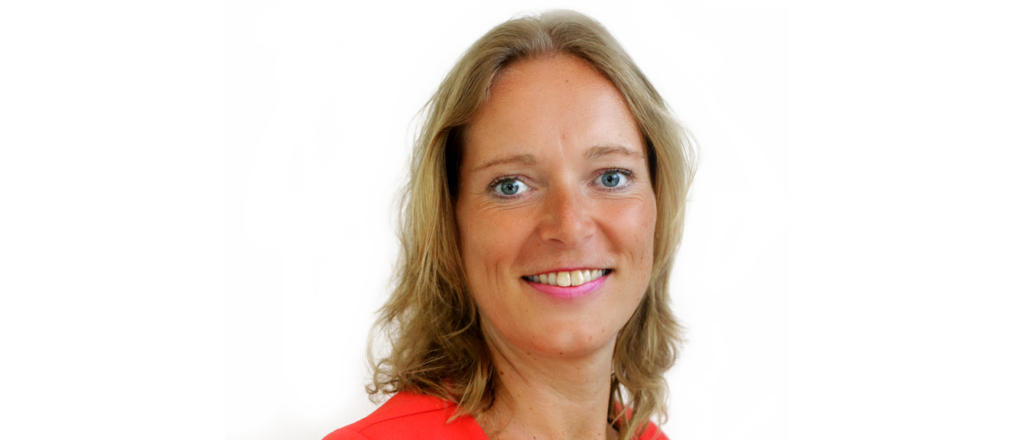
As a small child, Agnes Kroese already wanted to ‘help people abroad’ and she ended up in South Sudan a few years ago. Since the beginning of this month, she is the new CEO of Dorcas. If you had told me this 10 years ago, I would not have believed you. But I am ready and looking forward to it.
Agnes is very excited to this new step and says: ‘Since my early childhood, I have felt called to dedicate myself to those in need. From close by, I have witnessed what Dorcas’ work means for people who are excluded, live in poverty, or in the midst of conflict and crisis. I have seen the glow return to the eyes of people who find themselves in the most difficult circumstances. I have seen communities flourish. That gives me hope. That motivates me. I would like to use my knowledge and experience to further develop and professionalise Dorcas, so that, together with everyone involved, we can realise a structural impact on even more lives.’
Agnes looks forward to continuing her career at Dorcas as CEO and also Chairman of the Executive Board. Agnes: ‘From close up, I have experienced what Dorcas’ work means for those in need. The change in individuals and the flourishing of communities motivates me and gives me hope. I want to use my knowledge and experience to further develop and professionalise Dorcas, so that, together with everyone involved, we can realise a structural impact on even more lives.’
Agnes studied International Development Studies, and then took a Master’s degree in Emergency Relief. In her role as Country Director South Sudan, she has been actively involved with Dorcas since 2019.
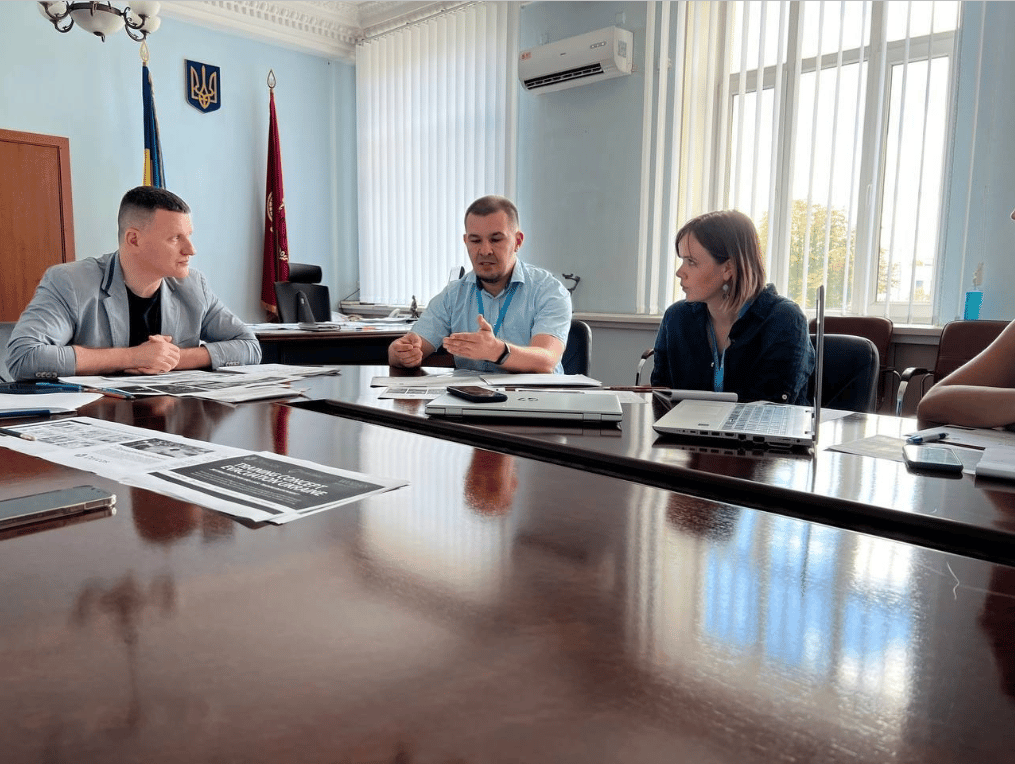
Anatoliy Kurtev, secretary of the city council in Zaporizhzhia, has announced a new information campaign for Zaporizhzhia’s residents about the procedure for emergency situations. Dorcas is one of the partners in this new project.
Dorcas, together with Wodan Security International, proposed an information campaign to prepare the local population for evacuation should the need to evacuate arise. The aim of the campaign is to enable Zaporizhzhia’s residents to act quickly and safely in emergency situations. Particular attention will be paid to vulnerable groups. As part of the campaign, instructions will be prepared that explain each phase of an evacuation, the safe routes to be followed and what needs to be in the emergency suitcase. Dorcas Ukraine will also provide hygiene kits and assist in the setting up of shelters.
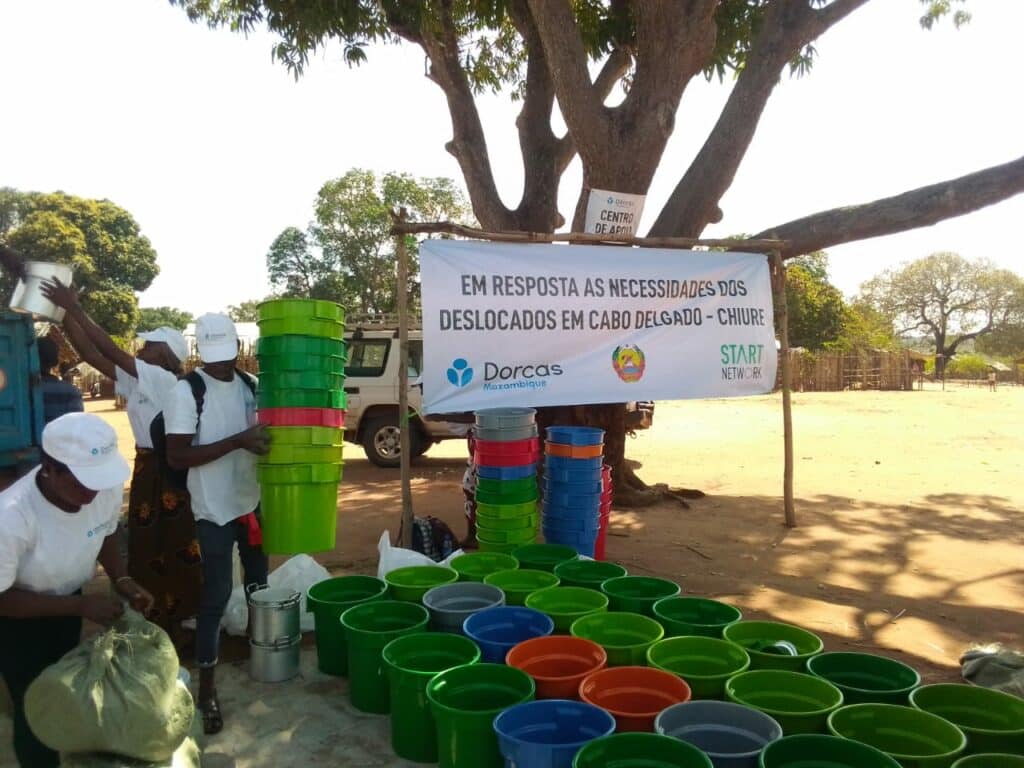
Cabo Delgado is a province severely affected by a complex humanitarian crisis with military tension, climate-induced problems and high levels of poverty. Recent attacks carried out by armed groups in Cabo Delgado have resulted in even more internally displaced persons (IDPs). The armed groups are continuing their advance south, attacking innocent people on the way. These attacks have forced people to flee, mostly to Chiure but also to other neighbouring districts.
Dorcas Mozambique has been active in Cabo Delgado province since 2021. Here it focuses on the District of Chiure with Food Security and Livelihoods, WASH and Humanitarian Recovery activities. Unfortunately, these activities are not enough to meet the huge needs of the IDPs. In Chiure district, most new arrivals live in emergency and communal shelters. Their major needs are food, transportation, dignity and hygiene kits, and non-food items, including kitchen kits and blankets. Dorcas aims to provide priority humanitarian assistance to IDPs who have just arrived in Chiure. We will target 2000 households with basic food and kitchen kits so they can prepare their own meals. These items will be distributed in the resettlement centres of Chiure Sede, Meculane, Chiure Velho and Katapua where most IDPs from the attacks in Ancuabe are found. Dorcas will focus on households with many children, persons with a disability or chronic illness, pregnant/lactating women and older people.
About Start Network:
Start Network was established in 2010. It aims to transform humanitarian action through innovation, fast funding, early action, and localisation. Over the next three years, Start Network will work across four complementary and mutually reinforcing areas to catalyse system change and drive more effective humanitarian action to assist and protect communities in need.
The flow of refugees from Ukraine to Romania seems to be decreasing, which has consequences for the assistance required. Dorcas Romania will now focus on long-term support for Ukrainian refugees, especially their psychosocial well-being and mental health.
The initial flow of refugees often aimed to travel further to relatives or acquaintances in Western Europe. Now those crossing the border have nowhere else to go and remain in Romania. This new situation requires a different approach to emergency aid.
Activities
The refugees are accommodated in churches and social housing facilities. Dorcas Romania supports these reception locations by supplying basic needs, such as food, blankets and hygiene materials. However, because the refugees are there for a longer period, we also provide activities, toys and creative materials, so they have something to do during their stay. And we ensure that children learn the Romanian language so they can attend school soon.
Psychosocial care
Now the refugees live in an unknown place, usually separated from their families. They have often seen and experienced terrible things and would benefit from psychosocial support to process everything they have been through. This support can be provided to Ukrainian refugees who stay at a location for longer and Dorcas Romania will start individual and group psychosocial care soon. Stress and how to cope with difficult situations are some of the topics that will be discussed.
Winter period
Dorcas is also planning ahead for the upcoming winter period. Although future developments are still very uncertain, many refugees are expected to remain in the country. Therefore Dorcas Romania plans to start a new relief project in which winter clothes and blankets will be distributed.
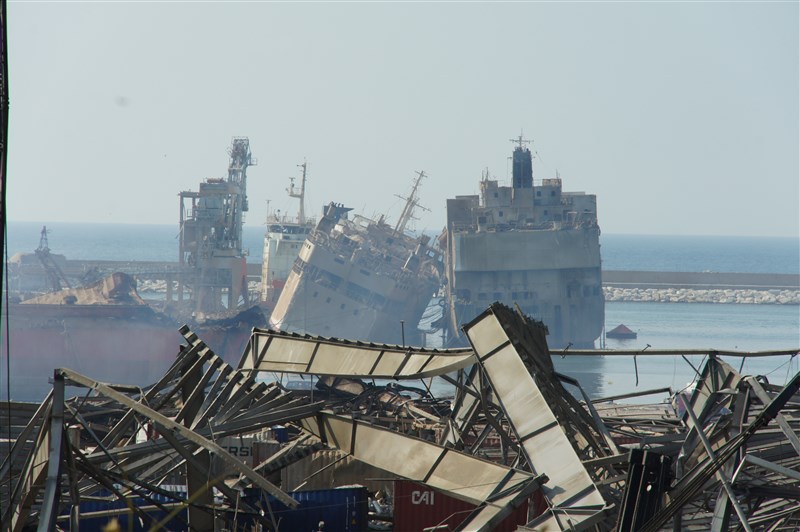
The Beirut blast on August 4 2020, was one of the largest explosions in history that pulverised the port, and damaged over half of Beirut. The explosion had a significant impact on the country which reverberates to this day. The economic and political situation worsens, and more and more Lebanese become dependent on aid.
Dorcas Lebanon launched a livelihood project in response to the Beirut blast. The project supports micro and small businesses affected by the blast in Bourj Hammoud and Achrafieh. The project focusses especially on male and female technicians and artisans working in local value chains, both experienced and recently graduated. The project aims to strengthen the economic resilience of a selected group of entrepreneurs, giving priority to youth and women led businesses. At least 40 percent of the total number of project participants will be female entrepreneurs.
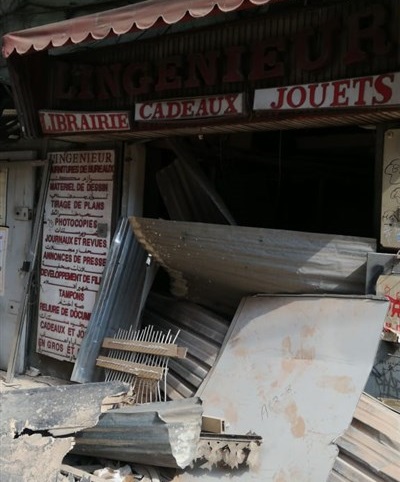
The Micro, Small and Medium Enterprises project targets existing businesses that have not been able to recover and stabilise their business after the blast. It will provide participating entrepreneurs with training, tools and business support to strengthen their livelihood and life skills.
The project will support:
- 40 business owners in the beauty, art, hospitality, sports and crafts sectors and local value chains. How? Through in-kind support for repairing their shops, buying tools and equipment.
- 10 experienced technicians. How? Through tools to start and improve their work.
- 10 freshly graduated technicians. How? Through a support package of tools related to their major business activity. And in addition, through training and coaching on life and entrepreneurial skills.
- 5 youth specialised in digital services. How? This group will provide digital services support to project participants and receive incentives in exchange.
- 40 women from the area of the blast who will participate in sewing and entrepreneurial skills trainings.
- 20 young people from the area of the blast who will participate in a training to obtain a ‘Brevet d’Aptitude aux Fonctions d’Animateur’ or childcare aptitude certificate. This will allow them to undertake psychosocial support activities for children in their community.
Duration project: June 2022 till September 2023
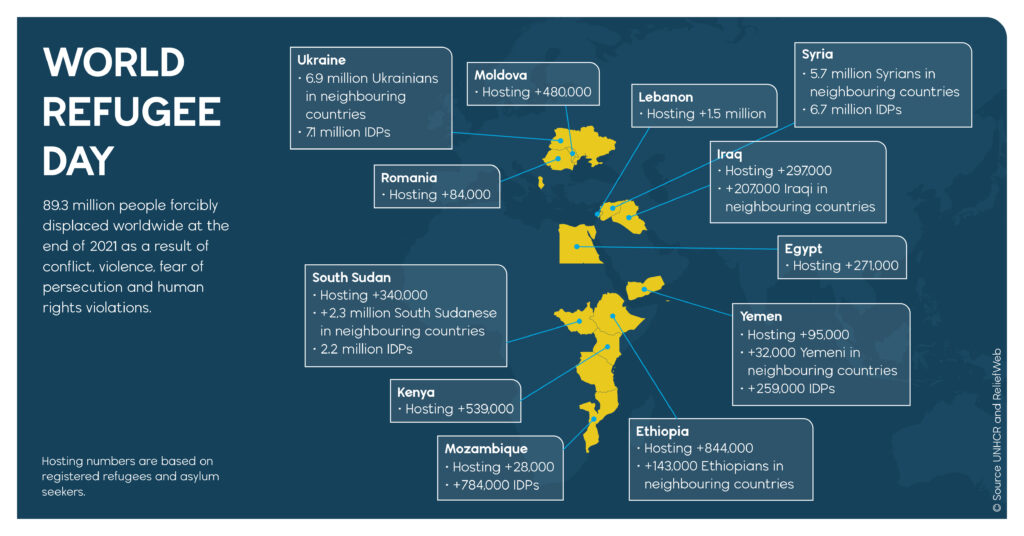
89.3 million forcibly displaced worldwide
- 69% originated from just 5 countries (including 2 countries where Dorcas is active; Syria and South Sudan)
- 83% hosted in low- and middle-income countries
(Source: Global Trends Report UNHCR end 2021)
Dorcas is active in 14 countries in Eastern Europe, Eastern Africa and the Middle East. We see the effect of the continuously growing numbers of people forced to flee. In 12 of those 14 countries we see forcibly displaced people. One of the recent examples is Ukraine.
UNHCR states that with millions of Ukrainians displaced and further displacement elsewhere in 2022, the total forced displacement now exceeds 100 million people. This means 1 in every 78 people on earth has been forced to flee – a dramatic milestone.
Lebanon experiences the effects of the ongoing conflict in Syria. Lebanon is hosting the largest number of refugees per capita, with an estimation of 1.5 million Syrian refugees plus some 13,617 refugees of other nationalities.
In South Sudan, 2 million people are internally displaced due to conflict, insecurity and the impact of climate change. The crisis in South Sudan remains the largest refugee crisis in Africa.
In Syria around 6.7 million people are internally displaced, some of whom have been displaced multiple times.
- A refugee is someone who fled his or her home and country owing to “a well-founded fear of persecution because of his/her race, religion, nationality, membership in a particular social group, or political opinion”, according to the United Nations 1951 Refugee Convention. Many refugees are in exile to escape the effects of natural or human-made disasters.
- Asylum seekers say they are refugees and have fled their homes as refugees do, but their claim to refugee status is not yet definitively evaluated in the country to which they fled.
- Internally Displaced Persons (IDPs) are people who have not crossed an international border but have moved to a different region than the one they call home within their own country.
Source UNHCR and ReliefWeb
Dorcas invests in resilient communities in which everyone can make their contribution. When a disaster or a crisis occurs, we provide assistance and we support communities to rebuild themselves. At the same time, we invest in structural remedies for poverty and social exclusion. We do this by encouraging entrepreneurship, self-reliance, and protection of people in vulnerable circumstances.
Agnes Kroese will become the new CEO of Dorcas with effect from 1 September 2022. In her role as Country Director South Sudan, she has been actively involved with Dorcas since 2019. Agnes has held various positions within the humanitarian and development sector and has a strong track record. She succeeds Leo Visser, who will retire at the end of September after leading Dorcas for six years.
Agnes looks forward to continuing her career at Dorcas as CEO and also Chairman of the Executive Board. Agnes: ‘From close up, I have experienced what Dorcas’ work means for those in need. The change in individuals and the flourishing of communities motivates me and gives me hope. I want to use my knowledge and experience to further develop and professionalise Dorcas, so that, together with everyone involved, we can realise a structural impact on even more lives.’
Jan van der Linden, Chair of the Supervisory Board and responsible for the recruitment process: ‘In Agnes, we have found someone with the right qualities, ambition and inspiration to become Dorcas’ new CEO. With great personal commitment, she has been a strong leader of Dorcas’ work in South Sudan over the past few years. In her new role, Agnes will work with the entire team to give substance to Dorcas’ further development.’
Leo Visser will hand over his responsibilities to Agnes in September and retire on 1 October after a meaningful career. Dorcas is grateful for Leo’s unbridled commitment and his continuous investment in sustainable change. Thanks to his efforts, Dorcas is now a stable, future-oriented organisation that is able to act decisively for those in need, also in these exceptional times.
Besides Leo Visser’s departure, Dorcas will also bid farewell to Ine Voorham. She has been actively involved as Chair of the Supervisory Board since 2012. After a period of 10 years, her involvement with Dorcas has come to an end. Ine Voorham has played a pivotal role at crucial moments, for which Dorcas is very grateful. Jan van der Linden has been appointed as her successor. He has been a member of the Supervisory Board since 2016 and he has been appointed Chairman of the Supervisory Board with effect from 15 May 2022.
Dorcas and ZOA are joining forces and will form a partnership in South Sudan. Both organisations have been present in South Sudan for many years and have worked closely together during those years. Per April 1st 2022, Dorcas and ZOA will form a joint working organisation under the name ‘ZOA Dorcas South Sudan’ with a country office in Juba.
“Our complementary expertise and geographical coverage enables us to achieve more impact in reaching those most affected by crisis and poverty in the country”.
Agnes Kroese, country director ZOA Dorcas South Sudan.
The current programmes in the country are not affected by this organisational change, these will continue as planned. The partnership focuses on South Sudan, the international offices of both organisations as well as offices in other countries remain independent entities.
In the past weeks, an estimated 12.65 million people have been affected in the areas hardest hit by the war within Ukraine. About 3 million refugees have fled the country and another 1.85 million people are internally displaced. Many more remain trapped in areas of escalating conflict where essential services are disrupted, and basic needs such as food, water and medicines can scarcely be met. In the face of this human catastrophe, Dorcas seeks to identify the most vulnerable groups and provide them with shelter, food, medical aid and other basic care. These include persons with disabilities, older people and people at risk of human trafficking.
Persons with disabilities
About 3 million persons with disabilities live in Ukraine. They face multiple barriers in accessing safe evacuation, shelter and humanitarian assistance. For example, shelters like metro stations and bunkers are often inaccessible for persons who use wheelchairs. And blind and deaf persons experience difficulties accessing information on emergency evacuation and shelter locations. Therefore, many people with disabilities are forced to stay at home when shelling occurs. Furthermore, thousands of children and adults with disabilities are trapped in institutions where they face the risk of being abandoned or suffering serious neglect.
Older people
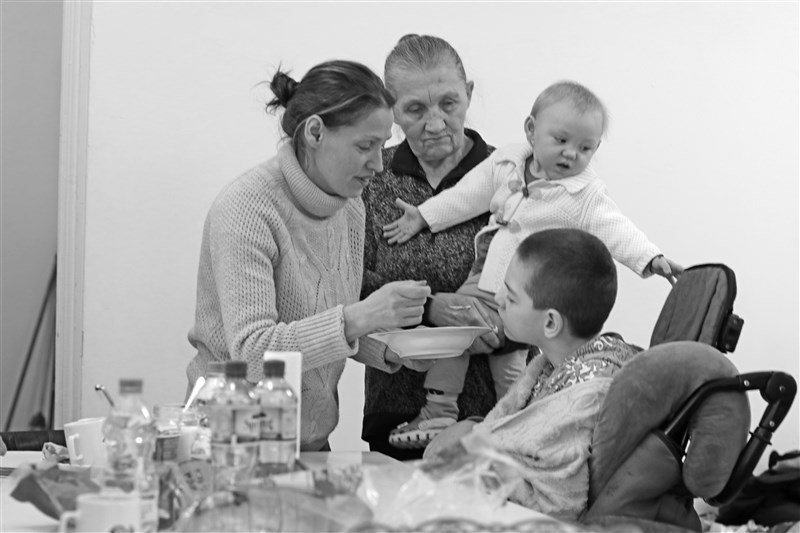
Older people are also disproportionately harmed by the war, especially older women and people with disabilities or chronic diseases. They face difficulties in escaping or avoiding fighting, which means they can become separated from their family. Access to the healthcare, medicines and assistive devices (such as walking frames and toilet chairs) they need can also be severely curtailed. And where humanitarian support and targeted services are available, older people often fail to access these because they are unable to wait in the long queues for hours.
Risk of trafficking
Finally, refugees run the risk of human trafficking. Displaced persons may have limited access to financial resources or opportunities for income generation. That gives traffickers a fertile environment to promise safe migration routes, employment and education or skills training. Refugees are then deceived into entering exploitative situations to pay off the smuggler fees. Children who are displaced or separated from their families without support networks are particularly vulnerable to becoming targets for traffickers.
Heavy conflict in Ukraine threatens the lives and livelihoods of hundreds of thousands of people across the country. The violence has destroyed homes, torn families apart and damaged essential services. Many lives have already been lost.
Hundreds of thousands are trapped in conflict areas, cut off from food, clean drinking water, electricity and health services. More than 2 million people have fled the country in the past days. The UN projects that millions more will be displaced from their homes by escalating violence.
Acute Joint Response Ukraine
The Dutch Relief Alliance (DRA) initiated an Acute Joint Response in Ukraine to provide immediate humanitarian relief to victims of the conflict and support communities that host displaced people. The Joint Response, led by Dorcas in cooperation with Cordaid and Save the Children, works with local partners in Ukraine to deliver urgent support such as food parcels, nonfood items for shelters, clean drinking water, hygiene kits to those affected, focusing in particular on the areas in and around Poltava, Ternopil, Kyiv, Ivano-Frankivsk, Transcarpathia and Zaporishya.
In the next 6 months, the DRA will improve shelters for displaced people by providing mattresses, blankets and cooking supplies. The DRA offers psychosocial support and mental healthcare to help victims deal with stress and trauma resulting from the conflict. Support to marginalised people, such as people with a disability, older persons, pregnant women, children and vulnerable families is central to the response.
Flexible, immediate response
The DRA is able to respond rapidly to the crisis in Ukraine due to the DRA partnership with the Dutch Ministry of Foreign Affairs, which provides direct funding for Joint Responses. Humanitarian support is delivered by DRA members together with local organisations in Ukraine.
About the Dutch Relief Alliance
The Dutch Relief Alliance (DRA) is a coalition of 14 Dutch aid organisations in partnership with the Netherlands Ministry of Foreign Affairs. The DRA partners are: CARE Nederland; Cordaid; Dorcas; Oxfam Novib; Plan International; Help a Child; Save the Children; SOS Children’s Villages The Netherlands; Stichting Vluchteling; Tearfund NL; Terre des Hommes; War Child; World Vision; and ZOA. The Netherlands Ministry of Foreign Affairs (BZ) partners with the DRA by funding Joint Responses.