Emergency support for displaced families in Afar region, Ethiopia
A 45-day response will provide cash, safe water, essential household items and protection support in Abala and Erebti.
Renewed conflict, urgent needs
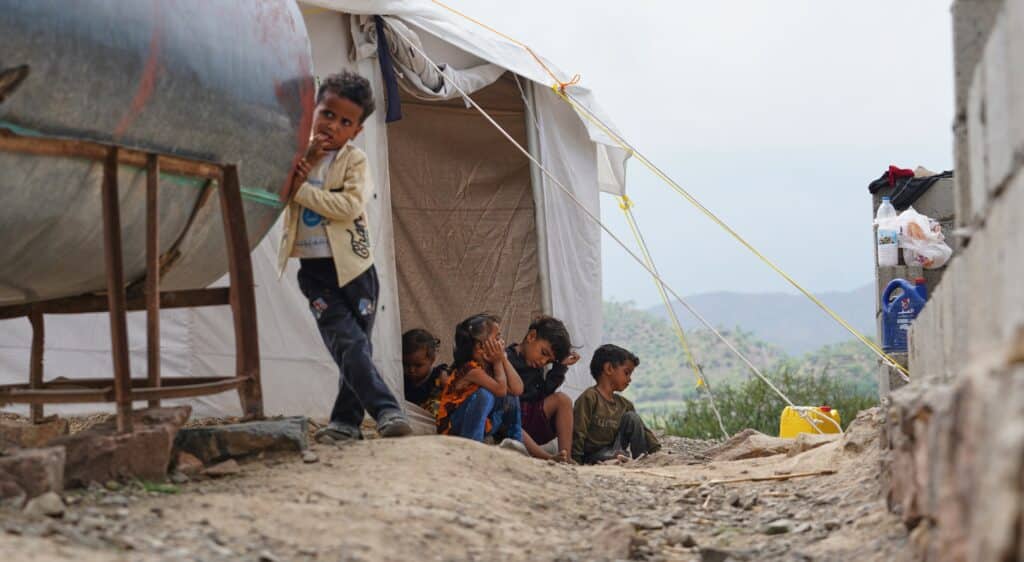
Renewed fighting linked to the conflict in Tigray is spreading towards northern Afar. The already fragile humanitarian crisis worsens, forcing additional displacement of families and disrupted livelihoods in Abala and Erebti, in Ethiopia’s Afar region. Families lost their belongings, income, leaving them with limited resources to meet basic needs; food, safe water, shelters and other essential needs.
Regional disaster-management and humanitarian coordination updates describe a sharp deterioration within a prolonged crisis and the security situation remain unstable. Further clashes and insecurity could force families to flee again and expose them to greater protection risks. The response will prioritise displaced people, returnees and host-community households in Abala and Erebti with severe unmet needs, including women, children, older people and persons with disabilities.
Response to support families
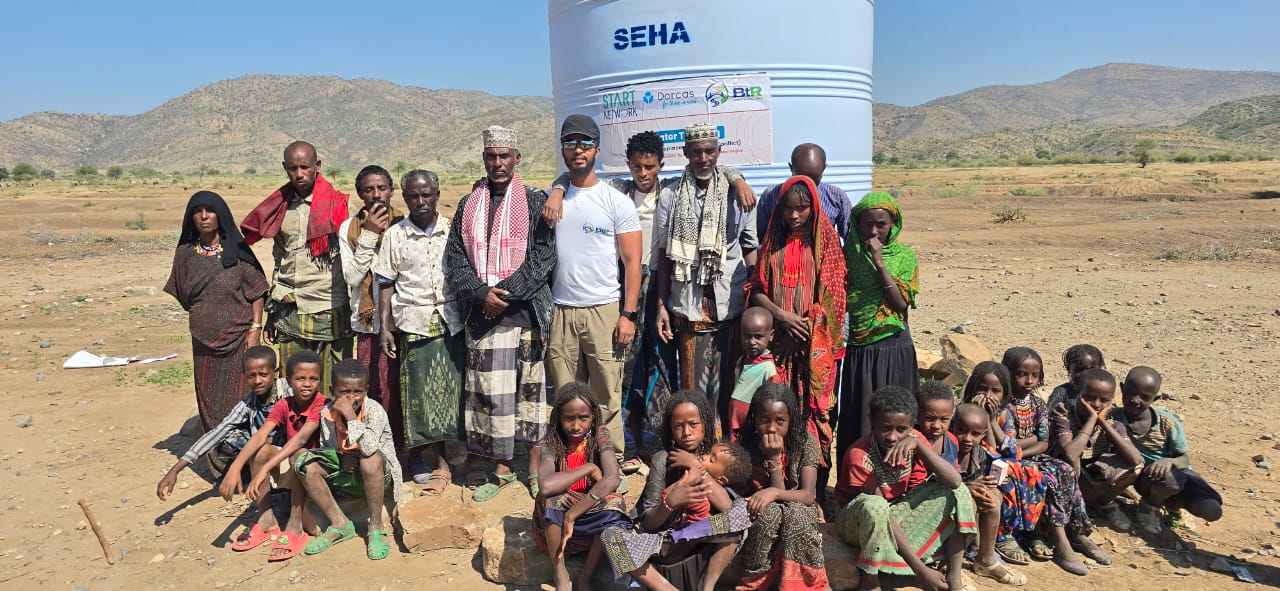
In response to this crises, together with partner Bridge to Resilience (BtR), and the support of Start Network, Dorcas Ethiopia will provide 45 days emergency response to provide shelter, non-food items (NFIs), multipurpose cash assistance (MPCA) for food and other essential needs, WASH, and protection. The response covers Abala’s town and rural areas and Erebti district.
Multipurpose cash assistance will support households meet their own priorities, subject to checks that markets and financial services are functioning and payments can be accessed safely. Emergency water trucking is planned for 1,500 households, approximately 7,500 people, where safe water is unavailable. Essential household packages will support 1,000 households whose belongings were lost, damaged or looted. Protection outreach will provide information, identify risks and connect people with individual referrals, supported by safeguarding training for staff and stakeholders. The overall target is 7,500 unique people receiving direct assistance.