More than four years into the full-scale conflict, the humanitarian situation in Ukraine remains severe and is deteriorating along the front line. Intensified hostilities and systematic attacks on energy, heating, water and electricity infrastructure have sharply reduced households’ ability to cope with the coming winter. Around half of the country’s power generation capacity and domestic gas production have been reported offline, with energy for heating and lighting being the most frequently reported unmet need.
Acute Joint Response Ukraine
The Dutch Relief Alliance launched an Acute Joint Response in Ukraine, delivering immediate emergency assistance to conflict-affected individuals and communities, hosting displaced populations. The Joint Response is led by Dorcas in cooperation with CARE, Cordaid, SOS Children’s Villages, War Child, and ZOA.
They work with local partners in Ukraine to provide urgent support such as:
- Non-food items.
- Power stations.
- Cash assistance, winterisation vouchers and in-kind assistance.
- Psychosocial support and case management.
- Support for caregivers/parents.
- Small repairs and upgrades to collective centres.
- Upgrades to inclusive WASH facilities based on a needs assessment.
From August 2026 to February 2027, the Dutch Relief Alliance will reach almost 15,500 individuals across Kharkivska, Zaporizka and Khersonska oblasts.
The alliances’ members offers winter cash for households in vulnerable situations, affected by winter energy costs and electricity disruptions. Support internally displaced people, affected local citizens, older people, people with disabilities and reduced mobility, families with children, single-headed households with children, foster and kinship-care families.
The Dutch Relief Alliance is a coalition of 12 NGOs that have joined forces to provide humanitarian assistance to people and communities the world over. They work in partnership with the Netherlands Ministry of Foreign Affairs.
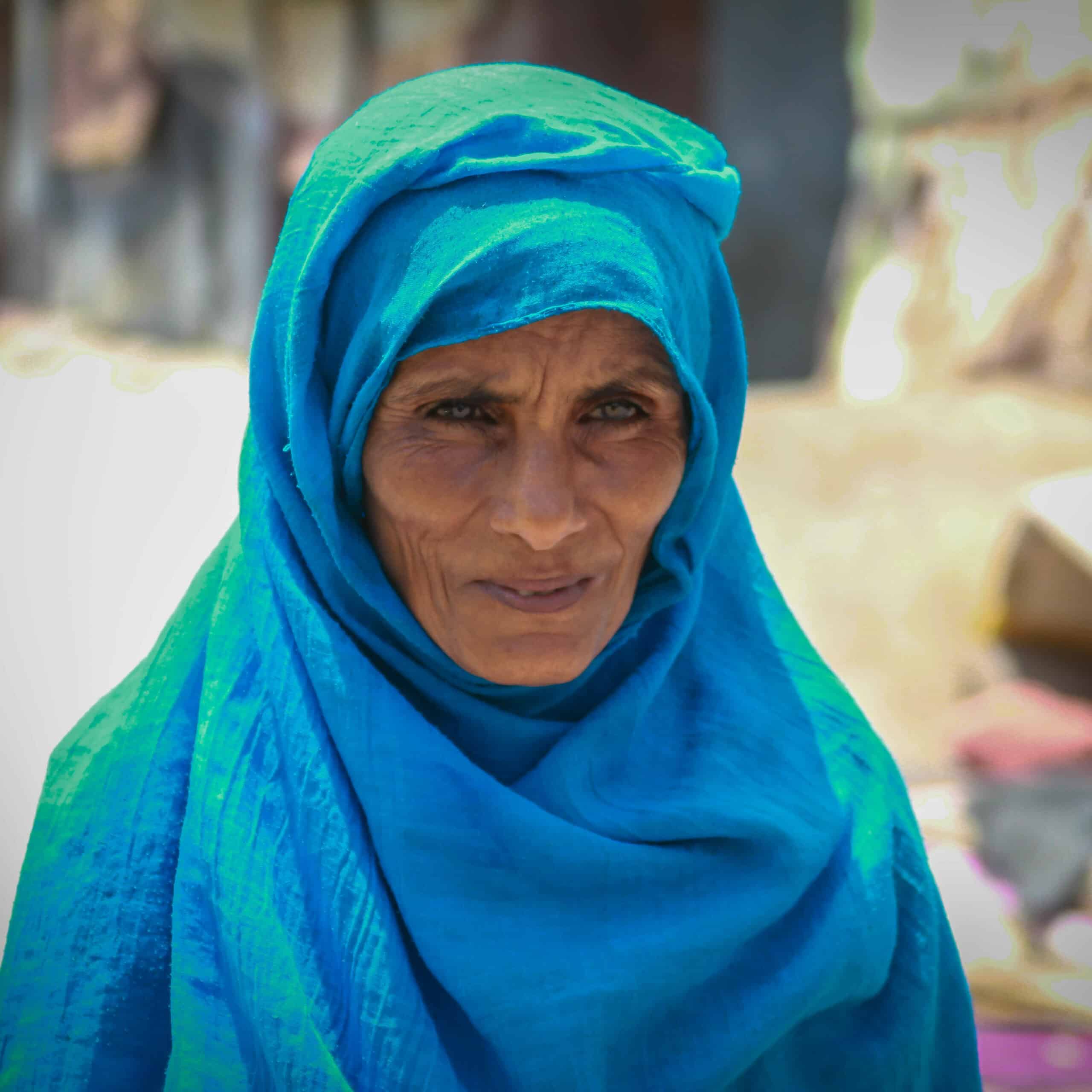
Yemen has been facing one of the world’s most severe humanitarian crises for many years. Long-running conflict, economic instability, and the deterioration of essential services have left millions struggling to meet their basic needs. For many families, daily life is filled with uncertainty, repeated displacement, and limited access to food, clean water, shelter, and protection.
Now, renewed violence and escalating tensions are further exacerbating an already fragile situation. Since early September 2026, fighting along Yemen’s western coast and southern frontlines has forced more than 200,000 people to flee. According to data released by the International Organization for Migration (IOM) on 7 October, the number of displaced people increased from 76,000 in mid-September to 201,217 in just a few weeks. Nearly all of these people had fled since 1 September, emphasising the speed and severity of this latest escalation. For many families, this is not the first time they have been forced to start again from scratch. This latest wave of displacement is part of a wider crisis that has been disrupting lives for years.
Urgent support for families displaced by renewed violence
In response to the current escalation of violence, Dorcas is preparing a three-month rapid response programme to support families who have recently been displaced. Building on our existing presence in the country, we will support 500 households in Zinjibar, Abyan, representing 2,811 people.
These households will receive multipurpose cash assistance, enabling them to address their most urgent needs with dignity and flexibility. Around 100 households will also receive essential non-food items (NFIs). Dorcas will prioritise families facing the greatest protection risks, female-headed households, families with older people or infants, pregnant or lactating women, and people with disabilities. All urgent protection needs that arise during the delivery process will be referred to the relevant service providers. This timely support will be invaluable to families who are already under immense pressure and are now experiencing even greater hardship.
Dorcas’ ongoing commitment in Yemen
Dorcas has been present in Yemen since 2019, officially opening our country office in Aden in 2021. Since then, we have collaborated with local partner organisations to support communities affected by conflict and instability. Our work focuses on crisis response, livelihoods and food security, water, and climate adaptation.
By working with local partners, we can ensure that our response is grounded in the realities of Yemeni communities. In such a complex and rapidly changing situation, this enables Dorcas Yemen to act with care and accountability, prioritising those in need.
Today, the Dutch government led by Prime Minister Rob Jetten presented its budget for 2027. The budget contains good news for people around the world affected by extreme poverty, exclusion and violence. Over the next three years, the government will invest an additional €1.1 billion in international cooperation, on top of the extra funding set out in the coalition agreement. At a time of growing global inequality, this is a valuable step in the right direction.
Dorcas’ CEO Agnes Kroese comments: ‘Thanks to this additional investment, a quarter of the previous government’s budgetary cuts have been reversed. We very much welcome this decision, since funding for international cooperation and humanitarian assistance is being cut globally. Against this backdrop, every extra euro counts. However, the Netherlands is still far from achieving the international norm of allocating 0.7 per cent of gross national income to international cooperation. We therefore call on the government to set out a credible pathway towards reaching this norm. Investing in international cooperation is crucial, not only for reasons of compassion and solidarity, but also because our future is closely intertwined with that of people living elsewhere.
By investing in international cooperation, we contribute to global stability and security, economic opportunities for young people, resilient communities and a livable planet.’
The documents presented on Prinsjesdag (the Dutch government’s annual budget day) also show that €300 million is being allocated for humanitarian assistance and reconstruction support for Ukraine. Our colleagues in Ukraine witness the consequences of the conflict every day, particularly for people in vulnerable situations, such as older persons and children. We therefore support the additional funding for non-military assistance to Ukraine, especially with another cold winter approaching.
For Dorcas, it is essential that the additional funding reaches those living in vulnerable circumstances. We will therefore continue to closely monitor how these additional resources are allocated and spent.
Dorcas Romania has formalised a new collaboration with the Faculty of Orthodox Theology, Social Work Department, in Cluj-Napoca, strengthening cooperation between social work education and community-based practice.
During a recent visit by representatives of Dorcas International and Dorcas Romania, a formal collaboration protocol was signed in the context of the Bridge Between Generations initiative. The agreement creates opportunities for cooperation between academia and practice, including opportunities for future social workers to learn about community-based approaches.
A key part of the collaboration is the recognition of Dorcas Romania’s Community Safety Net (CSN) approach as a learning model for social work education. The CSN methodology will be introduced as part of the educational experience of Social Work students, who will also have the opportunity to choose CSN initiatives for practical studies and field placements.
This is an important milestone for Dorcas Romania. For the first time, the CSN approach will be systematically shared with future social work professionals through a university programme. Students will gain insight into the role of community ownership, social inclusion, volunteer engagement and local support networks in community-based social work.
The partnership also reflects Dorcas Romania’s commitment to building connections between communities, educational institutions and social service actors. By combining academic knowledge with practical experience, the collaboration aims to strengthen the quality and impact of social work in Romania while fostering greater solidarity between generations and within local communities.
Dorcas Romania looks forward to continuing its collaboration with the Faculty of Orthodox Theology and its students, and to further exploring community-based approaches to social work.
Water scarcity is putting increasing pressure on market-oriented farmers across several Dorcas programme contexts. While some farmers have already invested in irrigation ponds, many ponds do not perform as expected. Water can be lost through evaporation, seepage or leakage, while poor design or maintenance can limit the agricultural value of the investment.
Dorcas has launched an innovation campaign to identify practical, trusted and scalable solutions that can support farmers to improve the performance and value of their existing irrigation ponds.
The focus is not on financing pond construction. Instead, we are looking for solutions that can support farmers to make better decisions, improve the performance of existing ponds and maximise the value of their investments.
The campaign builds on an innovation challenge identified during the sprint phase of the Dorcas 2.0 Water Pond innovation project. The first solutions will be piloted in Iraq, with potential to adapt and scale them in other Dorcas programme contexts, including Kenya, Ethiopia, Tanzania, South Sudan and Yemen.
What are we looking for?
We are looking for innovative solutions that go beyond traditional training and awareness raising. The focus is on the systems, services, tools and relationships that can support farmers to make better pond-related decisions and achieve better outcomes from their investments.
We are particularly interested in ideas that can:
- Improve pond performance by identifying and addressing causes of underperformance and reducing water losses.
- Support better decisions about pond use, maintenance, upgrading and investment.
- Provide practical knowledge that farmers can easily access, understand and apply.
- Strengthen access to trusted technical and business support, including credible local service providers and experts.
- Strengthen farmer-to-farmer learning so farmers can learn from both successful and unsuccessful pond investments.
- Use innovative tools and approaches, including digital technologies, artificial intelligence, remote sensing and decision-support tools.
- Build partnerships between farmers, government, private sector, community actors and research institutions.
- Develop sustainable support and business models that can operate without continued Dorcas funding.
Strong ideas should be practical, realistic and scalable. We are interested not only in what farmers need to know, but in the systems and services that enable them to consistently make better pond-related decisions and improve the value of their investments.
Share your idea
Do you have a practical solution that could support farmers to get greater value from existing irrigation ponds? We invite you to share your idea through the Dorcas Water Pond 2.0 Innovation Campaign.
Submit your idea through the Dorcas Water Pond 2.0 Innovation Campaign
Dirk Jan Groot, founder of Dorcas, passed away on August 4th. With his passing, we say farewell to a passionate pioneer who has been of great significance to Dorcas and to people in vulnerable circumstances.
‘We are saddened by the passing of Dirk Jan Groot, who has been of immense significance to Dorcas. Guided by his faith, he devoted his life to serving people in vulnerable situations and restoring dignity where it was under pressure. His compassion, determination and vision laid the foundations for the work of Dorcas and inspired many others to follow his example. His life and work have left a deep and enduring mark on countless lives. We are deeply grateful for the legacy he leaves behind,’ said Agnes Kroese, Chief Executive Officer.
Read the In Memoriam for Dirk Jan Groot.
Dorcas Yemen has joined international and national organisations in signing a new joint statement warning that families across Yemen are running out of options as hunger deepens and resilience continues to erode.
The statement highlights the growing impact of conflict, economic decline, climate-related shocks and severe funding shortages. Millions of people are facing acute food insecurity, while children, pregnant women and breastfeeding mothers are among those most at risk.
With humanitarian assistance already reduced, humanitarian organisations are calling on the international community to provide urgent funding, ensure safe and unhindered humanitarian access, and invest in local organisations that are best placed to respond to the needs of their communities.
Dorcas continues to work alongside local partners in Yemen to support people and communities affected by the crisis, strengthen resilience and contribute to protection, recovery and stability. The joint statement underlines the need for collective action to prevent further deterioration and to help families move towards a safer and more secure future.
In Debre Birhan, in Ethiopia’s Amhara Region, thousands of people have arrived after fleeing violence and insecurity in East Wollega, Horo Guduru Wollega, West Wollega, West Shewa and surrounding areas. These areas have experienced prolonged insecurity linked to armed conflict, intercommunal tensions and local disputes, forcing many families to leave their homes in search of safety. The town already hosts many internally displaced people and has become an important place of refuge because of its relative safety and access to basic services. As more families arrive, pressure on shelters, services and host communities is increasing rapidly.
In June and July 2026 alone, more than 1,000 displaced households arrived in Debre Birhan. With existing sites overcrowded, many families are living in unfinished buildings and temporary structures, with limited access to adequate shelter, clean water, sanitation, health services and privacy. A rapid needs assessment by Dorcas Ethiopia highlighted critical gaps in food security, shelter and non-food items, health, WASH and protection. Those facing the greatest risks include women, children, older people, people with disabilities and people with chronic illnesses.
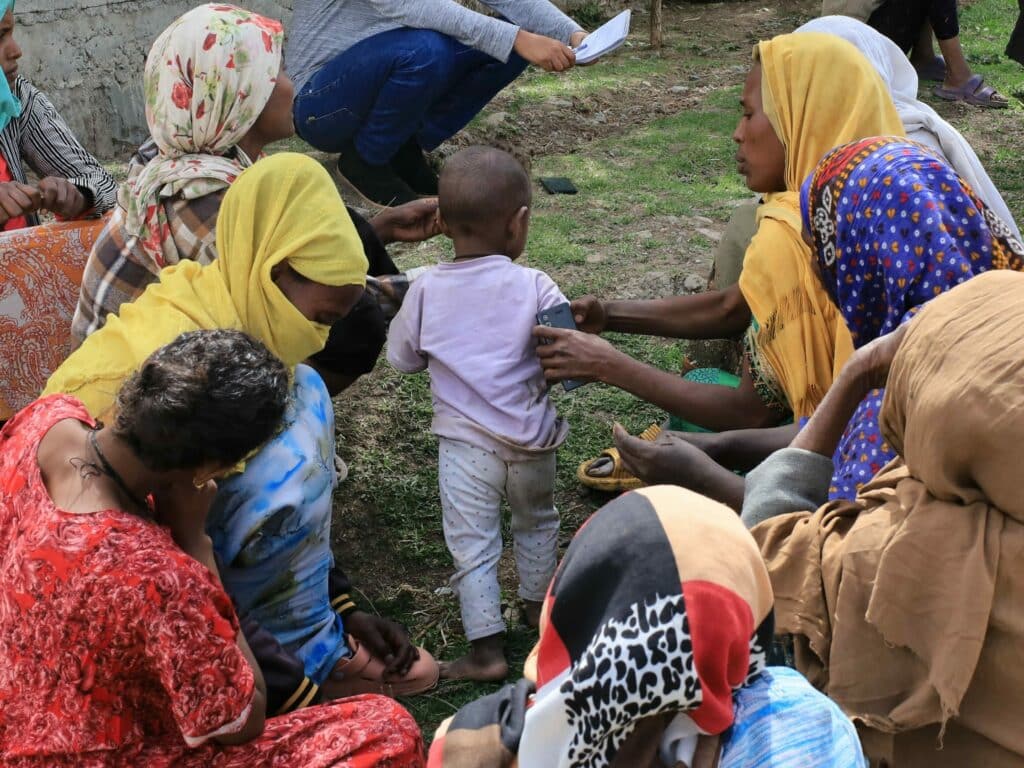
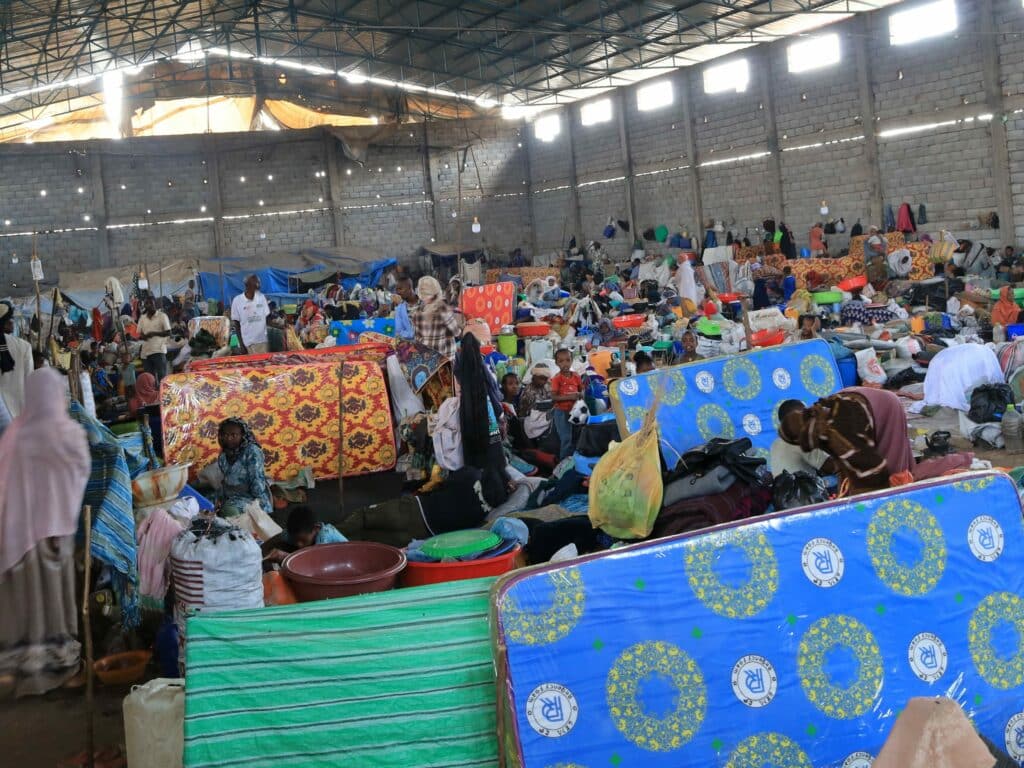
Dorcas is therefore launching an emergency response from 1 August to 31 October 2026 to support 500 newly arrived displaced households, reaching more than 2,500 people. During this three-month period, the project will combine immediate cash assistance with protection support, enabling families to meet urgent needs while strengthening their safety, dignity and wellbeing.
Cash assistance
Through multipurpose cash assistance, households will receive direct financial support so they can prioritise what they need most. This may include food, hygiene items, essential household goods, temporary shelter materials, health related costs or other expenses. Because local markets in Debre Birhan are still functioning, cash assistance offers a fast, flexible and dignified way for families to make their own decisions while also contributing to the local economy.
Protection
Alongside cash assistance, Dorcas will work to promote the safety, dignity and wellbeing of people affected by displacement, paying particular attention to those with specific protection concerns. This may include survivors of gender-based violence, children at risk, older people, people with disabilities, or others in need of specialised support. When such concerns are identified, staff will refer individuals to appropriate services available in the area so they can access the support they need.
Local presence and coordination
With an established presence in Ethiopia, Dorcas is well placed to respond quickly. Dorcas Ethiopia works through its country office and project offices, with local colleagues who understand the context, communities and coordination structures.
The project will be implemented in close coordination with local authorities and relevant government offices, those managing displacement sites, financial service providers, IDP and host community representatives and humanitarian partners.
With experience in humanitarian assistance, Dorcas brings practical capacity and technical expertise to this emergency. The aim is not only to act quickly, but to do so in a way that is accountable, inclusive and rooted in the realities of the communities we serve.
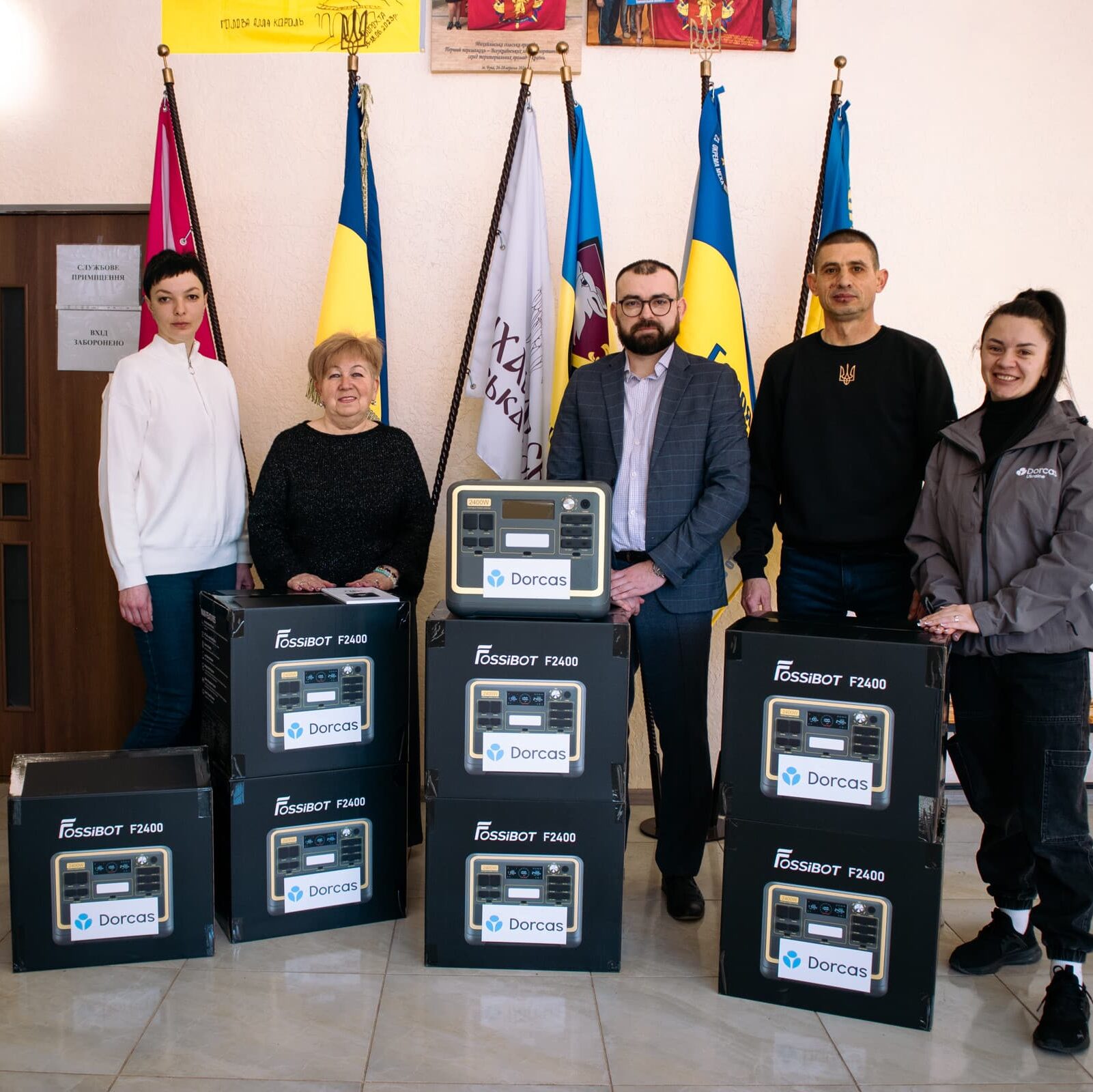
Last February, the Dorcas Ukraine team sounded the alarm about the deepening energy crisis in Ukraine, caused by systematic attacks on the country’s electricity infrastructure. As the situation continued to deteriorate, Dorcas launched a rapid response effort to support those in need, as well as a fundraising campaign in the Netherlands. The campaign focused on raising funds to provide emergency kits and alternative power sources for those affected by the crisis in Zaporizhzhia.
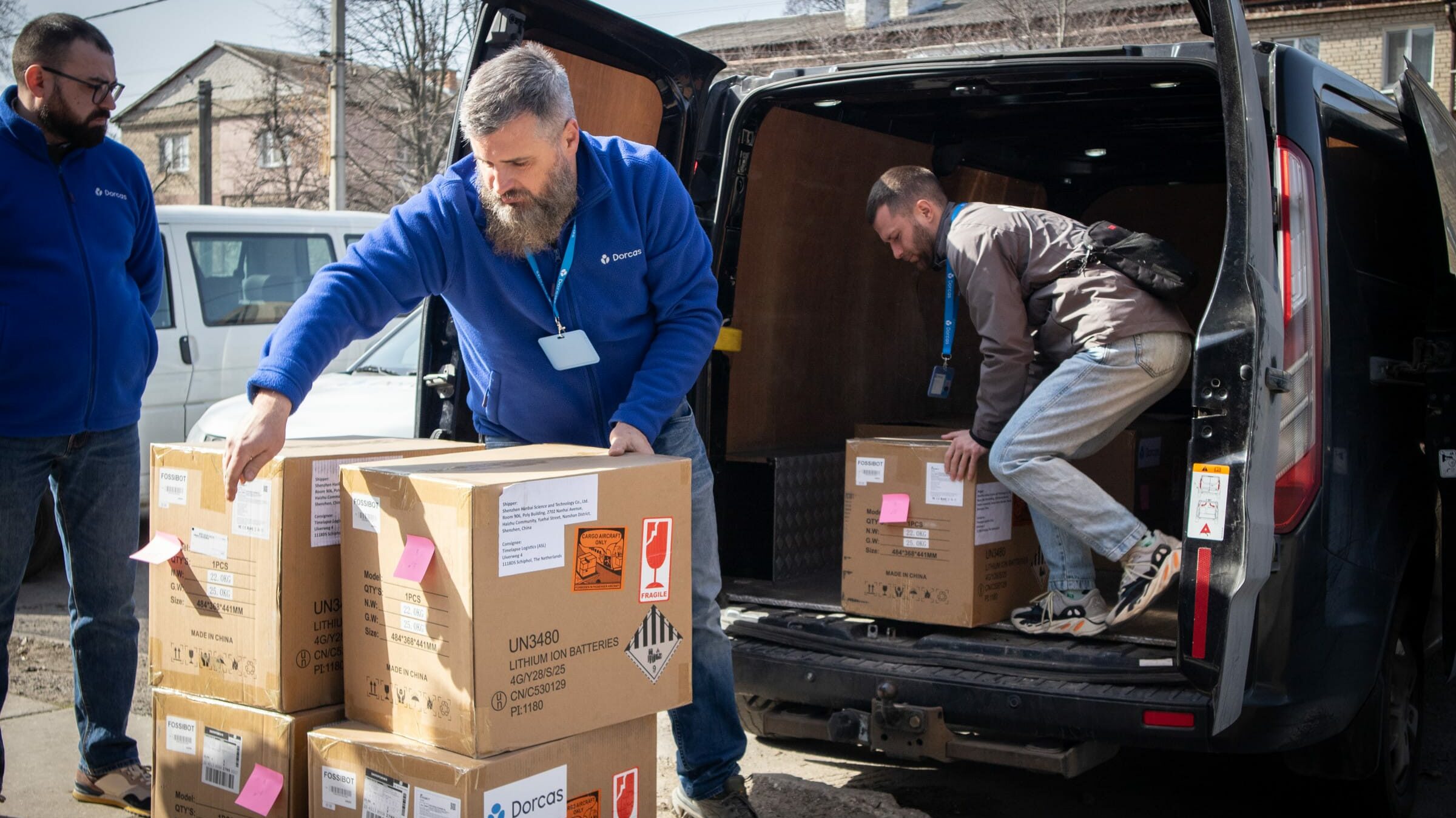
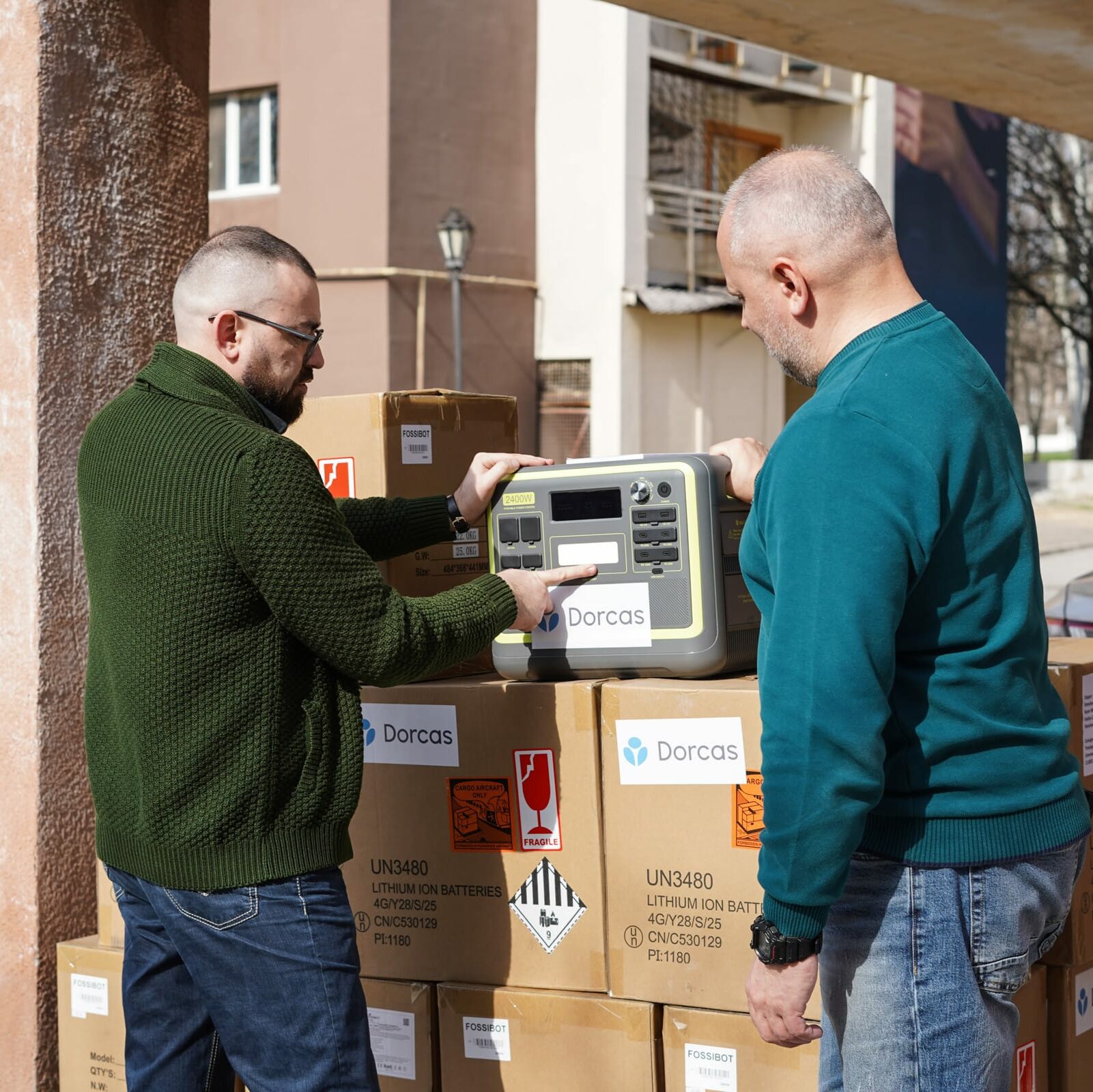
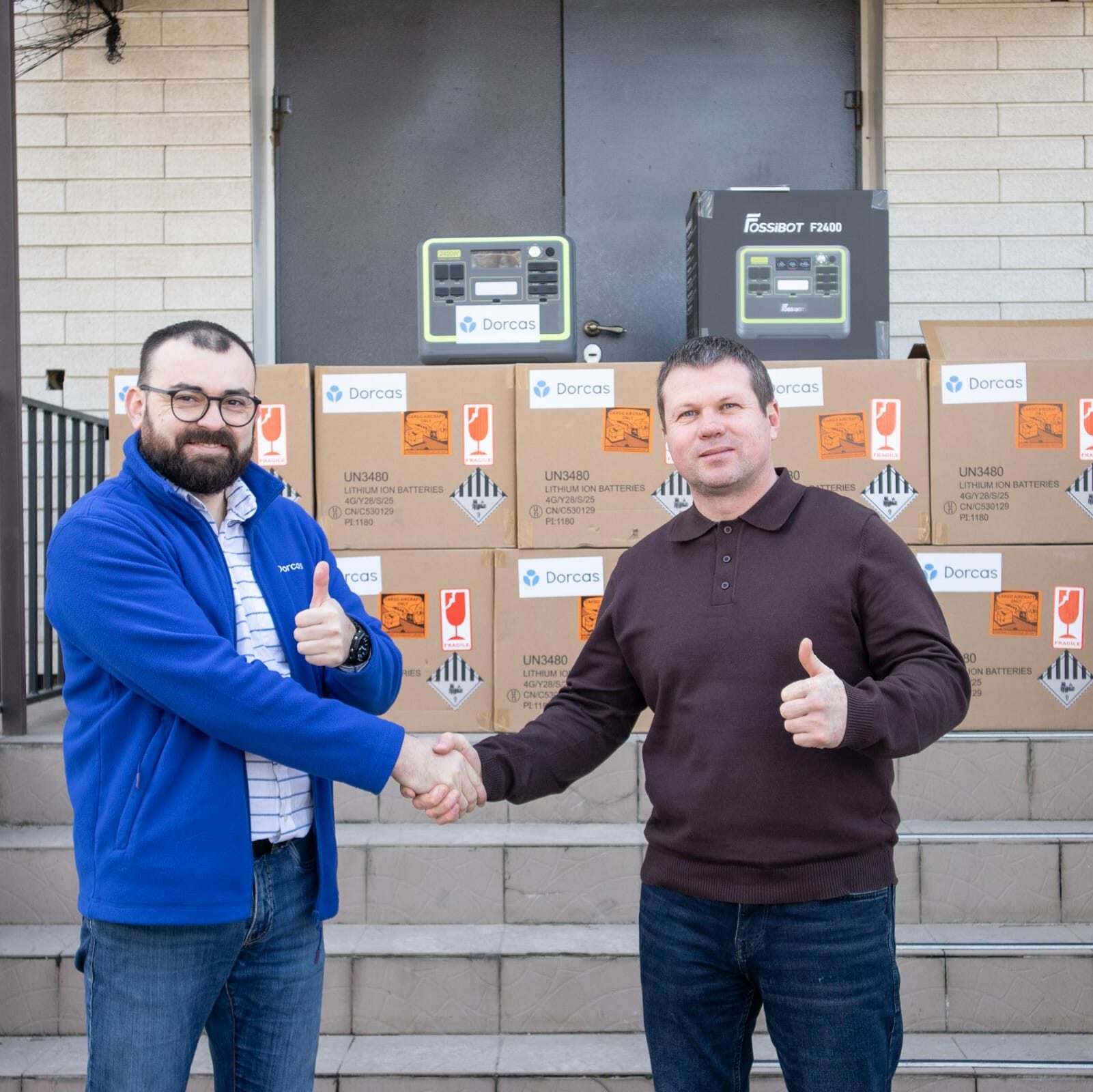
Thanks to the funds raised, Dorcas was able to provide around 250 alternative power sources over the following months. These were delivered to locations supporting those affected by the ongoing crisis. These locations included churches, humanitarian assistance centres, temporary accommodation facilities, social institutions, resilience centres, and other social infrastructure.
The devices were distributed to institutions in fifteen local communities in the Zaporizhzhia region, close to the front line. Recipients included the Regional Transit Centre for Evacuees, the Zaporizhzhia City Council’s Department of Education and Science, the Department of Social Protection, and other public institutions.
Through this project, Dorcas supports community members in the most vulnerable circumstances and ensures they have uninterrupted access to electricity in areas where this is vital during emergencies. The charging stations provide electricity during prolonged power cuts, which is crucial for communication, receiving assistance, and meeting basic living needs.
We are deeply concerned about the rise in violence, inequality and crises around the world. That is why we, a broad coalition of Dutch political parties and civil society organisations, are calling on the government to make a significant investment in development cooperation and to put an end to the unprecedented cuts.
Budget cuts on development cooperation
In the recently published coalition agreement, the government states its intention to invest more in development cooperation. This is an encouraging sign at a time of global unrest and instability. However, recent figures show that the promised investments are not being delivered. In fact, the budget for international development cooperation is set to fall in 2027, 2028 and 2030 compared to the previous government. This is happening at precisely the moment when global needs are rising. In April 2026, the OECD warned that global spending on development cooperation had fallen by almost a quarter in 2025. The Netherlands is contributing to this.
Behind the unfulfilled commitments to development cooperation lie personal stories. Stories of people who are denied life-saving care and children who cannot go to school or who grow up in extreme poverty. As a prosperous country that has benefited for decades from open trade and international cooperation, we have a duty to reach out to these people. According to independent research, global spending cuts will lead to millions of additional deaths as a result of hunger, poverty and preventable diseases.
Why development cooperation is in the Dutch national interest
Development cooperation is not merely a matter of humanity: it also serves Dutch interests. It helps to build and strengthen economies, which in turn benefits Dutch trade and investment. It also contributes to security by tackling the root causes of poverty, forced migration and conflict. It is no coincidence that our national security strategy identifies development cooperation as an indispensable pillar of foreign policy.
Keep your commitments
It is therefore crucial to re-establish the link between the development budget and our national income, and to work towards the international commitment to spend 0.7 per cent of national income on development cooperation. This link ensures that the development budget grows in line with the economy. In this way, we share our prosperity in good times and adjust our contribution in leaner times. For 2026, that would mean an additional investment of € 355 million in development cooperation. This is how we give concrete expression to international solidarity in a fair and sustainable manner.
Furthermore, it is essential that additional investments, such as the planned € 257 million, are directed towards the priority areas highlighted by the government, such as youth, education, women’s rights, civil society, global health and food security. In this way, it will not be at the expense of other priorities within the BHOS budget, such as emergency assistance and efforts to intensify sustainable economic development. If the link to national income is not restored in accordance with the international OECD agreement, and the government continues to cut back on development cooperation, this will not only undermine the effectiveness of the Netherlands’ global efforts, but also our own security and economy.
We therefore call on the government to honour the agreements made:
- Restore the link between the development budget and the national income, in line with the international OECD agreement.
- Ensure that the promised € 257 million goes towards international development goals.
- Present a credible path towards the 0.7 per cent target for development cooperation.
The Netherlands has the expertise, the resources and the responsibility to make a difference on the international stage. It is up to all of us to continue to fulfil that role with conviction.