Yesterday, the 30th UN Climate Conference (COP30) officially opened in Belém, Brazil, with an urgent call to implement climate pledges. Running until 21 November, the summit is focused on accelerating the implementation of practical solutions to meet national climate goals under the Paris Agreement.
This year, the core theme is climate adaptation, which the summit focuses on through six official action agenda areas:
- Transitioning energy, industry and transport.
- Stewarding forests, oceans and biodiversity.
- Transforming agriculture and food systems.
- Building resilience for cities, infrastructure and water.
- Fostering human and social development.
- Unleashing enablers and accelerators, including on financing, technology and capacity-building (cross-cutting theme).
These six themes are broken down into 30 key objectives, which provide more detail on the actions needed in these areas.
Agriculture and food systems on the agenda
Among the priorities at COP30, the transformation of agriculture and food systems is worthy of note. For decades, climate talks have largely overlooked food and farming, even though these sectors are crucial not only for tackling climate change, but also for ensuring that communities have enough to eat and can flourish in a changing world.
Heleen Berends, Dorcas’s Strategic Programme Advisor, explains:
‘The shift became evident back at COP27, when countries launched a four-year work programme on agriculture and food security (the Sharm El Sheikh Joint Work). Now, governments are reporting on progress and discussing how to increase climate action in the agricultural sector. The Global Action Agenda specifically lists goals such as restoring land, building climate-resilient food systems, and ensuring equitable access to food.’
Heleen adds:
‘This also raises a key issue: roughly one-third of global emissions are driven by food production, and agriculture is a primary driver of biodiversity loss. At the same time, hunger and food insecurity remain widespread. It is therefore essential to rethink how we produce, process and consume food. This needs to include regenerative farming, protecting forests and wetlands, reducing food waste, and promoting truly sustainable diets. Such measures can lower emissions while also ensuring sufficient yields, nutrition and resilience. What is clear, is that the current situation demands immediate action. The world must now come together to pledge sufficient funds and create accessible mechanisms that allow for better and accelerated adaptation.’
The spotlight on food systems also underscores the importance of community-level action, and shows why Dorcas’ work matters more than ever.
How Dorcas supports communities to adapt to climate change
For Dorcas, climate change is not an abstract issue. It directly affects the communities we support. From droughts in Ethiopia and Kenya to floods in South Sudan and wildfires and desertification in Iraq, extreme weather is making farming unpredictable and threatening food security. Those in vulnerable situations often have the fewest resources to cope, which is why climate adaptation is central to our work.
Heleen explains:
‘We support communities in adapting to changing conditions, improving food security, and preparing for disasters. For farmers in vulnerable areas, climate-adaptive solutions are essential.’
In practice, Dorcas combines innovation with local solutions to address climate challenges. In Yemen, solar-powered water systems provide clean drinking water and irrigation. In Iraq, water-saving technologies help trees survive in the desert. In Kenya, wetlands are being restored to manage floods, and schoolchildren plant trees to connect communities with their environment. These locally led solutions build resilience, safeguard livelihoods, and support people to flourish.
Dorcas takes a holistic approach to climate adaptation, working across food systems, land and water management, and community development. In this way, Dorcas transforms global commitments, such as those emphasised at COP30 and in the Belém Declaration, into tangible change for local communities.
Food is a fundamental human right, yet hunger remains a global issue. According to the Food and Agriculture Organisation (FAO)1, around 673 million people around the world living with hunger due to adverse conditions such as weather shocks, conflict, economic downturns and inequality. In response to this global crisis, Dorcas organises the annual Dorcas Food Campaign (in the Netherlands). Through this campaign, we raise awareness, mobilise resources and implement sustainable solutions that enable communities to flourish. Thousands of dedicated volunteers play a crucial role in the campaign, working tirelessly to raise funds and support various initiatives.
The Food Campaign takes a holistic approach to food security. It addresses both immediate needs and builds the foundations for long-term resilience. Beyond emergency food distributions, Dorcas supports marginalised households by training them in sustainable farming techniques and providing them with the materials they need. We also provide skills training and support for people to start their own businesses.
1. Food distributions during emergencies
These distributions are meant to provide food to people in immediate need. For example, people who have lost access to food and water due to a natural disaster or conflict. They receive food or money to support them through this first difficult period.
Barkitha from South Sudan. Barkitha left South Sudan for Sudan many years ago, but after her husband passed away and conflict erupted, she returned home with her children, facing hunger and uncertainty. ‘We had nothing, and my children cried from hunger.’ Then, through Dorcas, she began to receive monthly food parcels and a small cash grant containing flour, oil, beans and salt.
‘With this support, we had enough to get through the first few months. This support gave me the strength and space to make plans for the future.’ Dorcas also provided her with tools for growing grain and nuts. ‘Now I can produce food myself and no longer have to worry whether my children have enough to eat.’
Barkitha’s story highlights the critical role these parcels play as a first step in supporting people to rebuild their lives after emergencies. Dorcas brings this type of support to countless households facing displacement and hunger in the thirteen countries where we work.
2. Growing food
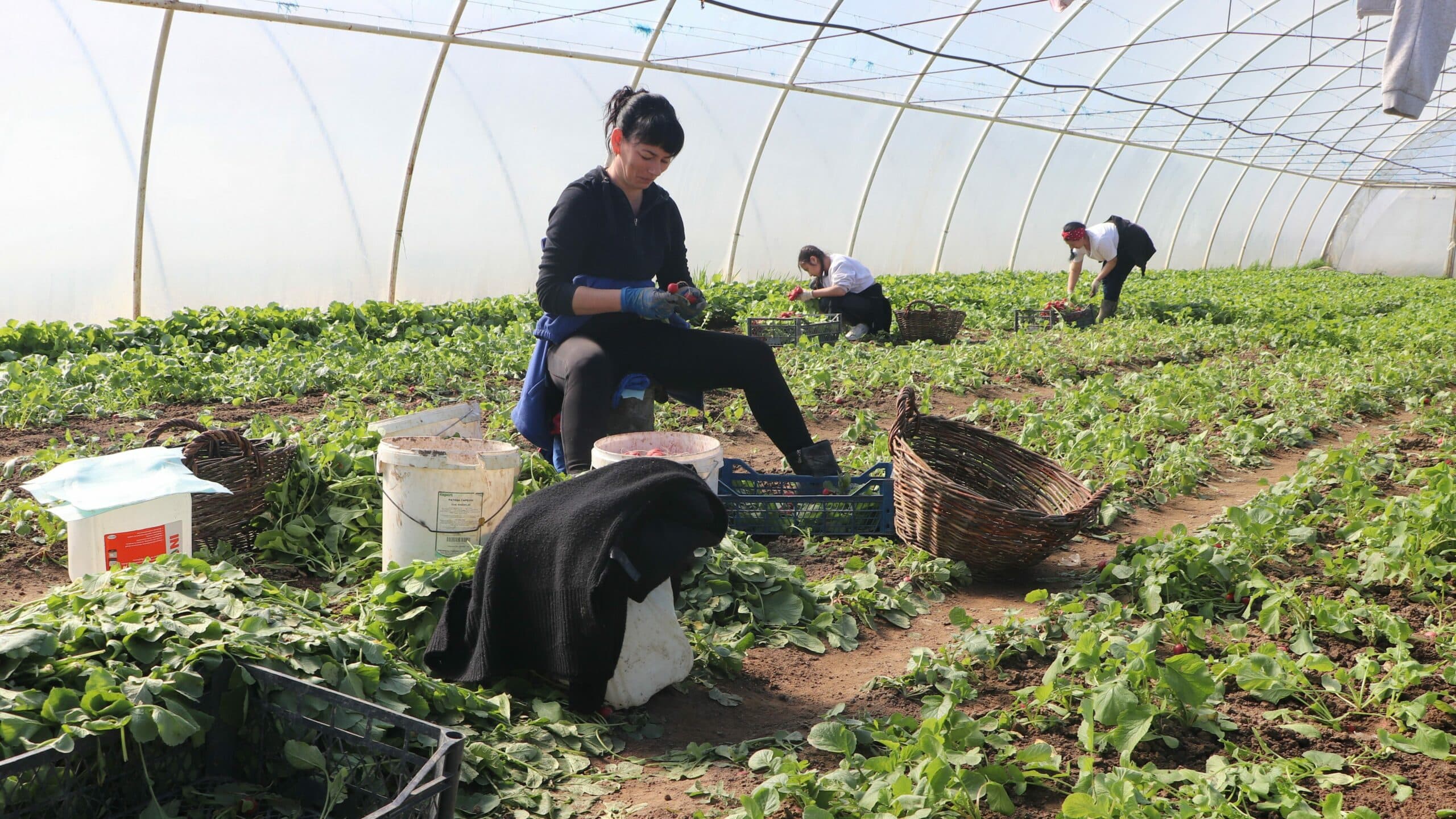
As well as providing immediate emergency assistance, Dorcas also addresses the underlying causes of food insecurity through sustainable agriculture initiatives. We provide households living in poverty with seeds, tools and training to cultivate crops and do this in a climate-smart way. For example, through the Participatory Integrated Planning (PIP) we support farmers to collaborate in decision-making and resource management, enhancing their ability to adapt to climate changes. This ensures they have healthy food all year round.
Vasyl and Renate from Ukraine: Due to ongoing conflict, Vasyl lost his job, leaving his family struggling to make ends meet. Dorcas provided them with materials to expand their greenhouse and training in growing and marketing. Now, they have enough food and income to support their family.
3. Earning food through a new occupation
Dorcas provides (skills) training and support for people in vulnerable situations to start their own businesses. This will put food on the table – now and in the future.
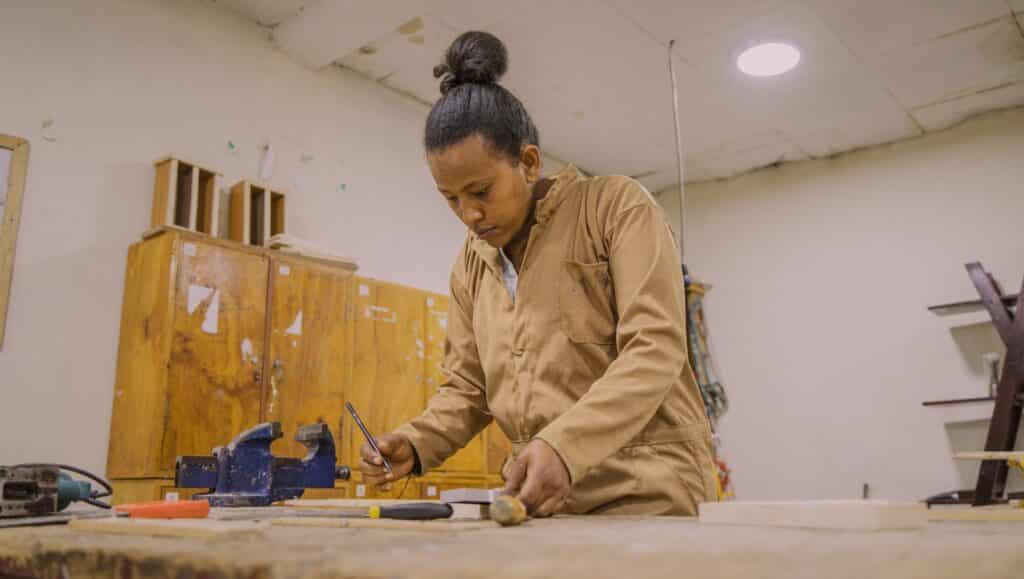
Mahalled from Ethiopia: In Ethiopia, Mahalled took any short-term work she could find, but it wasn’t enough to sustain her family. With her husband’s limited income, she turned to Dorcas and enrolled in a woodworking course. Once she completes the course, she plans to open a workshop named after her daughters: Sosena & Bitanika Furniture Making Workshop.
Mahalled’s experience highlights the importance of skills training in changing personal situations, empowering people to improve their lives and support their families.
Building resilience through food security
Food security has a profound impact on the well-being of people and communities around the world. It affects not only personal health and development, but also broader societal stability and growth. When communities lack access to sufficient food, the consequences go beyond hunger, affecting education, economic productivity and social cohesion. The stories of Barkitha, Vasyl, Renate and Mahalled illustrate how access to nutritious food can transform lives, build resilience and empower people and communities to build a sustainable future.
Through the Dorcas Food Campaign, we want to contribute to a future where food security is accessible to all. Together, we can make a lasting difference in the fight against hunger.
Reading time: 2 minutes.
Khalid is a father of ten from Yemen. He struggled with the harsh realities of drought and poverty, and found it difficult to provide for his family’s most basic needs. His land was barren and his debts were growing. A lack of resources prevented him from cultivating his land, which had a negative impact on his children’s education and wellbeing.
However, Khalid’s situation changed when he was introduced to Dorcas’s Food Security and Livelihoods (FSL) project. This initiative aimed to support the households most in need, and Khalid was selected as a participant in the agricultural greenhouse project.
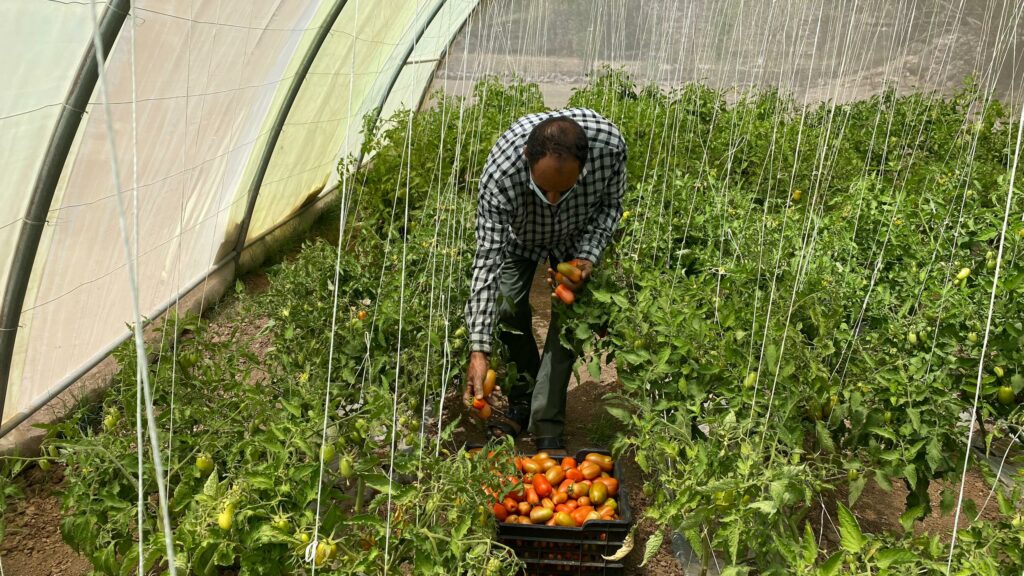
As part of this, he received a modern greenhouse, quality seeds, a drip irrigation system and a water tank. He was also trained in modern farming techniques, crop management and the efficient use of water and fertiliser. With both knowledge and resources at his disposal, Khalid began to cultivate his land with renewed determination.
With continuous guidance from the project team, his crops flourished. When harvest season arrived, his fresh, chemical-free tomatoes were well received in the local market. The income he earned exceeded expectations, enabling him to repay debts, provide his family with nutritious food, and send his children back to school.
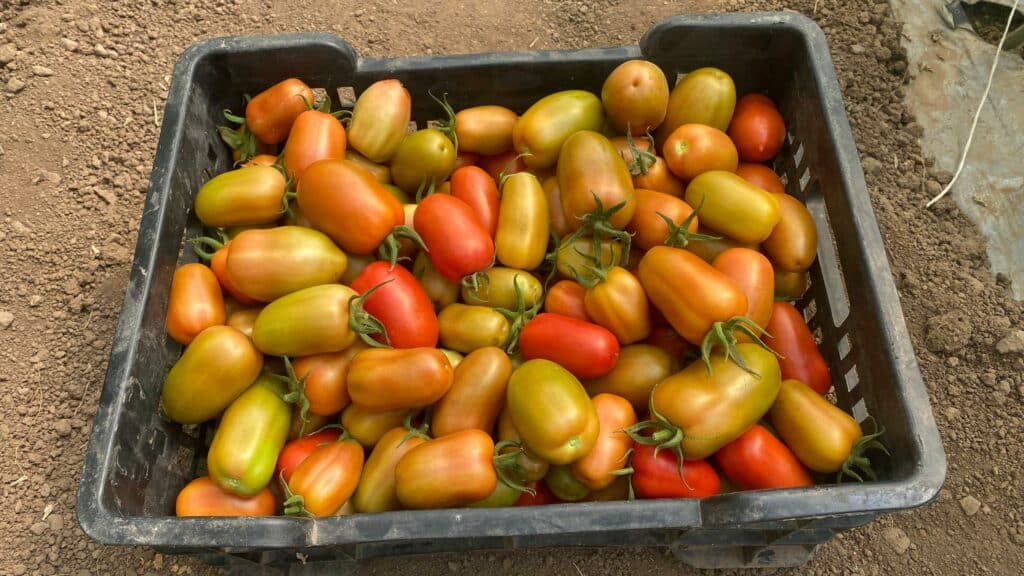
Khalid expressed his gratitude, saying: ‘This project didn’t just change my life – it gave me my life back.’ He continues to work in agriculture today, committed to maintaining his greenhouse and sustaining his family’s livelihood.
Khalid’s story shows how targeted, practical support can empower families to regain stability and self-reliance, even in areas affected by long-term drought and hardship.
Reading time: 3 minutes
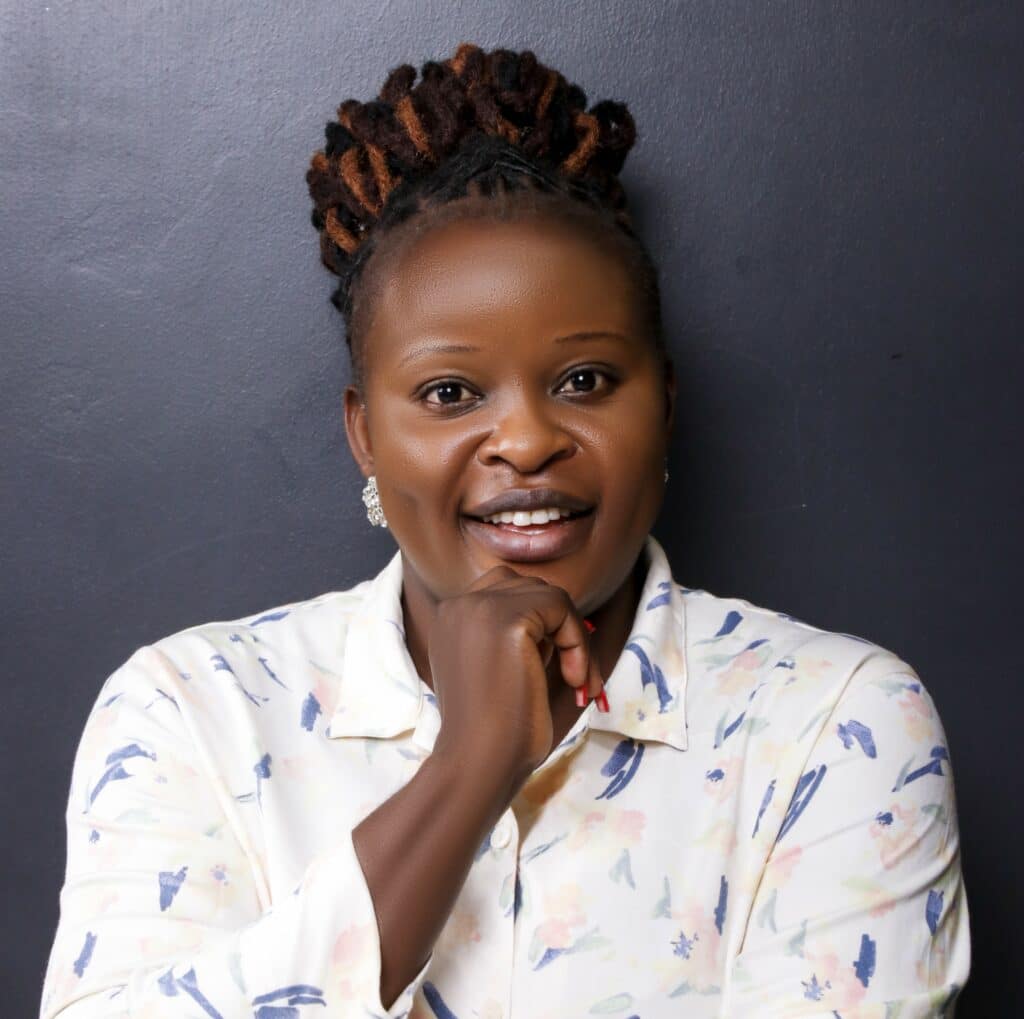
Brendah, 33, from Kenya, works for Dorcas on Climate Adaptation and Resilience. Brendah: ‘My passion for the climate started in primary school. To reduce greenhouse gas emissions from artificial fertilisers, we did a project on green manure fertilisers using Tithonia (Mexican sunflower, ed.). I decided to continue the research at home with our own crops. And it worked! It felt good to be able to provide an environmentally friendly solution at home.’
‘In my work for Dorcas, I contribute to solutions focused on self-reliance and climate resilience every day. The great thing is that children are also part of these solutions. For instance, we have established an afforestation programme together with schoolchildren. This is particularly important in areas where biodiversity has declined significantly. The children are allowed to plant a tree themselves and are given the option to practise at home by planting a tree there, too.’
‘It is wonderful to see how they take care of their own trees by watering them with bottles during dry periods. Through this project, children not only learn about the climate, but they also gain hope for the future. This is just one of the many climate initiatives that we are carrying out with the community. We are raising awareness among men, women, children, and young people.’
‘Why we should not give up’
‘It gives me enormous satisfaction that I can see first-hand how our initiatives are changing lives and ways of thinking. Many people live in poverty, so when someone is able to earn an income and send their children to school thanks to a climate-proof investment, it touches me deeply. In my work, I see a lot of dedication. From my colleagues and the people in the communities. They want change, and our projects give them hope. This is why we should not give up on development cooperation. Even if only to address the ongoing inequality and poverty in the world. However, it must be locally driven and supported by the local population. Only then will movement occur and opportunities be created.’
‘As a development worker, I have learned to be patient. Real change takes time. God calls us to take that time to care for the earth and support people so they can flourish. However, we cannot achieve this alone in Kenya. We also need support from the Netherlands. That is why I am appealing to you: to keep praying and giving. The people of Kenya are not helpless; they are resourceful and determined. They just need the means.’
What would I say to young Brendah?
‘That a better, more sustainable future is getting closer and closer!’
This interview was originally published in the Nederlands Dagblad on Saturday, 28 June. You can read the article (in Dutch) here.
Reading time: one minute.
Dorcas has joined a coalition of international and national organisations in Yemen to sign a joint statement highlighting the alarming increase in hunger and malnutrition. The statement, released on World Food Day, calls for urgent global action to address one of the world’s most severe humanitarian crises.
Recent reports indicate that food insecurity now affects nearly half of Yemen’s population, leaving millions of families at risk of severe hunger. Malnutrition rates have skyrocketed, with almost one in two children under five now suffering from chronic undernutrition. Furthermore, many communities’ livelihoods continue to collapse under the pressures of conflict, economic instability, and climate shocks.
The situation demands immediate funding to address the most pressing needs, as well as renewed efforts to ensure unhindered humanitarian access throughout the country. Investing in local organisations and integrating measures to protect at-risk communities, especially women and children, from the growing risks of hunger, forced labour and early marriage is also key.
Dorcas continues to work alongside its partners in Yemen to deliver humanitarian assistance, bolster local resilience and promote lasting security and stability. Only through collective commitment and coordinated action can Yemen move towards recovery and a future free from hunger.
Reading time: three minutes.
For more than five years, the western parts of Ethiopia, particularly the Wollega area, have faced persistent conflict. On 6 June 2025, violence flared once again in the border villages of East Wollega and Benishangul Gumuz, where clashes between the UAGs (Unidentified Armed Groups) forced thousands to flee their homes. In just one day, more than 11,000 people were displaced, with the unrest quickly spreading to neighbouring communities and pushing the total number of newly displaced to over 22,000.
The crisis has left families seeking refuge in towns such as Angar under extremely difficult conditions, especially during the rainy season. Urgent humanitarian needs include shelter, food, clean water, and protection, with many people living in overcrowded temporary shelters or public buildings. Health risks are rising due to shortages of essential medicines and limited access to care, while children, women, and older people face heightened vulnerability.
Emergency response by Dorcas
Dorcas Ethiopia is launching a rapid emergency project through our project office to provide immediate support to families who have been forced to flee conflict. The project will provide 1,000 internally displaced households with unrestricted cash assistance for two consecutive months, giving them the flexibility to decide how to meet their most urgent basic needs. Priority will be given to households in the most vulnerable circumstances, including those headed by women, older people, people with disabilities, and households affected by chronic illness.
Dorcas will actively engage with displaced community members by holding community engagement sessions to explain the programme’s objectives, and by listening carefully to feedback through established channels. This ensures that assistance remains transparent and accountable. We will continue to play an active role in local coordination platforms alongside government bodies, UN agencies, and humanitarian partners. This will strengthen other responses and contribute to wider resilience in the region.
Expected outcomes:
- Improved food security and nutritional health for 1,000 displaced households.
- Greater economic stability, reducing financial stress and enabling families to meet essential needs while supporting local markets.
- Strengthened collaboration with local authorities and humanitarian partners, enhancing coordination in the wider response.
By addressing the shortfall caused by recent funding cuts, this project will deliver essential life-saving support. Dorcas Ethiopia remains committed to providing long-term support to communities facing hardship in one of the country’s most challenging contexts.
Reading time: two minutes.
Yemen is facing one of the world’s most severe humanitarian crises, with an estimated 21.6 million people requiring humanitarian assistance in 2025. Despite this urgent need, attention and humanitarian funding remain far too limited. The country is also experiencing a critical public health and protection emergency, with widespread outbreaks of waterborne diseases including cholera, acute watery diarrhoea (AWD), measles, diphtheria, dengue fever, malaria and vaccine-derived polio.
The World Health Organization (WHO) has issued an urgent appeal for emergency health funding, as millions of lives are at risk. Health services in Yemen are overstretched and unable to meet the demands of this major emergency. Approximately 19.6 million people lack access to even the most basic healthcare, and hundreds of healthcare facilities are at risk of closure. Climate-related disasters, such as floods, are increasingly affecting people’s lives and damaging health infrastructure, further exacerbating the situation.
Crisis response by Dorcas
Dorcas is responding to this devastating humanitarian crisis, specifically the cholera outbreak, which has seen 72,144 confirmed cases and nearly 300 fatalities since 2024. In collaboration with the Ministries of Health and Water, we are implementing a multi-sector programme in Taiz and Aden. The project provides urgent water, hygiene and sanitation (WASH) support to people in need, including internally displaced persons (IDPs) and returnees. This will restore access to safe drinking water, prevent the spread of disease, reduce infection risk for the most vulnerable communities, while building their capacity to respond to health emergencies.
To deliver this support, the programme focuses on the following activities:
Activities in Taiz:
- 145,971 people will receive safe, chlorinated water via water trucks for up to three months.
- The Ministry of Water will receive tools for sterilisation, chlorination and laboratory testing to improve local water management.
- Water safety will be regularly monitored.
Activities in Aden:
- 160 community health workers will be trained to promote hygiene practices and assist mobile medical teams in identifying and treating diseases, thereby reaching 4,000 people in need.
- The hygiene education programme will cover personal hygiene, safe water and food handling, and menstrual hygiene, and will use specially designed materials.
- 120 healthcare workers will receive refresher training.
- Mobile medical teams will provide essential health services to remote and displaced communities.
- 400 people will receive hygiene kits to support them in maintaining safe water and personal hygiene practices.
These efforts aim to reduce the spread of disease, improve community health and ensure access to vital services during the outbreak. Dorcas is committed to both providing much-needed humanitarian assistance and working towards sustainable solutions in Yemen.
Reading time: two minutes
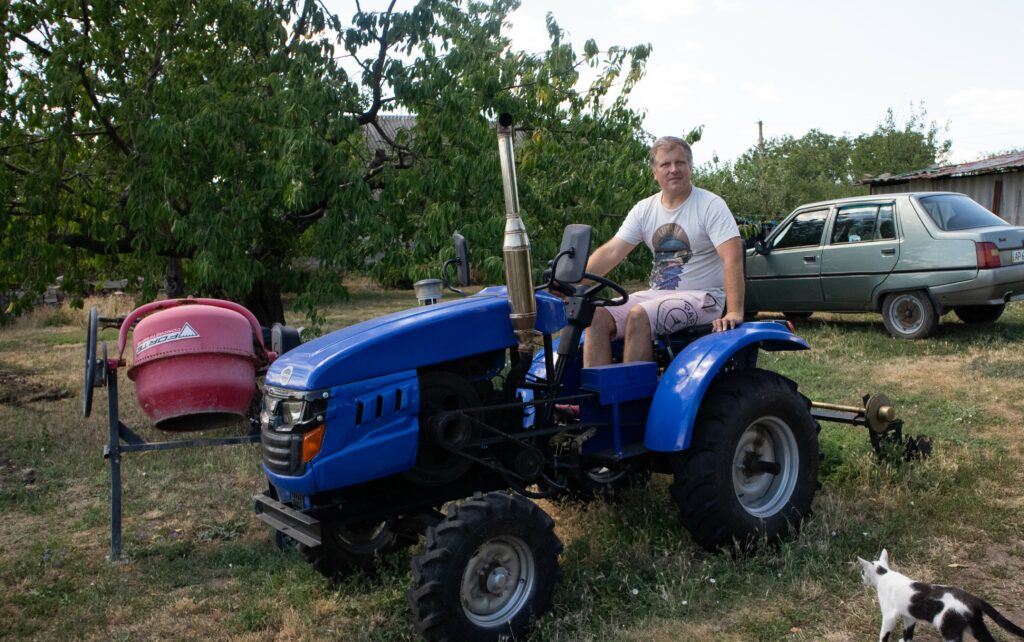
Vitalii and Alona are raising four children, including foster children, in a village in the Zaporizhzhia region, 27 kilometres from the front line. When their apartment in Zaporizhzhia became too small for the family and the ongoing conflict made staying in the city dangerous, they decided to move to the village.
Following the move, Vitalii began farming and selling his produce at the market. Thanks to a grant from Dorcas this year, he was able to install a greenhouse and equip it with heating and irrigation systems, as well as conduct soil and water analysis. ‘I don’t have much experience yet, so also receiving a consultation from a laboratory was helpful. We didn’t know we had fungus in the soil, but now we are working to solve the problem,’ he shares. They plan to grow cucumbers, salad vegetables, and strawberries in the new greenhouse. This will improve the well-being of this large family by establishing a continuous cycle of growing produce for sale.
In 2025, Dorcas expanded its support for farmers in eastern Ukraine, providing grants totalling €16,000 to five households in the Zaporizhzhia region. Despite the constant threat to their lives and livelihoods, farmers remain because, to them, land is not only a source of income, but also a source of dignity, hope and connection between generations. However, mined fields, land damaged by attacks and destroyed equipment remain a challenge for Ukrainian agriculture.
The Zaporizhzhia region has particularly suffered ecosystem disruption due to the destruction of the Kakhovka Reservoir, which has led to a locust invasion this season and threatened the productivity of small orchards. Supporting entrepreneurs in frontline regions gives them the confidence to develop their businesses.
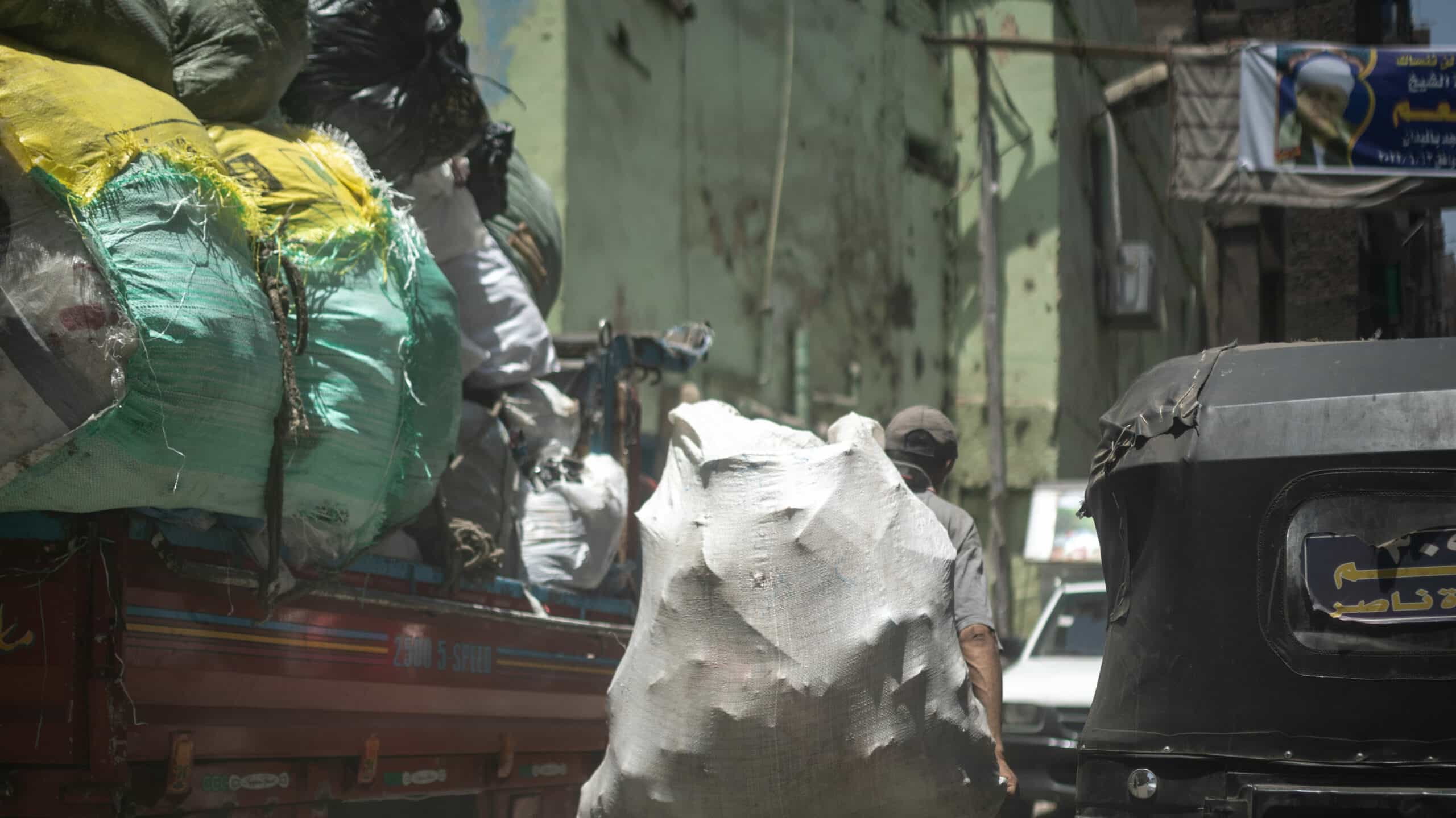
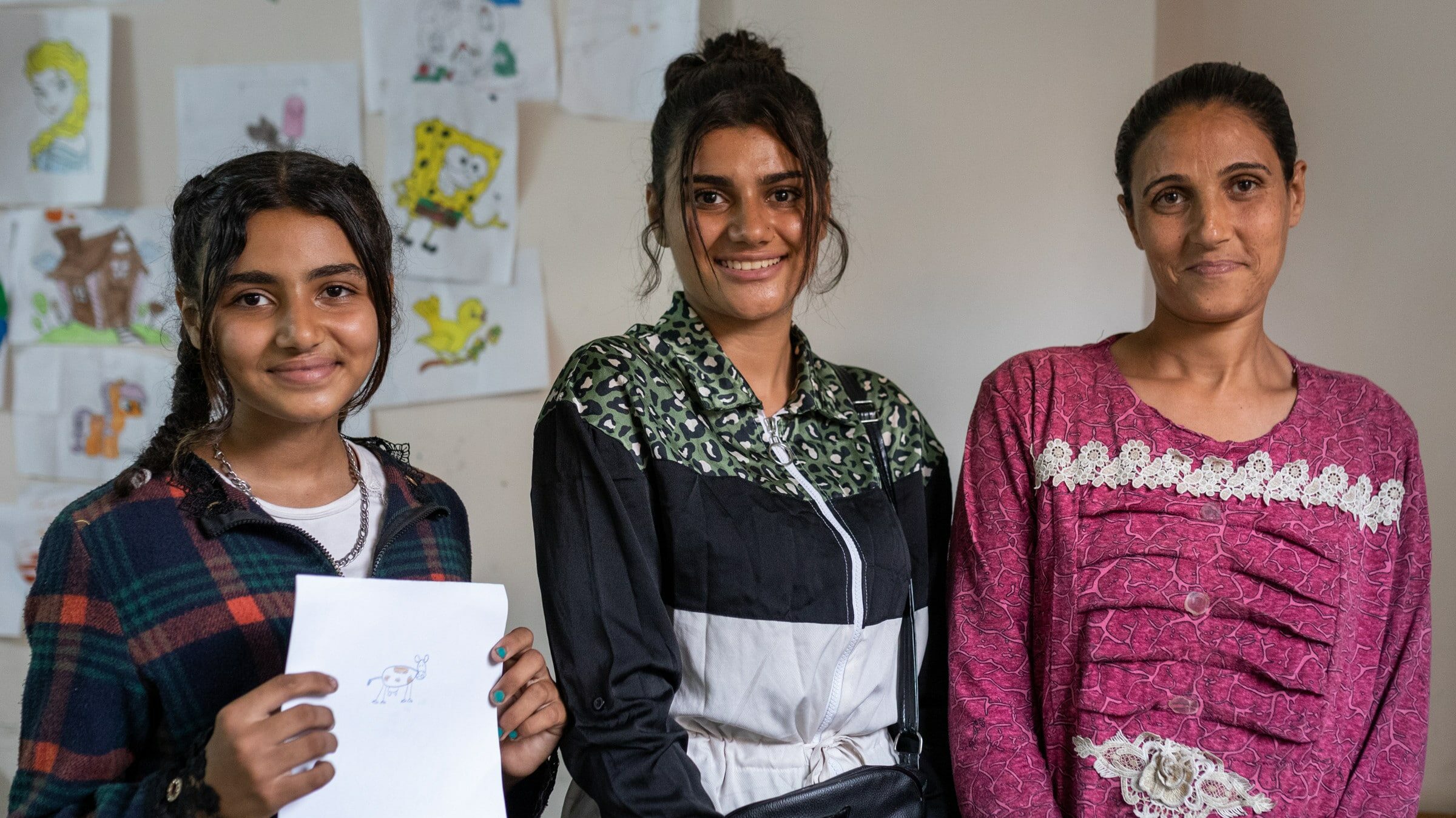
In one of Cairo’s most marginalised communities, commonly referred to as the ‘garbage collectors’ district’, families live under constant strain from poverty, violence and social exclusion. Women and children are particularly affected, facing unsafe living conditions, limited access to education and healthcare.
Since 2014, the Oasis Community Centre of Dorcas, operated by our implementing partner Live Vision, has played a vital role in delivering multifaceted support.
Supporting families to flourish
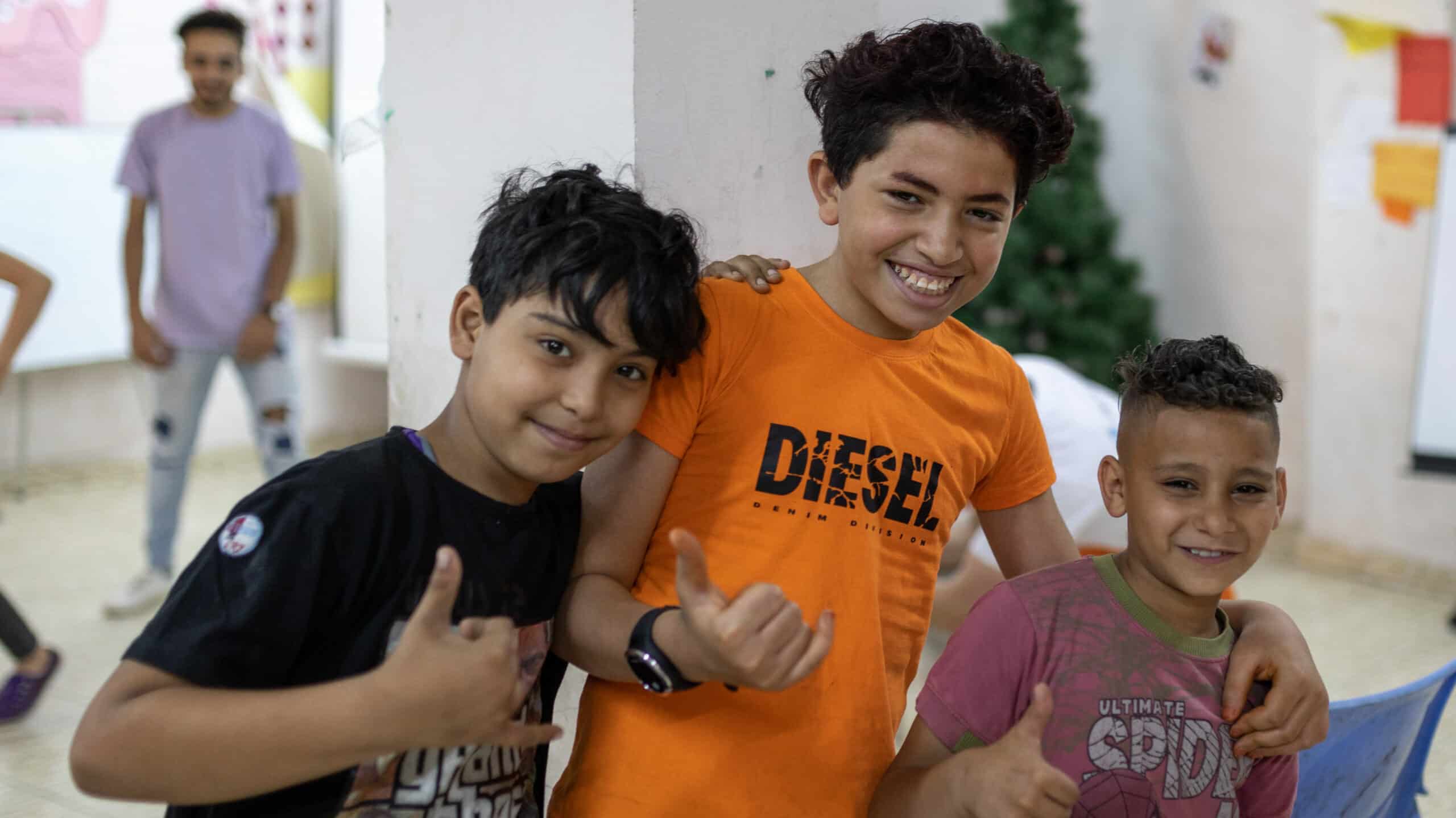
The Oasis Community Centre specialises in family-based interventions that address the needs of the entire household. By engaging parents, teenagers and children alike, we strengthen relationships and secure lasting change for the whole family. Our approach focuses on building the self-esteem and practical skills of every household member.
Nardeen, a dedicated team member at Live Vision, witnesses the impact of this work every day. She explains: ‘Children and their families receive essential material assistance, but they also gain important skills. We teach them how to manage money, provide additional educational support, and offer life skills training. For parents, there are courses on parenting. The wonderful thing is that these lessons stay with them for life.’
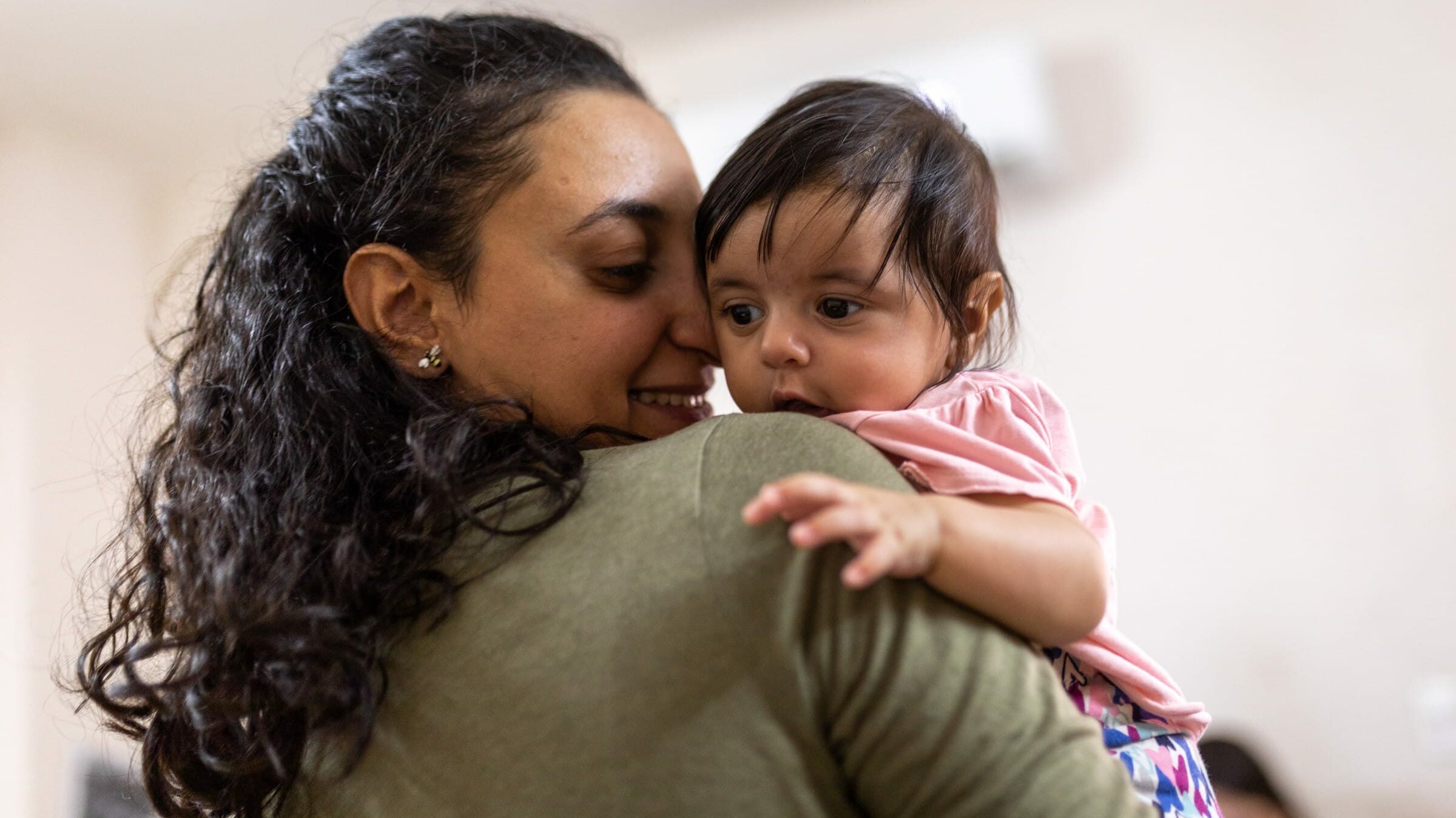
A key focus of the Oasis Centre’s work is the empowerment of women. Nardeen continues: ‘Many women who come to Oasis feel powerless and trapped in difficult circumstances. Standing up for themselves is not easy. That’s why we provide psychosocial support to help them process their emotions and build resilience. With adults, we focus on thoughts, feelings and behaviours. With children, we use play and creative therapy to support them to express themselves.’
Rosemary, another member of the Live Vision team, works directly with children and observes transformation over time. ‘About a month after they arrive, I often see a change,’ she shares. ‘They’re happier, less anxious, and more caring towards others. They no longer fight or take each other’s belongings. My goal is to stand alongside children and their families – and to help bring about real, lasting change.’
Transformation to Oases
In the last three years, Oasis community centre has been on a transformational journey towards becoming the ‘Oases programme’. The ‘Oasis-model’ has been replicated across multiple community-based organisations (CBOs) and social initiatives. Through strategic partnerships, our reach and impact continue to grow, as knowledge and expertise are shared across the wider network.
Live Vision is now developing an Academy for Social Workers in Cairo to train professionals in approaches such as Asset-Based Community Development (ABCD), case-based management, and participatory methods, and is increasingly recognised as a Centre of Excellence, equipping other NGOs in Cairo and beyond to implement the Oasis model.
In line with this evolution, the centre is also operating as a social enterprise, with new income-generating activities (IGAs) being launched to diversify income sources and strengthen financial sustainability. We also encourage and support local staff, programme graduates and other community members to start their own social businesses. This enables them to create services that meet local needs and strengthen their community from within.
A key milestone in this transformation, has been the adoption of the Flourish programme. This model supports families through eight structured building blocks designed to support them to overcome multi-dimensional poverty. Grounded in social protection, the approach is always adapted to the unique circumstances of each household. Family-based care interventions are an essential part of this model, which means that economic support, protection measures and personalised care are delivered with the household as the central unit of change.
Advancing protection
At Dorcas, protecting people in vulnerable circumstances lies at the heart of our mission. Across all our programmes, we integrate protection measures that respond to the complex needs of those we serve. Key areas of focus include case management, mental health and psychosocial support (MHPSS), child protection, and women’s protection.
Over the past decade, one Oasis has grown into a network of Oases, safe spaces where families can take meaningful steps towards a future of dignity, strength and opportunity.
Dorcas Kenya and our partner, Kitise Rural Development (KRD), have recently concluded the Makueni Pasture and Milk Value Chains Project. Through this initiative, we worked to enhance livelihoods in Makueni County by promoting climate-smart agriculture, developing value chains, and empowering young people.
Farming in Kikome village: A practical learning experience
One of the project participants was Boniface, a 28-year-old pastoralist and dairy farmer from Kikome village in Makueni County. He lives with his wife, Faith, and their two children. Before joining the project, Boniface cultivated a small plot of land, but he had limited knowledge of pasture management, seed selection, and planting methods. Consequently, his milk production was low, resulting in an income that was insufficient to meet his family’s needs.
‘Through the project, I was able to join the Kikome Farmer Field School, where I gained practical skills in pasture and milk production,’ Boniface shares.
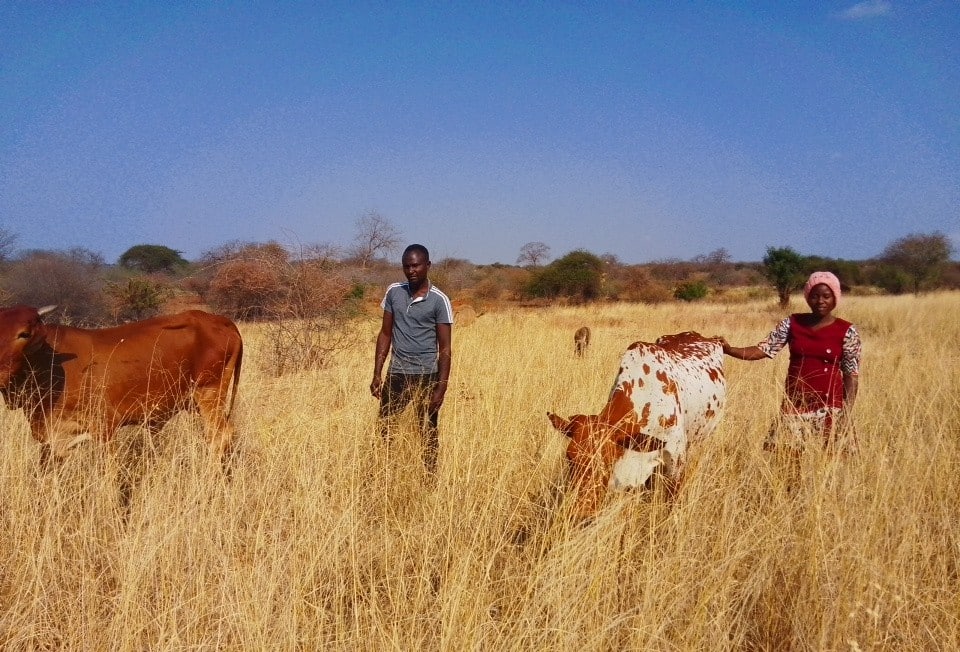
His strong commitment led to him being selected for a six-week intensive course at the Dairy Training Centre in Kenya, where he gained knowledge of soil fertility, feeds and feeding, breeding and animal health.
‘After the training, I planted more pasture the right way. I fed my animals well and put into practice what I had learnt. My milk yield increased from three to six litres per day,’ Boniface explains.
Income growth and community recognition
With the monthly income he now makes, Boniface can now comfortably pay school fees and support his family. He has become a peer-led farmer, offering guidance to others, and was recently contracted by the government to collect data and register farmers for upcoming agricultural programmes.
Boniface: ‘I highly appreciate the work carried out by KRD and Dorcas. I look forward to expanding my farming business and sharing my knowledge with other farmers.’