In Kajiado South, Kenya, the Ilaramatak Esukuta Village Savings and Loan Association (VSLA), a women’s savings group comprising 38 women, is a symbol of hope and resilience. This group is one of 30 VSLAs supported by Dorcas Kenya through the Loitoktok Future for Children project in partnership with Shokut Naretoi community programme organisation. The project uses the Dorcas Future for Children approach, which focuses on life skills for children and parents, household strengthening, community child protection and advocacy for improved government child protection policies.
The project reaches 235 households, identified through a community-led participatory process and grouped by geographical location to facilitate training and follow-up. These households have been through six consecutive failed rainy seasons from October 2020 to December 2023, resulting in devastating drought conditions across the Horn of Africa. The impact has been severe, leading to livestock losses, food insecurity and reduced access to education and healthcare for many families.
An integrated approach to empowerment
The process began with training in positive parenting, where parents learned essential skills such as communicating clearly and becoming role models for their children. Households were also trained in entrepreneurship, smart agriculture, financial literacy and child rights and protection. These small groups eventually evolved into VSLAs, with the Ilaramatak Esukuta VSLA being the first to be trained and officially formed on 24 March 2021.
Initially consisting of 38 women, 15% of whom were subsistence farmers, petty traders or casual labourers, and 60% of whom were housewives or unemployed, the group faced significant economic challenges. However, their determination and the training they received paid off. From May 2021 to May 2022, the group saved a substantial amount, issued numerous loans, and made a considerable profit. In their second cycle, the group saved a larger amount and made an even greater profit from loans.
The financial success of the group has been transformational. Members have gained confidence in managing their finances and many have opened personal bank accounts, further increasing their financial independence.
Impact beyond finance
The Ilaramatak Esukuta VSLA has promoted social growth and economic empowerment among its members. Business growth within the group has had a positive ripple effect, with their children attending school more regularly, leading to better learning outcomes. The group’s culture of savings and financial management has also deepened, with members consistently saving a notable amount per week.
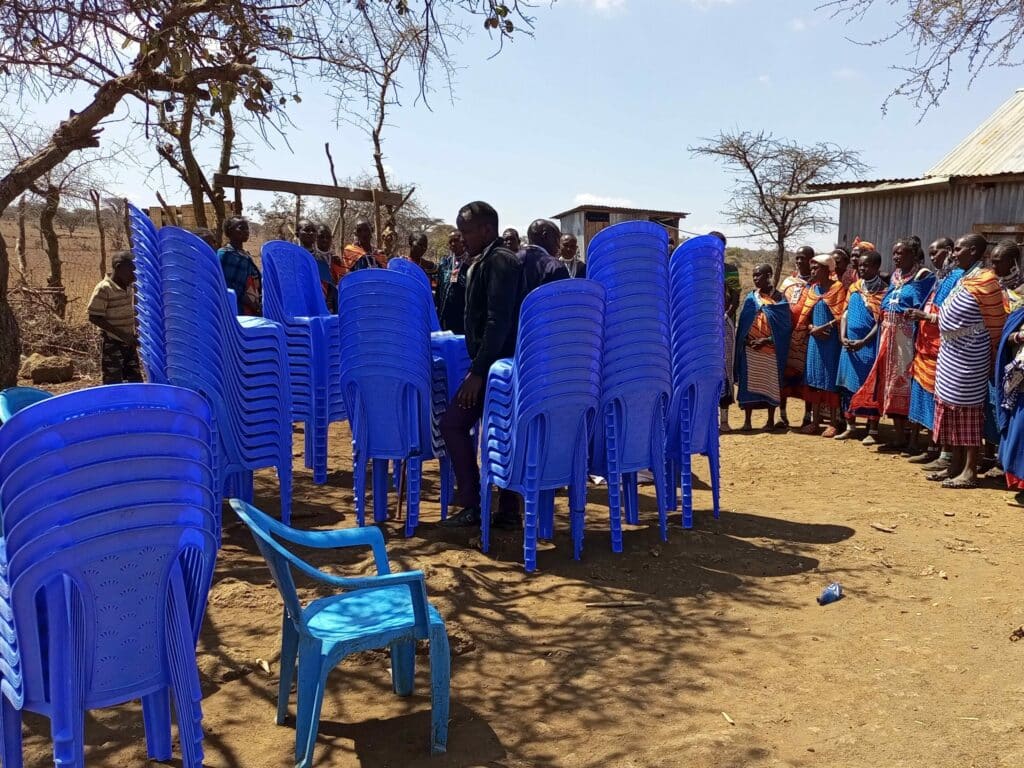
Together, the group invested in a 100-seat tent and 100 plastic chairs, which they rent out for social events. This income-generating activity (IGA) has provided additional financial support for members. Individually, members have started or expanded their businesses, attributing their success to the skills they learned through VSLA training. For example, Somoina expanded her charcoal business and now saves a significant amount per week. Through backyard gardening and selling excess vegetables to the community, Katito Elizabeth has improved her family’s nutrition and income.
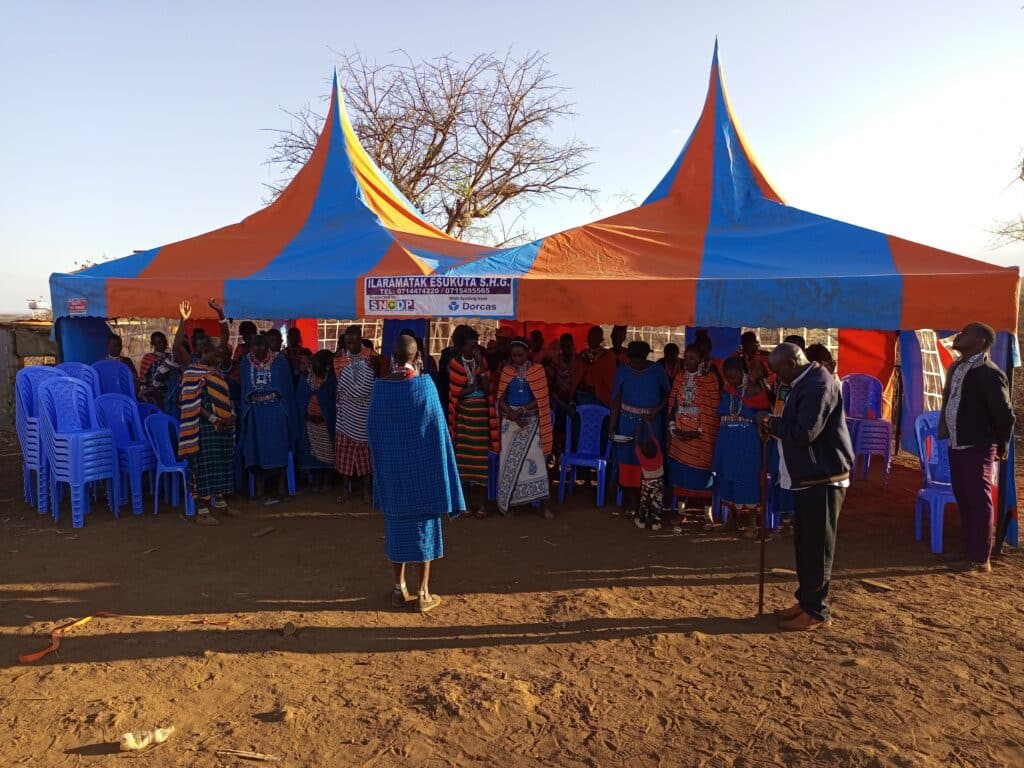
Mary, the group’s chairperson, describes how VSLA’s leadership training transformed her from a shy person to a confident leader: ‘Before joining the VSLA, I was a very shy person, someone who avoided speaking in public or taking on leadership roles. But through the leadership training, I started to build my self-esteem and believe in my abilities. It was a gradual process, but eventually I found myself taking on the role of chairperson for our group. At 57 years old, I never imagined I would be a leader, let alone one who could speak confidently and resolve conflicts within a group. This experience has opened my eyes to my potential and I now believe that I can aspire to any position within the group or in the wider community. The transformation has been incredible and has given me a sense of purpose and confidence that I never had before.’
As the Ilaramatak Esukuta VSLA enters its third cycle, all of the original members remain active. The group now plans to support members without IGAs to set up their own, and they are looking to buy another tent to increase their income.
Ilaramatak Esukuta’s story of resilience, empowerment and hope is a reflection of Dorcas’ Future for Children’s profound impact in transforming lives and communities.
Human trafficking is one of the most pressing social issues in Romania, one of the top five EU countries in terms of victims. Dorcas Romania is tackling this pressing issue through a comprehensive project focusing on key areas: awareness raising and prevention, building and strengthening partnerships with stakeholders, handling direct cases and reducing the vulnerability of young people at risk.
Trafficking in persons in Romania
Romania’s geographical location and socio-economic challenges make it a prime location for human trafficking. The main destinations for Romanian victims of trafficking include Italy, France, Germany, Spain and the United Kingdom. Exploitation takes place in various sectors, including prostitution, agriculture, construction and domestic work. Children make up more than a third of identified trafficked persons in Romania. The recruitment of children for trafficking has increased through the internet and social media.
Traffickers in Romania are largely Romanian nationals operating as part of organised crime groups. Their exploitation of Romanian women and children is mainly in the form of sex trafficking within Romania and to other European countries. Traffickers often lure victims with the promise of a better life abroad by using the ‘lover boy’ strategy, in which they feign romantic interest.
Several factors contribute to the extent of human trafficking in Romania:
- Low digital literacy: Many Romanians lack the skills to verify online information, making them easy targets for human traffickers.
- Social media: Young people, often unsupervised online, are vulnerable to manipulation and recruitment by traffickers.
- Lack of educational programmes: Rural areas in particular suffer from a lack of human trafficking prevention programmes in schools.
- High NEET rates: Young people who are not in education, employment or training (NEET) are at increased risk of poverty and social exclusion, making them prime targets for traffickers.
Dorcas Romania’s anti-trafficking programme
Working in the at-risk regions of Vaslui, Botoșani, and Bihor, Dorcas Romania has developed a multi-faceted programme with a focus on:
- Raising awareness: Educational initiatives in schools aim to increase digital literacy and awareness of the risks of online trafficking. Dorcas Romania uses engaging materials such as films and interactive sessions, and works with local stakeholders to spread anti-trafficking messages.
- Strengthening networks: Expanding collaborations with local, regional, and national stakeholders to increase the effectiveness of anti-trafficking efforts.
- Support for victims: Providing tailored medical, psychological, social and material support to actual and potential victims. Through interviews and assessments, Dorcas Romania identifies the specific needs of victims and provides comprehensive support. Victims are also supported to find employment and housing, which are crucial steps towards reintegration into society.
- Education and employment: Creating opportunities for vulnerable young people to gain education and employment, thereby reducing their risk of falling prey to traffickers. Dorcas Romania offers programmes that encourage entrepreneurship and income generation, helping participants to build stable and independent lives.
Elena’s* journey
Elena’s story illustrates the impact of Dorcas Romania’s efforts. Growing up in a financially unstable and abusive household, Elena’s life was full of challenges. When she was 18, her parents’ separation led her to Oradea, where she was forced into prostitution. Despite her attempts to escape, financial pressure and abusive relationships trapped her in a cycle of exploitation.
Elena’s turning point came when she reached out to her mother for help and eventually connected with Dorcas Romania through the intervention of a counsellor named Cristina. This connection provided Elena with the emotional and practical support she needed to rebuild her life.
With the support of the project, Elena secured a job and received support for her recovery. Reflecting on her journey, Elena says, ‘After 28 years, I can finally say that my life has meaning now. I am truly happy and content, surrounded by the love and prayers of my family and co-workers.’
For those in need
Dorcas Romania’s anti-trafficking project is an example of a holistic and multi-faceted approach to a deeply entrenched problem. By addressing the root causes of vulnerability and providing comprehensive support to victims, the project not only rescues individuals but also empowers communities. As Elena’s story shows, with the right support and opportunities, the road to recovery is possible.
The scale of the challenges posed by human trafficking in Romania is considerable and requires all stakeholders and partners to play their part. Together with local, regional and national stakeholders, Dorcas Romania is committed to this issue and will continue to fight human trafficking to support those in need.
*Not her real name. At the participants request, we have used a pseudonym for this contribution.
The SMILES programme provides an integrated approach to improve the well-being of people in vulnerable circumstances in Tropoja and Puke, Albania.
The programme is based on two Dorcas concepts, namely Social Empowerment and Protection (SEP) and Inclusive Entrepreneurship (IE). As such, the social and economic development components of the SMILES programme complement and reinforce each other.
Tropoja and Puka share similar social and economic conditions, representing an impoverished rural and mountainous area where small-scale farming, livestock rearing and petty trade are among the main livelihood activities. Isolation, lack of government support and limited individual and organisational capacity, among other factors, have maintained a system characterised by semi-subsistence livelihoods based on traditional production methods and low revenues.
SMILES brings together a variety of actors who will not only benefit from, but also promote and contribute to the development of the local economy and tourism sector in the region, while ensuring that this is a process that is carried and led by the local community itself.
The intervention deliberately makes links with local people and their various livelihoods so that the whole area benefits, not just a privileged few. The whole process will be supported at the society level by involving actors such as local authorities, MFIs, tourism agencies and specific training institutions. In addition, security networks will be developed for the most marginalised people who struggle to provide for themselves.
Through SEP, the intervention aims to create the basis for increased cooperation and strong community structures (formal and informal groups and associations) that can play a sustainable role in the local development process. In this respect, the Asset-Based Community Development approach will be instrumental in empowering individuals and groups to identify and make use of existing assets in their communities. As part of the SEP component, Community Safety Nets will be established to take care of the most marginalised people in the community.
In the SMILES programme, social and economic empowerment go hand in hand, with the Inclusive Entrepreneurship (IE) approach ensuring that participants can take advantage of the various economic opportunities in the target area. This includes capacity building in areas such as business and marketing skills, employability skills, agriculture and livestock skills, but also activities that lead to an enabling environment for entrepreneurship (e.g. improved access to capital, improved infrastructure and simplification of rules and regulations).
The main target groups of the programme are:
Small and medium-sized farmers
Small- and medium-sized farmers want to develop their farms but lack capacity in a number of areas, including business development and management, modern production technologies and marketing skills. They also have limited access to finance to invest in their farms. The intervention will address farmers (including women) through training and mentoring, building on previous experience of the TICP programme. A revolving fund will be established as part of the programme to improve their access to investment capital.
Small guesthouse owners
The programme will provide relevant training to guesthouse owners and staff, including business development and management, customer relations, promotion, marketing and gastronomy. It will also offer financial support to develop and expand their businesses.
Income generation potential
There are a significant number of families living in poverty who are willing to improve their situation by engaging in income-generating activities. They do not have the material and financial resources, as well as the capacity to carry out income generating activities. The intervention will support urban and rural households to engage in income generating activities. Opportunities to serve the tourism market will be explored, such as the production and marketing of handmade souvenirs.
Youth and children
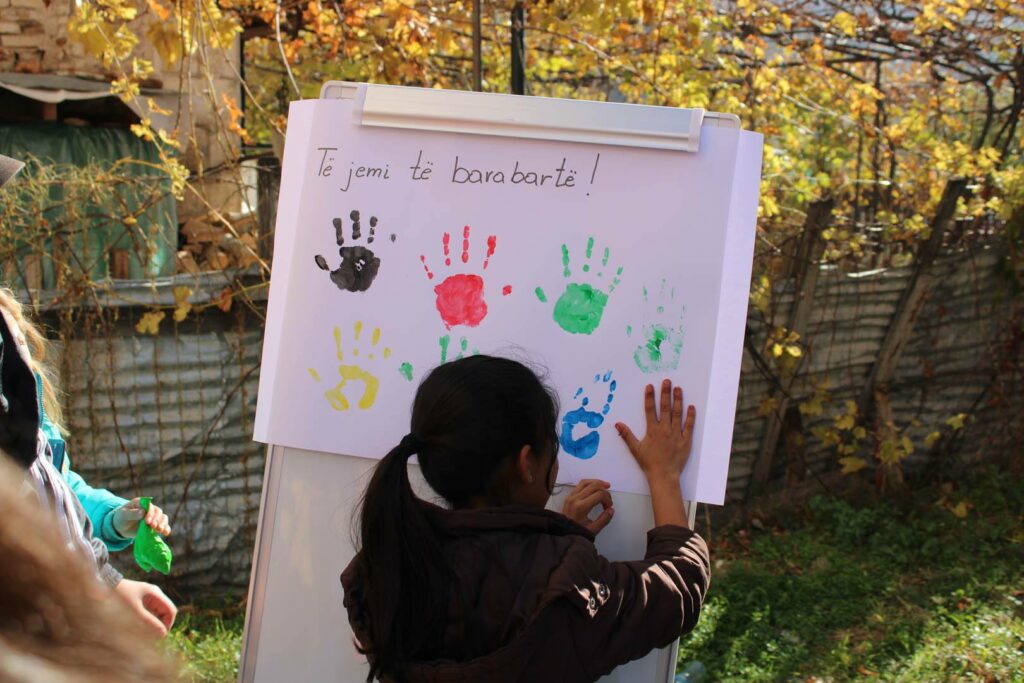
Through the Future for Children approach, youth and children belonging to the above-mentioned households living in poverty will participate in general life skills activities (Aflatoun), parenting and employability programmes.
Marginalised households
They have no potential for income generation and are dependent on others for support. Government economic support, which amounts to only about 8,000 ALL, and other social services are not sufficient to meet their needs. Through the establishment of CSNs, the intervention will address the basic needs of approximately 130 families (about 500 family members) by supporting them with material assistance through CSNs, health care/home visits, medicines and hygiene materials.
Older people
There is an increasing number of lonely older people, especially from remote rural areas, who have vital needs in terms of access to basic services, especially health services. They do not have the means to cope with this situation on their own. The intervention will facilitate socialisation and access to health and other services through the development of community safety nets (including volunteers and cooperation with the municipality).
Specialist medical visits will also be facilitated for emergencies. The safety nets will be maintained with the involvement of the municipality, other public institutions, businesses and individuals. The intervention will work towards the institutionalisation of the safety nets through the creation of the Social Impact Committee with representatives of key actors. It will also carry out the “Blue Bucket” campaigns to raise awareness and active participation of the community.
Last week, the UNCR published it’s annual Global Trends Report highlighting the trends in forced displacement over the past year. By the end of 2023, approximately 117.3 million people were forcibly displaced worldwide, with numbers rising to over 120 million in early 2024. The amount of people who are forcibly displaced has been increasing for twelve consecutive years. From the end of 2022 to the end of 2023, there was an 8 per cent increase, equating to 8.8 million people.
South Sudan
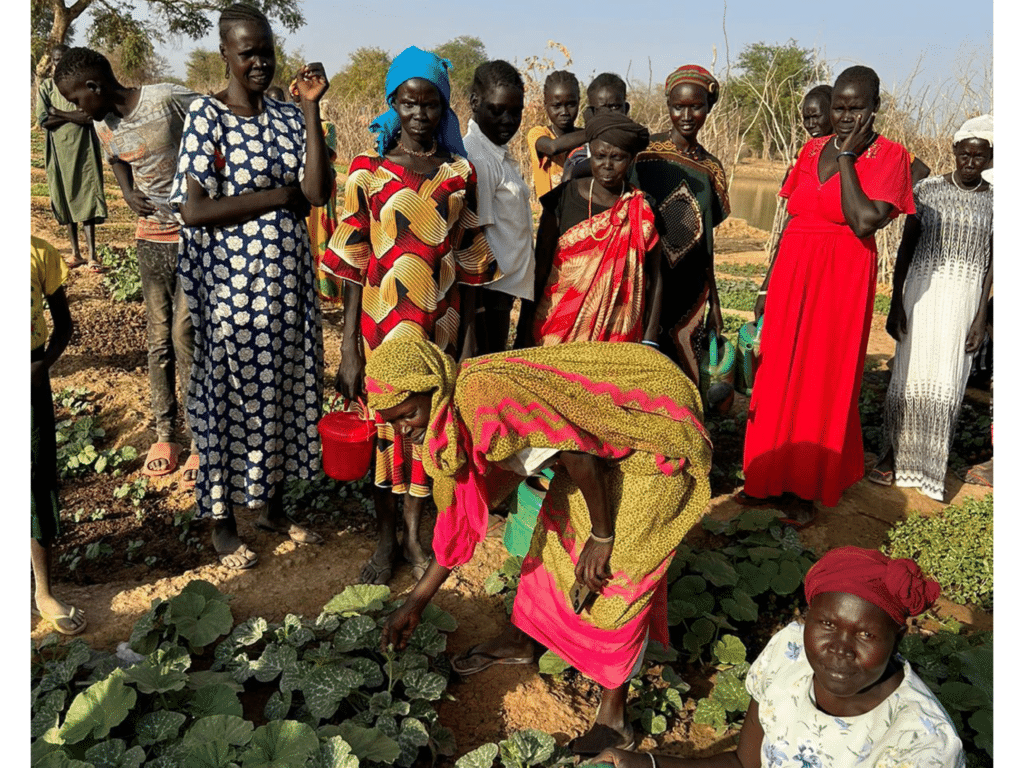
2023 was a year of turmoil, with large-scale conflicts and natural disasters. One of the major conflicts in last year, that led to 6 million people internally displaced and 1.2 million fleeding to neigbouring countries, was the conflict in Sudan. The outbreak of violence forced many to leave their homes. According to the UNHCR, South Sudan now hosts around 330,000 refugees, the majority of whom are from Sudan.
ZOA-Dorcas South Sudan supports people fleeing the violence in Sudan through nitiatives such as the SAFER project. Among them are returnees who previously fled violence in South Sudan during the war and are now fleeing back from Sudan. By providing cash, seeds and tools, the project aims to strengthen them and the host communities. The circumstances these refugees returned to is also still dire, and this project supports them them in rebuilding their lives.
Syria and Lebanon
Almost 60 per cent of all forcibly displaced people are internally displaced, meaning they do not cross a border but remain within their country. Syria has the second-largest number of internally displaced people worldwide: 7.2 million.
2023 was a year of yet another crisis in Syria. After more than a decade of war, the crisis in the country was exacerbated when it was was struck by a major earthquake and extreme aftershocks. Although the international community’s attention briefly focused on Syria after the earthquake, it has since faded into the background.
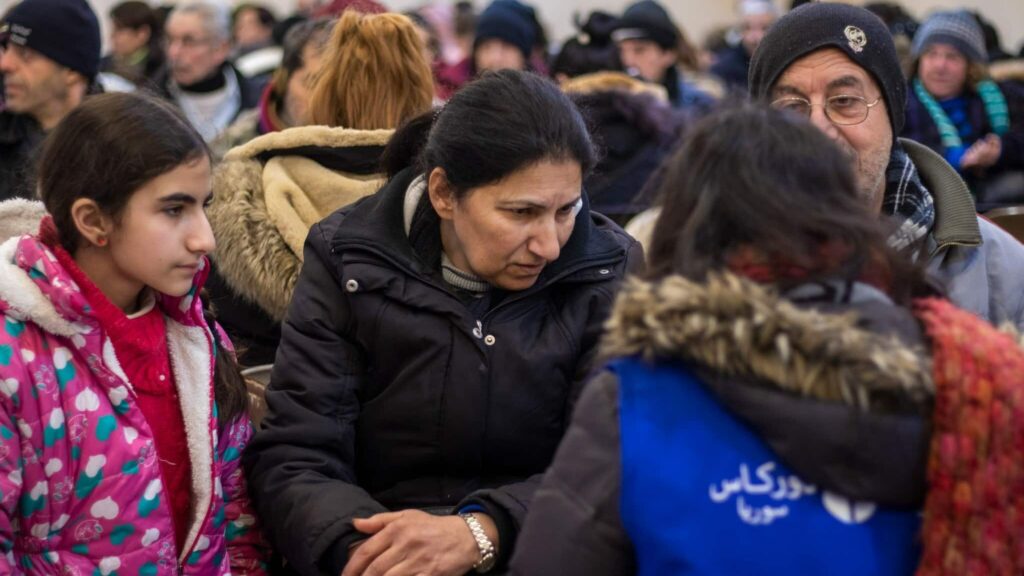
Dorcas works both in Syria and in Lebanon. Lebanon, one of the neighbouring countries hosting many Syrian refugees, is also in crisis, causing tensions between the Lebanese population and Syrian refugees. Dorcas supports these groups by organising group conversations and training sessions that bring together Syrian refugees and the Lebanese host population to resolve tensions. These sessions focus on intergenerational activities and celebrations that break down barriers, promote tolerance and reject stereotypes, all aimed at reducing conflicts and fostering mutual support systems.
In Syria, we support people in need through various programmes. When the earthquake struck, Dorcas Syria staff immediately began providing humanitarian assistance. You can read more about our work in Syria after the earthquake here:
One year after the earthquake in Syria: How did Dorcas support those in need?
Climate change
Climate change is also negatively affecting the safety of forced displaced people and may increasingly affect the number of displaced people. According to the UNHCR Global Trends Report, nearly 75 per cent of all forcibly displaced people lived in countries with high-to-extreme exposure to climate-related hazards at the end of 2023.
As extreme weather events become more frequent, we expect the number of people displaced by climate-induced events to increase. Therefore, taking both mitigating and adaptive measures to combat climate change and increase climate resilience is a key priority for Dorcas in the coming years. We see the climate refugees and we will not leave them behind.
Read the latest Global Trends Report of the UNHCR here
In many parts of the world, menstruation is still a taboo. In Tanzania this is also very much an issue. Lilian, Country Director of Dorcas Tanzania, is deliberately speaking out on this issue because ‘breaking the silence restores the dignity of women’.
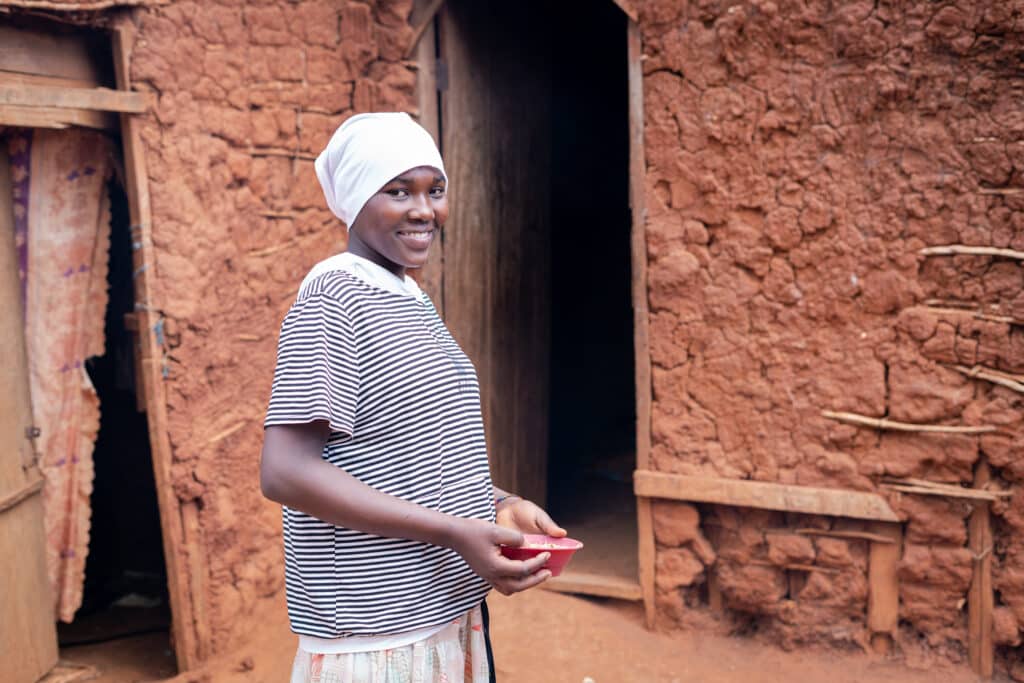
Latifa, from Tanzania, remembers very well the first time that she had her period. She woke up in the middle of the night and had a terrible stomach ache. Latifa went to the toilet and saw that she had started bleeding. She was shocked and went to see her mother. Her mother was very calm, which surprised Latifa, and said: ‘You are an adult now and that means you have to abide by new rules.’ Latifa was no longer allowed to play with boys, because if she did she would get pregnant. And when she had her period, she was not allowed to pick vegetables or go to the well to fetch water. Then there was the challenge of not leaking and staining her clothes. All this led to Latifa isolating herself when she was menstruating and not going to school. Her life became difficult and lonely.
No exception
Latifa’s story is no exception across Tanzania, according to Lilian. The MHM4Her (Menstrual Hygiene Management for Her) project is one of the projects of Dorcas Tanzania, which started in 2016 in the Manyara region. Lilian: ‘This is an area with a lot of poverty and a lack of clean water and sanitation. We offered support and found that many girls in the area were not going to school when they were menstruating. This was not only because of the stomach aches, but also because they did not have proper sanitary facilities to change and they were embarrassed if they stained their clothes. As you can imagine, the consequences for the girls were enormous. Some of them never went back to school. I immediately knew that addressing this issue would be our new challenge.’
Breaking the silence
Lilian and her team started working on a plan to support the young women to get back to school. The first step was to ensure that the schools had good sanitation facilities. They also raised awareness about hygiene and menstrual products. The male leaders were also involved in this process. Lilian: ‘At first they were angry. They were embarrassed by us. We explained to them that they should be aware of these issues because they are the ones who make the decisions. The young boys have also been taught about menstruation. Girls were often laughed at by the boys and we wanted to break the silence and we also wanted to explain to them what menstruation is really all about. We told them that it is not something bad, but that menstruation is about life.’
The Manyara project was not the end of the story. With the support of the government and a number of other organisations, similar projects have been launched in other parts of Tanzania over the past few years. Menstrual hygiene is now part of Tanzania’s school curriculum. Lilian: ‘Because we started talking about it, people’s views in Tanzania have changed. It takes time, but I believe the taboo will be broken and this will lead to more gender equality in our country.’
This article is translated from an interview that appeared in the Dutch newspaper ‘Nederlands Dagblad’ (4 May 2024). The original text is written by: Hilde Kooij-Tromp.
Clean drinking water is not merely a convenience, it is a fundamental human need and a cornerstone of public health. However, millions of people around the globe still lack access to safe water sources, leading to severe consequences for their health, livelihoods, and overall well-being. Understanding the gravity of this issue is pivotal, as is the urgent need to address it effectively.
Consequences of inadequate access
The ramifications of inadequate access to clean drinking water are profound and far-reaching. According to recent data from the World Health Organization (WHO) and UNICEF, approximately 785 million people worldwide still lack even a basic drinking-water service, with many more consuming water that is contaminated or unsafe. This precarious situation exposes individuals and communities to a myriad of health risks, including waterborne diseases such as cholera, typhoid fever, and diarrhea, which claim the lives of over 2 million people annually, predominantly children under the age of five.
Moreover, the absence of clean water perpetuates a cycle of poverty, hindering economic development and exacerbating inequalities. Without access to safe water for drinking, cooking, and sanitation, communities struggle to maintain good health, attend school regularly, or pursue livelihood opportunities, trapping them in a cycle of poverty and deprivation.
Importance of clean drinking water
Ensuring universal access to clean drinking water is not just a matter of basic necessity: it is a fundamental human right. Clean water is indispensable for maintaining health, sanitation, and dignity. It serves as a cornerstone for sustainable development, empowering individuals and communities to thrive economically and socially. Additionally, adequate water access is crucial for achieving various Sustainable Development Goals (SDGs), including those related to health, education, gender equality, and poverty eradication.
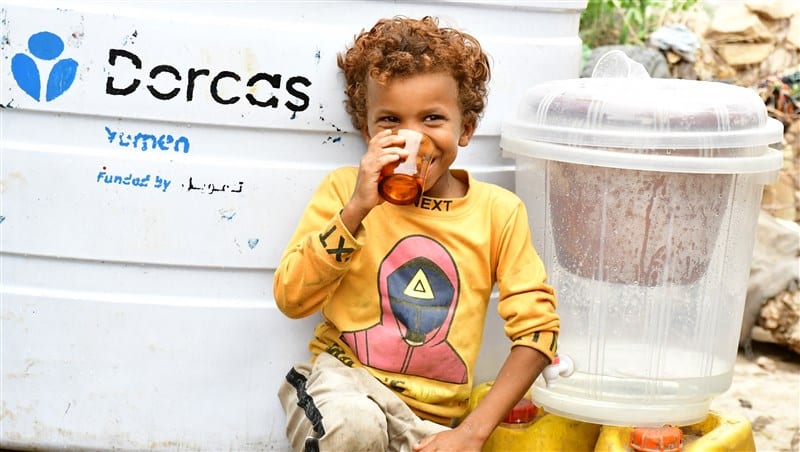
Agnes Kroese, CEO of Dorcas recently visited Yemen. She met with a wide variety of people, all with one commonality: limited access to clean drinking water.
Armed conflicts and humanitarian crisis have caused Yemenis to seek safer refugee. Many have been living in camps for years.
“I was in one of these camps: a barren, open plain. There was no water to be seen in the wider area. When I asked for drinking water, one of the women showed me a jerrycan. The water in the jerrycan ws clearly polluted.”
Agnes Kroese, CEO Dorcas
Role of Dorcas
As a humanitarian organisation committed to addressing the structural causes of poverty and exclusion, Dorcas exemplifies core values such as compassion, justice, and stewardship in its efforts to improve access to clean drinking water. Through targeted interventions and community-led initiatives, Dorcas works alongside communities in vulnerable situations to implement sustainable water solutions that meet their specific needs and circumstances.
Practical solutions
Addressing the global water crisis requires a multifaceted approach that combines infrastructure development, community engagement, and policy reform. Practical solutions include:
- Investing in infrastructure: Building and maintaining water supply systems, including wells, boreholes, and water treatment facilities, to ensure reliable access to clean water.
- Promoting hygiene education: Empowering communities with knowledge about safe water practices, sanitation, and hygiene to prevent waterborne diseases and promote overall health.
- Supporting water harvesting and conservation: Implementing rainwater harvesting systems and promoting water conservation techniques to maximise the sustainable use of available water resources.
- Advocating for policy change: Advocating for policies and regulations that prioritise equitable access to clean water and sanitation services, particularly for marginalised people and communities.
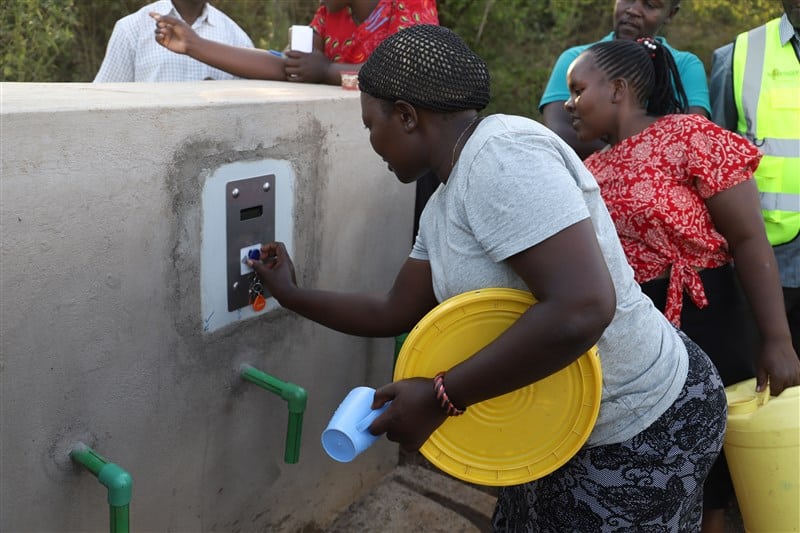
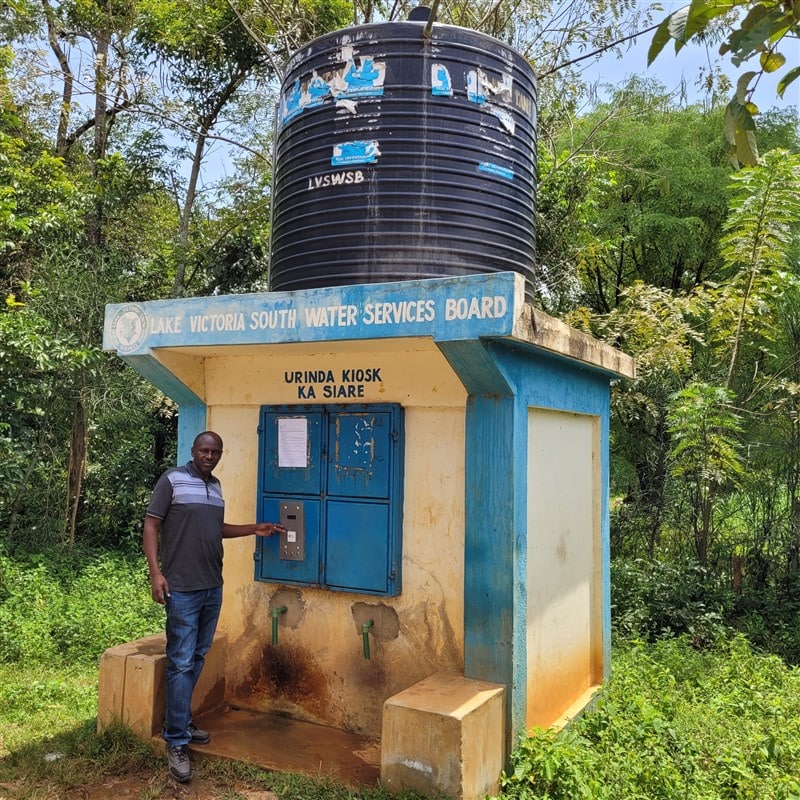
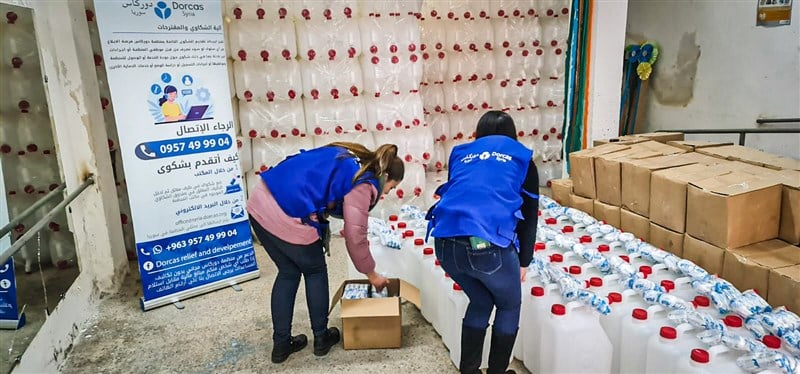
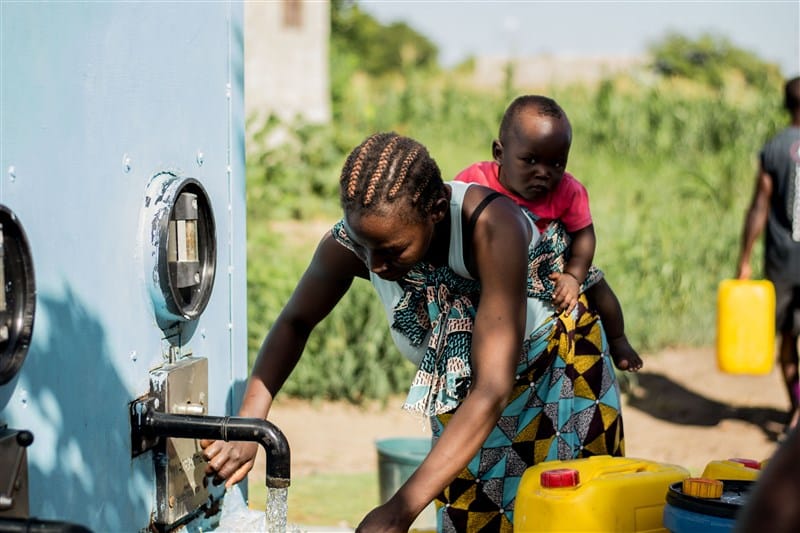
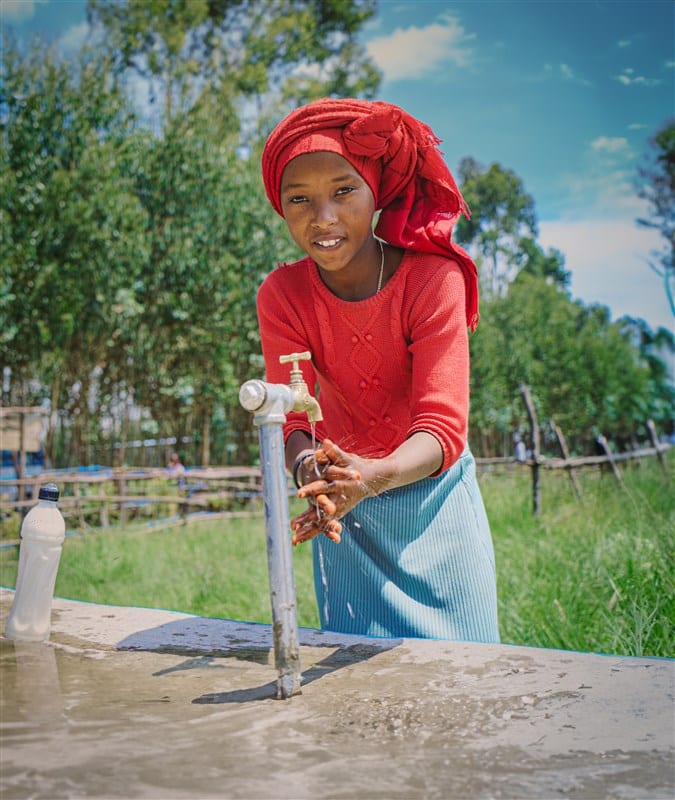
The consequences of limited access to clean drinking water are profound and multifaceted, affecting health, livelihoods, and overall well-being. Addressing this global challenge requires collective action, guided by principles of compassion, justice, and stewardship. By investing in practical solutions and empowering communities, we can ensure that everyone, regardless of their circumstances, has access to this essential resource and the opportunity to lead healthy and dignified lives. As we strive towards this goal, organisations like Dorcas play a crucial role in catalysing positive change and transforming the lives of those in need.
Around the world, as many as one in four people have no access to clean drinking water. Clean drinking water is of vital importance. Dorcas supports communities to improve access to clean and safe water. We do this by, for example, repairing boreholes in Iraq, distributing water in Yemen and building new water taps in Mozambique, Kenya and Ethiopia. Or by installing solar panels so that existing boreholes can be put to better use. In Mozambique, the limited access to safe drinking water causes major problems. With WaterTime, Dorcas Mozambique has improved the access of safe and clean water.
>> Dorcas organises Water Power (Actie Waterkracht) campaign to raise awareness about the lack of access to clean drinking water. More details on this campaign (in Dutch) via Actie Waterkracht.
One year ago, on the 6th of February, earthquakes and strong aftershocks caused great devastation in Syria and Turkey. Syria, already in crisis due to the ongoing conflict, was again hit by a disaster that affected thousands of its citizens. The earthquake caused widespread damage to infrastructure and civilian buildings in the governorates of Aleppo, Hama, Idleb and Lattakia.
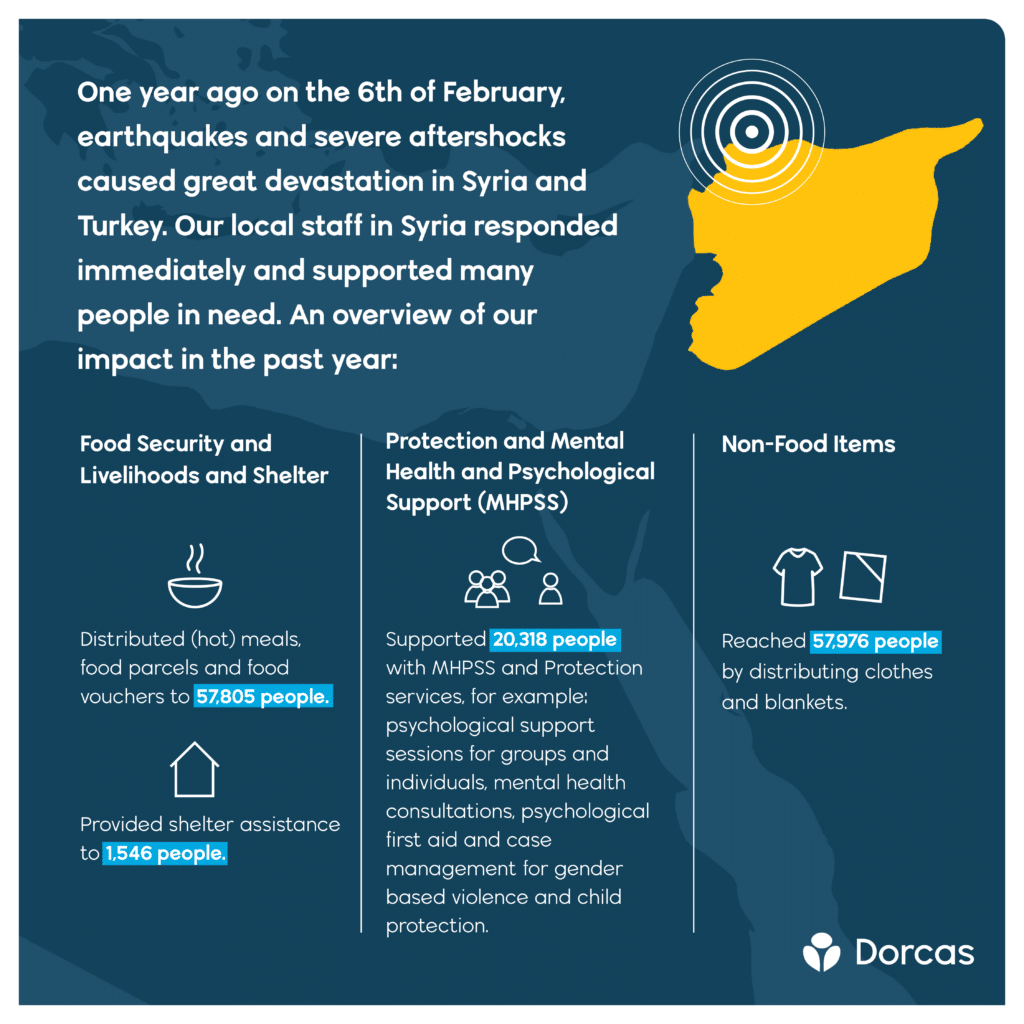
Dorcas had been working in Syria for many years when the earthquake struck. This meant that our local staff were able to respond immediately, resulting in a strong presence on the ground. In the past year, Dorcas provided ongoing food security and livelihood support, shelter assistance, MHPSS and protection services, as well as essential non-food items. The infographic below shows a summary of the support that Dorcas provided in the region:
Food Security and Livelihoods and Shelter
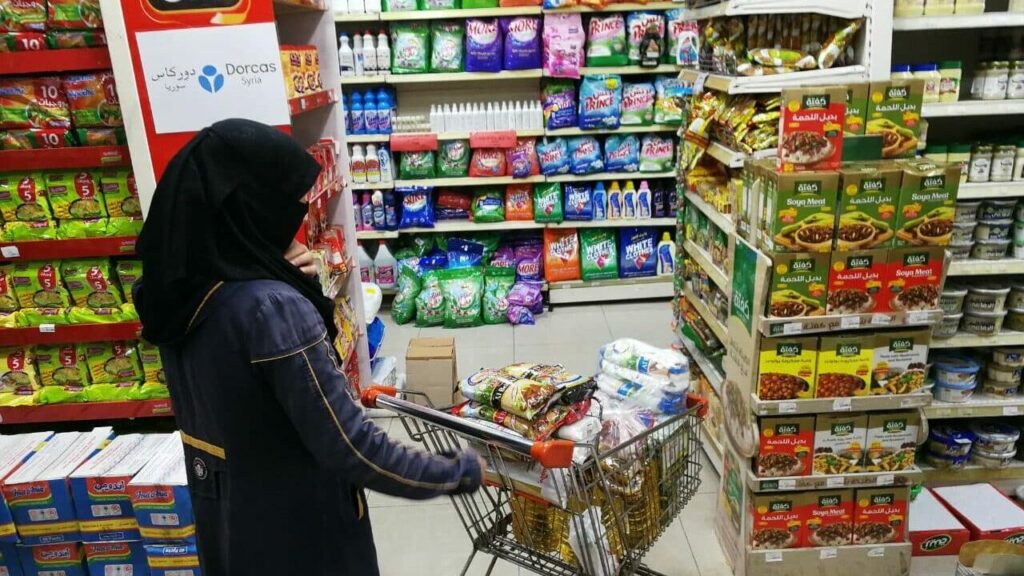
Dorcas has had a local presence in north-west Syria for years, around the cities of Aleppo and Homs. These regions have struggled with food insecurity long before the earthquake struck. The new disaster exacerbated this problem. In the aftermath of the earthquake, the availability of basic commodities was limited. With cold temperatures, especially at night, it was imperative that people had access to a safe and warm environment and a decent meal, and this was therefore a top priority in the disaster response. Dorcas Syria supported 57,805 people with (hot) meals, food parcels, lunches or food vouchers over the past year. In addition, we provided shelter assistance to 1,546 people.
One of the people Dorcas Syria has supported through the food security services is Zainab. Zainab lives with her two sisters and her brother and his wife and children in the Al Hellok area. After the earthquake, the atmosphere in their home became one of constant tension and a sense of impending danger. The situation was made worse when her brother, Mohammad, lost his job, leaving the family to rely solely on Zainab’s meagre income. Zainab and her family registered at the Dorcas Community Centre in Hellok after she heard about it through acquaintances. Because of their difficult circumstances, Zainab’s family qualified for Dorcas’ food programme, and this provides monthly food vouchers. Zainab expressed her joy and relief when she visited the centre to collect the vouchers: ‘The burden has been lifted from my shoulders’. The family had been constantly hungry, struggling to meet basic needs for medicine, clothes and school supplies. ‘The voucher also helped us provide a variety of nutritious foods that were previously missing from our meals’. This improved the overall health of the family.
MHPSS and Protection services.
The earthquake and aftershocks had an enormous impact on people’s lives and general wellbeing. In such a crisis, the provision of MHPSS is vital because the enormous amount of stress that people experienced could lead to a range of other complaints. Providing this has been a major priority for the team over the past year. Dorcas already had a MHPSS support team on the ground, consisting mainly of social workers and psychologists, and was able to provide MHPSS and protection services to 20,318 people in the past year.
One of the people Dorcas supported through these services, is Rokaya. Rokaya (50) is a widow living in Aleppo with her four daughters. In the aftermath of the earthquake, Rokaya was facing numerous hardships like damage to their home, chronic illness and extreme poverty. One of her daughters received psychological first aid from Dorcas, and the family was registered to access the centre’s services. Her daughters were also deeply affected by the disaster, and Rokaya saw the support of the centre as an opportunity to alleviate her family’s psychological pain and fear. Dorcas provided Rokaya and her family with psychological support and access to the food aid programme. She became stronger and more resilient and regained her sense of dignity. On top of that, she also formed meaningful friendships during the support sessions. Rokaya envisions a brighter future for herself and her family, emphasising the invaluable impact of the programme on her life.
Non-Food Items
After the disaster, there was also a great need for non-food items, such as clothes and blankets. In the past year, Dorcas reached 57,976 people with this support.
What is needed in the coming year(s)?
The suffering in Syria must not be forgotten. After the earthquake, there was a resurgence of attention to the needs of the Syrian people, but that attention has slowly faded. At the moment, however, the situation in Syria is worse than it was before the earthquake. Compounding the situation is the enormous inflation that the country is experiencing. An UN OCHA 2024 Humanitarian Needs Overview for Syria estimates that some 16.7 million people across Syria will require humanitarian assistance in 20241. According to the Dutch Relief Alliance multi-sectoral needs assessment done during August and September 2023, there are many needs in different fields, that require the attention of the humanitarian sector2. These needs are for example:
- A large percentage of households struggle with poor food consumption (e.g. 64.6 per cent in Aleppo).
- Of those who participated in the assessment, 86.3 per cent rely on temporary or unstable daily work as the best source of income for their household.
- Mental health is still a major concern. Children and first responders in particular are experiencing burnout and distress. Several reports point to the need for MHPSS due to the extreme trauma and stress caused by the earthquake.
- In the areas identified in the assessment, there are significant protection risks and concerns for girls and women, e.g. forced and early marriages, harassment, sexual exploitation, domestic violence and child neglect.
- The deteriorating economy, living conditions, inflation and increased fuel prices, which led to increased prices of medicines, create a number of barriers for people to access health services.
Dorcas will continue to be on the ground in Syria, providing support to those in need. Najla Chahda, Country Director of Dorcas Syria, describes Dorcas’ priorities for this year:
‘The needs of the Syrian people remain urgent, and they require the ongoing support of the international humanitarian community. Dorcas will continue to create meaningful impact and invest in sustainable change in the lives of people who are most marginalised. Key priorities for this year lie withing expanding geographical coverage to support more people in need. We will also further enhance our key approaches, like Protection through community centre activities, Food Security and Livelihoods, shelter rehabilitation and health support’.
1Syrian Arab Republic: 2024 Humanitarian Needs Overview (December 2023)
2 Dutch Relief Alliance: Joint Multi-Sectoral Needs Assessment (2023).
Each year on the first of October, we celebrate the international day of older persons. This is an important international day for Dorcas, as we focus on supporting marginalised people and communities and older people are often marginalised and their rights neglected. They often have little income and limited access to health care and social security. In addition to that, they face discrimination and stigmatisation based on cultural norms and social prejudices, like ageism.
According to the United Nations, the number of people aged over 65 is expected to more than double from 761 million in 2021 to 1.6 billion in 2050. The number of people over 80 years old is projected to grow even faster. These numbers increase the urgency of taking the unique set of challenges older people face seriously. In this article we elaborate further on why older people require more of our attention and share some recommendations on how you can include them in your programme.
Lack of income and social protection
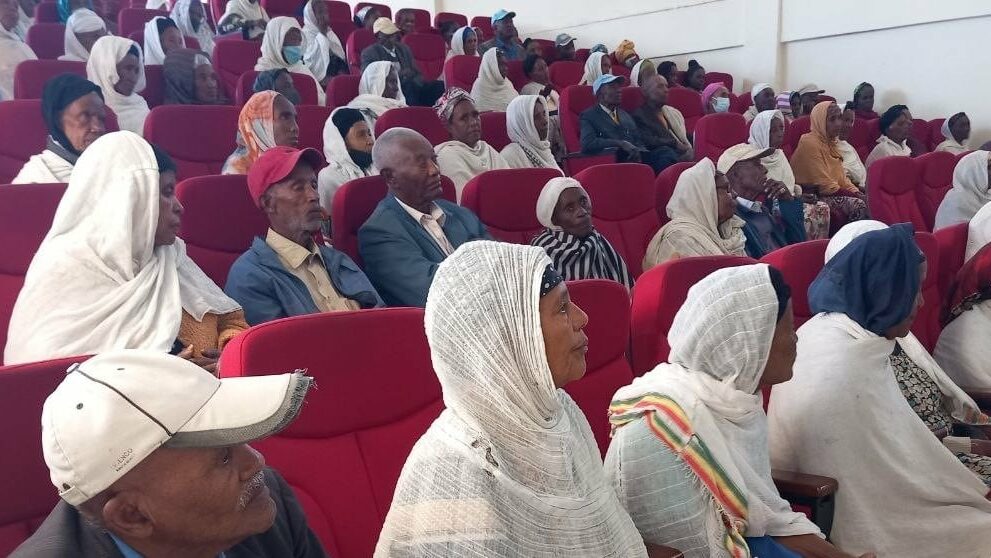
Dorcas has community safety nets programmes for older people in seven countries: Albania, Egypt, Ethiopia, Moldova, Romania, Tanzania and Ukraine. A main problem in these countries is that older people often have little income and that pensions are so low that they are hardly sufficient for covering their daily needs. Insufficient pensions put them in a much greater risk to external shocks as they have less margin to absorb these financially. In Ukraine for example, many older people who were already marginalised have been affected greatly by the ongoing conflict that led to a massive increase in inflation. Their already challenging socio-economic position has therefore become even more dire. Our local colleagues see that older people in Moldova will often accept poor paid jobs in order to survive. All in all, the lack of social protection causes many problems for older people in the countries Dorcas works in. This must become more of a priority for civil society organisations and government actors in the coming years, as the number of older people is rapidly increasing.
Loneliness and stigmas
Another major issue that older people face, is loneliness and isolation. In Albania, Moldova, Romania and Ukraine for example, many older people either have no family to support them or their families moved to the cities or abroad. In Egypt, local Dorcas colleagues have experienced that older people are also often neglected by their families. Next to the practical and financial needs, this is one of the most pressing issues. Loneliness greatly affects their well-being. Older people need connection, community and the opportunity to contribute.
Another reason why older people require our attention, is because of the challenging stigmas and prejudices they face. In Egypt, this is a major issue. There is a stigma that older people’s duty has ended, they are solely recipients of care and are no longer productive. Supporting older people and inviting them to participate in certain activities may therefor lead to opposition in certain contexts.

Seven ways to include older people in your program
Dorcas supports older people through our community safety nets programme. In this programme, the community plays a central role in making sure people have access to the support structures they need. There are different types of community safety nets, depending on the level on which actors are involved, and a mix of different types is needed to meet the different needs of older people.
One of the participants in this programme, is Moges from Ethiopia. Before joining the programme five years ago, Moges did not have the means to get enough to eat or pay for medical treatment. He would only eat one meal a day. His house was in very bad shape, as the back wall and roof of his house were falling apart. When Moges joined the Dorcas programme, his life has changed drastically. He is now able to eat three times a day, he gets medical treatment, his house was renovated, he actively participates in the programmes social gatherings and has made many new friends.

Dorcas supports older people by building a social safety net around them, so that the community increasingly looks after them. We encourage different groups in the community to use their resources to support and involve them in the community. We also advocate for the rights of older people among government actors and encourage to governments to improve the social security services.
Dorcas has seven recommendations for (I)NGO’s and other actors who are involved in contexts where older people are marginalised, in order to better protect their rights:
- Listen to the voices of all older people and acknowledge their wisdom, knowledge and experience. Provide accessible methods for them to participate in, make decisions about and provide feedback on the assistance provided to them. Ensure this input is incorporated into interventions.
- Ensure the provision of psychosocial support to older people, particularly those living alone. Support and engage older people in activities which help overcome their loneliness.
- Ensure that older people who have fled can access full basic services, including food and water, healthcare including mental health support, social services including pensions, transport and information.
- Prioritise collecting reliable data about numbers, needs and priorities of older people.
- Ensure that community, family or other support and protection networks and mechanisms for older people are restored and strengthened.
- Ensure that any funding provided for responses to crises caused by conflicts includes older people as a priority at-risk group, and that there is attention for sub-groups of the older population that face specific risks.
- Ensure that older people who have not been able to leave their homes, including those living in institutions, are reached, evacuated if they wish, provided with essential life-saving humanitarian support and tailored and prioritised assistance.
Last July, Jochem Duinhof, political advisor at Dorcas, visited the Dorcas offices and community safety nets programmes in Moldova and Romania. Jochem elaborates on the challenges older people face in Moldova and Romania and how the support of the community equips them to overcome these challenges and build meaningful relationships.
Community safety nets
In situations where people are marginalised, safety nets are needed to support them. In a community safety net, the community plays a prominent role in making sure people have access to the support structures they require. Community safety nets are formed by multiple community actors, such as churches or volunteer organisations, and complement the social protection that is provided by the government. The community safety nets programmes of Dorcas Moldova and Romania focus on supporting older people, as they are often marginalised and excluded. A community safety nets programme for older people respond to the different needs they have, such as: a cooking club for fellowship, a social club to decrease isolation or groups that undertake income-generating activities together.
Jochem: Older people in Moldova and Romania face some major challenges. Since the start of the conflict in Ukraine, the gas prices have risen tremendously. They already had to make tough financial choices in the winter and now the situation has become even more dire. They often don’t have enough money at the end of the month to buy food and medicine. One of the ways they cope, is by buying preservable goods in the summer when they are cheaper. When winter comes, they chop their own wood or only heat one room in the house to safe costs. Older people also often face loneliness and isolation. Their children move away to work in the cities or abroad and it is more common that they send money back to support their children, not their parents.’
Jochem continues ‘What stood out to me when I visited the community safety nets programmes is what a big impact the role of the community has in the lives of older people. Their need to feel they are valued and belong is just as important as their financial needs. I spoke with several women in Moldova, who mentioned that the community helped them out of loneliness. They form friendships, visit each other outside of the organised meetings and help one another in whatever way they can. Doras contributes to a community environment in which all people, even the most marginalised, are seen and get opportunities to participate. Community structures become stronger as community members get more empowered. This is a big part of the work of Dorcas.’
Dorcas also supports older people through the community safety nets programmes by supplying food parcels every two months. Furthermore, Dorcus supplies seeds and materials for the cultivation of crops. The older people tend to a vegetable garden together and this supplies them with fresh produce to share among the community. There are also groups that make crafts together, which they sell. These activities increase their income, give them a great sense of achievement and it offers the opportunity to overcome some of the challenges they face together.
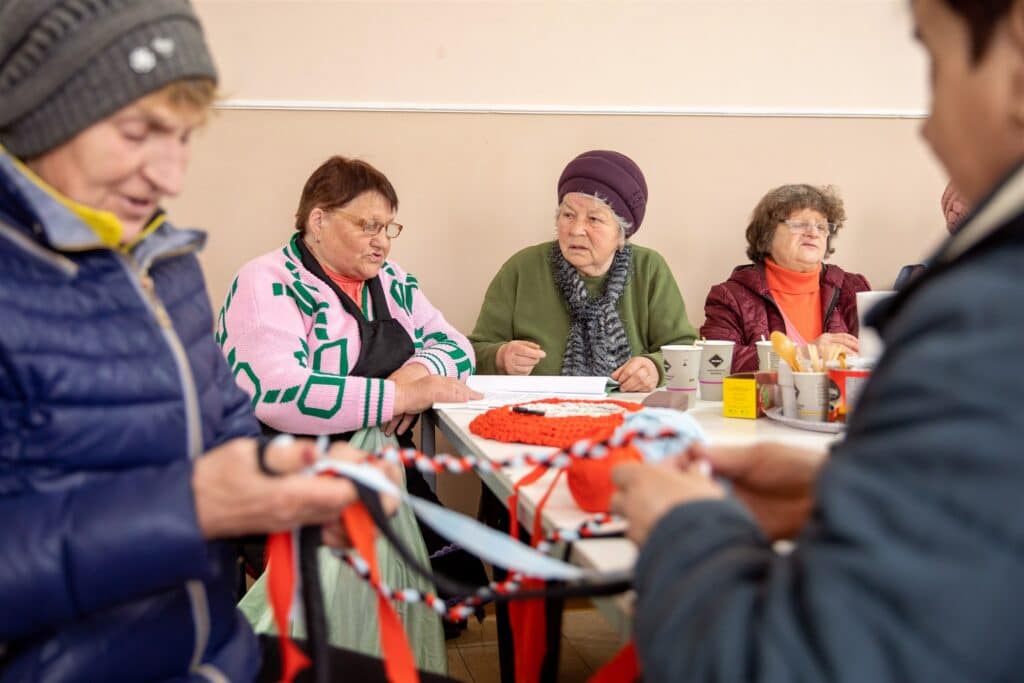
About Dorcas’ community safety nets
Community safety nets are part of our long-term objective to have an increased number of vulnerable people receive support through a community safety net. We aim to achieve inclusive social development of vulnerable people within empowered communities. The prime focus is mobilising and organising communities to take ownership of problems and work on opportunities in an asset-based way. Dorcas has community safety nets programmes in Albania, Egypt, Ethiopia, Moldova, Romania, Tanzania, and Ukraine.
The United Nations describes droughts as one of the greatest threats to sustainable development. Forecasts predict that by 2050, droughts may affect more than 75 percent of the world’s population. The magnitude of this problem requires the international community’s attention every day, but today, on the world day to combat desertification and drought, we want to specifically highlight the importance of climate resilience and global action to combat drought and the correlation between drought and floods.
Recent research by Kimutai et al. (2023) shows that the chances of drought in the horn of Africa is 100 times higher due to climate change. This is not only related to the lack of rainfall, but especially to how fast the water dampens again due to high temperatures. Though the amount of rainfall is important, the effects of global warming and high temperatures are thus even more impactful.
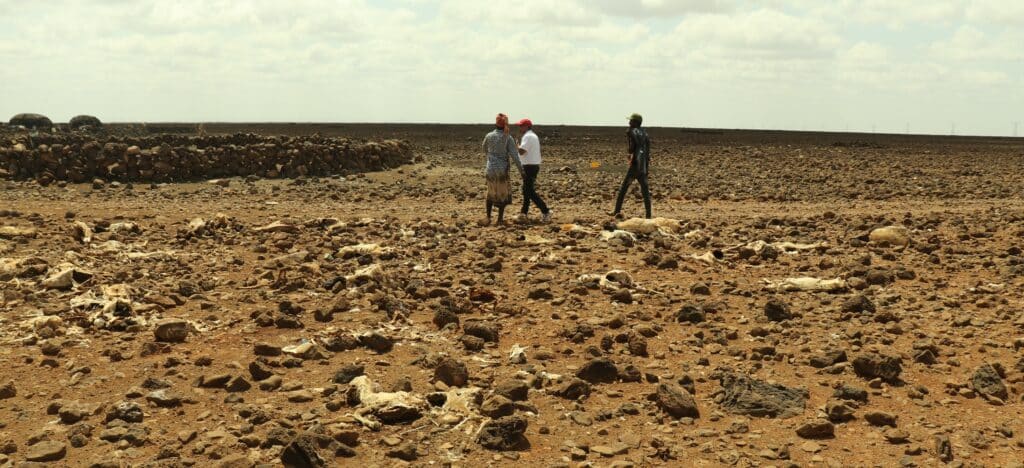
Though we may all know the pictures of the dusty, dry landscapes in the horn of Africa, there is also still a lot of flooding in the region. This may lead to the misconception that these floods contradict the increase and severity of droughts that are predicated; however, this is definitely not the case. When we see floods in otherwise dry areas, it is important to be aware and spread awareness on that this excessive amount of rain does not solve the shortage of water or even out drought. When a lot of rain falls in a very short period of time after longer periods of drought, the soil is not able to fully “take it in” and this leads to a shallow absorbance of the rain. This also increases the chance of floods, since the water flows off because it is not absorbed by the soil. One of the places where this became evident, is in Borena, Ethiopia.
Droughts and floods in Ethiopia
Fikru Tarekegn, Country Director of Dorcas Ethiopia, describes: ‘Borena is located in the southern part of Ethiopia, which is known for pastoralism and drought. The frequency of drought has increased over the recent years due to climate change. There was no rain for the last two-and-a-half years, and this caused a huge problem in the area. As a result, more than 3.3 million livestock died. As the economy is dependent on livestock, the life and livelihood of the community were disrupted which resulted malnutrition, psychosocial problems, to deal with unpreferred coping mechanisms and migration. Unfortunately, the recent rain in the area was also a disaster as it came in big volume and became a flood. The flood has also killed the animals that survived the drought, and it brought water borne diseases.’
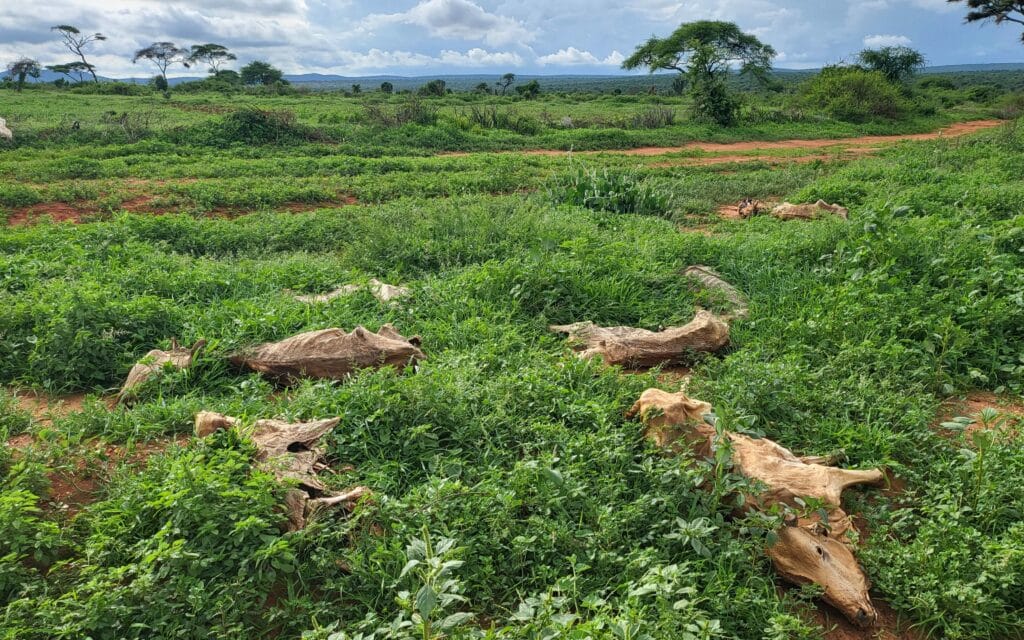
When the high intensity of rain came after two and-a-half years of drought, the landscape may have looked very healthy and green for a period of time, but this may give wrong impression. The livestock continued to die after the rainfall due to the flooding. Additionally, it was also thought that the livestock was also possibly dying because they were no longer used to the large amounts of water and grass and their intestines could not cope with this.
Droughts and floods in Kenya
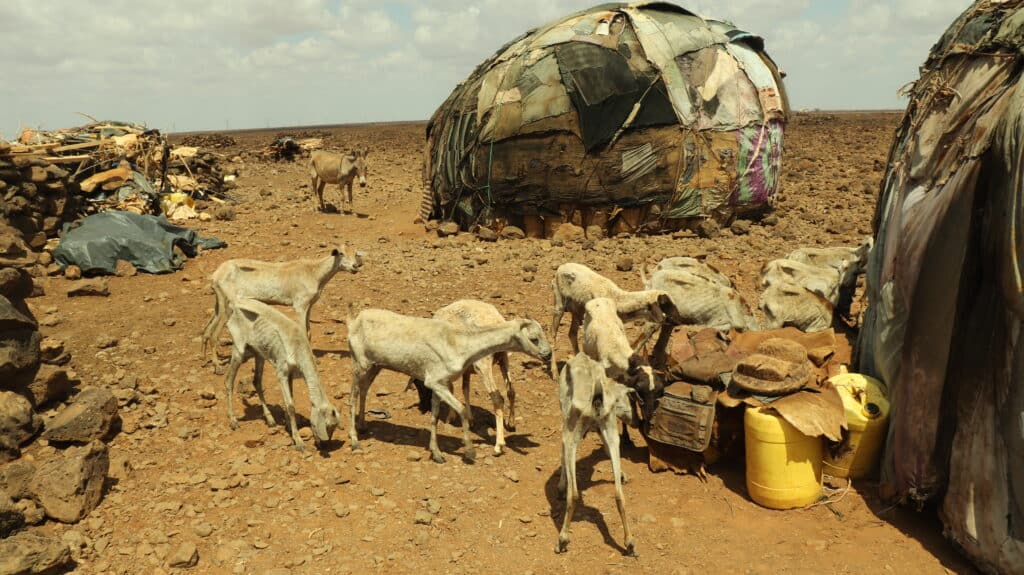
In Kenya, desertification continues to pose a challenge over the years to 84 percent of the Kenyan landscapes that are classified as arid or semi-arid. Edwin Onyancha, Country Director of Dorcas Kenya describes: ‘These lands support 34 percent of the population and 60 percent of livestock. These drylands have seen unprecedented land degradation often exacerbated by effects of climate change, deforestation, loss of biodiversity, overgrazing, over-use of underground water, prolonged droughts and flooding, as well as conflicts over competition for natural resources. Increasingly, livelihoods, especially those related to livestock production and agriculture, continue to be affected as these landscapes become more vulnerable to vagaries of the weather. There is an urgent need to address desertification through broad supportive policies that define management of fragile landscapes to protect biodiversity and natural resources, as well as addressing effects of climate change through both adaptation and mitigation. Regional and cross-border conservation efforts that promote restoration and regeneration of natural resources (forests, woodlands, watershed, nature-based solutions etc.) needs to be supported. These efforts should go alongside strengthening capacities of residents on land use systems, conservation, particularly using indigenous knowledge and modern technologies, as well as implementing strategies to effectively address cross-border and inter-ethnic conflicts.’
Climate resilience
For Dorcas, climate resilience is central to our work and in all of our projects this is taken into account. Climate resilience is about adjusting to climate change, countering environmental degradation and minimising risk from disasters. We work with communities to prepare for and negate the effects of climate changes, thereby reducing the vulnerability of communities and their ecosystems. The cases of Ethiopia and Kenya show how important this is as climate change heavily affects rural communities. By adapting to cope with the effects of climate change, communities, enterprises and institutions can build up their climate-change resilience.
Kimutai, J; Barnes, C; Zachariah, M; Philip, S; Kew, S; Pinto, I; Wolski, P; Koren, G; Vecchi, G; Yang, W; Li, S; Vahlberg, M; Singh, R; Heinrich, D; Pereira, CM; Arrighi, J; Thalheimer, L; Kane, C; Otto, FEL (2023). Human-induced climate change increased drought severity in Horn of Africa. DOI: https://doi.org/10.25561/103482