Adapting agriculture to a changing climate: building on traditional knowledge
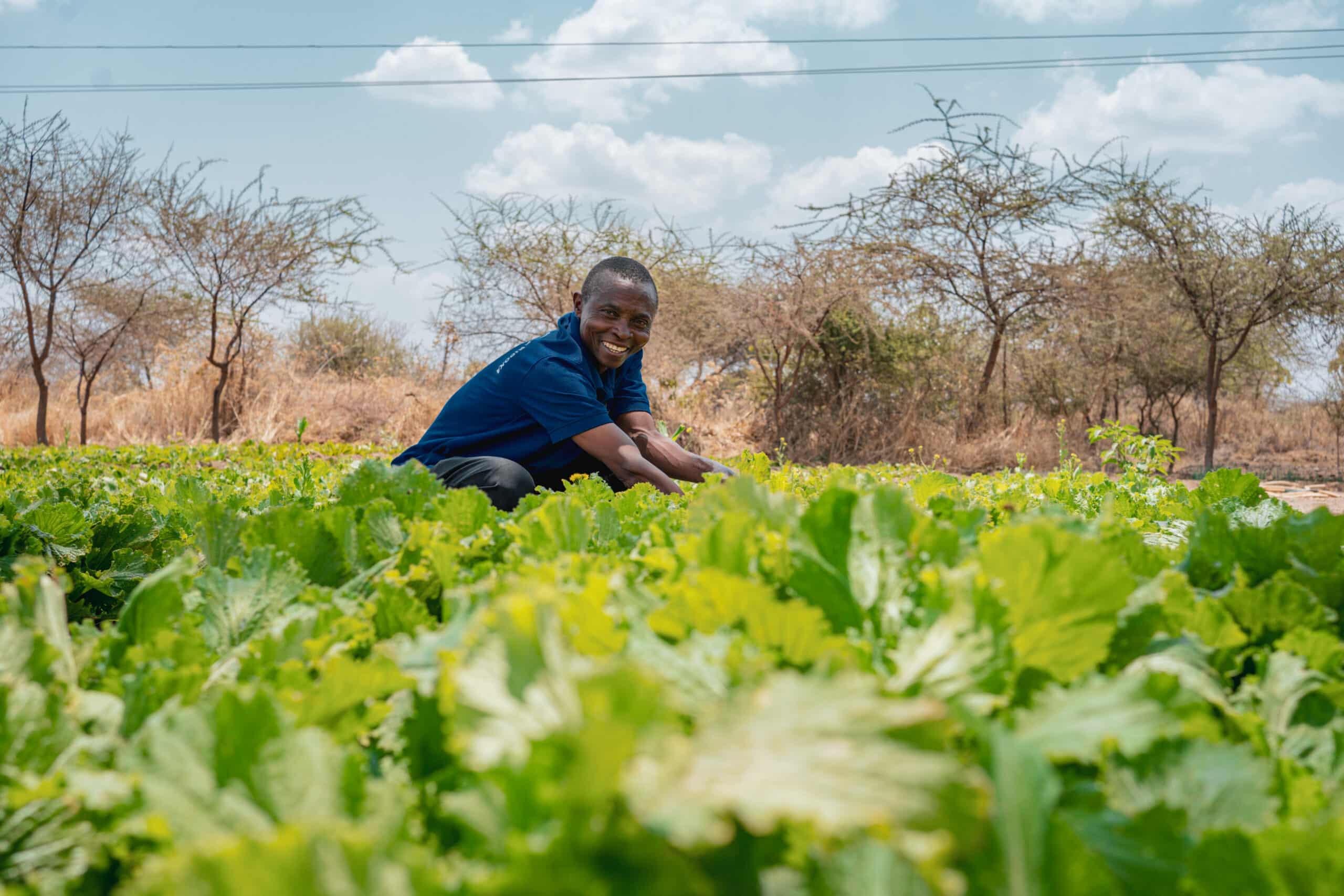
Rural communities in Africa and the Middle East that rely on agriculture for their livelihoods are increasingly affected by food insecurity as a result of a changing climate. A failed harvest following drought or flooding can directly affect people’s access to food. Dorcas works alongside farmers in these regions to strengthen their ability to adapt to increasingly extreme weather conditions and protect their livelihoods.
Climate change and agricultural resilience
Farmers face the challenge of preventing fertile topsoil from being washed away during floods, while also finding ways to capture and store water to withstand periods of drought. Some current agricultural practices make communities more vulnerable to climate change and contribute to soil degradation, including overgrazing, unsustainable land-clearing practices and monocropping.
Dorcas supports farmers in adopting sustainable farming techniques that are better suited to changing climate conditions, minimise soil degradation and help restore the land. Many of these approaches are rooted in agricultural knowledge and practices that have long existed within African and Middle Eastern communities.
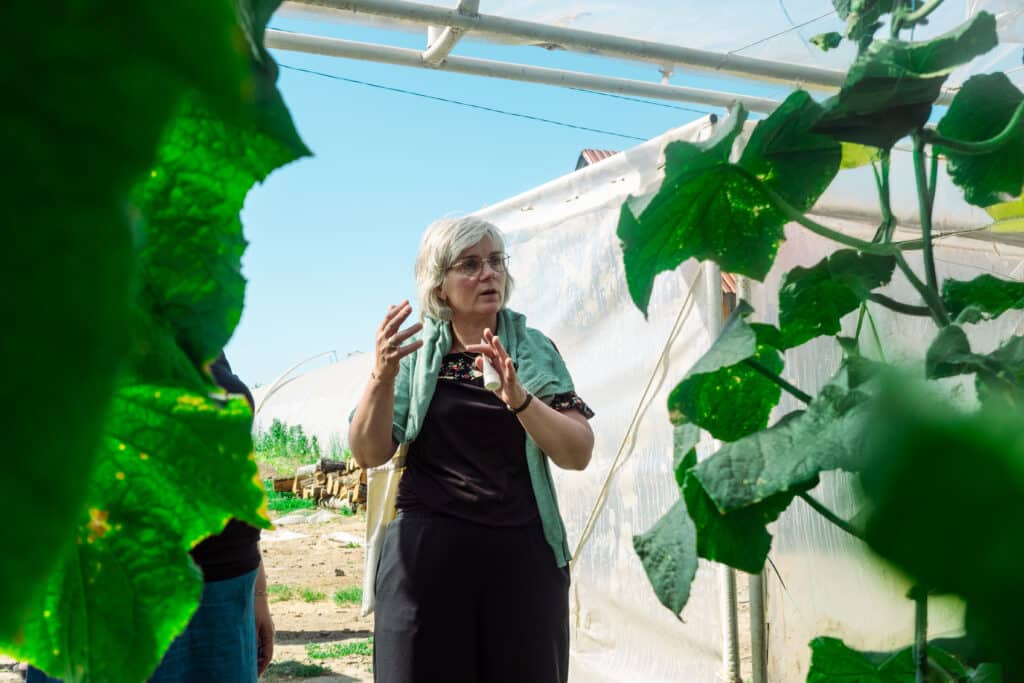
Danielle Maroma, Climate Adaptation Expert at Dorcas, elaborates: ‘Climate adaptation is often framed as bringing new solutions to communities. In reality, some of the most effective solutions can be found within communities themselves. Our role is to support farmers in strengthening, adapting and scaling up practices that have been shaped by generations of experience.’
Over time, the use and transmission of some of these practices have been disrupted for many different reasons. A growing focus on efficiency and optimisation encouraged a move away from agricultural diversity towards systems that produce fewer crops, often cash crops grown for sale. In some contexts, colonial policies also disrupted traditional agricultural practices, as land and natural resources were increasingly managed for economic exploitation. In addition, migration from rural to urban areas has changed how agricultural knowledge is passed down between generations.
Reconnecting with traditional practices
Dorcas works with farmers to strengthen and adapt agricultural practices rooted in local knowledge systems and increasingly recognised as valuable approaches to climate adaptation.
One example is agroforestry: a farming approach in which trees and crops grow together in the same space. Trees provide fruit, shade and other benefits, while their roots help protect and stabilise the soil.
Another practice is intercropping, in which different crop species are grown together to support soil health. One approach to maintaining nutrient-rich farmland is to combine crops with legumes, which fix nitrogen in the soil.
The transition towards climate-adaptive agriculture has already shown promising results. In 2024, farmers in Dorcas programmes increased their yields by up to 30 per cent using Participatory Integrated Planning (PIP) and climate-smart practices, while also improving soil quality. Practices such as agroforestry can contribute to these efforts by supporting agricultural productivity while also helping to restore greener landscapes.
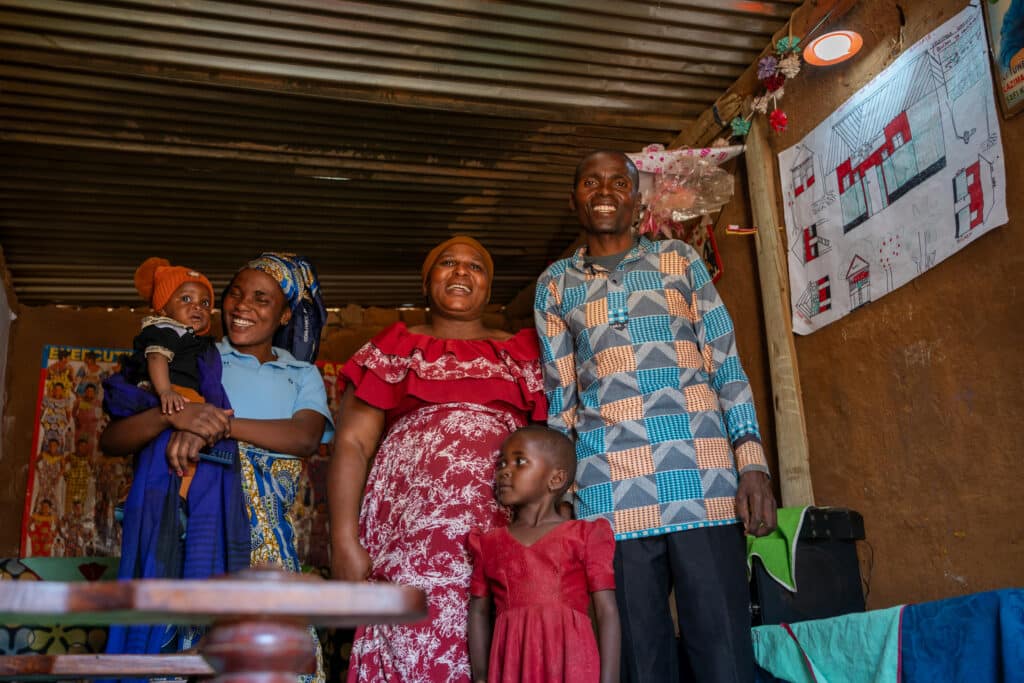
Through the scaling up of Participatory Integrated Planning (PIP) in Tanzania and Ethiopia, farmers are transforming their farms into more diverse systems that offer greater economic stability and climate resilience. In early 2025, Dorcas launched a three-year PIP project in Upper Egypt. This was one of the first applications of the approach in North Africa and the Middle East, where farming communities face water scarcity and land degradation.
Climate change is creating new challenges for farming communities, but responding to them does not always require entirely new solutions. Some valuable agricultural practices have long been part of local knowledge systems, even though their use and transmission have changed over time.
Dorcas works alongside farmers and supports them to adapt agricultural practices to today’s climate realities. By combining traditional knowledge with new insights and approaches, farmers can strengthen the resilience of their land and livelihoods and build more sustainable ways of farming for the future.