The ripple effect of PIP: From household resilience to community change
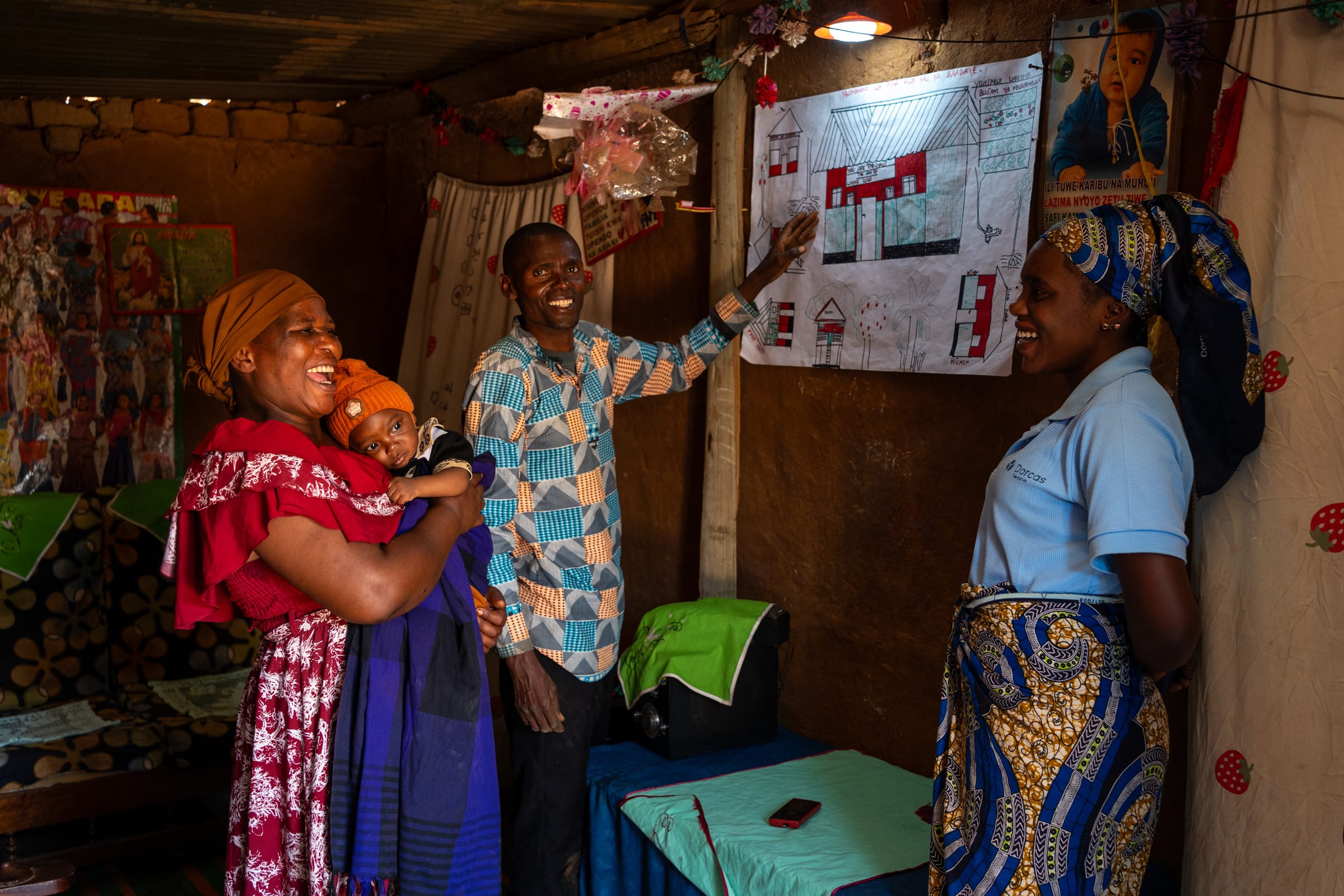
In rural Tanzania, the Participatory Integrated Planning (PIP) approach has supported families in transforming their farms into sustainable sources of food and income. For William, a pastor, his wife Elizabeth and their five children, the programme has brought about lasting change. They have changed their farming methods and improved their household’s financial security. They have also become a source of inspiration for other farmers in the community. Today, they are building a stronger future for their family and others.
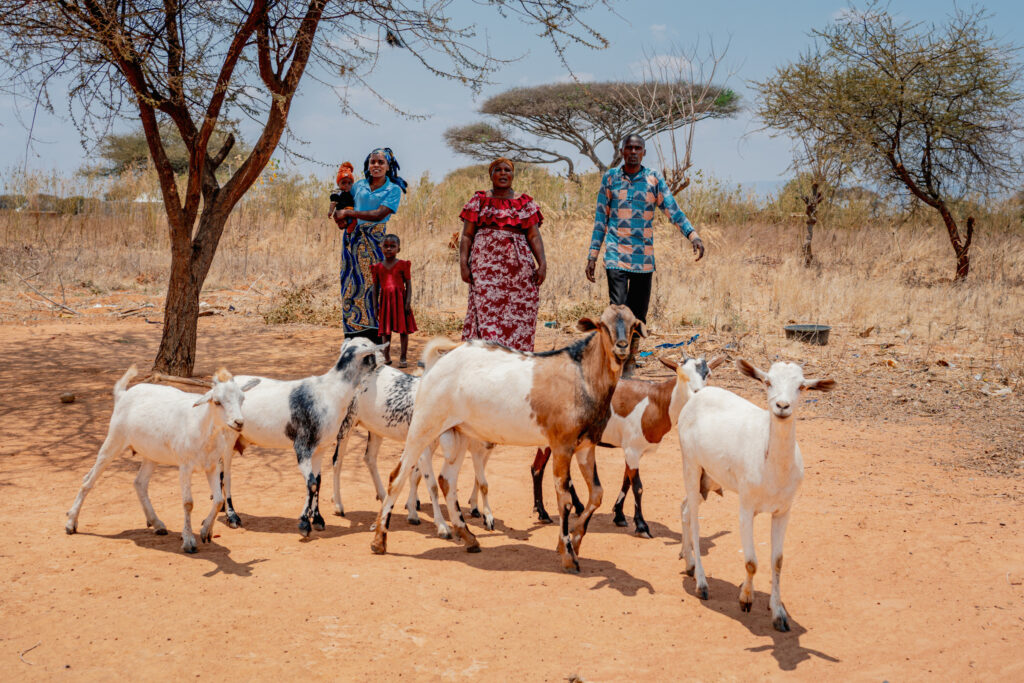
William and Elizabeth live with their family in Chemba, Tanzania. They own a small plot of land where they grow vegetables and keep livestock. Despite their hard work, their production was barely enough to sustain the household and they often had to spend their limited resources on buying extra food.
Before joining the project, William farmed in the same way as many others in his community: growing a single crop, keeping a small number of animals and doing little long-term planning. The farm generated too little income to support the family adequately. William explains:
‘My wife was the first to participate in the PIP programme. She eventually persuaded me to join as well. The training provided by Dorcas enabled us to expand our livestock and purchase more goats. Overall, the improvements have been remarkable, and Dorcas played a key role in making that possible.’
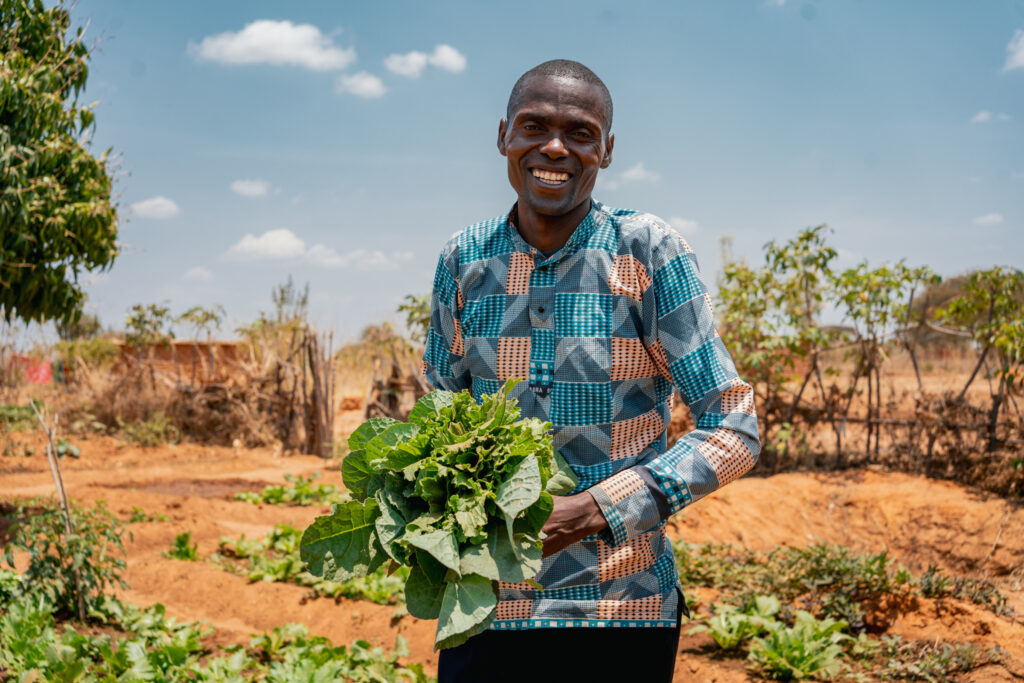
The training introduced William and Elizabeth to a mixed farming approach. Rather than relying on a single vegetable crop, they learned the value of diversification and how different crops can strengthen both food security and income generation. They also learned how to work with improved goat breeds that produce more milk and meat, and how to make the most productive use of a small plot of land.
‘When we grew only one type of vegetable, it was never enough,’ William explains. ‘The training showed us the importance of diversification. We now grow a variety of crops and manage livestock more effectively. That has brought significant benefits to our family.’
The impact of PIP
The family now generates income through the sale of surplus vegetables. Elizabeth has seen a major change in the household’s finances and food security.
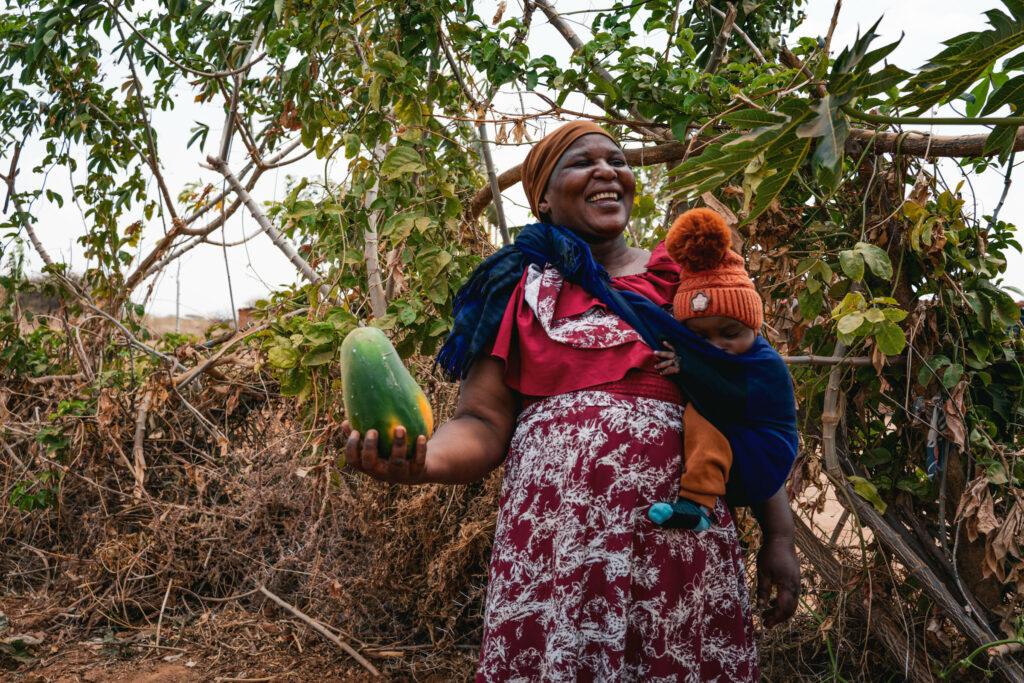
Elizabeth says: ‘I used to spend around 5,000 Tanzanian shillings every day on vegetables, and even then we often did not have enough,’ she says. ‘At the market, I had to buy whatever was available. Now I no longer need to spend money on vegetables, and I can choose what we will eat from our own farm.’
William adds:
‘We now have financial security. Vegetable sales can generate up to 10,000 Tanzanian shillings a day, while we no longer need to buy vegetables ourselves. Part of that income is used for irrigation, and the rest helps us pay school fees and cover essential household expenses.’
The impact extends beyond improved finances. According to Elizabeth, the project has also strengthened family relationships.
‘I have seen how the project has brought greater love and unity to our family,’ she says. ‘We share the work, we share the harvest, and that sense of togetherness means a great deal to me.’
William agrees.
‘Elizabeth inspired me to become involved. She shared what she was learning through the training and encouraged me to participate. Through that process, I realised that successful farming is something you do together. It has strengthened our family and helped us build a more secure future.’
Inspiring the community
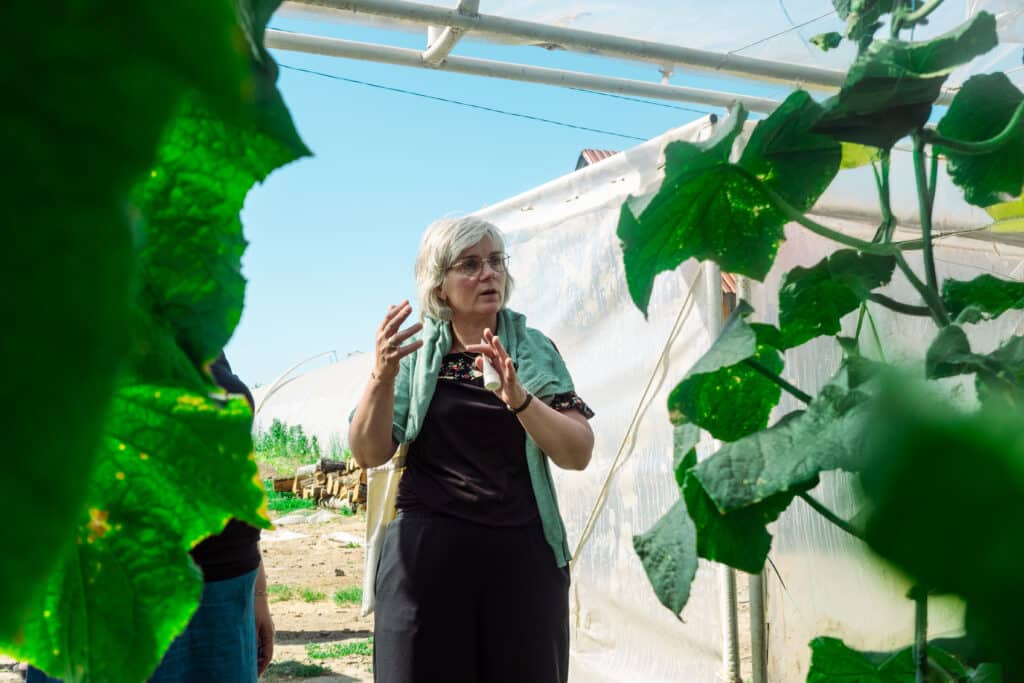
Today, William and Elizabeth are passing on their knowledge to other farmers in the community. They regularly invite neighbours to their farm to demonstrate how a mixed farming approach works in practice. They also visit other farmers to support them in applying the new techniques and overcoming challenges. William and Elizabeth distribute seeds and share practical knowledge that others can use on their own farms.
As a result, their influence now reaches far beyond their own household. Across the community, more families are keeping chickens and goats, cultivating a wider variety of crops and applying the techniques introduced through the PIP training programme. The family greatly values the opportunity to support others in the community to develop their livelihoods.
Dorcas works with governments, businesses, foundations and other organisations to create lasting change. Visit our partnership page to explore how we can work together.
Dorcas operates in 13 countries across Eastern Europe, Africa and the Middle East. Our programmes focus on livelihoods, protection, water, climate adaptation, crisis response and community development.
Dorcas is committed to transparency and accountability. We publish our annual report, are audited externally and adhere to international quality standards including CHS and Sphere.