Understanding Protection: Four dimensions explained
Protecting those in need in humanitarian and development work is complex and multifaceted. At its heart, protection is about safeguarding people and preventing, reducing, and responding to harm. Although protection is often associated with the risk of harm or abuse or with responding to violence or abuse after it has happened, this is only part of the picture.
In humanitarian and development contexts, protection is about safeguarding people from threats that affect their safety, dignity, rights and wellbeing. These threats may include violence, abuse, exploitation, neglect, discrimination, exclusion, or other forms of harm that prevent people from living safely and with dignity.
Responding to risk of harm is essential, but it is just one element of a much broader approach. Effective protection also involves preventing and anticipating potential harm, supporting recovery, and addressing the underlying causes that put people at risk. This article explores the four dimensions of protection and explains how they work together in practice. These dimensions can apply across different contexts, including conflict, displacement, natural disasters, poverty, exclusion and other situations where people may face increased vulnerability.
Looking through a protection lens
Protection is not a single activity or intervention. It is a way of working that helps humanitarian and development organisations recognise risks, reduce harm, and strengthen the conditions that enable people to live – or in certain cases to migrate or evacuate – safely. It means looking beyond the immediate task to understand whether someone may be at risk of violence, abuse, exploitation, neglect, or exclusion.
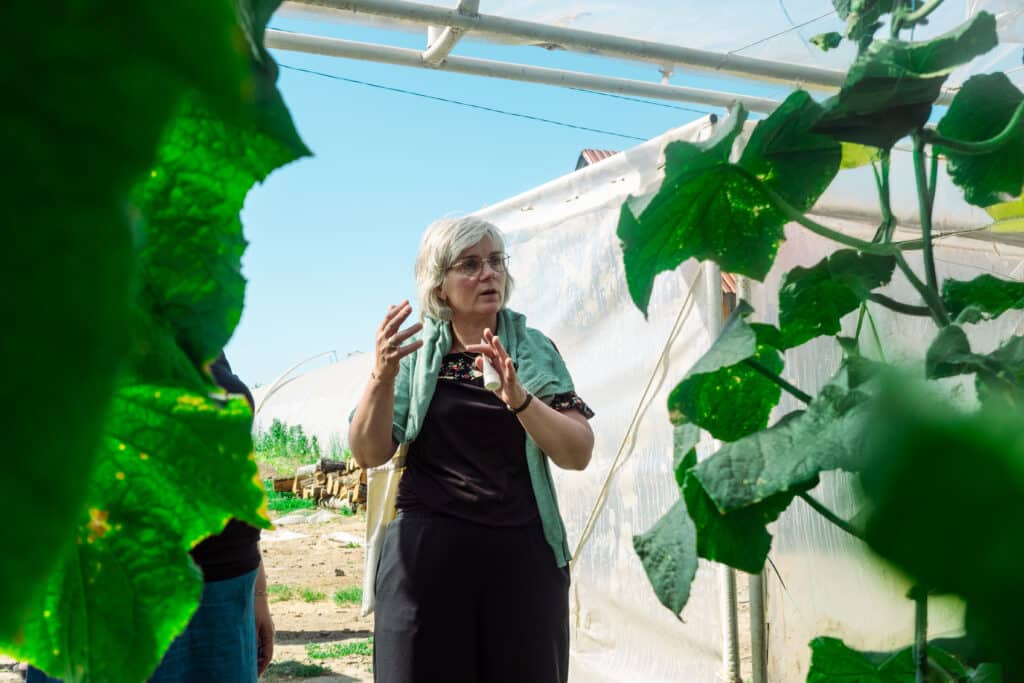
Pamela Hajal, Humanitarian Assistance and Protection Expert at Dorcas, describes this as putting on a pair of ‘protection glasses’. With these glasses on, staff focus not only on delivering project activities. They are also trained to recognise protection risks and respond appropriately.
Pamela explains:
‘For example, Dorcas Ukraine staff may be repairing damaged houses near the front line. They arrive at a home to replace broken windows and notice that the woman living there has visible bruising and a broken wrist. With your ‘protection glasses’ on, you wouldn’t just repair the windows and leave. You would recognise that she may need protection support and take the appropriate steps to assist her.’
This example illustrates how protection goes beyond delivering services. It is about recognising when people are at risk and ensuring they receive the support they need. To guide this work, Dorcas uses four interconnected dimensions of protection: preventive, responsive, promotive and remedial, and transformative protection.
Preventive protection
Preventive protection aims to reduce the likelihood of harm before it occurs. This means identifying risks, reducing people’s exposure to threats, and addressing the factors that make their circumstances more vulnerable. Prevention is about creating environments where people’s rights are respected and where violence, exploitation, abuse, and exclusion are less likely to occur. Rather than focusing only on preventing individual incidents, it also considers the wider conditions that influence people’s safety.
For example, preventive protection can involve strengthening community awareness, social connections and access to support before harm occurs. This may include identifying people at risk of isolation or exclusion and creating opportunities for participation and support.
Responsive protection
Responsive protection focuses on stopping harm that is already happening or has recently occurred. It includes actions taken when people experience violence, abuse, exclusion or other protection violations. The priority is to support people to reach safety and access appropriate support as quickly as possible. This may include referrals to healthcare, legal assistance, psychosocial support or other specialised services.
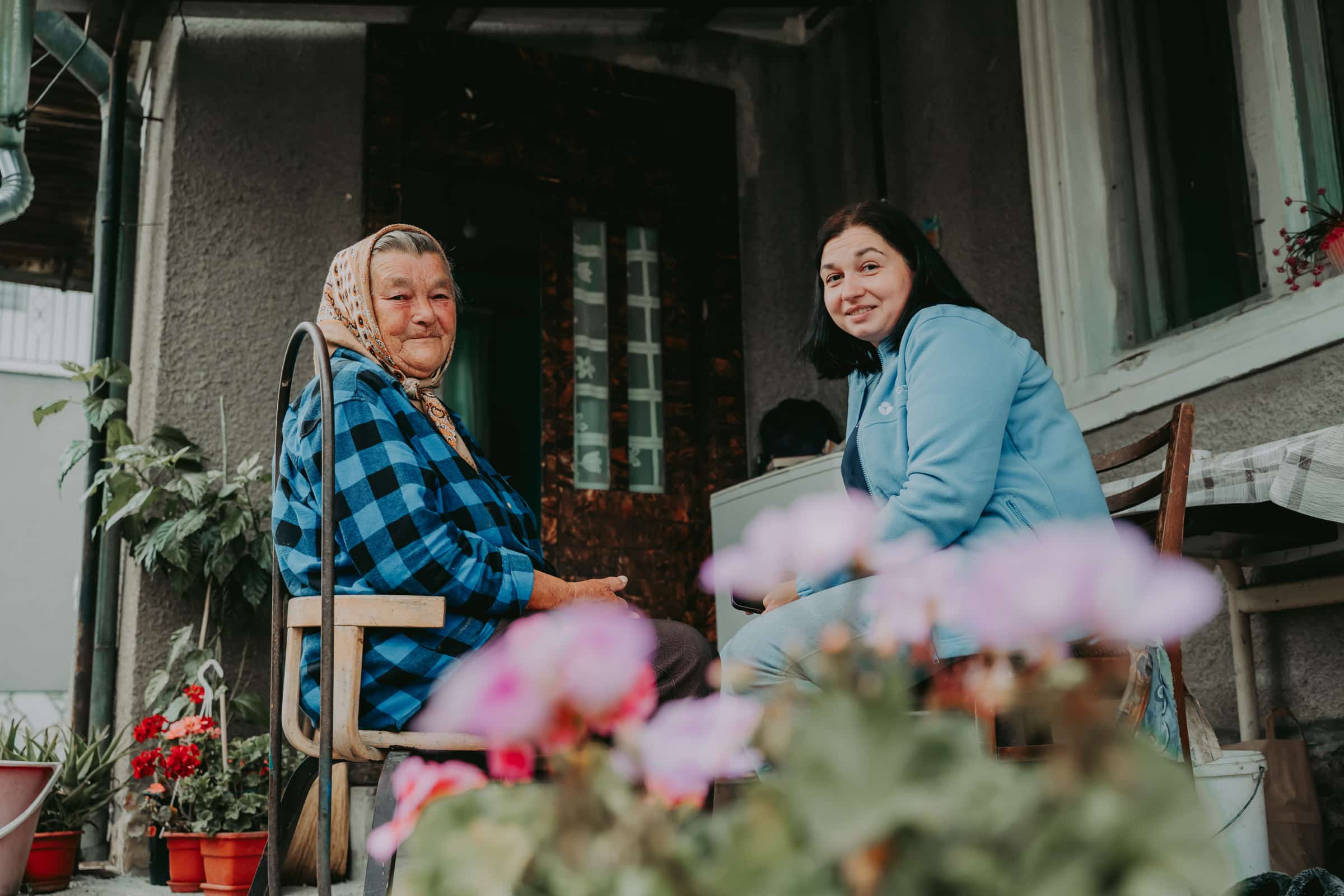
Responsive protection also includes supporting people who experience the psychological and social effects of crises. For example, due to the ongoing conflict in Ukraine, many Ukrainians have experienced increased anxiety and worsened psychological wellbeing. Nadiia is one of them. After her husband passed away and her grandson left to defend the country, she was overcome with fear and needed support. With the MHPSS support she received from Dorcas Ukraine, Nadiia was able to regain her sense of security.
Although this is often the most visible aspect of protection work, it is only one part of a wider system that also includes prevention, recovery, and long-term change.
Promotive protection
Promotive and remedial protection focuses on supporting people to recover from harm and rebuild their lives. It addresses the consequences of past or ongoing violations by supporting individuals and communities through healthcare, psychosocial support and other essential services.
This dimension recognises that protection does not end when the immediate danger has passed. Recovery also means restoring people’s wellbeing, relationships, dignity, and sense of safety.
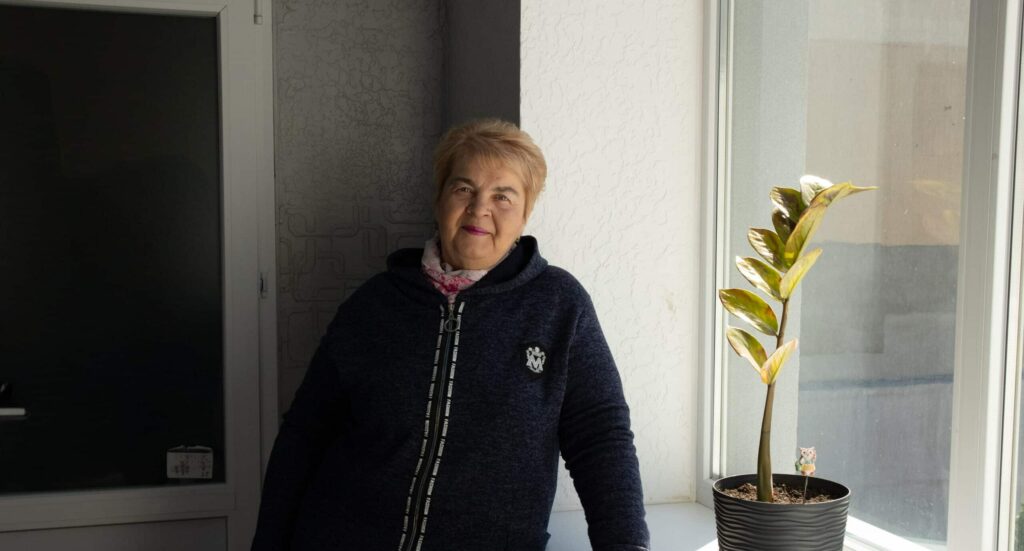
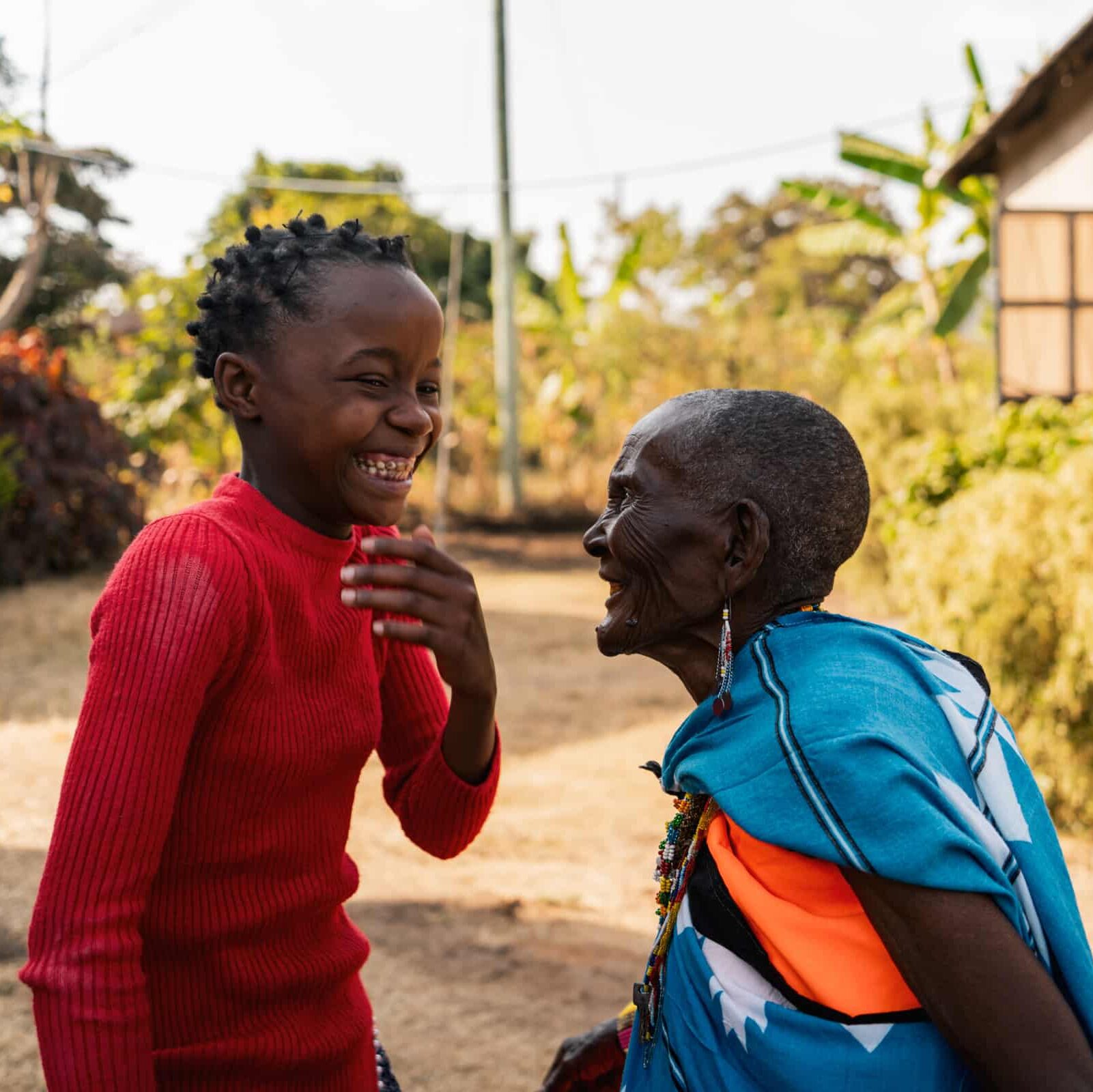
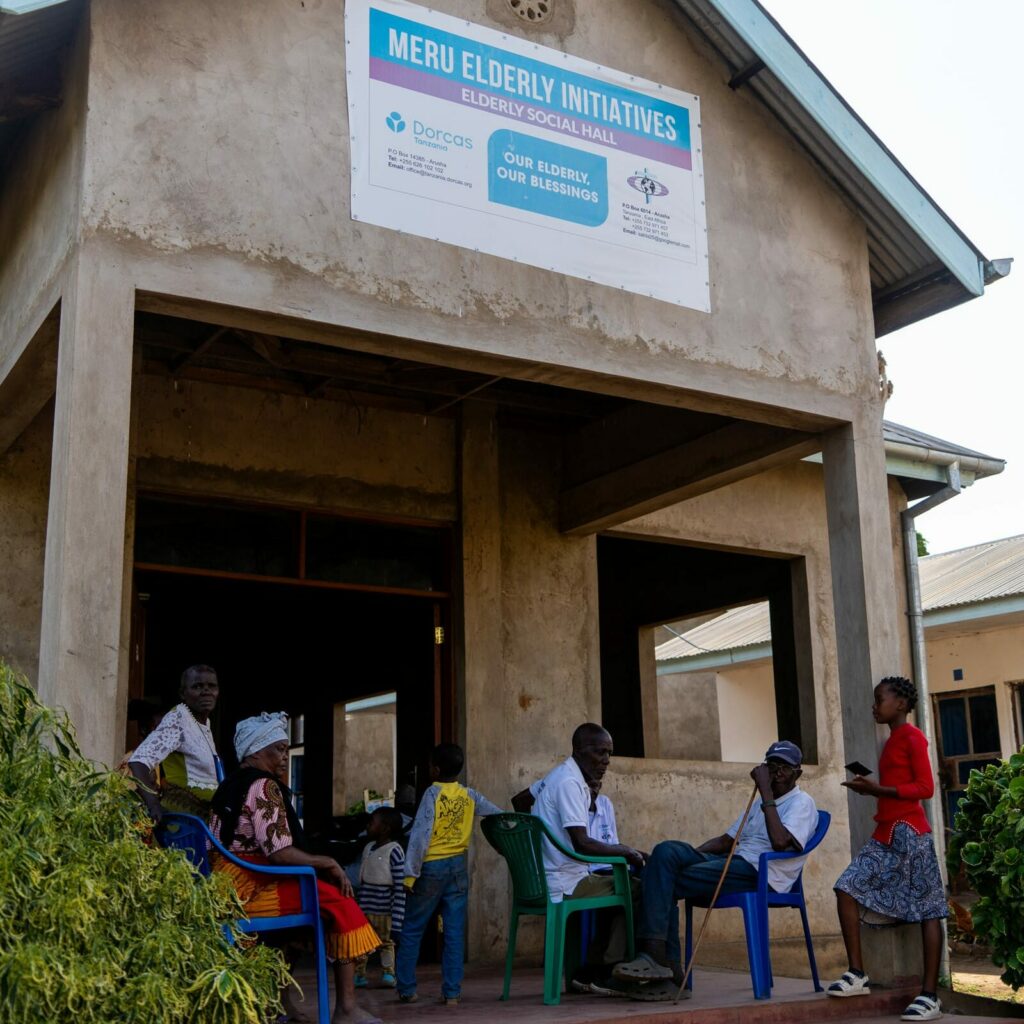
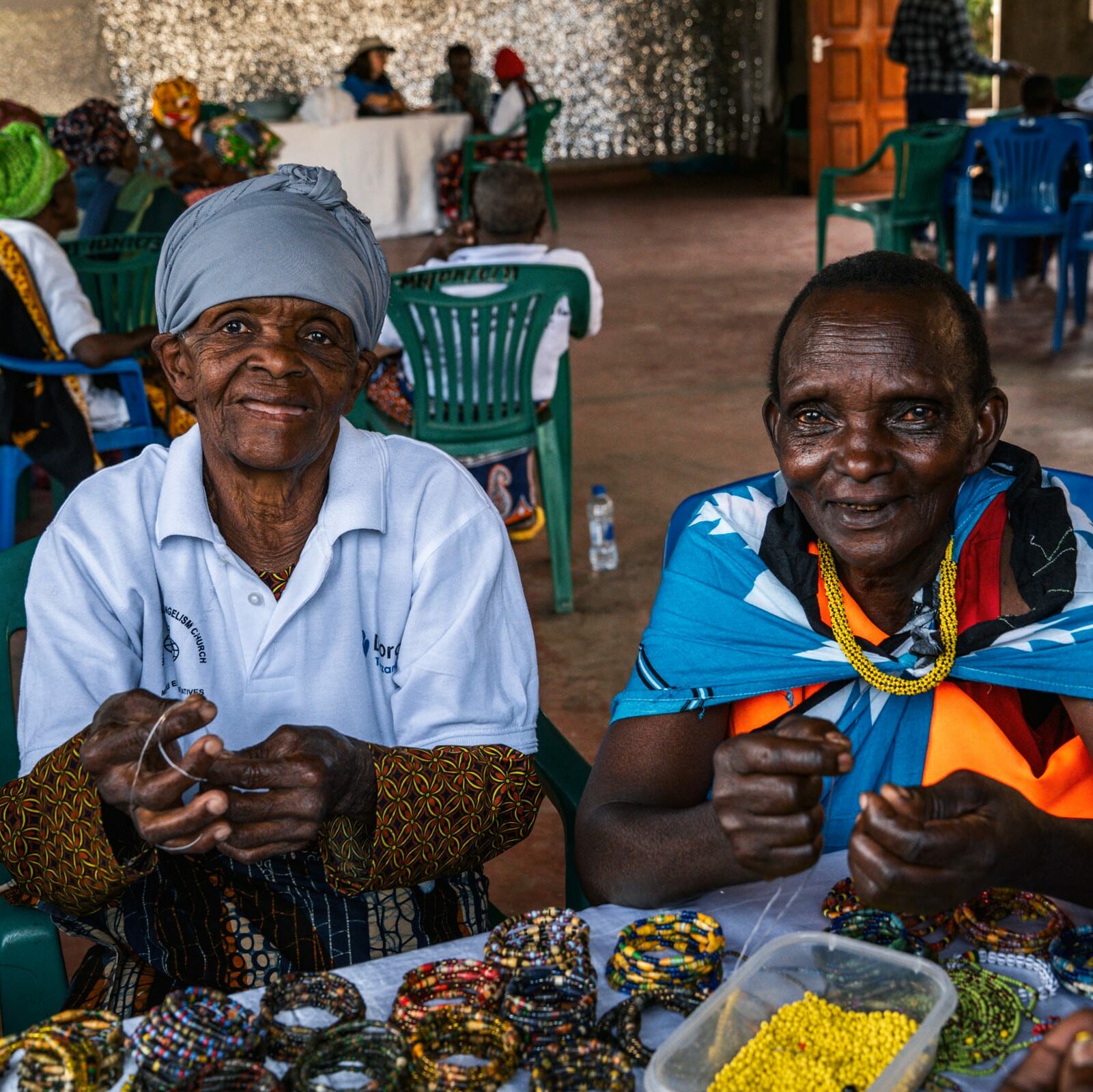
For example, Maria (78) lives in rural Tanzania and is solely responsible for caring for her seven-year-old granddaughter, Queenie. For years, they faced significant challenges. Since joining the Community Safety Net programme of Dorcas Tanzania, Maria has gained access to support that has strengthened her wellbeing, resilience and ability to care for her granddaughter.
Through the programme, Maria received essential items, support from volunteers with household tasks, and opportunities to connect with other older people in her community. Taking part in activities at a local older people’s centre helped reduce isolation, strengthen social connections and restore her sense of belonging. Maria’s story illustrates how promotive and remedial protection supports people not only after harm has occurred, but also in rebuilding dignity, confidence and resilience.
Transformative protection
Transformative protection focuses on addressing the root causes of protection risks. Rather than responding to individual cases alone, it seeks to change the structural, social, and institutional factors that allow harm to continue. This may involve advocacy, changing harmful social norms, strengthening accountability mechanisms, and supporting systems that promote equal rights and reduce exclusion over the long term.
Transformative protection therefore operates at the level of communities, institutions, and society as a whole. For example, advocating for stronger child protection legislation can reduce protection risks for future generations.
How the four dimensions work together
The four dimensions of protection are closely connected. They are not separate stages or a fixed sequence. In practice, several dimensions often come together within a single programme or intervention.
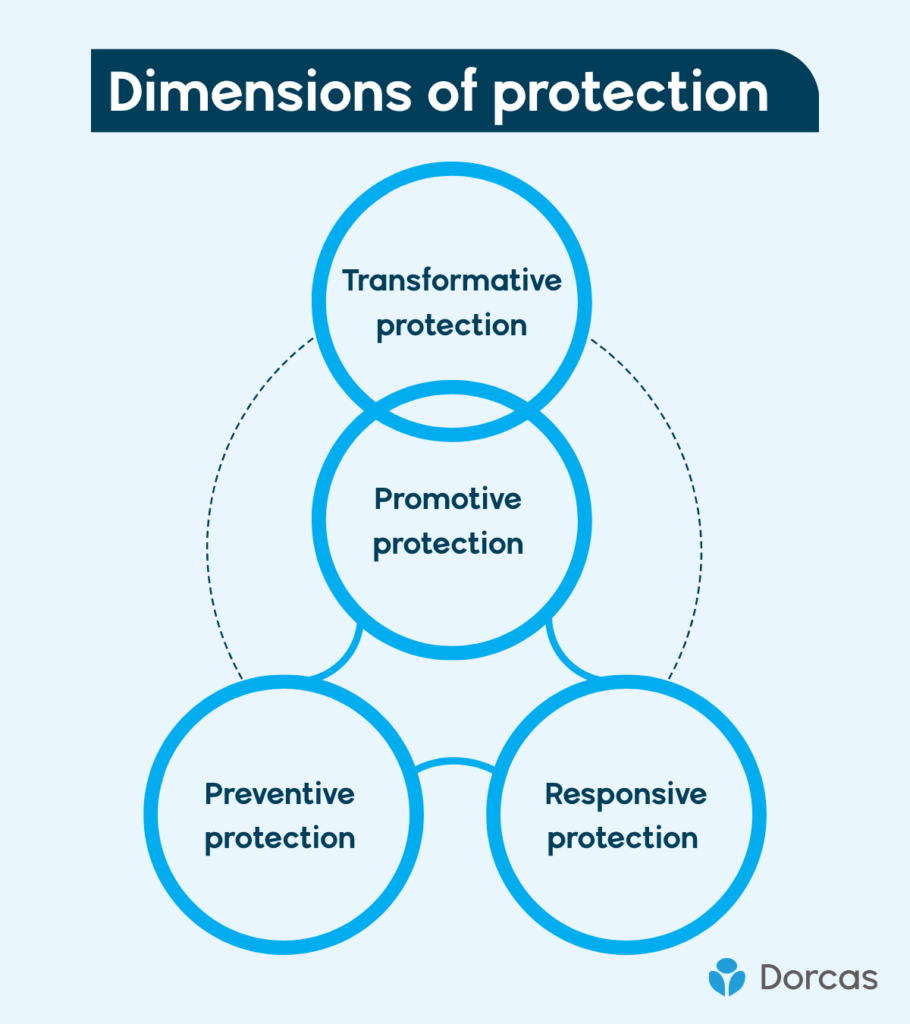
For example, raising community awareness can help prevent future harm, enable earlier identification of protection risks, and contribute to longer-term changes in attitudes and behaviour.
The examples of Nadiia and Maria show how protection can address different forms of harm and vulnerability. While Nadiia received responsive support after experiencing the effects of conflict and loss, Maria’s support focused on rebuilding wellbeing, dignity and inclusion. Both demonstrate that effective protection requires understanding people’s specific circumstances and responding in ways that address both immediate needs and longer-term wellbeing.
Understanding protection in this way shifts the focus from individual activities to a coordinated system of action that addresses risks at different levels. Ultimately, effective protection depends on how these four dimensions reinforce one another. Together, they enable protection to address both immediate needs and long-term change, supporting individuals while also strengthening the systems and communities around them.