Economic resilience for farming families through the PIP approach
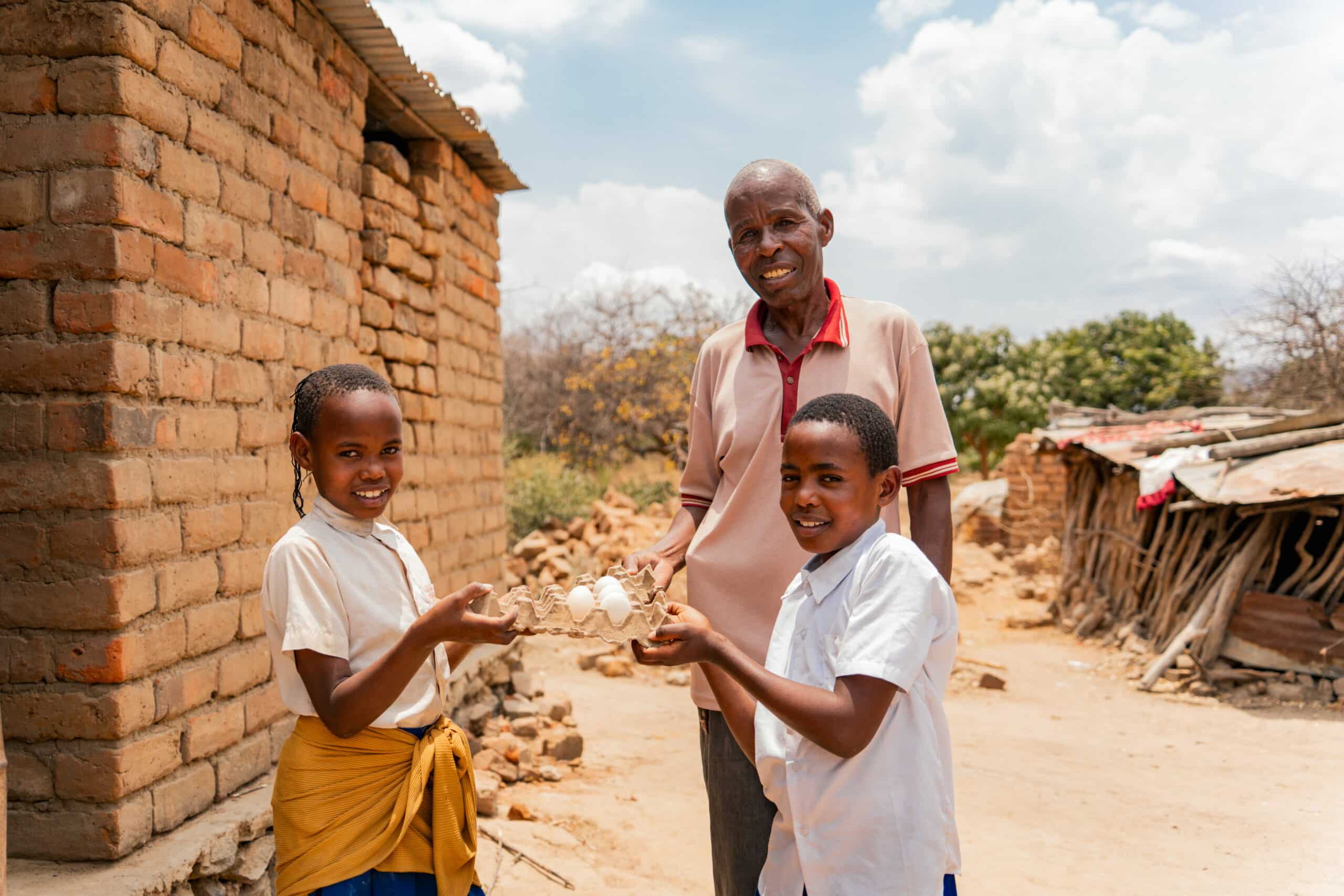
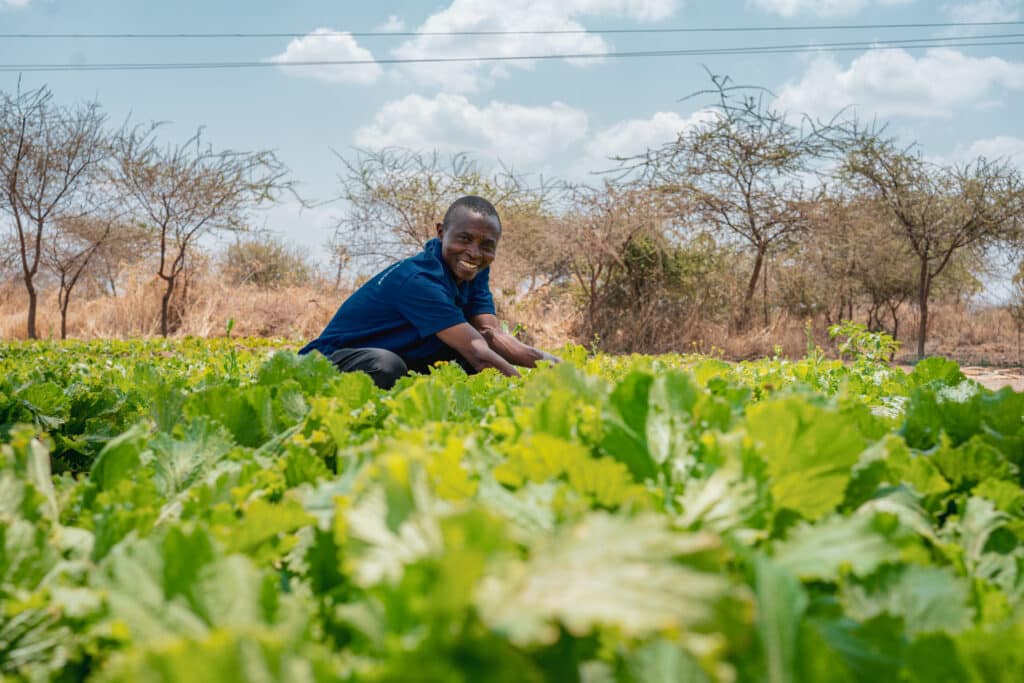
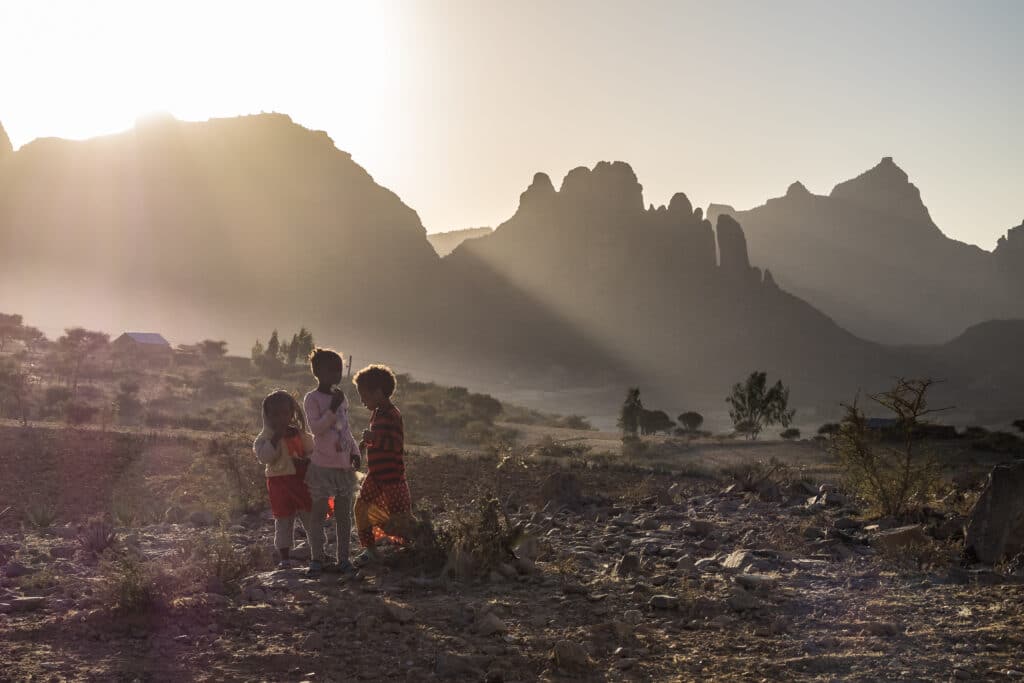
Smallholder farmers in the Chemba region of Tanzania face significant challenges in sustaining their livelihoods. Prolonged drought due to climate change and degraded soils have reduced agricultural productivity, limiting food security and income opportunities. Many households rely on rain-fed agriculture, leaving them vulnerable to failed harvests. The Participatory Integrated Planning (PIP) project addresses these issues by strengthening the economic resilience of farming households. Combining planning, training and sustainable agricultural practices, the project is supporting 750 families to build more stable and diversified livelihoods.
A structured approach to economic development
At the core of the PIP approach lies a participatory planning process. Each household develops its own integrated plan for farming, income generation and wellbeing, covering areas such as crop production, livestock, soil restoration and financial planning.
The whole family is involved, which strengthens ownership and implementation. Dorcas then helps households to translate these plans into practical steps. Farmers also receive training in sustainable agriculture and entrepreneurship, covering topics such as soil improvement, water management, crop diversification and generating small-scale income. They learn to manage resources more effectively and prepare for periods of economic stress. A key element is the multiplier effect: trained farmers share their knowledge within their community.
Improved productivity and increased income
Farmers can increase their yields and restore soil fertility, resulting in more reliable food production and a surplus for the market. This directly increases household income, enabling families to invest in education, healthcare, and housing. Through savings groups, households can also strengthen their financial resilience and reduce their vulnerability to future shocks.
The story of Abdallah and his children
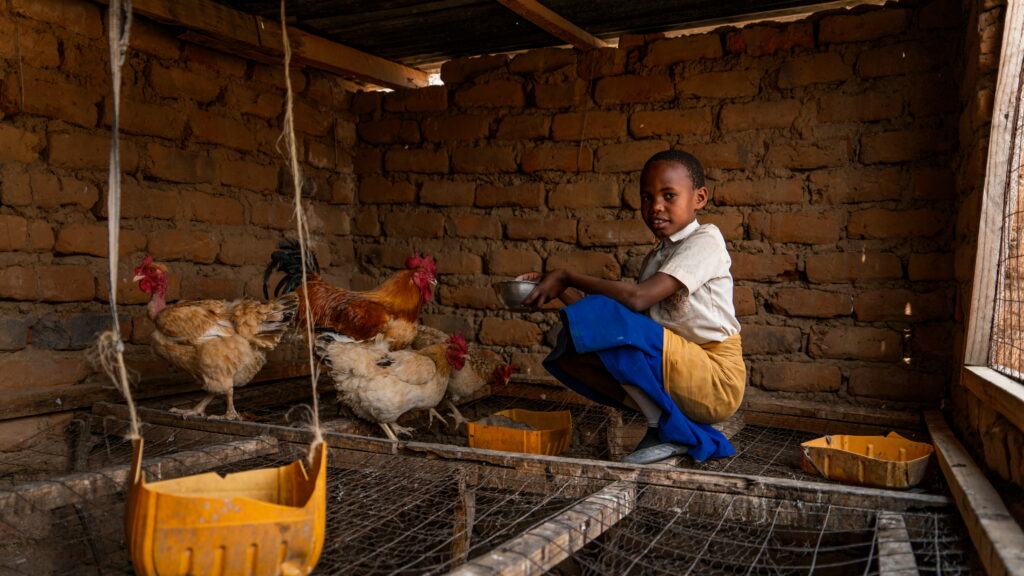
Abdallah Hassani, a farmer in Chemba, has experienced the impact first-hand. He lives with his children, Salah and Saoumou. In 2022, Abdallah joined agricultural projects and training programmes focused on improved farming techniques and planning.
After completing the training, he implemented new methods on his farm. His maize production increased in both 2023 and 2024, with approximately twenty additional bags produced compared to previous years.
This enabled him to sell part of his harvest, generate income and invest in building materials for his home, as well as starting a chicken farm. These improvements have significantly enhanced his living conditions.
In addition to the training, Abdallah received ongoing support in the form of regular visits, which provided him with advice and strengthened his confidence. He also gained access to medical support and awareness sessions, which contributed to his overall well-being.
The impact is also visible within his family. His children attend school, help with daily farm activities, and can pursue their ambitions. For Abdallah, increased productivity has translated into greater financial stability and improved prospects for the future.
Towards sustainable economic development
Through the PIP project, Dorcas invests in long-term economic development. By strengthening skills, improving productivity and enhancing livelihood opportunities, the project contributes to more resilient rural economies.
For the 750 participating families in Tanzania, this means improved livelihoods today and greater opportunities for the future.
In Chemba, these farming households move beyond subsistence towards greater self-reliance. Increased income, improved food security and stronger financial management establish the foundation for sustainable impact.