Dorcas Lebanon
Communities rebuilding with dignity, safety and resilience
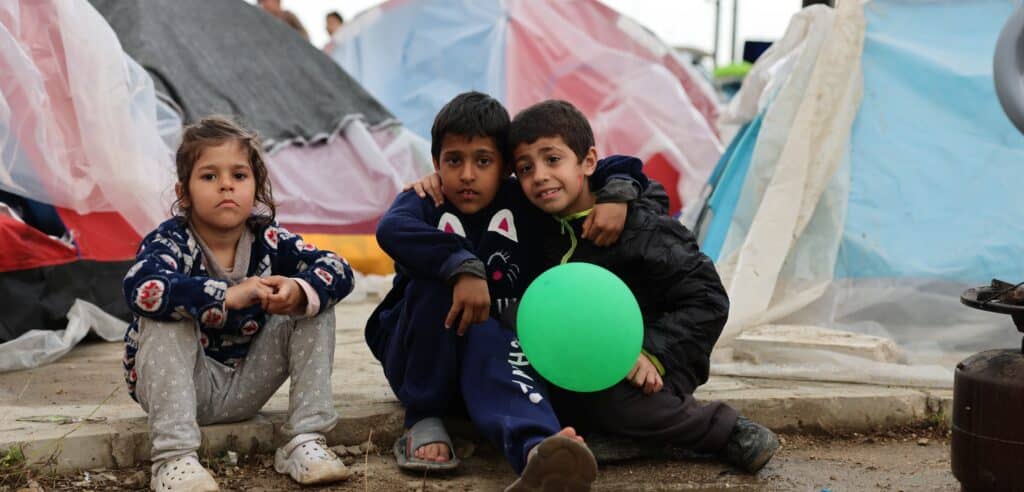
We see people affected by economic collapse, displacement and social instability. Our programmes therefore focus on Crisis Response, Protection, Livelihoods and Food Security, and Community Development. The result is communities that can recover and rebuild.
Context in Lebanon
About Lebanon
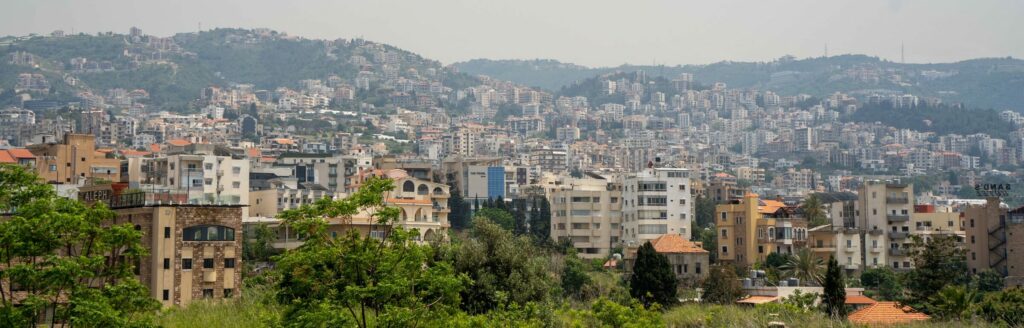
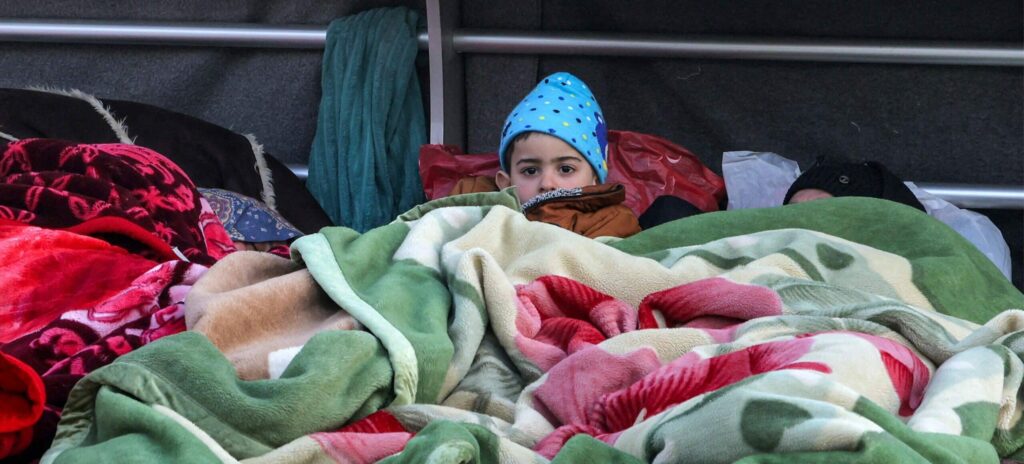
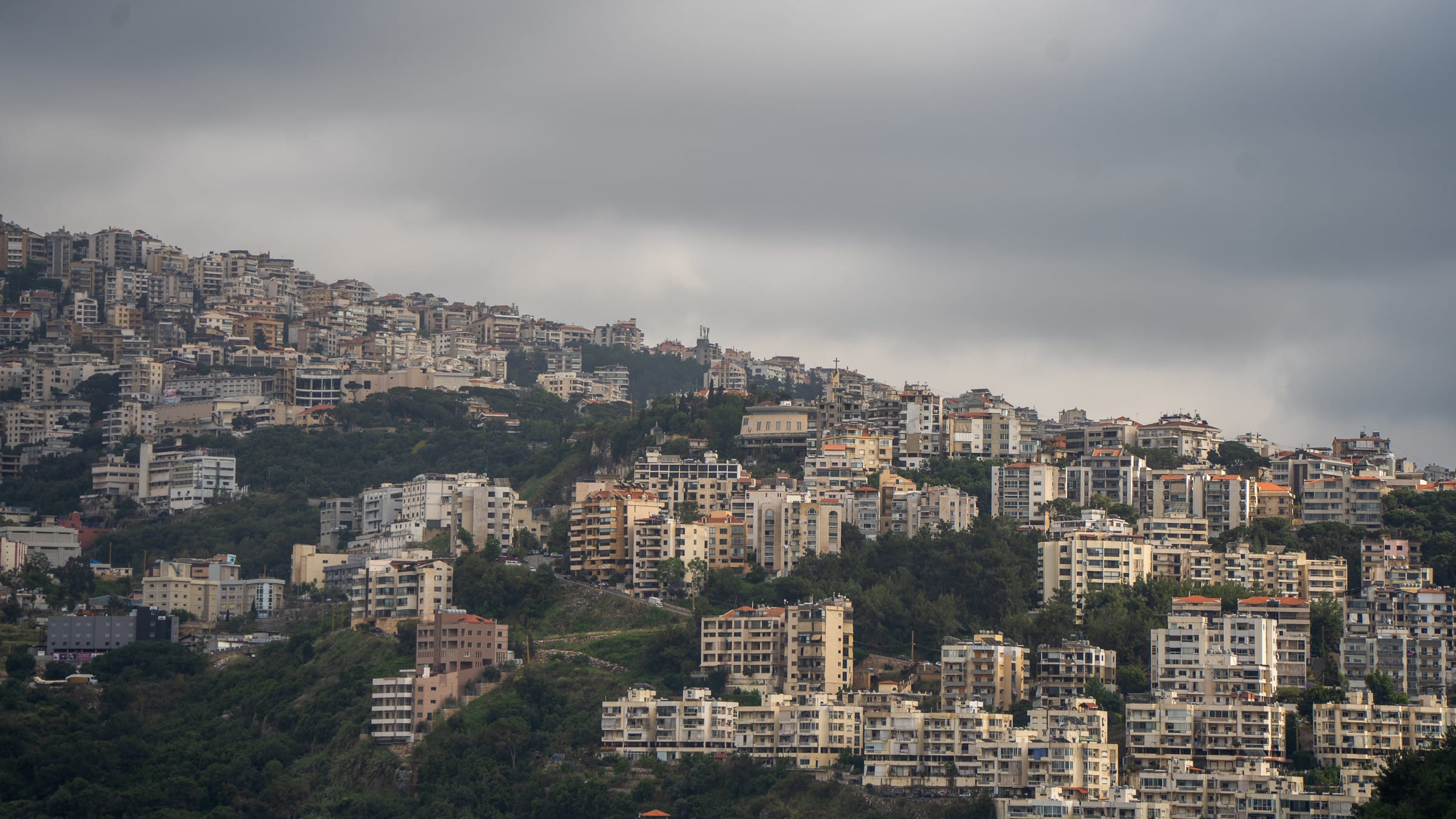
Lebanon faces overlapping crises. Hyperinflation, unemployment and financial collapse have pushed nearly half the population into poverty. The country hosts 1.5 million displaced Syrians and 400,000 Palestinian refugees, many living in extreme vulnerability. Women, children, persons with disabilities, refugees and migrant workers face exploitation, violence and limited access to services. Droughts, wildfires and environmental degradation further worsen living conditions and strain essential services.
Dorcas in Lebanon
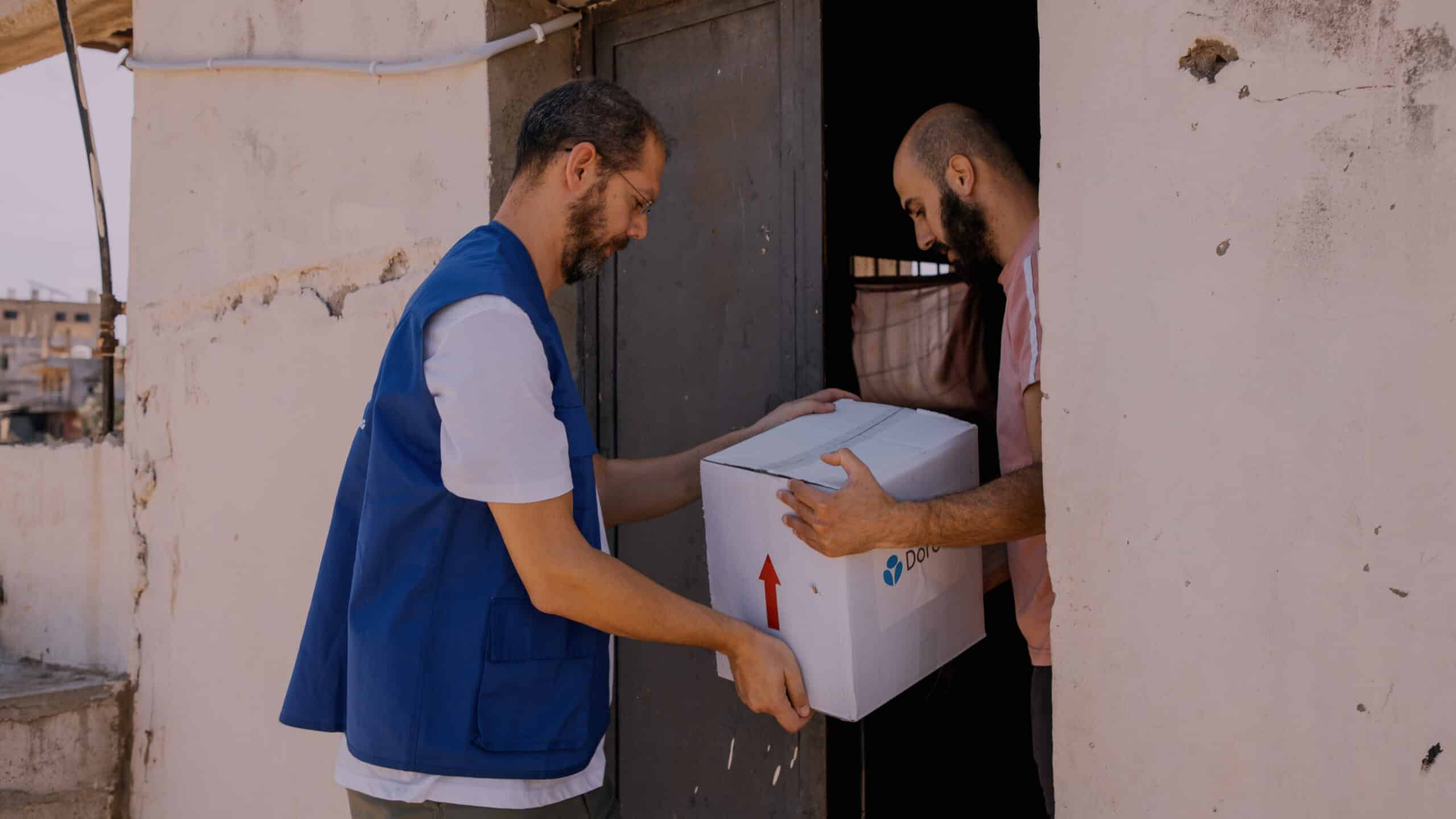
Dorcas has been active in Lebanon since 2014, operating through its local entity Tabitha for Relief and Development. We work through three community centres and a safe shelter, mobile teams in Akkar and the north, and at more than 50 public schools. Our long-term presence and trusted partnerships with government entities, UN agencies, local NGOs, faith-based organisations and municipalities enable us to reach Lebanese communities, refugees, migrants and displaced populations.
By 2030, we envision a Lebanon where:
What we do
Programmatic themes
Dorcas Lebanon works through four programmatic themes. All programmes integrate gender equality, disability inclusion, climate sensitivity and conflict-sensitive approaches. Community ownership ensures sustainability.
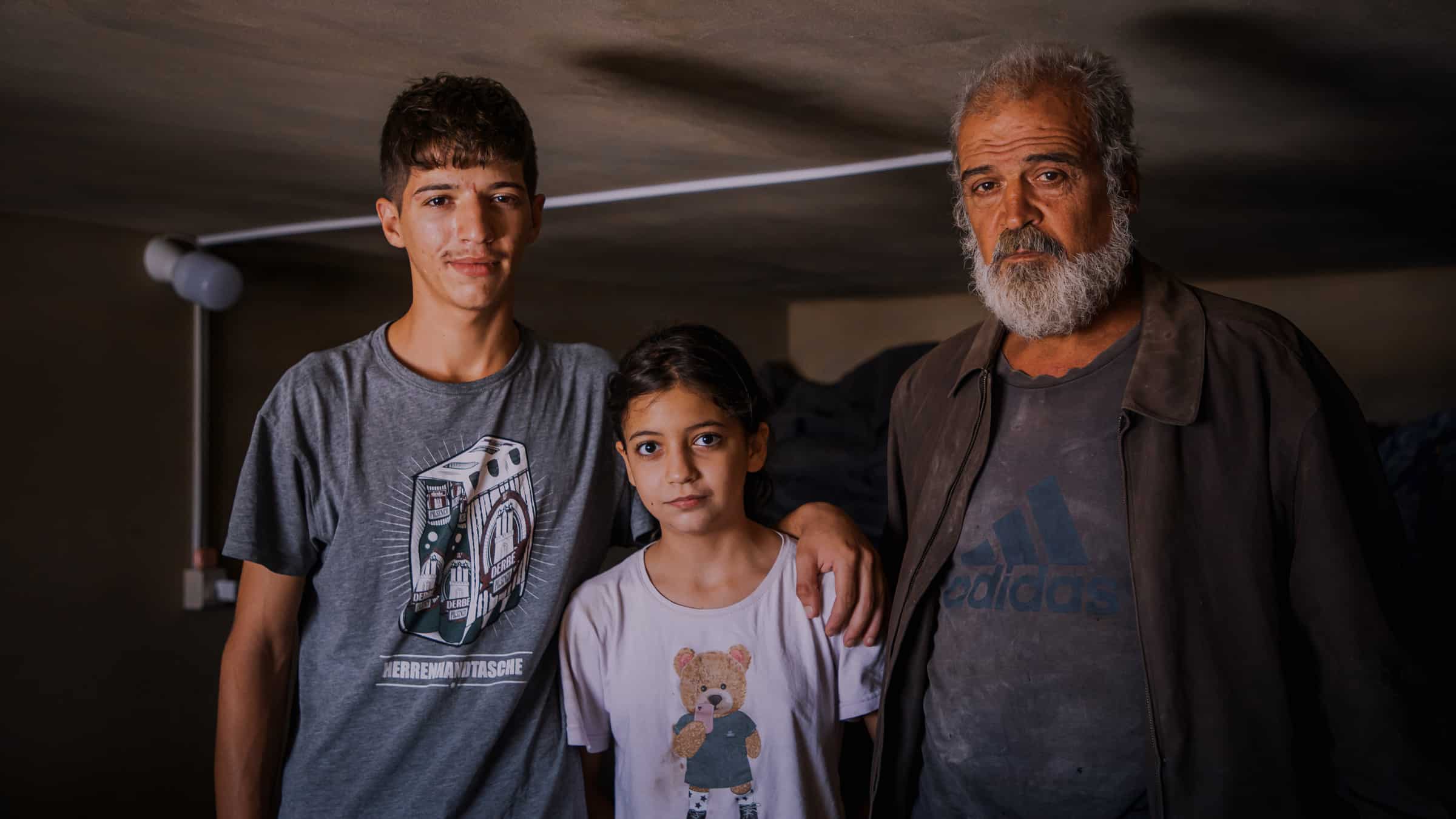
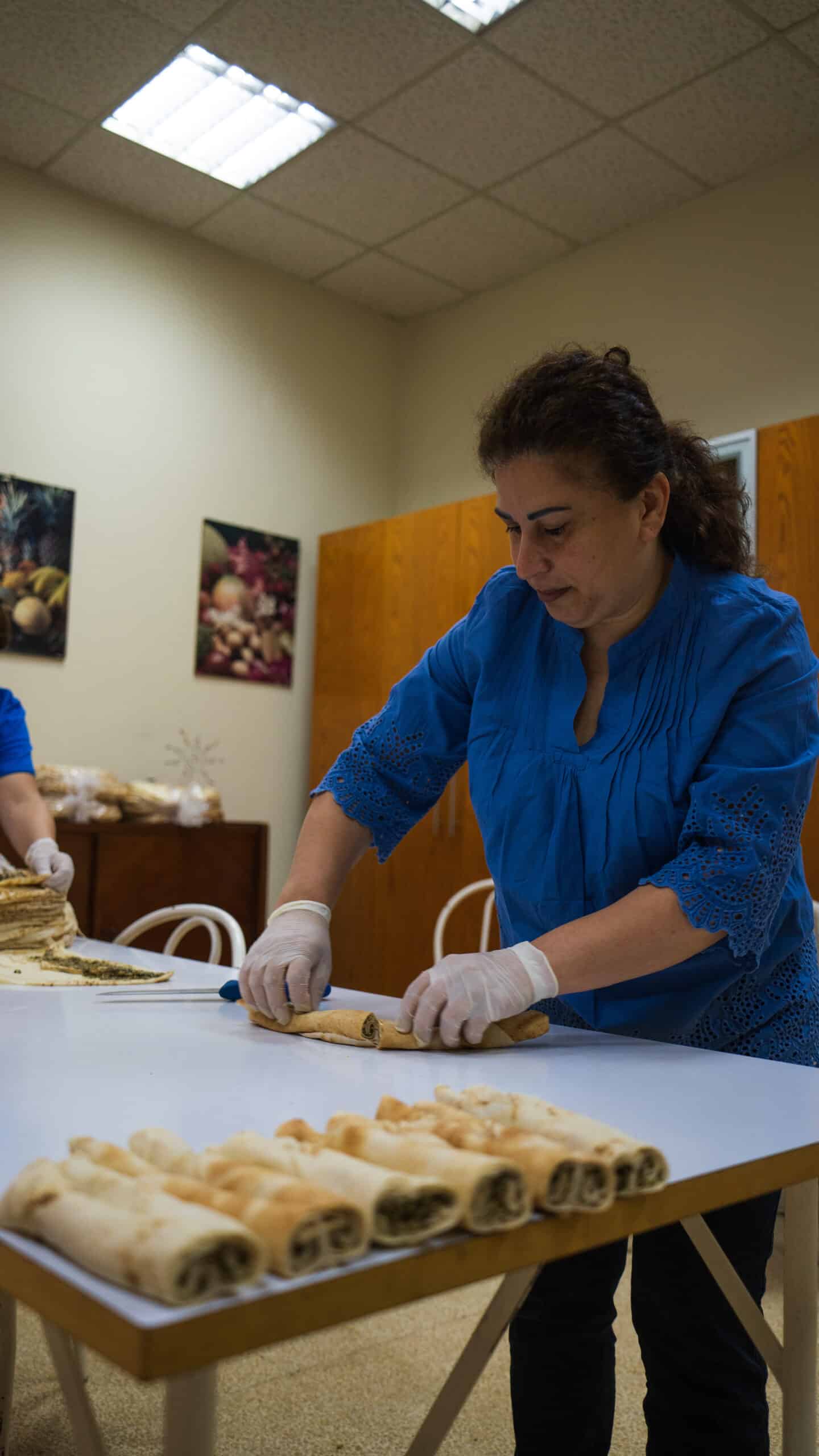
We respond to acute and protracted crises through lifesaving assistance and recovery support. When violence displaced Layla and her children from South Lebanon, Dorcas provided ready-to-eat meals and hot food, offering essential nutrition and dignity during their displacement. We reached 31,047 people in 2025.
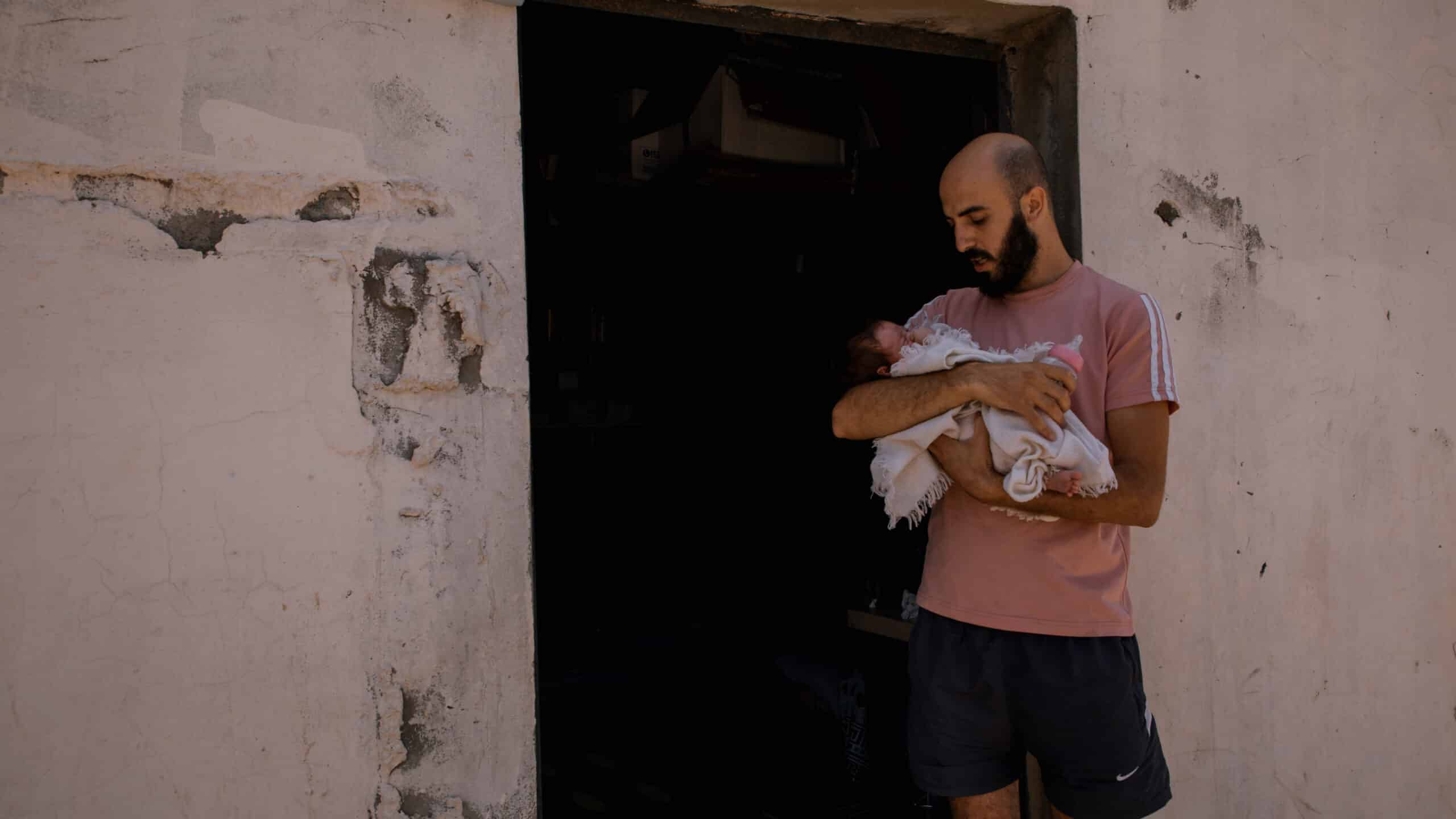
We protect people vulnerable to poverty, exclusion, crisis and violence. Parvin, a migrant worker, found refuge at the Dorcas safe shelter after severe exploitation. She received legal support, therapy and assistance to return home safely. We reached 12,272 people in 2025.
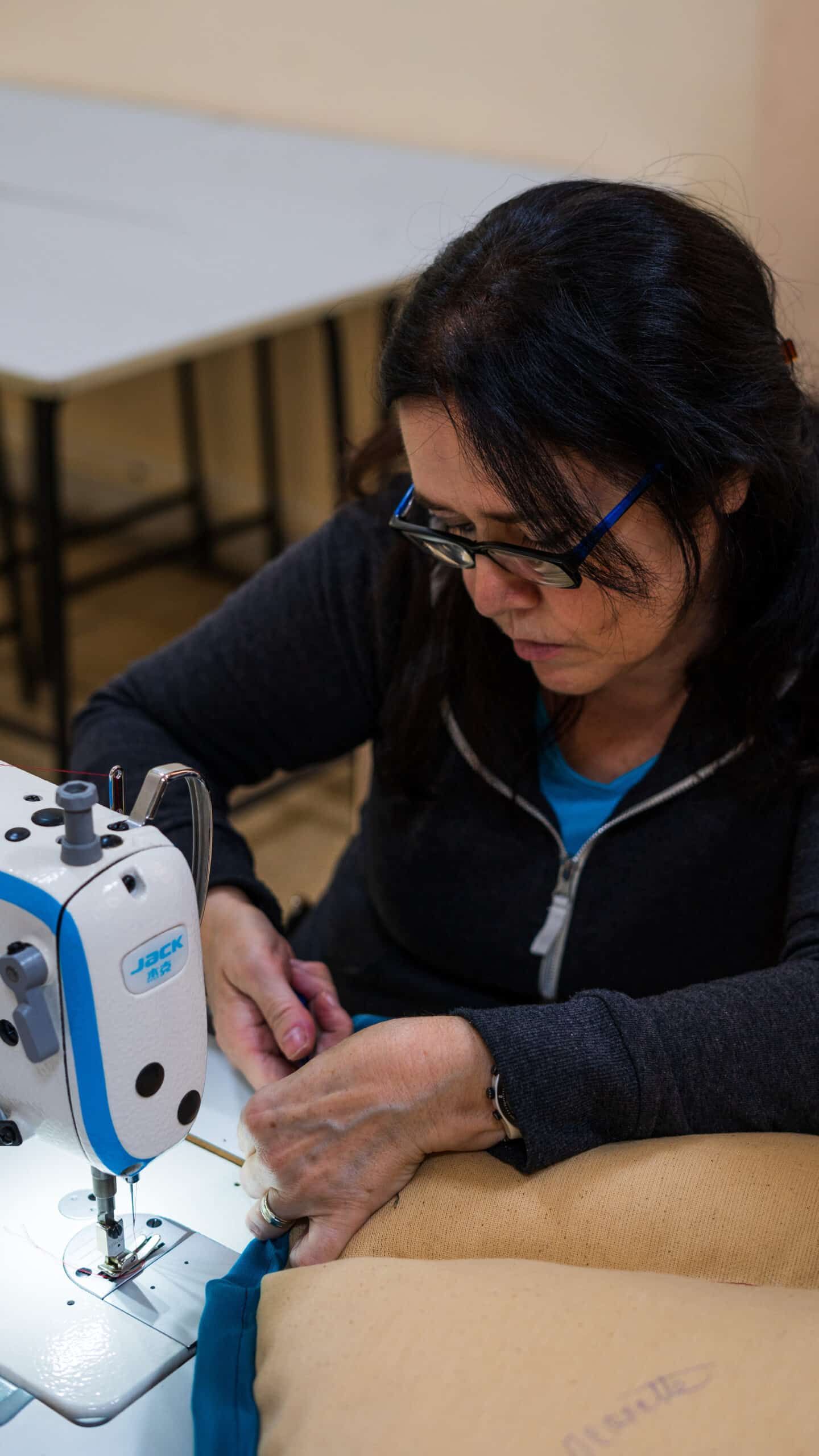
We support people to build sustainable livelihoods and improve food security. Rima, a mother with a motor disability, joined the Dorcas tote bag workshop. She learned sewing, received a machine and now earns income from home.
We strengthen community resilience through collaborative, asset-based and conflict-sensitive approaches. Teachers at the Lebanese School for the Deaf and Blind received self-help training to manage anxiety and stress, enabling them to support students and themselves. We reached 1,123 people in 2025.
Our impact in 2020-2025
Crisis Response
Livelihoods and Food Security
Protection
Community Development
How we work
Local leadership and partnerships
Dorcas Lebanon works with government entities, UN agencies, local NGOs, faith-based organisations and community leaders. Our partnerships are built on trust, shared values and long-term commitment. Together, we create opportunities for communities to flourish.
- Tabitha
- Palestinian Women Humanitarian Organisation (PWHO)
- Migration for Services and Development (MSD)
- Druze Women Association
- Daughters of Charity / Saint Vincent de Paul Center
- MOSA
- Messages de Paix
- LSBD
- Rotary Club of Baabda
- UNFPA
- UNOCHA
- Mary's Meals Foundation
- Ministry of Social Affairs
- Mission East
- Dutch Relief Alliance
- Christian Emergency Aid Cluster
- Terre des Hommes
- World Vision
- Expertise France
- World Food Programme
- Netherlands Red Cross
- International Rescue Committee
- IOM
- LHIF
- Local NGO coordination mechanism in Lebanon
- UN-led coordination mechanisms at governorate level
- UN-led coordination mechanisms at national level through the Lebanon Response Plan (LRP), Sector Working Groups / national sector coordination, including: Cash Working Group, Child Protection, Education, Food Security, Livelihoods, Protection, GBV, Shelter, Social Stability
- Aflatoun International
- AUB NGOi Initiative
- Shared values and mutual respect
- Complementary strengths
- Transparent communication
- Long-term commitment
- Local leadership
- Joint learning and adaptation
Partnership and investment opportunities
We seek partners who share our commitment to climate resilience, local leadership and long-term impact. We welcome programme partnerships, institutional funding, research collaborations and private-sector engagement.
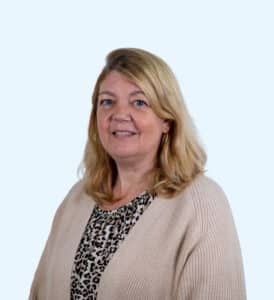
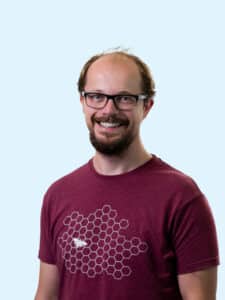
'Working with Dorcas helps ensure strengthening protection services to migrant workers by connecting people to the right support quickly, with dignity, confidentiality and respect.'
Meet our Country Director
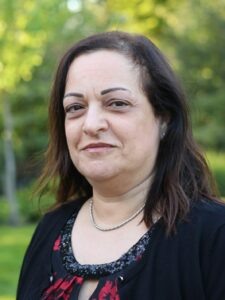
Najla Chahda
'In Lebanon, our vision is to see people and communities flourish, where families can live in safety, access basic services, and rebuild dignity and hope despite crisis. Every day we meet Lebanese households, refugees and migrants who are doing their best to cope with displacement, hunger and protection risks. No single organisation can meet these needs alone. I invite you to explore how you can collaborate with Tabitha/Dorcas Lebanon through funding, expertise, joint programming or advocacy. Together, we can realise our vision for Lebanon.'
Contact
Dorcas Lebanon office
Baabda, Barzilia street, next to Sacre Coeur hospital, behind EBML, Beirut, Lebanon
Downloads
Download our publications about Dorcas Lebanon.