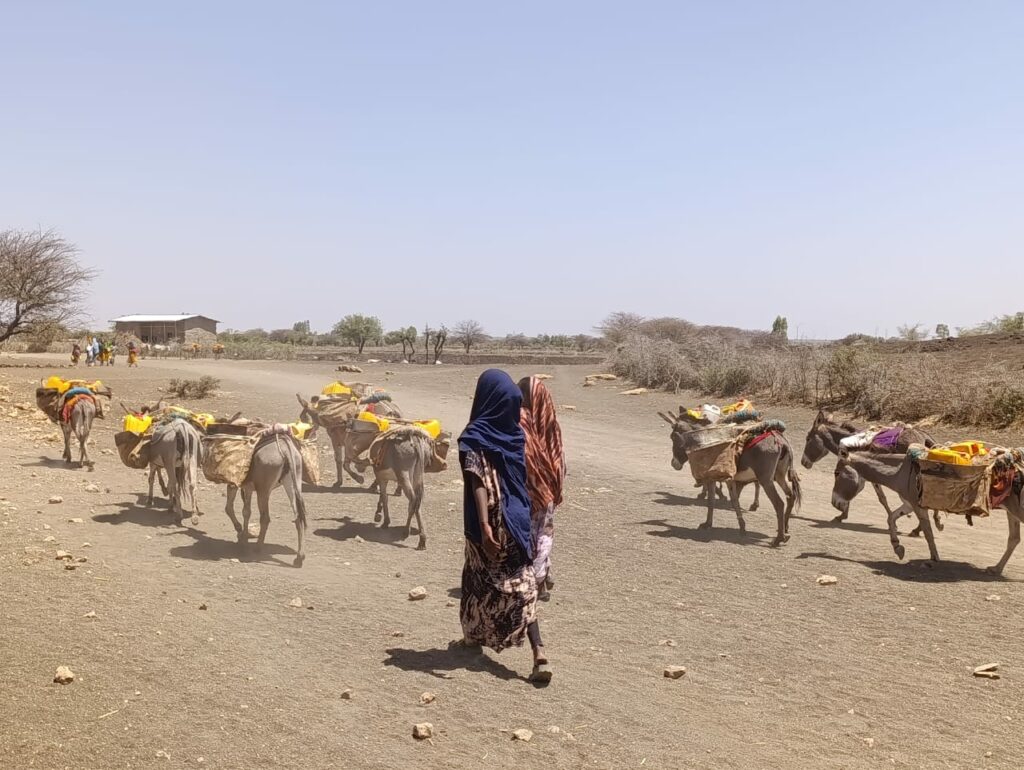
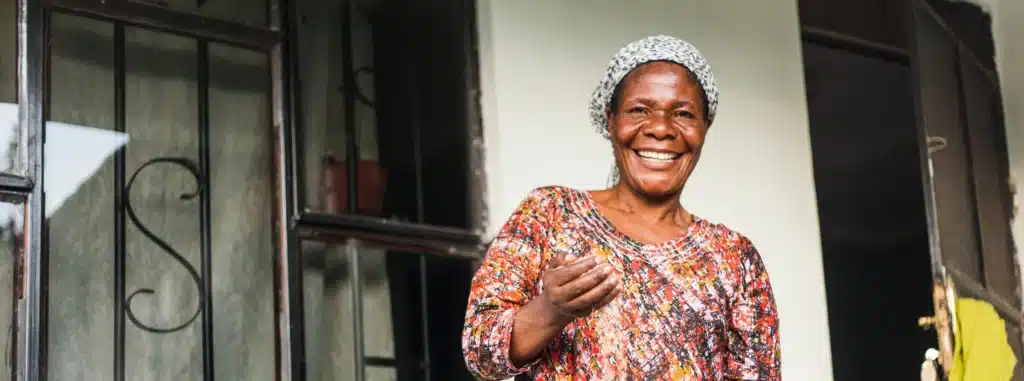
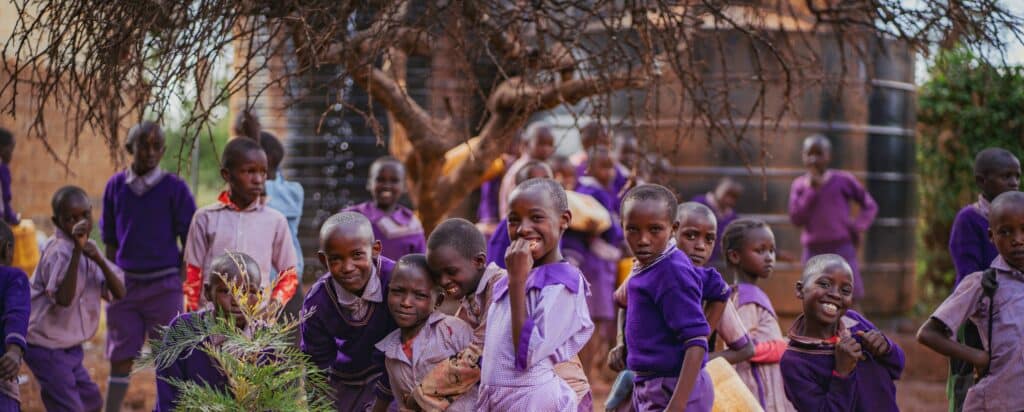
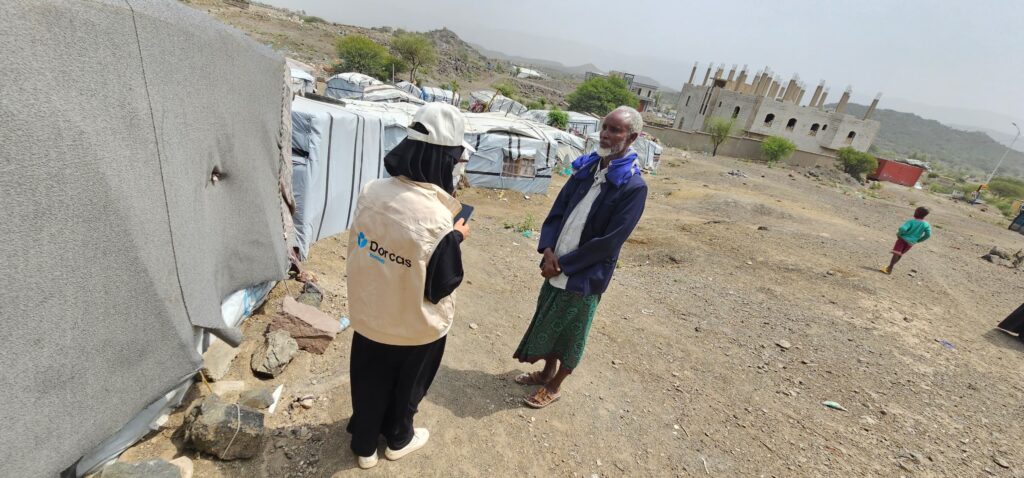
Communities in Fedis and Midega Tola woredas, East Hararge, Ethiopia, are facing acute and rapidly worsening food insecurity following prolonged drought conditions. In response, Dorcas has launched a rapid, multi‑sectoral emergency intervention to support 28,000 drought‑affected people in the Fedis and Midega Tola woredas, as well as surrounding towns and market centres including Harar and Dire Dawa.

Running from 31 January to 16 April 2026, the programme is designed to deliver immediate, life‑saving assistance while helping households stabilise their living conditions and reduce reliance on harmful coping strategies. The intervention is funded by the Start Network and implemented by World Jewish Relief, Dorcas Ethiopia, and Coalition Child Support Association at £350,000.

Targeting those in the most vulnerable situations

The crisis disproportionately impacts people already experiencing multiple vulnerabilities. Dorcas prioritises households headed by women and girls, pregnant and caregiving women, persons with disabilities, older adults, and Indigenous populations. These groups were identified through rapid assessments and community consultations as being at the highest risk of deteriorating food security, protection concerns, and loss of income.

A multi‑sectoral approach to an urgent crisis

To respond effectively to diverse and urgent needs, the programme integrates cash assistance, in‑kind support, WASH interventions, and protection services.

Cash transfers

More than 12,600 people will receive multipurpose cash transfers, enabling families to immediately purchase essential food and basic items. Market assessments confirm that local markets are functional and able to absorb increased demand, making cash the most efficient and dignified means of support.

In‑kind support

An additional 13,850 people will benefit from distributions of food and non‑food items. These include WASH materials, shelter kits and health‑related supplies—items that are critical when household resources are severely strained.

WASH activities

Safe access to water, sanitation and hygiene services is essential to preventing disease outbreaks during food crises. The project therefore restores access to safe water and provides hygiene materials to reduce health risks for affected families.

Livelihoods and early recovery support

In addition to meeting immediate survival needs, the project includes activities aimed at protecting and restoring livelihoods. This includes provision of animal feed to prevent further loss of livestock—an asset central to rural livelihoods in East Hararge.

Protection and psychosocial support

Crises heighten risks of exploitation, violence, and social exclusion. Dorcas therefore integrates safeguarding, psychosocial support, and community‑based feedback mechanisms to protect dignity and ensure assistance is appropriate and accountable.

Measuring impact

Success for this rapid response is defined by measurable improvements in household safety, well‑being, dignity, and coping capacity within a 45‑day window. By supporting both immediate needs and early recovery, the intervention aims to reduce the use of negative coping strategies – such as skipping meals, forced migration, or selling essential assets – and to strengthen resilience ahead of longer‑term recovery efforts.

Building foundations for longer‑term recovery

While this emergency response provides urgent assistance, it also creates a foundation for more sustainable interventions. The combination of cash support, livelihood protection and strengthening of local market systems supports communities maintain critical stability while recovery and development programmes are mobilised.

Dorcas remains committed to standing alongside vulnerable households in East Hararge, ensuring they receive the support they need. Not only to survive the current crisis, but to rebuild their lives with dignity and hope.

Reading time: three minutes.

Dorcas is proud to announce the publication of its strategic plan 2026-2030: Local power creates lasting change. This roadmap sets out Dorcas’s vision for the coming years, focusing on empowering local communities, driving innovation, and creating measurable impact for people vulnerable to poverty, exclusion, and crises.

Facing a changing world

The world is rapidly evolving, with technological, economic, and demographic shifts often hitting the most marginalised the hardest. Dorcas recognises that the needs of the communities it serves are growing, even as funding environments become more challenging. From climate-induced agricultural issues in Africa to ongoing conflicts in the Middle East and the isolation of older people in Eastern Europe, Dorcas’s mission is more vital than ever.

Three pillars for impact

The new strategic plan is built on three core pillars:

  • Grow: By 2030, Dorcas aims to reach 1.5 times as many people as our income increases over 60 million euros and a significant increase in volunteers and supporters.
  • Quality: By 2030, Dorcas has a clear track record, invests in quality standards and continuous improvement to ensure its support leads to lasting, positive change.
  • Positioning: Dorcas seeks to be recognised as a leading international partner in humanitarian and development cooperation, with a strong presence in the Netherlands and beyond.

Seven programmatic themes

Dorcas will apply seven programmatic themes to sharpen expertise, strengthen its track record, and define clear organisational positioning. By 2030, Dorcas aims to harmonise and standardise our approaches resulting from these themes through a lens of inclusion and vulnerability, with community-based programming as our core approach.

Dorcas’s approach is defined by the following programmatic themes:

  • Crisis Response
  • Protection
  • Community Development
  • Climate Adaptation
  • Water
  • Livelihoods and Food Security
  • Economic Development

These themes guide Dorcas’s work across the Middle East, Eastern Europe, and Eastern Africa.

Empowering local communities

A key feature of the strategic plan is the commitment to localisation. Dorcas will invest in building the capacity of local partners and country offices, shifting expertise and resources closer to the communities served. By 2030, country offices will have expanded their programme portfolios by 40 per cent, strengthening both their sustainable presence and overall impact.

Innovation and collaboration

Dorcas will foster a culture of innovation, investing in new ideas and partnerships to address emerging challenges. The organisation will also strengthen its fundraising, aiming to double its supporter base and become the largest charity thrift store chain in the Netherlands.

Looking ahead

Dorcas’s strategic plan 2026-2030 is a response to a fragile and unpredictable world. By focusing on local power, operational excellence, and strategic partnerships, Dorcas is committed to enabling people and communities to flourish in the face of adversity.

Read the full strategic plan:

Dorcas Strategic plan – Local power creates lasting change [2026-2030]Download

Reading time: two minutes.

Yemen is facing one of the world’s most severe humanitarian crises, with an estimated 21.6 million people requiring humanitarian assistance in 2025. Despite this urgent need, attention and humanitarian funding remain far too limited. The country is also experiencing a critical public health and protection emergency, with widespread outbreaks of waterborne diseases including cholera, acute watery diarrhoea (AWD), measles, diphtheria, dengue fever, malaria and vaccine-derived polio.

The World Health Organization (WHO) has issued an urgent appeal for emergency health funding, as millions of lives are at risk. Health services in Yemen are overstretched and unable to meet the demands of this major emergency. Approximately 19.6 million people lack access to even the most basic healthcare, and hundreds of healthcare facilities are at risk of closure. Climate-related disasters, such as floods, are increasingly affecting people’s lives and damaging health infrastructure, further exacerbating the situation.

Crisis response by Dorcas

Dorcas is responding to this devastating humanitarian crisis, specifically the cholera outbreak, which has seen 72,144 confirmed cases and nearly 300 fatalities since 2024. In collaboration with the Ministries of Health and Water, we are implementing a multi-sector programme in Taiz and Aden. The project provides urgent water, hygiene and sanitation (WASH) support to people in need, including internally displaced persons (IDPs) and returnees. This will restore access to safe drinking water, prevent the spread of disease, reduce infection risk for the most vulnerable communities, while building their capacity to respond to health emergencies.

To deliver this support, the programme focuses on the following activities:

Activities in Taiz:

Activities in Aden:

These efforts aim to reduce the spread of disease, improve community health and ensure access to vital services during the outbreak. Dorcas is committed to both providing much-needed humanitarian assistance and working towards sustainable solutions in Yemen.

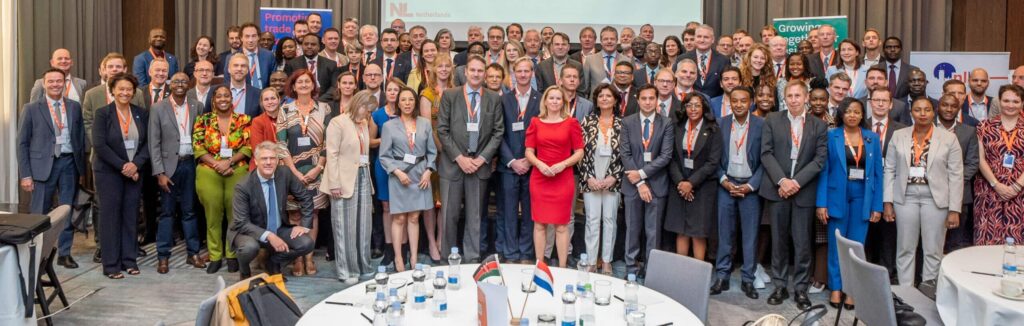
Dorcas took part in the Netherlands Trade Mission to Kenya from 17–20 March 2025. Focusing on sustainable agriculture and water, the mission provided a valuable platform for engagement, collaboration and visibility. The event was led by the Dutch Minister of Foreign Trade and Development Cooperation, Reinette Klever, and timed to coincide with the State Visit of King Willem-Alexander and Queen Máxima. It brought together key stakeholders from government, the private sector, development organisations, and research institutions.

Highlighting the Siaya Water and Sanitation Project 
One of the key moments for Dorcas was our presentation on the Siaya Water and Sanitation Project. Edwin, Country Director of Dorcas Kenya, and Daniella, Thematic Expert, shared insights on our partnership with Maji Milele, Siaya County Government, North Gem CDP and Netherlands Enterprise Agency (RVO). The Public Ownership-Private Management model used in this initiative received significant interest, with several organisations expressing a desire to replicate and scale up the approach in other regions. This underlines the growing demand for sustainable water solutions in Kenya.

So far, the project has had a substantial impact, providing access to safe water for more than 115,000 people and improved sanitation for more than 97,000 people.

Learn more about the impact by watching the video below:

Building partnerships and looking ahead 

Dorcas participated in a series of high-level meetings, networking events and site visits. These engagements enabled us to connect with new partners who share our vision for sustainable development. We explored opportunities to collaborate with various organisations interested in sustainable agriculture and water solutions. 

Participation in this mission has considerably boosted Dorcas’ visibility among key stakeholders in both Kenya and the Netherlands. The interest in the Siaya model, coupled with promising new contacts, offers exciting opportunities for future collaboration.

This mission reaffirmed our commitment to impactful and sustainable solutions in water and agriculture. We look forward to furthering our work for communities in Kenya and beyond.  

Learn more about Dorcas Kenya.

Dorcas Kenya has successfully completed the Siaya Water and Sanitation Project, enhancing sustainable access to clean drinking water and improving sanitation facilities in Siaya County.

The project is funded by the Netherlands Enterprise Agency in partnership with the County Government of Siaya, Maji Milele, and North Gem. The initiative focused on the rural population, which constitutes 89% of the county’s residents, of whom only 36% had access to clean water before the project. 

Through the rehabilitation and augmentation of four water schemes, we have significantly improved water access, reaching 115,358 people with clean drinking water, 91,295 of whom regularly use the water facilities. Households with individual connections now consume an average of 30 litres per day, translating to 5 litres per person, while those relying on communal water points consume 16 litres per day, or 2.7 litres per person. Individual connections significantly enhance daily water availability and contribute to improved health and hygiene compared to communal water points. 

In terms of sanitation, the project has made notable progress. Before the project, only 49% of the population had access to improved sanitation facilities, with 20% practising open defecation and 31% using unimproved toilet facilities. Now, 92,727 people have access to improved sanitation facilities. Our efforts also focused on sanitation marketing, helping the community improve their sanitation practices following the declaration of Siaya County as open defecation free (ODF). 

Training and employment have been key components of this project. We trained 166 change agents who reached 64,395 people with awareness programmes. Women now make up 36.7% of the leadership within the Schemes Supervisory Boards. Out of 225 direct jobs created, 119 were filled by women, and 38 out of 68 entrepreneurs engaged in WASH-related products are women. 

Support for highly marginalised groups has been a priority, with 1,967 individuals receiving 60 litres of water per household per day free of charge and 504 households provided with improved sanitation facilities. 

This project represents a significant advance towards achieving SDG 6 and ensuring that everyone has access to clean water and proper sanitation. Our End Time Evaluation (ETE) suggests that we should increase facilities, such as equipment for moulding and shaping materials, which artisans use to create or repair items and adopt a market-based approach to improve sanitation. We are dedicated to building on these achievements to ensure long-lasting benefits for the community. 

Clean drinking water is not merely a convenience, it is a fundamental human need and a cornerstone of public health. However, millions of people around the globe still lack access to safe water sources, leading to severe consequences for their health, livelihoods, and overall well-being. Understanding the gravity of this issue is pivotal, as is the urgent need to address it effectively.

Consequences of inadequate access

The ramifications of inadequate access to clean drinking water are profound and far-reaching. According to recent data from the World Health Organization (WHO) and UNICEF, approximately 785 million people worldwide still lack even a basic drinking-water service, with many more consuming water that is contaminated or unsafe. This precarious situation exposes individuals and communities to a myriad of health risks, including waterborne diseases such as cholera, typhoid fever, and diarrhea, which claim the lives of over 2 million people annually, predominantly children under the age of five.

Moreover, the absence of clean water perpetuates a cycle of poverty, hindering economic development and exacerbating inequalities. Without access to safe water for drinking, cooking, and sanitation, communities struggle to maintain good health, attend school regularly, or pursue livelihood opportunities, trapping them in a cycle of poverty and deprivation.

Importance of clean drinking water

Ensuring universal access to clean drinking water is not just a matter of basic necessity: it is a fundamental human right. Clean water is indispensable for maintaining health, sanitation, and dignity. It serves as a cornerstone for sustainable development, empowering individuals and communities to thrive economically and socially. Additionally, adequate water access is crucial for achieving various Sustainable Development Goals (SDGs), including those related to health, education, gender equality, and poverty eradication.


Agnes Kroese, CEO of Dorcas recently visited Yemen. She met with a wide variety of people, all with one commonality: limited access to clean drinking water.

Armed conflicts and humanitarian crisis have caused Yemenis to seek safer refugee. Many have been living in camps for years.

“I was in one of these camps: a barren, open plain. There was no water to be seen in the wider area. When I asked for drinking water, one of the women showed me a jerrycan. The water in the jerrycan ws clearly polluted.

Agnes Kroese, CEO Dorcas

Role of Dorcas

As a humanitarian organisation committed to addressing the structural causes of poverty and exclusion, Dorcas exemplifies core values such as compassion, justice, and stewardship in its efforts to improve access to clean drinking water. Through targeted interventions and community-led initiatives, Dorcas works alongside communities in vulnerable situations to implement sustainable water solutions that meet their specific needs and circumstances.

Practical solutions

Addressing the global water crisis requires a multifaceted approach that combines infrastructure development, community engagement, and policy reform. Practical solutions include:

The consequences of limited access to clean drinking water are profound and multifaceted, affecting health, livelihoods, and overall well-being. Addressing this global challenge requires collective action, guided by principles of compassion, justice, and stewardship. By investing in practical solutions and empowering communities, we can ensure that everyone, regardless of their circumstances, has access to this essential resource and the opportunity to lead healthy and dignified lives. As we strive towards this goal, organisations like Dorcas play a crucial role in catalysing positive change and transforming the lives of those in need.


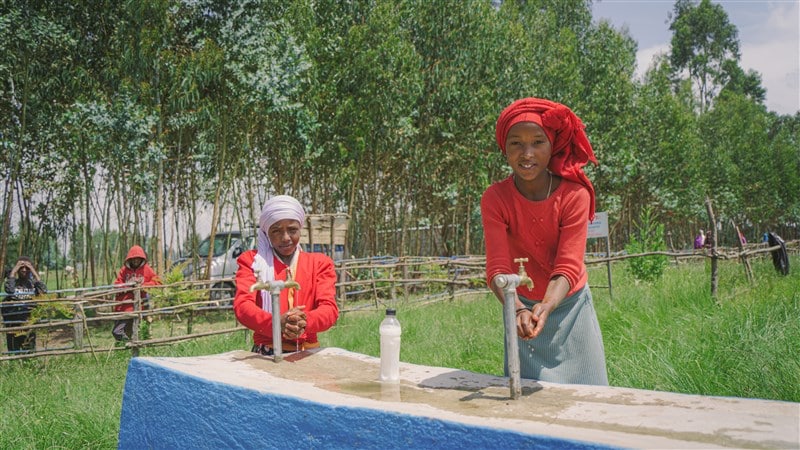
Around the world, as many as one in four people have no access to clean drinking water. Clean drinking water is of vital importance. Dorcas supports communities to improve access to clean and safe water. We do this by, for example, repairing boreholes in Iraq, distributing water in Yemen and building new water taps in Mozambique, Kenya and Ethiopia. Or by installing solar panels so that existing boreholes can be put to better use. In Mozambique, the limited access to safe drinking water causes major problems. With WaterTime, Dorcas Mozambique has improved the access of safe and clean water.

>> Dorcas organises Water Power (Actie Waterkracht) campaign to raise awareness about the lack of access to clean drinking water. More details on this campaign (in Dutch) via Actie Waterkracht.


Written by: Agnes Kroese, CEO of Dorcas

From all sides, women and children come running. By their side, a donkey with empty jerry cans. I am in Yemen. This mountain village depends on only one well. And this well only works when there is electricity. On average, this is maximum one hour per day. On average, because the last time the water pump worked was over two days ago. By now, all the jerry cans have been emptied to the last drops. No wonder everyone rushes to the water pump now that there is electricity for a moment. Water is literally vital in this parched area.

Yemen is located in the southwest of the Arabian Peninsula. It is a beautiful country with a rich culture. The Romans called Yemen ‘Arabia Felix’, Happy Arabia. Nowadays, Happy Arabia is hard to find. These days, we mainly know Yemen for the armed conflicts and the humanitarian crisis.

Flood

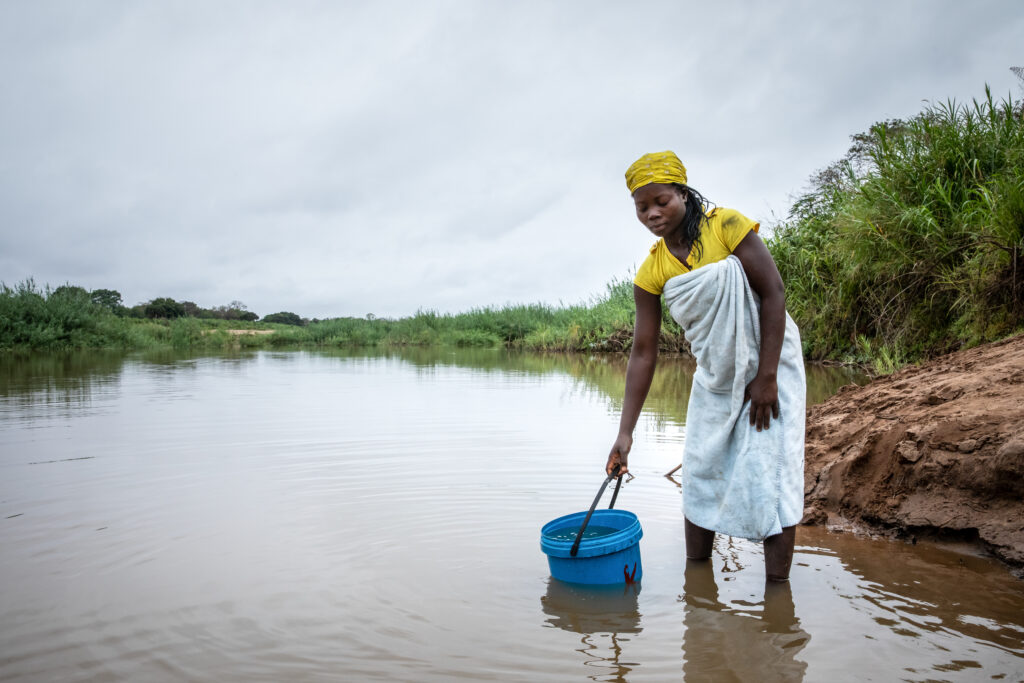
Due to these problems, Yemenis have fled massively. Many have been living in camps for years, both inside and outside the borders. I was in one of these camps: a barren, open plain. There was no water to be seen in the wide surroundings. When I asked for drinking water, one of the women showed me a jerry can. The water inside smelled and was clearly heavily contaminated.

One in four

Unfortunately, the water problems in Yemen are not unique. Worldwide, as many as one in four people lack access to clean drinking water. With serious consequences: people suffer from thirst daily, become ill, and get diarrhea, cholera, and typhoid. Due to climate change, the water problem is likely to only worsen in the future.

Bright spots

It could make you feel hopeless, but fortunately, during my visit, I also see bright spots. Like the extra wells we dig and the latrines being built. Or the installation of solar panels, so that existing wells can be betters. But above all, the sparkle in people’s eyes.

Water and life

The visit to Yemen makes an impression and has motivated me even more to participate in Actie Waterkracht (Water Power campaign). I take on the challenge of only drinking water from March 16th to 22nd. This means that I have to go a week without the refreshing cup of coffee in the morning. I also pass on the glass of soft drink at my niece’s birthday party. This way, I reflect on the people for whom a glass of water is already a luxury item. Especially during this Lenten season, the period of reflection in preparation for Easter.

Moreover, by drinking only water for a week, I save € 17.50. With this amount, Dorcas can provide one person with access to clean drinking water. So, we give water and life. For example, to the people in that mountain village in Yemen. That’s why I participate in Actie Waterkracht (Water Power campaign).

Agnes Kroes is CEO of Dorcas. Agnes:”I contribute with great dedication to our mission in creating opportunities for people and communities to flourish. One of the ways I do this is through a monthly column in Dutch newspaper Nederlands Dagblad. In this column, I share insights from my professional experience at Dorcas. My aim is to inspire, inform and encourage readers to engage with Dorcas’ initiatives, campaigns, and projects.

Water affects us all. Clean water is a fundamental human need and an essential resource for life. Ensuring access to safe and clean water is not only important for public health and well-being, but it also impacts economic development and environmental sustainability. Therefore, it is critical to prioritise the provision of clean water to communities worldwide.  

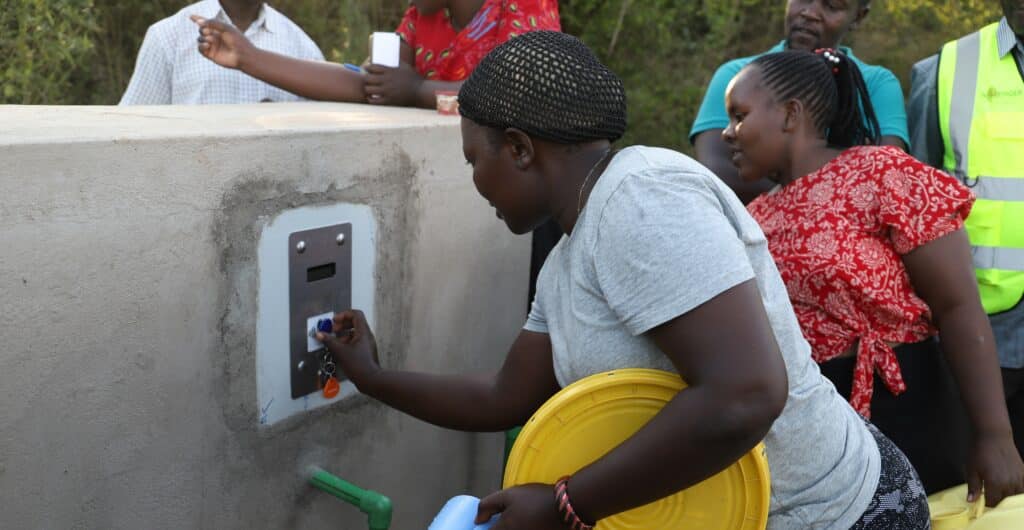
In Mozambique, the limited access to safe drinking water causes major problems. Dorcas Mozambique has improved the access of safe and clean water in the area with the project waterTime. With the token tap, members of the community can get clean water for a small fee. People who can’t afford this, get the water for free. The proceeds go to the maintenance of the water system and are used to train members of the community on how to maintain the system. In this way, Dorcas also creates jobs in the area.