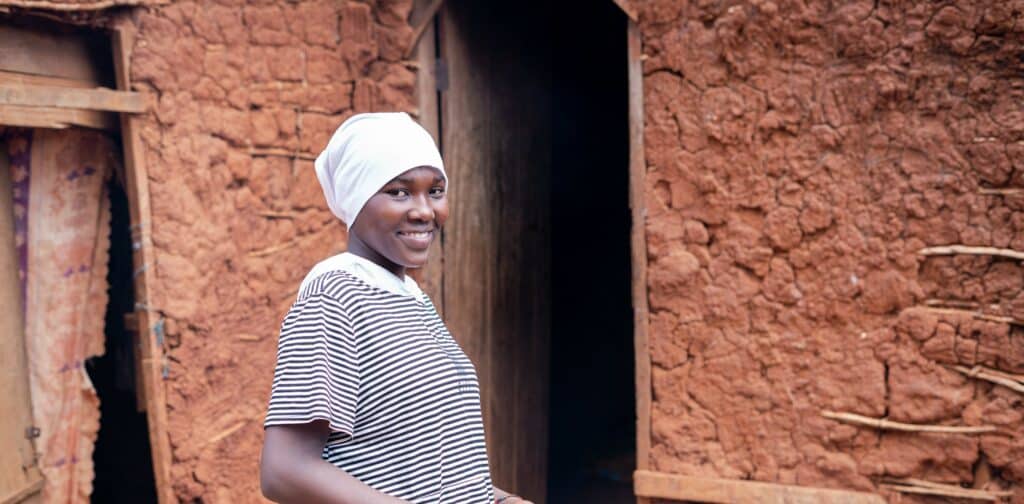
Across the world, many women continue to face barriers that limit their full participation in society, including in economic life. Limited access to markets, finance, and decision-making restricts their opportunities. Creating equal economic opportunities requires deliberate action.

At Dorcas, inclusion is central to our work. We apply a gender lens and an intersectional approach in selecting project participants, considering age, disability, poverty, and ethnicity to identify those most at risk of exclusion. Through this approach, we strengthen women’s economic participation.

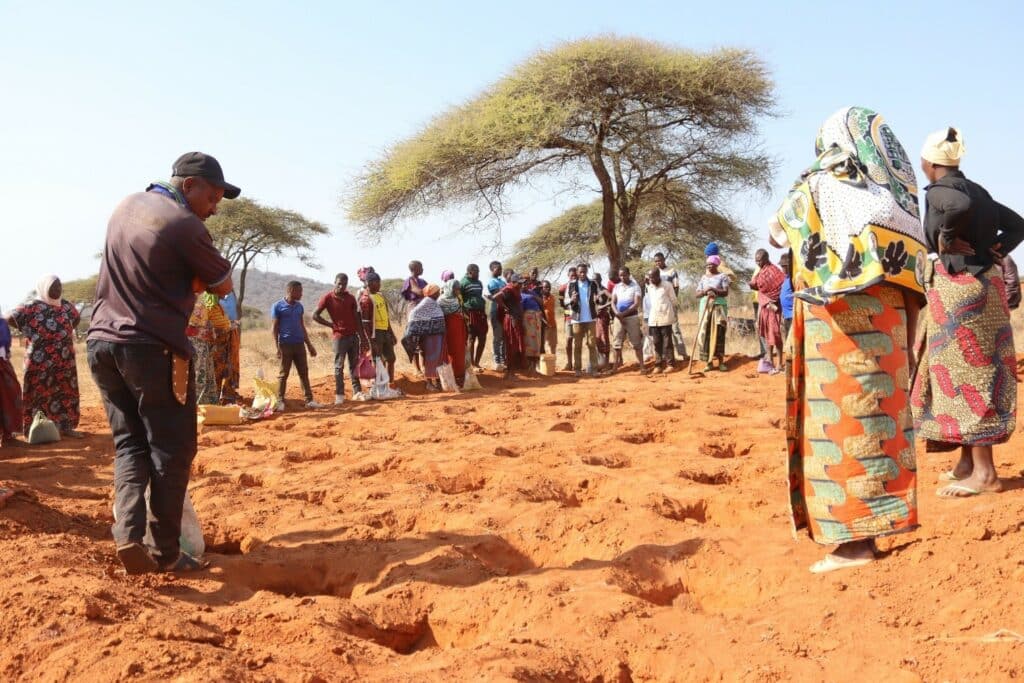
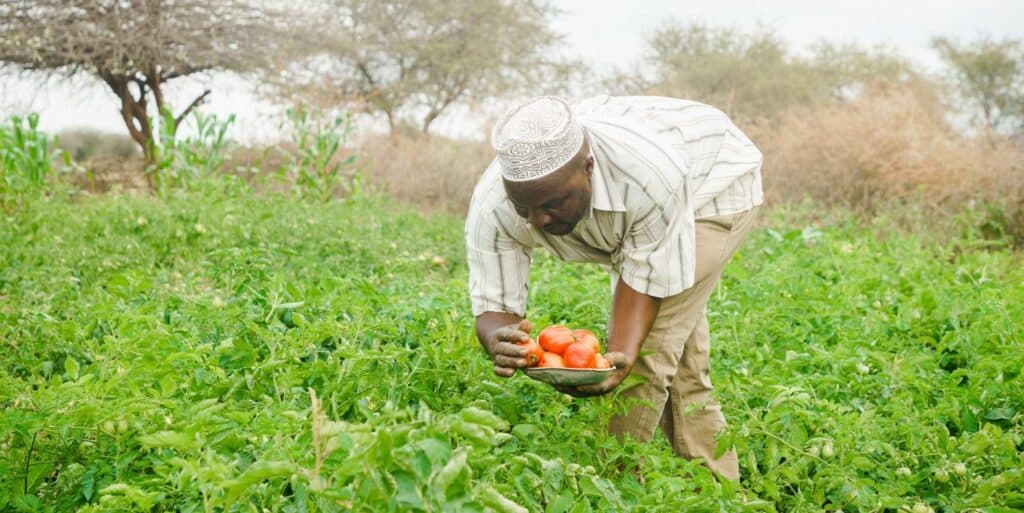
In Dorcas’ economic development work, value chains play a key role. These programmes are designed to strengthen the participation of marginalised groups, including women, by providing chances to learn new skills, take part in production and sales, manage savings and finances, and have a stronger voice in household and community decisions. To see whether these intentions are realised, we studied our value chain projects across Tanzania, Kenya, and Ethiopia. While the study included multiple marginalised groups, this article focuses on what we found about women.

Women’s participation in value chains

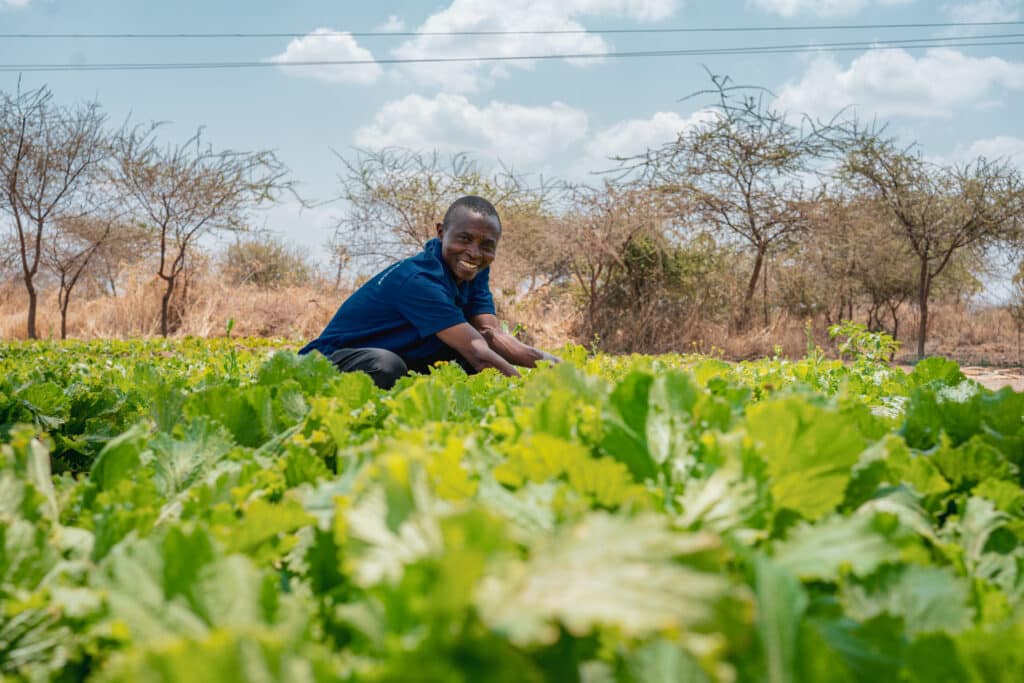
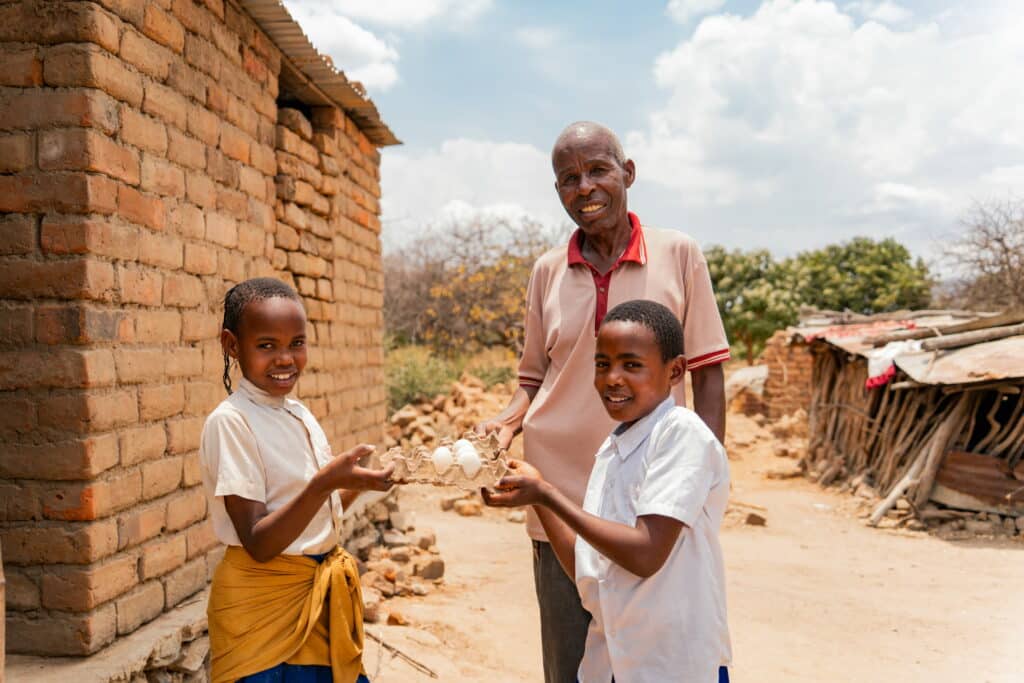
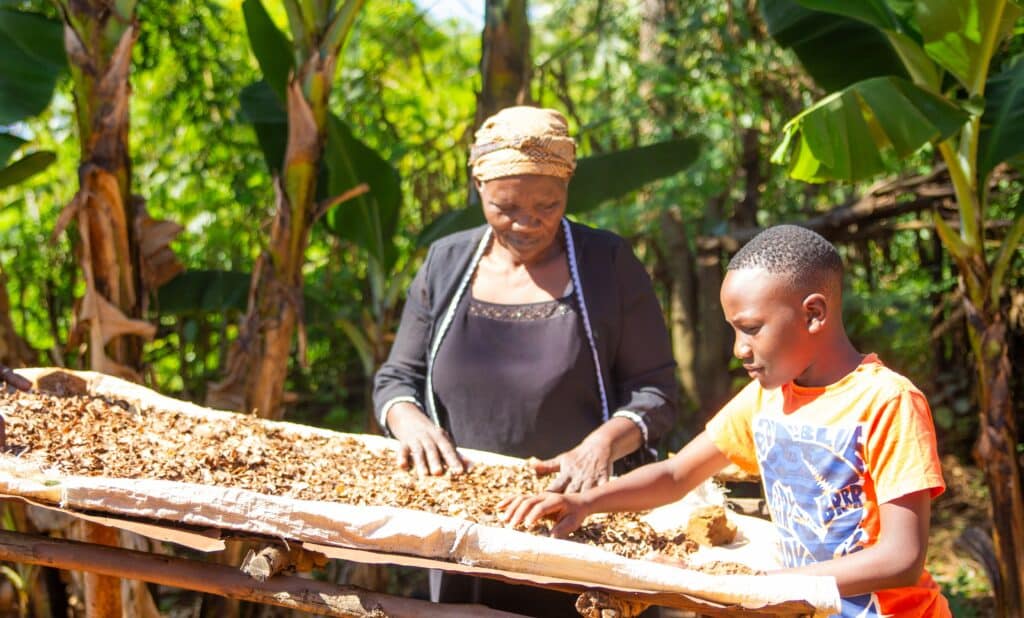
The study shows that women participate actively and consistently. They attend trainings, join group activities, and engage in production linked to markets. Many gain new skills, earn a steadier income, and contribute more to household welfare. Participation also made women’s contributions more visible, leading to more discussion and shared decisions in households and groups, especially where income was regular and institutions strong. In Siaya, for example, predictable poultry income sparked household discussions about expenses: ‘When the chickens started bringing money regularly, I was asked how it should be used,’ a female poultry producer said.

But participation does not automatically mean control. While more households reported joint decision-making, women were rarely sole decision-makers. Traditional norms around asset ownership and authority often limited women’s long-term control.

Certain programme features supported women to participate more fully. Cooperatives and groups offered structure, shared responsibility, and formal recognition of women’s roles. Savings mechanisms helped women manage income and plan ahead. Direct access to markets reduced dependence on middlemen and removed the hassle of daily price negotiations.

Challenges and mitigation

Inclusion brings opportunities but also pressures. Increased participation can mean heavier workloads, exposure to safety risks, and vulnerability to economic shocks. Women, youth, persons with disabilities, and households facing poverty are particularly affected.

Dorcas works to reduce these pressures through group structures, peer support, and savings systems that help households manage uncertainty. Systematic risk management remains important to ensure all participants can benefit safely and fairly.


Lessons for women’s empowerment

From the study, four core lessons emerge for strengthening women’s empowerment in value chains:

  1. Participation alone is not enough. Empowerment requires not only involvement but also influence over outcomes. Women need a say in how income is used and resources managed. Without control over benefits, participation risks remaining symbolic rather than transformative.
  2. Working together strengthens resilience. Cooperatives, savings groups, and Farmer Field Schools provide structure, peer support, and safe spaces to learn and plan. Collective approaches increase predictability, reduce vulnerability, and strengthen women’s voice and legitimacy.
  3. Context matters. Women’s experiences differ. Age, disability, ethnicity, and prevailing social norms shape how they can participate and benefit. Recognising these differences ensures inclusion reaches those most at risk and that empowerment gains last.
  4. Diversifying income increases stability. Relying on a single activity exposes households to shocks. Combining value chain roles with savings, micro-enterprises, or service-based work spreads risk and strengthens long-term economic security.

‘Today, I see myself as a businesswoman’

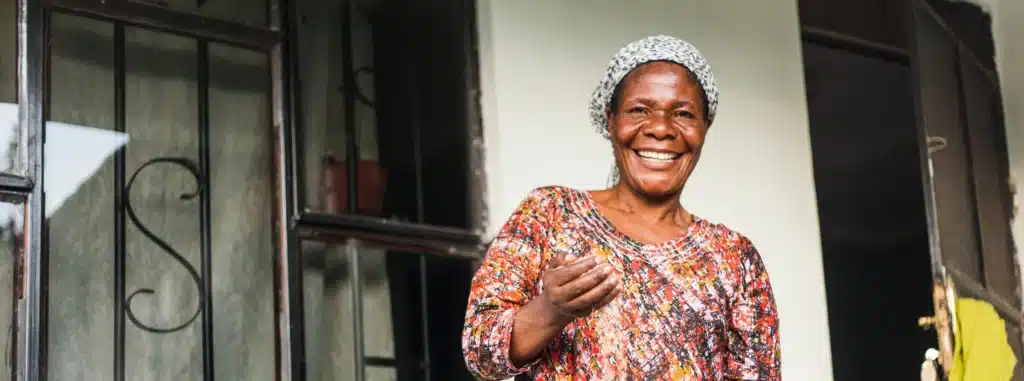
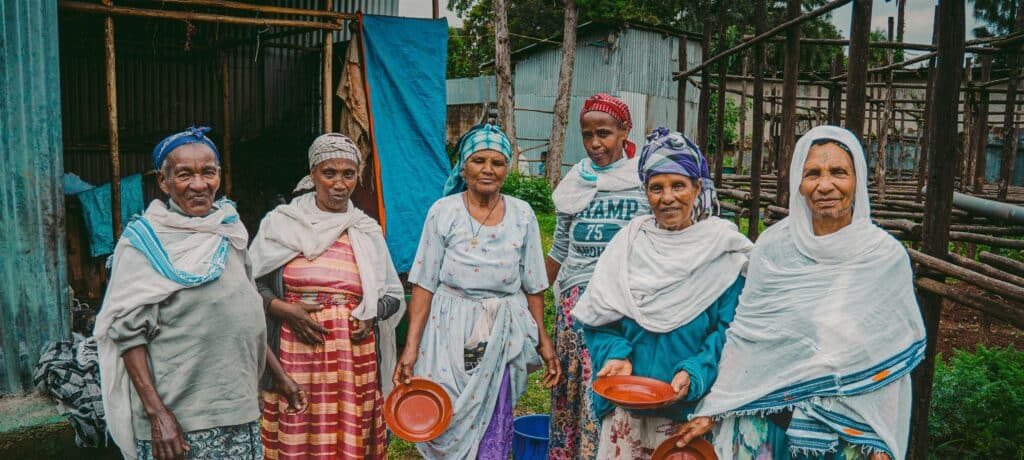
Kadija, a 50-year-old woman from Moyale, Ethiopia, joined the camel milk cooperative to overcome seasonal poverty and uncertainty. She recalls:

‘Before I joined the cooperative, my life was very uncertain. During the dry seasons, work would completely disappear. Some days we struggled just to get food.’Through the milk collection centre, Kadija gained a stable income and became a recognised economic contributor in her household and community. She explains:

‘Today, I see myself as a businesswoman. I have a stable income, I save money, and I plan better. People respect me more, and I have a voice not only in my home but also in the community.’

She also highlights the importance of working together:

‘Working together changed everything for me. Through the cooperative, women support each other, share responsibilities, and inspire one another to keep going.”

Her story reflects the broader findings: when women gain access to skills, markets, income, and collective support, economic participation can translate into greater stability, recognition, and confidence.


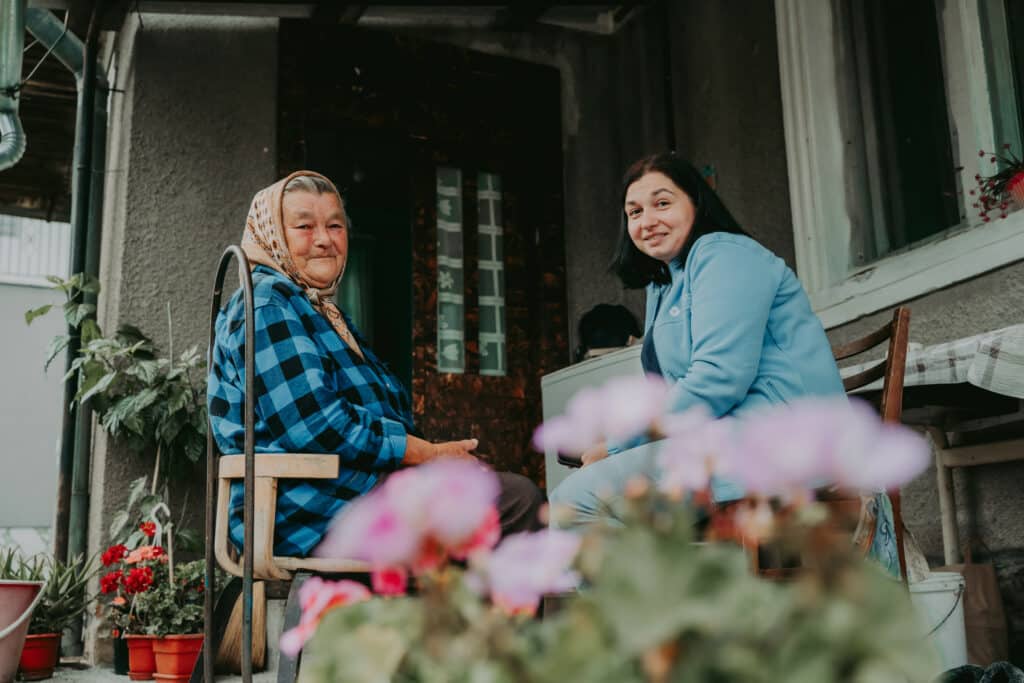
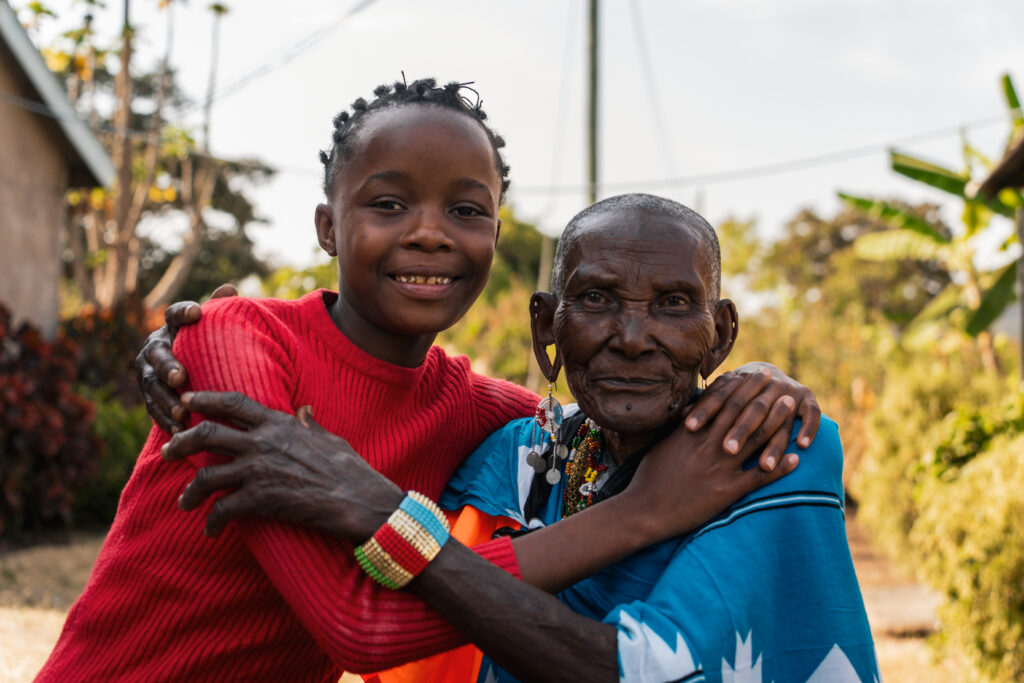
1 October is the UN International Day of Older People, and one of its aims is to ensure that people can grow old with dignity and continue to participate in society. In the countries where Dorcas works, older persons are often marginalised, lack access to basic services and struggle to survive on meagre incomes. With its community safety net programme, Dorcas tackles these issues by enabling local communities to care for and protect their older people. 

What are community safety nets? 

Dorcas started to develop and implement the community safety nets (CSN) approach in 2017. A community safety net (CSN) mobilises different organisations in a community to provide a safe and supportive environment for older people in which they can flourish. It also raises awareness about the issues older people face.  

‘I have a large number of people to talk to now, and I feel like a human. I am back to normal.‘ – Quote from a project participant.

Evaluation of the CSN approach 

This year, Dorcas commissioned an evaluation of its CSN projects in Albania, Egypt, Ethiopia, Moldova, Romania, Tanzania and Ukraine to discover the impact of the programme and which best practices can be implemented to make it more sustainable.  

Older people’s dignity restored 

The dignity of older people is restored through the wide range of social, intergenerational, income-generating and spiritual activities that CSNs offer. Participants become more active in their local communities and feel valued. Less able-bodied participants are not forgotten either: those who are bedridden receive home visits. Valuable traditions are created, social cohesion is strengthened, and communities discover that they can do more than they originally realised to enable older people to flourish. 

‘CSN taught us how to cook healthy food.‘ – Quote from a project participant.

Challenges encountered 

However, the transition from Dorcas’ original Adopt-a-Granny approach to sustainable community safety nets that make full use of local resources is not a straightforward path. There have been many challenges along the way for example:  

Best practices?  

The various CSN projects are still in a state of transition. As a result, no clear set of best practices has emerged from the evaluation. However, various successful practices were found, such as actively involving participants, churches as natural allies in caring for older people, creating a shared and diverse ownership of a CSN, and holding governments accountable. 

Peer-to-peer and social support systems are gaining traction. What began with volunteers inviting attendees has flourished into a self-sustaining cycle where attendees extend the invitation to their friends. This exemplifies the power of social support in fostering a safe and inclusive community.‘ – Actor from Egypt 

Next steps for CSNs 

The evaluation report made various recommendations about the next steps for CSNs. These include:  

In the coming months, the Dorcas country offices in Albania, Egypt, Ethiopia, Moldova, Romania, Tanzania and Ukraine will use the evaluation to take appropriate measures to improve the sustainability and impact of their CSN projects. 

Curious to learn more? Read the evaluation report below:

Dorcas Evaluation report on community safety net approachDownload

Dorcas is proud to share our publication highlighting the impact of the Participatory Integrated Planning (PIP) approach in Tanzania and Mozambique. This report shows the resilience and empowerment of smallholder farmers in these regions as they face the challenges of climate change and land degradation. 

Our report demonstrates significant progress in improving food security, economic resilience and climate-smart agricultural practices. By fostering community collaboration and assisting households in vulnerable situations, Dorcas continues to support farmers to build sustainable livelihoods. 

Read the publication here:

2024_publication – Empowering smallholder farmers [PIP approach]Download

In many parts of the world, menstruation is still a taboo. In Tanzania this is also very much an issue. Lilian, Country Director of Dorcas Tanzania, is deliberately speaking out on this issue because ‘breaking the silence restores the dignity of women’.  

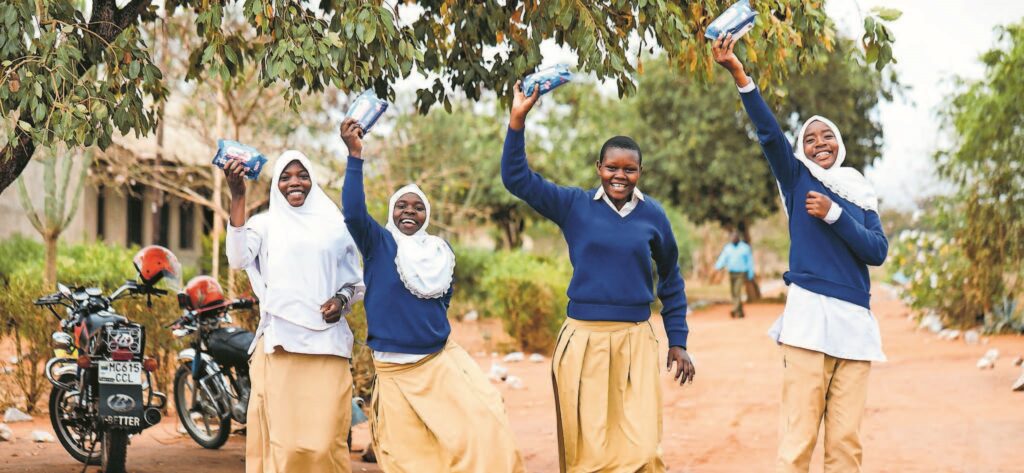
Latifa, from Tanzania, remembers very well the first time that she had her period. She woke up in the middle of the night and had a terrible stomach ache. Latifa went to the toilet and saw that she had started bleeding. She was shocked and went to see her mother. Her mother was very calm, which surprised Latifa, and said: ‘You are an adult now and that means you have to abide by new rules.’ Latifa was no longer allowed to play with boys, because if she did she would get pregnant. And when she had her period, she was not allowed to pick vegetables or go to the well to fetch water. Then there was the challenge of not leaking and staining her clothes. All this led to Latifa isolating herself when she was menstruating and not going to school. Her life became difficult and lonely.

No exception

Latifa’s story is no exception across Tanzania, according to Lilian. The MHM4Her (Menstrual Hygiene Management for Her) project is one of the projects of Dorcas Tanzania, which started in 2016 in the Manyara region. Lilian: ‘This is an area with a lot of poverty and a lack of clean water and sanitation. We offered support and found that many girls in the area were not going to school when they were menstruating. This was not only because of the stomach aches, but also because they did not have proper sanitary facilities to change and they were embarrassed if they stained their clothes. As you can imagine, the consequences for the girls were enormous. Some of them never went back to school. I immediately knew that addressing this issue would be our new challenge.’ 

Breaking the silence

Lilian and her team started working on a plan to support the young women to get back to school. The first step was to ensure that the schools had good sanitation facilities. They also raised awareness about hygiene and menstrual products. The male leaders were also involved in this process. Lilian: ‘At first they were angry. They were embarrassed by us. We explained to them that they should be aware of these issues because they are the ones who make the decisions. The young boys have also been taught about menstruation. Girls were often laughed at by the boys and we wanted to break the silence and we also wanted to explain to them what menstruation is really all about. We told them that it is not something bad, but that menstruation is about life.’  

The Manyara project was not the end of the story. With the support of the government and a number of other organisations, similar projects have been launched in other parts of Tanzania over the past few years. Menstrual hygiene is now part of Tanzania’s school curriculum. Lilian: ‘Because we started talking about it, people’s views in Tanzania have changed. It takes time, but I believe the taboo will be broken and this will lead to more gender equality in our country.’

This article is translated from an interview that appeared in the Dutch newspaper ‘Nederlands Dagblad’ (4 May 2024). The original text is written by: Hilde Kooij-Tromp.

Peter is a Social Empowerment and Protection Expert at Dorcas.

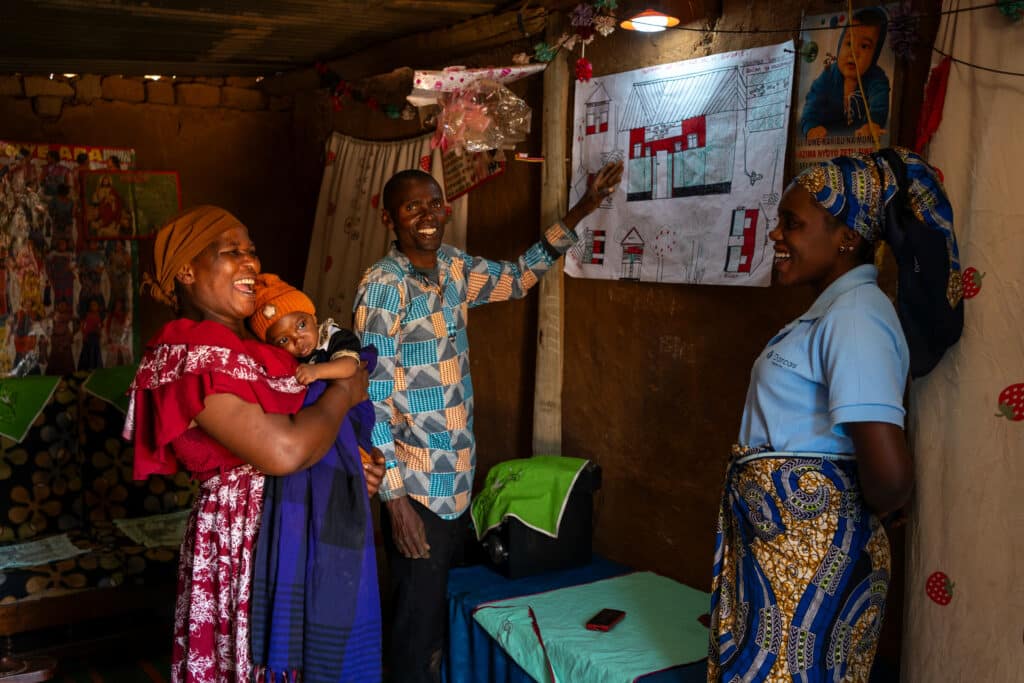
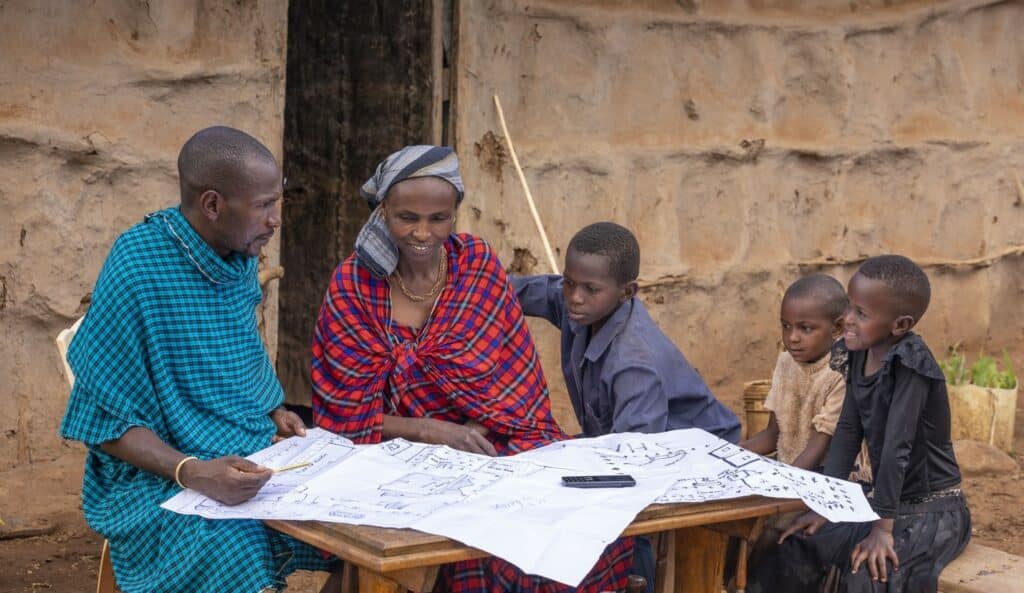
Peter is involved with the implementation of the Participatory Integrated Planning (PIP) approach within Dorcas. This approach supports farmers and their families in different countries in visualising and achieving their long-term goals. Peter: ‘Central to the PIP approach is the development of an Integrated Farm Plan by all members of the household. Together, they make a drawing of the desired future situation, which serves as a basis to take concrete actions to reach their dream. Since it is their own plan, they are very motivated to achieve it! Unlike many traditional expert-led methods, PIP empowers communities to take charge of their own development, ensuring sustainability and scalability without relying too much on external resources.’

‘PIP employs simple yet effective methods which – in a short time – can lead to considerable increases in productivity, for example digging water-catchment trenches and leaving agricultural residuals on the soil to conserve moist, prevent erosion and improve soil health. Working in groups is a key strength, addressing shared challenges such as unpredictable rainfall patterns and degrading soils. By starting with innovative individuals, training them, and then having them train others, PIP can achieve 80% coverage of farmers in a community within 2.5 years.’

Long-term effects of PIP
Peter continues: ‘Because PIP focuses on the vision of the farmers and communities themselves, the long-term effects are significant. PIP’s impact is seen in diversified land use, with more crops, kitchen gardens, animals, and additional income sources. The approach makes households more resilient and engages youth in activities like poultry farming, making them active contributors to their households and communities.’

Sustainable approaches
‘What I find beautiful about PIP is its focus on the entire family and quick scalability within communities. It empowers people to pursue their aspirations, moving away from the traditional expert-driven model. Unlike approaches that collapse when NGOs withdraw, PIP sustains itself by tapping into local knowledge and inspiring innovation. Furthermore, PIP is crucial in raising awareness and making households more resilient to environmental challenges like droughts and floods. By spreading knowledge and encouraging risk diversification, PIP ensures that households and communities are better prepared for unforeseen circumstances.’

‘It is very inspiring to see more organisations adopting and implementing the PIP approach. In the Netherlands, these organisations are working together in the PIP platform, sharing knowledge and lessons learned. I am looking forward to a broad expansion of this approach, as more organisations, farmers and communities adopt it.’

Latifa is a project participant of Dorcas Tanzania.  

Latifa: ‘In our society, girls are isolated during their menstrual period. Many girls do not even have access to sanitary pads and instead have to use pieces of cloth, which are not hygienic. Like many girls in my community, I struggled to attend school when I had a period, and that was not good for my education. 

However, things changed for me when people from Dorcas came to our school. They taught us about safe menstruation and gave us sanitary pads. They also talked with parents, and now our fathers are starting to have a more positive attitude towards the issue of menstruation. 

I think that girls should have the same access to education as boys. Menstruation must not prevent us from attending school, and all girls should be able to obtain sanitary pads and menstruate safely. These are major issues in our society that I want to stand up for when I grow up. 

I hope that one day, our society will become better educated about menstruation and that girls will no longer be isolated and miss school because they have a period.’

Menstrual Hygiene Management Programme 

Dorcas Tanzania works to break the taboo around female menstruation and improve gender equality in northeast Tanzania. We have provided menstrual hygiene products and safer facilities at 75 schools and raised awareness about menstruation issues in 50 villages in the region. 

This programme ensures families with a low-income gain access to affordable and reusable sanitary pads, and it boosts the confidence of girls and women in rural areas. Girls’ school attendance has improved, resulting in more girls completing their education. We also work with teachers to raise awareness about the menstrual cycle and how to combat the stigma associated with this, and we help young girls become role models in menstrual hygiene. 

𝘛𝘩𝘪𝘴 𝘴𝘵𝘰𝘳𝘺 𝘪𝘴 𝘱𝘢𝘳𝘵 𝘰𝘧 𝘋𝘰𝘳𝘤𝘢𝘴’ 𝘩𝘶𝘮𝘢𝘯 𝘳𝘪𝘨𝘩𝘵𝘴 𝘤𝘢𝘮𝘱𝘢𝘪𝘨𝘯. 𝘙𝘦𝘢𝘥 𝘮𝘰𝘳𝘦 𝘴𝘵𝘰𝘳𝘪𝘦𝘴 𝘢𝘯𝘥 𝘴𝘵𝘢𝘵𝘦𝘮𝘦𝘯𝘵𝘴 𝘰𝘯 𝘰𝘶𝘳 𝘥𝘦𝘥𝘪𝘤𝘢𝘵𝘦𝘥 𝘩𝘶𝘮𝘢𝘯 𝘳𝘪𝘨𝘩𝘵𝘴 𝘱𝘢𝘨𝘦. Human Rights: Contributing to a just society – Dorcas

Lilian is the Country Director of Dorcas Tanzania.  

‘15.3% of all girls from Tanzania do not attend school during menstruation, according to a survey done by UNICEF in 2021. The reasons for this include pain and discomfort, lack of menstrual materials, fear of embarrassment due to visible stains on their clothes, lack of a changing room, and lack of clean and suitable toilet facilities. This regular school absence reduces the girls’ academic performance and has a negative psychological impact on their lives.’ 

‘Menstruation is a natural process, and no woman should pay the price for this in terms of academic progress, exclusion or disengagement. Women and girls from low-income families are particularly vulnerable due to their limited awareness of hygienic practices and lack of appropriate sanitary materials.’

‘We tackle these issues by raising awareness of menstrual hygiene among schoolgirls, boys and teachers, and creating an environment in schools and local communities that supports menstrual hygiene. ‘Furthermore, we ensure all girls and women, including those from marginalised communities, have access to reusable sanitary pads and improved latrines at school and at home. This effort includes making soft loans available to purchase sanitary materials and latrines, ensuring retailers and pharmacies in local communities are connected with the sanitary pad supply chain, and training local people to construct improved latrines and rainwater harvesting tanks.’ 

‘I hope that as a result of all these efforts, girls missing school due to menstruation will soon become a thing of the past.’ 

𝘛𝘩𝘪𝘴 𝘴𝘵𝘰𝘳𝘺 𝘪𝘴 𝘱𝘢𝘳𝘵 𝘰𝘧 𝘋𝘰𝘳𝘤𝘢𝘴’ 𝘩𝘶𝘮𝘢𝘯 𝘳𝘪𝘨𝘩𝘵𝘴 𝘤𝘢𝘮𝘱𝘢𝘪𝘨𝘯. 𝘙𝘦𝘢𝘥 𝘮𝘰𝘳𝘦 𝘴𝘵𝘰𝘳𝘪𝘦𝘴 𝘢𝘯𝘥 𝘴𝘵𝘢𝘵𝘦𝘮𝘦𝘯𝘵𝘴 𝘰𝘯 𝘰𝘶𝘳 𝘥𝘦𝘥𝘪𝘤𝘢𝘵𝘦𝘥 𝘩𝘶𝘮𝘢𝘯 𝘳𝘪𝘨𝘩𝘵𝘴 𝘱𝘢𝘨𝘦. Human Rights: Contributing to a just society – Dorcas

Each year on the first of October, we celebrate the international day of older persons. This is an important international day for Dorcas, as we focus on supporting marginalised people and communities and older people are often marginalised and their rights neglected. They often have little income and limited access to health care and social security. In addition to that, they face discrimination and stigmatisation based on cultural norms and social prejudices, like ageism. 

According to the United Nations, the number of people aged over 65 is expected to more than double from 761 million in 2021 to 1.6 billion in 2050. The number of people over 80 years old is projected to grow even faster. These numbers increase the urgency of taking the unique set of challenges older people face seriously. In this article we elaborate further on why older people require more of our attention and share some recommendations on how you can include them in your programme.  

Lack of income and social protection 

Dorcas has community safety nets programmes for older people in seven countries: Albania, Egypt, Ethiopia, Moldova, Romania, Tanzania and Ukraine. A main problem in these countries is that older people often have little income and that pensions are so low that they are hardly sufficient for covering their daily needs. Insufficient pensions put them in a much greater risk to external shocks as they have less margin to absorb these financially. In Ukraine for example, many older people who were already marginalised have been affected greatly by the ongoing conflict that led to a massive increase in inflation. Their already challenging socio-economic position has therefore become even more dire. Our local colleagues see that older people in Moldova will often accept poor paid jobs in order to survive. All in all, the lack of social protection causes many problems for older people in the countries Dorcas works in. This must become more of a priority for civil society organisations and government actors in the coming years, as the number of older people is rapidly increasing. 

Loneliness and stigmas 

Another major issue that older people face, is loneliness and isolation. In Albania, Moldova, Romania and Ukraine for example, many older people either have no family to support them or their families moved to the cities or abroad. In Egypt, local Dorcas colleagues have experienced that older people are also often neglected by their families. Next to the practical and financial needs, this is one of the most pressing issues. Loneliness greatly affects their well-being. Older people need connection, community and the opportunity to contribute. 

Another reason why older people require our attention, is because of the challenging stigmas and prejudices they face. In Egypt, this is a major issue. There is a stigma that older people’s duty has ended, they are solely recipients of care and are no longer productive. Supporting older people and inviting them to participate in certain activities may therefor lead to opposition in certain contexts.  

Seven ways to include older people in your program

Dorcas supports older people through our community safety nets programme. In this programme, the community plays a central role in making sure people have access to the support structures they need. There are different types of community safety nets, depending on the level on which actors are involved, and a mix of different types is needed to meet the different needs of older people.  

One of the participants in this programme, is Moges from Ethiopia. Before joining the programme five years ago, Moges did not have the means to get enough to eat or pay for medical treatment. He would only eat one meal a day. His house was in very bad shape, as the back wall and roof of his house were falling apart. When Moges joined the Dorcas programme, his life has changed drastically. He is now able to eat three times a day, he gets medical treatment, his house was renovated, he actively participates in the programmes social gatherings and has made many new friends.  

Dorcas supports older people by building a social safety net around them, so that the community increasingly looks after them. We encourage different groups in the community to use their resources to support and involve them in the community. We also advocate for the rights of older people among government actors and encourage to governments to improve the social security services. 

Dorcas has seven recommendations for (I)NGO’s and other actors who are involved in contexts where older people are marginalised, in order to better protect their rights:  

Today is International Women’s Day: a day that is celebrated around the world! On this day, we specifically acknowledge and honour the achievements and strength of women from all backgrounds. This year, the UN highlights the importance of access to technology and innovation in order to attain gender equality. In an age of constant progress and innovation, technology plays a vital role in the empowerment of women and girls when it is focussed on meeting their needs. The clean cooking energy project of Dorcas aims to empower women and strengthen their position for economic participation. Waliaranga from Tanzania shares how clean cooking improved her health, increases adaptation to climate change and empowered her in her day-to-day life.

Waliaranga: ’Preparing food for my family is one of those chores on top of my priority list. I had never imagined the effects of using firewood as the only source of fuel. Our way of preparing food is not only a miserable experience, but also a damaging habit to the immediate environment and it causes land degradation. On top of that, it’s also very harmful for our health and leads to itching red eyes and constant coughing. These are just some of the prices we are paying for using firewood. We didn’t have a choice then – but now we do.’

The effects of clean cooking

Waliaranga became part of the clean cooking energy project of Dorcas. Clean cooking is the production and distribution of fuel pellets and briquettes and the inclusive market development of ultra-clean cooking stoves, which positively impacts the lives of many Tanzanians. In this project we establish a socially responsible, innovative entity geared toward social change. Clean cooking leads to increased household resilience, family health and adaptation to climate change because of reduced deforestation, gas emission, workload for women, costs for fuel and new income generating opportunities. The cycle of energy poverty will be broken by making clean cooking affordable and accessible.

Waliaranga shares: ‘Since we’ve cut down all our trees, we now had to buy firewood at 2,000 Tanzanian shilling a bunch. The clean cooking stove, the Mimi Moto stove, uses recycled wood pellets which are affordable and economically practical – I can cook more food with just one kilogram of recycled wood pellets than with a bunch of smoky firewood. And a kilogram of pellets is only 700 Tanzanian shilling.’

How Clean Cooking improves gender equality

Dorcas is committed to promoting gender equality. This has been deeply embedded in our way of working for many years. One of the ways we want to contribute to increased gender equality, is by creating equal opportunities for economic participation. The reduced workload for women, is essential in their empowerment and access to other sources of income and education. When women and girls are required to spend a lot of time gathering firewood and tending the fire while cooking, this reduces their opportunities to spend that time doing other work (and increase their income) or go to school.

Waliaranga: ’I had never imagined that I would one day just turn on the stove and make a meal in the comfort of my living room. No smoke involved and the cooking goes a lot faster. I don’t have to sit there to keep the fire burning. This gives me time to attend to other chores on my priority list. The clean cooking stove helped to turn things around in my life.’