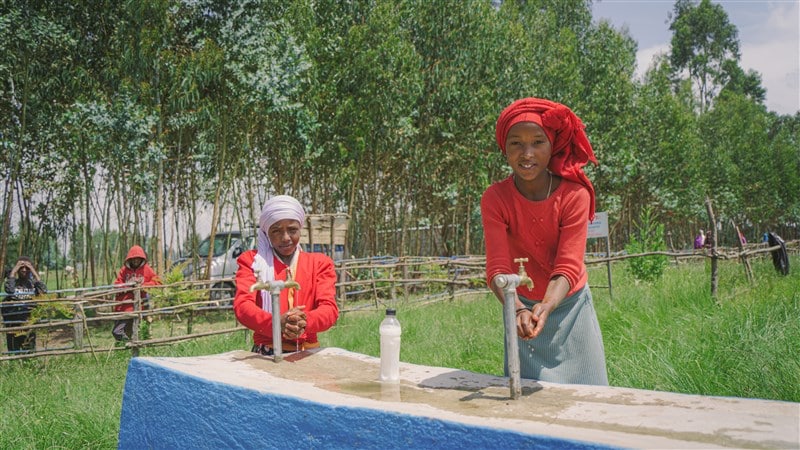
Across the world, many women continue to face barriers that limit their full participation in society, including in economic life. Limited access to markets, finance, and decision-making restricts their opportunities. Creating equal economic opportunities requires deliberate action.

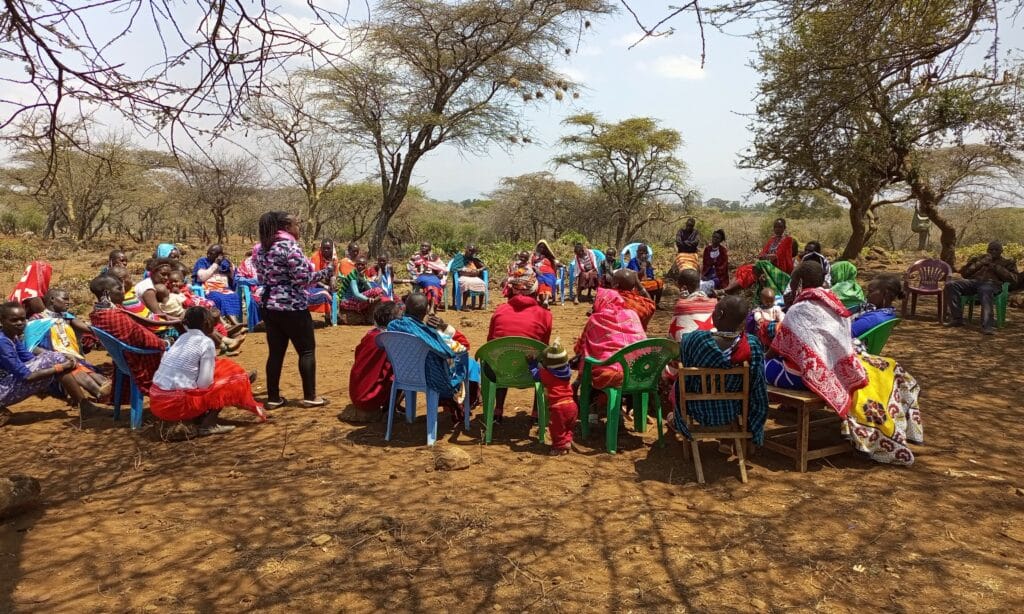
At Dorcas, inclusion is central to our work. We apply a gender lens and an intersectional approach in selecting project participants, considering age, disability, poverty, and ethnicity to identify those most at risk of exclusion. Through this approach, we strengthen women’s economic participation.

In Dorcas’ economic development work, value chains play a key role. These programmes are designed to strengthen the participation of marginalised groups, including women, by providing chances to learn new skills, take part in production and sales, manage savings and finances, and have a stronger voice in household and community decisions. To see whether these intentions are realised, we studied our value chain projects across Tanzania, Kenya, and Ethiopia. While the study included multiple marginalised groups, this article focuses on what we found about women.

Women’s participation in value chains

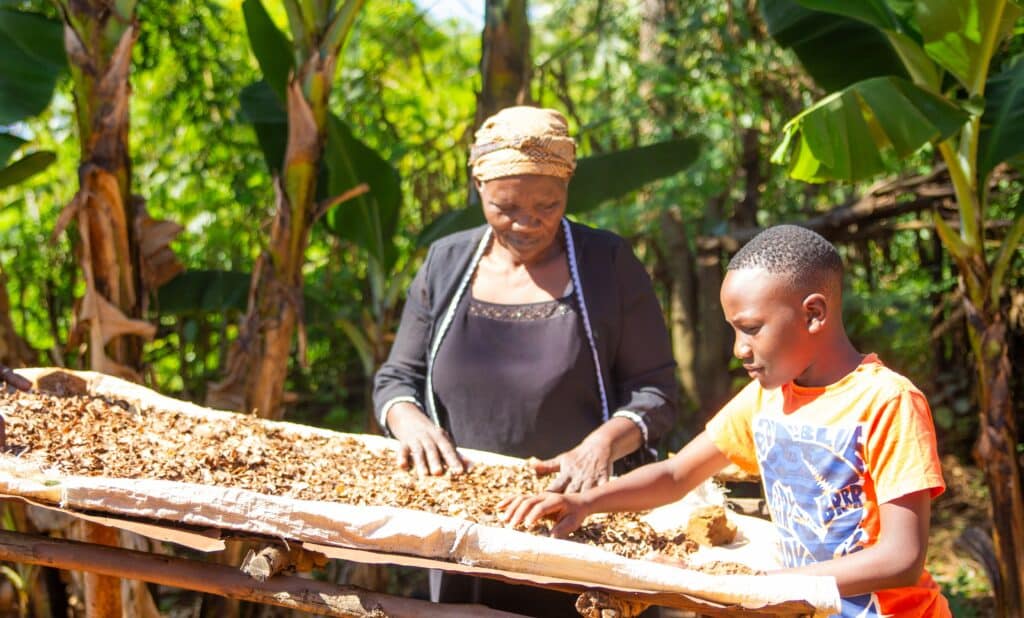
The study shows that women participate actively and consistently. They attend trainings, join group activities, and engage in production linked to markets. Many gain new skills, earn a steadier income, and contribute more to household welfare. Participation also made women’s contributions more visible, leading to more discussion and shared decisions in households and groups, especially where income was regular and institutions strong. In Siaya, for example, predictable poultry income sparked household discussions about expenses: ‘When the chickens started bringing money regularly, I was asked how it should be used,’ a female poultry producer said.

But participation does not automatically mean control. While more households reported joint decision-making, women were rarely sole decision-makers. Traditional norms around asset ownership and authority often limited women’s long-term control.

Certain programme features supported women to participate more fully. Cooperatives and groups offered structure, shared responsibility, and formal recognition of women’s roles. Savings mechanisms helped women manage income and plan ahead. Direct access to markets reduced dependence on middlemen and removed the hassle of daily price negotiations.

Challenges and mitigation

Inclusion brings opportunities but also pressures. Increased participation can mean heavier workloads, exposure to safety risks, and vulnerability to economic shocks. Women, youth, persons with disabilities, and households facing poverty are particularly affected.

Dorcas works to reduce these pressures through group structures, peer support, and savings systems that help households manage uncertainty. Systematic risk management remains important to ensure all participants can benefit safely and fairly.


Lessons for women’s empowerment

From the study, four core lessons emerge for strengthening women’s empowerment in value chains:

  1. Participation alone is not enough. Empowerment requires not only involvement but also influence over outcomes. Women need a say in how income is used and resources managed. Without control over benefits, participation risks remaining symbolic rather than transformative.
  2. Working together strengthens resilience. Cooperatives, savings groups, and Farmer Field Schools provide structure, peer support, and safe spaces to learn and plan. Collective approaches increase predictability, reduce vulnerability, and strengthen women’s voice and legitimacy.
  3. Context matters. Women’s experiences differ. Age, disability, ethnicity, and prevailing social norms shape how they can participate and benefit. Recognising these differences ensures inclusion reaches those most at risk and that empowerment gains last.
  4. Diversifying income increases stability. Relying on a single activity exposes households to shocks. Combining value chain roles with savings, micro-enterprises, or service-based work spreads risk and strengthens long-term economic security.

‘Today, I see myself as a businesswoman’

Kadija, a 50-year-old woman from Moyale, Ethiopia, joined the camel milk cooperative to overcome seasonal poverty and uncertainty. She recalls:

‘Before I joined the cooperative, my life was very uncertain. During the dry seasons, work would completely disappear. Some days we struggled just to get food.’Through the milk collection centre, Kadija gained a stable income and became a recognised economic contributor in her household and community. She explains:

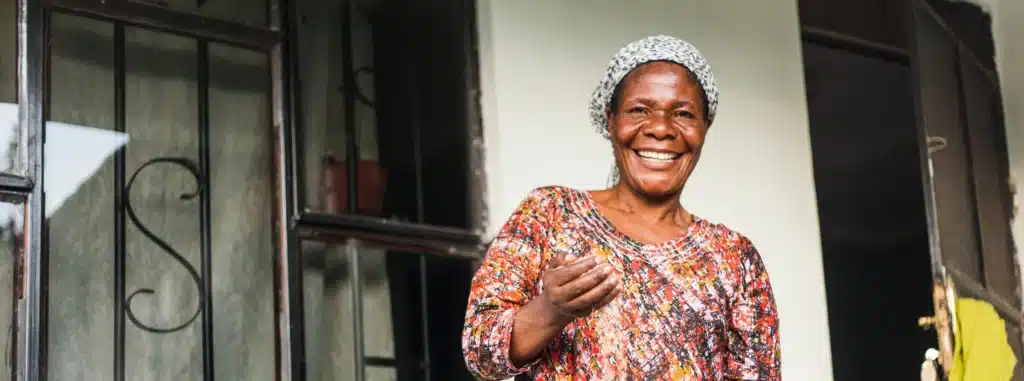
‘Today, I see myself as a businesswoman. I have a stable income, I save money, and I plan better. People respect me more, and I have a voice not only in my home but also in the community.’

She also highlights the importance of working together:

‘Working together changed everything for me. Through the cooperative, women support each other, share responsibilities, and inspire one another to keep going.”

Her story reflects the broader findings: when women gain access to skills, markets, income, and collective support, economic participation can translate into greater stability, recognition, and confidence.


Across Kenya, communities are experiencing the growing impacts of climate change. Rainfall has become increasingly erratic, harvests are less reliable, and many rural families struggle to secure enough food throughout the year. In the semi-arid county of Kitui, these pressures are compounded by environmental degradation caused by illegal charcoal production, which has accelerated deforestation and reduced vital sources of forage for livestock and bees. 

To address these challenges, Dorcas Kenya works with local communities to build climate-resilient livelihoods, increase incomes and strengthen household food security. Through the Honey Value Chain Project, farmers are organised into Farmer Field Schools where they receive training on best production and harvesting methods, modern beehives, and support to connect with cooperatives, enabling them to sell their honey together at fair prices.

One of the farmers who embraced this opportunity is Justus Makau Mutua, whose story reflects the hope and transformation this project brings. 

Choosing a sustainable future

Justus (33) lives in Kitui County with his wife and their two children, a seven-year-old and a four-year-old. After graduating from the University of Nairobi with a degree in Commerce, he made the deliberate decision to return to his home village rather than seek employment in the city. He opened a small butcher’s shop at the local market and traded livestock, but the income was inconsistent and insufficient to support his family.

Meanwhile, life in Kitui was becoming increasingly difficult. Years of failing rains left many households facing food shortages. As trees disappeared due to charcoal production, pastureland and bee forage were depleted. When Dorcas Kenya launched the Honey Value Chain Project, Justus grasped the opportunity to build a more resilient livelihood.

Although beekeeping in his community was traditionally practised by older men, Justus decided to give it a try. In 2021, he cautiously began with ten modern hives, which were provided through the project. He soon saw results.

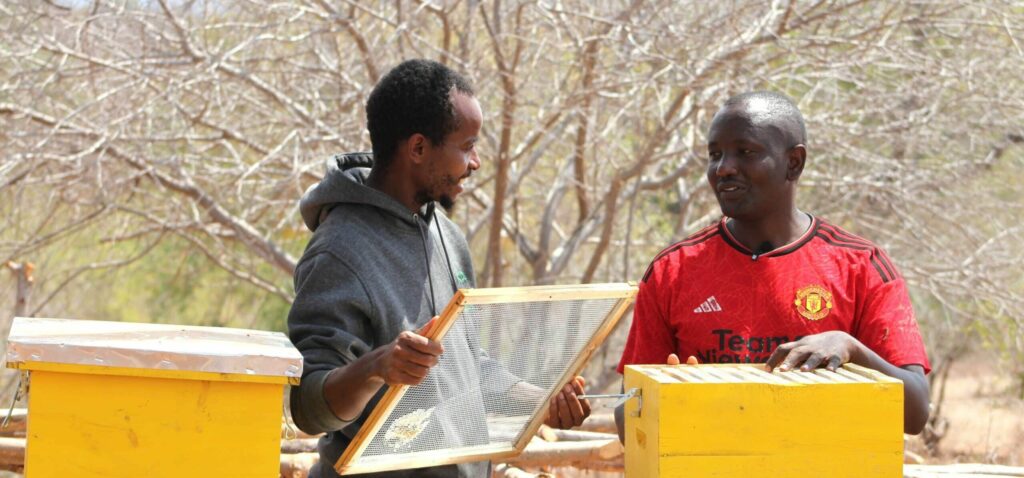
With training from Dorcas Kenya, he learned how to set up an apiary, attract and manage colonies, and safely harvest and process honey. Techniques such as cleaning hives with basil and applying beeswax increased his productivity. Dorcas Kenya also connected his group to cooperatives, enabling farmers to sell their honey collectively and secure fair prices.

Today, Justus manages 60 hives. He is the secretary of his local beekeeping group and encourages young people and women to take up the practice, challenging long-held stereotypes in the process.

Improved income and better food security 

This year, Justus harvested 235 kilograms of honey, earning him 63,450 Kenyan shillings (approximately €460). This income enables him to pay his children’s school fees, buy food for his family and reinvest in his butcher’s business. His success has also inspired those around him: his father, Mzee Mutua, has started keeping bees too, and now manages ten hives alongside his son.

For families like Justus’, beekeeping directly contributes to food security. Honey is a reliable product that can be harvested even in difficult seasons. Meanwhile, Dorcas Kenya is working with communities on landscape restoration and climate-smart practices to ensure that there is enough forage for the bees year-round.

Justus dreams of expanding to 200 hives and using the additional income to invest in rental housing. However, his motivation goes beyond personal growth. ‘I want to show other young people that beekeeping can offer a dignified and sustainable livelihood,’ he says.

Through the Honey Value Chain Project, Dorcas Kenya continues to support farmers like Justus in building resilience, restoring the environment and securing a more stable future for their families.

Yesterday, the 30th UN Climate Conference (COP30) officially opened in Belém, Brazil, with an urgent call to implement climate pledges. Running until 21 November, the summit is focused on accelerating the implementation of practical solutions to meet national climate goals under the Paris Agreement.

This year, the core theme is climate adaptation, which the summit focuses on through six official action agenda areas:

  1. Transitioning energy, industry and transport. 
  2. Stewarding forests, oceans and biodiversity. 
  3. Transforming agriculture and food systems. 
  4. Building resilience for cities, infrastructure and water. 
  5. Fostering human and social development. 
  6. Unleashing enablers and accelerators, including on financing, technology and capacity-building (cross-cutting theme). 

These six themes are broken down into 30 key objectives, which provide more detail on the actions needed in these areas.

Agriculture and food systems on the agenda  

Among the priorities at COP30, the transformation of agriculture and food systems is worthy of note. For decades, climate talks have largely overlooked food and farming, even though these sectors are crucial not only for tackling climate change, but also for ensuring that communities have enough to eat and can flourish in a changing world. 

Heleen Berends, Dorcas’s Strategic Programme Advisor, explains:

‘The shift became evident back at COP27, when countries launched a four-year work programme on agriculture and food security (the Sharm El Sheikh Joint Work). Now, governments are reporting on progress and discussing how to increase climate action in the agricultural sector. The Global Action Agenda specifically lists goals such as restoring land, building climate-resilient food systems, and ensuring equitable access to food.’ 

Heleen adds:

‘This also raises a key issue: roughly one-third of global emissions are driven by food production, and agriculture is a primary driver of biodiversity loss. At the same time, hunger and food insecurity remain widespread. It is therefore essential to rethink how we produce, process and consume food. This needs to include regenerative farming, protecting forests and wetlands, reducing food waste, and promoting truly sustainable diets. Such measures can lower emissions while also ensuring sufficient yields, nutrition and resilience. What is clear, is that the current situation demands immediate action. The world must now come together to pledge sufficient funds and create accessible mechanisms that allow for better and accelerated adaptation.’ 

The spotlight on food systems also underscores the importance of community-level action, and shows why Dorcas’ work matters more than ever. 

How Dorcas supports communities to adapt to climate change 

For Dorcas, climate change is not an abstract issue. It directly affects the communities we support. From droughts in Ethiopia and Kenya to floods in South Sudan and wildfires and desertification in Iraq, extreme weather is making farming unpredictable and threatening food security. Those in vulnerable situations often have the fewest resources to cope, which is why climate adaptation is central to our work. 

Heleen explains:

‘We support communities in adapting to changing conditions, improving food security, and preparing for disasters. For farmers in vulnerable areas, climate-adaptive solutions are essential.’ 

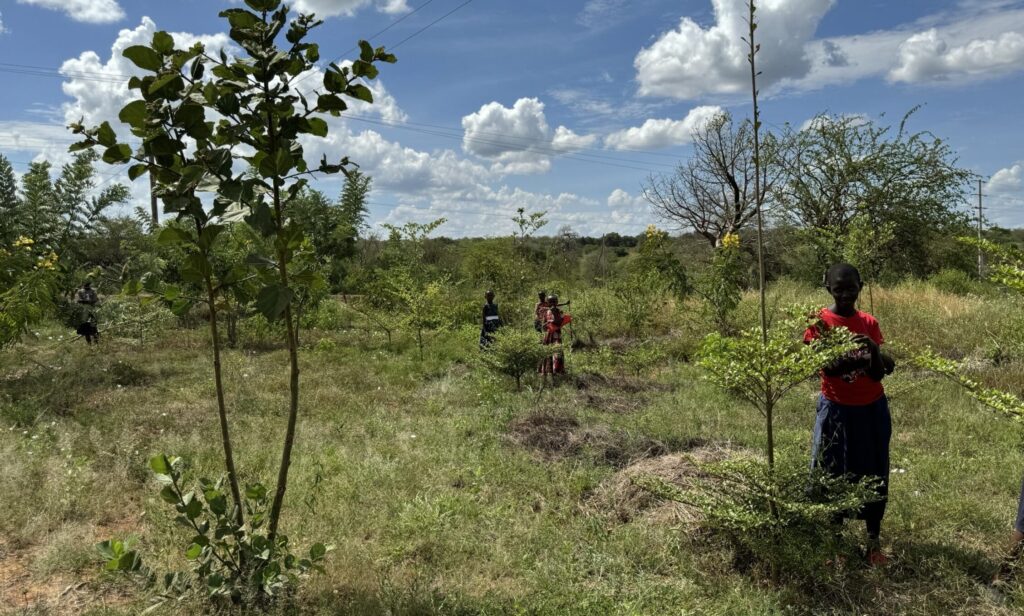
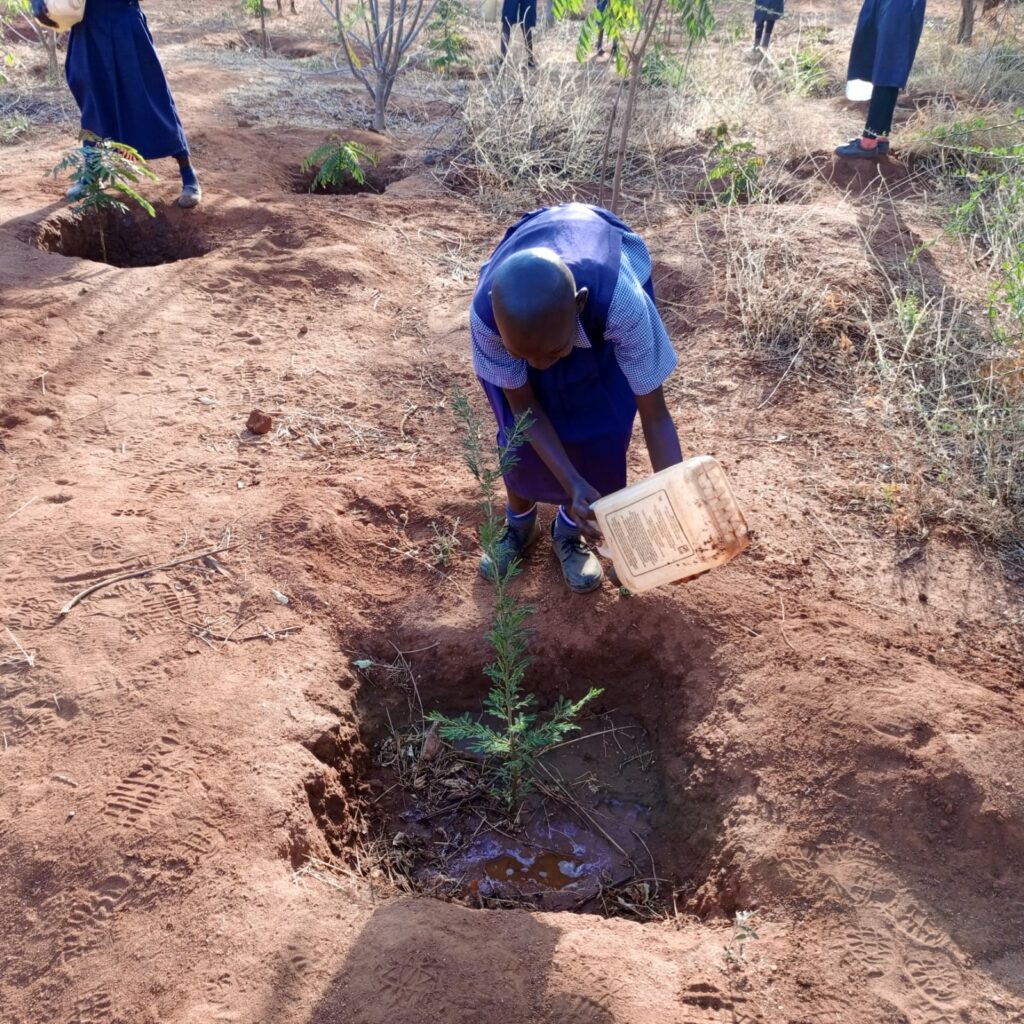
In practice, Dorcas combines innovation with local solutions to address climate challenges. In Yemen, solar-powered water systems provide clean drinking water and irrigation. In Iraq, water-saving technologies help trees survive in the desert. In Kenya, wetlands are being restored to manage floods, and schoolchildren plant trees to connect communities with their environment. These locally led solutions build resilience, safeguard livelihoods, and support people to flourish.

Dorcas takes a holistic approach to climate adaptation, working across food systems, land and water management, and community development. In this way, Dorcas transforms global commitments, such as those emphasised at COP30 and in the Belém Declaration, into tangible change for local communities. 

Reading time: 3 minutes

Brendah, 33, from Kenya, works for Dorcas on Climate Adaptation and Resilience. Brendah: ‘My passion for the climate started in primary school. To reduce greenhouse gas emissions from artificial fertilisers, we did a project on green manure fertilisers using Tithonia (Mexican sunflower, ed.). I decided to continue the research at home with our own crops. And it worked! It felt good to be able to provide an environmentally friendly solution at home.’ 

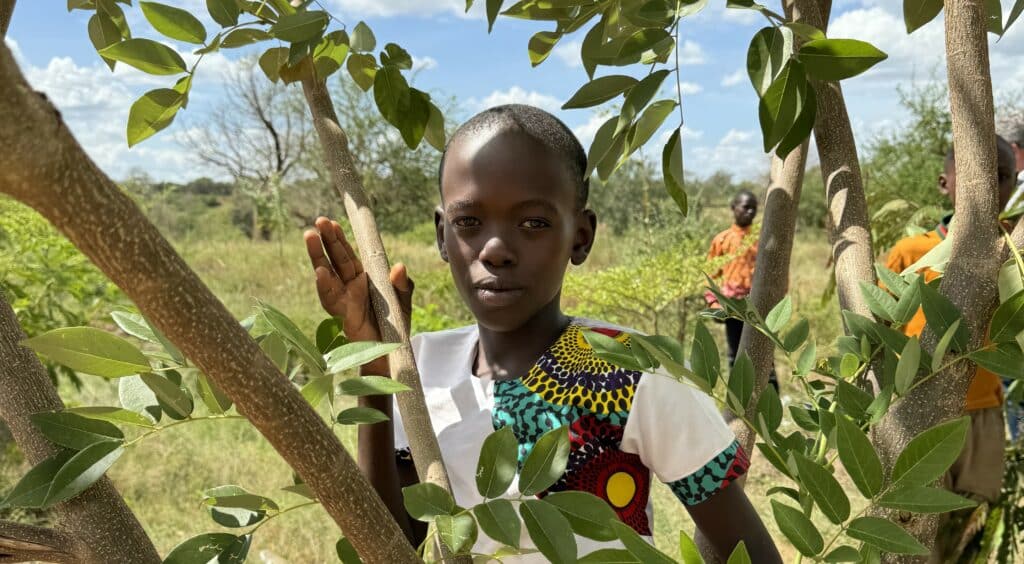
‘In my work for Dorcas, I contribute to solutions focused on self-reliance and climate resilience every day. The great thing is that children are also part of these solutions. For instance, we have established an afforestation programme together with schoolchildren. This is particularly important in areas where biodiversity has declined significantly. The children are allowed to plant a tree themselves and are given the option to practise at home by planting a tree there, too.’

‘It is wonderful to see how they take care of their own trees by watering them with bottles during dry periods. Through this project, children not only learn about the climate, but they also gain hope for the future. This is just one of the many climate initiatives that we are carrying out with the community. We are raising awareness among men, women, children, and young people.’ 

‘Why we should not give up’

‘It gives me enormous satisfaction that I can see first-hand how our initiatives are changing lives and ways of thinking. Many people live in poverty, so when someone is able to earn an income and send their children to school thanks to a climate-proof investment, it touches me deeply. In my work, I see a lot of dedication. From my colleagues and the people in the communities. They want change, and our projects give them hope. This is why we should not give up on development cooperation. Even if only to address the ongoing inequality and poverty in the world. However, it must be locally driven and supported by the local population. Only then will movement occur and opportunities be created.’

‘As a development worker, I have learned to be patient. Real change takes time. God calls us to take that time to care for the earth and support people so they can flourish. However, we cannot achieve this alone in Kenya. We also need support from the Netherlands. That is why I am appealing to you: to keep praying and giving. The people of Kenya are not helpless; they are resourceful and determined. They just need the means.’

What would I say to young Brendah?

‘That a better, more sustainable future is getting closer and closer!’ 


This interview was originally published in the Nederlands Dagblad on Saturday, 28 June. You can read the article (in Dutch) here.

Dorcas Kenya and our partner, Kitise Rural Development (KRD), have recently concluded the Makueni Pasture and Milk Value Chains Project. Through this initiative, we worked to enhance livelihoods in Makueni County by promoting climate-smart agriculture, developing value chains, and empowering young people.

Farming in Kikome village: A practical learning experience

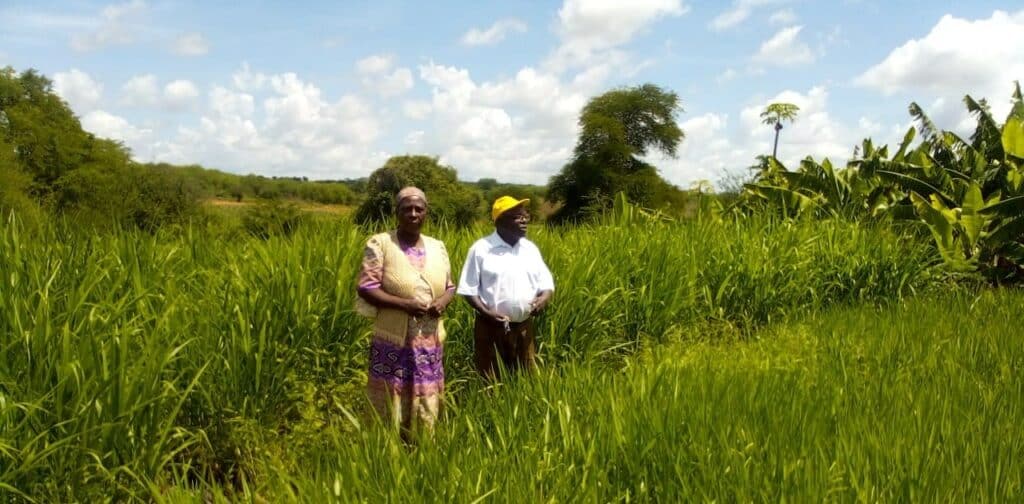
One of the project participants was Boniface, a 28-year-old pastoralist and dairy farmer from Kikome village in Makueni County. He lives with his wife, Faith, and their two children. Before joining the project, Boniface cultivated a small plot of land, but he had limited knowledge of pasture management, seed selection, and planting methods. Consequently, his milk production was low, resulting in an income that was insufficient to meet his family’s needs.

‘Through the project, I was able to join the Kikome Farmer Field School, where I gained practical skills in pasture and milk production,’ Boniface shares.

His strong commitment led to him being selected for a six-week intensive course at the Dairy Training Centre in Kenya, where he gained knowledge of soil fertility, feeds and feeding, breeding and animal health.

‘After the training, I planted more pasture the right way. I fed my animals well and put into practice what I had learnt. My milk yield increased from three to six litres per day,’ Boniface explains.

Income growth and community recognition

With the monthly income he now makes, Boniface can now comfortably pay school fees and support his family. He has become a peer-led farmer, offering guidance to others, and was recently contracted by the government to collect data and register farmers for upcoming agricultural programmes.

Boniface: ‘I highly appreciate the work carried out by KRD and Dorcas. I look forward to expanding my farming business and sharing my knowledge with other farmers.’

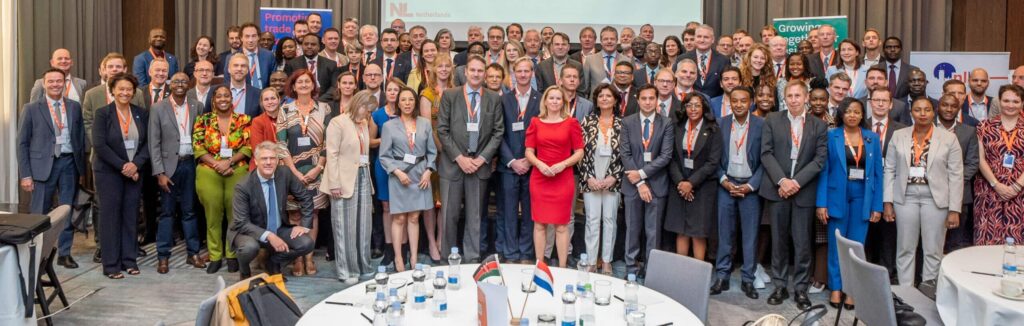
Dorcas took part in the Netherlands Trade Mission to Kenya from 17–20 March 2025. Focusing on sustainable agriculture and water, the mission provided a valuable platform for engagement, collaboration and visibility. The event was led by the Dutch Minister of Foreign Trade and Development Cooperation, Reinette Klever, and timed to coincide with the State Visit of King Willem-Alexander and Queen Máxima. It brought together key stakeholders from government, the private sector, development organisations, and research institutions.

Highlighting the Siaya Water and Sanitation Project 
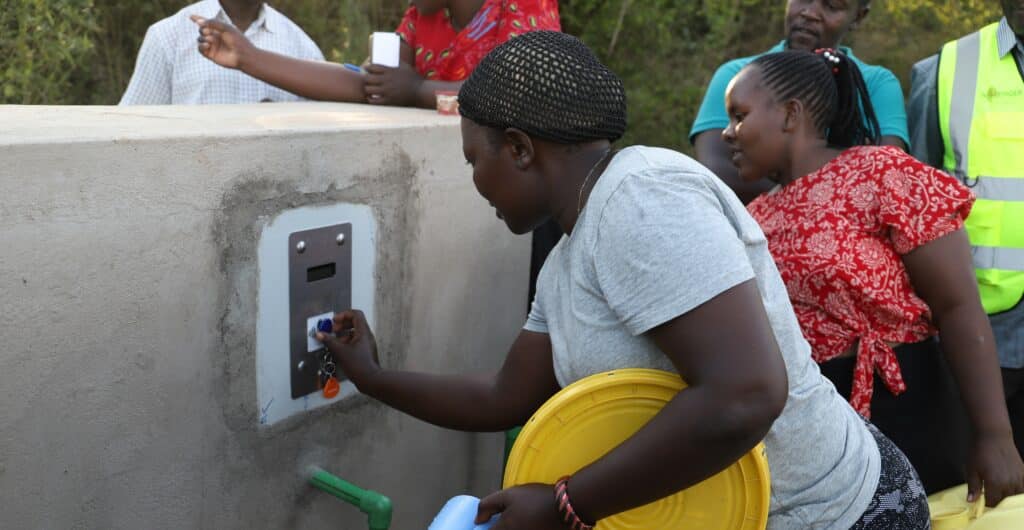
One of the key moments for Dorcas was our presentation on the Siaya Water and Sanitation Project. Edwin, Country Director of Dorcas Kenya, and Daniella, Thematic Expert, shared insights on our partnership with Maji Milele, Siaya County Government, North Gem CDP and Netherlands Enterprise Agency (RVO). The Public Ownership-Private Management model used in this initiative received significant interest, with several organisations expressing a desire to replicate and scale up the approach in other regions. This underlines the growing demand for sustainable water solutions in Kenya.

So far, the project has had a substantial impact, providing access to safe water for more than 115,000 people and improved sanitation for more than 97,000 people.

Learn more about the impact by watching the video below:

Building partnerships and looking ahead 

Dorcas participated in a series of high-level meetings, networking events and site visits. These engagements enabled us to connect with new partners who share our vision for sustainable development. We explored opportunities to collaborate with various organisations interested in sustainable agriculture and water solutions. 

Participation in this mission has considerably boosted Dorcas’ visibility among key stakeholders in both Kenya and the Netherlands. The interest in the Siaya model, coupled with promising new contacts, offers exciting opportunities for future collaboration.

This mission reaffirmed our commitment to impactful and sustainable solutions in water and agriculture. We look forward to furthering our work for communities in Kenya and beyond.  

Learn more about Dorcas Kenya.

Kenya is severely affected by climate change, experiencing challenges such as prolonged droughts, rising temperatures, erratic rainfall and floods. These environmental stresses caused by global warming have led to land degradation and deforestation, further exacerbating the country’s vulnerability. To combat this, the Kenyan government has set a target to plant 15 billion trees by 2032 to reduce the country’s greenhouse gas emissions and enhance climate resilience. In addition to improving air quality, trees help prevent flooding, support biodiversity, and strengthen ecosystems, while also playing a key role in regenerative agriculture and sustainable land management practices by restoring soil health and preventing further degradation.

In line with these efforts, Dorcas Kenya launched the Kitui climate change project in 2021 to combat climate change while engaging children and supporting both their education and future resilience. This was done under the slogan ‘A child, a tree’, where each child is assigned a tree to plant, care for and maintain. The project has successfully planted 55,000 seedlings and distributed 100,000 seed balls of indigenous, bee-friendly trees. Survival rates measured one year after planting were over 65 per cent for the tree seedlings and 50 per cent for the seed balls. Building on these efforts, Dorcas Kenya launched the Marsabit climate change project in 2024, which aims to plant 8,400 tree seedlings in schools by 2027.  

Why is the involvement of children and schools in solutions to climate change such a valuable practice? This article explores how engaging children not only empowers them to take ownership of their future, but also builds wider community resilience, and highlights why the education system is such a fruitful setting for these initiatives.   

The role of education in climate action  

Schools are an ideal setting for climate action projects as they provide a structured environment where children can learn and actively participate in initiatives such as tree planting. Dorcas works with schools that are motivated to get involved, have at least one hectare of land and an active environmental club. Through these school environmental clubs, children gain knowledge and skills about the impact of climate change awareness, particularly how it affects their future livelihoods, the country’s economy and biodiversity. This encourages a deep understanding of the importance of environmental conservation and climate action. Including climate education in schools not only equips students with the information they need to address climate challenges but also builds a sense of responsibility and ownership. In this way, education creates a generation that is more informed, engaged and ready to lead the way to climate resilience.   

The power of children in the creation of a sustainable future  

Children are powerful agents of change, and Dorcas’ projects have shown how quickly they can adapt to new practices and behaviours, especially when given the opportunity to participate in hands-on activities. Through involvement in tree planting and environmental clubs, children develop a strong sense of ownership.  

Daniella Maroma, Thematic Expert on Climate Adaptation and Resilience at Dorcas, describes: ‘During my visit to the schools in Kenya, I witnessed something truly remarkable. The children proudly showcased their trees, their faces lighting up as they pointed out how tall they had grown. Each tree was a living testament to their care, dedication and belief in a brighter future. These children are not just caring for trees, they are actively shaping a more resilient and sustainable world. Their actions are a powerful reminder that meaningful change begins with simple, determined steps.’ 

Children who grow trees to maturity are further encouraged through individual and school awards, which motivate them to continue their efforts. One of the schools Dorcas has worked with, Athi Primary School, is a good example of how highly motivated children can be. It now has at least 300 surviving trees, and the children carry water from their homes to keep the trees from drying out. This commitment often inspires their peers to get involved, creating a ripple effect in their schools and communities. Tree planting not only improves the environment in various ways but also secures a sustainable future for children by promoting biodiversity and supporting long-term climate resilience in their communities. 

Dorcas hopes to inspire young children to take a leading role in environmental conservation and in tackling the effects of climate change, ensuring a sustainable future for generations to come.   

Kitui County, one of Kenya’s semi-arid regions, is facing severe challenges from climate change. Rising temperatures, erratic rainfall, prolonged droughts, floods, and invasive species are taking a heavy toll on the region’s ecosystems and livelihoods. With agriculture and natural resources under increasing strain, many residents have turned to activities such as tree logging and charcoal burning, further exacerbating land degradation and deforestation. These unsustainable practices have created a vicious cycle of environmental decline, making it critical to take action. 

In response, Dorcas Kenya, in collaboration with Muangeni Rural Development Programme, launched the Kitui Climate Change Project in 2020. This initiative aims to enhance the climate resilience of communities through comprehensive interventions, such as behavior change, policy advocacy, and ecosystem restoration. The project aligns with global sustainability goals, including SDG 13 (climate action), SDG 1 (no poverty), and SDG 2 (zero hunger), promoting sustainable development practices to safeguard the future. 

Afforestation efforts through schools 

A key element of the Kitui Climate Change Project is afforestation, carried out through schools in the region. Since 2021, over 150 schools in Kitui South have participated in the tree-planting initiative, which is designed to address water scarcity challenges while fostering environmental stewardship among students. Tree planting is strategically aligned with the short rain season (October, November, December) when the climate is more stable, ensuring the newly planted trees benefit from two rainy seasons and thus have higher survival rates. 

Under the slogan “A Child, A Tree,” each student is encouraged to adopt and care for a tree for a full year. This approach not only fosters environmental responsibility among the younger generation but also ensures that the trees are well-maintained. Each school receives 100 seedlings annually and, upon successfully nurturing them, qualifies for additional seedlings in subsequent years.  

Notable success and impact 

To date, the project has seen the survival of approximately 36,000 out of 55,000 trees planted between 2021 and 2022, representing a survival rate of 65-70 per cent. Schools like Athi Primary now boast over 300 thriving trees, thanks to the commitment of students, who even carry water from home to ensure their survival during dry spells. Additionally, Dorcas has invested in infrastructure like a 50,000m³ water pan at Kiange Mixed Secondary School to provide a reliable water source during droughts. 

This afforestation initiative not only contributes to Kenya’s national goal of planting 15 billion trees by 2032 but also plays a crucial role in restoring degraded landscapes, reducing biodiversity loss, and promoting decarbonisation. By involving school children, Dorcas is inspiring the next generation of conservationists, ensuring that the fight against climate change continues for years to come. 

Through such innovative projects, Dorcas Kenya continues to foster sustainable development and climate adaptation in regions that are vulnerable, empowering communities to build a more resilient and environmentally conscious future. 

In Kajiado South, Kenya, the Ilaramatak Esukuta Village Savings and Loan Association (VSLA), a women’s savings group comprising 38 women, is a symbol of hope and resilience. This group is one of 30 VSLAs supported by Dorcas Kenya through the Loitoktok Future for Children project in partnership with Shokut Naretoi community programme organisation. The project uses the Dorcas Future for Children approach, which focuses on life skills for children and parents, household strengthening, community child protection and advocacy for improved government child protection policies.

The project reaches 235 households, identified through a community-led participatory process and grouped by geographical location to facilitate training and follow-up. These households have been through six consecutive failed rainy seasons from October 2020 to December 2023, resulting in devastating drought conditions across the Horn of Africa. The impact has been severe, leading to livestock losses, food insecurity and reduced access to education and healthcare for many families.

An integrated approach to empowerment

The process began with training in positive parenting, where parents learned essential skills such as communicating clearly and becoming role models for their children. Households were also trained in entrepreneurship, smart agriculture, financial literacy and child rights and protection. These small groups eventually evolved into VSLAs, with the Ilaramatak Esukuta VSLA being the first to be trained and officially formed on 24 March 2021.

Initially consisting of 38 women, 15% of whom were subsistence farmers, petty traders or casual labourers, and 60% of whom were housewives or unemployed, the group faced significant economic challenges. However, their determination and the training they received paid off. From May 2021 to May 2022, the group saved a substantial amount, issued numerous loans, and made a considerable profit. In their second cycle, the group saved a larger amount and made an even greater profit from loans.

The financial success of the group has been transformational. Members have gained confidence in managing their finances and many have opened personal bank accounts, further increasing their financial independence.

Impact beyond finance

The Ilaramatak Esukuta VSLA has promoted social growth and economic empowerment among its members. Business growth within the group has had a positive ripple effect, with their children attending school more regularly, leading to better learning outcomes. The group’s culture of savings and financial management has also deepened, with members consistently saving a notable amount per week.

Together, the group invested in a 100-seat tent and 100 plastic chairs, which they rent out for social events. This income-generating activity (IGA) has provided additional financial support for members. Individually, members have started or expanded their businesses, attributing their success to the skills they learned through VSLA training. For example, Somoina expanded her charcoal business and now saves a significant amount per week. Through backyard gardening and selling excess vegetables to the community, Katito Elizabeth has improved her family’s nutrition and income.

Mary, the group’s chairperson, describes how VSLA’s leadership training transformed her from a shy person to a confident leader: ‘Before joining the VSLA, I was a very shy person, someone who avoided speaking in public or taking on leadership roles. But through the leadership training, I started to build my self-esteem and believe in my abilities. It was a gradual process, but eventually I found myself taking on the role of chairperson for our group. At 57 years old, I never imagined I would be a leader, let alone one who could speak confidently and resolve conflicts within a group. This experience has opened my eyes to my potential and I now believe that I can aspire to any position within the group or in the wider community. The transformation has been incredible and has given me a sense of purpose and confidence that I never had before.’

As the Ilaramatak Esukuta VSLA enters its third cycle, all of the original members remain active. The group now plans to support members without IGAs to set up their own, and they are looking to buy another tent to increase their income.

Ilaramatak Esukuta’s story of resilience, empowerment and hope is a reflection of Dorcas’ Future for Children’s profound impact in transforming lives and communities.

Dorcas Kenya has successfully completed the Siaya Water and Sanitation Project, enhancing sustainable access to clean drinking water and improving sanitation facilities in Siaya County.

The project is funded by the Netherlands Enterprise Agency in partnership with the County Government of Siaya, Maji Milele, and North Gem. The initiative focused on the rural population, which constitutes 89% of the county’s residents, of whom only 36% had access to clean water before the project. 

Through the rehabilitation and augmentation of four water schemes, we have significantly improved water access, reaching 115,358 people with clean drinking water, 91,295 of whom regularly use the water facilities. Households with individual connections now consume an average of 30 litres per day, translating to 5 litres per person, while those relying on communal water points consume 16 litres per day, or 2.7 litres per person. Individual connections significantly enhance daily water availability and contribute to improved health and hygiene compared to communal water points. 

In terms of sanitation, the project has made notable progress. Before the project, only 49% of the population had access to improved sanitation facilities, with 20% practising open defecation and 31% using unimproved toilet facilities. Now, 92,727 people have access to improved sanitation facilities. Our efforts also focused on sanitation marketing, helping the community improve their sanitation practices following the declaration of Siaya County as open defecation free (ODF). 

Training and employment have been key components of this project. We trained 166 change agents who reached 64,395 people with awareness programmes. Women now make up 36.7% of the leadership within the Schemes Supervisory Boards. Out of 225 direct jobs created, 119 were filled by women, and 38 out of 68 entrepreneurs engaged in WASH-related products are women. 

Support for highly marginalised groups has been a priority, with 1,967 individuals receiving 60 litres of water per household per day free of charge and 504 households provided with improved sanitation facilities. 

This project represents a significant advance towards achieving SDG 6 and ensuring that everyone has access to clean water and proper sanitation. Our End Time Evaluation (ETE) suggests that we should increase facilities, such as equipment for moulding and shaping materials, which artisans use to create or repair items and adopt a market-based approach to improve sanitation. We are dedicated to building on these achievements to ensure long-lasting benefits for the community.