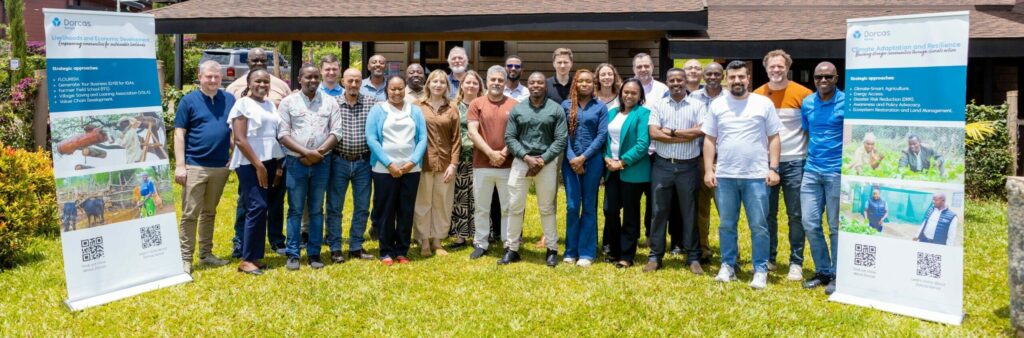
In late February, colleagues from Dorcas offices across East Africa, the Middle East and Eastern Europe, as well as from the International Office, joined the team in Kenya for a learning event.

The goal was to examine how programmes are designed around livelihoods and economic development, as well as climate adaptation and resilience, share lessons across contexts, and leave with sharper thinking and practical tools. Topics covered included value chains, employability and market-focused thinking, as well as land restoration, water resilience and nature-based solutions.

Three key takeaways on climate adaptation and resilience

1. Understand the ecosystem before taking action.

Climate work begins with an understanding of the landscape. Restoration does not always mean planting trees. In some areas, farmer-managed natural regeneration (FMNR), soil and water conservation, or rangeland management can be more effective. Tailored strategies are more important than speed.

2. Use tools that centre communities.

Climate Vulnerability and Capacity Analysis and Local Adaptation Planning support communities in identifying risks, assessing vulnerabilities and shaping adaptation plans. This ensures that interventions are based on reality rather than assumptions.

3. Nature-based solutions are essential.

Landscape restoration, water harvesting, ecosystem protection and regenerative agriculture strengthen resilience while improving soil quality, biodiversity and productivity. In communities that rely on natural resources, these solutions form the core of their infrastructure.

Three key takeaways on Livelihoods and Economic Development

1. Recognise the livelihood pathway.

Households transition from survival and coping strategies to adapting and engaging with markets. Support must be tailored to their current situation. Families struggling to meet their basic needs require different support to stabilised cooperatives that are ready to engage with value chains.

2. Think in terms of value chains and connect to markets.

The Dorcas Value Chain Approach, informed by evaluations across East Africa, has highlighted both opportunities and challenges. Case studies, including that of the honey value chain in Kitui, Kenya, revealed issues ranging from quality control to market access. Future programmes will focus on creating sustainable, demand-driven opportunities.

Nicodemus, Director of Programmes at Dorcas Yemen, describes:

‘Many participants in Yemen are involved in honey production, and the environment in Kitui is similar to parts of Yemen. We will use these lessons to ensure that project participants take part in sustainable value chain activities, improve production quality and gain access to local markets.’

3. Invest in youth and the long term.

Job and Business Centres, which combine life skills, vocational training and entrepreneurship support, have demonstrated that connecting young people to labour markets is most effective in the long term. Sustainable change requires long-term engagement with communities and market actors.

Learning in practice: field visits

Field visits were a highlight of the event and helped to make abstract concepts more tangible. Participants had the opportunity to visit ongoing Dorcas projects and meet farmers, community groups, and project staff. They observed value chain development in action at the honey cooperative in Kitui and climate adaptation strategies, including land restoration, water management and regenerative agriculture, in Loitoktok in Kajiado County. Participants could ask questions, test assumptions and observe what works and what doesn’t in real contexts.

Andrei, Programme Manager at Dorcas Moldova elaborates:

‘It was incredibly valuable to see the projects in Kenya. The honey value chain project in Kitui was particularly inspiring! It was well organised and close to self-sustained. It could serve as a model for our farmer field schools in Moldova.’

The most inspiring insight

The event highlighted a simple truth: the most effective programmes combine technical expertise with genuine community ownership. Communities that shape solutions achieve sustainable and scalable results, whether the focus is on land restoration, honey production, water management or youth employability.

Daniella, Thematic Expert at Dorcas, describes:

‘The goal of this learning event is not just to learn new tools, but to bring them back to our programmes. The real success will be if, in the coming years, our country offices apply these approaches and build stronger programmes that deliver lasting impact for communities.’

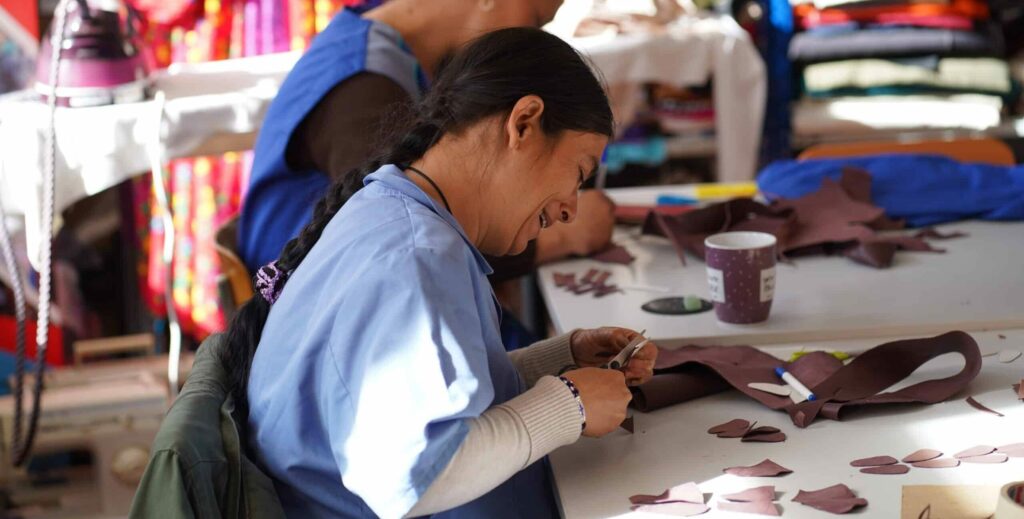
Across the world, many women continue to face barriers that limit their full participation in society, including in economic life. Limited access to markets, finance, and decision-making restricts their opportunities. Creating equal economic opportunities requires deliberate action.

At Dorcas, inclusion is central to our work. We apply a gender lens and an intersectional approach in selecting project participants, considering age, disability, poverty, and ethnicity to identify those most at risk of exclusion. Through this approach, we strengthen women’s economic participation.

In Dorcas’ economic development work, value chains play a key role. These programmes are designed to strengthen the participation of marginalised groups, including women, by providing chances to learn new skills, take part in production and sales, manage savings and finances, and have a stronger voice in household and community decisions. To see whether these intentions are realised, we studied our value chain projects across Tanzania, Kenya, and Ethiopia. While the study included multiple marginalised groups, this article focuses on what we found about women.

Women’s participation in value chains

The study shows that women participate actively and consistently. They attend trainings, join group activities, and engage in production linked to markets. Many gain new skills, earn a steadier income, and contribute more to household welfare. Participation also made women’s contributions more visible, leading to more discussion and shared decisions in households and groups, especially where income was regular and institutions strong. In Siaya, for example, predictable poultry income sparked household discussions about expenses: ‘When the chickens started bringing money regularly, I was asked how it should be used,’ a female poultry producer said.

But participation does not automatically mean control. While more households reported joint decision-making, women were rarely sole decision-makers. Traditional norms around asset ownership and authority often limited women’s long-term control.

Certain programme features supported women to participate more fully. Cooperatives and groups offered structure, shared responsibility, and formal recognition of women’s roles. Savings mechanisms helped women manage income and plan ahead. Direct access to markets reduced dependence on middlemen and removed the hassle of daily price negotiations.

Challenges and mitigation

Inclusion brings opportunities but also pressures. Increased participation can mean heavier workloads, exposure to safety risks, and vulnerability to economic shocks. Women, youth, persons with disabilities, and households facing poverty are particularly affected.

Dorcas works to reduce these pressures through group structures, peer support, and savings systems that help households manage uncertainty. Systematic risk management remains important to ensure all participants can benefit safely and fairly.


Lessons for women’s empowerment

From the study, four core lessons emerge for strengthening women’s empowerment in value chains:

  1. Participation alone is not enough. Empowerment requires not only involvement but also influence over outcomes. Women need a say in how income is used and resources managed. Without control over benefits, participation risks remaining symbolic rather than transformative.
  2. Working together strengthens resilience. Cooperatives, savings groups, and Farmer Field Schools provide structure, peer support, and safe spaces to learn and plan. Collective approaches increase predictability, reduce vulnerability, and strengthen women’s voice and legitimacy.
  3. Context matters. Women’s experiences differ. Age, disability, ethnicity, and prevailing social norms shape how they can participate and benefit. Recognising these differences ensures inclusion reaches those most at risk and that empowerment gains last.
  4. Diversifying income increases stability. Relying on a single activity exposes households to shocks. Combining value chain roles with savings, micro-enterprises, or service-based work spreads risk and strengthens long-term economic security.

‘Today, I see myself as a businesswoman’

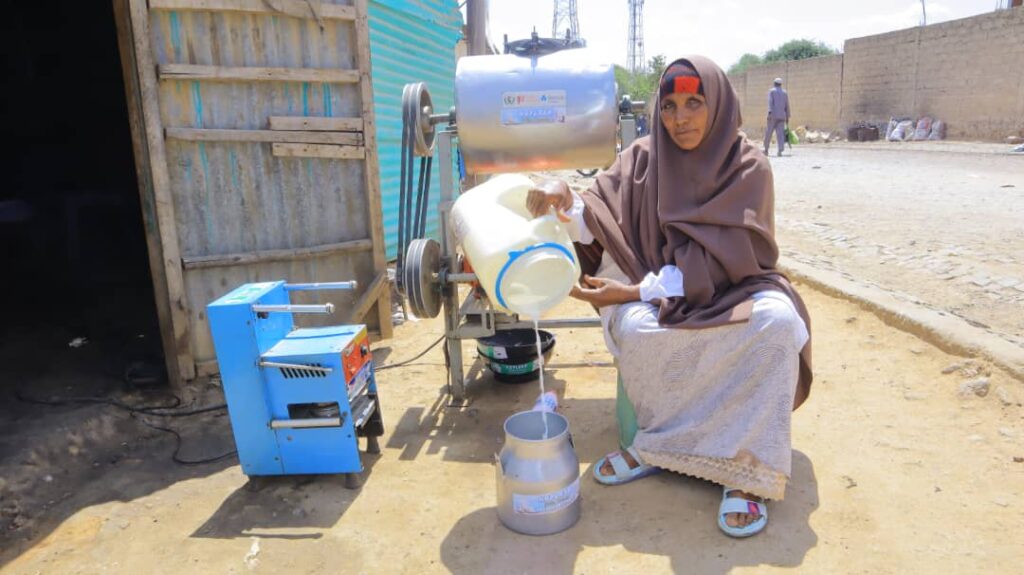
Kadija, a 50-year-old woman from Moyale, Ethiopia, joined the camel milk cooperative to overcome seasonal poverty and uncertainty. She recalls:

‘Before I joined the cooperative, my life was very uncertain. During the dry seasons, work would completely disappear. Some days we struggled just to get food.’Through the milk collection centre, Kadija gained a stable income and became a recognised economic contributor in her household and community. She explains:

‘Today, I see myself as a businesswoman. I have a stable income, I save money, and I plan better. People respect me more, and I have a voice not only in my home but also in the community.’

She also highlights the importance of working together:

‘Working together changed everything for me. Through the cooperative, women support each other, share responsibilities, and inspire one another to keep going.”

Her story reflects the broader findings: when women gain access to skills, markets, income, and collective support, economic participation can translate into greater stability, recognition, and confidence.


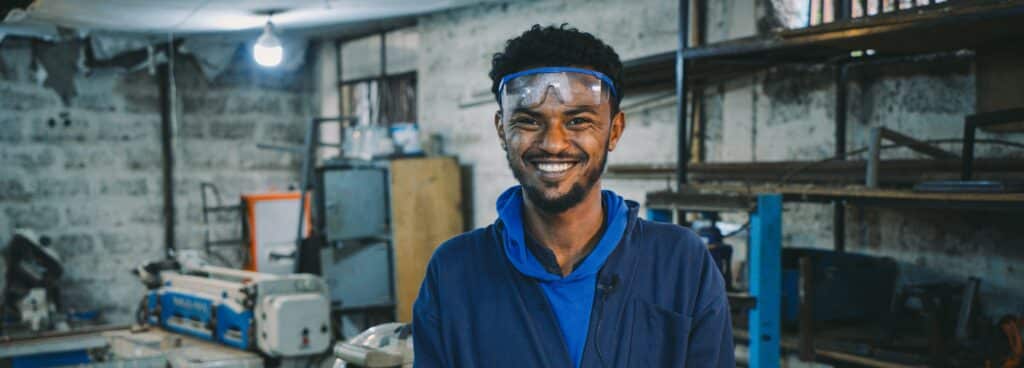
At the Dorcas Technical and Vocational Education and Training (TVET) Centre on the outskirts of Addis Ababa, young people are purposefully building their future in a training facility. In an environment where professional skill development is central, they are acquiring technical capabilities, strengthening their confidence, and opening up new perspectives. With youth unemployment remaining a significant challenge in Ethiopia, the centre plays a crucial role in equipping young people with the skills they need to succeed in the labour market. 

A programme where skills and dignity grow together

The TVET programme combines practical skills with personal development. Students can choose to specialise in metalwork, woodworking or garment production. They study theory in the classroom alongside hands-on training with industry-standard tools. Life skills sessions and introductory business training help students to understand how to work and how to shape their future with intention and resilience.

Each course lasts four to six months, with around 25 students per class. A one-month placement in a cooperative introduces them to the realities of modern workplaces and brings their learning to life.

Reaching those who need support the most 

Participants are aged between 15 and 32 and are selected in collaboration with Woreda-level government offices. This ensures that opportunities reach young migrants, school dropouts, individuals escaping unsafe situations, and young people without family support.

Many participants initially arrive feeling uncertain and hesitant due to challenging past experiences. However, as they refine their skills, receive structured guidance and build their competence, they undergo a significant transformation. They become more confident communicators, their self-belief grows, and they begin to take responsibility for their choices. This personal development is as important as the technical training itself.

Support that extends beyond the training  

Through Job and Business Services (JBS), students receive support in connecting with employers and exploring opportunities in small businesses. This personalised support enables most graduates to quickly secure dignified employment, with positive knock-on effects for their families and communities. Families gain stability, younger siblings stay in education, and communities see capable, hopeful young people fulfilling their potential.

Stories of courage and change   

A young girl from the north of the country came to Addis Ababa to escape an arranged marriage arranged by her family. She was only 16 years old at the time. Travelling alone, she quickly found that life in the city was uncertain. Everything changed when she enrolled on a garment training course at the Dorcas TVET centre.

She now works as a supervisor at WARIT Furniture and continues her education through an evening programme. In her own words:

‘I survived those difficult days, now I am working to realise my dreams.’

Strengthening communities through skilled youth 

When young people gain confidence, skills and employment, communities change with them. The TVET programme not only lifts individuals, it strengthens families, inspires peers and reduces the social pressures associated with youth unemployment. A generation once considered marginalised becomes a generation of contributors, innovators and role models. 

Looking ahead: building a centre of excellence 

The TVET centre continues to grow. Its development into a centre of excellence in furniture making includes a dedicated woodworking workshop and new machinery. Plans for the future include expanding into new fields where there is high demand for skilled workers:

Dorcas also has a long-term vision to establish a self-sustaining business wing linked to the TVET centre, which would be a significant step towards becoming an independent training institute.

Where new paths begin

Across Ethiopia, many young people face uncertainty, exposure to risk and limited prospects for advancement. The Dorcas TVET Centre offers them a structured environment in which to develop market-relevant skills, receive professional guidance and access new growth opportunities. It offers a space where competence leads to dignity, where mentorship supports informed decision-making and where tangible opportunities provide a sense of direction and possibility in place of uncertainty.

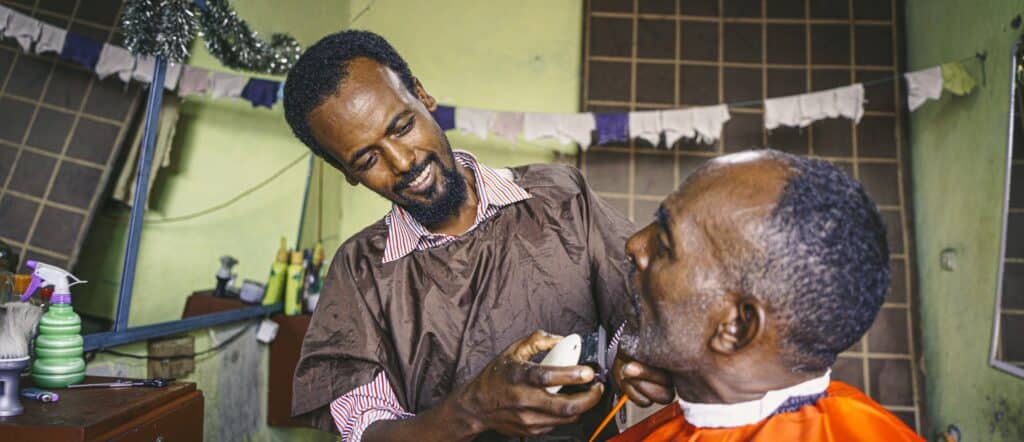
‘I graduated in Business Management, but I couldn’t find a job. As a result, I wasn’t earning anything and was unable to provide for my family.’ Eshetee, a 31-year-old from Ethiopia, was unemployed for a long time. However, after taking part in a training programme run by Dorcas, he was able to open his own barbershop and now earns enough to support his family.

Eshetee is married and the father of a daughter who is just over a year old. He lives with his family just outside Shashemene, a town in south-west Ethiopia. After finishing his studies, he, like many other young Ethiopians, found it difficult to get a job. ‘I was barely earning anything. I took whatever work I could find on the streets, but it wasn’t enough to support my parents or maintain my own family.’

Barber training

Eshetee heard about Dorcas’ vocational training programmes through friends. He enrolled on the barbering course. Within a few weeks, he had mastered the finer points of the trade. He also completed a skills course, which boosted his confidence and taught him about planning and social skills.

After completing the training, he opened a barbershop with the support of a loan. The business is now thriving and attracts many customers. ‘I now earn enough to support my family. I can rent a house and I am financially independent. When my daughter is old enough, I will also have enough to send her to school. I would not have achieved any of this without the training,’ says Eshetee proudly.

Dreams of expansion

He is already thinking about the future. ‘I would like to invest in better materials and new chairs. I would also like to hire staff to allow me to expand my business. Eventually, I hope to open another shop in a different location.’

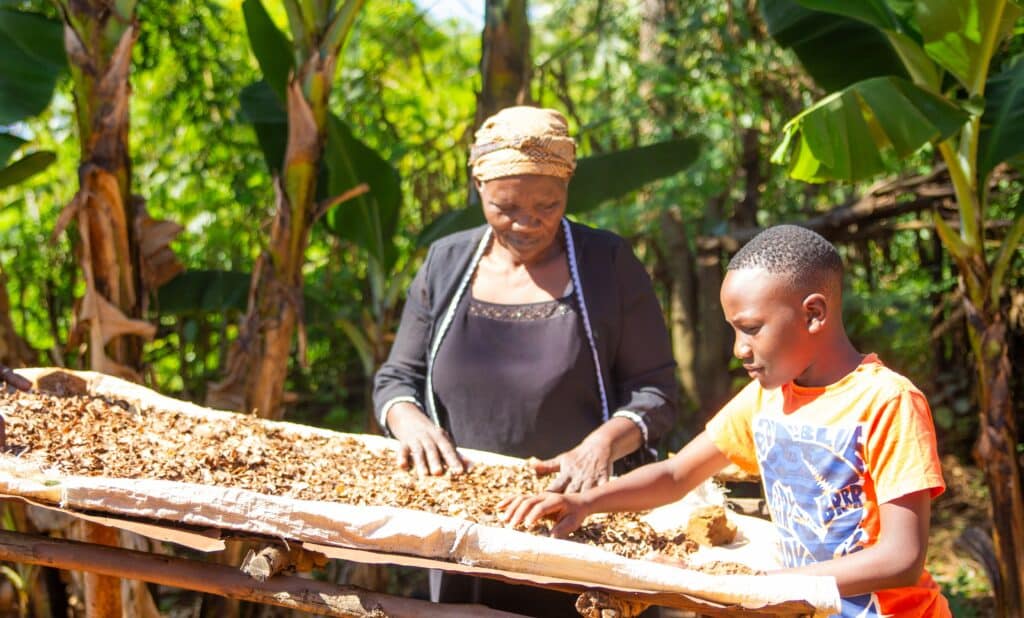
Across Kenya, communities are experiencing the growing impacts of climate change. Rainfall has become increasingly erratic, harvests are less reliable, and many rural families struggle to secure enough food throughout the year. In the semi-arid county of Kitui, these pressures are compounded by environmental degradation caused by illegal charcoal production, which has accelerated deforestation and reduced vital sources of forage for livestock and bees. 

To address these challenges, Dorcas Kenya works with local communities to build climate-resilient livelihoods, increase incomes and strengthen household food security. Through the Honey Value Chain Project, farmers are organised into Farmer Field Schools where they receive training on best production and harvesting methods, modern beehives, and support to connect with cooperatives, enabling them to sell their honey together at fair prices.

One of the farmers who embraced this opportunity is Justus Makau Mutua, whose story reflects the hope and transformation this project brings. 

Choosing a sustainable future

Justus (33) lives in Kitui County with his wife and their two children, a seven-year-old and a four-year-old. After graduating from the University of Nairobi with a degree in Commerce, he made the deliberate decision to return to his home village rather than seek employment in the city. He opened a small butcher’s shop at the local market and traded livestock, but the income was inconsistent and insufficient to support his family.

Meanwhile, life in Kitui was becoming increasingly difficult. Years of failing rains left many households facing food shortages. As trees disappeared due to charcoal production, pastureland and bee forage were depleted. When Dorcas Kenya launched the Honey Value Chain Project, Justus grasped the opportunity to build a more resilient livelihood.

Although beekeeping in his community was traditionally practised by older men, Justus decided to give it a try. In 2021, he cautiously began with ten modern hives, which were provided through the project. He soon saw results.

With training from Dorcas Kenya, he learned how to set up an apiary, attract and manage colonies, and safely harvest and process honey. Techniques such as cleaning hives with basil and applying beeswax increased his productivity. Dorcas Kenya also connected his group to cooperatives, enabling farmers to sell their honey collectively and secure fair prices.

Today, Justus manages 60 hives. He is the secretary of his local beekeeping group and encourages young people and women to take up the practice, challenging long-held stereotypes in the process.

Improved income and better food security 

This year, Justus harvested 235 kilograms of honey, earning him 63,450 Kenyan shillings (approximately €460). This income enables him to pay his children’s school fees, buy food for his family and reinvest in his butcher’s business. His success has also inspired those around him: his father, Mzee Mutua, has started keeping bees too, and now manages ten hives alongside his son.

For families like Justus’, beekeeping directly contributes to food security. Honey is a reliable product that can be harvested even in difficult seasons. Meanwhile, Dorcas Kenya is working with communities on landscape restoration and climate-smart practices to ensure that there is enough forage for the bees year-round.

Justus dreams of expanding to 200 hives and using the additional income to invest in rental housing. However, his motivation goes beyond personal growth. ‘I want to show other young people that beekeeping can offer a dignified and sustainable livelihood,’ he says.

Through the Honey Value Chain Project, Dorcas Kenya continues to support farmers like Justus in building resilience, restoring the environment and securing a more stable future for their families.

Food is a fundamental human right, yet hunger remains a global issue. According to the Food and Agriculture Organisation (FAO)1, around 673 million people around the world living with hunger due to adverse conditions such as weather shocks, conflict, economic downturns and inequality. In response to this global crisis, Dorcas organises the annual Dorcas Food Campaign (in the Netherlands). Through this campaign, we raise awareness, mobilise resources and implement sustainable solutions that enable communities to flourish. Thousands of dedicated volunteers play a crucial role in the campaign, working tirelessly to raise funds and support various initiatives.

The Food Campaign takes a holistic approach to food security. It addresses both immediate needs and builds the foundations for long-term resilience. Beyond emergency food distributions, Dorcas supports marginalised households by training them in sustainable farming techniques and providing them with the materials they need. We also provide skills training and support for people to start their own businesses.

1. Food distributions during emergencies

These distributions are meant to provide food to people in immediate need. For example, people who have lost access to food and water due to a natural disaster or conflict. They receive food or money to support them through this first difficult period. 

Barkitha from South Sudan. Barkitha left South Sudan for Sudan many years ago, but after her husband passed away and conflict erupted, she returned home with her children, facing hunger and uncertainty. ‘We had nothing, and my children cried from hunger.’ Then, through Dorcas, she began to receive monthly food parcels and a small cash grant containing flour, oil, beans and salt.

‘With this support, we had enough to get through the first few months. This support gave me the strength and space to make plans for the future.’ Dorcas also provided her with tools for growing grain and nuts. ‘Now I can produce food myself and no longer have to worry whether my children have enough to eat.’

Barkitha’s story highlights the critical role these parcels play as a first step in supporting people to rebuild their lives after emergencies. Dorcas brings this type of support to countless households facing displacement and hunger in the thirteen countries where we work.  

2. Growing food

As well as providing immediate emergency assistance, Dorcas also addresses the underlying causes of food insecurity through sustainable agriculture initiatives. We provide households living in poverty with seeds, tools and training to cultivate crops and do this in a climate-smart way. For example, through the Participatory Integrated Planning (PIP) we support farmers to collaborate in decision-making and resource management, enhancing their ability to adapt to climate changes. This ensures they have healthy food all year round.  

Vasyl and Renate from Ukraine: Due to ongoing conflict, Vasyl lost his job, leaving his family struggling to make ends meet. Dorcas provided them with materials to expand their greenhouse and training in growing and marketing. Now, they have enough food and income to support their family. 

3. Earning food through a new occupation

Dorcas provides (skills) training and support for people in vulnerable situations to start their own businesses. This will put food on the table – now and in the future.  

Mahalled from Ethiopia: In Ethiopia, Mahalled took any short-term work she could find, but it wasn’t enough to sustain her family. With her husband’s limited income, she turned to Dorcas and enrolled in a woodworking course. Once she completes the course, she plans to open a workshop named after her daughters: Sosena & Bitanika Furniture Making Workshop.

Mahalled’s experience highlights the importance of skills training in changing personal situations, empowering people to improve their lives and support their families. 

Building resilience through food security 

Food security has a profound impact on the well-being of people and communities around the world. It affects not only personal health and development, but also broader societal stability and growth. When communities lack access to sufficient food, the consequences go beyond hunger, affecting education, economic productivity and social cohesion. The stories of Barkitha, Vasyl, Renate and Mahalled illustrate how access to nutritious food can transform lives, build resilience and empower people and communities to build a sustainable future. 

Through the Dorcas Food Campaign, we want to contribute to a future where food security is accessible to all. Together, we can make a lasting difference in the fight against hunger.

  1. Food and Agriculture Organization of the United Nations ↩︎

Reading time: three minutes.

Dorcas is proud to announce the publication of its strategic plan 2026-2030: Local power creates lasting change. This roadmap sets out Dorcas’s vision for the coming years, focusing on empowering local communities, driving innovation, and creating measurable impact for people vulnerable to poverty, exclusion, and crises.

Facing a changing world

The world is rapidly evolving, with technological, economic, and demographic shifts often hitting the most marginalised the hardest. Dorcas recognises that the needs of the communities it serves are growing, even as funding environments become more challenging. From climate-induced agricultural issues in Africa to ongoing conflicts in the Middle East and the isolation of older people in Eastern Europe, Dorcas’s mission is more vital than ever.

Three pillars for impact

The new strategic plan is built on three core pillars:

  • Grow: By 2030, Dorcas aims to reach 1.5 times as many people as our income increases over 60 million euros and a significant increase in volunteers and supporters.
  • Quality: By 2030, Dorcas has a clear track record, invests in quality standards and continuous improvement to ensure its support leads to lasting, positive change.
  • Positioning: Dorcas seeks to be recognised as a leading international partner in humanitarian and development cooperation, with a strong presence in the Netherlands and beyond.

Seven programmatic themes

Dorcas will apply seven programmatic themes to sharpen expertise, strengthen its track record, and define clear organisational positioning. By 2030, Dorcas aims to harmonise and standardise our approaches resulting from these themes through a lens of inclusion and vulnerability, with community-based programming as our core approach.

Dorcas’s approach is defined by the following programmatic themes:

  • Crisis Response
  • Protection
  • Community Development
  • Climate Adaptation
  • Water
  • Livelihoods and Food Security
  • Economic Development

These themes guide Dorcas’s work across the Middle East, Eastern Europe, and Eastern Africa.

Empowering local communities

A key feature of the strategic plan is the commitment to localisation. Dorcas will invest in building the capacity of local partners and country offices, shifting expertise and resources closer to the communities served. By 2030, country offices will have expanded their programme portfolios by 40 per cent, strengthening both their sustainable presence and overall impact.

Innovation and collaboration

Dorcas will foster a culture of innovation, investing in new ideas and partnerships to address emerging challenges. The organisation will also strengthen its fundraising, aiming to double its supporter base and become the largest charity thrift store chain in the Netherlands.

Looking ahead

Dorcas’s strategic plan 2026-2030 is a response to a fragile and unpredictable world. By focusing on local power, operational excellence, and strategic partnerships, Dorcas is committed to enabling people and communities to flourish in the face of adversity.

Read the full strategic plan:

Dorcas Strategic plan – Local power creates lasting change [2026-2030]Download

Dorcas Kenya and our partner, Kitise Rural Development (KRD), have recently concluded the Makueni Pasture and Milk Value Chains Project. Through this initiative, we worked to enhance livelihoods in Makueni County by promoting climate-smart agriculture, developing value chains, and empowering young people.

Farming in Kikome village: A practical learning experience

One of the project participants was Boniface, a 28-year-old pastoralist and dairy farmer from Kikome village in Makueni County. He lives with his wife, Faith, and their two children. Before joining the project, Boniface cultivated a small plot of land, but he had limited knowledge of pasture management, seed selection, and planting methods. Consequently, his milk production was low, resulting in an income that was insufficient to meet his family’s needs.

‘Through the project, I was able to join the Kikome Farmer Field School, where I gained practical skills in pasture and milk production,’ Boniface shares.

His strong commitment led to him being selected for a six-week intensive course at the Dairy Training Centre in Kenya, where he gained knowledge of soil fertility, feeds and feeding, breeding and animal health.

‘After the training, I planted more pasture the right way. I fed my animals well and put into practice what I had learnt. My milk yield increased from three to six litres per day,’ Boniface explains.

Income growth and community recognition

With the monthly income he now makes, Boniface can now comfortably pay school fees and support his family. He has become a peer-led farmer, offering guidance to others, and was recently contracted by the government to collect data and register farmers for upcoming agricultural programmes.

Boniface: ‘I highly appreciate the work carried out by KRD and Dorcas. I look forward to expanding my farming business and sharing my knowledge with other farmers.’

Reading time: 2 minutes

In Ukraine, many families are forced to flee the ongoing conflict, seeking safety in western regions such as Transcarpathia. This displacement has a severe impact on their livelihoods and overall well-being.  

Dorcas Ukraine runs a ‘Future for Children’ programme in Transcarpathia to support families in vulnerable circumstances. The programme focuses not only on the children, but on the entire household, empowering parents by providing them with training in livelihood skills and parenting. This creates safer, more stable and nurturing environments in which children can grow and flourish despite difficult circumstances. 

Lilia’s journey of resilience

Lilia is a single mother raising her son, Ivan. They both participate in the Future for Children programme, which is run by Dorcas. They ended up in a town in the Transcarpathian region, because they were forced to flee the conflict in Kharkiv. 

Lilia and her son moved into a compact settlement for internally displaced people. Despite this, Lilia was feeling anxious and uncertain, and was struggling financially. 

With the support from Dorcas, she completed a course in manicure and pedicure and is now actively working and accepting clients from the dormitory. Thanks to her new profession, she can now support herself and Ivan with her own earnings. 

Lilia seized an opportunity that transformed challenging circumstances into a chance for growth. 

From September 2024 to April 2025, Dorcas Ukraine led the ‘Restoring Hope’ project, which aimed to improve employment opportunities for those affected by the conflict in the Zaporizhzhia and Zakarpattia regions.

Following completion, we assessed the initiative’s impact and found that 99 per cent of participants deemed their involvement as relevant. Of the participants, 65 per cent started or expanded their businesses, while 21 per cent developed existing enterprises further. Additionally, 64 per cent of households reported an increase in income. Particular attention was given to supporting women raising children alone, mothers with multiple children, internally displaced persons living in collective centres, and families caring for older relatives or people with disabilities.

Skills training and support

Each project participant acquired professional skills and received a toolkit to facilitate their work. In rural areas, the project introduced greenhouse gardening initiatives to diversify livelihoods and enhance food security. To foster resilience and sustainable growth, Dorcas supported participants in developing business plans, finding employment opportunities and accessing government assistance. We also established support groups in collaboration with a psychologist and career coach.

The most popular fields of study among participants were beauty therapy, IT and accounting. The majority of participants (81 per cent) were internally displaced persons from the Zaporizhzhia, Donetsk and Kharkiv regions. The appeal of these professions lay in the possibility of utilising skills regardless of location, flexible working hours, and opportunities for both self-employment from home and employment within salons or companies.

Impact and progress

Many participants recounted how they had secured employment in salons or launched home-based sewing services, thereby earning their first independent income. Additionally, course graduates confirmed that these professions were practical and in demand within the local labour market. Providing tools was essential support for entering the beauty industry, where start-up costs can be prohibitive. Participants emphasised that receiving this equipment promptly allowed them to overcome significant financial obstacles.

The Restoring Hope project has equipped residents of Zakarpattia and Zaporizhzhia with the practical skills and resources needed to secure long-term employment or set up small businesses. Networking opportunities during the courses enabled participants to find support, like-minded individuals and partners for their ventures. Through vocational training and ongoing support, those affected by the conflict have been able to integrate into economic sectors, achieving financial independence and adapting to a markedly different environment to that in which they previously lived.

Participants on the project are moving beyond survival towards genuine growth thanks to new skills and support. They are establishing sustainable livelihoods and strengthening their communities. Their progress is a testament to their resilience and determination in the face of adversity.