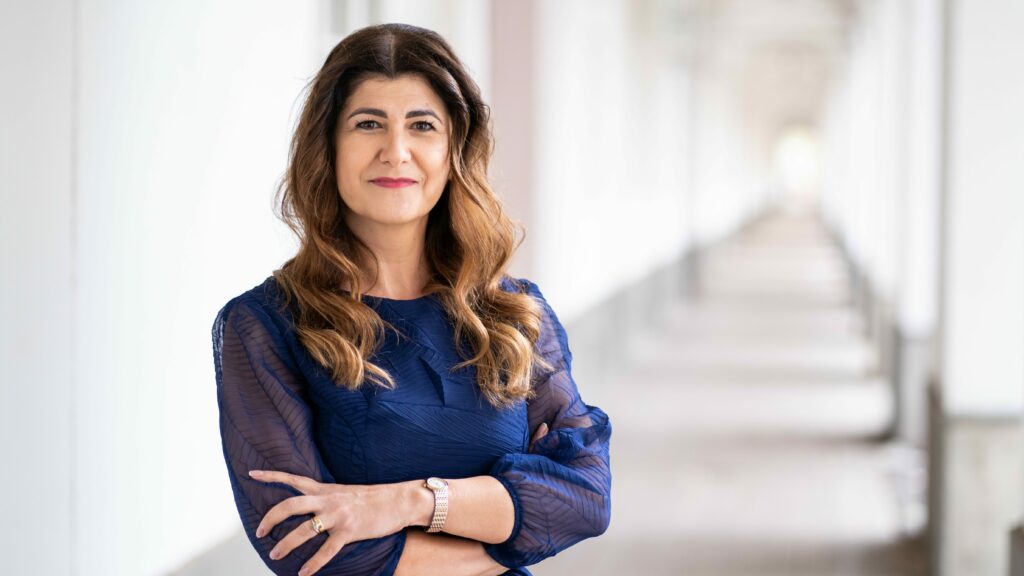
Ioana is the Co-founder and Director of ASA Association, an implementing partner of Dorcas. ASA Association aims to fight poverty and exclusion and to develop communities in Romania, especially Roma communities.
Ioana: ‘For many Roma, the cycle of prejudice and exclusion starts when they are young. Roma children experience social marginalisation and segregation from the outset of their educational journey.’
‘We fight for Roma children’s right to a proper education. We want to ensure these kids get the same quality of education as kids from more privileged backgrounds. Obstacles that many Roma children face, such as a lack of appropriate clothes for school, poor personal hygiene, unhealthy eating habits, or an imbalanced family dynamic, should not limit their access to such education.’
‘In partnership with Dorcas Romania, we implement a complex programme that meets the needs of children and their parents. First and foremost, we want to educate adults about the importance of education for their children because Roma children are more likely to attend school if their parents are supportive. The children in our programmes don’t just go to school. We also involve them in after-school activities, summer camps, and special events where they learn life and social skills. Finally, we address the issue of social exclusion at a community level by involving mayors, school administrators, doctors, and social workers in our programme and by organising public events.’
‘Our love for these children motivates us to keep going. We’ve seen the first Roma children complete elementary school and head on to high school. Every Roma child has the right to a proper education and the opportunities this offers in life.’
𝘛𝘩𝘪𝘴 𝘴𝘵𝘰𝘳𝘺 𝘪𝘴 𝘱𝘢𝘳𝘵 𝘰𝘧 𝘋𝘰𝘳𝘤𝘢𝘴’ 𝘩𝘶𝘮𝘢𝘯 𝘳𝘪𝘨𝘩𝘵𝘴 𝘤𝘢𝘮𝘱𝘢𝘪𝘨𝘯. 𝘙𝘦𝘢𝘥 𝘮𝘰𝘳𝘦 𝘴𝘵𝘰𝘳𝘪𝘦𝘴 𝘢𝘯𝘥 𝘴𝘵𝘢𝘵𝘦𝘮𝘦𝘯𝘵𝘴 𝘰𝘯 𝘰𝘶𝘳 𝘥𝘦𝘥𝘪𝘤𝘢𝘵𝘦𝘥 𝘩𝘶𝘮𝘢𝘯 𝘳𝘪𝘨𝘩𝘵𝘴 𝘱𝘢𝘨𝘦. Human Rights: Contributing to a just society – Dorcas
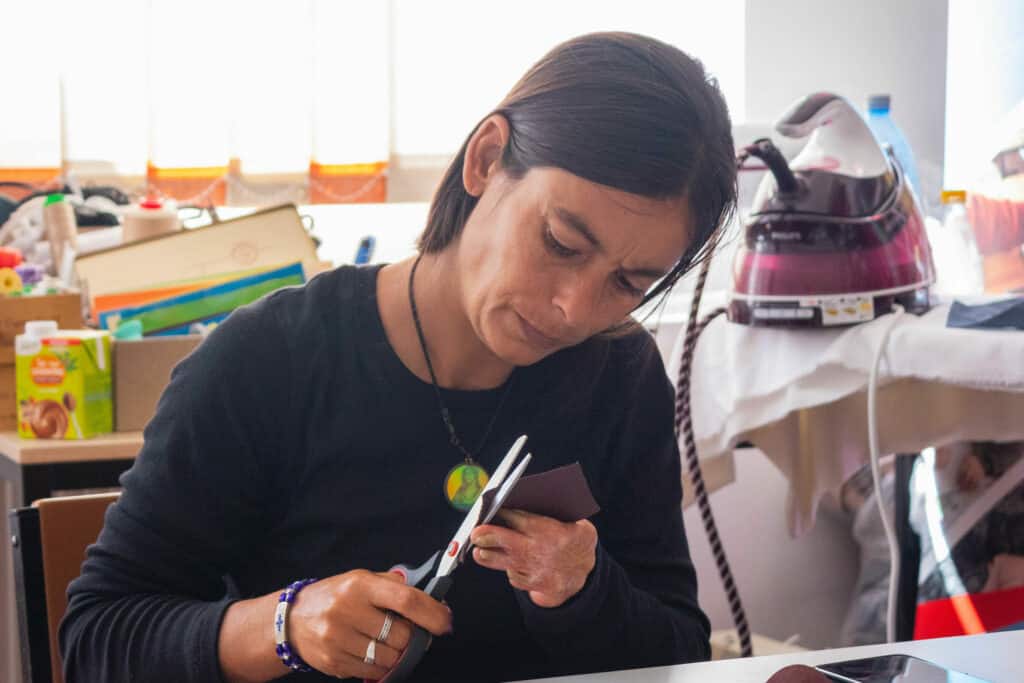
Ioana is a project participant of Dorcas Romania.
Ioana: ‘I stand up for the rights of Roma women to an education and a decent job. When I was 18 months old, my left hand was severely burned in an accident. As a result of this disability, my parents never sent me to school. So, I did not learn to read or write or acquire some of the skills you need to get a job. I married and became a mother. We struggled to survive on a low income, and although we managed to send my son to school, we did not have the money to send my two daughters.
Via my boy’s school, we became involved in a Dorcas project, which made it possible for both my daughters to attend school. Now, several years later, I’m really proud that my son has completed school and enrolled at a vocational college in Oradea.
However, the programme has not only helped my children. I enrolled in a literacy class and learned to read and write, and thanks to the sewing lessons at the local community centre, I am now a skilled seamstress. At the centre, I helped to make the shoes and clothes for a small doll named Aelia, which is used in an educational project for Romanian girls.
I am really grateful for everything the Dorcas project has done for my family. My children are receiving an education I never had and have a better chance of finding a job. I no longer feel ashamed due to my disability, and thanks to the sewing club, my self-confidence has grown and I’ve become a valued member of the local community. I hope that other Roma adults, especially women, will have the chance to acquire the vocational and social skills they need to find employment and live a decent life. And I long for the day when all Roma are no longer viewed as outsiders but are instead valued members of the local communities in which they live.’
𝘛𝘩𝘪𝘴 𝘴𝘵𝘰𝘳𝘺 𝘪𝘴 𝘱𝘢𝘳𝘵 𝘰𝘧 𝘋𝘰𝘳𝘤𝘢𝘴’ 𝘩𝘶𝘮𝘢𝘯 𝘳𝘪𝘨𝘩𝘵𝘴 𝘤𝘢𝘮𝘱𝘢𝘪𝘨𝘯. 𝘙𝘦𝘢𝘥 𝘮𝘰𝘳𝘦 𝘴𝘵𝘰𝘳𝘪𝘦𝘴 𝘢𝘯𝘥 𝘴𝘵𝘢𝘵𝘦𝘮𝘦𝘯𝘵𝘴 𝘰𝘯 𝘰𝘶𝘳 𝘥𝘦𝘥𝘪𝘤𝘢𝘵𝘦𝘥 𝘩𝘶𝘮𝘢𝘯 𝘳𝘪𝘨𝘩𝘵𝘴 𝘱𝘢𝘨𝘦. Human Rights: Contributing to a just society – Dorcas
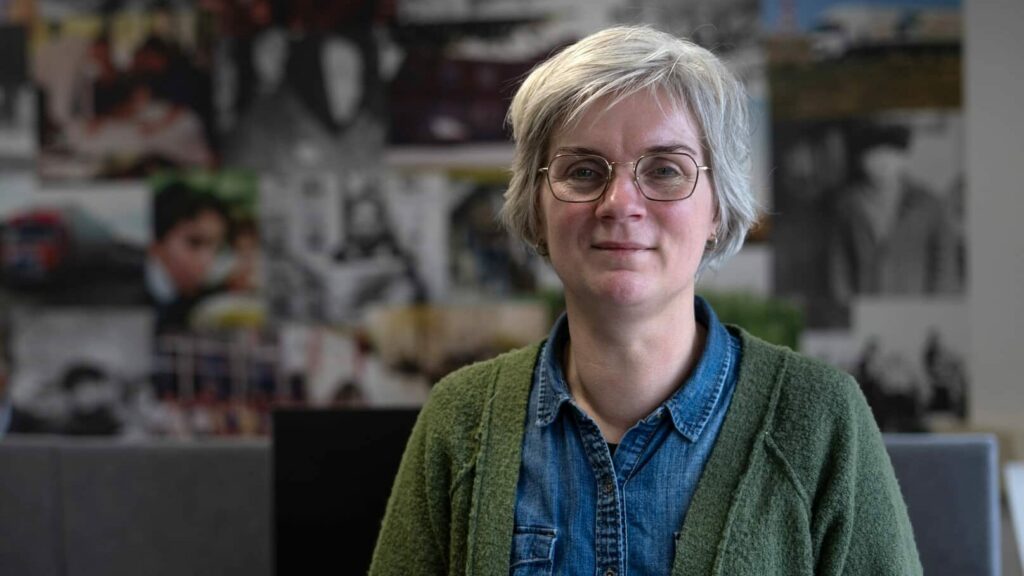
Arendje is a thematic expert on Community Safety Nets at Dorcas. She is also one of the driving forces behind CPOE, a network of Christian humanitarian assistance organisations and other NGOs operating in Eastern Europe.
Arendje: ‘In Eastern Europe, numerous Christian NGOs are active. Some organisations specialise in specific areas, working within a niche, while others engage in various activities. Several years ago, CPOE was established by larger organisations, including Dorcas. CPOE aims to connect both large and small Christian organisations to share knowledge and expertise, provide a platform for networking, enhance external visibility, and serve as a catalyst for joint projects. This approach has proven effective: organisations previously unaware of each other’s existence are now collaborating.’
‘As CPOE, we can assist more participants in strengthening their capacities and train our members on current topics such as project cycle management, agriculture, and the history of the Roma in Eastern Europe. From Dorcas, I bring a wealth of knowledge and experience that supports others in their work and opens doors to additional knowledge partners. We are eager to witness positive change in Eastern Europe, and CPOE can contribute to that goal. A while ago, we, along with nineteen organisations, wrote a letter to informer Ronald Plasterk, drawing attention to the humanitarian situation in Ukraine. We could make a collective impact that individual organisations could not have achieved alone. Together we are joining forces for a flourishing Eastern Europe.’
Conference
‘As CPOE, our goal is to connect people. Therefore, we are organising a conference in Romania in June, bringing together participants from the network. During this engaging conference, we will focus on interaction and knowledge-sharing, taking time to truly listen to each other’s stories and experiences.’
‘Lectures will cover topics such as human trafficking, Roma issues, working methodologies, and economic development. I am proud that we, as CPOE, can organise this conference and look forward to a rewarding time.’
For more information about the CPOE conference, please visit: Conference Eastern Europe 2024 – Prisma (prismaweb.org)
𝘛𝘩𝘪𝘴 𝘴𝘵𝘰𝘳𝘺 𝘪𝘴 𝘱𝘢𝘳𝘵 𝘰𝘧 𝘋𝘰𝘳𝘤𝘢𝘴’ 𝘩𝘶𝘮𝘢𝘯 𝘳𝘪𝘨𝘩𝘵𝘴 𝘤𝘢𝘮𝘱𝘢𝘪𝘨𝘯. 𝘙𝘦𝘢𝘥 𝘮𝘰𝘳𝘦 𝘴𝘵𝘰𝘳𝘪𝘦𝘴 𝘢𝘯𝘥 𝘴𝘵𝘢𝘵𝘦𝘮𝘦𝘯𝘵𝘴 𝘰𝘯 𝘰𝘶𝘳 𝘥𝘦𝘥𝘪𝘤𝘢𝘵𝘦𝘥 𝘩𝘶𝘮𝘢𝘯 𝘳𝘪𝘨𝘩𝘵𝘴 𝘱𝘢𝘨𝘦. Human Rights: Contributing to a just society – Dorcas
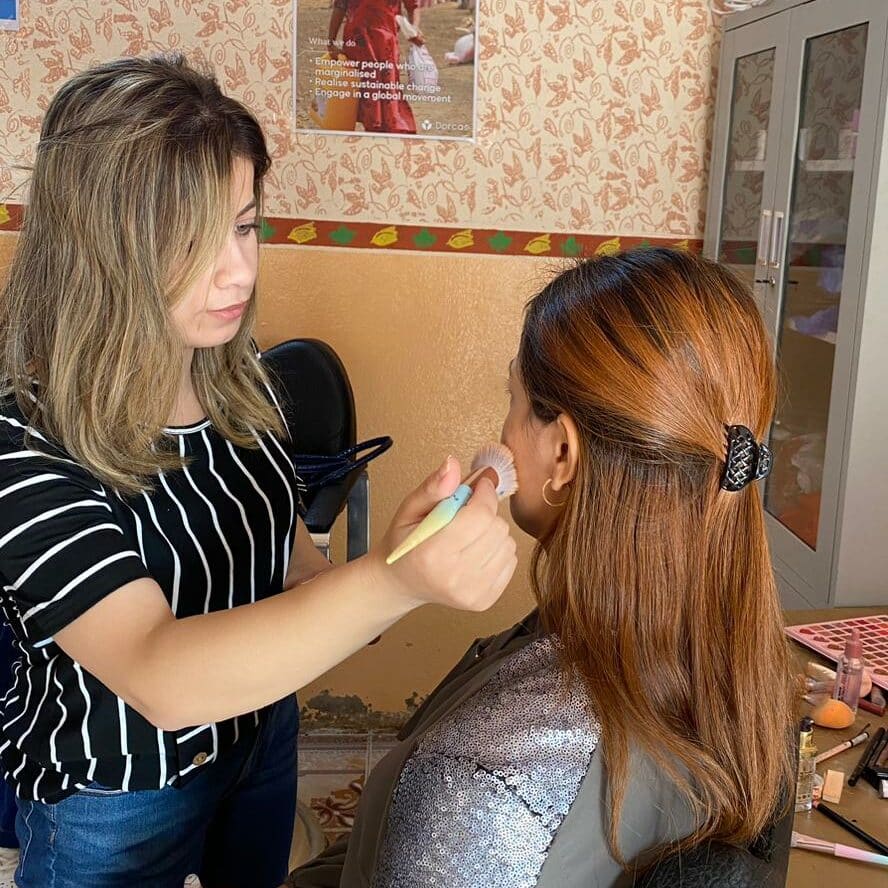
Bahar is a project participant of Dorcas Iraq.
Bahar: ‘The most pressing need for women in our community is empowerment and gender equality. Women in our community face many challenges, including limited access to education, economic opportunities and lack of decision-making power. They are often marginalised, and their voices are not heard.’
‘The Dorcas programme has played a crucial role in addressing these needs by promoting women’s inclusion, providing education and vocational training, supporting women-led businesses and advocating for their rights. Our community still needs continued support for women’s empowerment, including promoting leadership, ensuring equal opportunities and challenging societal norms that perpetuate gender inequality. This needs to be addressed on an ongoing basis.’
‘My hope for the future is that gender equality will be achieved. I would like to see women empowered and safe, with access to education and economic opportunities, so that they can flourish.’
Abel is a Humanitarian Assistance Officer in Yemen.
Abel: ‘Unequal societies are created when people are valued based on characteristics such as skin colour, gender, religion, etc. Discrimination runs rampant and people begin to be oppressed and abandoned. I have seen this in places where human dignity is not considered a right inherent in the person. This leads to a great deal of suffering. In my profession I have been a witness to a lot of inequality between men and women and a lot of discrimination against women.’
‘I stand up for women’s rights because I want women to be able to determine the direction of their lives, to exercise their abilities and to contribute fully to our society. At all levels of our society in Yemen, women should be the pillars of the community alongside men. In order to achieve this, it is essential to implement programmes that put women at the centre and support them to flourish and develop their lives in the way that they choose.’
𝘛𝘩𝘪𝘴 𝘴𝘵𝘰𝘳𝘺 𝘪𝘴 𝘱𝘢𝘳𝘵 𝘰𝘧 𝘋𝘰𝘳𝘤𝘢𝘴’ 𝘩𝘶𝘮𝘢𝘯 𝘳𝘪𝘨𝘩𝘵𝘴 𝘤𝘢𝘮𝘱𝘢𝘪𝘨𝘯. 𝘙𝘦𝘢𝘥 𝘮𝘰𝘳𝘦 𝘴𝘵𝘰𝘳𝘪𝘦𝘴 𝘢𝘯𝘥 𝘴𝘵𝘢𝘵𝘦𝘮𝘦𝘯𝘵𝘴 𝘰𝘯 𝘰𝘶𝘳 𝘥𝘦𝘥𝘪𝘤𝘢𝘵𝘦𝘥 𝘩𝘶𝘮𝘢𝘯 𝘳𝘪𝘨𝘩𝘵𝘴 𝘱𝘢𝘨𝘦. Human Rights: Contributing to a just society – Dorcas
*Not his real name. At the participants request, we have used a pseudonym for this contribution.
Peter is a Social Empowerment and Protection Expert at Dorcas.
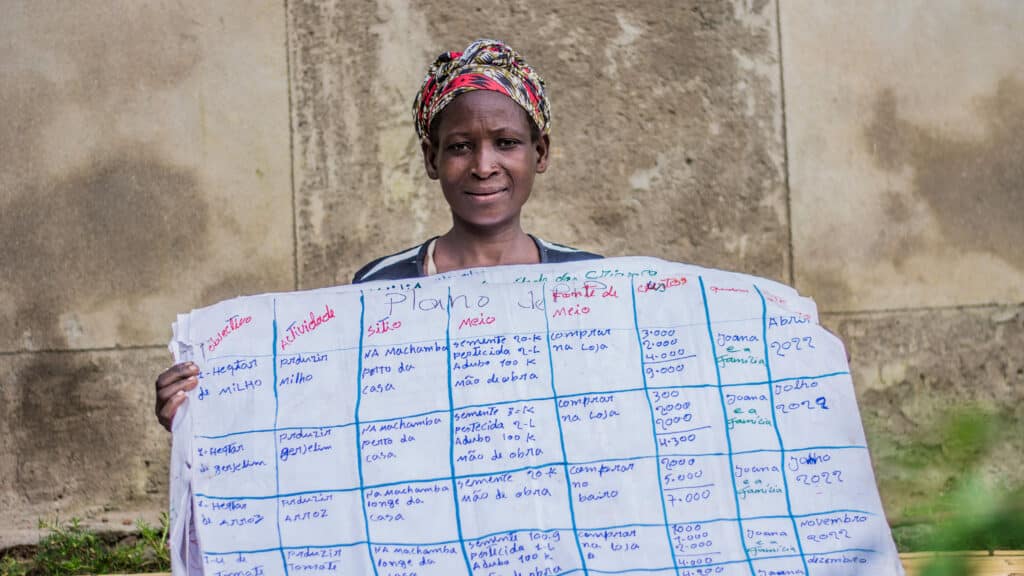
Peter is involved with the implementation of the Participatory Integrated Planning (PIP) approach within Dorcas. This approach supports farmers and their families in different countries in visualising and achieving their long-term goals. Peter: ‘Central to the PIP approach is the development of an Integrated Farm Plan by all members of the household. Together, they make a drawing of the desired future situation, which serves as a basis to take concrete actions to reach their dream. Since it is their own plan, they are very motivated to achieve it! Unlike many traditional expert-led methods, PIP empowers communities to take charge of their own development, ensuring sustainability and scalability without relying too much on external resources.’
‘PIP employs simple yet effective methods which – in a short time – can lead to considerable increases in productivity, for example digging water-catchment trenches and leaving agricultural residuals on the soil to conserve moist, prevent erosion and improve soil health. Working in groups is a key strength, addressing shared challenges such as unpredictable rainfall patterns and degrading soils. By starting with innovative individuals, training them, and then having them train others, PIP can achieve 80% coverage of farmers in a community within 2.5 years.’
Long-term effects of PIP
Peter continues: ‘Because PIP focuses on the vision of the farmers and communities themselves, the long-term effects are significant. PIP’s impact is seen in diversified land use, with more crops, kitchen gardens, animals, and additional income sources. The approach makes households more resilient and engages youth in activities like poultry farming, making them active contributors to their households and communities.’
Sustainable approaches
‘What I find beautiful about PIP is its focus on the entire family and quick scalability within communities. It empowers people to pursue their aspirations, moving away from the traditional expert-driven model. Unlike approaches that collapse when NGOs withdraw, PIP sustains itself by tapping into local knowledge and inspiring innovation. Furthermore, PIP is crucial in raising awareness and making households more resilient to environmental challenges like droughts and floods. By spreading knowledge and encouraging risk diversification, PIP ensures that households and communities are better prepared for unforeseen circumstances.’
‘It is very inspiring to see more organisations adopting and implementing the PIP approach. In the Netherlands, these organisations are working together in the PIP platform, sharing knowledge and lessons learned. I am looking forward to a broad expansion of this approach, as more organisations, farmers and communities adopt it.’
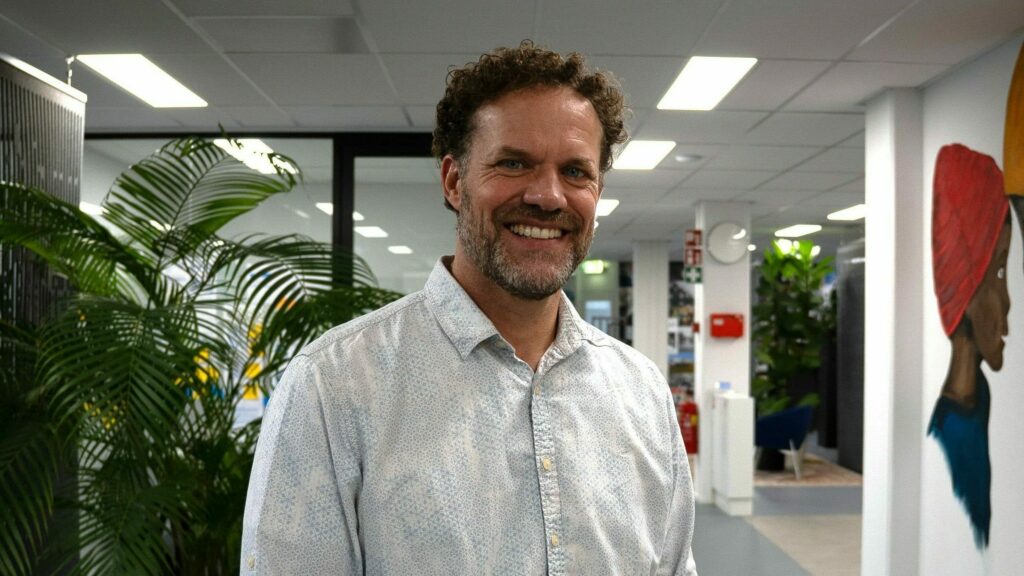
Tabeth is the Advocacy Coordinator for the EU-CORD Network based in Brussels.
Tabeth: ‘To commemorate the World Day of Social Justice, I stand up for four principles: human rights, participation, access and equity. By our humanity, every person, regardless of race, ethnicity, social status, minority status, religion or disability, deserves to have their human rights respected. In a world struck by endless conflict, deep division, firmly entrenched inequalities, and disregard for human life, I stand up for human rights for all.’
‘I stand for participation, which means that everyone should be allowed to participate without any restrictions in decisions impacting their lives. No voice is more important than another, and every voice deserves a seat at the table. For this to happen, discrimination in decision-making and participation must be identified and dismantled. This is why reframing partnerships is a cross-cutting theme at EU-CORD: We value a plurality of voices across the 87 countries where our members are active.’
‘Access to resources, quality health care, education, Water, Sanitation and Hygiene (WASH) and other services should not be the preserve of a select few due to factors such as geopolitics, income or social status. The COVID-19 pandemic revealed how interconnected our world is and how multi-factorial our challenges are. Therefore, part of social justice is living in a just society where resources and services are accessible to everyone.’
‘Finally, our members strive to support the existence of equitable communities, where previous imbalances are recognised, and disenfranchised communities are provided with the tools they need to thrive, not just survive. Multiple layers of one’s identity make one more vulnerable to discrimination and dispossession. This is why some of our members’ projects include disability inclusion, education in emergencies, supporting women human rights defenders who are protecting their ecosystems and providing humanitarian supplies in protracted crisis situations. We know that there can be no peace without social justice.’
About EU-CORD
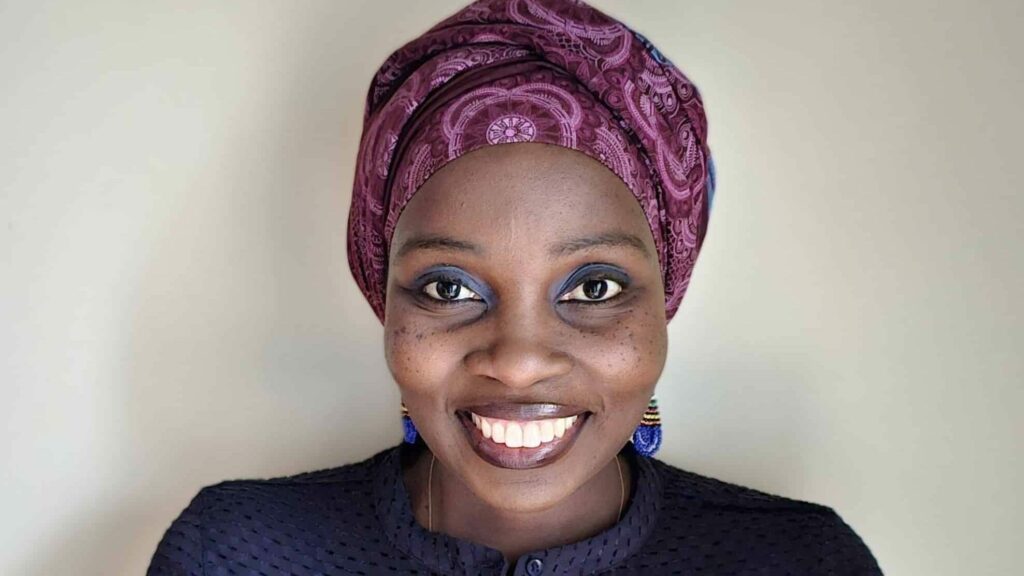
The EU-CORD network comprises of 26 NGOs that work alongside their national civil society counterparts in 87 countries. The logo comprised of three overlapping free-form circles represents the coming together of member agencies who are committed to working together
As individual organisations (and as a network) we are an inter-denomination grouping of Christian relief and development agencies, inspired by Christian values to accomplish our work. As such, we are independent of any political, social or religious authority.
Nadiia works as a Project Manager for Dorcas Ukraine
Nadiia: ‘The first thing we Ukrainians lost two years ago when the conflict started, was our sense of security. It does not matter how much money you have, you are still at risk. The most vulnerable people are children, older people, families who left the occupied territories and people with disabilities.’
‘I work with older people in Eastern Ukraine. It was during the conflict that a lot of them became very lonely because they were left behind by their relatives. That is why the aim of my work is to develop Community Safety Nets for older people. This is where they can support each other, communicate, develop their skills, hear encouraging words from volunteers and learn that they are not forgotten.’
‘By taking part in various activities, older people forget about the fear and danger, and they feel heard and valued! We all hope that the conflict will end and that we will feel safe in our homeland.’
𝘛𝘩𝘪𝘴 𝘴𝘵𝘰𝘳𝘺 𝘪𝘴 𝘱𝘢𝘳𝘵 𝘰𝘧 𝘋𝘰𝘳𝘤𝘢𝘴’ 𝘩𝘶𝘮𝘢𝘯 𝘳𝘪𝘨𝘩𝘵𝘴 𝘤𝘢𝘮𝘱𝘢𝘪𝘨𝘯. 𝘙𝘦𝘢𝘥 𝘮𝘰𝘳𝘦 𝘴𝘵𝘰𝘳𝘪𝘦𝘴 𝘢𝘯𝘥 𝘴𝘵𝘢𝘵𝘦𝘮𝘦𝘯𝘵𝘴 𝘰𝘯 𝘰𝘶𝘳 𝘥𝘦𝘥𝘪𝘤𝘢𝘵𝘦𝘥 𝘩𝘶𝘮𝘢𝘯 𝘳𝘪𝘨𝘩𝘵𝘴 𝘱𝘢𝘨𝘦. Human Rights: Contributing to a just society – Dorcas
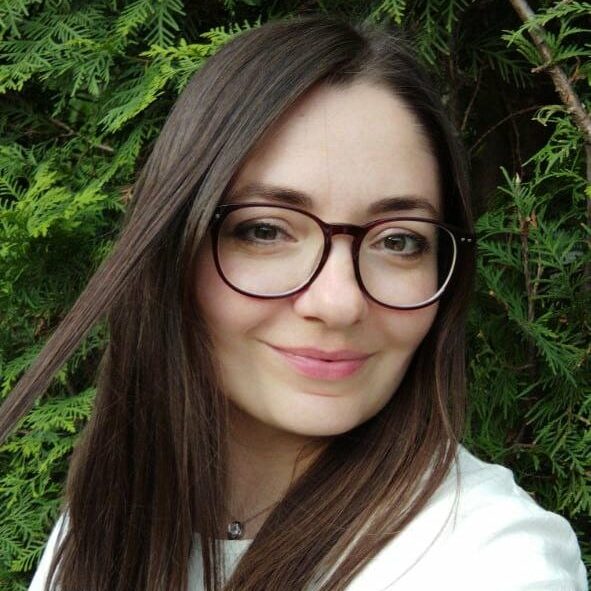
Minsa (32) is a project participant of Dorcas partner Loyac in Yemen.
Minsa fled with her husband and their five children to Aden from an escalated conflict and bombings in Yemen. They experienced a lot of stress and trauma and had no means to support themselves.
Minsa: ‘Dorcas gave us the psychosocial support we needed and through an empowerment programme, we could set up a business and support ourselves as a family. I am really grateful to Dorcas and Loyac for everything they gave us. It had a very positive impact on our overall wellbeing.
Our mental health has improved considerably, and we have become financially stable. Thanks to the training and materials we received, we could set up our own sewing business. We are so happy that we can now buy food and water and provide for our children’s needs. I stand up for the right to proper work because the support we received has given my family a future. Now, my dream is to become an even better entrepreneur.
𝘛𝘩𝘪𝘴 𝘴𝘵𝘰𝘳𝘺 𝘪𝘴 𝘱𝘢𝘳𝘵 𝘰𝘧 𝘋𝘰𝘳𝘤𝘢𝘴’ 𝘩𝘶𝘮𝘢𝘯 𝘳𝘪𝘨𝘩𝘵𝘴 𝘤𝘢𝘮𝘱𝘢𝘪𝘨𝘯. 𝘙𝘦𝘢𝘥 𝘮𝘰𝘳𝘦 𝘴𝘵𝘰𝘳𝘪𝘦𝘴 𝘢𝘯𝘥 𝘴𝘵𝘢𝘵𝘦𝘮𝘦𝘯𝘵𝘴 𝘰𝘯 𝘰𝘶𝘳 𝘥𝘦𝘥𝘪𝘤𝘢𝘵𝘦𝘥 𝘩𝘶𝘮𝘢𝘯 𝘳𝘪𝘨𝘩𝘵𝘴 𝘱𝘢𝘨𝘦. Human Rights: Contributing to a just society – Dorcas
*Not her real name. At the participants request, we have used a pseudonym for this contribution.
Latifa is a project participant of Dorcas Tanzania.
Latifa: ‘In our society, girls are isolated during their menstrual period. Many girls do not even have access to sanitary pads and instead have to use pieces of cloth, which are not hygienic. Like many girls in my community, I struggled to attend school when I had a period, and that was not good for my education.
However, things changed for me when people from Dorcas came to our school. They taught us about safe menstruation and gave us sanitary pads. They also talked with parents, and now our fathers are starting to have a more positive attitude towards the issue of menstruation.
I think that girls should have the same access to education as boys. Menstruation must not prevent us from attending school, and all girls should be able to obtain sanitary pads and menstruate safely. These are major issues in our society that I want to stand up for when I grow up.
I hope that one day, our society will become better educated about menstruation and that girls will no longer be isolated and miss school because they have a period.’
Menstrual Hygiene Management Programme
Dorcas Tanzania works to break the taboo around female menstruation and improve gender equality in northeast Tanzania. We have provided menstrual hygiene products and safer facilities at 75 schools and raised awareness about menstruation issues in 50 villages in the region.
This programme ensures families with a low-income gain access to affordable and reusable sanitary pads, and it boosts the confidence of girls and women in rural areas. Girls’ school attendance has improved, resulting in more girls completing their education. We also work with teachers to raise awareness about the menstrual cycle and how to combat the stigma associated with this, and we help young girls become role models in menstrual hygiene.
𝘛𝘩𝘪𝘴 𝘴𝘵𝘰𝘳𝘺 𝘪𝘴 𝘱𝘢𝘳𝘵 𝘰𝘧 𝘋𝘰𝘳𝘤𝘢𝘴’ 𝘩𝘶𝘮𝘢𝘯 𝘳𝘪𝘨𝘩𝘵𝘴 𝘤𝘢𝘮𝘱𝘢𝘪𝘨𝘯. 𝘙𝘦𝘢𝘥 𝘮𝘰𝘳𝘦 𝘴𝘵𝘰𝘳𝘪𝘦𝘴 𝘢𝘯𝘥 𝘴𝘵𝘢𝘵𝘦𝘮𝘦𝘯𝘵𝘴 𝘰𝘯 𝘰𝘶𝘳 𝘥𝘦𝘥𝘪𝘤𝘢𝘵𝘦𝘥 𝘩𝘶𝘮𝘢𝘯 𝘳𝘪𝘨𝘩𝘵𝘴 𝘱𝘢𝘨𝘦. Human Rights: Contributing to a just society – Dorcas