Yesterday, Minister Klever of Foreign Trade and Development Cooperation presented her long-awaited development policy. Dorcas is shocked by the tone of the letter and finds the direction taken in the new policy concerning. The new policy focuses solely on the interests of the Netherlands. It does not do justice to fundamental values such as compassion, international solidarity, and stewardship – values that have been central to Dutch development policy for decades. These values have enabled us to tackle global challenges together and build sustainable partnerships with countries that share our interests.
The new policy direction is not, as suggested, in the long-term interest of the Netherlands. In these uncertain geopolitical times, we need strong international partnerships based on equality. International cooperation is one of the key ways to establish such partnerships and to serve Dutch interests on the global stage. The cuts of more than 2 billion euros per year, the reduction of embassy staff, and the one-sided focus on national self-interest hinder the formation of these sustainable partnerships.
If this policy is pursued, it will reduce future prospects for people in low-income countries. The removal of higher and vocational education programmes deprives young people of the opportunity to thrive in their own countries, while cuts to international climate policy will impact people in regions vulnerable to droughts, floods, and other climate disasters. While the focus on trade, migration, and security may seem attractive in the short term, in the long run, we stand to lose something far greater: a safe, prosperous, and stable world for all. Ultimately, this will also harm the Netherlands, as we are intrinsically connected to the countries around us.
We therefore urge national policymakers to realign development policy with its true purpose: effectively supporting people around the world who face poverty, exclusion, and crisis. This is good for the world – and good for the Netherlands.
As Dorcas, we will continue engaging constructively with national policymakers and other stakeholders to develop sound policies together. Additionally, we remain committed, alongside our partners, to working towards a just society, standing with those in disadvantaged positions. We actively seek structural solutions that contribute to resilient communities, where no one is left behind and everyone has the opportunity to develop and flourish. We do this with the support of a dedicated and active network of churches, businesses, volunteers, and donors. Together, we will continue to stand up for ‘those in need’!
Between October and December, the Dorcas team, with the support of the Ukraine Humanitarian Fund (UHF), provided cash assistance for winter fuel to 4,258 households in the Zaporizhzhia region. This initiative has become an essential support for people in need, who have found themselves in a complicated situation due to the conflict and economic crisis. Over the past year, the problem has been exacerbated by continuing attacks on energy infrastructure.
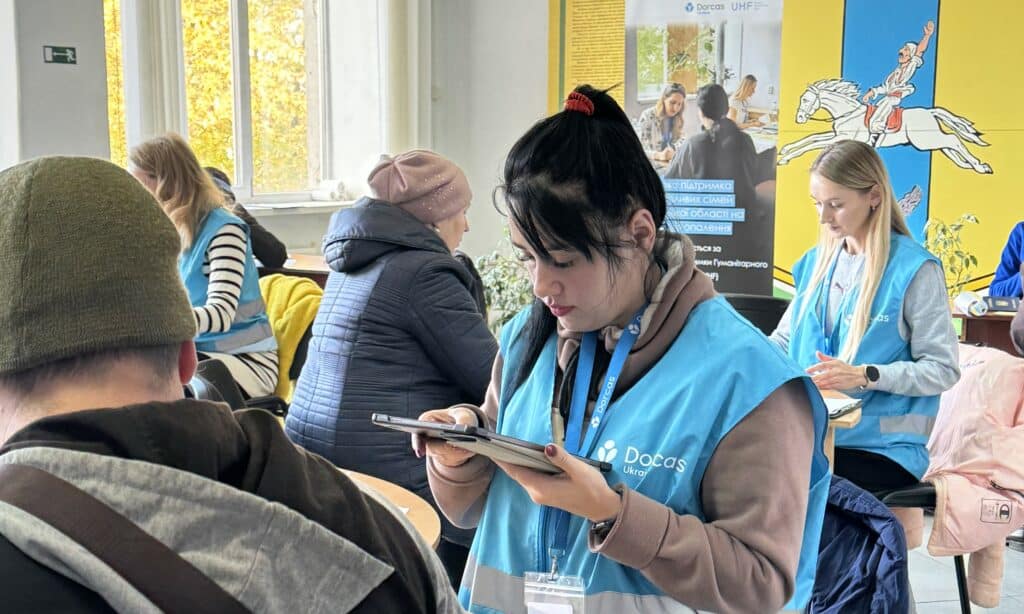
In addition, declining support from several funds has led to a significant increase in the number of internally displaced people at risk. IDPs are also often housed in privately rented or substandard housing, which, like most housing in Ukraine, may lack adequate insulation. Returnees and non-displaced persons also face similar insulation challenges in their homes, and the situation is exacerbated by conflict-related damages such as leaking roofs, broken windows and damaged perimeter walls that compromise the thermal integrity of the houses.
As a result, heating their homes for at least three months has become an unbearable financial burden for people with disabilities, older people, large families and single parents. The amount of assistance was around 505 euros per household. The funds enabled families to buy firewood and briquettes to keep their homes warm during the cold months.
This underscores the importance of international support in continuing to support Ukrainians who are enduring and struggling to survive in the midst of the conflict.
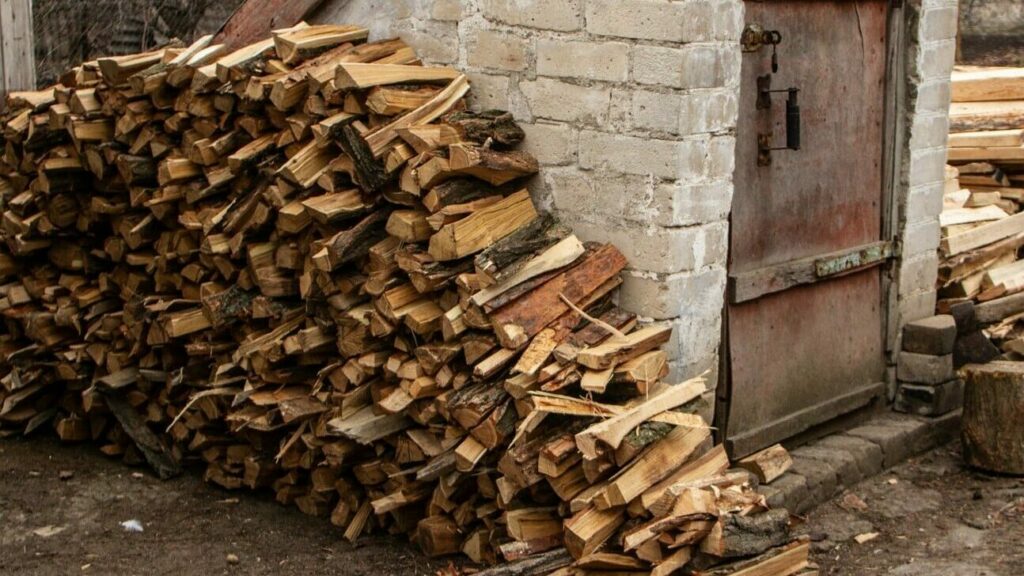
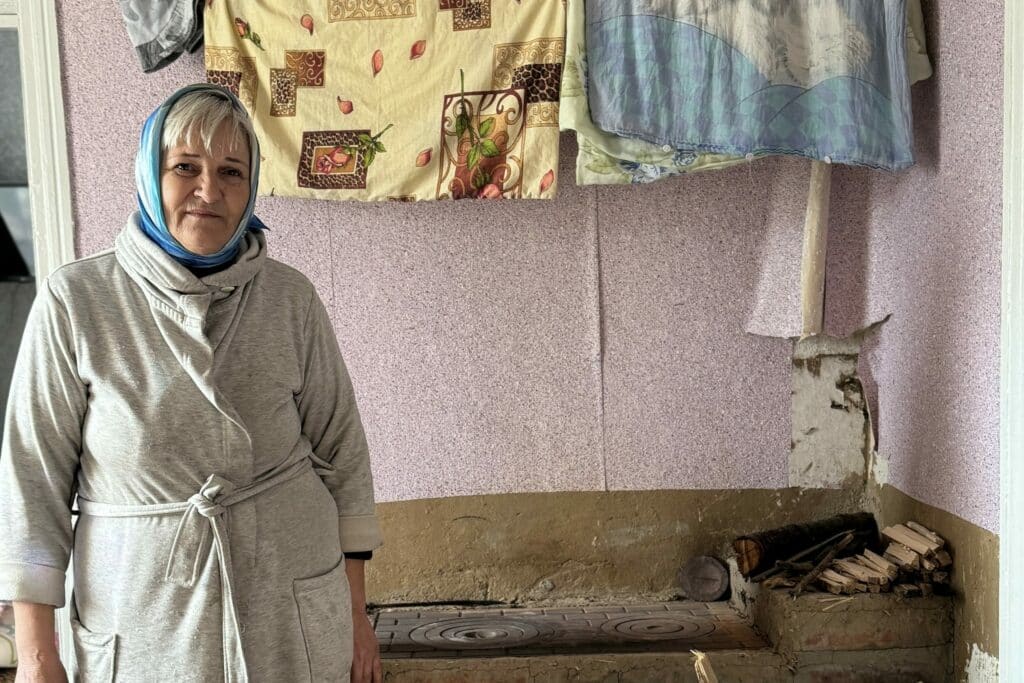
The impact of this assistance can be seen in families like Valentyna’s. Forced to leave Zaporizhzhia due to the ongoing hostilities, Valentyna and her husband have settled in Vilnyansk, where they face a daily struggle to make ends meet. With limited financial resources, they rely on collected branches and cones to heat their home. Thanks to financial support from the Dorcas team and UHF, they were able to buy enough solid fuel to get them through the winter and provide a warm and stable environment for their grandchildren. Their story reflects the resilience of Ukrainian families and the important role humanitarian assistance plays in supporting them to face these difficult times with dignity and hope.
Recent developments in Syria have caused significant unrest and uncertainty. This situation also affects our colleagues working in Syria, the partners we collaborate with, and the participants in our projects. As a result, our projects in the region are temporarily on hold.
To ensure the safety of our staff and partners, we will not be making further statements at this time.
We kindly ask you to keep the people of Syria in your thoughts and prayers, and to join us in hoping for peace and stability in the region.
Dorcas is responding to urgent needs in South Sudan and Ethiopia, addressing crises in some of the most affected regions.
In South Sudan, the northern state of Bahr el Ghazal has been one of the hardest hit areas by the devastating floods, which have displaced families and had a severe impact on livelihoods. Agricultural land has been damaged and the harvest season disrupted, leaving many households facing food insecurity. To support recovery, ZOA Dorcas South Sudan will provide a one-off emergency cash distribution to up to 4,000 people in two counties.
Meanwhile, in Ethiopia’s Oromia State, East Wollega, displacement caused by intercommunal tensions over competition for land and resources and attacks by armed groups has forced thousands of people into overcrowded camps or urban areas. Following an assessment in six districts, the Dorcas Ethiopia team identified Waya Tuka as the area of most urgent need. Dorcas Ethiopia will provide cash assistance to 400 displaced households for two months.
Dorcas is and will continue to be committed to providing timely and effective support in the countries where we work. Reaching those most in need at critical times.
The conflict between Israel and Hezbollah has escalated significantly. People in Lebanon are once again living in fear and uncertainty, facing yet another crisis.
The history of conflict between Israel and Lebanon is long and complex, dating back to 1975. Since 7 October 2023, daily exchanges of fire have occurred between Hezbollah, located in southern Lebanon, and Israel. The escalation in late September 2024 resulted that both Israel and Hezbollah have been launching rockets at each other daily.
Crisis upon crisis
Lebanese citizens have faced a long history of instability and conflict. For many, it is yet another crisis in an already precarious situation. Beirut was devastated by a catastrophic blast in 2020, and the country has been enduring prolonged political and economic instability. The country’s economy left hospitals and infrastructure in poor condition and unemployment rates high. Inflation is soaring, and electricity is in short supply. Many young people are leaving the country in search of better opportunities abroad.
Compounding these issues, Lebanon hosts the highest number of refugees per capita in the world. Over two million of the country’s 5.4 million residents are refugees, with more than 70 per cent of them living in poverty. The large refugee population further straining local resources and exacerbating the challenges faced by the population.
Dorcas’ work in Lebanon continues despite the current tensions. We are upscaling the work to ensure that people affected by recent developments also receive the support they need.
Dorcas’ response to the current developments
In response to the recent surge in violence in Lebanon, Dorcas Lebanon has swiftly taken action to provide emergency humanitarian assistance to those displaced by the conflict. The team in Beirut has begun distributing essential supplies, including blankets, mattresses, food, and hygiene products, to displaced people. Alongside these immediate provisions, they are also offering mental health and psychosocial support. Many are grappling with feelings of fear, insecurity, and uncertainty.
Dorcas in Lebanon
Dorcas first worked in Lebanon in the 1990s, supporting reconstruction programmes after the civil war, and it returned to the country in 2014. Dorcas Lebanon seeks to meet the needs of communities affected by multiple crises, such as low-income households, people living with disabilities and older people. We support women in vulnerable situations by offering protection services and life skills through community centres, children in vulnerable situations through school meals and child development and protection, and young people through peacebuilding activities and teaching them transferable life skills.
In this time of great need, Dorcas remains committed to providing critical support to the people of Lebanon, ensuring that those most affected by the conflict receive both material and emotional assistance.
See updates on Dorcas response in Lebanon
Storm Boris swept across Central and Eastern Europe, causing widespread devastation. Romania and Moldova were particularly hard hit by the exceptional rainfall, which led to devastating floods directly affecting thousands of people. The disaster has not only caused extensive damage to infrastructure and homes, but has also tragically claimed lives. Our local offices in Romania and Moldova have been mobilised to assess the situation where assistance is most urgently needed. This was done via partners and contacts in various locations and official government sources.
What is the situation in Romania following storm Boris?
Romania is one of the worst affected countries. In the south-western province of Galați, the situation is particularly severe due to rising water levels in the Danube River, especially near the border with Moldova.
More than 5,000 households in twelve towns have been directly affected by the floods. In some areas, the water level has risen by almost two metres, forcing many people to evacuate their homes. Romanian rescue teams are currently on the ground, using boats and helicopters to reach people in need.
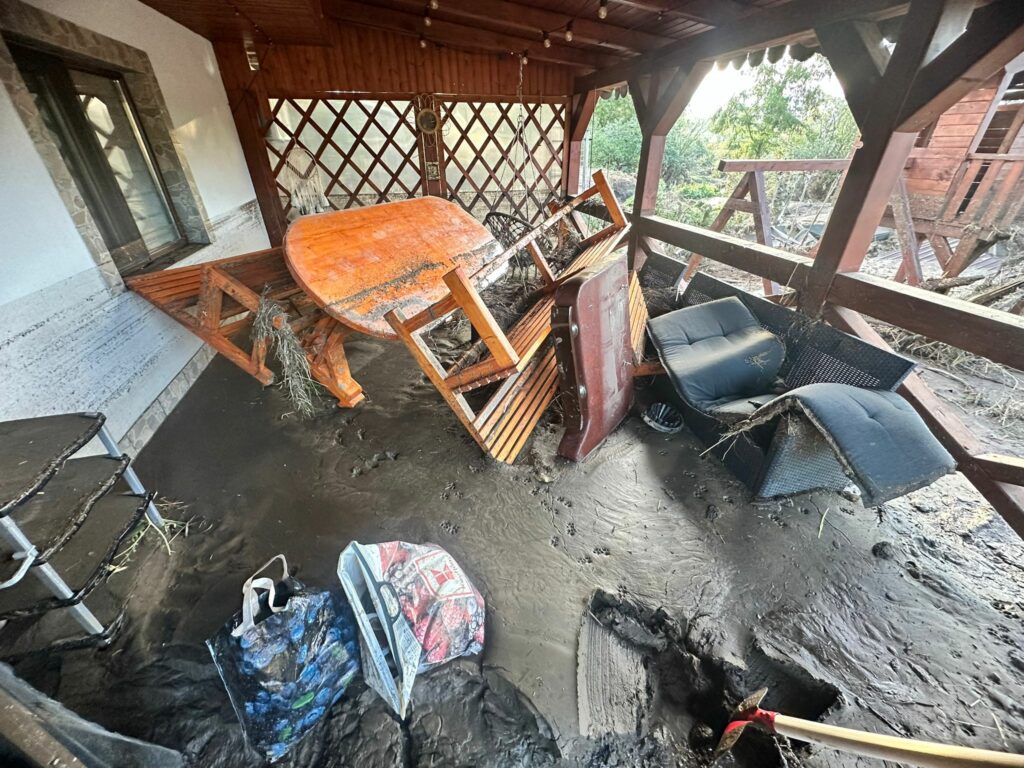
Dorcas has been active in Romania since 1990 and our local office is closely monitoring the situation. Although we are not currently working in the most affected areas, we have strong links with local partner organisations. Dorcas was one of the first organisations to work in Romania after the fall of the Berlin Wall, and we had active projects in Galați until a few years ago. Now that the city has been hit by this natural disaster, Dorcas is ready to assist.
While the Romanian government is leading the emergency response, our local colleagues have taken action to assess needs and provide support where necessary. Dorcas Romania staff have been on site to assess the situation and coordinate assistance. The immediate focus is on assessing the damage and the needs of the affected communities so that Dorcas can be ready to assist as soon as the water levels begin to recede. Only then can clean-up and reconstruction work begin.
Dorcas’ regular projects in Romania focus on food security, care for older people, family support and combating human trafficking. This expertise and experience is now being used to support the communities most affected by the floods.
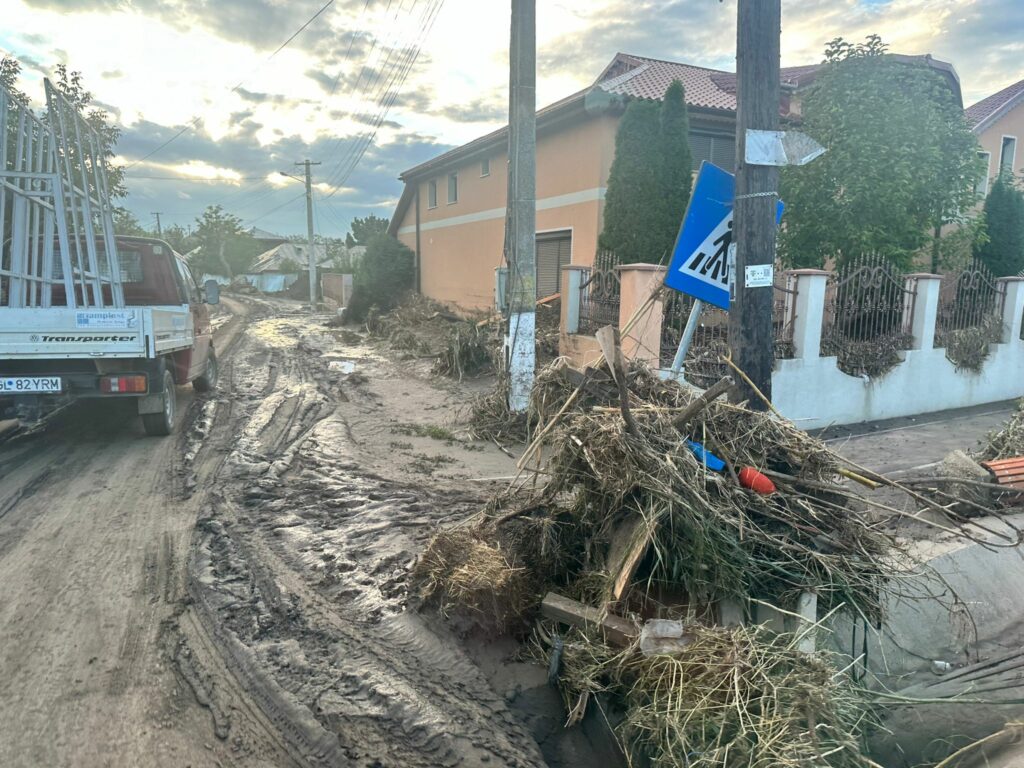
Moldova: Severe Damage in Leova District
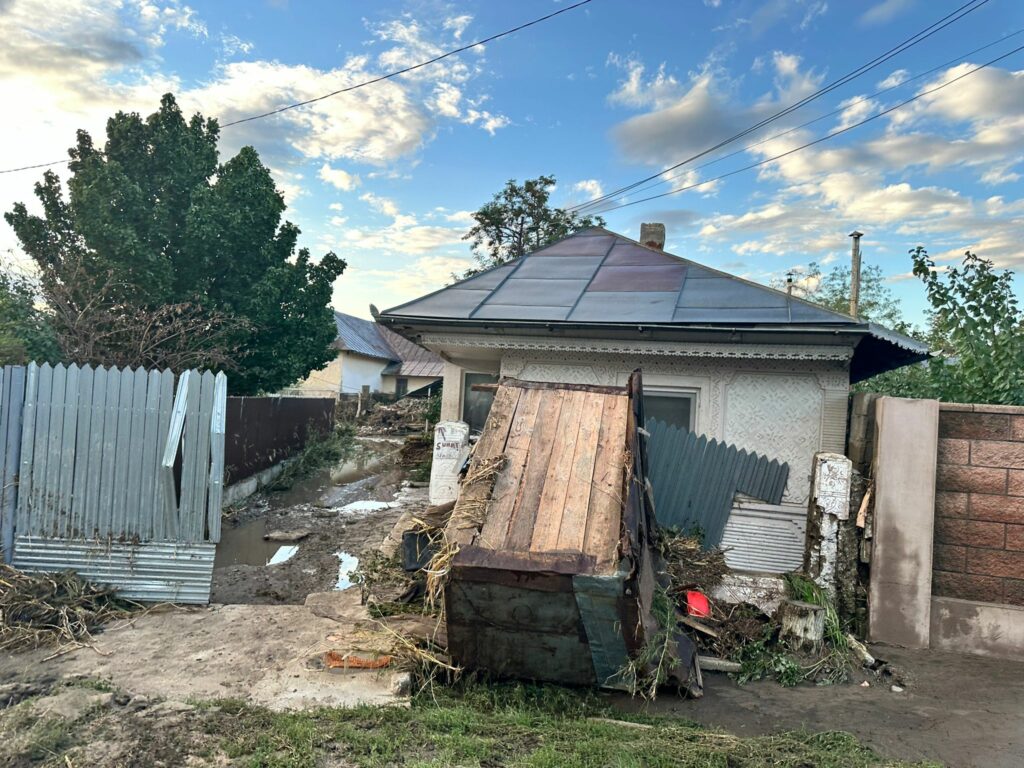
Moldova was also severely affected by the floods caused by Storm Boris. In the south-west of the country, the district of Leova was particularly badly affected. Two bridges were completely destroyed, cutting off access to key roads. The situation is critical in the village of Sarata Noua, where a nearby reservoir is at risk of overflowing. This could lead to dam breaches, further exacerbating the flooding.
The emergency situation in the district of Leova remains unresolved. Local emergency services, together with international partners, are working tirelessly to mitigate the damage and save lives. While some areas were temporarily without power, electricity has been restored to most of the affected areas.
Country Director Leila informed us that, in addition to the floods, a 5.2 magnitude earthquake has struck, making conditions in the affected regions even worse.
Dorcas primarily works in Moldova on community development, with a focus on protection and social safety nets for children, older people, and families, as well as improving livelihoods. Dorcas also provides emergency food assistance to refugees from Ukraine.
At the moment, our focus in Moldova is more on long-term development. We are monitoring the situation closely to determine if, where and how we can provide the most effective support.
While Dorcas has not yet travelled to Leova District due to government travel advisories, we are in close contact with local partners, volunteers, and churches. Dorcas awaits further official information to determine how best to assist the impacted communities.
What is Dorcas doing after the floods in Romania and Moldova?
The scale of damage in Romania and Moldova demonstrates the need for both immediate and long-term support. Although the governments of both countries responded swiftly to provide emergency support, the rebuilding of homes and infrastructure will be a prolonged and challenging process. Thousands of displaced people are currently residing in temporary shelters, where they are being provided with basic necessities such as food and water. However, this is only a short-term solution.
Once water levels recede, the focus will shift to large-scale clean-up and restoration efforts. The rebuilding of homes and infrastructure is expected to take months, if not years. Additionally, essential goods such as furniture, bedding, kitchen utensils, and other household items are also needed.
Both Dorcas Romania and Dorcas Moldova are monitoring the situation closely and looking into plans for potentially starting a reponse in assisting affected households.
Dorcas is proud to share our publication highlighting the impact of the Participatory Integrated Planning (PIP) approach in Tanzania and Mozambique. This report shows the resilience and empowerment of smallholder farmers in these regions as they face the challenges of climate change and land degradation.
Our report demonstrates significant progress in improving food security, economic resilience and climate-smart agricultural practices. By fostering community collaboration and assisting households in vulnerable situations, Dorcas continues to support farmers to build sustainable livelihoods.
Read the publication here:
Dorcas Ukraine has teamed up with the all-Ukrainian mental health programme “How are U?” to promote children’s mental health within the education system. This initiative, led by Oksana, MHPSS Project Manager at Dorcas Ukraine, and Tayisiya, Regional Coordinator for “How are U?”, has successfully integrated the Connect Dorcas programme into schools.
In April and May, the final months of the last school year, almost 500 hours of teaching were devoted to the programme. The initiative received an enthusiastic response from the academic community and positive feedback from students, parents, teachers and school psychologists. This success led to the incorporation of the Connect programme into summer health camps, where over 100 children from Kyiv participated in group sessions, gaining support and increased awareness of mental health.
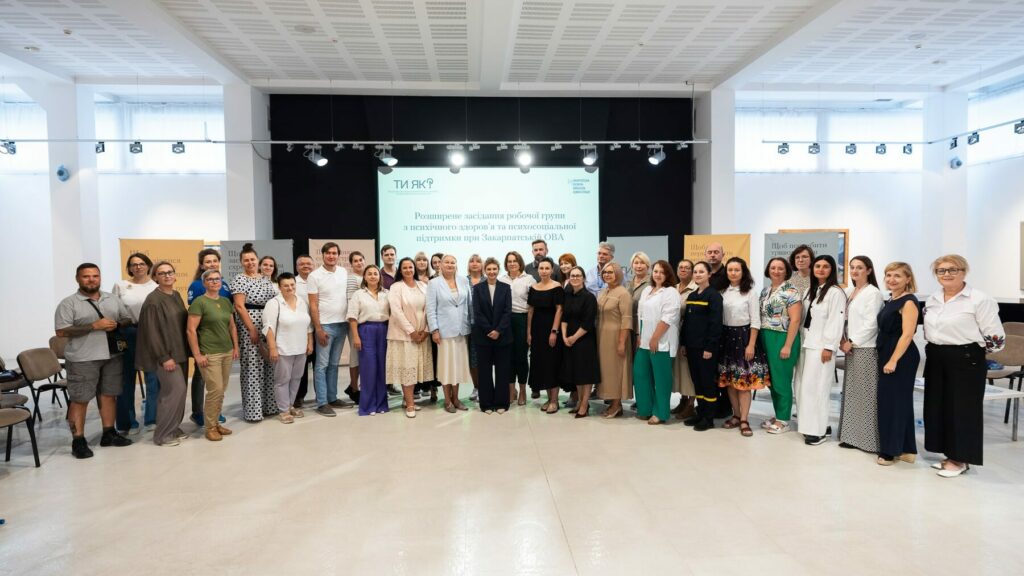
Oksana, Dorcas Facilitator and Deputy Director of Lyceum 11 in Mukachevo, highlights: “Teenagers need a lot of support, understanding and help to manage their emotions. I was impressed by their willingness to engage, with many students joining on their own and asking to join existing groups. We set up new groups and ran regular sessions, which made a noticeable difference to the classroom environment. Both teachers and students noticed these positive changes. From the simple question ‘How are you?’, a new chapter of empathetic and tolerant relationships has developed”. Her comments were made during a presentation of the “How are you?” programme at a regional working group meeting in Uzhhorod, attended by the First Lady of Ukraine, Olena Zelenska.
Dorcas Yemen has launched a rapid response initiative following devastating floods that have severely impacted several regions, including Alshimayatain district in Taiz Governorate, where Dorcas Yemen operates. The floods, which began on 28 July due to heavy rains and seasonal weather patterns, also triggered landslides, further worsening Yemen’s already dire humanitarian situation and leading to widespread destruction.
At least seven governorates across the north and south of the country have been affected, covering an estimated area of 15,000 square kilometres. The floods have destroyed crops and other agricultural assets, leaving over 10,000 people facing severe food insecurity.
In response to these urgent needs, Dorcas Yemen has allocated €100,000 to provide immediate assistance to the affected communities. The response will focus on three key areas:
- Emergency shelter and non-food items (NFIs): Dorcas will distribute emergency shelter kits and essential NFIs to 312 households, providing immediate support to those who have lost their homes and belongings.
- Flood resilience infrastructure: Using a cash-for-work approach, Dorcas will engage local communities in the construction of gabions, protective walls, and water channels to mitigate the impact of future floods. This initiative aims to strengthen the resilience of affected areas and protect critical infrastructure.
- WASH services and hygiene promotion: Dorcas will distribute WASH kits to 312 households and organise hygiene promotion sessions, reaching a total of 1,500 people to help prevent the outbreak of waterborne diseases that often follow such disasters.
Dorcas Yemen is working closely with the Ministry of Agriculture and Fisheries in Taiz Governorate, as well as with local community leaders and humanitarian clusters, to ensure that the response is tailored to the needs of the affected population. This collaborative approach will maximise the impact of the assistance efforts and ensure accountability to the communities we serve. Together, we are committed to bringing hope and support to those in need during these challenging times.
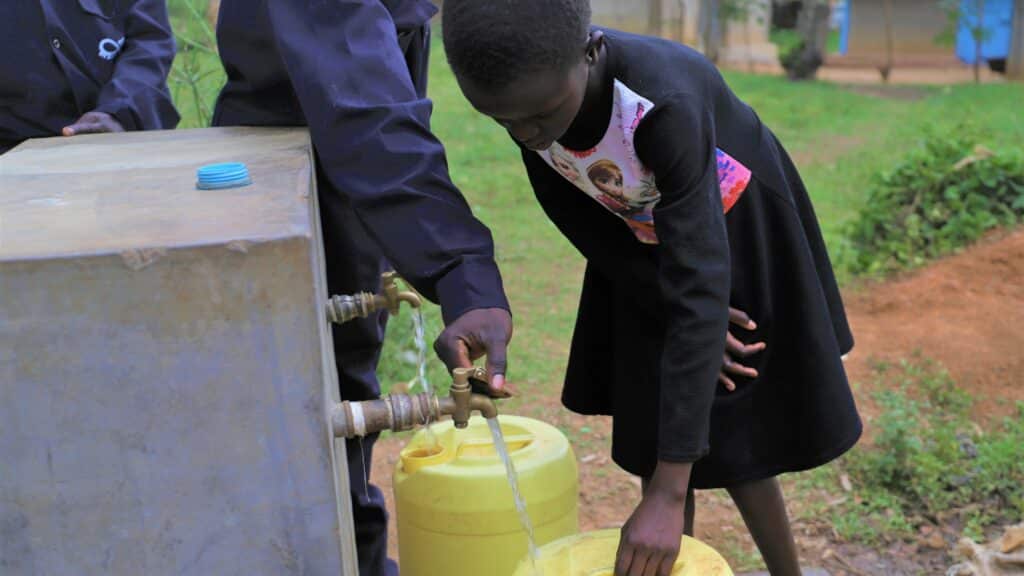
Dorcas Kenya has successfully completed the Siaya Water and Sanitation Project, enhancing sustainable access to clean drinking water and improving sanitation facilities in Siaya County.
The project is funded by the Netherlands Enterprise Agency in partnership with the County Government of Siaya, Maji Milele, and North Gem. The initiative focused on the rural population, which constitutes 89% of the county’s residents, of whom only 36% had access to clean water before the project.
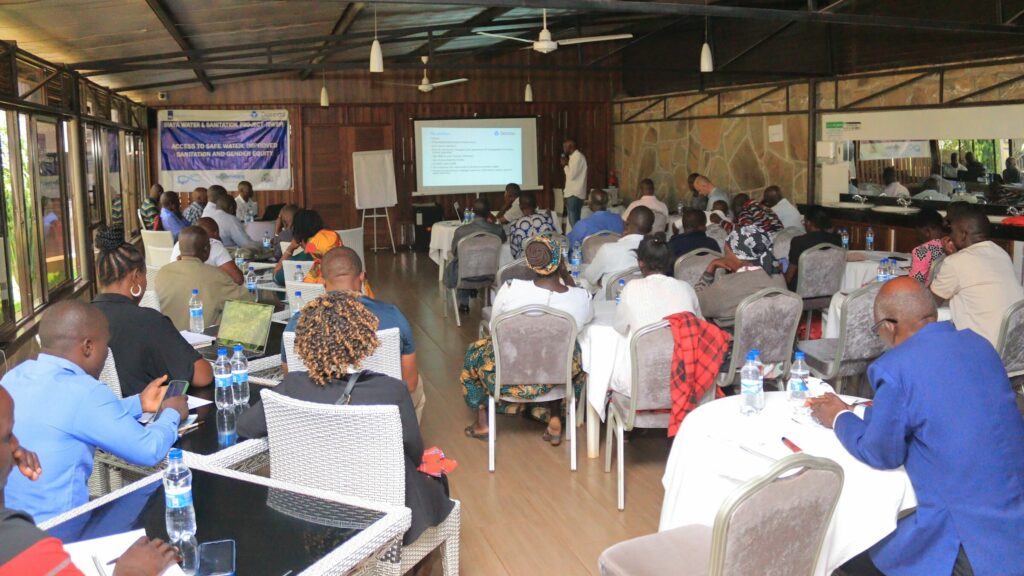
Through the rehabilitation and augmentation of four water schemes, we have significantly improved water access, reaching 115,358 people with clean drinking water, 91,295 of whom regularly use the water facilities. Households with individual connections now consume an average of 30 litres per day, translating to 5 litres per person, while those relying on communal water points consume 16 litres per day, or 2.7 litres per person. Individual connections significantly enhance daily water availability and contribute to improved health and hygiene compared to communal water points.
In terms of sanitation, the project has made notable progress. Before the project, only 49% of the population had access to improved sanitation facilities, with 20% practising open defecation and 31% using unimproved toilet facilities. Now, 92,727 people have access to improved sanitation facilities. Our efforts also focused on sanitation marketing, helping the community improve their sanitation practices following the declaration of Siaya County as open defecation free (ODF).
Training and employment have been key components of this project. We trained 166 change agents who reached 64,395 people with awareness programmes. Women now make up 36.7% of the leadership within the Schemes Supervisory Boards. Out of 225 direct jobs created, 119 were filled by women, and 38 out of 68 entrepreneurs engaged in WASH-related products are women.
Support for highly marginalised groups has been a priority, with 1,967 individuals receiving 60 litres of water per household per day free of charge and 504 households provided with improved sanitation facilities.
This project represents a significant advance towards achieving SDG 6 and ensuring that everyone has access to clean water and proper sanitation. Our End Time Evaluation (ETE) suggests that we should increase facilities, such as equipment for moulding and shaping materials, which artisans use to create or repair items and adopt a market-based approach to improve sanitation. We are dedicated to building on these achievements to ensure long-lasting benefits for the community.