Building sustainable economic development in rural Albania
Supporting those facing barriers to self-employment and employability lies at the heart of Dorcas’s work. Economic development is crucial for improving well-being and enabling people to establish sustainable livelihoods. As part of the SMILES programme in Albania, Dorcas is working in the mountainous regions of Tropoja and Puka to create more economic opportunities for those in vulnerable situations.
Economic potential in Tropoja and Puka
Tropoja and Puka are remote and largely rural, with limited infrastructure and an economy centred on meeting daily needs through small-scale farming. Most households rely on farming, livestock and informal trade, with low production levels and limited access to markets, finance and relevant skills.
At the same time, the regions have clear but underused potential. Tourism is growing, especially around Valbona Valley and the Albanian Alps, while agriculture offers opportunities in chestnuts, fruit, livestock and honey.
The main barrier to unlocking this potential is not only production, but access to skills, markets and opportunities. Strengthening this access is key for households to move beyond subsistence.
Economic development within SMILES
The Economic Development approach in SMILES focuses on strengthening livelihoods by working through local value chains, particularly in agriculture and tourism. Rather than supporting people in isolation, the programme takes a practical approach that builds on existing local activity and potential, while strengthening connections within the local economy.
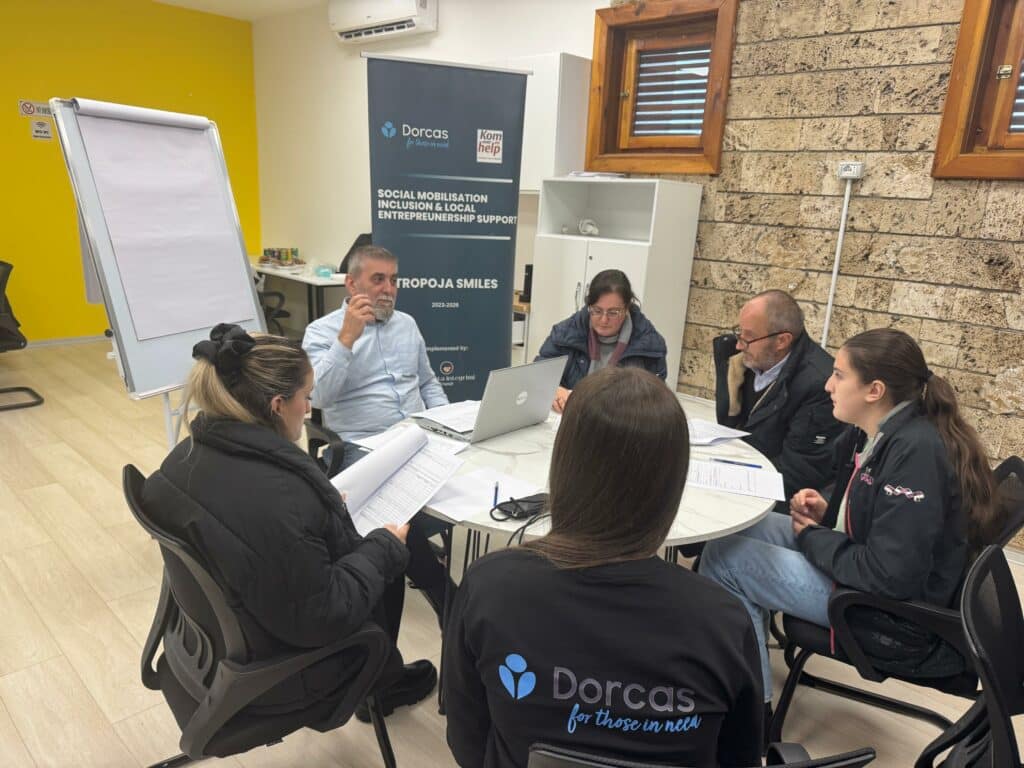
Farmers, small producers and micro-entrepreneurs are supported through training that responds to real needs in their work and businesses, including:
- Business and financial management.
- Agricultural and livestock production.
- Marketing and product quality.
- Customer service and tourism-related skills.
Rather than isolated activities, SMILES builds a more connected local economy where farmers, guesthouse owners and small entrepreneurs can benefit from each other’s development.
What this looks like in practice: two examples
This approach is visible in practice through participants such as Admira from Tropoja. Together with her husband, she runs a small guesthouse in a remote tourism area. Before the programme, their income depended on seasonal and informal work, resulting in limited stability.
Through SMILES, Admira participated in entrepreneurship training, where she learned how to plan and manage a small tourism business. She also accessed microfinance support, which enabled her to invest in improving her guesthouse. Today, she is developing her business and hosting visitors. For her, the most important change is not only economic, but also personal: gaining practical skills, confidence, and the belief that she can build a better future in her own community.
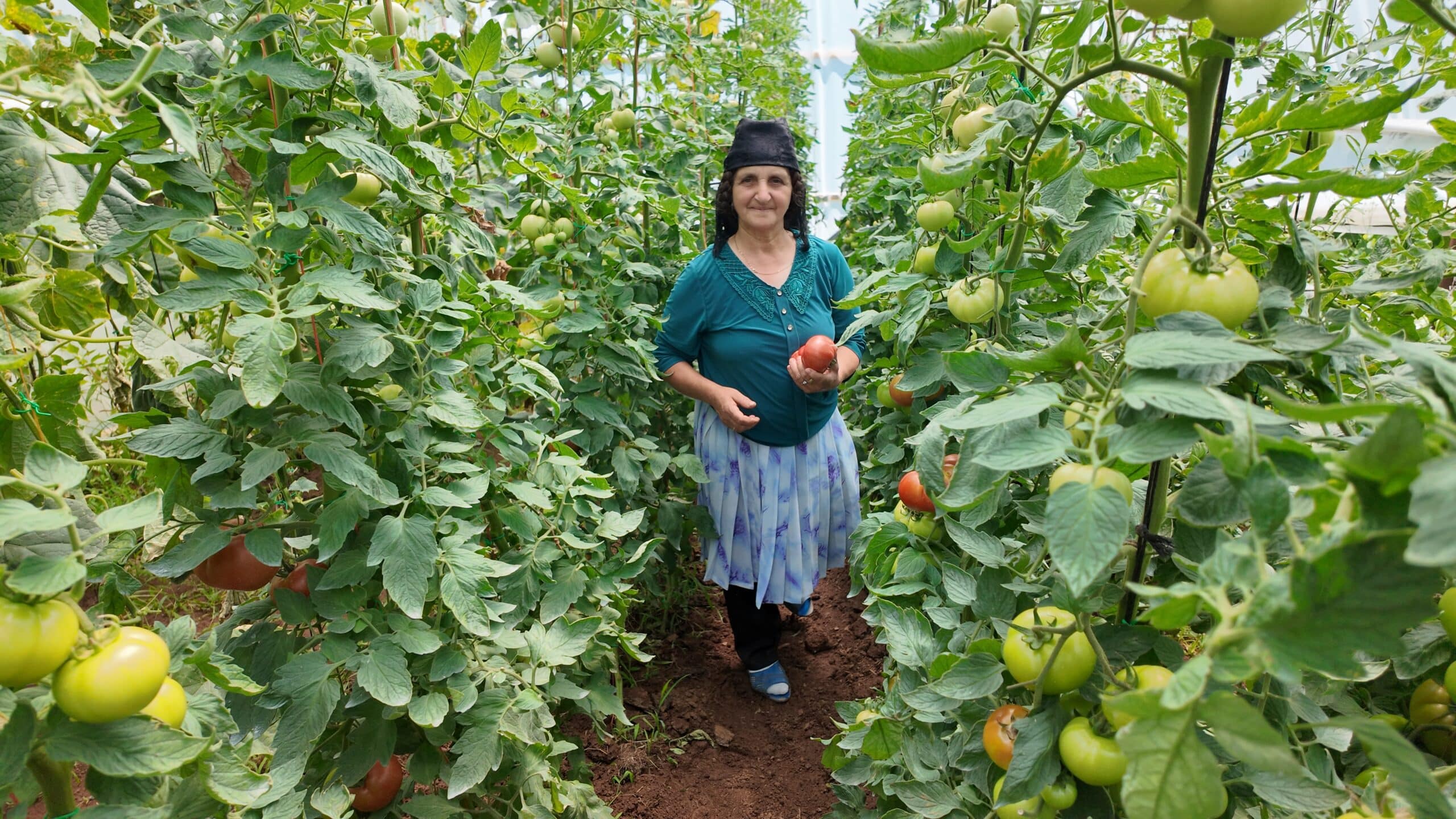
Another example is Dava from Puka. Before joining the programme, she had limited access to training, finance and markets, and mainly relied on traditional farming methods.
Through SMILES, Dava participated in entrepreneurship training and developed a business plan for small-scale greenhouse production. She received a grant of 2,000 euros, which enabled her to establish a greenhouse at her home. With technical support, she now produces vegetables such as tomatoes, peppers and cucumbers, and also grows seedlings for sale within her village.
For Dava, the most important change is the development of new skills, increased confidence, and the ability to turn her agricultural activity into a small income-generating initiative.
Working through local partnerships and looking ahead
Dorcas Albania works through local partner organisations that are embedded in the communities. These partners play a key role in delivering training, mentoring and ongoing support. Over time, they are supported to strengthen their capacity to facilitate local economic development processes. Dorcas provides technical guidance, training and coaching to ensure approaches remain practical and locally grounded.
SMILES shows that economic development is most effective when it strengthens connections between people, skills, markets and opportunities. By linking agriculture with tourism and strengthening local value chains, the programme contributes to a more connected local economy where households in vulnerable circumstances can participate in economic opportunities in their own context.