Smallholder farmers in the Chemba region of Tanzania face significant challenges in sustaining their livelihoods. Prolonged drought due to climate change and degraded soils have reduced agricultural productivity, limiting food security and income opportunities. Many households rely on rain-fed agriculture, leaving them vulnerable to failed harvests. The Participatory Integrated Planning (PIP) project addresses these issues by strengthening the economic resilience of farming households. Combining planning, training and sustainable agricultural practices, the project is supporting 750 families to build more stable and diversified livelihoods.
A structured approach to economic development
At the core of the PIP approach lies a participatory planning process. Each household develops its own integrated plan for farming, income generation and wellbeing, covering areas such as crop production, livestock, soil restoration and financial planning.
The whole family is involved, which strengthens ownership and implementation. Dorcas then helps households to translate these plans into practical steps. Farmers also receive training in sustainable agriculture and entrepreneurship, covering topics such as soil improvement, water management, crop diversification and generating small-scale income. They learn to manage resources more effectively and prepare for periods of economic stress. A key element is the multiplier effect: trained farmers share their knowledge within their community.
Improved productivity and increased income
Farmers can increase their yields and restore soil fertility, resulting in more reliable food production and a surplus for the market. This directly increases household income, enabling families to invest in education, healthcare, and housing. Through savings groups, households can also strengthen their financial resilience and reduce their vulnerability to future shocks.
The story of Abdallah and his children
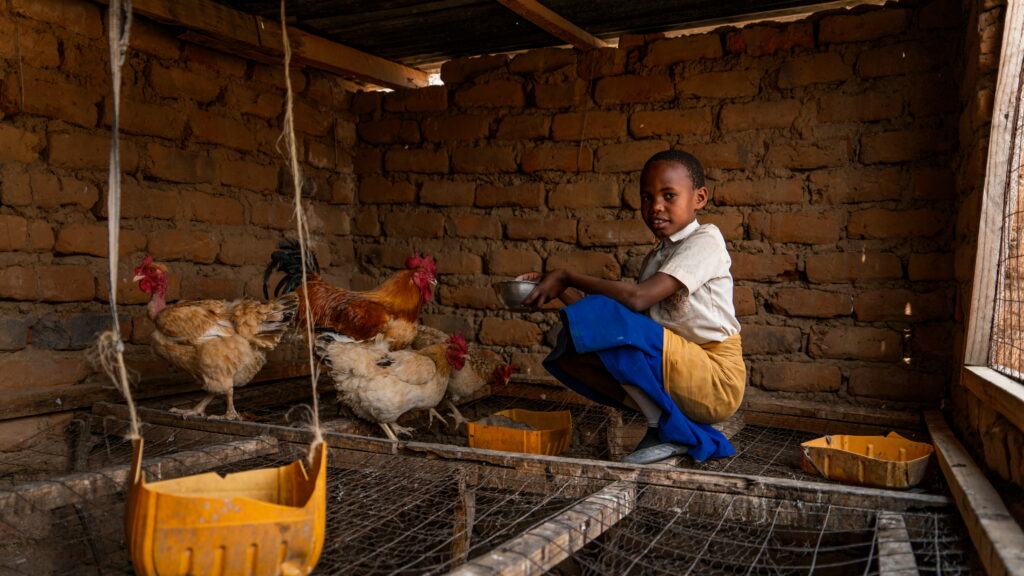
Abdallah Hassani, a farmer in Chemba, has experienced the impact first-hand. He lives with his children, Salah and Saoumou. In 2022, Abdallah joined agricultural projects and training programmes focused on improved farming techniques and planning.
After completing the training, he implemented new methods on his farm. His maize production increased in both 2023 and 2024, with approximately twenty additional bags produced compared to previous years.
This enabled him to sell part of his harvest, generate income and invest in building materials for his home, as well as starting a chicken farm. These improvements have significantly enhanced his living conditions.
In addition to the training, Abdallah received ongoing support in the form of regular visits, which provided him with advice and strengthened his confidence. He also gained access to medical support and awareness sessions, which contributed to his overall well-being.
The impact is also visible within his family. His children attend school, help with daily farm activities, and can pursue their ambitions. For Abdallah, increased productivity has translated into greater financial stability and improved prospects for the future.
Towards sustainable economic development
Through the PIP project, Dorcas invests in long-term economic development. By strengthening skills, improving productivity and enhancing livelihood opportunities, the project contributes to more resilient rural economies.
For the 750 participating families in Tanzania, this means improved livelihoods today and greater opportunities for the future.
In Chemba, these farming households move beyond subsistence towards greater self-reliance. Increased income, improved food security and stronger financial management establish the foundation for sustainable impact.
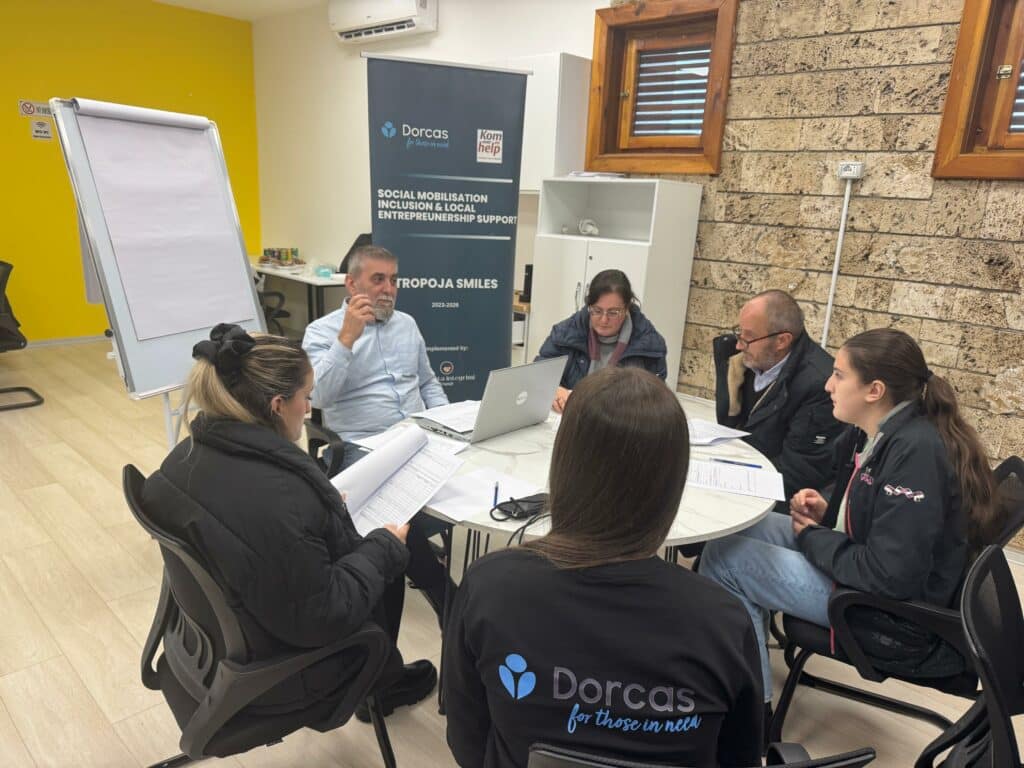
Supporting those facing barriers to self-employment and employability lies at the heart of Dorcas’s work. Economic development is crucial for improving well-being and enabling people to establish sustainable livelihoods. As part of the SMILES programme in Albania, Dorcas is working in the mountainous regions of Tropoja and Puka to create more economic opportunities for those in vulnerable situations.
Economic potential in Tropoja and Puka
Tropoja and Puka are remote and largely rural, with limited infrastructure and an economy centred on meeting daily needs through small-scale farming. Most households rely on farming, livestock and informal trade, with low production levels and limited access to markets, finance and relevant skills.
At the same time, the regions have clear but underused potential. Tourism is growing, especially around Valbona Valley and the Albanian Alps, while agriculture offers opportunities in chestnuts, fruit, livestock and honey.
The main barrier to unlocking this potential is not only production, but access to skills, markets and opportunities. Strengthening this access is key for households to move beyond subsistence.
Economic development within SMILES
The Economic Development approach in SMILES focuses on strengthening livelihoods by working through local value chains, particularly in agriculture and tourism. Rather than supporting people in isolation, the programme takes a practical approach that builds on existing local activity and potential, while strengthening connections within the local economy.
Farmers, small producers and micro-entrepreneurs are supported through training that responds to real needs in their work and businesses, including:
- Business and financial management.
- Agricultural and livestock production.
- Marketing and product quality.
- Customer service and tourism-related skills.
Rather than isolated activities, SMILES builds a more connected local economy where farmers, guesthouse owners and small entrepreneurs can benefit from each other’s development.
What this looks like in practice: two examples
This approach is visible in practice through participants such as Admira from Tropoja. Together with her husband, she runs a small guesthouse in a remote tourism area. Before the programme, their income depended on seasonal and informal work, resulting in limited stability.
Through SMILES, Admira participated in entrepreneurship training, where she learned how to plan and manage a small tourism business. She also accessed microfinance support, which enabled her to invest in improving her guesthouse. Today, she is developing her business and hosting visitors. For her, the most important change is not only economic, but also personal: gaining practical skills, confidence, and the belief that she can build a better future in her own community.
Another example is Dava from Puka. Before joining the programme, she had limited access to training, finance and markets, and mainly relied on traditional farming methods.
Through SMILES, Dava participated in entrepreneurship training and developed a business plan for small-scale greenhouse production. She received a grant of 2,000 euros, which enabled her to establish a greenhouse at her home. With technical support, she now produces vegetables such as tomatoes, peppers and cucumbers, and also grows seedlings for sale within her village.
For Dava, the most important change is the development of new skills, increased confidence, and the ability to turn her agricultural activity into a small income-generating initiative.
Working through local partnerships and looking ahead
Dorcas Albania works through local partner organisations that are embedded in the communities. These partners play a key role in delivering training, mentoring and ongoing support. Over time, they are supported to strengthen their capacity to facilitate local economic development processes. Dorcas provides technical guidance, training and coaching to ensure approaches remain practical and locally grounded.
SMILES shows that economic development is most effective when it strengthens connections between people, skills, markets and opportunities. By linking agriculture with tourism and strengthening local value chains, the programme contributes to a more connected local economy where households in vulnerable circumstances can participate in economic opportunities in their own context.
At the Dorcas Technical and Vocational Education and Training (TVET) Centre on the outskirts of Addis Ababa, young people are purposefully building their future in a training facility. In an environment where professional skill development is central, they are acquiring technical capabilities, strengthening their confidence, and opening up new perspectives. With youth unemployment remaining a significant challenge in Ethiopia, the centre plays a crucial role in equipping young people with the skills they need to succeed in the labour market.
A programme where skills and dignity grow together
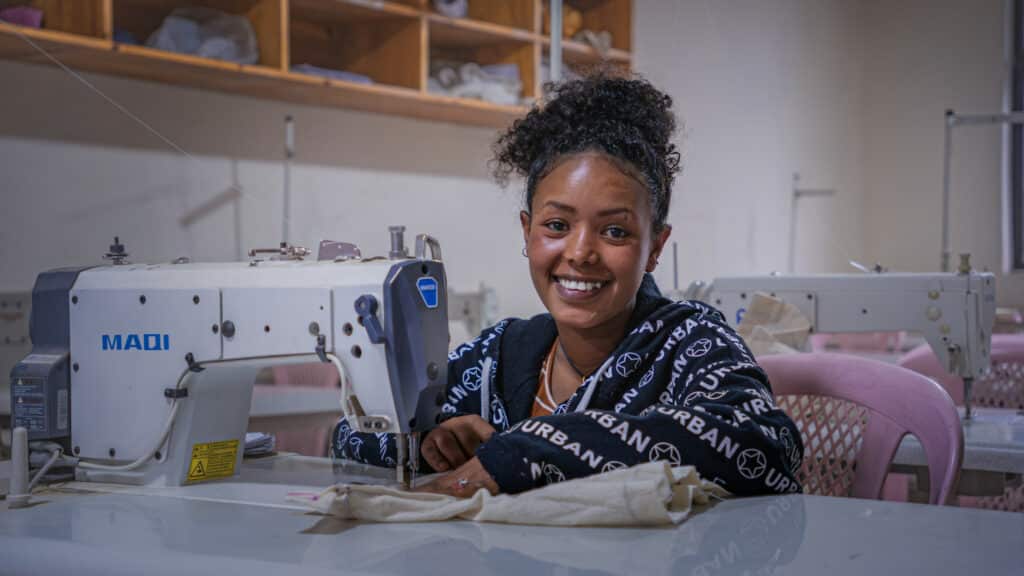
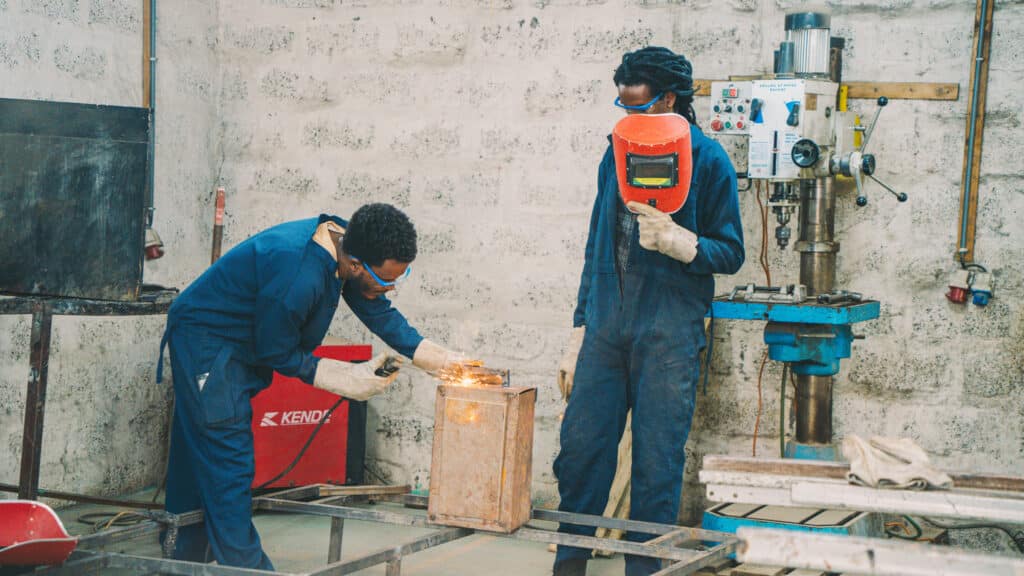
The TVET programme combines practical skills with personal development. Students can choose to specialise in metalwork, woodworking or garment production. They study theory in the classroom alongside hands-on training with industry-standard tools. Life skills sessions and introductory business training help students to understand how to work and how to shape their future with intention and resilience.
Each course lasts four to six months, with around 25 students per class. A one-month placement in a cooperative introduces them to the realities of modern workplaces and brings their learning to life.
Reaching those who need support the most
Participants are aged between 15 and 32 and are selected in collaboration with Woreda-level government offices. This ensures that opportunities reach young migrants, school dropouts, individuals escaping unsafe situations, and young people without family support.
Many participants initially arrive feeling uncertain and hesitant due to challenging past experiences. However, as they refine their skills, receive structured guidance and build their competence, they undergo a significant transformation. They become more confident communicators, their self-belief grows, and they begin to take responsibility for their choices. This personal development is as important as the technical training itself.
Support that extends beyond the training
Through Job and Business Services (JBS), students receive support in connecting with employers and exploring opportunities in small businesses. This personalised support enables most graduates to quickly secure dignified employment, with positive knock-on effects for their families and communities. Families gain stability, younger siblings stay in education, and communities see capable, hopeful young people fulfilling their potential.
Stories of courage and change
A young girl from the north of the country came to Addis Ababa to escape an arranged marriage arranged by her family. She was only 16 years old at the time. Travelling alone, she quickly found that life in the city was uncertain. Everything changed when she enrolled on a garment training course at the Dorcas TVET centre.
She now works as a supervisor at WARIT Furniture and continues her education through an evening programme. In her own words:
‘I survived those difficult days, now I am working to realise my dreams.’
Strengthening communities through skilled youth
When young people gain confidence, skills and employment, communities change with them. The TVET programme not only lifts individuals, it strengthens families, inspires peers and reduces the social pressures associated with youth unemployment. A generation once considered marginalised becomes a generation of contributors, innovators and role models.
Looking ahead: building a centre of excellence
The TVET centre continues to grow. Its development into a centre of excellence in furniture making includes a dedicated woodworking workshop and new machinery. Plans for the future include expanding into new fields where there is high demand for skilled workers:
- Electronics maintenance
- Hospitality and kitchen skills
- Entrepreneurship training
Dorcas also has a long-term vision to establish a self-sustaining business wing linked to the TVET centre, which would be a significant step towards becoming an independent training institute.
Where new paths begin
Across Ethiopia, many young people face uncertainty, exposure to risk and limited prospects for advancement. The Dorcas TVET Centre offers them a structured environment in which to develop market-relevant skills, receive professional guidance and access new growth opportunities. It offers a space where competence leads to dignity, where mentorship supports informed decision-making and where tangible opportunities provide a sense of direction and possibility in place of uncertainty.
Social farming harnesses the power of agriculture to deliver care and support for people in vulnerable situations. It involves using agricultural resources such as plants, animals, and land to provide health, social and educational services to vulnerable groups. This includes individuals with mental or physical health needs, people facing social exclusion or long-term unemployment, and those recovering from addiction.
Activities on social farms can include animal care, vegetable cultivation, fence maintenance and food production. Often run by family farmers in partnership with care providers, these farms offer flexible, community-based alternatives to institutional care.
This approach comes to life in places like Romania. Since 2003, Attila has been running a social farm that restores dignity and strengthens community ties. Together with older people from the local Dorcas project, he cultivates vegetables and flowers in greenhouses, creating a space where purpose and belonging flourish.
Greenhouses
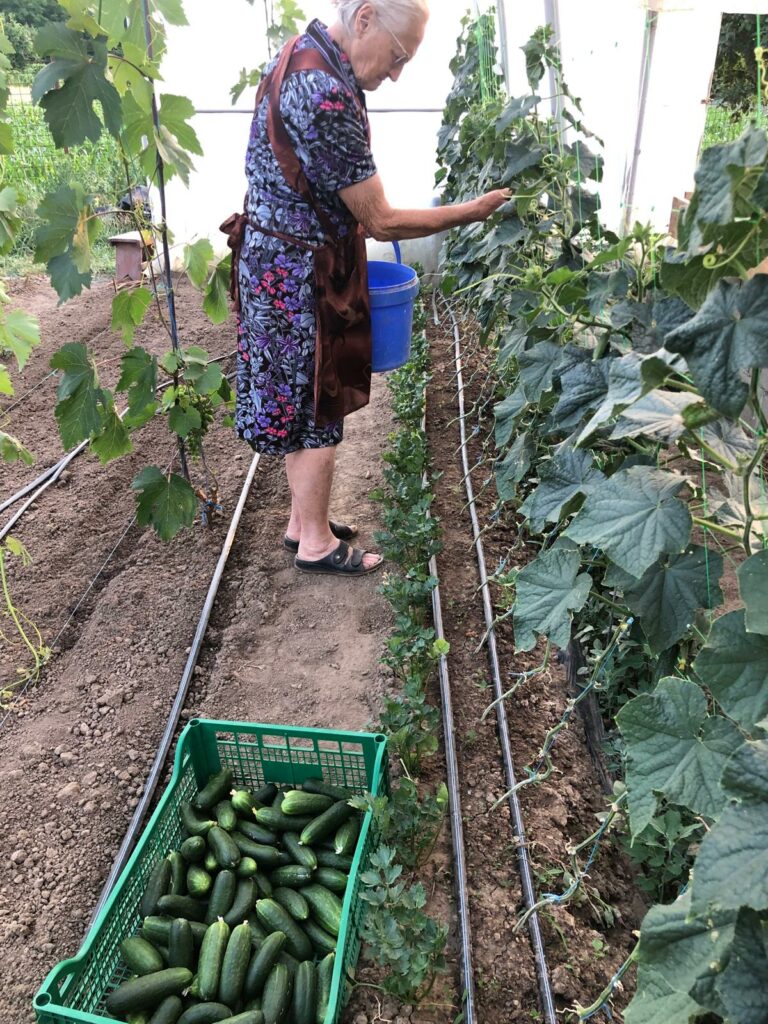
Behind a modest roadside building, two greenhouses brim with life. Here, Attila grows vegetables and flowers with the help of older people from the local Dorcas project. Together, they sow seeds not only for food but for friendship and purpose.
‘Before we started the farm, there was a lot of hopelessness,’ Attila shares. ‘Now I see smiling faces. There’s a sense of belonging again.’
The work in the greenhouses serves many goals. It provides extra food for older people, helping them stretch their pensions. But just as importantly, it brings people together creating connection, dignity, and a sense of being needed.
A season of growth
Each March, the growing season begins. Participants take on different tasks, from preparing the soil and planting seeds to weeding and harvesting. Their involvement depends on their physical ability, and everyone contributes in their own way. Some earn a small income through their work. Others grow vegetables on their own patch of greenhouse soil. Many take seeds home to plant in their gardens, extending the impact even further.
Harvesting hope
The greenhouses are full of life: lettuce, strawberries, cabbage, tomatoes, cucumbers and sometimes flowers, especially lilies, which thrive here. The produce and seeds are sold locally, and the income is reinvested into thesupport programme for older people. But the farm’s impact goes far beyond food and finances.
‘Sometimes schoolchildren visit,’ Attila says. ‘Older people share their knowledge, and suddenly there’s a bridge between generations.’
Attila also employs paid staff many of whom become so inspired by the farm’s mission that they volunteer in other activities for older people. The spirit of giving back is contagious. The change in the community is unmistakable. Where once there was resignation ‘I can’t do anything anymore’ there is now joy, energy, and engagement.
‘There’s more love in the community,’ Attila reflects. ‘This project hasn’t just changed the lives of older people it’s transformed the whole village. Life is more vibrant. People look out for each other.’
These farms are part of Dorcas’ broader strategy to restore dignity, promote inclusion, and create sustainable livelihoods through community-based solutions.
Dorcas has received the Core Humanitarian Standard (CHS) certification by Humanitarian Quality Assurance Initiative (HQAI). The CHS is an international quality standard for humanitarian assistance which focuses on the needs and rights of those in need. This certification confirms that Dorcas’ projects adhere to the highest quality and accountability standards.
Gerben de Witte, Dorcas’ Quality Manager, explains what this means for the organisation: ‘We are proud that Dorcas is now CHS certified. It confirms that we deliver quality to our project participants. During the audit, participants expressed that they felt genuinely respected and affirmed that Dorcas actively listens and responds to their needs. The fact that this has been confirmed by an independent assessment is a meaningful recognition for the entire organisation, and especially for the dedicated teams in the countries where we are active.’
How the CHS audit was conducted
Gerben explains: ‘Auditors conducted interviews with employees in the Netherlands and at various country offices and studied extensive policy documentation. They also selected a number of projects for in-depth review to assess whether the policy is being implemented in practice within the projects and by our partners.
As part of this evaluation, the auditors also spoke with project participants about their experiences with Dorcas and the projects in question. This way, they verified independently that the organisation and their projects comply with the Core Humanitarian Standard.’
Strengthening accountability
Working towards CHS certification has provided Dorcas many new insights, which are used to enhance their work and projects. For instance, they have established feedback and complaint mechanisms in all their projects so that participants can inform them when something is not going well or when they feel certain things should be done differently.
As Gerben de Witte explains, “At Dorcas, we have always worked in and with communities, providing ample opportunity for participation. Feedback and complaint mechanisms help us to address any complaints quickly and learn from them, enabling us to continuously improve our projects. This ensures that the assistance we provide continues to meet the actual needs of those in need.”
Importance of certification
We believe it is important that our work and projects meet the highest quality standards. We want to be accountable to project participants and the communities in which we operate. Institutional donors also set high standards for the quality of our support. The CHS certificate objectively demonstrates that we meet these standards.
CHS certification strengths Dorcas’ position across its country programmes. José Salema, Country Director Yemen, explains
“The certification enhances credibility with communities, donors, and partners. It contributes to improved programme quality, encourages responsible working practices, and provides a competitive advantage in a complex humanitarian setting.”
As we move forward, we remain committed to upholding the highest standards of quality and accountability for our work.
Statement of Commitment to the CHS
- Knowledge of rights and participation: People can exercise their rights and participate in decisions affecting them.
- Timely and effective support: People receive timely and effective assistance tailored to their needs.
- Preparedness and resilience: People are better prepared and more resilient to potential crises.
- Support that does not cause harm: Assistance avoids causing harm to people or the environment.
- Reporting and addressing concerns: People can safely report concerns and complaints and have them addressed.
- Coordinated and complementary support: People receive coordinated and complementary support.
- Continual improvement based on feedback: Support is continually adapted and improved based on feedback and learning.
- Respectful staff and volunteers: People interact with respectful, competent, and well-managed staff and volunteers.
- Ethical and responsible resource management: Resources are managed ethically and responsibly for their intended purposes.
Read here more about CHS.
At Dorcas, we believe in creating lasting change by enabling communities to become self-sufficient. One of the key ways we achieve this is by developing social enterprises: businesses that exist to generate income and achieve a clear social mission. Designed to address pressing societal challenges, these enterprises operate on sound business principles. They create jobs, provide training opportunities, and reinvest profits in community development. For Dorcas, social enterprises are a pathway to dignity, inclusion and long-term resilience.
Social enterprises aim to solve social problems through entrepreneurial strategies, balancing economic sustainability with social impact. These businesses generate income through selling goods or services, and they often qualify for government subsidies, which enables them to sustain their operations and expand their impact.
The Fairytale Oven
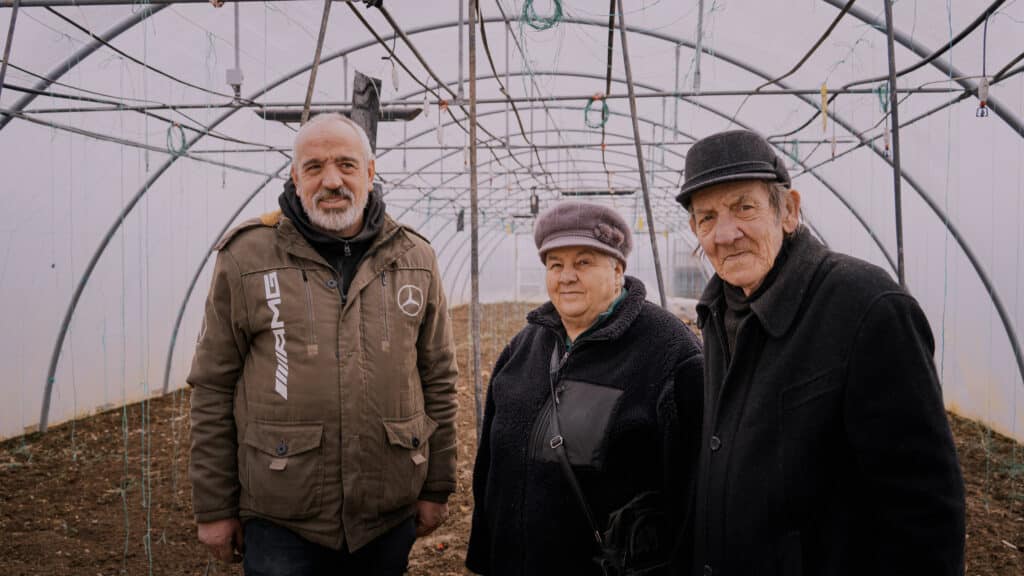
Cuptorul de basm (The Fairytale Oven) in Trușești, Romania, is more than just a bakery. It is a prime example of a social enterprise that fosters inclusive employment, strengthens communities and promotes sustainable impact in rural areas. By providing training in bread production, marketing and basic business skills, it supports participants to build confidence and gain valuable professional experience. Dorcas Romania has played a pivotal role in supporting this enterprise by providing financial investment, expertise in social economy development and capacity building for the local association.
Understanding social farming
Another example of a social enterprise is Dorcas’s work in social farming. Social farming involves using agricultural resources, such as plants and animals, to provide health, social and educational services to groups in vulnerable circumstances. These groups include individuals with mental or physical health needs, those facing social exclusion, long-term unemployment or addiction recovery. Unlike clinical settings, social farms offer a natural, non-institutional environment where people can engage in meaningful work, build self-esteem and improve their well-being.
Activities on social farms can include animal care, vegetable cultivation, fence maintenance and food production. Often run by family farmers in partnership with care providers, these farms offer flexible, community-based alternatives to institutional care. Financing comes from a combination of product sales, government subsidies and payments from care organisations for services provided.
Dorcas’ strategic approach
Dorcas implemented social enterprises in Romania, Moldova and Albania. These initiatives support people in vulnerable circumstances and provide farmers and the bakery with additional income streams and a sense of purpose. The benefits extend beyond the individual to the wider community, fostering inclusion, reducing stigma and strengthening local economies. Our broader vision is to transition from providing assistance to promoting sustainable, locally driven initiatives. This involves supporting our partners and community organisations so they can become self-sufficient. By adopting social enterprise models, these organisations can generate their own income and, in some cases, qualify for government funding.
In essence, social enterprises are not just projects; they are movements. They represent a shift in how we think about development, moving from dependency to dignity and from giving to growing.
The deepening climate crisis is reshaping the way people in many parts of the world live, grow food and manage natural resources. Food systems are becoming more exposed and susceptible to climate shocks. Land degradation and deforestation are accelerating biodiversity loss and reducing agricultural productivity. Meanwhile, water insecurity, droughts and floods continue to threaten sustainable livelihoods.
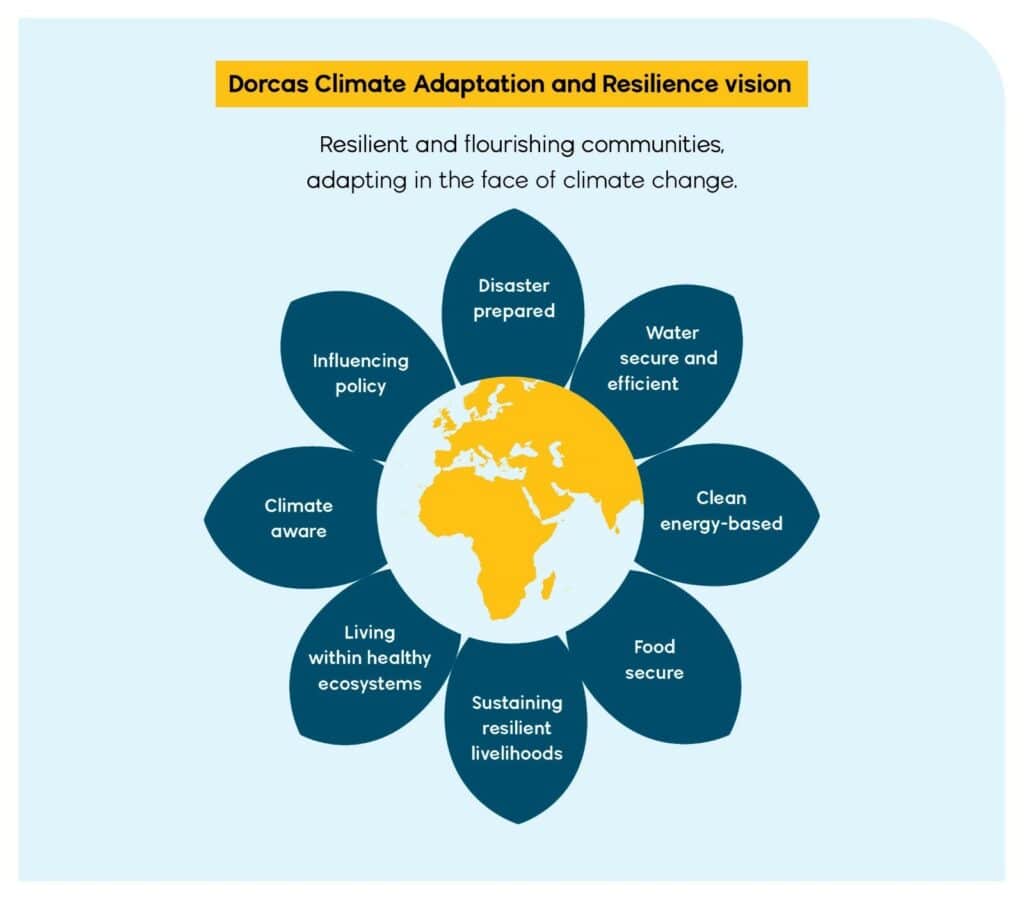
At Dorcas, supporting communities to adapt to these changing conditions is a key priority. Our efforts focus on three pillars, which are interconnected and form the foundation of our climate adaptation strategy: food, water and land.
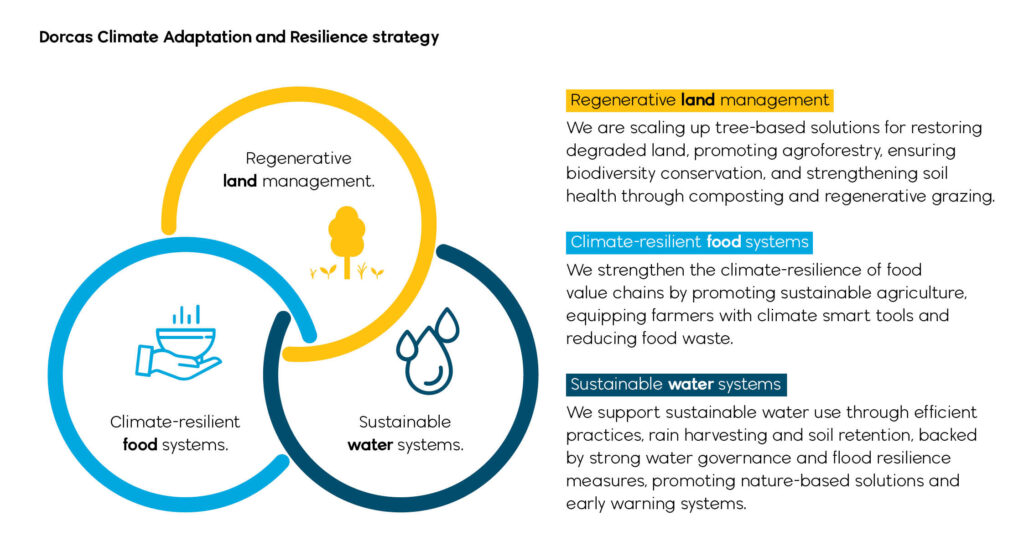
In this article we elaborate on these three key areas and how we work to support communities to become more resilient in the face of climate shocks.
Climate-resilient food systems
Our approach begins by addressing the urgent challenge of transforming food production to withstand climate stress. Food systems worldwide are facing immense pressure, and smallholder farmers are particularly at risk as they often lack control over essential resources like seeds, supply chains, and markets.
To tackle these challenges, Dorcas focuses on building farming systems that are both climate-resilient and regenerative. We emphasise practices that restore soil health, enhance biodiversity, and utilise nature-based pest control methods. Farmers receive hands-on training to implement techniques that regenerate soil and improve productivity.
In addition, Dorcas equips farmers with relevant tools, such as access to real-time weather and market data, drought-resistant crops, and precision irrigation systems.
We are also committed to strengthening agricultural value chains to create inclusive and sustainable food systems. By connecting smallholder farmers to local and regional markets, improving supply chains, and promoting better food processing and storage methods, we reduce waste and post-harvest losses while ensuring long-term agricultural resilience.
PIP in Tanzania
One example of our work to support climate-resilient food systems is the PIP project in Chemba, Tanzania. As part of this initiative, two demonstration farms have been set up in the village and a mini dam has been renovated and enlarged to improve rainwater harvesting.
These farms serve as practical learning centres where smallholder farmers can adopt climate-smart practices, such as agroforestry, growing drought-tolerant crops, regenerating soil and using integrated livestock systems. These methods help to mitigate the effects of climate change, including erratic rainfall, prolonged dry spells and soil degradation.
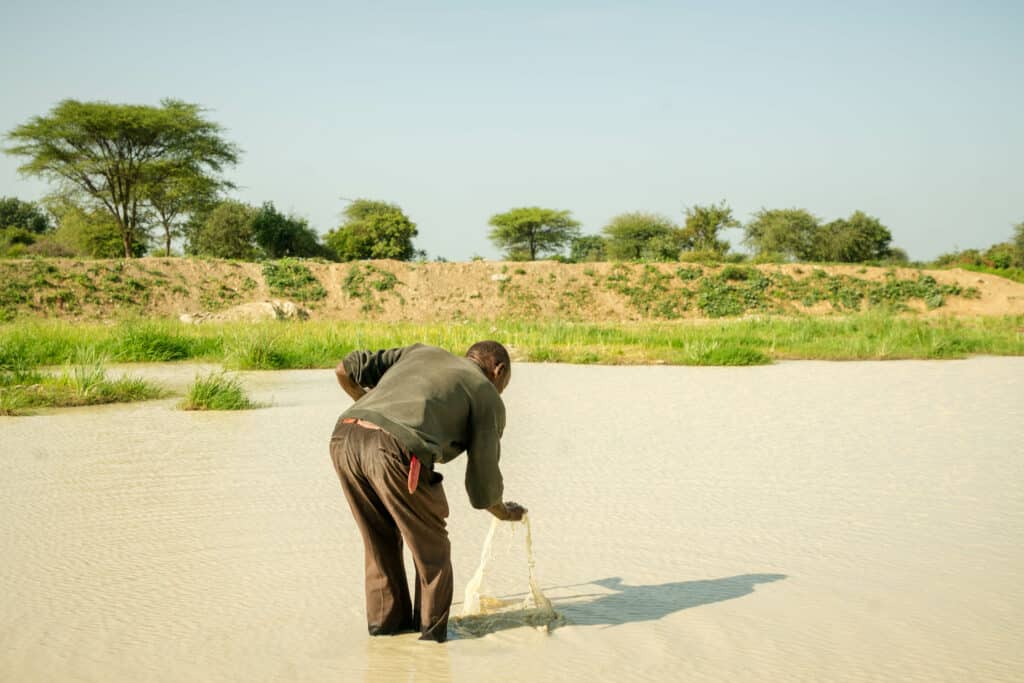
The improved mini-dam increases the community’s capacity to store rainwater, ensuring a more reliable supply for irrigation and livestock during dry periods. ‘At first, we struggled with severe droughts that led to famine,’ says a 75-year-old local farmer. ‘But now, with the availability of this dam, we can continue farming even during the dry season, ensuring sustainable food security all year round.’
Sustainable water systems
Resilient food systems depend on dependable water access, making water security a critical focus. Increasing water shortages, driven by climate change and poor water management, threaten farming and communities, while frequent flooding damages farmland and infrastructure.
At Dorcas, we are committed to ensure sustainable water use for agriculture and communities. We promote efficient techniques such as rainwater harvesting, groundwater replenishment, and soil water retention through methods like contour farming and terracing, supported by stronger water management structures.
We also work to mitigate flooding by enhancing:
- Watershed management.
- Nature-based solutions like wetlands and buffer zones.
- Early warning systems to prepare communities for climate-related disasters.
Supporting bees with a water pan in Kenya
One example of Dorcas’s work to support sustainable water use is in Ngiluni village, Kenya, where we are working through our local partner, the Makindu Rural Development Programme (MRDP). Farmers from the Ngiluni Farmer Field School have received training in hive management and were equipped with 100 modern hives, 1,130 bee-friendly plants, and a water pan. ‘Before the interventions, our hives used to have low colonisation rates and hive abandonment was the norm of the day,’ explains 37-year-old Makau Mutua, a local farmer. The water pan now provides bees with easy access to water, reducing the need to travel long distances and improving colonisation rates. As a result, a bee multiplication centre has been established, and farmers are now planning to start a commercial tree nursery and practise agroforestry to make full use of the rainwater collected.
Regenerative land management
Healthy land is essential for maintaining sustainable food and water systems. Our third focus area is dedicated to restoring and safeguarding landscapes to ensure long-term resilience. Deforestation exacerbates soil erosion and biodiversity loss, while land degradation undermines food production and ecosystem stability.
At Dorcas, we are addressing these challenges through tree-based solutions for climate resilience, which include:
- Restoring degraded land via large-scale tree planting (afforestation) and natural regeneration (reforestation).
- Integrating trees into farming systems through agroforestry practices.
- Encouraging conservation measures to protect biodiversity.
To bolster soil health, we support environmentally friendly methods such as composting and biochar, advocate agroforestry to revitalise soil nutrients, and promote regenerative grazing to prevent land overuse.
Planting trees in the desert with the Waterboxx in Iraq
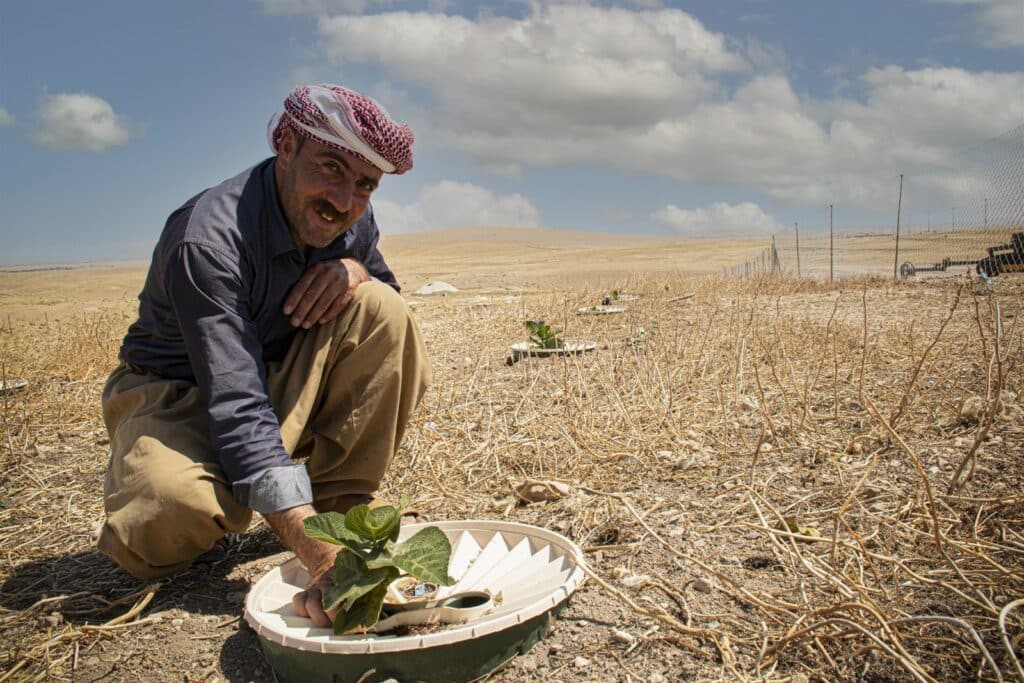
One example of our work to support regenerative land managment is the Waterboxx initiative in Iraq. Developed by Groasis, this innovative device fosters tree growth with minimal water by collecting rainwater and dew, which is released gradually to preserve soil moisture. This approach is vital for land restoration and food security. Farmer Amin, who cultivates figs, olives, and grapes, reported a 90 per cent reduction in water usage thanks to the Waterboxx, enabling him to recover after years of drought: ‘This is exactly what I needed,’ he remarked.
Flourishing communities
With these efforts, we are committed to supporting communities to become resilient in the face of climate change:
In this 45th anniversary year, it’s the perfect time for Agnes Kroese, CEO of Dorcas, to look back at our roots and hear from Dirk Jan and Janneke Groot, the founders of Dorcas.
Rolling up our sleeves and offering support: that is what Dorcas stands for. But where does that determination come from? “We don’t need to save the whole world, but we can make a difference for that one person.”
When Janneke was in her early twenties, she longed for adventure and challenge—anything but an ordinary life. “I had prayed that I wouldn’t end up in a typical housewife routine,” she recalls. And indeed, life took a different turn. First, she and Dirk Jan dedicated themselves to the Christelijke Stichting voor Hulp aan Gewetensvervolgden (Christian Foundation for Aid to the Persecuted for their Beliefs) (CSHG). They provided support to persecuted Christians in countries like Romania and Russia, which were closed to the Gospel at that time. Later, they founded Dorcas.
A calling?
Dirk Jan had a gift for mobilising people. He travelled across the country to give presentations. “I did feel called to do this work, although I felt like Moses, who said: ‘Go to Aaron, he can do it much better.’ But I was really the one who had to do this.”
With combined efforts
From emergency aid operations to supporting older people, setting up thrift shops, and transporting goods: Dirk Jan and Janneke were involved every step of the way during the 45 years that Dorcas has existed.
“I loved it when the trucks we had loaded through combined efforts set off,” says Janneke. “I clearly remember the last transport very well—25 trucks driving in convoy under police escort. It was beautiful and gave such a sense of solidarity.”
Dirk Jan adds: “That’s exactly what the food campaign generated: a shared sense of purpose as we worked together to collect food items.”
On our knees
Leading a humanitarian organisation while raising a family of three young children was not easy. “Our whole life revolved around Dorcas. It was like having an extra child at our kitchen table.” A few years after founding Dorcas, Dirk Jan even left his paid job. How did they make the decision to live off donations? “On our knees.” By which they mean: through prayer.
Policy from the Bible
Prayer and their faith in Jesus Christ have always been Dirk Jan and Janneke’s source of strength. Dirk Jan based his first policy plan on Matthew 25, a passage that still guides Dorcas’s mission today.
“In that passage, Jesus says, ‘Whatever you did for one of the least of these brothers and sisters of mine, you did for me.’ You can hold on to that in everything, right?” Janneke agrees. “We don’t need to save the whole world, but we can make a difference for that one person.”
After an open and heartfelt conversation with the founders about Dorcas’ beginnings, growth, and challenges, the CEO reflects with admiration. “What started as a deep sense of calling and a desire to support people in need has grown into a professional organisation. Driven by our faith and a shared passion for justice, we are committed to making sustainable change in the lives of marginalised people and communities,” Agnes concludes.