In Iraq, the challenges posed by climate change are enormous, with temperatures rising seven times faster than the global average. Over the next decade, Iraq is expected to experience significant increases in flooding, drought and desertification. These conditions severely affect livelihoods, undermining household economic resilience and contributing to increased poverty.
- By 2035, Iraq is expected to face a severe water deficit of around ten billion cubic metres, which will have a profound impact on the country’s agriculture and livelihoods.
- Iraq’s water shortage leads to drought and soil salinisation, resulting in the loss of 25,000 hectares of agricultural land each year.
- Already 70 per cent of Iraq’s agricultural land is at risk of total degradation from climate change.
To address these challenges, it is essential to implement climate-smart agricultural approaches that enhance climate resilience and strengthen communities. The Waterboxx is a technology that can contribute to this effort.
The Waterboxx technology
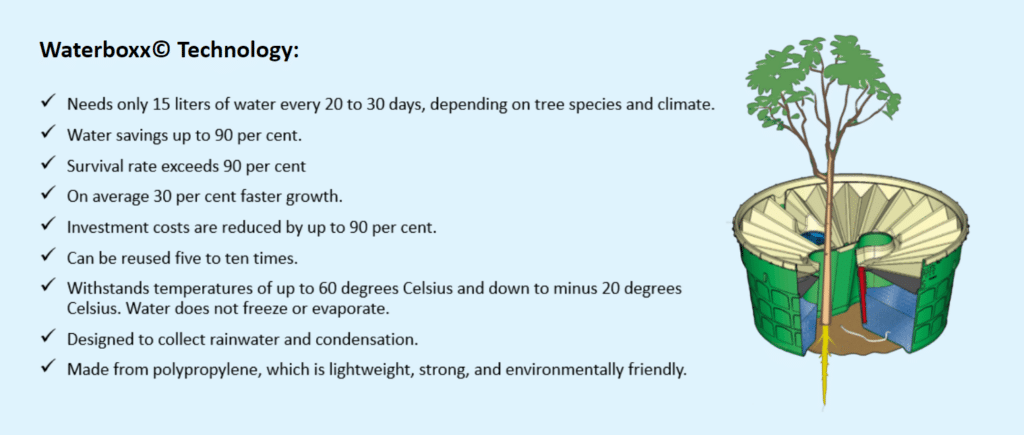
The Waterboxx is an innovative device developed by Groasis to tackle water scarcity and promote sustainable agriculture in arid areas. It is a cylinder-shaped container that collects and stores rainwater for plants and trees. Its design incorporates features that make it particularly useful in difficult climates such as Iraq.
The Waterboxx works by collecting rainwater and dew through its top, which directs the moisture into a central reservoir. The stored water is then slowly released into the ground through a drip system. This provides a steady supply of water for plants and creates a better environment for seeds to grow in.
The need for sustainable water management in Iraq is urgent and this technology can contribute to addressing these challenges in a number of ways:
- Water conservation: By collecting and storing rainwater, the Waterboxx reduces the need for increasingly scarce traditional water sources. This is particularly important in areas of severe drought.
- Soil fertility: The gradual release of water from the Waterboxx helps to keep the soil moist, which is vital for plant health and prevents soil problems such as salinisation.
- Increased agricultural productivity: By providing a reliable source of water, the Waterboxx supports more consistent growth of crops and trees. This can help ensure stable food production and support local livelihoods in areas affected by climate change.
- Ecosystem restoration: By enabling plants to grow, the Waterboxx also contributes to the restoration of degraded land, which can help combat desertification and promote biodiversity.
Supporting marginalised households
Dorcas Iraq is working in Sinjar, Iraq, to support people who are particularly at risk to the effects of climate change. This includes female-headed households, households with people with disabilities or chronic illnesses, and older people without support.
Dorcas Iraq is training nearly 2,500 people in climate-smart agricultural practices and livelihood diversification strategies. Dorcas also provided 50 people with the Waterboxx, tree seedlings and the necessary training to use and maintain the technology. Next year, Dorcas Iraq plans to distribute around 8000 more Waterboxes. This project has already yielded significant positive results, and Dorcas will continue to build on these efforts. One of the project participants who can attest to these positive outcomes is Amin.
Amin is a farmer who has been tending to the fig, olive and grape trees on his ancestral land for a long time. Recently, he began to notice alarming climate changes that threatened his livelihood. Unpredictable rainfall was causing flooding, while extreme summer heat and prolonged drought were threatening his crops. Concerned about the future of the farm, Amin looked for ways to adapt to these new environmental challenges.
Amin came into contact with Dorcas and was introduced to the Waterboxx technology. This was exactly what Amin needed to make his farm sustainable, and after installing the Waterboxes he saw significant improvements in water conservation. He was able to grow crops even in drought conditions. The technology’s ability to collect rainwater and condensation makes it a vital tool for farmers in Sinjar, allowing them to adapt to extreme weather patterns.
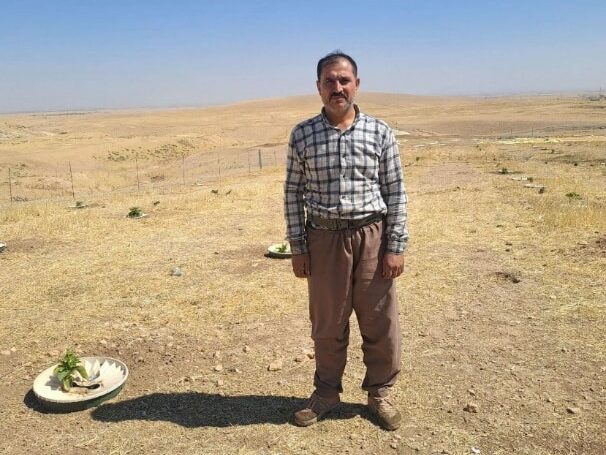
Amin’s farm became a model of success and he actively participated in community programmes, sharing his knowledge of sustainable agriculture. His efforts not only ensured the survival of his crops, but also inspired others by demonstrating the impact of innovative technologies.
Dorcas supports older people through our Community Safety Net (CSN) approach. This involves mobilising different actors and organisations so that everyone is involved. Only by working together can we provide the right support to ensure older people can live with dignity and flourish. In our CSN report, we found that involving churches as natural allies is one of the best practices in this approach.
One such partner is the Ethiopian Guenet Church (EGC) in Bishoftu. Dorcas Ethiopia runs a project in Bishoftu that supports around 150 older people, with the EGC playing a key role. The majority of participants in the project are women over the age of 60, representing up to 75 per cent. Most of them are widows. After losing their husbands, Ethiopian women often face considerable challenges, as many have no formal education and were financially dependent on their spouses. They are left to manage on their own, often with a small pension and little or no other income.
Dorcas and the EGC support these project participants in a number of ways. They receive practical assistance such as food, clothing, blankets and medical check-ups. Bedridden older people receive regular visits and support in their homes. Their clothes are washed and household chores are done. This is done by volunteers from the EGC, but young people are also involved to encourage contact between the generations.
As well as practical support, the project offers a range of activities for older people. There are weekly coffee ceremonies and holidays are celebrated together. On special occasions such as Christmas and Easter, the older people receive something extra: a chicken, eggs and flour to make injera (a traditional dish).
Dorcas and the EGC also encourage the community to care for their older people and organise training sessions to empower older people to advocate for themselves.
We also invest in partnerships, including with the government, to support older people in securing safe, private housing, to advocate for their rights and to raise awareness on special occasions such as the international day of older persons.
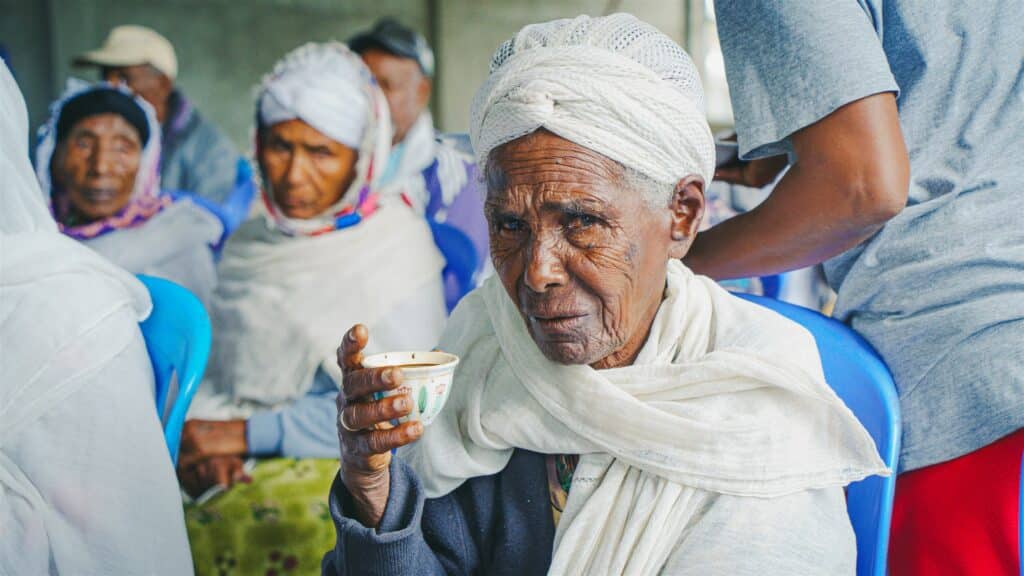
1 October is the UN International Day of Older People, and one of its aims is to ensure that people can grow old with dignity and continue to participate in society. In the countries where Dorcas works, older persons are often marginalised, lack access to basic services and struggle to survive on meagre incomes. With its community safety net programme, Dorcas tackles these issues by enabling local communities to care for and protect their older people.
What are community safety nets?
Dorcas started to develop and implement the community safety nets (CSN) approach in 2017. A community safety net (CSN) mobilises different organisations in a community to provide a safe and supportive environment for older people in which they can flourish. It also raises awareness about the issues older people face.
‘I have a large number of people to talk to now, and I feel like a human. I am back to normal.‘ – Quote from a project participant.
Evaluation of the CSN approach
This year, Dorcas commissioned an evaluation of its CSN projects in Albania, Egypt, Ethiopia, Moldova, Romania, Tanzania and Ukraine to discover the impact of the programme and which best practices can be implemented to make it more sustainable.
Older people’s dignity restored
The dignity of older people is restored through the wide range of social, intergenerational, income-generating and spiritual activities that CSNs offer. Participants become more active in their local communities and feel valued. Less able-bodied participants are not forgotten either: those who are bedridden receive home visits. Valuable traditions are created, social cohesion is strengthened, and communities discover that they can do more than they originally realised to enable older people to flourish.
‘CSN taught us how to cook healthy food.‘ – Quote from a project participant.
Challenges encountered
However, the transition from Dorcas’ original Adopt-a-Granny approach to sustainable community safety nets that make full use of local resources is not a straightforward path. There have been many challenges along the way for example:
- Many local communities are not used to taking ownership of a situation.
- Parties are often more willing to donate than become involved as partners.
- Advocacy efforts towards government are still in its very early stages.
- A better balance needs to be found between the positive and negative effects of providing material support to older persons.
Best practices?
The various CSN projects are still in a state of transition. As a result, no clear set of best practices has emerged from the evaluation. However, various successful practices were found, such as actively involving participants, churches as natural allies in caring for older people, creating a shared and diverse ownership of a CSN, and holding governments accountable.
‘Peer-to-peer and social support systems are gaining traction. What began with volunteers inviting attendees has flourished into a self-sustaining cycle where attendees extend the invitation to their friends. This exemplifies the power of social support in fostering a safe and inclusive community.‘ – Actor from Egypt
Next steps for CSNs
The evaluation report made various recommendations about the next steps for CSNs. These include:
- Continuing to invest in asset-based community development.
- Realising a more strategic approach to advocacy.
- Promoting multistakeholder approaches.
- Seeking to diversify funding sources for CSN projects.
In the coming months, the Dorcas country offices in Albania, Egypt, Ethiopia, Moldova, Romania, Tanzania and Ukraine will use the evaluation to take appropriate measures to improve the sustainability and impact of their CSN projects.
Curious to learn more? Read the evaluation report below:
Dorcas is proud to share our publication highlighting the impact of the Participatory Integrated Planning (PIP) approach in Tanzania and Mozambique. This report shows the resilience and empowerment of smallholder farmers in these regions as they face the challenges of climate change and land degradation.
Our report demonstrates significant progress in improving food security, economic resilience and climate-smart agricultural practices. By fostering community collaboration and assisting households in vulnerable situations, Dorcas continues to support farmers to build sustainable livelihoods.
Read the publication here:
Dorcas Ukraine has teamed up with the all-Ukrainian mental health programme “How are U?” to promote children’s mental health within the education system. This initiative, led by Oksana, MHPSS Project Manager at Dorcas Ukraine, and Tayisiya, Regional Coordinator for “How are U?”, has successfully integrated the Connect Dorcas programme into schools.
In April and May, the final months of the last school year, almost 500 hours of teaching were devoted to the programme. The initiative received an enthusiastic response from the academic community and positive feedback from students, parents, teachers and school psychologists. This success led to the incorporation of the Connect programme into summer health camps, where over 100 children from Kyiv participated in group sessions, gaining support and increased awareness of mental health.
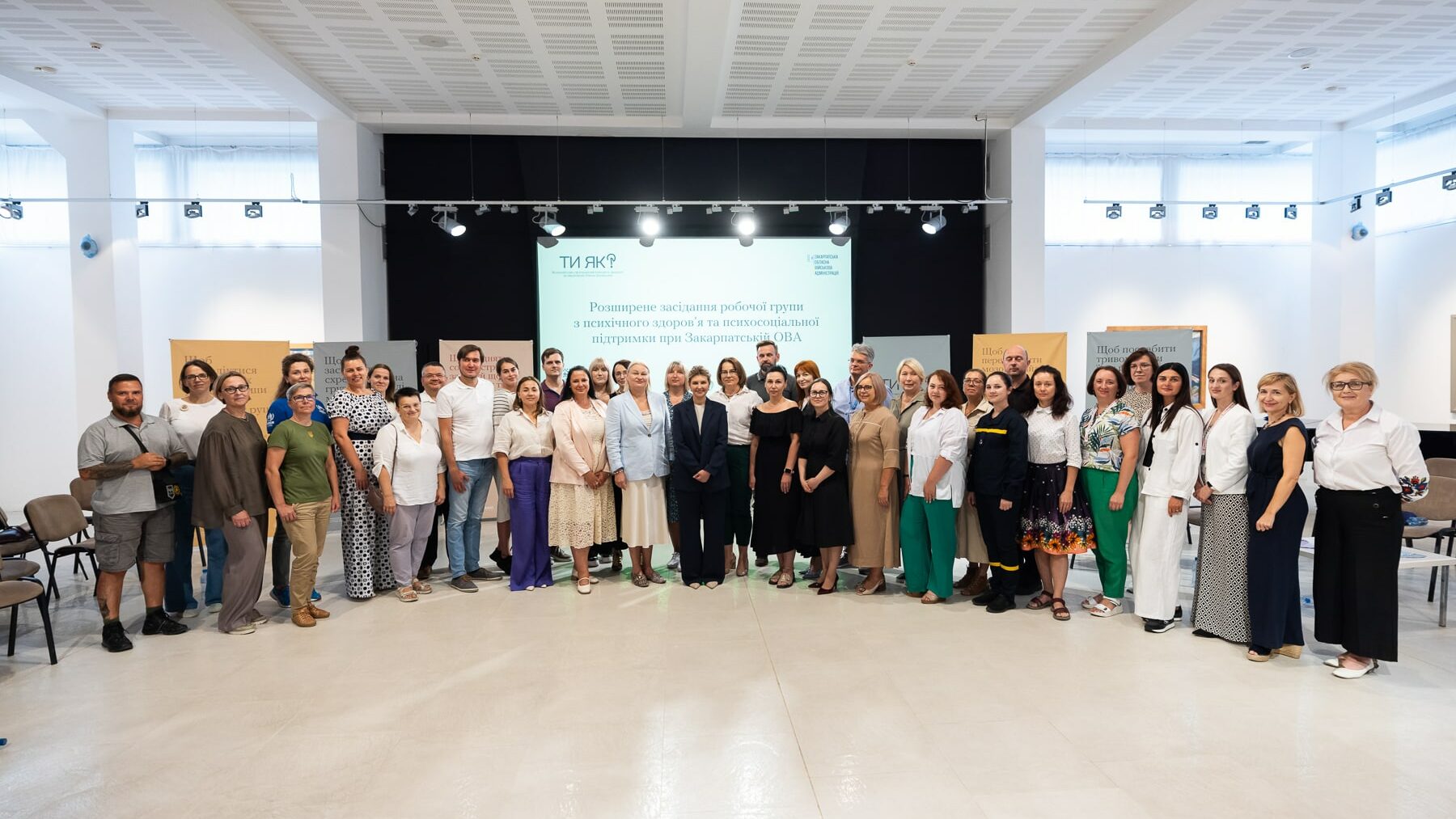
Oksana, Dorcas Facilitator and Deputy Director of Lyceum 11 in Mukachevo, highlights: “Teenagers need a lot of support, understanding and help to manage their emotions. I was impressed by their willingness to engage, with many students joining on their own and asking to join existing groups. We set up new groups and ran regular sessions, which made a noticeable difference to the classroom environment. Both teachers and students noticed these positive changes. From the simple question ‘How are you?’, a new chapter of empathetic and tolerant relationships has developed”. Her comments were made during a presentation of the “How are you?” programme at a regional working group meeting in Uzhhorod, attended by the First Lady of Ukraine, Olena Zelenska.
Dorcas Yemen has launched a rapid response initiative following devastating floods that have severely impacted several regions, including Alshimayatain district in Taiz Governorate, where Dorcas Yemen operates. The floods, which began on 28 July due to heavy rains and seasonal weather patterns, also triggered landslides, further worsening Yemen’s already dire humanitarian situation and leading to widespread destruction.
At least seven governorates across the north and south of the country have been affected, covering an estimated area of 15,000 square kilometres. The floods have destroyed crops and other agricultural assets, leaving over 10,000 people facing severe food insecurity.
In response to these urgent needs, Dorcas Yemen has allocated €100,000 to provide immediate assistance to the affected communities. The response will focus on three key areas:
- Emergency shelter and non-food items (NFIs): Dorcas will distribute emergency shelter kits and essential NFIs to 312 households, providing immediate support to those who have lost their homes and belongings.
- Flood resilience infrastructure: Using a cash-for-work approach, Dorcas will engage local communities in the construction of gabions, protective walls, and water channels to mitigate the impact of future floods. This initiative aims to strengthen the resilience of affected areas and protect critical infrastructure.
- WASH services and hygiene promotion: Dorcas will distribute WASH kits to 312 households and organise hygiene promotion sessions, reaching a total of 1,500 people to help prevent the outbreak of waterborne diseases that often follow such disasters.
Dorcas Yemen is working closely with the Ministry of Agriculture and Fisheries in Taiz Governorate, as well as with local community leaders and humanitarian clusters, to ensure that the response is tailored to the needs of the affected population. This collaborative approach will maximise the impact of the assistance efforts and ensure accountability to the communities we serve. Together, we are committed to bringing hope and support to those in need during these challenging times.
In Kajiado South, Kenya, the Ilaramatak Esukuta Village Savings and Loan Association (VSLA), a women’s savings group comprising 38 women, is a symbol of hope and resilience. This group is one of 30 VSLAs supported by Dorcas Kenya through the Loitoktok Future for Children project in partnership with Shokut Naretoi community programme organisation. The project uses the Dorcas Future for Children approach, which focuses on life skills for children and parents, household strengthening, community child protection and advocacy for improved government child protection policies.
The project reaches 235 households, identified through a community-led participatory process and grouped by geographical location to facilitate training and follow-up. These households have been through six consecutive failed rainy seasons from October 2020 to December 2023, resulting in devastating drought conditions across the Horn of Africa. The impact has been severe, leading to livestock losses, food insecurity and reduced access to education and healthcare for many families.
An integrated approach to empowerment
The process began with training in positive parenting, where parents learned essential skills such as communicating clearly and becoming role models for their children. Households were also trained in entrepreneurship, smart agriculture, financial literacy and child rights and protection. These small groups eventually evolved into VSLAs, with the Ilaramatak Esukuta VSLA being the first to be trained and officially formed on 24 March 2021.
Initially consisting of 38 women, 15% of whom were subsistence farmers, petty traders or casual labourers, and 60% of whom were housewives or unemployed, the group faced significant economic challenges. However, their determination and the training they received paid off. From May 2021 to May 2022, the group saved a substantial amount, issued numerous loans, and made a considerable profit. In their second cycle, the group saved a larger amount and made an even greater profit from loans.
The financial success of the group has been transformational. Members have gained confidence in managing their finances and many have opened personal bank accounts, further increasing their financial independence.
Impact beyond finance
The Ilaramatak Esukuta VSLA has promoted social growth and economic empowerment among its members. Business growth within the group has had a positive ripple effect, with their children attending school more regularly, leading to better learning outcomes. The group’s culture of savings and financial management has also deepened, with members consistently saving a notable amount per week.
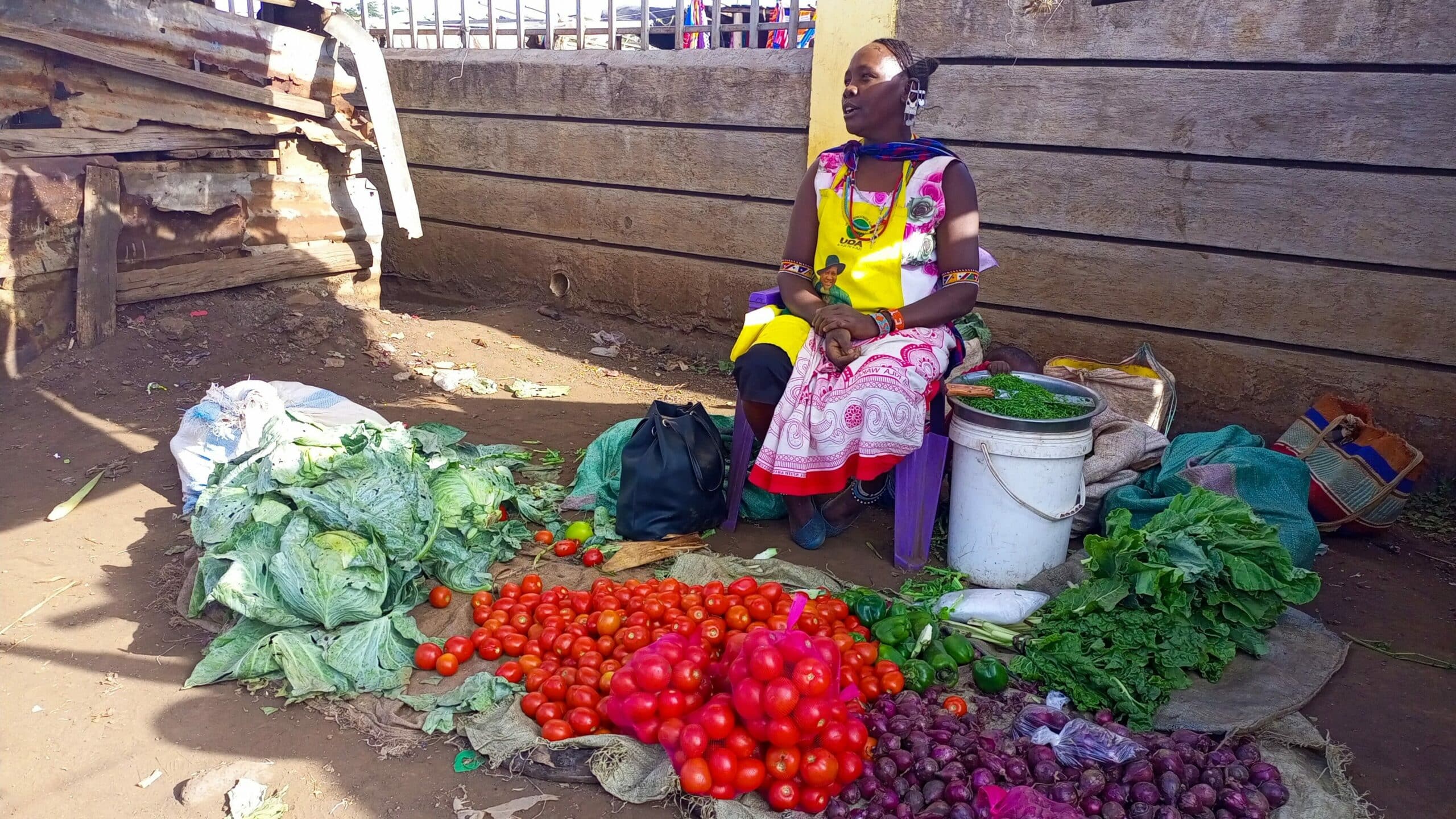
Together, the group invested in a 100-seat tent and 100 plastic chairs, which they rent out for social events. This income-generating activity (IGA) has provided additional financial support for members. Individually, members have started or expanded their businesses, attributing their success to the skills they learned through VSLA training. For example, Somoina expanded her charcoal business and now saves a significant amount per week. Through backyard gardening and selling excess vegetables to the community, Katito Elizabeth has improved her family’s nutrition and income.
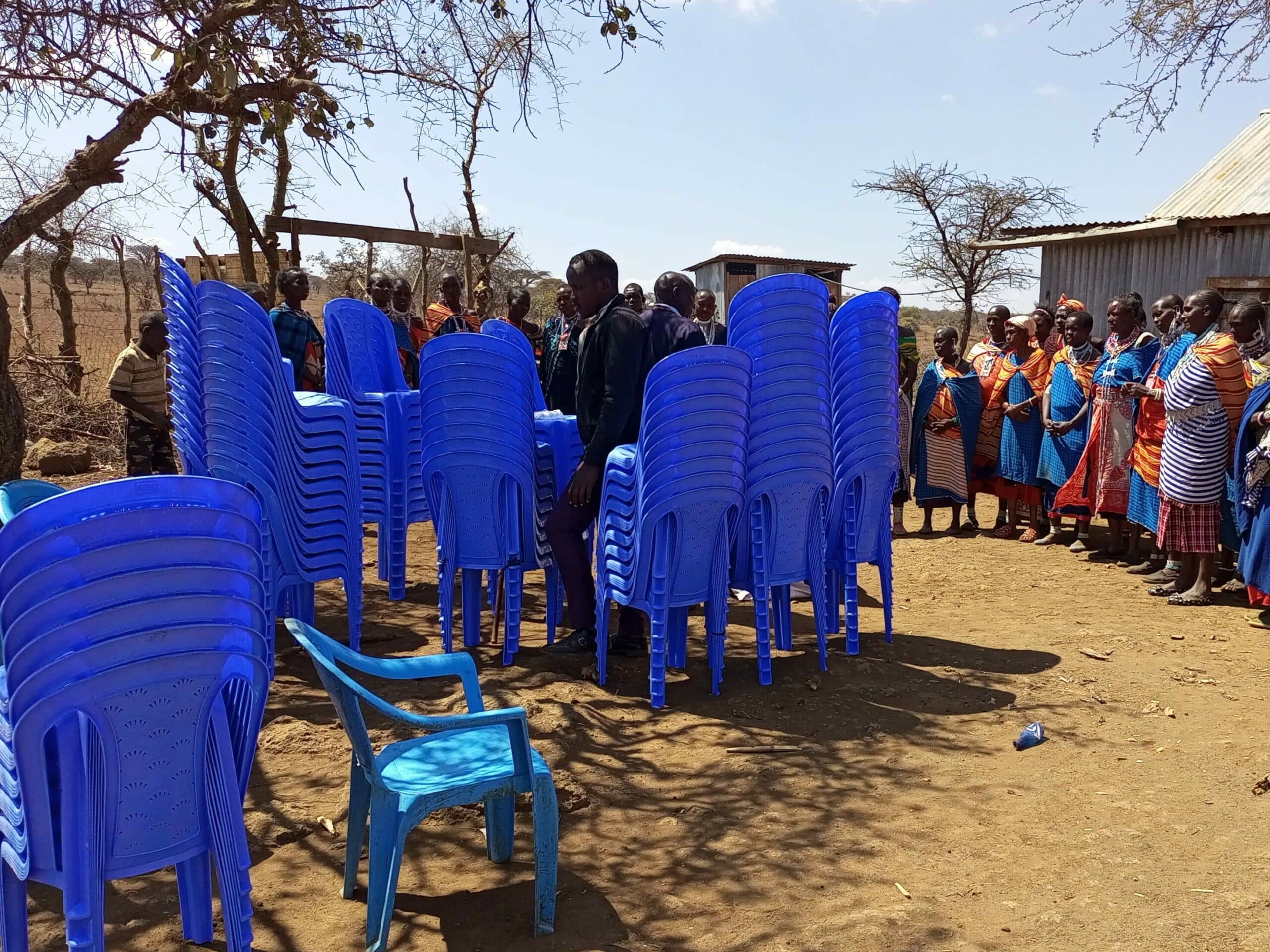
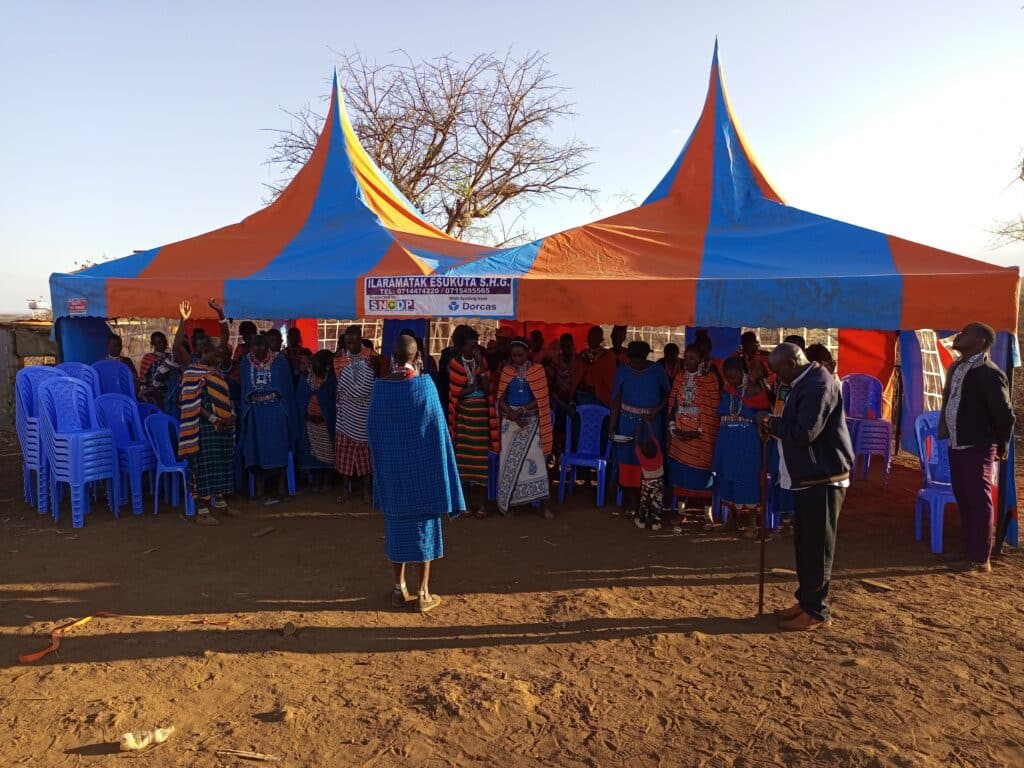
Mary, the group’s chairperson, describes how VSLA’s leadership training transformed her from a shy person to a confident leader: ‘Before joining the VSLA, I was a very shy person, someone who avoided speaking in public or taking on leadership roles. But through the leadership training, I started to build my self-esteem and believe in my abilities. It was a gradual process, but eventually I found myself taking on the role of chairperson for our group. At 57 years old, I never imagined I would be a leader, let alone one who could speak confidently and resolve conflicts within a group. This experience has opened my eyes to my potential and I now believe that I can aspire to any position within the group or in the wider community. The transformation has been incredible and has given me a sense of purpose and confidence that I never had before.’
As the Ilaramatak Esukuta VSLA enters its third cycle, all of the original members remain active. The group now plans to support members without IGAs to set up their own, and they are looking to buy another tent to increase their income.
Ilaramatak Esukuta’s story of resilience, empowerment and hope is a reflection of Dorcas’ Future for Children’s profound impact in transforming lives and communities.
Dorcas Kenya has successfully completed the Siaya Water and Sanitation Project, enhancing sustainable access to clean drinking water and improving sanitation facilities in Siaya County.
The project is funded by the Netherlands Enterprise Agency in partnership with the County Government of Siaya, Maji Milele, and North Gem. The initiative focused on the rural population, which constitutes 89% of the county’s residents, of whom only 36% had access to clean water before the project.
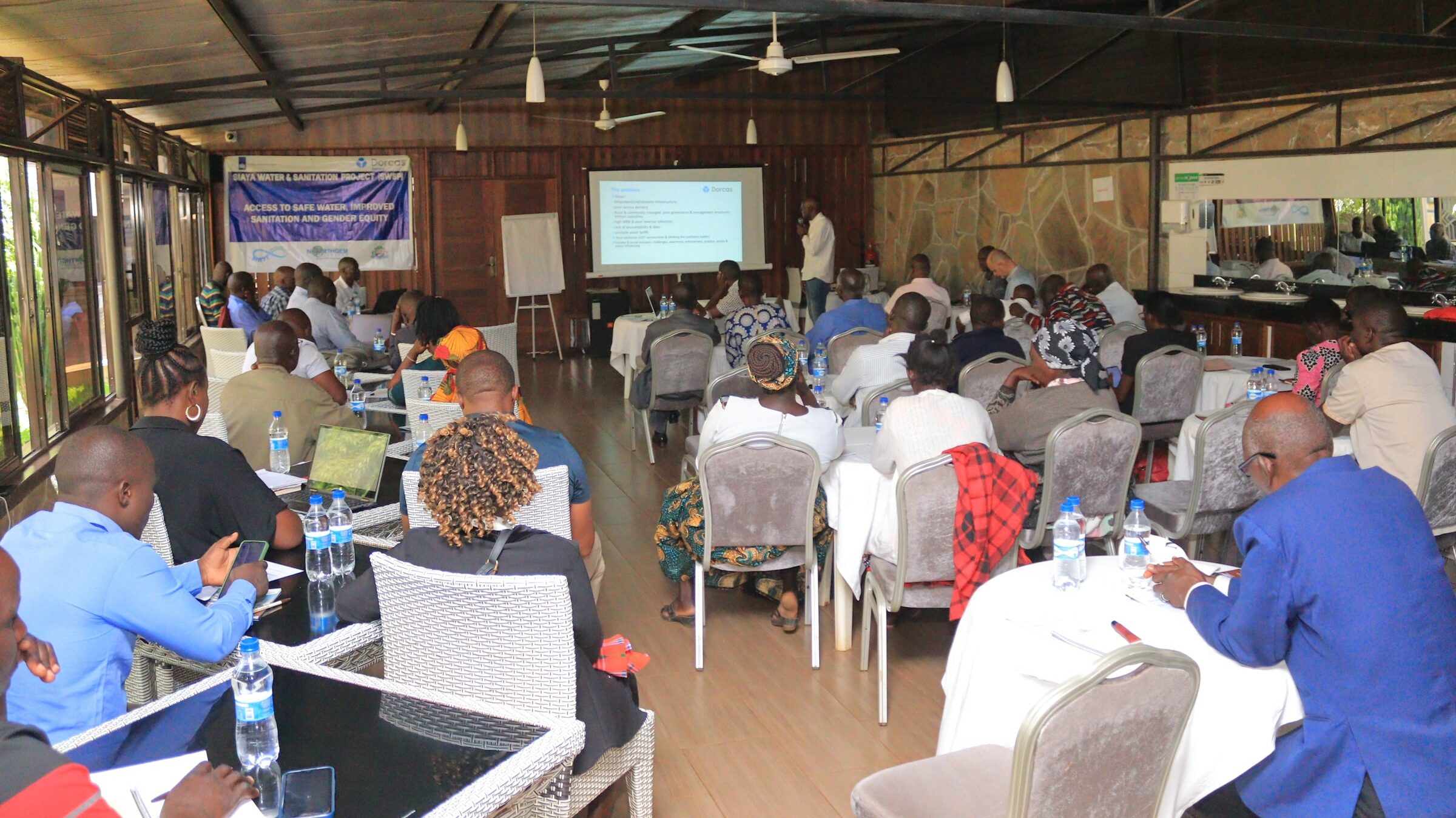
Through the rehabilitation and augmentation of four water schemes, we have significantly improved water access, reaching 115,358 people with clean drinking water, 91,295 of whom regularly use the water facilities. Households with individual connections now consume an average of 30 litres per day, translating to 5 litres per person, while those relying on communal water points consume 16 litres per day, or 2.7 litres per person. Individual connections significantly enhance daily water availability and contribute to improved health and hygiene compared to communal water points.
In terms of sanitation, the project has made notable progress. Before the project, only 49% of the population had access to improved sanitation facilities, with 20% practising open defecation and 31% using unimproved toilet facilities. Now, 92,727 people have access to improved sanitation facilities. Our efforts also focused on sanitation marketing, helping the community improve their sanitation practices following the declaration of Siaya County as open defecation free (ODF).
Training and employment have been key components of this project. We trained 166 change agents who reached 64,395 people with awareness programmes. Women now make up 36.7% of the leadership within the Schemes Supervisory Boards. Out of 225 direct jobs created, 119 were filled by women, and 38 out of 68 entrepreneurs engaged in WASH-related products are women.
Support for highly marginalised groups has been a priority, with 1,967 individuals receiving 60 litres of water per household per day free of charge and 504 households provided with improved sanitation facilities.
This project represents a significant advance towards achieving SDG 6 and ensuring that everyone has access to clean water and proper sanitation. Our End Time Evaluation (ETE) suggests that we should increase facilities, such as equipment for moulding and shaping materials, which artisans use to create or repair items and adopt a market-based approach to improve sanitation. We are dedicated to building on these achievements to ensure long-lasting benefits for the community.
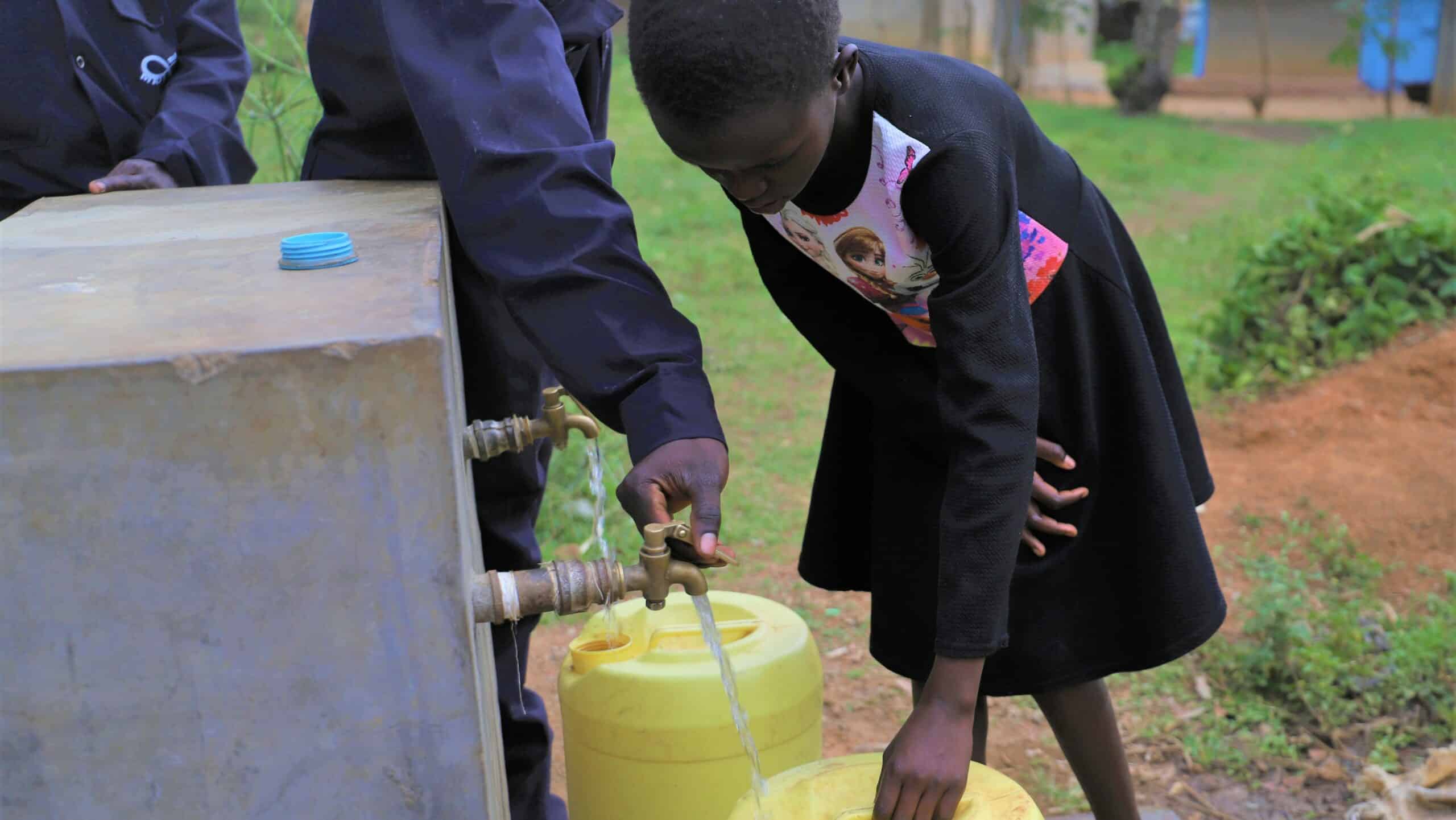
Human trafficking is one of the most pressing social issues in Romania, one of the top five EU countries in terms of victims. Dorcas Romania is tackling this pressing issue through a comprehensive project focusing on key areas: awareness raising and prevention, building and strengthening partnerships with stakeholders, handling direct cases and reducing the vulnerability of young people at risk.
Trafficking in persons in Romania
Romania’s geographical location and socio-economic challenges make it a prime location for human trafficking. The main destinations for Romanian victims of trafficking include Italy, France, Germany, Spain and the United Kingdom. Exploitation takes place in various sectors, including prostitution, agriculture, construction and domestic work. Children make up more than a third of identified trafficked persons in Romania. The recruitment of children for trafficking has increased through the internet and social media.
Traffickers in Romania are largely Romanian nationals operating as part of organised crime groups. Their exploitation of Romanian women and children is mainly in the form of sex trafficking within Romania and to other European countries. Traffickers often lure victims with the promise of a better life abroad by using the ‘lover boy’ strategy, in which they feign romantic interest.
Several factors contribute to the extent of human trafficking in Romania:
- Low digital literacy: Many Romanians lack the skills to verify online information, making them easy targets for human traffickers.
- Social media: Young people, often unsupervised online, are vulnerable to manipulation and recruitment by traffickers.
- Lack of educational programmes: Rural areas in particular suffer from a lack of human trafficking prevention programmes in schools.
- High NEET rates: Young people who are not in education, employment or training (NEET) are at increased risk of poverty and social exclusion, making them prime targets for traffickers.
Dorcas Romania’s anti-trafficking programme
Working in the at-risk regions of Vaslui, Botoșani, and Bihor, Dorcas Romania has developed a multi-faceted programme with a focus on:
- Raising awareness: Educational initiatives in schools aim to increase digital literacy and awareness of the risks of online trafficking. Dorcas Romania uses engaging materials such as films and interactive sessions, and works with local stakeholders to spread anti-trafficking messages.
- Strengthening networks: Expanding collaborations with local, regional, and national stakeholders to increase the effectiveness of anti-trafficking efforts.
- Support for victims: Providing tailored medical, psychological, social and material support to actual and potential victims. Through interviews and assessments, Dorcas Romania identifies the specific needs of victims and provides comprehensive support. Victims are also supported to find employment and housing, which are crucial steps towards reintegration into society.
- Education and employment: Creating opportunities for vulnerable young people to gain education and employment, thereby reducing their risk of falling prey to traffickers. Dorcas Romania offers programmes that encourage entrepreneurship and income generation, helping participants to build stable and independent lives.
Elena’s* journey
Elena’s story illustrates the impact of Dorcas Romania’s efforts. Growing up in a financially unstable and abusive household, Elena’s life was full of challenges. When she was 18, her parents’ separation led her to Oradea, where she was forced into prostitution. Despite her attempts to escape, financial pressure and abusive relationships trapped her in a cycle of exploitation.
Elena’s turning point came when she reached out to her mother for help and eventually connected with Dorcas Romania through the intervention of a counsellor named Cristina. This connection provided Elena with the emotional and practical support she needed to rebuild her life.
With the support of the project, Elena secured a job and received support for her recovery. Reflecting on her journey, Elena says, ‘After 28 years, I can finally say that my life has meaning now. I am truly happy and content, surrounded by the love and prayers of my family and co-workers.’
For those in need
Dorcas Romania’s anti-trafficking project is an example of a holistic and multi-faceted approach to a deeply entrenched problem. By addressing the root causes of vulnerability and providing comprehensive support to victims, the project not only rescues individuals but also empowers communities. As Elena’s story shows, with the right support and opportunities, the road to recovery is possible.
The scale of the challenges posed by human trafficking in Romania is considerable and requires all stakeholders and partners to play their part. Together with local, regional and national stakeholders, Dorcas Romania is committed to this issue and will continue to fight human trafficking to support those in need.
*Not her real name. At the participants request, we have used a pseudonym for this contribution.
This year, with the support of World Vision International, the Dorcas Ukraine team is actively implementing a project to train IDPs and affected people in Transcarpathia in entrepreneurial skills. This is a unique opportunity for people from remote areas and the big city to learn a new trade or improve their skills to start their own business.
Many people who moved from eastern Ukraine worked in factories or had technical jobs, but when they arrived in Zakarpattia Oblast they were unable to find work. A significant number of families are left without a breadwinner because the men are defending the country. That is why we target single mothers, members of large families, people supporting a relative with a disability, mothers on maternity leave and other vulnerable groups.
We offer training in various specialities: hairdresser, barber, nail artist, cook, eyebrow artist, make-up artist, seamstress. Students also learn digital skills: UI/UX design, Python, digital marketing, product owner, basic programming, digital design, AI specialist, SMM specialist, software tester, accountant and target analyst. All are relevant and in demand in Ukraine. Support for the development of greenhouse farming will also be offered to local residents. At the end of each course, project participants also receive gift kits to help them start their own businesses. For example, those who learned to be hairdressers received trimmers, scissors and machines. In one case, a girl opened her own salon immediately after graduating and hired classmates she had studied with during the project.
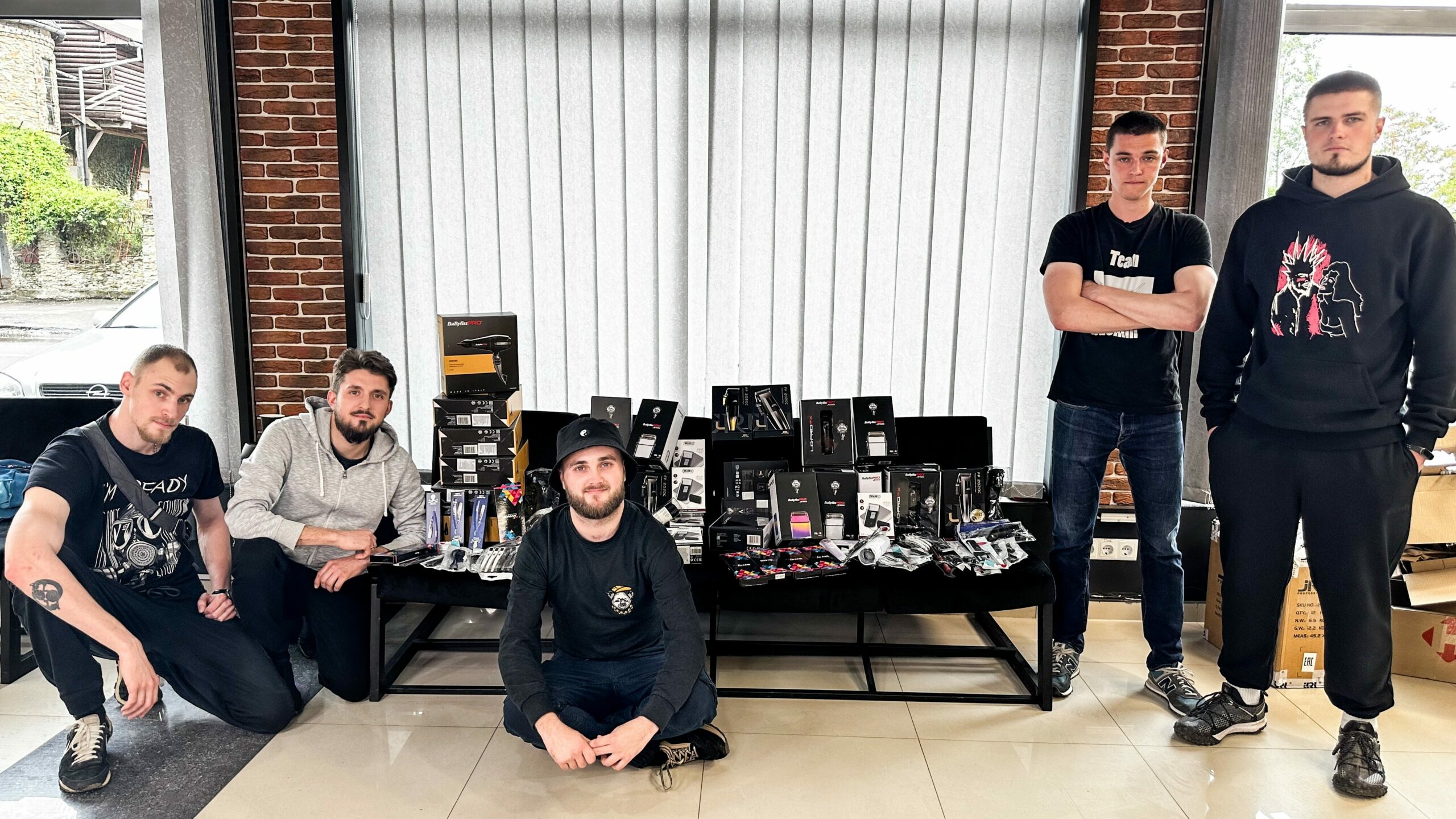
In total, 444 participants have been able to learn a new trade in a variety of areas since the project began, with more planned for the future. By August, the project will have trained more than 500 participants. 117 of those who have already completed their training have either found a job or started their own business.
This programme is not just about training or employment. It is about the adaptation and integration of a population that has been forced to leave everything behind and start their lives from scratch. For example, several men have found work after school and their families have returned from abroad. A son can provide quality care for a seriously ill mother. The mother, who was forced to raise her children on her own, is now a manicurist and is confident about the future. A family in the village with a stable income can now finish building the house of their dreams.
This is just the beginning of the changes that are taking place in the lives of Ukrainians as a result of Dorcas’ work in Ukraine.