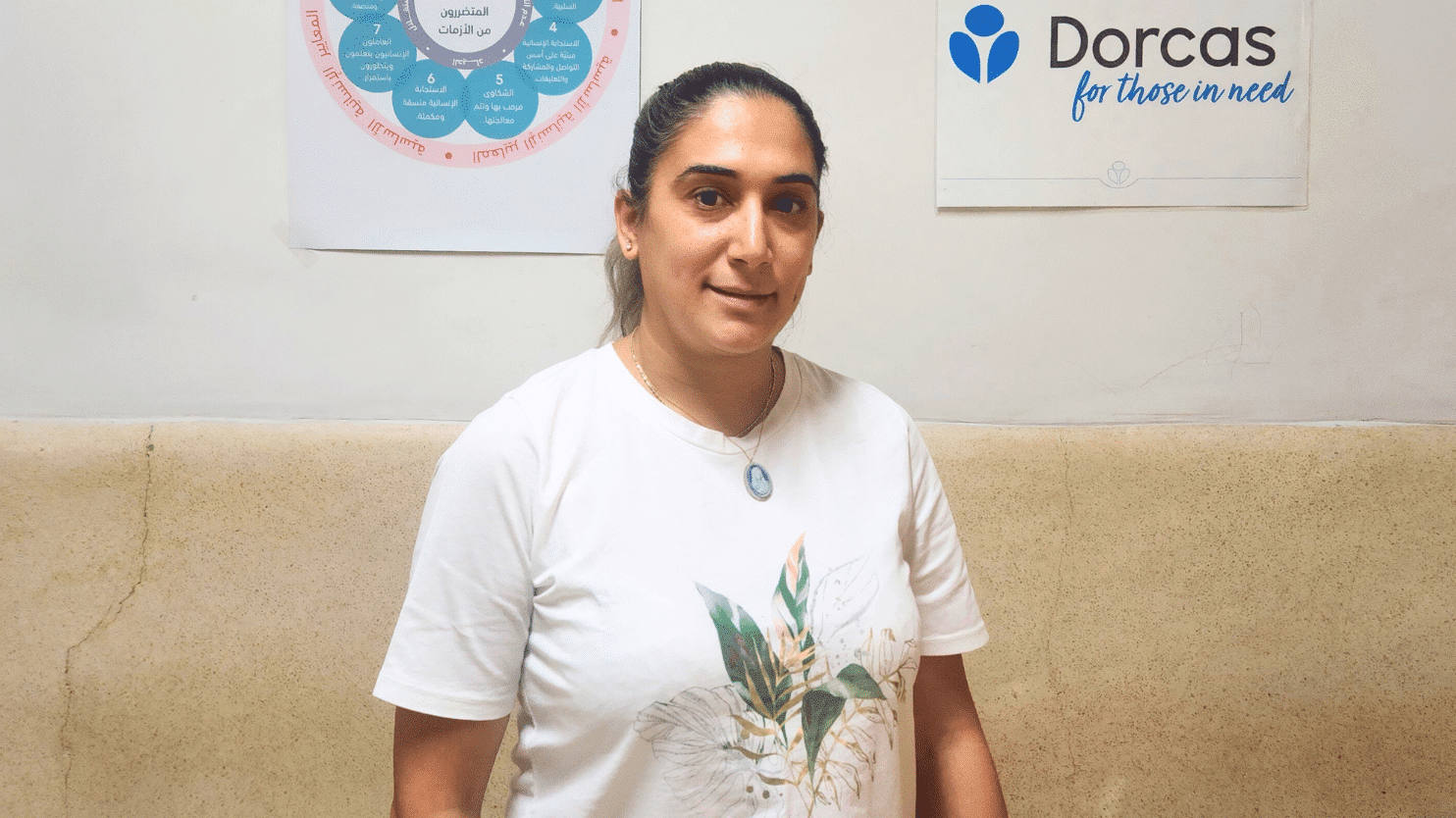
Latifa is a project participant of Dorcas Tanzania.
Latifa: ‘In our society, girls are isolated during their menstrual period. Many girls do not even have access to sanitary pads and instead have to use pieces of cloth, which are not hygienic. Like many girls in my community, I struggled to attend school when I had a period, and that was not good for my education.
However, things changed for me when people from Dorcas came to our school. They taught us about safe menstruation and gave us sanitary pads. They also talked with parents, and now our fathers are starting to have a more positive attitude towards the issue of menstruation.
I think that girls should have the same access to education as boys. Menstruation must not prevent us from attending school, and all girls should be able to obtain sanitary pads and menstruate safely. These are major issues in our society that I want to stand up for when I grow up.
I hope that one day, our society will become better educated about menstruation and that girls will no longer be isolated and miss school because they have a period.’
Menstrual Hygiene Management Programme
Dorcas Tanzania works to break the taboo around female menstruation and improve gender equality in northeast Tanzania. We have provided menstrual hygiene products and safer facilities at 75 schools and raised awareness about menstruation issues in 50 villages in the region.
This programme ensures families with a low-income gain access to affordable and reusable sanitary pads, and it boosts the confidence of girls and women in rural areas. Girls’ school attendance has improved, resulting in more girls completing their education. We also work with teachers to raise awareness about the menstrual cycle and how to combat the stigma associated with this, and we help young girls become role models in menstrual hygiene.
𝘛𝘩𝘪𝘴 𝘴𝘵𝘰𝘳𝘺 𝘪𝘴 𝘱𝘢𝘳𝘵 𝘰𝘧 𝘋𝘰𝘳𝘤𝘢𝘴’ 𝘩𝘶𝘮𝘢𝘯 𝘳𝘪𝘨𝘩𝘵𝘴 𝘤𝘢𝘮𝘱𝘢𝘪𝘨𝘯. 𝘙𝘦𝘢𝘥 𝘮𝘰𝘳𝘦 𝘴𝘵𝘰𝘳𝘪𝘦𝘴 𝘢𝘯𝘥 𝘴𝘵𝘢𝘵𝘦𝘮𝘦𝘯𝘵𝘴 𝘰𝘯 𝘰𝘶𝘳 𝘥𝘦𝘥𝘪𝘤𝘢𝘵𝘦𝘥 𝘩𝘶𝘮𝘢𝘯 𝘳𝘪𝘨𝘩𝘵𝘴 𝘱𝘢𝘨𝘦. Human Rights: Contributing to a just society – Dorcas
Lilian is the Country Director of Dorcas Tanzania.
‘15.3% of all girls from Tanzania do not attend school during menstruation, according to a survey done by UNICEF in 2021. The reasons for this include pain and discomfort, lack of menstrual materials, fear of embarrassment due to visible stains on their clothes, lack of a changing room, and lack of clean and suitable toilet facilities. This regular school absence reduces the girls’ academic performance and has a negative psychological impact on their lives.’
‘Menstruation is a natural process, and no woman should pay the price for this in terms of academic progress, exclusion or disengagement. Women and girls from low-income families are particularly vulnerable due to their limited awareness of hygienic practices and lack of appropriate sanitary materials.’
‘We tackle these issues by raising awareness of menstrual hygiene among schoolgirls, boys and teachers, and creating an environment in schools and local communities that supports menstrual hygiene. ‘Furthermore, we ensure all girls and women, including those from marginalised communities, have access to reusable sanitary pads and improved latrines at school and at home. This effort includes making soft loans available to purchase sanitary materials and latrines, ensuring retailers and pharmacies in local communities are connected with the sanitary pad supply chain, and training local people to construct improved latrines and rainwater harvesting tanks.’
‘I hope that as a result of all these efforts, girls missing school due to menstruation will soon become a thing of the past.’
𝘛𝘩𝘪𝘴 𝘴𝘵𝘰𝘳𝘺 𝘪𝘴 𝘱𝘢𝘳𝘵 𝘰𝘧 𝘋𝘰𝘳𝘤𝘢𝘴’ 𝘩𝘶𝘮𝘢𝘯 𝘳𝘪𝘨𝘩𝘵𝘴 𝘤𝘢𝘮𝘱𝘢𝘪𝘨𝘯. 𝘙𝘦𝘢𝘥 𝘮𝘰𝘳𝘦 𝘴𝘵𝘰𝘳𝘪𝘦𝘴 𝘢𝘯𝘥 𝘴𝘵𝘢𝘵𝘦𝘮𝘦𝘯𝘵𝘴 𝘰𝘯 𝘰𝘶𝘳 𝘥𝘦𝘥𝘪𝘤𝘢𝘵𝘦𝘥 𝘩𝘶𝘮𝘢𝘯 𝘳𝘪𝘨𝘩𝘵𝘴 𝘱𝘢𝘨𝘦. Human Rights: Contributing to a just society – Dorcas
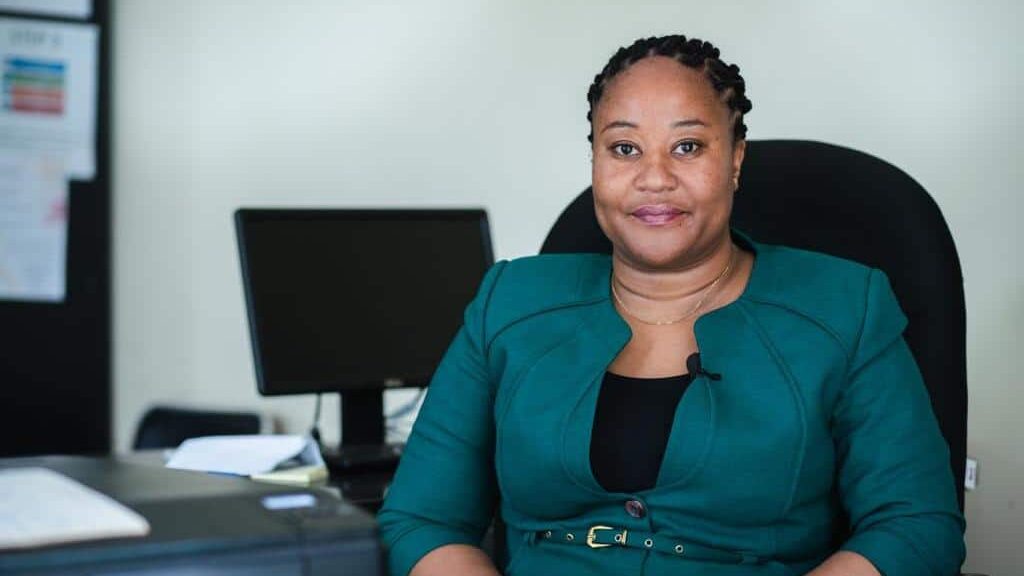
Cor is a former Programme Manager and Country Director at Dorcas.
‘South Sudan is not only plagued by conflicts. It is also prone to flooding due to its relatively low elevation. The country lacks the infrastructure to contain floodwaters, so the rivers overflow and inundate the land. Climate change has worsened this problem because the rainfall is now more frequent and intense.’
‘In the Netherlands, we use dikes to contain water, so why not do the same in South Sudan? With that thought in mind, we initiated a project in collaboration with ZOA to build dikes. Last year, as a pilot project, we constructed a four-kilometre-long dike that provided flood protection for many people. This year, with the assistance of Pharus and EO Metterdaad, we are building two large dikes.’
‘These dikes are being built in a peaceful and conflict-free region that is highly underdeveloped and difficult to reach. For example, during the rainy season, the project area can only be accessed by boat or hollowed-out tree trunks. However, this is definitely a location where Dorcas can make a significant difference.’
‘We want to realise sustainable change, and so before the project started, we extensively researched whether the local population welcomed the idea of dikes. This may sound logical but, unfortunately, we know of cases where humanitarian assistance organisations built dikes only to see these destroyed by fishermen who preferred certain areas to flood. Our research revealed that the local population really welcomed the dikes. Therefore, we know that with this project, we can effectively combat climate change in a sustainable manner together with the local community.’
This story is part of Dorcas’ human rights campaign. Read more stories and statements on our dedicated human rights page. dorcas.org/humanrights
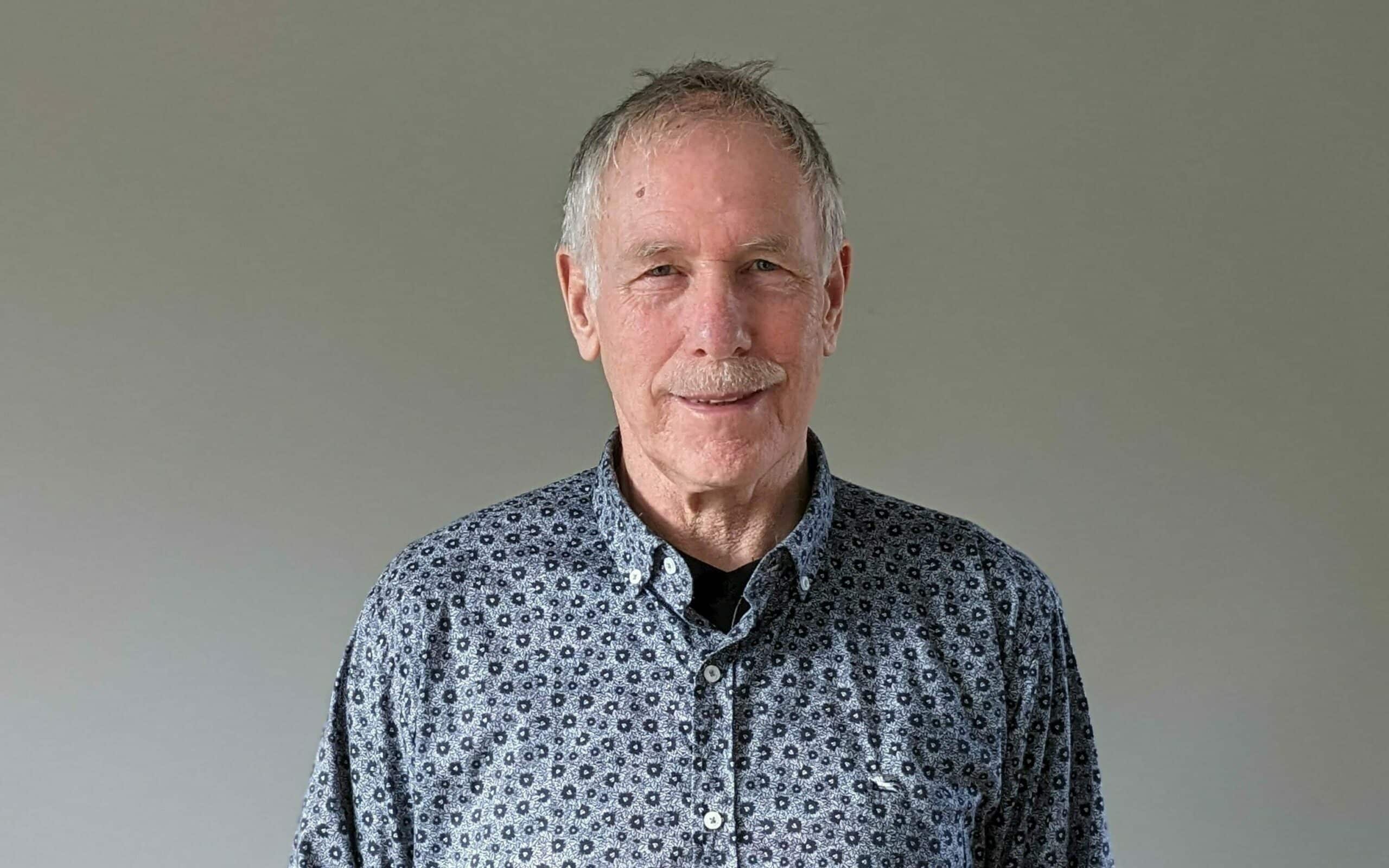
Gilberte (63) participates in a project of Dorcas Lebanon.
Gilberte: ‘I stand up for safety because the situation in Lebanon is very insecure. I currently live alone and have no contact with my family due to a family conflict. This made me realise how much I need the support of others in the struggles I face and to be surrounded by people who care for me.’
‘Dorcas has supported me in many ways. For example, I receive food parcels and am enrolled in the hot meals programme. This support has restored my dignity and self-worth because I no longer struggle to meet my basic food needs. Also, my health has improved thanks to the good meals I receive, so now my health costs are less.’
‘I also joined a club Dorcas runs for older people. Since I joined, my social life has improved a lot! My new friends care about me, and I can share my concerns with them. When I take part in club activities, I feel appreciated by the other participants and the staff. They provide me with a sense of security that I really missed and make me feel at home. My overall sense of wellbeing and confidence have improved, and I want to be involved in any new activities that are organised.’
‘I stand up for the right to safety because I wish to live in a country where I do not have to think about how to have a stable and safe life at this age. I look forward to the day that there is no more conflict in Lebanon. But until then, I hope that Dorcas will keep on supporting people like me so that we feel safe, protected and loved.’
𝘛𝘩𝘪𝘴 𝘴𝘵𝘰𝘳𝘺 𝘪𝘴 𝘱𝘢𝘳𝘵 𝘰𝘧 𝘋𝘰𝘳𝘤𝘢𝘴’ 𝘩𝘶𝘮𝘢𝘯 𝘳𝘪𝘨𝘩𝘵𝘴 𝘤𝘢𝘮𝘱𝘢𝘪𝘨𝘯. 𝘙𝘦𝘢𝘥 𝘮𝘰𝘳𝘦 𝘴𝘵𝘰𝘳𝘪𝘦𝘴 𝘢𝘯𝘥 𝘴𝘵𝘢𝘵𝘦𝘮𝘦𝘯𝘵𝘴 𝘰𝘯 𝘰𝘶𝘳 𝘥𝘦𝘥𝘪𝘤𝘢𝘵𝘦𝘥 𝘩𝘶𝘮𝘢𝘯 𝘳𝘪𝘨𝘩𝘵𝘴 𝘱𝘢𝘨𝘦. Human Rights: Contributing to a just society – Dorcas
Agnes is the Chief Executive Officer of Dorcas.
Agnes: ‘Human rights and inclusion are woven into the fabric of what Dorcas is and does. In practice, this means we strive for a society in which equality, well-being, freedom and protection are promoted, especially for people who are excluded. Therefore, our work focuses on marginalised groups, in particular older people, people with disabilities, women and children and ethnic groups such as Roma. We enable them to develop their talents and create opportunities for them and their communities to become more resilient, address their problems and flourish.’
‘Dorcas always tries to give human rights a face. We work with local people and partners to overcome taboos, enable people to care for each other in their local communities and make their voices heard in the corridors of power. For instance, we seek to make education accessible to youth with disabilities in South Sudan. This not only includes obvious solutions like wheelchair ramps but also ensuring the curriculum is adapted to the needs of blind students. Other examples are breaking the taboo around menstruation and providing menstrual products in Tanzania so that girls can continue to go to school, safety nets for older people in Eastern Europe that break social isolation and meet basic needs, and skills training and economic empowerment for refugees and their host communities in the Middle East.’
‘Through our programmes, we also work on human rights and inclusion in the wider society. For example, in the countries where we are active, we encourage local authorities and partners to work together to realise a just and inclusive society in which everyone, whatever their background, is heard and can participate. Closer to home, in the Netherlands and Europe, we partner with a range of interest groups to raise public awareness and ensure the voices of marginalised people are heard in Dutch and European political circles.’
‘I am proud that Dorcas employs people with a rich diversity of backgrounds, skills and insights who passionately stand up for a wide range of human rights. At Dorcas, diversity and inclusion go hand in hand.’
This story is part of Dorcas’ human rights campaign. Read more stories and statements on our dedicated human rights page. Human Rights – Dorcas
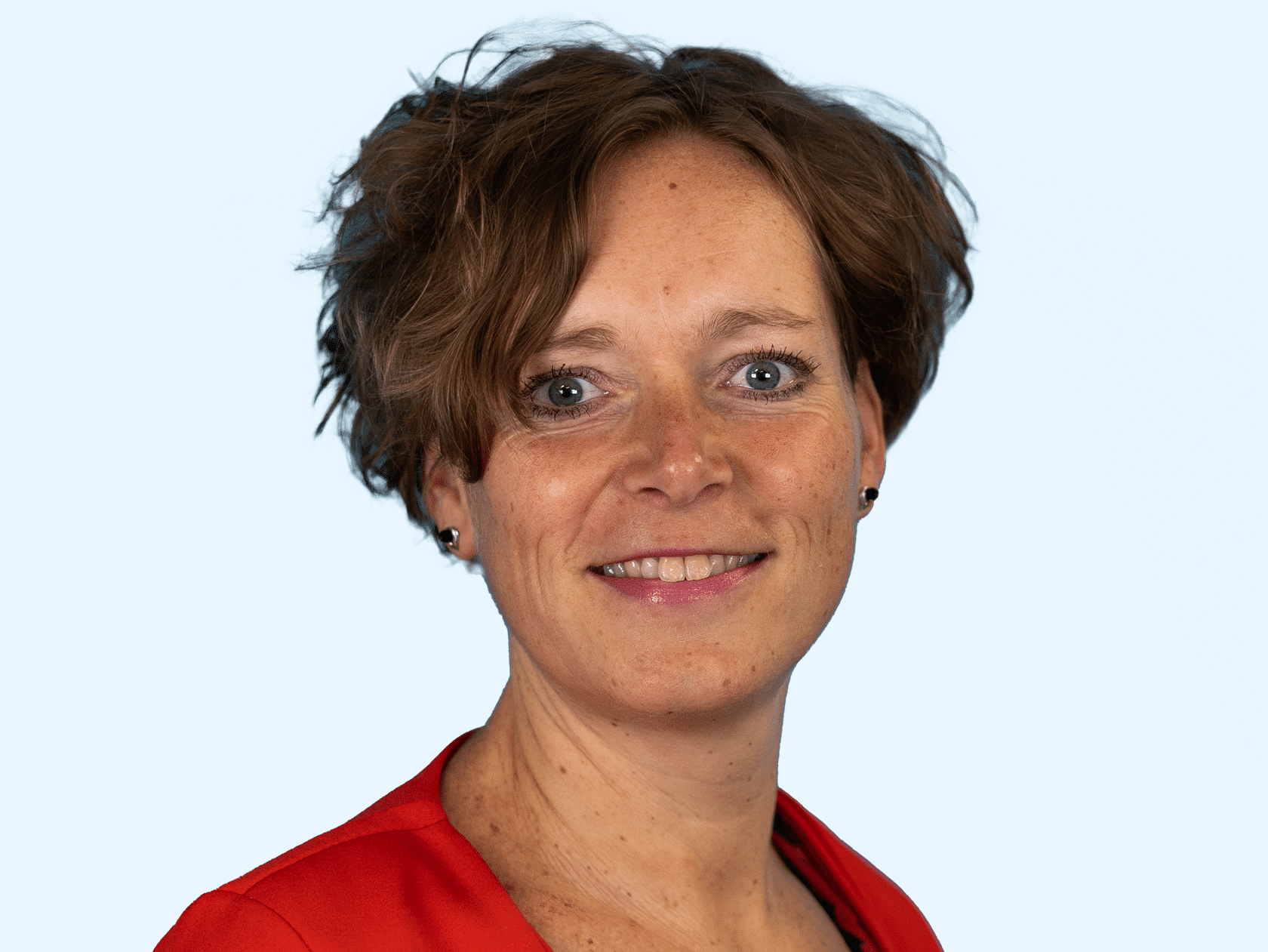
Sargon is a Programme Manager at Dorcas Iraq.
Sargon: ‘I am deeply committed to advocating for the safety and protection of internally displaced persons (IDPs) in Iraq, as well as ensuring that their fundamental human rights are respected and upheld. These individuals are facing an incredibly challenging situation as they’ve been compelled to leave their homes for various reasons, such as conflict, instability, and threats to their safety. My dedication to this issue stems from the deep belief that every human deserves fundamental human rights and protection regardless of circumstances. It’s a matter of empathy, human dignity, and social justice.’
‘This issue holds paramount importance both in my professional and personal life. As a Programme Manager at Dorcas Iraq, I’m closely involved with IDPs. We work directly with these displaced individuals, providing them with essential resources like shelter, food, and protection services.’
‘Witnessing their struggles and hearing their stories has also profoundly affected me personally. I believe in every person’s inherent dignity and worth, which makes it even more disheartening to witness so many people, including innocent children and vulnerable families, being forcibly uprooted from their homes.’
‘In addition to direct assistance, I’m involved in advocating for their rights at the policy level. This includes collaborating with local and national authorities and international organisations to ensure these vulnerable individuals receive the required protection and assistance. The goal is to create a society where no one is left behind, and everyone has a fair chance to rebuild their lives and regain dignity.’
This story is part of Dorcas’ human rights campaign. Read more stories and statements on our dedicated human rights page. Human Rights – Dorcas
Eva works as a Humanitarian Assistance Expert at Dorcas.
‘The conflict in Yemen often seems like a never-ending story: people have been trapped in a hopeless situation since 2014. A situation that also makes it quite challenging to find donors who aren’t fatigued by the circumstances. I’ve been to Yemen twice, and I’m deeply impressed by the resilience and optimism of its people. Yemenis are incredibly warm, kind and generous. Also, our colleagues are very passionate, and I’m inspired by their vision for the country and their determination to rebuild it. Despite many reasons for pessimism – Yemenis facing one hardship after another, from conflicts to floods or extreme heat – it energises me when we can respond flexibly to those urgent needs. For example, recently, we were asked to assist 250 families who unexpectedly had to leave everything behind and found themselves with nothing. We provided them with cash assistance.’
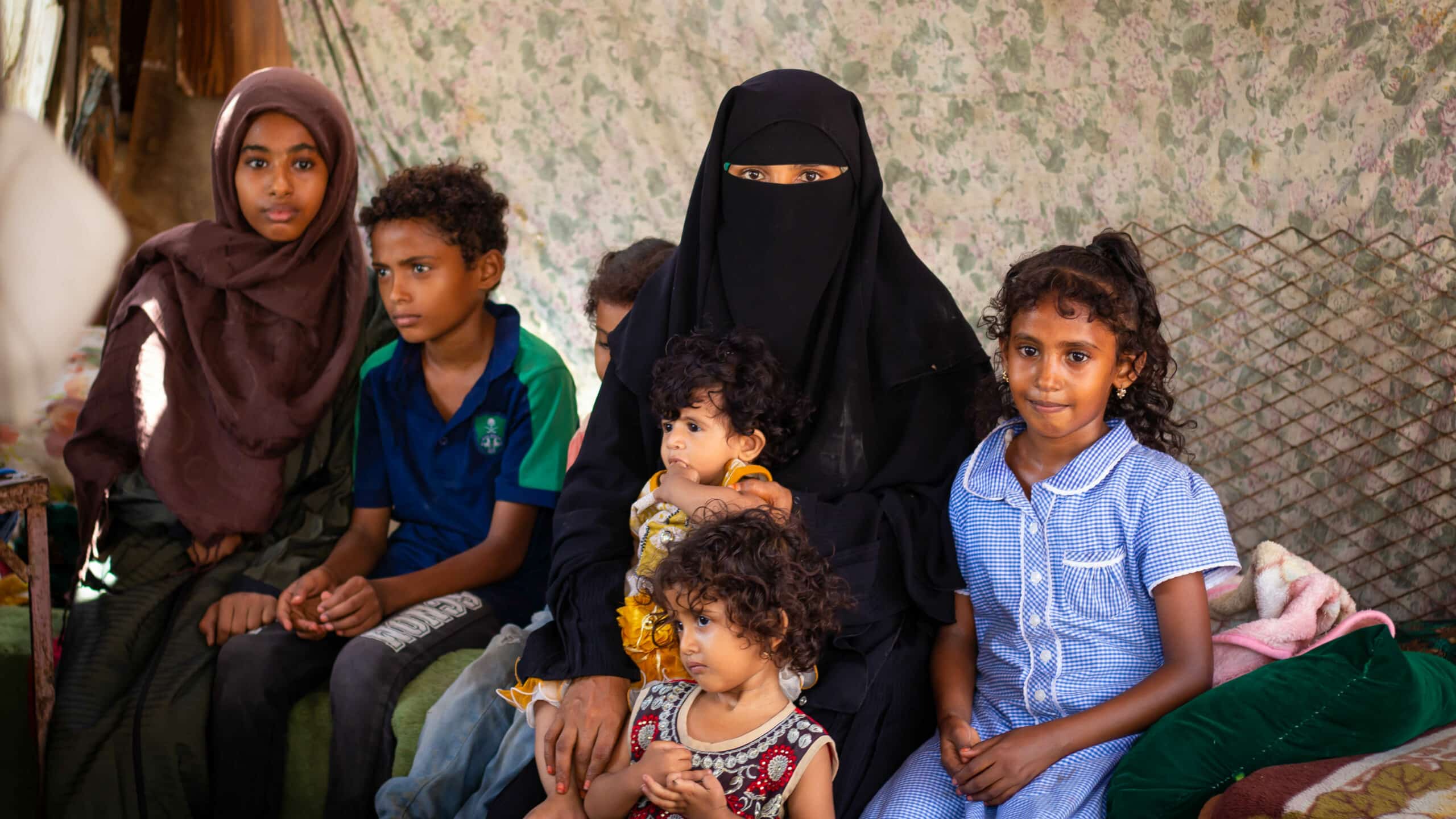
‘Besides cash assistance, we also distribute food packages. However, we aim to exchange these food packages for a cash donation wherever possible, as that enables people to choose what they need most and where they spend their money. A condition for this exchange is that people reside in areas close to a market or a shop, so they do not have to spend part of the cash on transportation.’
‘Providing a food package or cash represents far more than just the actual gift. Of course, people need food, but a food package or cash is also a gesture that they are seen and not forgotten. This gesture might impact a person’s life more than the gift they received, and I’m thankful we can make such a vital difference.’
This story is part of Dorcas’ human rights campaign. Read more stories and statements on our dedicated human rights page. dorcas.org/humanrights
Joost is Inclusive Entrepreneurship Expert at Dorcas.
Joost: ‘Young people live in a rapidly changing world. Social media has opened their eyes to a dazzling array of opportunities. But for most youth in poorer countries, such chances are pipe dreams as they struggle to find work and live with the impact of challenges like political instability and climate change. Some of them choose to migrate in the hope of a better future, but all too often, their dreams are dashed.’
‘In my experience, many young adults are willing to explore local employment opportunities but want better options than their parents had. For instance, farming is only attractive if there are excellent connections with the market, access to technology and a stronger position in the supply chain. However, even if such opportunities come their way, young people often lack the skills they need to grab them.’
‘Dorcas therefore runs education and training programmes to support vulnerable youth find local paid work or start their own business. For example, from 2016 to 2021, I was involved in the Employable Youth in Ethiopia (EYE) programme. This partnership between international and local stakeholders provided technical and vocational training and micro enterprise development relevant to the local market to over 20,000 young people in Southern Ethiopia. When they graduated, a job and business mediation service helped them find work locally or start their own business instead of migrating elsewhere in search of a better life.’
This story is part of Dorcas’ human rights campaign. Read more stories and statements on our dedicated human rights page. dorcas.org/humanrights/
Joyce and her family are involved with Dorcas Kenya through their daughter, who is part of the sponsorship programme.
Joyce: ‘I stand up for empowerment and protection because I want to claim my rights and shape policies that affect my future. Before I got involved in the Dorcas programme, I was not involved in major decision making and struggled to do so as a woman. I did not feel empowered and was not able to access markets. Furthermore, at that time I did not find education for my children a priority and I struggled to speak out against harmful cultural practises that affected my children. I also did not openly have conversations with my children about sensitive topics, like sex-education. It was common that this was left to teachers in schools to handle.’
‘Our family got connected to Dorcas through my daughter, who was part of the sponsorship programme. Through the programme, I have received some training on positive parental skills. This has had a major positive impact on my relationship with my children. Looking back, I realise that harmful taboos negatively affected my children. People are not just physical beings, but also moral and spiritual beings. Human rights advocates need to focus on protecting and preserving the sense of common humanity. To ensure that every individual can live a life of dignity and a life that is worthy of a human being. Certain issues are sensitive in our community, but it is important to conduct sensitisation forums on these issues, so the community becomes more aware of harmful behaviours. These forums will support parents to talk and discuss more openly with their children how this is affecting them.’
‘I have also been trained on the “Village Saving and Lending Association” (VSLA) by Dorcas and this has taught me the importance of saving money weekly and has changed my life drastically. Now, I can access loans through “table banking” and this has enabled me to buy an iron sheet house, while before I lived in a mud house. Additionally, our livelihood strategies and farming yields have improved, and I can now pay school fees for my younger children and feed my family.’
‘My hope is that more people will be reached and will access the trainings I received, so more lives are improved, as mine has.’
This story is part of Dorcas’ human rights campaign. Read more stories and statements on our dedicated human rights page. https://dorcas.org/humanrights/
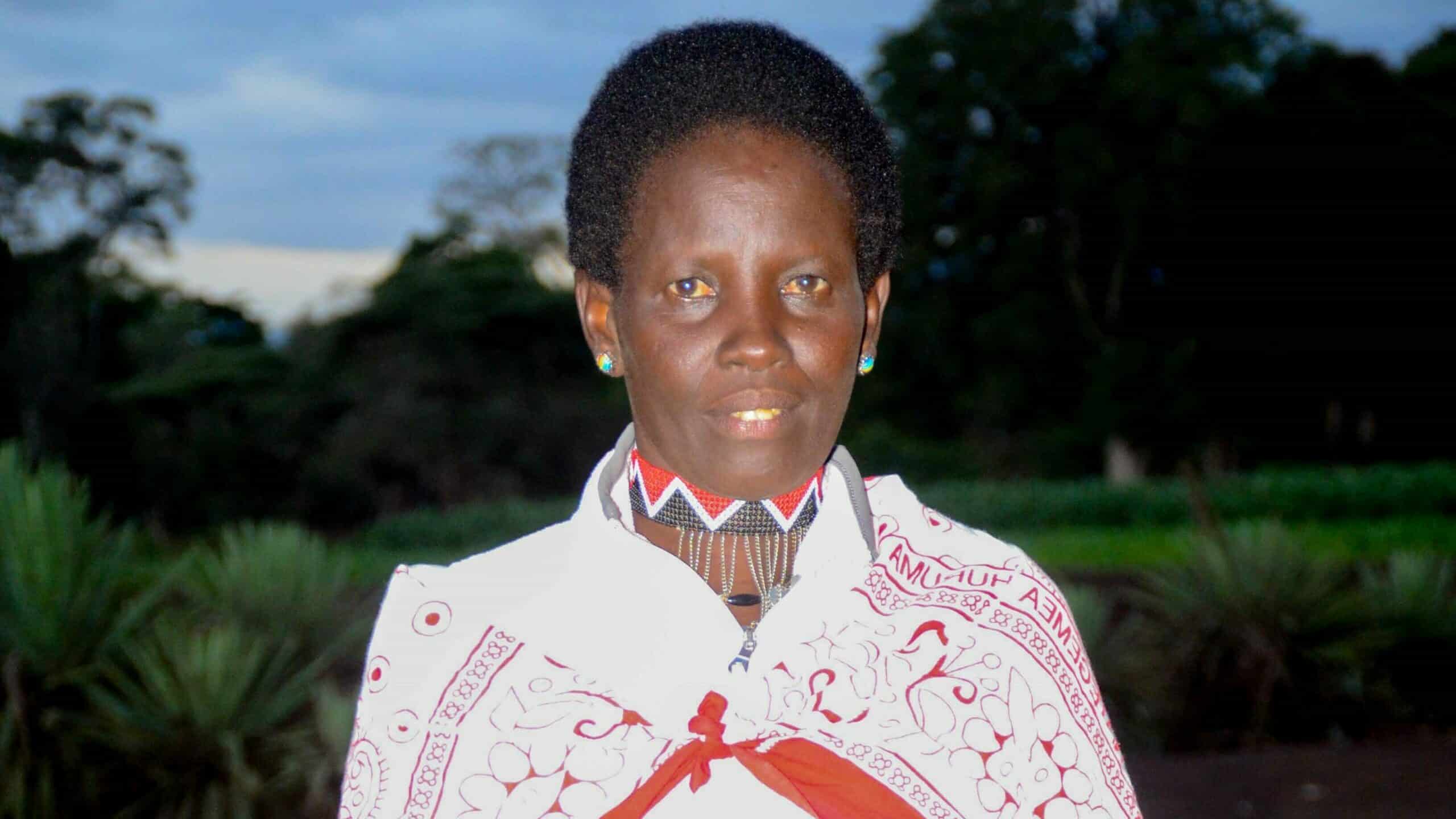
Lara and her family are project participants of Dorcas Lebanon.
Lara: ‘I stand up for women’s empowerment and rights because I want women to be strong enough to reclaim their rights and for them to be safe.’
Lara lives with her husband and two daughters in Lebanon. She takes care of the household and also cares for her mother and her mother-in-law.
Lara: ‘As a family, we have gone through a lot of turmoil in the recent years. Because of the Beirut blast in 2020 and the crisis in Lebanon, we needed more assistance to meet our basic needs, but I was embarrassed and reluctant to ask for this. Later, I felt that I became stronger, and I realised that to help myself and others, I needed to ask for support.’
‘We connected with Dorcas, and they provided psychosocial support for my children. This was very beneficial to them. Later, I also participated in sewing sessions and received a sewing machine. This gave me a boost to move forward. With these new skills, I could provide an income for my family. It was a learning opportunity for me, and because of this, I got more empowered and confident. My dream for the future is always to provide for my daughters and, most importantly, to cover their tuition fees so they can receive a good education and have better chances in life.’
This story is part of Dorcas’ human rights campaign. Read more stories and statements on our dedicated human rights page. Human Rights – Dorcas