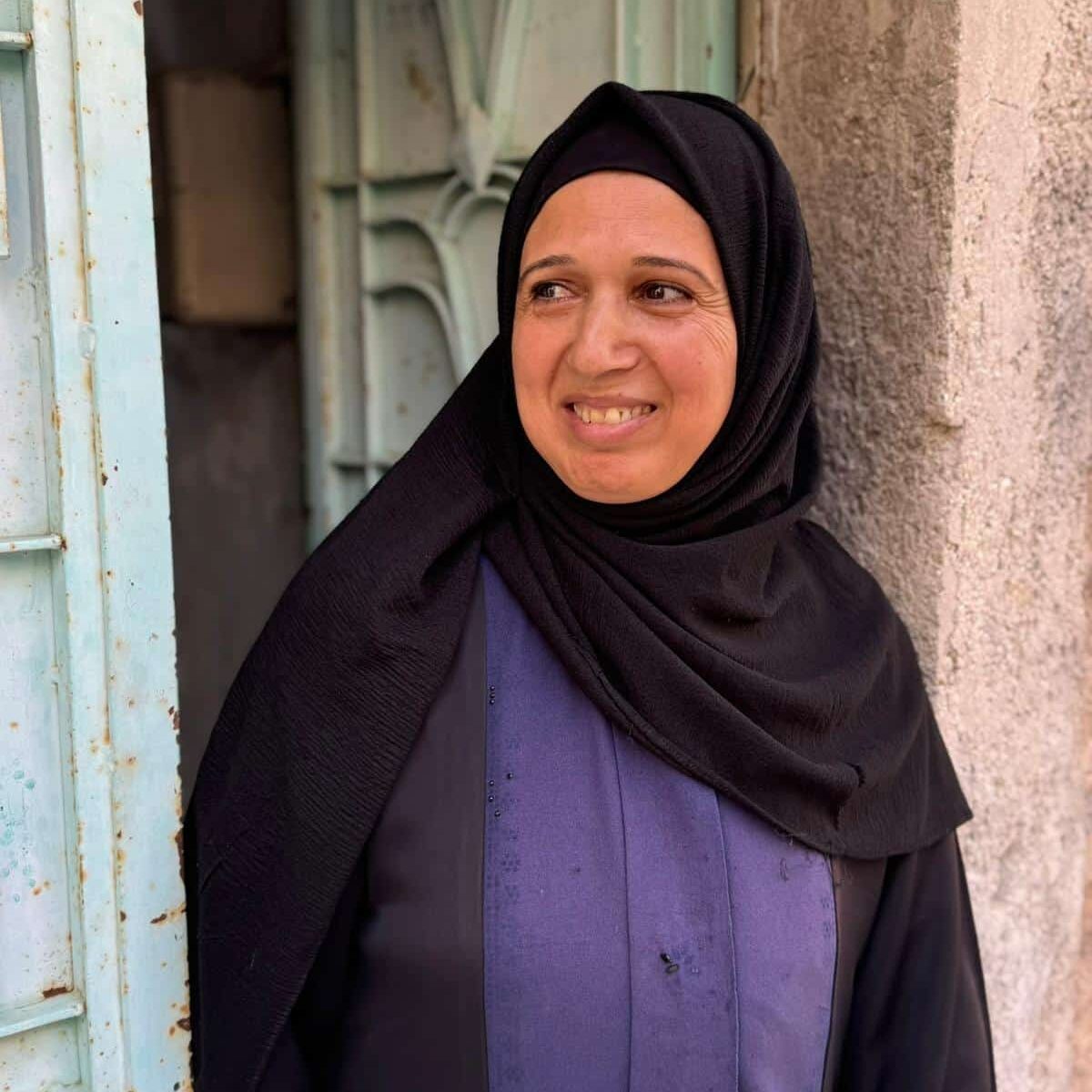
Syria has faced many challenges over the last decade. Years of conflict and subsequent displacement have left many people struggling to make ends meet. Dorcas Syria supports those in need by providing livelihood training and practical assistance to support them in rebuilding their lives and earning a sustainable income. One of our project participants is Shukriya.
Shukriya is a woman in her fifties who lives in Aleppo. She is married and a mother of five children. Despite her own health issues and caring for two children with health problems, she did not give up. She continued to search for ways to secure a better life for her family.
In 2011, ongoing conflict and heavy shelling forced her and her family to flee. They left their partly destroyed home behind. While her husband took on various jobs to provide for the family, Shukriya cared for the children. Accessing medical care was a daily challenge due to the conflict and the poor state of health services. During this time, one of her daughters passed away, causing her profound grief.
A step towards economic flourishing
When the security situation improved, Shukriya returned to Aleppo in 2019 and made a decision that changed her life. Despite her family responsibilities and the long distances she had to walk each day to attend, she enrolled in a training course in detergent production at the Syrian Amanah Centre and received a certificate.
After completing the course, Shukriya started her own small detergent-making business even though she had very limited resources and no proper equipment. Her husband supported the venture while working at a small street stall. Later, Shukriya applied to the Dorcas Syria Livelihoods Programme to further expand her business. She participated in focus group discussions, demonstrating strong determination. As part of the programme, she was given the opportunity to attend training in small business management and entrepreneurship.
Building a sustainable future
These training sessions equipped Shukriya with improved skills in market analysis, pricing and marketing. She also received equipment to grow her business. Today, she continues to develop her business and expand her customer base by improving the quality of her products. Despite ongoing economic challenges and rising raw material costs, she has not given up. Thanks to her hard work, her income has increased by more than 50 per cent.
Shukriya says, ‘I am thankful that Dorcas supported my project. Today, I can provide a decent life for my family.’
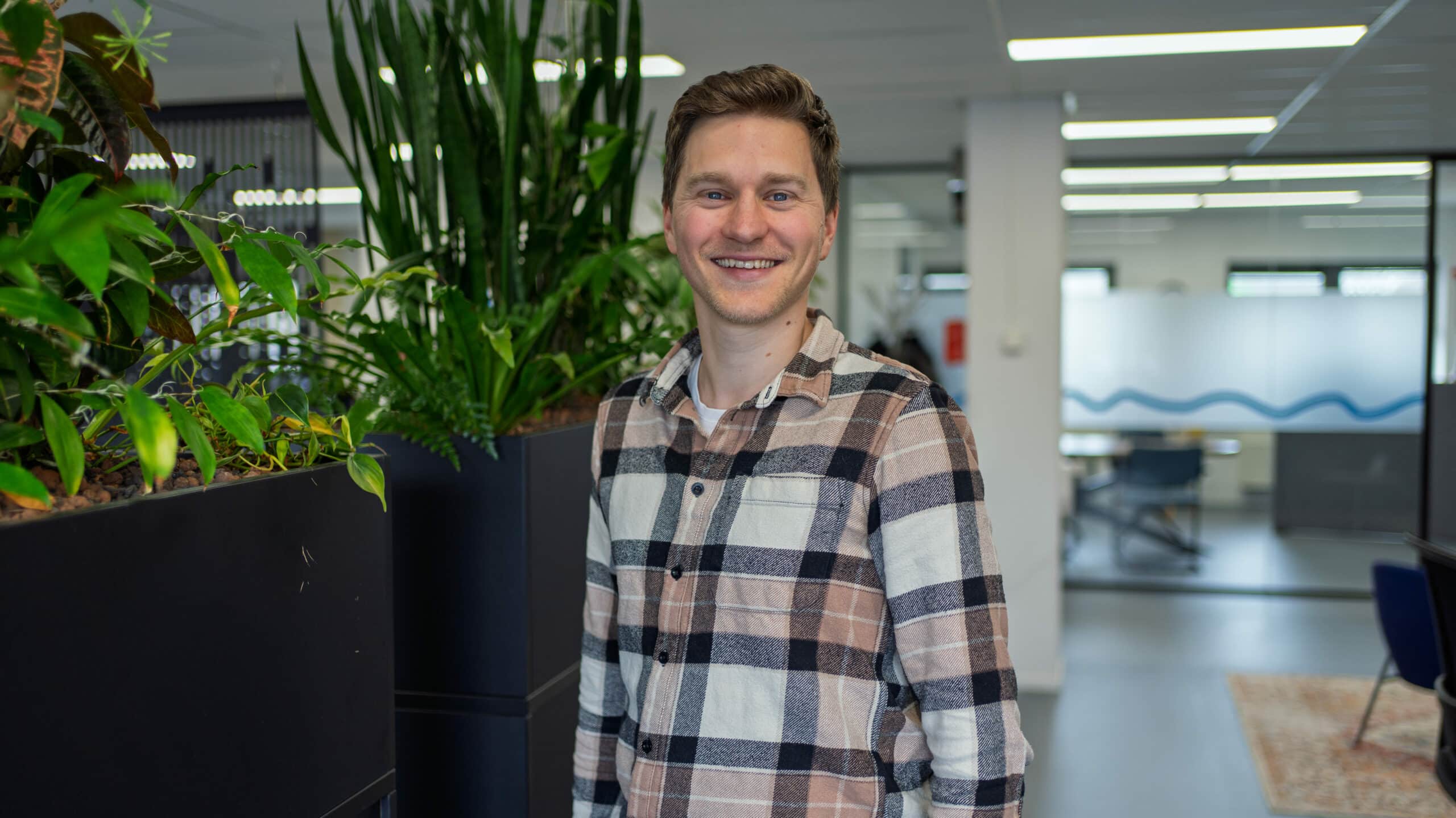
An interview with Lenard Hofland about Dorcas’s vocational training programme in Ethiopia.
Youth unemployment in Ethiopia is high. Despite economic growth, many young people are unable to find work or establish a stable livelihood. Through its vocational training programmes, Dorcas aims to equip young people with technical and social skills. We spoke to Lenard Hofland, Programme Adviser at Dorcas, about this.
‘The situation is concerning: many young people simply cannot find employment. We want them to be able to participate in the economy, find work, and flourish along with the development of the country. To improve their prospects, Dorcas offers vocational training programmes. As well as learning technical skills, young people develop social skills such as communicating with customers, working with colleagues, and cultivating a strong work ethic. Combined, those skills greatly increase their chances of finding employment.’
‘Dorcas has been involved in vocational education in Ethiopia for over twenty years. We have a strong track record: 89 per cent of our graduates have found employment. We understand the market well and have strong relationships with businesses. This experience enables us to respond precisely to the needs of young people and employers.
We recently opened a new vocational training centre on a different location, because the training site we previously used was located on government-owned land which has since been repurposed.’
What does vocational training entail?
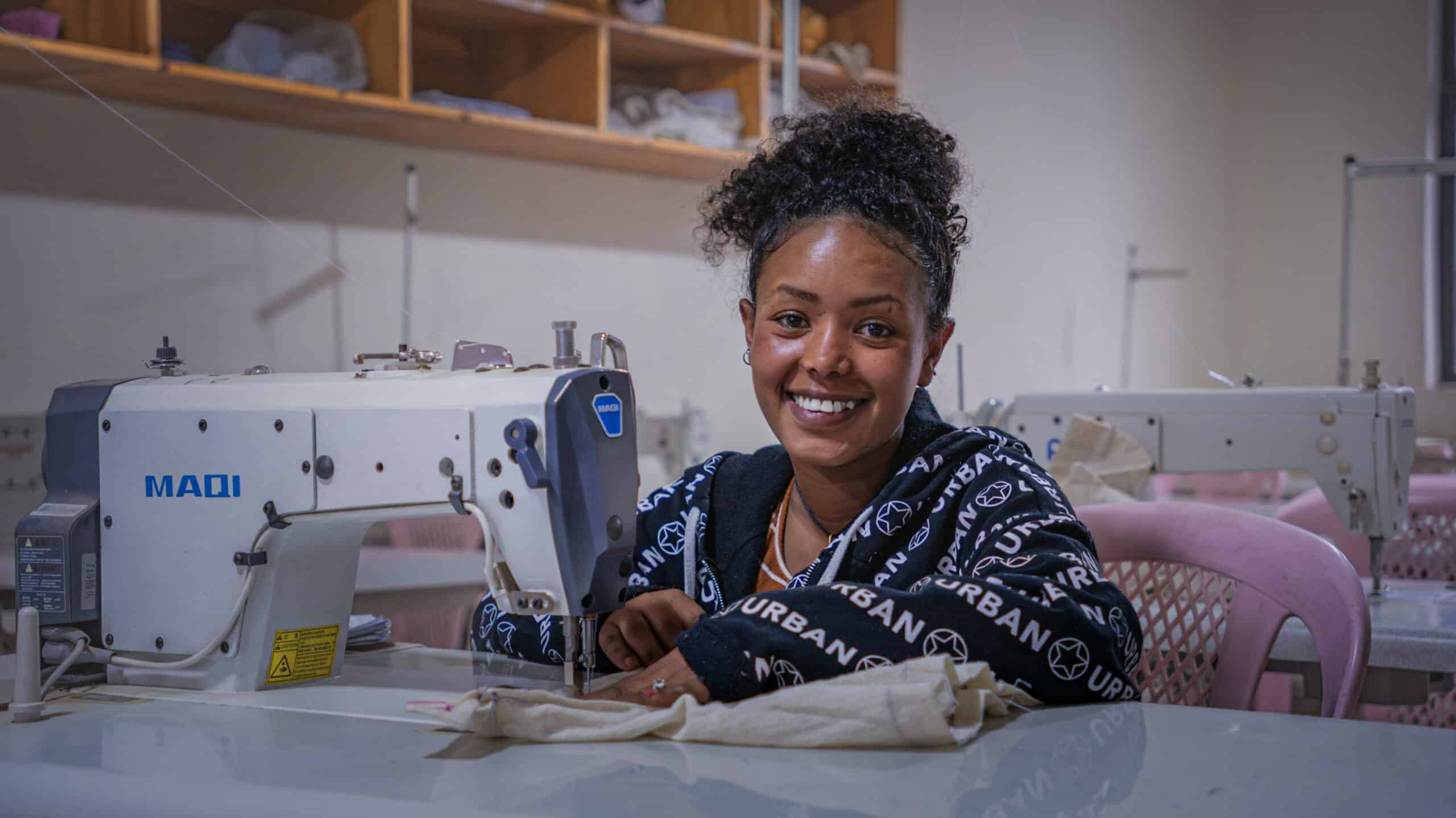
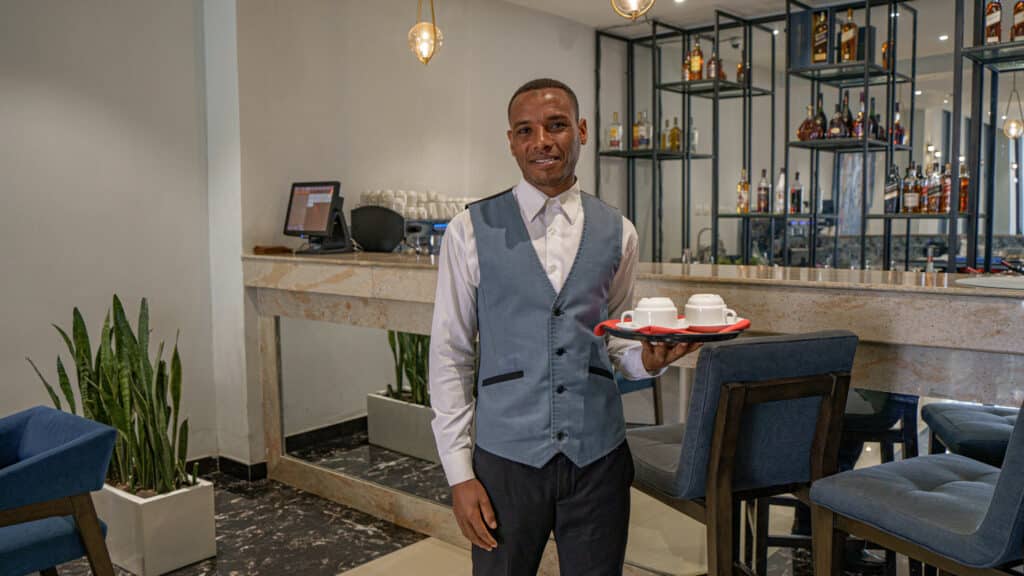
‘We focus on traditional skills in textiles, metalwork and carpentry. In coming years, we plan to expand to include training for electricians and those in the hospitality sector. What makes our approach distinctive is that we offer short courses. Young people in vulnerable situations cannot afford to study for years – they need to be able to earn an income relatively quickly.
In addition, we align closely with market demand. To tackle youth unemployment, particularly in urban areas and especially among young women, we train young people in the exact skills that employers require. We maintain regular and structured dialogue with the sector to find out which products are in demand. Which technical skills are essential? We discuss this with companies that may later employ our students.
Our vocational training has two major advantages: young people have a better chance of finding employment, and businesses gain well-trained employees. We combine technical training with the social skills required in the workplace. You will learn not only how to make a well-crafted chair, but also how to answer the telephone and assist customers professionally.
Over time, the programme also recovers part of its own costs. Young people make products in the training classrooms that are then sold. This gives them practical work experience while contributing to the programme’s sustained viability.’
What has made the programme so successful?
‘It is a combination of understanding the local context, our many years of experience in this sector in Addis Ababa, and our new focus on financial sustainability.’ The programme generates part of its own income, which makes it future-proof.
Many young people travel to the capital every day in search of work, but there simply aren’t enough jobs for everyone. Some graduates find employment with companies, while others start their own businesses. That is why we also focus on the skills needed for self-employment.
Entrepreneurship training is part of the vocational programme. We are exploring the possibility of offering this as a standalone course, by bundling the lessons into a compact, one-week training programme. The same trainers who teach on the vocational programme could deliver this short course, enabling us to support even more young people.’
Why did Dorcas choose to offer short training programmes?
‘Vocational education does exist in Ethiopia, but it is often expensive and usually takes four years to complete. That is far too long for young people without an income. Our six-month programme equips participants with all the necessary skills. This allows us to reach more students and facilitate their transition into employment more quickly. We maintain close links with the workplace and focus primarily on the manufacturing sector, where there is strong demand for products.’
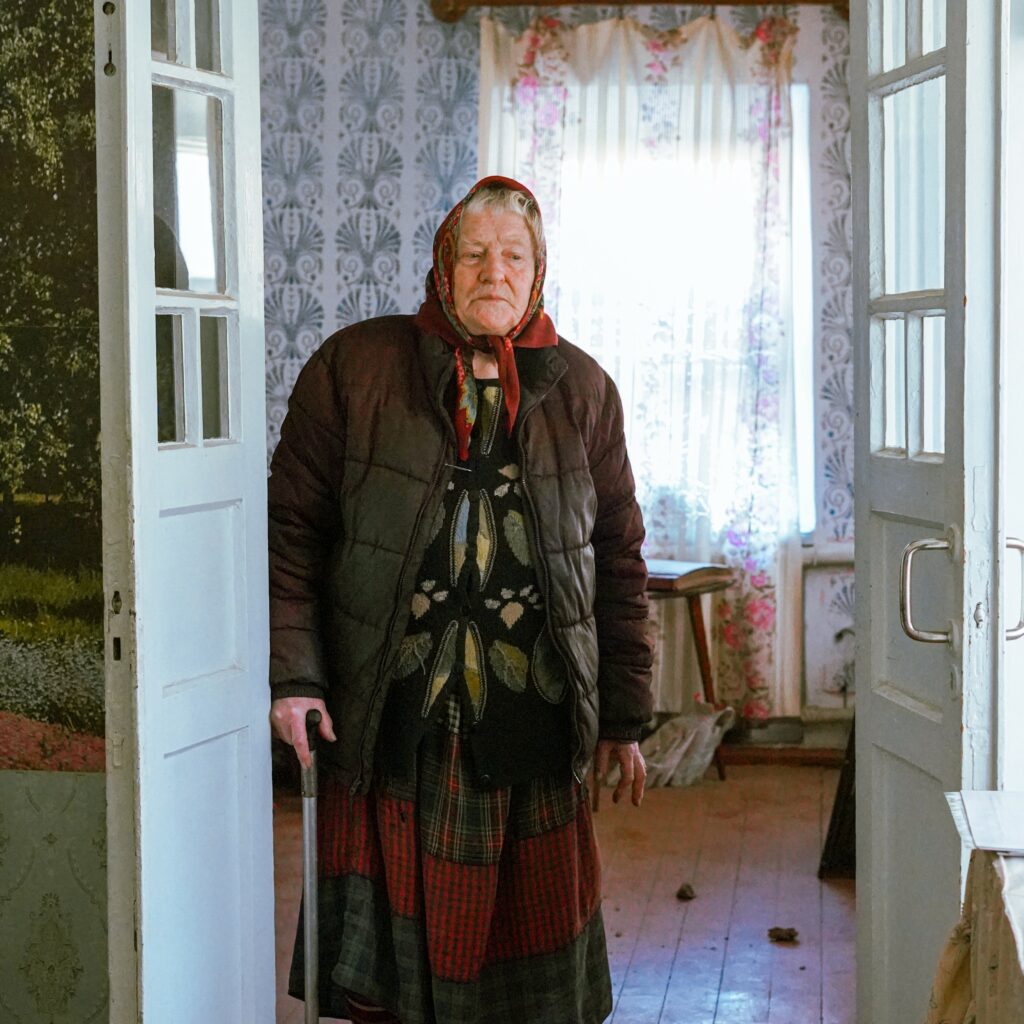
‘I am grateful my windows survived. I don’t know what I would have done otherwise,’ recalls Vira, thinking back to yet another shell landing near her home. Vira, (80), lives by herself in Zaporizhzhia, in the area worst affected by shelling in the ongoing conflict. Following one of the attacks, the ceiling in one of the rooms of her house collapsed due to the blast wave: ‘I saw a bright white glow, and I was very frightened. People died that day, it was horrific.’
People feel most vulnerable during explosions, especially those who are lonely. That’s because the realisation of the unknown and fear quickly creep into one’s thoughts. Vira says that only prayer helps her during such difficult moments.
It is important for Vira to have someone nearby who will listen to her and support her in coping with the anxiety that follows the attacks. Thanks to support from EO Metterdaad, Vira receives psychological support from Dorcas specialist Hanna as part of a home visit programme. During these sessions, the psychologist incorporates elements of art therapy to support Vira in managing the effects of stress. ‘I enjoy our meetings with Hanna. After talking to her, I feel only positive emotions,’ Vira says, smiling. A Dorcas volunteer also visited her to assist with grocery shopping, as this is difficult for Vira due to her advanced age.
Although Vira lives in the city, she has still faced many challenges this winter. Due to pressure fluctuations caused by power cuts, her gas heating was unreliable and poor quality, not to mention expensive. ‘When the electricity came back on, I tried to heat the flat with an infrared heater,’ she explains. To support her during this time of crisis, the Dorcas Ukraine team provided Vira with an emergency response kit to keep her home warm and lit during blackouts. This support has made a real difference to the lives of older people like Vira.
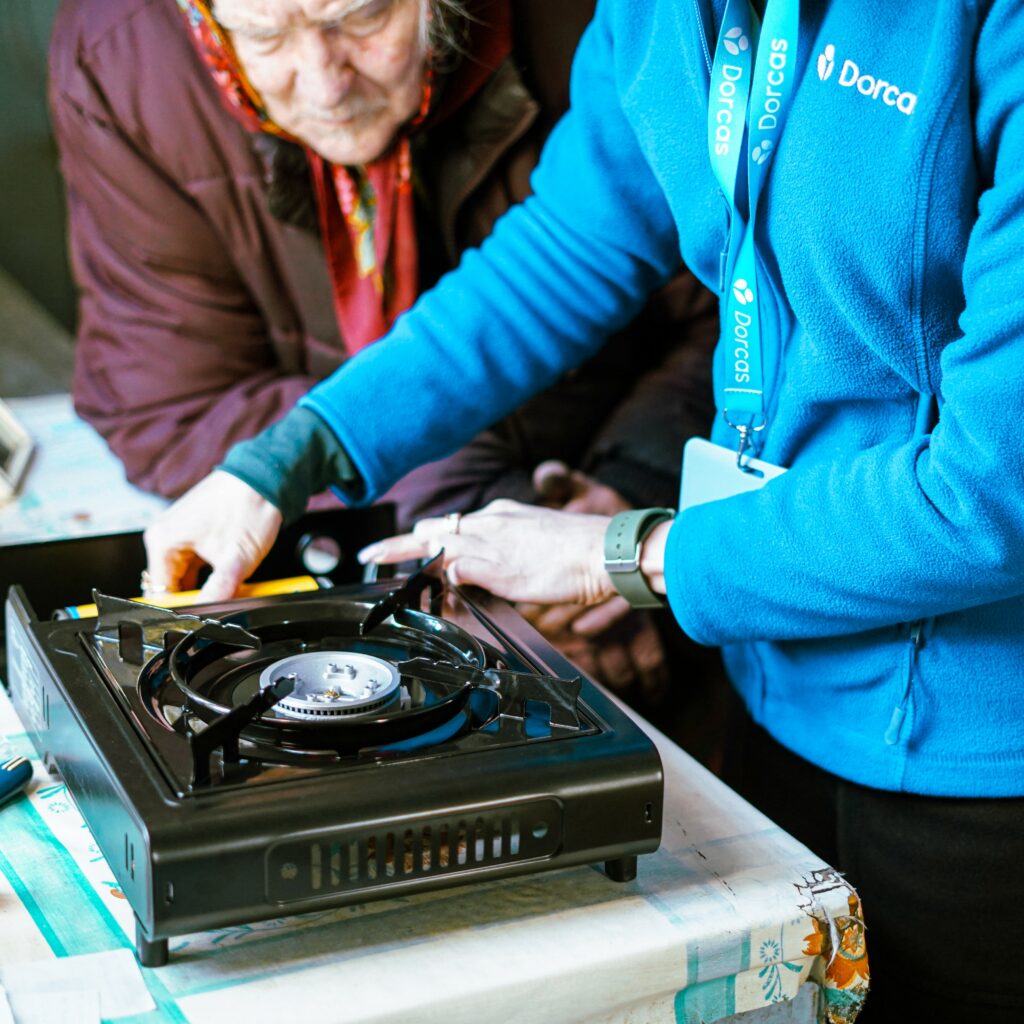
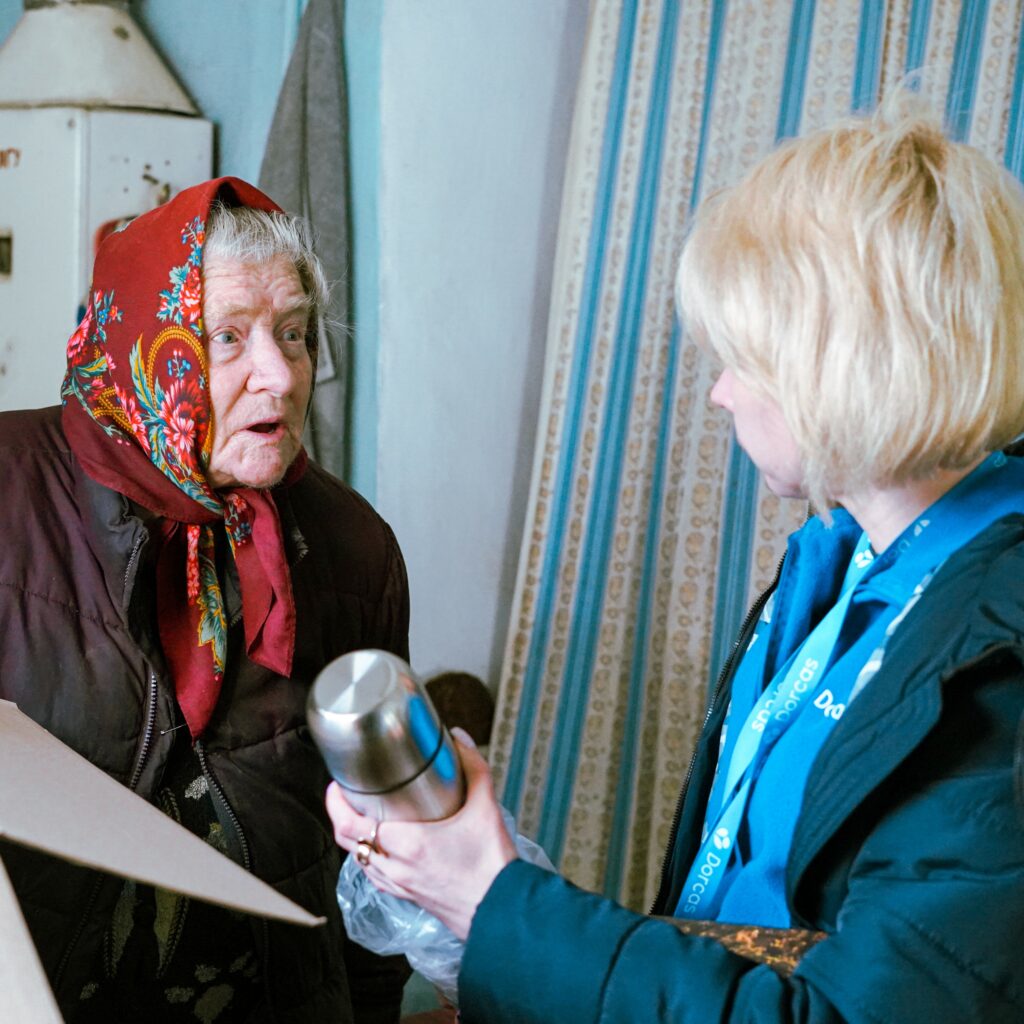
Last February, the Dorcas Ukraine team sounded the alarm about the deepening energy crisis in Ukraine, caused by systematic attacks on the country’s electricity infrastructure. As the situation continued to deteriorate, Dorcas launched a rapid response effort to support those in need, as well as a fundraising campaign in the Netherlands. The campaign focused on raising funds to provide emergency kits and alternative power sources for those affected by the crisis in Zaporizhzhia.
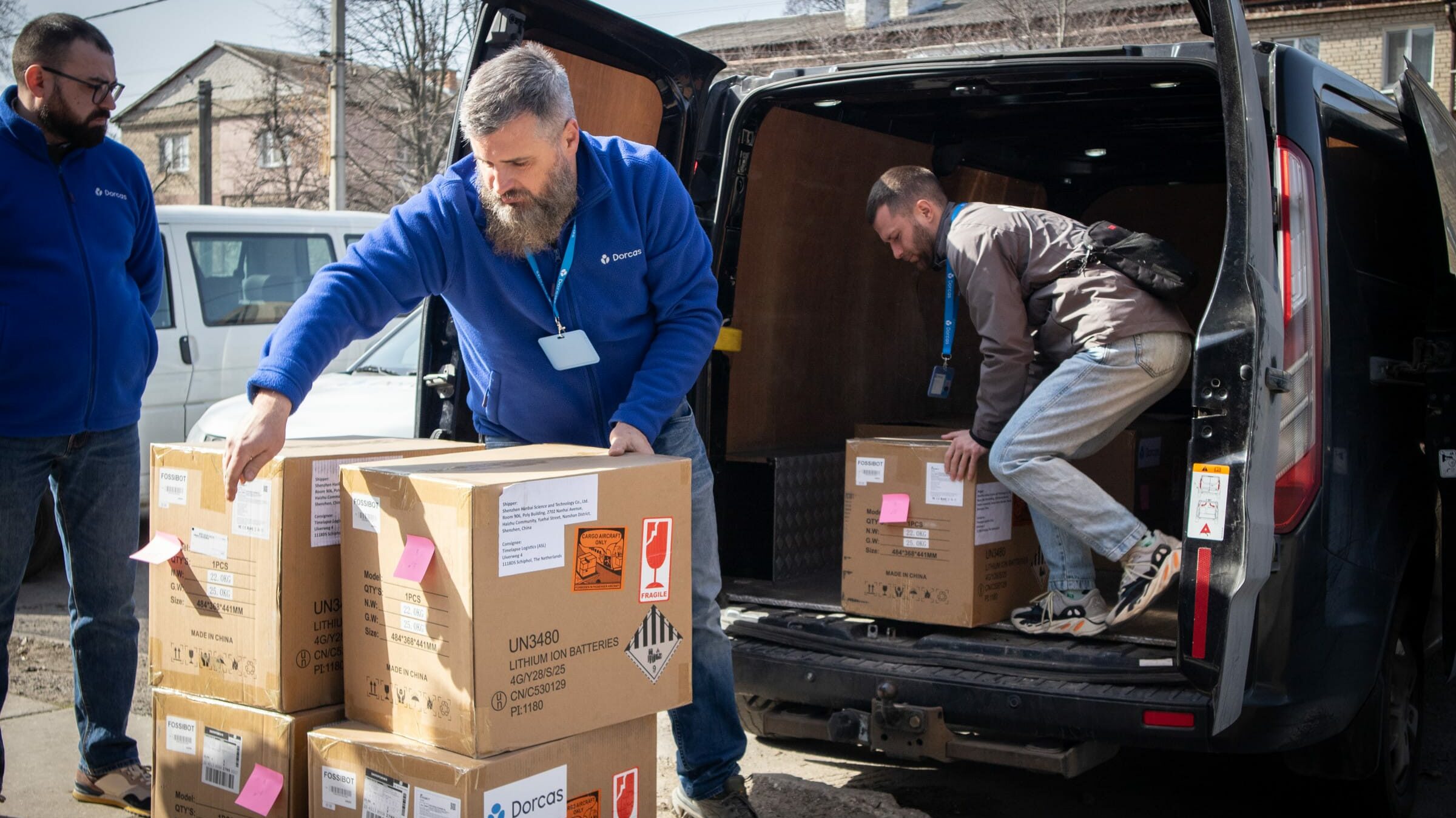
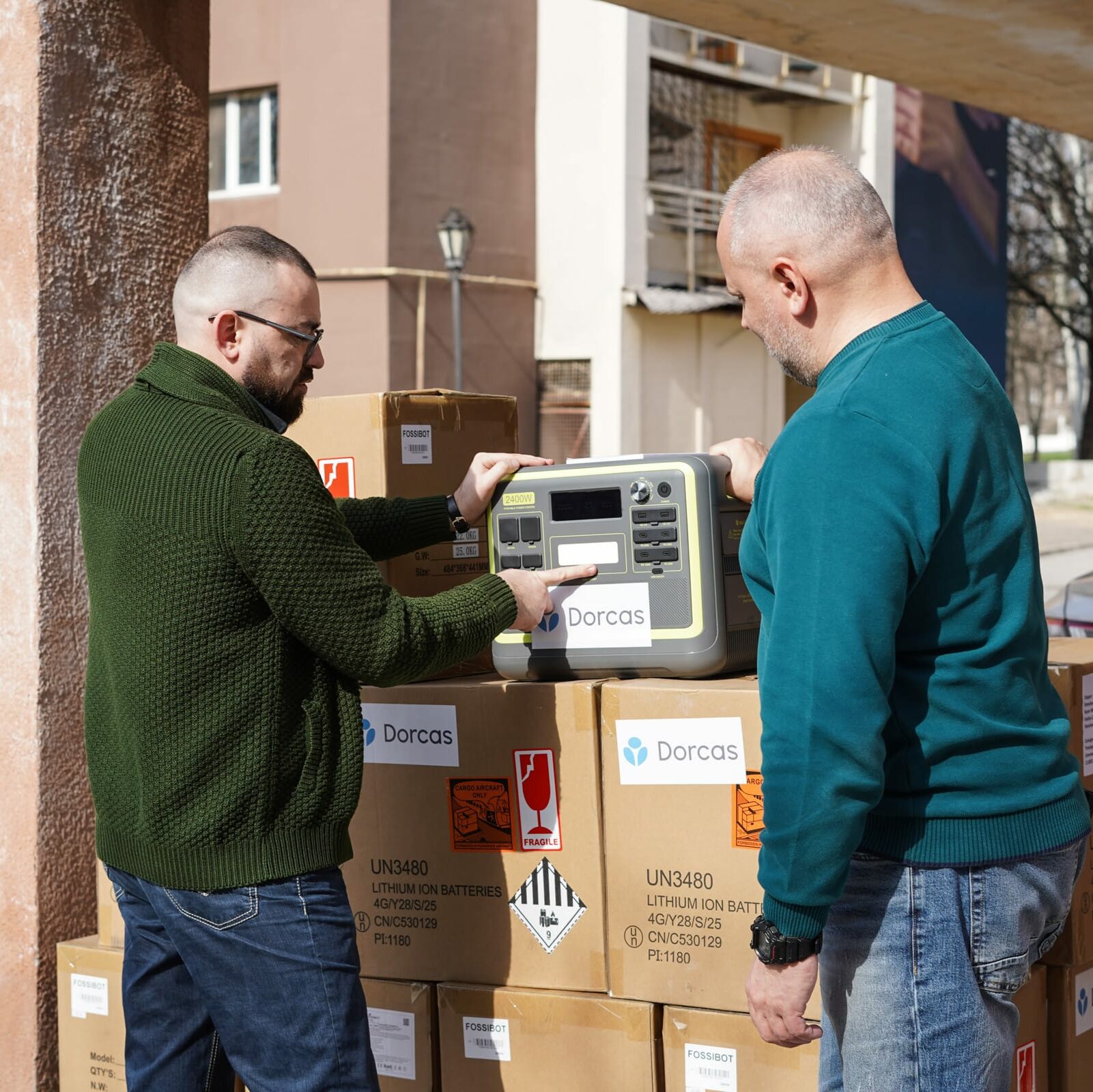
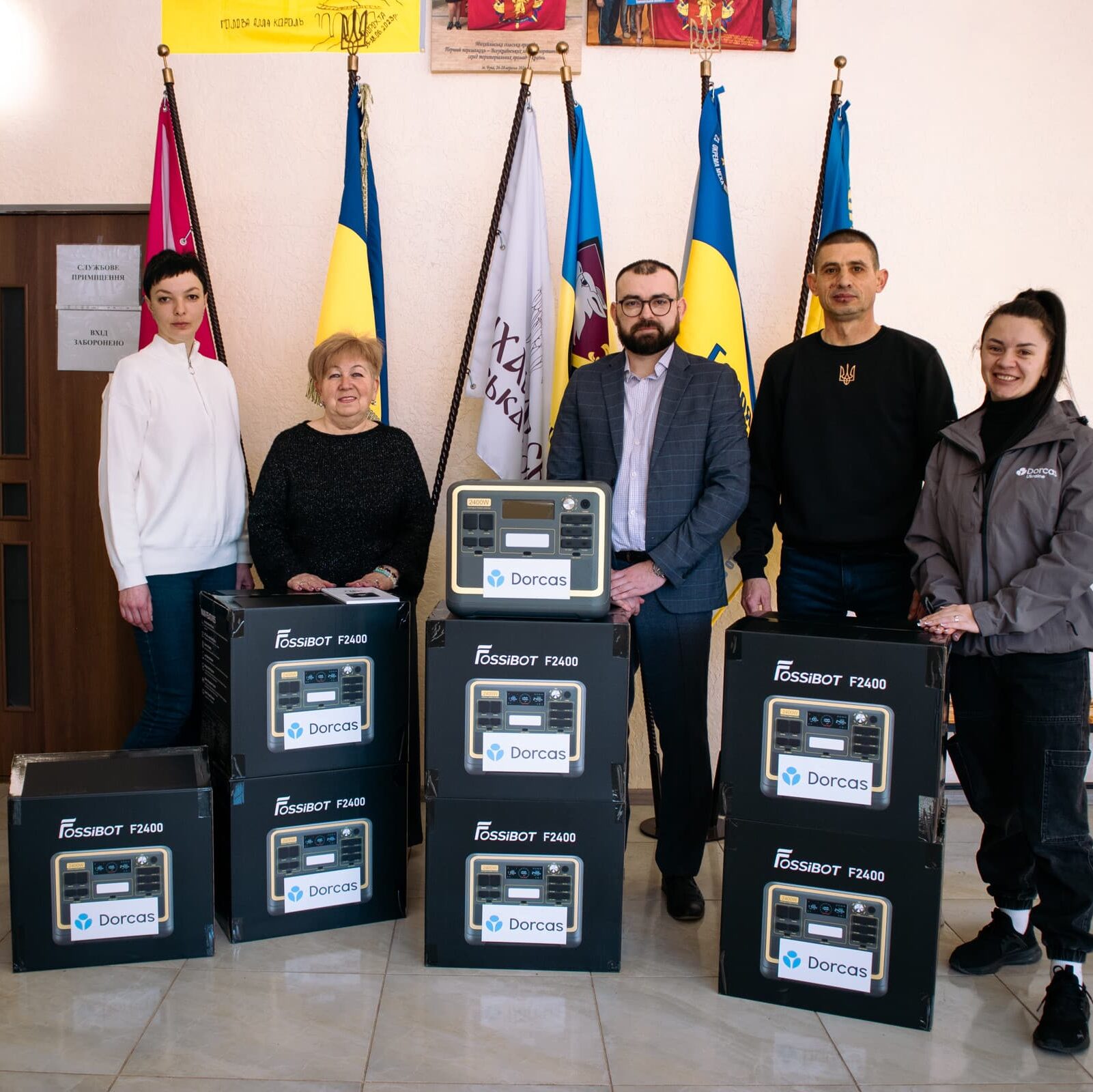
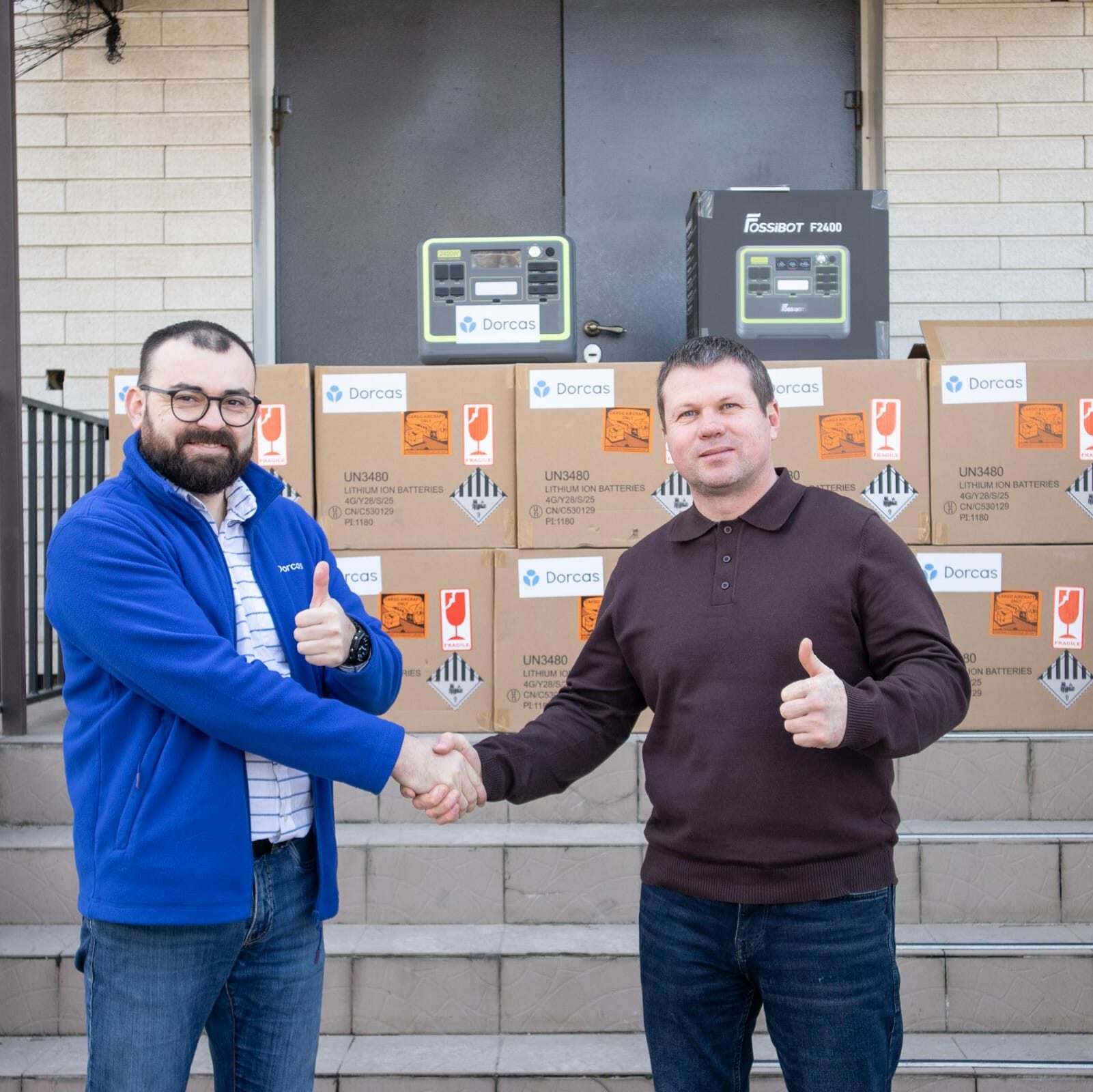
Thanks to the funds raised, Dorcas was able to provide around 250 alternative power sources over the following months. These were delivered to locations supporting those affected by the ongoing crisis. These locations included churches, humanitarian assistance centres, temporary accommodation facilities, social institutions, resilience centres, and other social infrastructure.
The devices were distributed to institutions in fifteen local communities in the Zaporizhzhia region, close to the front line. Recipients included the Regional Transit Centre for Evacuees, the Zaporizhzhia City Council’s Department of Education and Science, the Department of Social Protection, and other public institutions.
Through this project, Dorcas supports community members in the most vulnerable circumstances and ensures they have uninterrupted access to electricity in areas where this is vital during emergencies. The charging stations provide electricity during prolonged power cuts, which is crucial for communication, receiving assistance, and meeting basic living needs.
We are deeply concerned about the rise in violence, inequality and crises around the world. That is why we, a broad coalition of Dutch political parties and civil society organisations, are calling on the government to make a significant investment in development cooperation and to put an end to the unprecedented cuts.
Budget cuts on development cooperation
In the recently published coalition agreement, the government states its intention to invest more in development cooperation. This is an encouraging sign at a time of global unrest and instability. However, recent figures show that the promised investments are not being delivered. In fact, the budget for international development cooperation is set to fall in 2027, 2028 and 2030 compared to the previous government. This is happening at precisely the moment when global needs are rising. In April 2026, the OECD warned that global spending on development cooperation had fallen by almost a quarter in 2025. The Netherlands is contributing to this.
Behind the unfulfilled commitments to development cooperation lie personal stories. Stories of people who are denied life-saving care and children who cannot go to school or who grow up in extreme poverty. As a prosperous country that has benefited for decades from open trade and international cooperation, we have a duty to reach out to these people. According to independent research, global spending cuts will lead to millions of additional deaths as a result of hunger, poverty and preventable diseases.
Why development cooperation is in the Dutch national interest
Development cooperation is not merely a matter of humanity: it also serves Dutch interests. It helps to build and strengthen economies, which in turn benefits Dutch trade and investment. It also contributes to security by tackling the root causes of poverty, forced migration and conflict. It is no coincidence that our national security strategy identifies development cooperation as an indispensable pillar of foreign policy.
Keep your commitments
It is therefore crucial to re-establish the link between the development budget and our national income, and to work towards the international commitment to spend 0.7 per cent of national income on development cooperation. This link ensures that the development budget grows in line with the economy. In this way, we share our prosperity in good times and adjust our contribution in leaner times. For 2026, that would mean an additional investment of € 355 million in development cooperation. This is how we give concrete expression to international solidarity in a fair and sustainable manner.
Furthermore, it is essential that additional investments, such as the planned € 257 million, are directed towards the priority areas highlighted by the government, such as youth, education, women’s rights, civil society, global health and food security. In this way, it will not be at the expense of other priorities within the BHOS budget, such as emergency assistance and efforts to intensify sustainable economic development. If the link to national income is not restored in accordance with the international OECD agreement, and the government continues to cut back on development cooperation, this will not only undermine the effectiveness of the Netherlands’ global efforts, but also our own security and economy.
We therefore call on the government to honour the agreements made:
- Restore the link between the development budget and the national income, in line with the international OECD agreement.
- Ensure that the promised € 257 million goes towards international development goals.
- Present a credible path towards the 0.7 per cent target for development cooperation.
The Netherlands has the expertise, the resources and the responsibility to make a difference on the international stage. It is up to all of us to continue to fulfil that role with conviction.
In the regions where Dorcas operates, many people are eager to find employment and earn a decent income, but face barriers that make this a significant challenge. Jobs are scarce, skills do not always align with labour market demand, and discrimination or insecurity can push people to the margins of economic life. For those living in vulnerable circumstances, finding stable and dignified employment often requires more than just motivation.
Dorcas’s Employment Approach helps people to overcome these barriers and take meaningful steps towards sustainable work. Employment is not seen as a quick fix, but as part of a wider pathway towards resilience, dignity, and long-term economic security.
Starting with people and context
Every employment journey begins with understanding. At Dorcas, we start by listening to people and learning about their skills, experience, aspirations, and challenges. At the same time, we analyse local labour markets to identify realistic job opportunities and growing sectors. This dual focus ensures that our employment support is grounded in reality. Instead of pushing people into unsuitable jobs or training, Dorcas empowers individuals to make informed choices that align with their ambitions and the opportunities available in the local economy.
A step by step pathway
Dorcas offers a structured and personalised route towards employment or self-employment through the Job and Business Centre approach. Participants can join the programme at various stages, depending on their circumstances.
The journey often begins with an orientation and motivation session, where people explore their options and build confidence. This is followed by life skills training to strengthen essential capabilities such as communication, teamwork and workplace readiness, skills that are just as important as technical expertise.
Participants then develop the vocational skills required by the labour market, often through practical, hands-on training. Wherever possible, this is combined with real work experience, such as internships or apprenticeships, enabling participants to gain confidence and showcase their abilities in a live work environment.
Linking people to real jobs
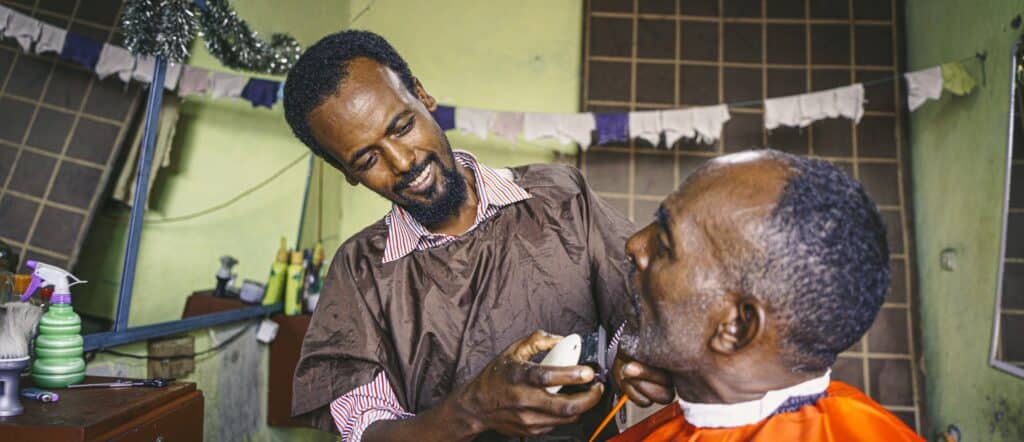
Dorcas’s work does not stop at training. A key element of the Employment Approach is actively connecting people with employers. Through mediation and job matching, Dorcas brings participants and businesses together, aligning expectations and supporting both parties as they transition into work.
The focus is on decent employment: jobs that offer fair wages, safe working conditions, and respect for dignity. Employment should provide stability and the opportunity for growth, offering not just an income for today, but a foundation for the future.
Looking beyond the individual
We recognise that employment or self-employment outcomes are shaped by more than personal effort alone. That is why the Employment Approach is embedded in a broader effort to strengthen local systems. Dorcas works with employers, training institutions and local actors to make labour markets more inclusive and responsive, especially for women, youth and marginalised groups.
Employment as part of a bigger picture
Employment is most effective when combined with other forms of support. Psychosocial wellbeing, social networks and basic livelihood security all play a role in people’s ability to engage in work and sustain it over time.
By integrating employment or self-employment with wider livelihood, social and resilience programmes, Dorcas supports pathways that last. Step by step, people gain the confidence, skills and opportunities they need to build a dignified and more secure future for themselves and their families.
The Roma community, Europe’s largest ethnic minority, faces many deep-rooted challenges. Many Roma people experience exclusion, discrimination and isolation from the societies in which they live. Poverty and unemployment remain widespread, and opportunities for economic advancement are limited, particularly for women and young people. These vulnerable circumstances also put some at risk of human trafficking, which is a pressing issue in Romania.
For many Roma, discrimination starts in childhood. From the very beginning of their education, Roma children often face social exclusion and are treated as outsiders, setting a pattern that can affect them throughout their lives. This early marginalisation has lasting consequences, limiting opportunities later in life and making it harder for people to flourish socially and economically.
Vocational training for women
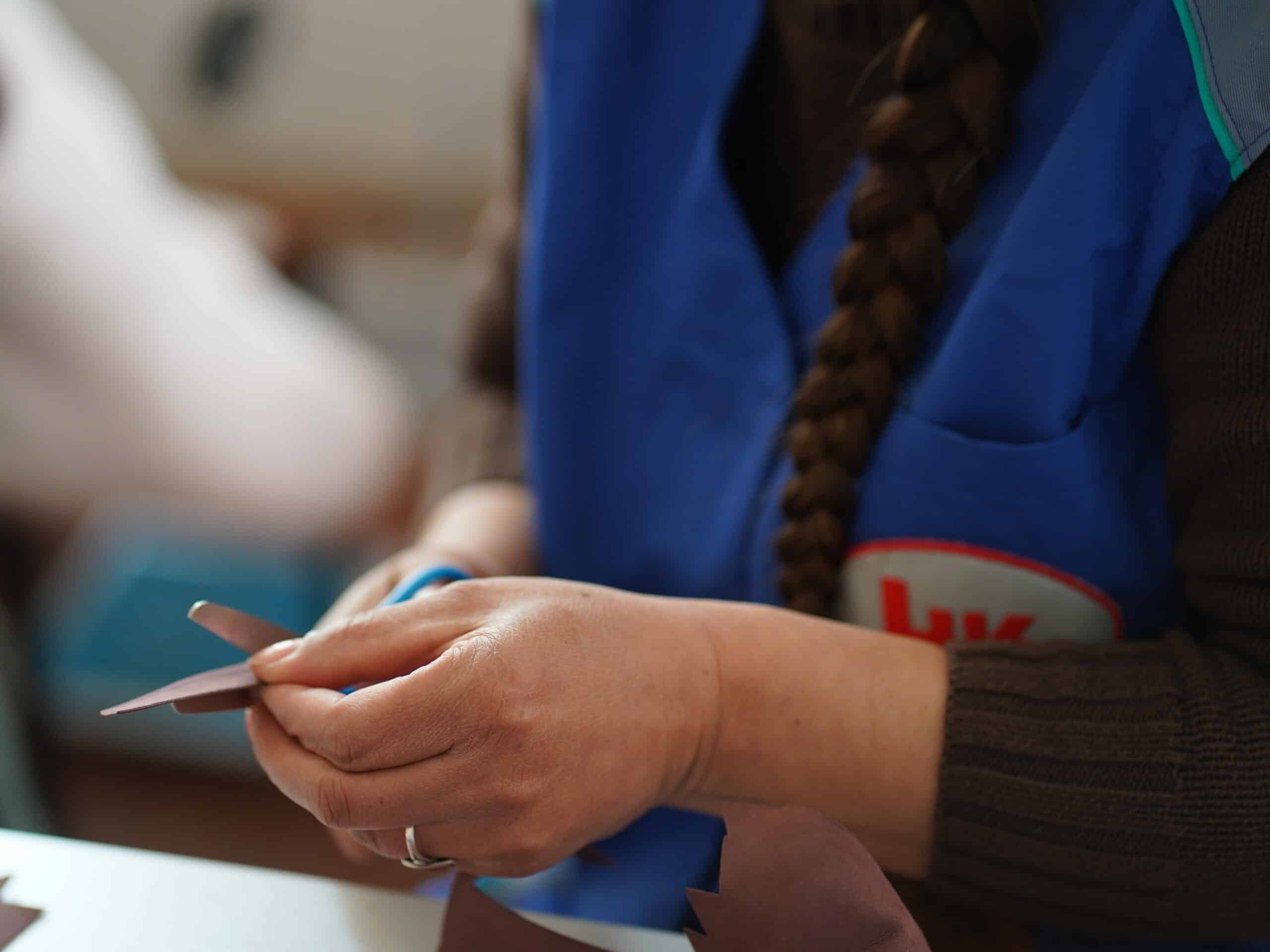
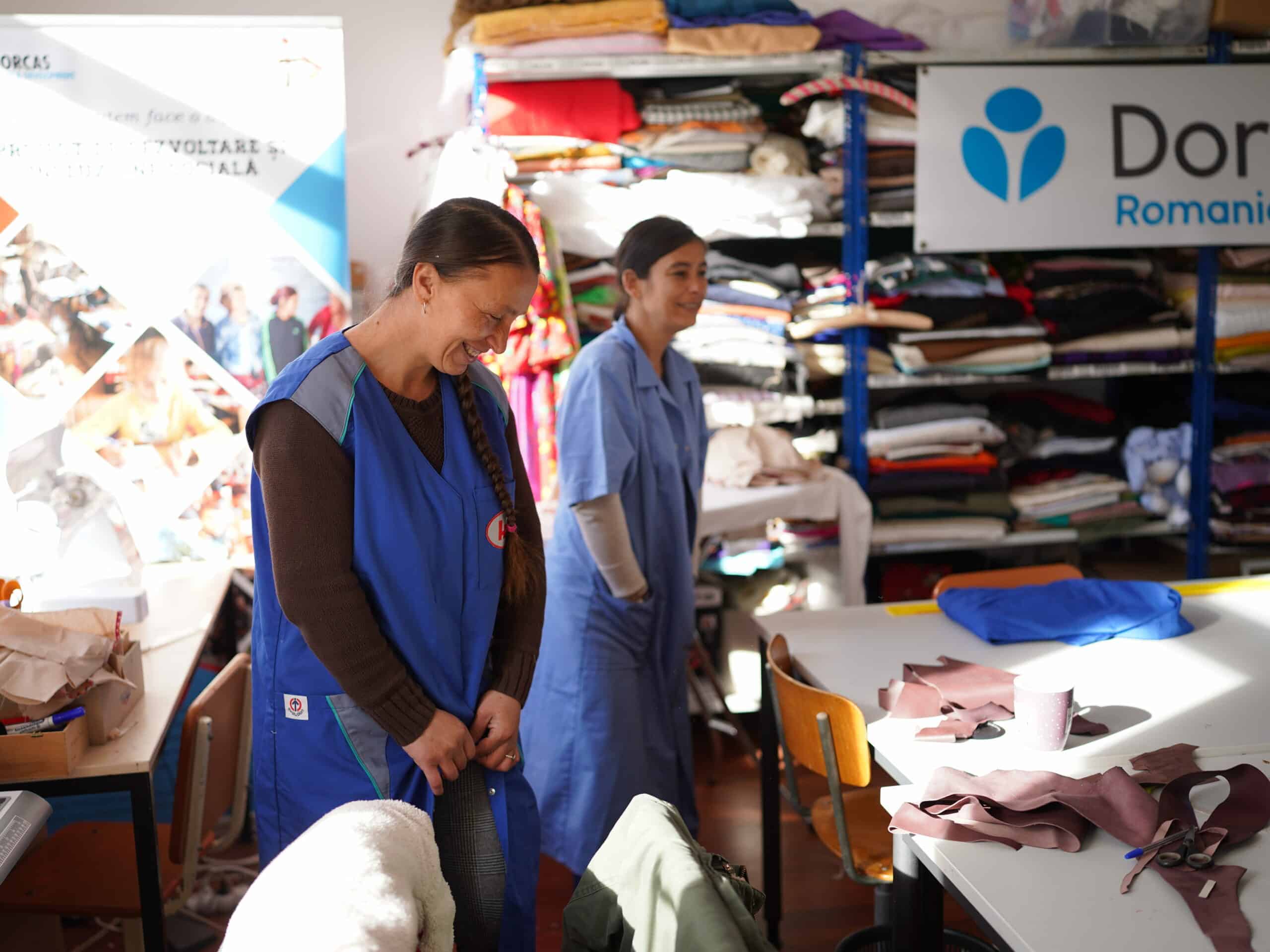
In a project that concluded last year, Dorcas empowered Roma women by providing them with vocational training, including sewing workshops. This enabled Roma women to gain the practical skills needed to generate income and achieve greater economic independence.
Ioana is one of the women who took part in this. Before joining, she and her family struggled to make ends meet. The mother of three could only afford to send her son to school, not her two daughters. Ioana learned about Dorcas through her son’s school. Thanks to the project, her daughters were able to attend school, and Ioana enrolled in vocational training, learning to sew. She is now a skilled seamstress. Ioana shares:
‘I am really grateful for everything the Dorcas project has done for my family. My children are receiving an education I never had and have a better chance of finding a job. I hope that other Roma adults, especially women, will have the chance to acquire the vocational and social skills they need to find employment and live a decent life. And I long for the day when all Roma are no longer viewed as outsiders but are instead valued members of the local communities in which they live.’
Looking ahead
Our approach in Romania is designed to improve the long-term situation of the Roma community. Building on previous projects within the community, our current initiative began on 1 March and focuses on advocacy and fundraising, while promoting inclusion and combatting human trafficking.