Millions of people in Ukraine currently have no electricity, light or heating, and winter is bringing temperatures well below freezing. ‘The situation is critical due to ongoing drone and shell attacks,’ says Bohdan, Security Officer at Dorcas Ukraine.
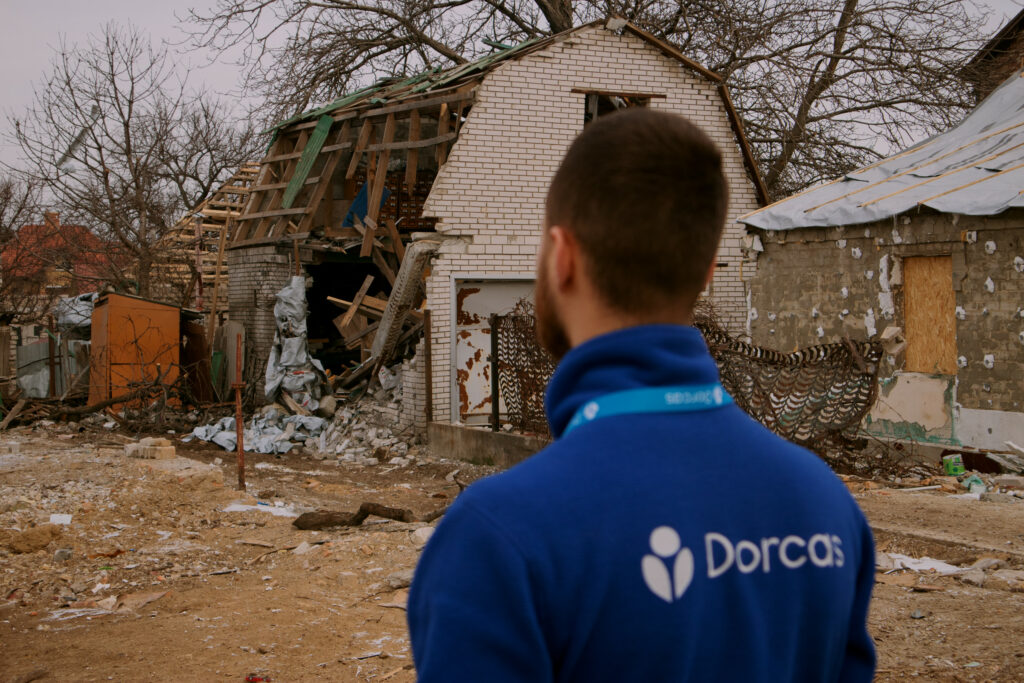
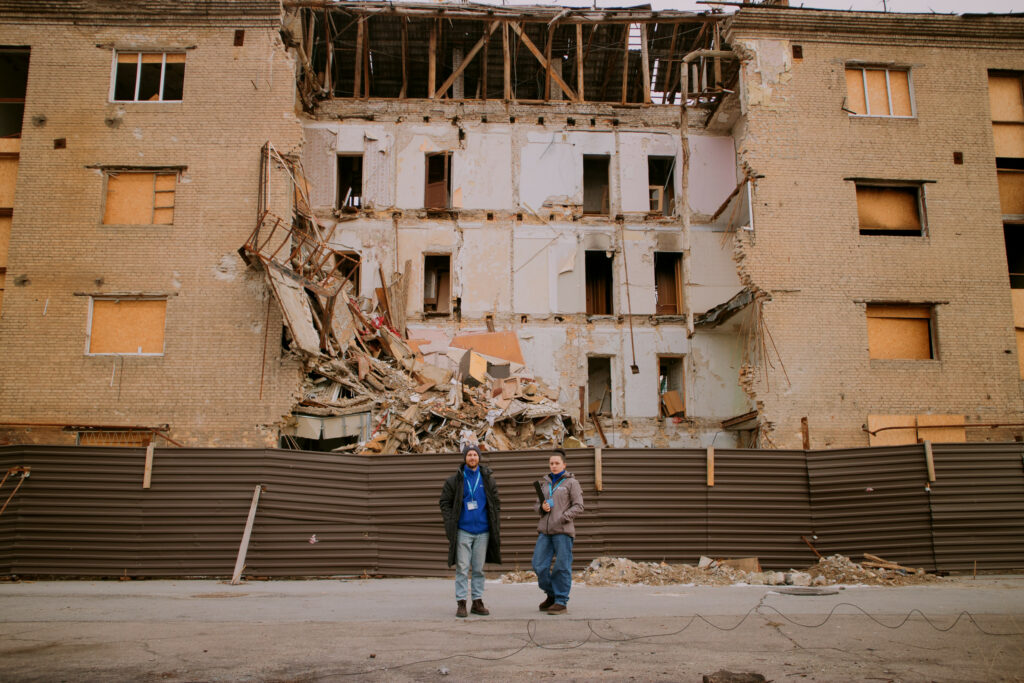
The situation in the city of Zaporizhzhia is particularly severe. ‘There are many damaged houses and apartment buildings that have become uninhabitable due to the shelling,’ explains Bohdan. The entire eastern region around Zaporizhzhia is close to the increasingly volatile front line. ‘The attacks make it unsafe to go outside. Essential services, such as electricity, frequently fail, often for more than ten hours a day.’
Bohdan and his colleagues have been visiting the city to assess where assistance is required. Life in these freezing temperatures is extremely tough. He explains: ‘Older people are finding it particularly hard to cope with the icy conditions, due to constant insecurity and their limited mobility.’
Emergency kits
The extreme cold can quickly become a ruthless enemy, particularly for young children, people with disabilities and older people. To support those in need, Dorcas provides portable emergency kits that enable people to cook, keep warm and maintain contact with family and emergency services.
Each kit contains:
- 1 × mini portable gas stove with gas cartridges for 3 months.
- 1 × rechargeable torch.
- 1 × thermal blanket.
- 1 × sleeping bag suitable for extreme cold.
- 1 × power bank.
- 1 × thermos flask.
Bohdan emphasises: ‘This support is urgently needed to ensure the safety and health of those on the front line.’
Donate to our emergency support
José Salema, Country Director of Dorcas Yemen, clearly remembers the moment he was asked to provide support to a remote village. ‘It was after a devastating flood,’ he says. ‘Everything was underwater. The harvest was lost, the wells were contaminated and diseases broke out. Worst of all, people could not reach the hospital.’
During the rainy season, the village is located close to a river and far from any basic facilities. There are no markets, schools or hospitals nearby. Most families have no regular income and survive by doing seasonal agricultural work in a neighbouring village on the other side of the river. Life across the river could not be more different: there are solid houses, jobs, food, a bustling market and good facilities. The contrast is stark. These differences often lead to tension and conflict between the villages.
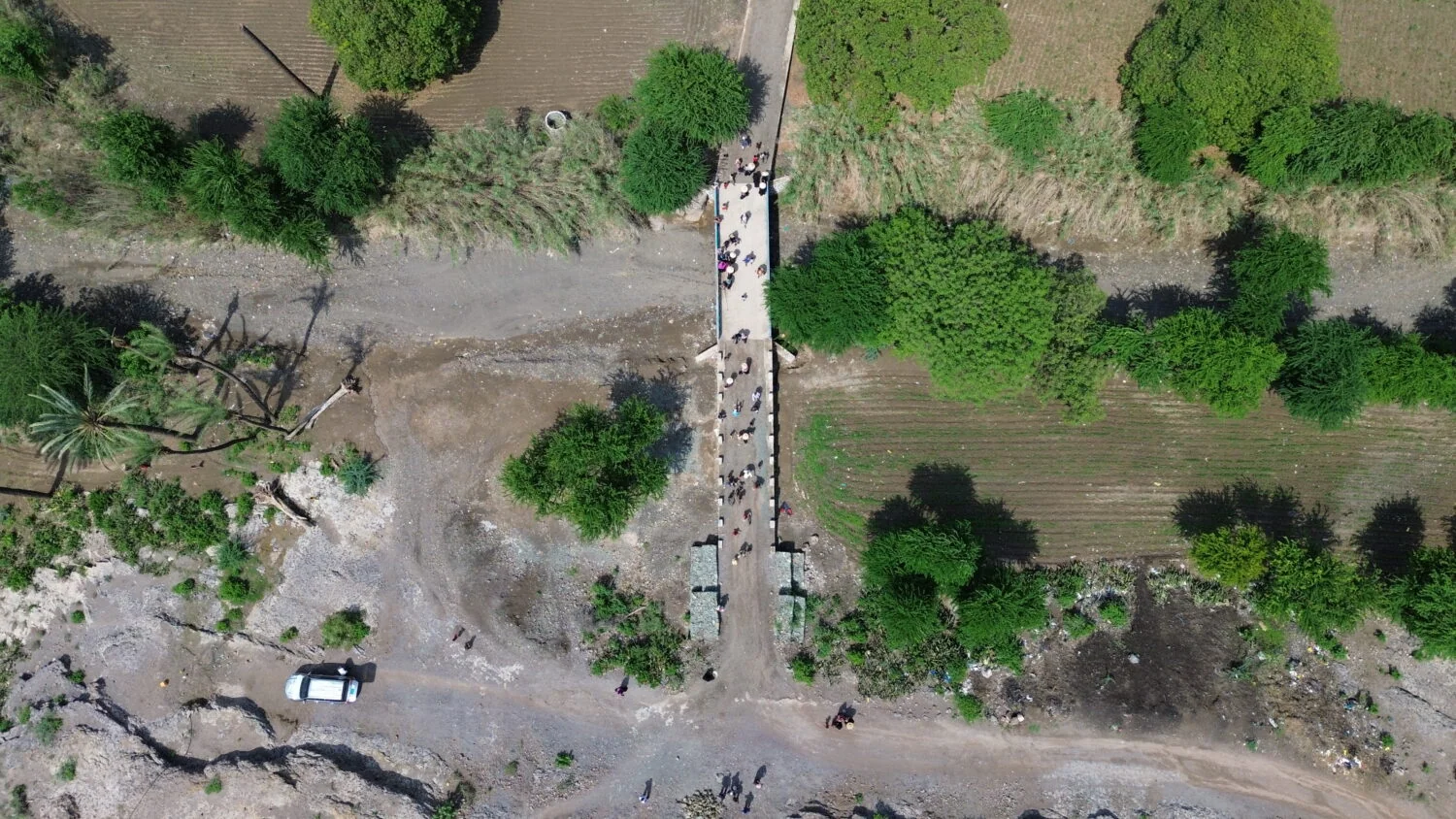
Following the flooding, Dorcas provided emergency assistance in the form of food, clean drinking water, and medical care. However, José and his team wanted to do more than simply provide emergency supplies. José: ‘We asked the people, ‘What do you need to prevent this from happening again?’ The answer was surprisingly simple: a bridge.’
The bridge is a lifeline
For the villagers, the river forms both a boundary and an obstacle. When the water rises, it is impossible to cross. This means no work, no school and no access to healthcare. ‘With a bridge, daily life can continue even when the river floods,’ explains José. ‘Children can go to school and pregnant women can reach the doctor.’
The construction of the bridge was a joint effort. Local contractors and labourers worked alongside the villagers, who received training and built it stone by stone. ‘They are very proud,’ José says. ‘It is their bridge. They have shown that they are capable of creating something valuable. This boosts their confidence and self-worth.’
A bridge to flourishing
The bridge brought with it some unexpected benefits. During construction, the idea emerged to tackle the water problem more structurally as well. ‘We installed an irrigation system that drains excess water and channels it to farmland,’ explains José. “Now the crops no longer flood. There is now enough food for everyone.’
In the past, villagers had to ask their employers for food during difficult times, which often caused tension. Now there is stability. There are no more lost harvests, hunger or conflict. ‘The bridge and the irrigation system have transformed life in the village,’ says José. ‘People are in closer contact with one another, and that also reduces tensions.’
Find out more about the work of Dorcas Yemen!
Distributing food in blue buckets to older people and families in vulnerable situations is at the heart of Dorcas’ Blue Bucket Campaign in Eastern Europe. However, the initiative is about more than just providing food: it also focuses on offering personal attention, restoring self-confidence and fostering stronger communities.
In addition to the annual Dorcas Food Campaign in the Netherlands, Dorcas runs a separate food initiative called the Blue Bucket Campaign. This campaign takes place each year in Moldova, Romania, Ukraine and Albania – countries where Dorcas operates in Eastern Europe.
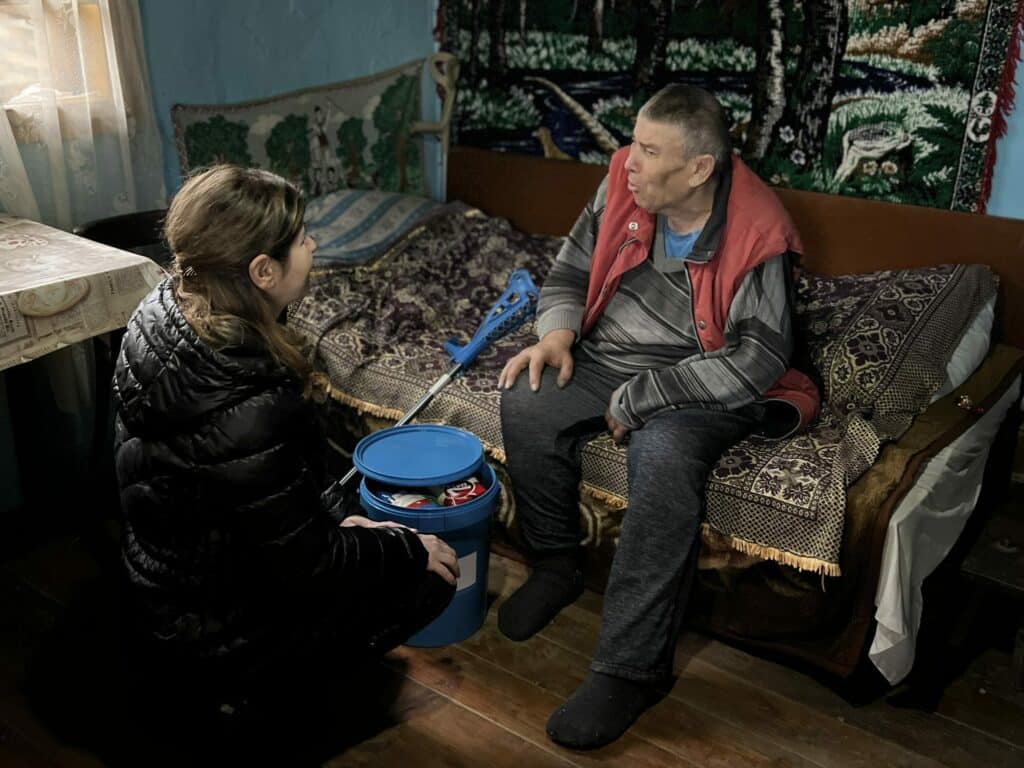
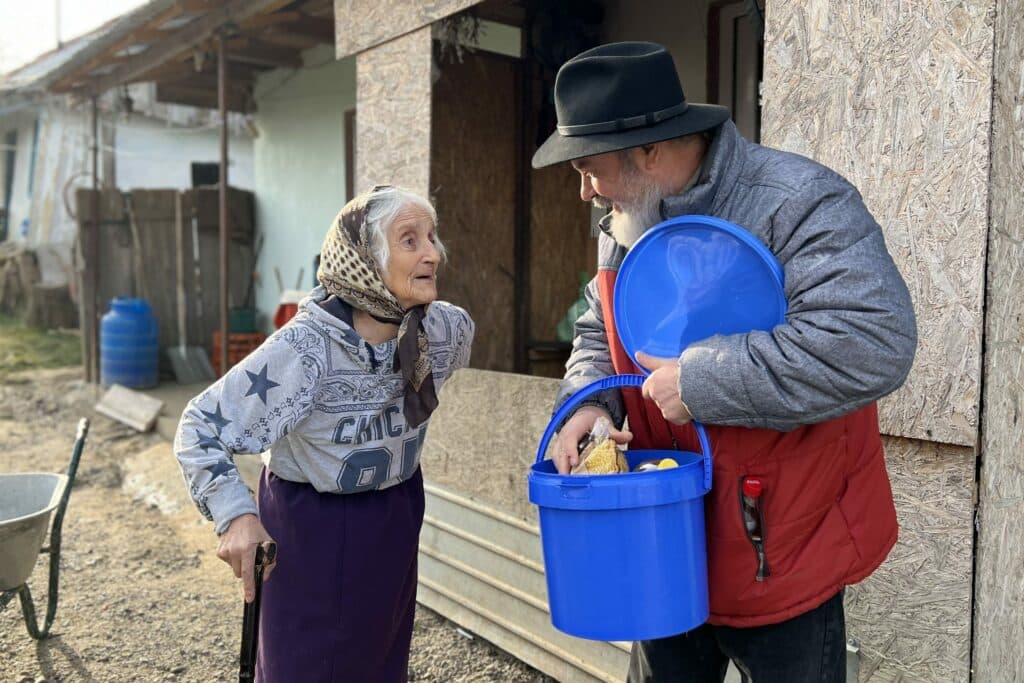
Volunteers, churches and schools collect food in blue buckets for older people and families in vulnerable circumstances. The buckets primarily contain non-perishable items such as oil, flour, and beans, though local fresh produce is often included too.
Attention and appreciation
For many of those who receive the buckets, the food provides a welcome addition to what little they have. However, distributing food involves much more than just handing over supplies. Volunteers who deliver the buckets take the time to chat, offering personal attention that makes older people feel seen and valued. These interactions restore dignity and offer renewed hope for the days ahead.
A snowball effect
The Blue Bucket Campaign has been running in Romania since 2009. Food and monetary donations are collected from supermarkets and other locations.
‘Our campaign grows every year. It truly has a snowball effect. Last year, we almost doubled our efforts, collecting an impressive 5,860 buckets of food,’ explains Mihai Coste, Programme Coordinator at Dorcas Romania.
‘This year, we aim to expand the campaign further. We are seeking to engage more partners and have established a volunteer committee to coordinate the initiative here in Cluj, where our office is located. By involving additional stakeholders, we can reach and assist even more people.’
A social safety net
The Blue Bucket Campaign has a significant impact on communities. It raises awareness of the difficult living conditions often faced by the older generation. It encourages people to look out for one another and offer support to those in need.
Mihai adds: ‘We strive to involve as many community members as possible. We collaborate with churches, volunteers, local development organisations and businesses. Through this approach, we aim to build stronger communities. Ultimately, this creates a social safety net within the community itself, reducing long-term dependency on our assistance.’
> Find out more about the Blue Bucket Campaign <
Across Kenya, communities are experiencing the growing impacts of climate change. Rainfall has become increasingly erratic, harvests are less reliable, and many rural families struggle to secure enough food throughout the year. In the semi-arid county of Kitui, these pressures are compounded by environmental degradation caused by illegal charcoal production, which has accelerated deforestation and reduced vital sources of forage for livestock and bees.
To address these challenges, Dorcas Kenya works with local communities to build climate-resilient livelihoods, increase incomes and strengthen household food security. Through the Honey Value Chain Project, farmers are organised into Farmer Field Schools where they receive training on best production and harvesting methods, modern beehives, and support to connect with cooperatives, enabling them to sell their honey together at fair prices.
One of the farmers who embraced this opportunity is Justus Makau Mutua, whose story reflects the hope and transformation this project brings.
Choosing a sustainable future
Justus (33) lives in Kitui County with his wife and their two children, a seven-year-old and a four-year-old. After graduating from the University of Nairobi with a degree in Commerce, he made the deliberate decision to return to his home village rather than seek employment in the city. He opened a small butcher’s shop at the local market and traded livestock, but the income was inconsistent and insufficient to support his family.
Meanwhile, life in Kitui was becoming increasingly difficult. Years of failing rains left many households facing food shortages. As trees disappeared due to charcoal production, pastureland and bee forage were depleted. When Dorcas Kenya launched the Honey Value Chain Project, Justus grasped the opportunity to build a more resilient livelihood.
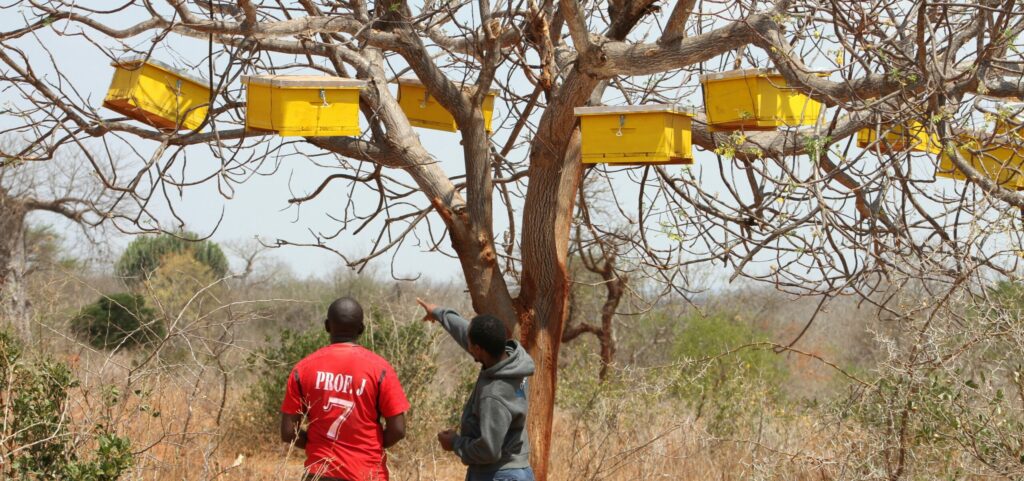
Although beekeeping in his community was traditionally practised by older men, Justus decided to give it a try. In 2021, he cautiously began with ten modern hives, which were provided through the project. He soon saw results.
With training from Dorcas Kenya, he learned how to set up an apiary, attract and manage colonies, and safely harvest and process honey. Techniques such as cleaning hives with basil and applying beeswax increased his productivity. Dorcas Kenya also connected his group to cooperatives, enabling farmers to sell their honey collectively and secure fair prices.
Today, Justus manages 60 hives. He is the secretary of his local beekeeping group and encourages young people and women to take up the practice, challenging long-held stereotypes in the process.
Improved income and better food security
This year, Justus harvested 235 kilograms of honey, earning him 63,450 Kenyan shillings (approximately €460). This income enables him to pay his children’s school fees, buy food for his family and reinvest in his butcher’s business. His success has also inspired those around him: his father, Mzee Mutua, has started keeping bees too, and now manages ten hives alongside his son.
For families like Justus’, beekeeping directly contributes to food security. Honey is a reliable product that can be harvested even in difficult seasons. Meanwhile, Dorcas Kenya is working with communities on landscape restoration and climate-smart practices to ensure that there is enough forage for the bees year-round.
Justus dreams of expanding to 200 hives and using the additional income to invest in rental housing. However, his motivation goes beyond personal growth. ‘I want to show other young people that beekeeping can offer a dignified and sustainable livelihood,’ he says.
Through the Honey Value Chain Project, Dorcas Kenya continues to support farmers like Justus in building resilience, restoring the environment and securing a more stable future for their families.
Food is a fundamental human right, yet hunger remains a global issue. According to the Food and Agriculture Organisation (FAO)1, around 673 million people around the world living with hunger due to adverse conditions such as weather shocks, conflict, economic downturns and inequality. In response to this global crisis, Dorcas organises the annual Dorcas Food Campaign (in the Netherlands). Through this campaign, we raise awareness, mobilise resources and implement sustainable solutions that enable communities to flourish. Thousands of dedicated volunteers play a crucial role in the campaign, working tirelessly to raise funds and support various initiatives.
The Food Campaign takes a holistic approach to food security. It addresses both immediate needs and builds the foundations for long-term resilience. Beyond emergency food distributions, Dorcas supports marginalised households by training them in sustainable farming techniques and providing them with the materials they need. We also provide skills training and support for people to start their own businesses.
1. Food distributions during emergencies
These distributions are meant to provide food to people in immediate need. For example, people who have lost access to food and water due to a natural disaster or conflict. They receive food or money to support them through this first difficult period.
Barkitha from South Sudan. Barkitha left South Sudan for Sudan many years ago, but after her husband passed away and conflict erupted, she returned home with her children, facing hunger and uncertainty. ‘We had nothing, and my children cried from hunger.’ Then, through Dorcas, she began to receive monthly food parcels and a small cash grant containing flour, oil, beans and salt.
‘With this support, we had enough to get through the first few months. This support gave me the strength and space to make plans for the future.’ Dorcas also provided her with tools for growing grain and nuts. ‘Now I can produce food myself and no longer have to worry whether my children have enough to eat.’
Barkitha’s story highlights the critical role these parcels play as a first step in supporting people to rebuild their lives after emergencies. Dorcas brings this type of support to countless households facing displacement and hunger in the thirteen countries where we work.
2. Growing food
As well as providing immediate emergency assistance, Dorcas also addresses the underlying causes of food insecurity through sustainable agriculture initiatives. We provide households living in poverty with seeds, tools and training to cultivate crops and do this in a climate-smart way. For example, through the Participatory Integrated Planning (PIP) we support farmers to collaborate in decision-making and resource management, enhancing their ability to adapt to climate changes. This ensures they have healthy food all year round.
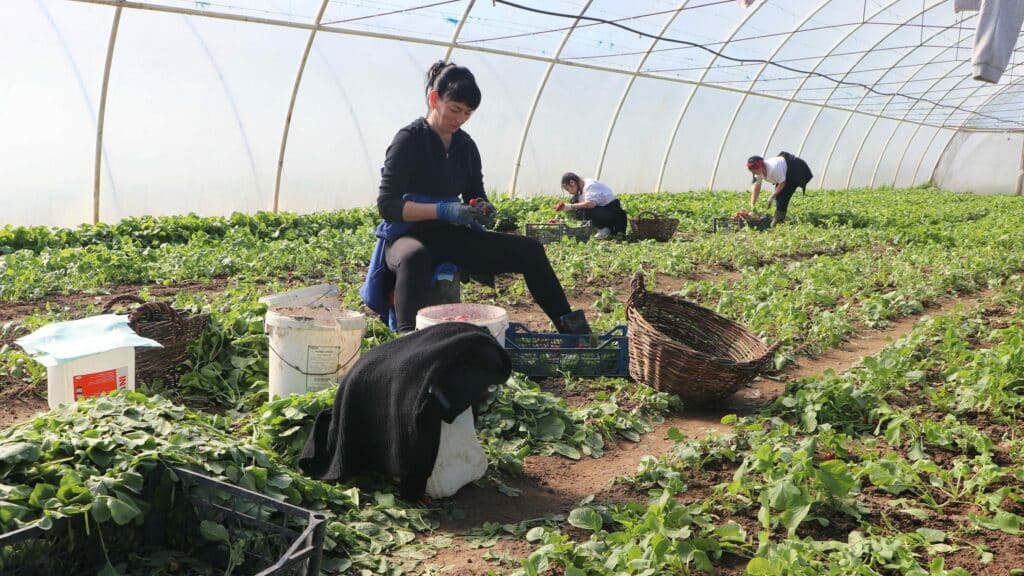
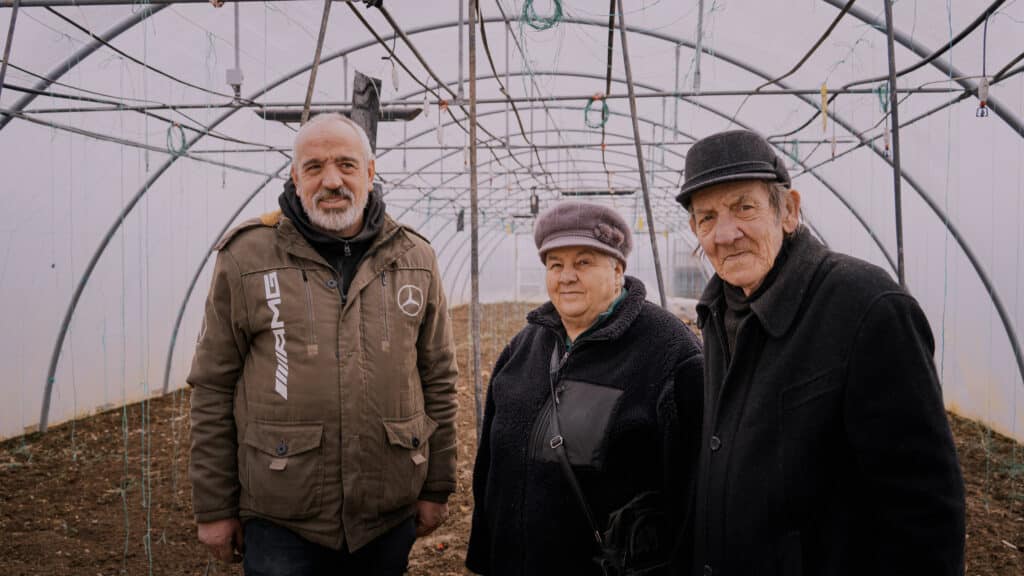
Vasyl and Renate from Ukraine: Due to ongoing conflict, Vasyl lost his job, leaving his family struggling to make ends meet. Dorcas provided them with materials to expand their greenhouse and training in growing and marketing. Now, they have enough food and income to support their family.
3. Earning food through a new occupation
Dorcas provides (skills) training and support for people in vulnerable situations to start their own businesses. This will put food on the table – now and in the future.
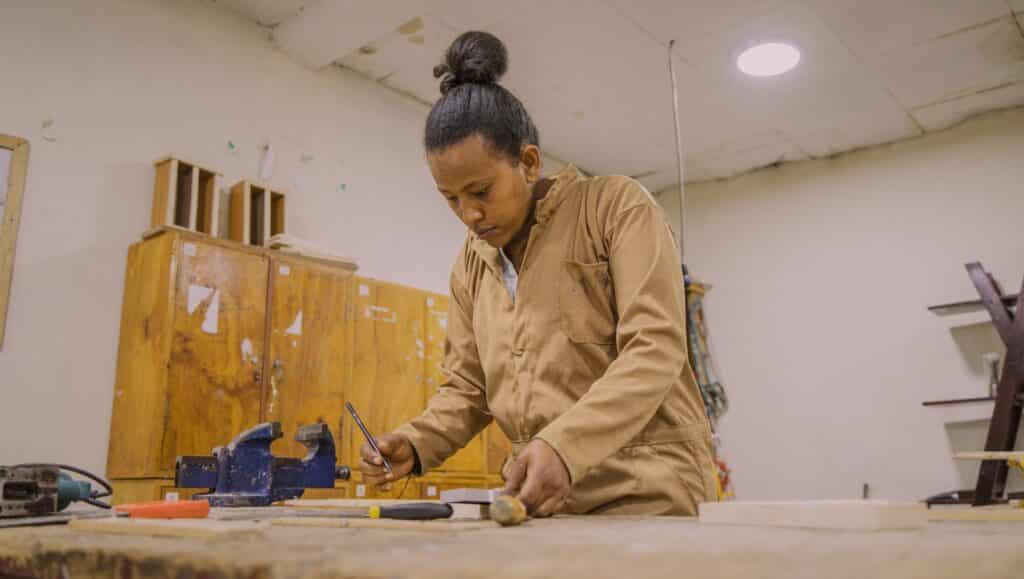
Mahalled from Ethiopia: In Ethiopia, Mahalled took any short-term work she could find, but it wasn’t enough to sustain her family. With her husband’s limited income, she turned to Dorcas and enrolled in a woodworking course. Once she completes the course, she plans to open a workshop named after her daughters: Sosena & Bitanika Furniture Making Workshop.
Mahalled’s experience highlights the importance of skills training in changing personal situations, empowering people to improve their lives and support their families.
Building resilience through food security
Food security has a profound impact on the well-being of people and communities around the world. It affects not only personal health and development, but also broader societal stability and growth. When communities lack access to sufficient food, the consequences go beyond hunger, affecting education, economic productivity and social cohesion. The stories of Barkitha, Vasyl, Renate and Mahalled illustrate how access to nutritious food can transform lives, build resilience and empower people and communities to build a sustainable future.
Through the Dorcas Food Campaign, we want to contribute to a future where food security is accessible to all. Together, we can make a lasting difference in the fight against hunger.
Reading time: 3 minutes
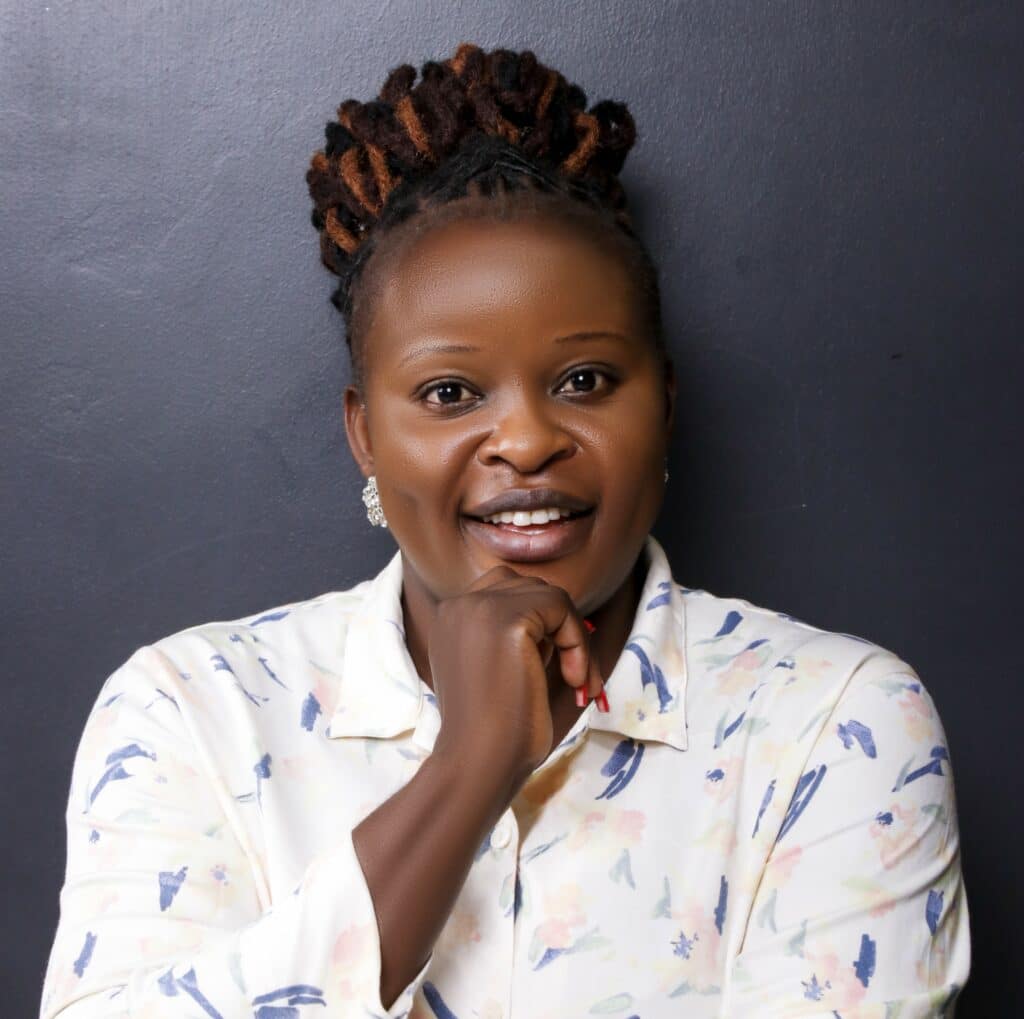
Brendah, 33, from Kenya, works for Dorcas on Climate Adaptation and Resilience. Brendah: ‘My passion for the climate started in primary school. To reduce greenhouse gas emissions from artificial fertilisers, we did a project on green manure fertilisers using Tithonia (Mexican sunflower, ed.). I decided to continue the research at home with our own crops. And it worked! It felt good to be able to provide an environmentally friendly solution at home.’
‘In my work for Dorcas, I contribute to solutions focused on self-reliance and climate resilience every day. The great thing is that children are also part of these solutions. For instance, we have established an afforestation programme together with schoolchildren. This is particularly important in areas where biodiversity has declined significantly. The children are allowed to plant a tree themselves and are given the option to practise at home by planting a tree there, too.’
‘It is wonderful to see how they take care of their own trees by watering them with bottles during dry periods. Through this project, children not only learn about the climate, but they also gain hope for the future. This is just one of the many climate initiatives that we are carrying out with the community. We are raising awareness among men, women, children, and young people.’
‘Why we should not give up’
‘It gives me enormous satisfaction that I can see first-hand how our initiatives are changing lives and ways of thinking. Many people live in poverty, so when someone is able to earn an income and send their children to school thanks to a climate-proof investment, it touches me deeply. In my work, I see a lot of dedication. From my colleagues and the people in the communities. They want change, and our projects give them hope. This is why we should not give up on development cooperation. Even if only to address the ongoing inequality and poverty in the world. However, it must be locally driven and supported by the local population. Only then will movement occur and opportunities be created.’
‘As a development worker, I have learned to be patient. Real change takes time. God calls us to take that time to care for the earth and support people so they can flourish. However, we cannot achieve this alone in Kenya. We also need support from the Netherlands. That is why I am appealing to you: to keep praying and giving. The people of Kenya are not helpless; they are resourceful and determined. They just need the means.’
What would I say to young Brendah?
‘That a better, more sustainable future is getting closer and closer!’
This interview was originally published in the Nederlands Dagblad on Saturday, 28 June. You can read the article (in Dutch) here.
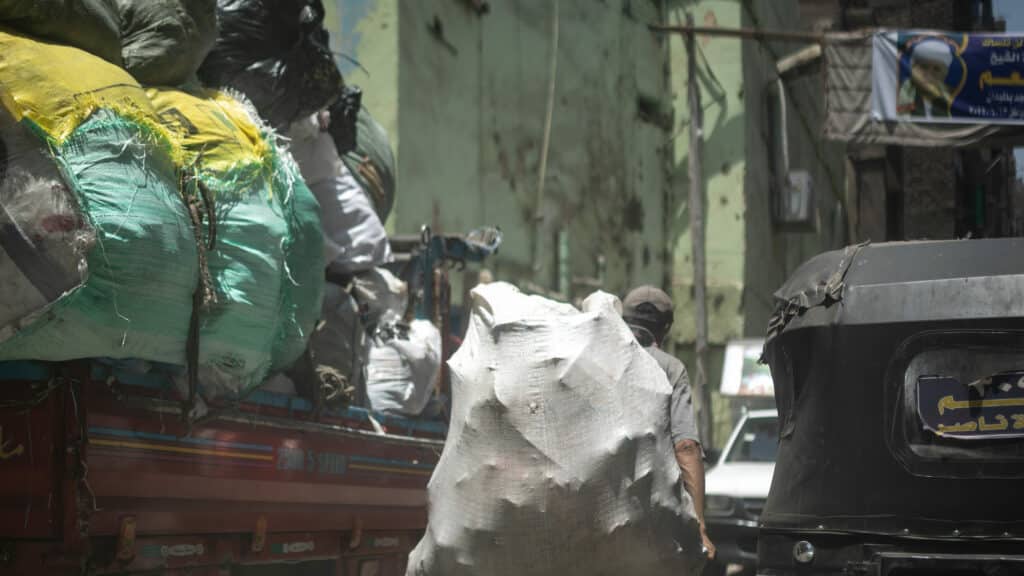
In one of Cairo’s most marginalised communities, commonly referred to as the ‘garbage collectors’ district’, families live under constant strain from poverty, violence and social exclusion. Women and children are particularly affected, facing unsafe living conditions, limited access to education and healthcare.
Since 2014, the Oasis Community Centre of Dorcas, operated by our implementing partner Live Vision, has played a vital role in delivering multifaceted support.
Supporting families to flourish
The Oasis Community Centre specialises in family-based interventions that address the needs of the entire household. By engaging parents, teenagers and children alike, we strengthen relationships and secure lasting change for the whole family. Our approach focuses on building the self-esteem and practical skills of every household member.
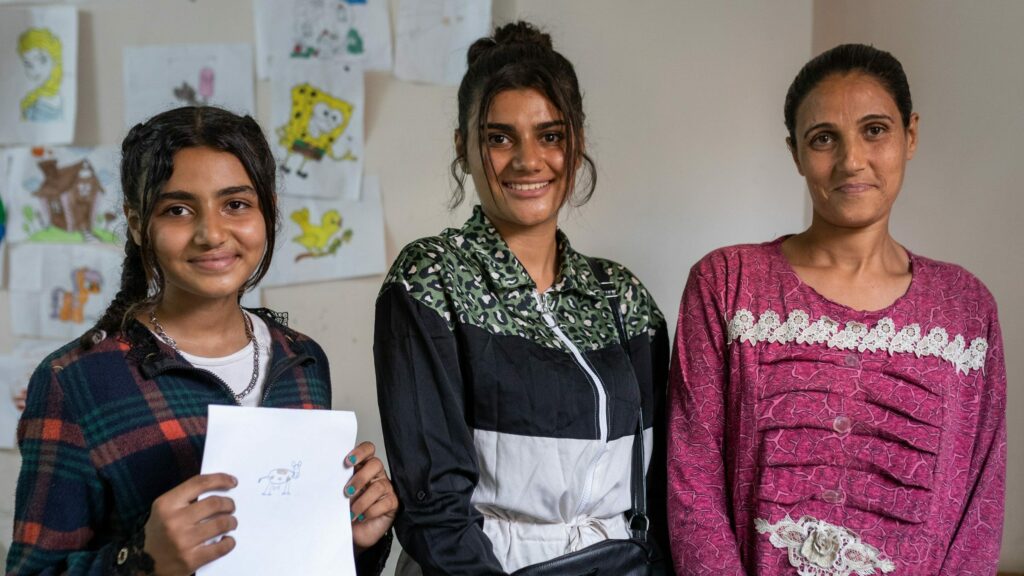
Nardeen, a dedicated team member at Live Vision, witnesses the impact of this work every day. She explains: ‘Children and their families receive essential material assistance, but they also gain important skills. We teach them how to manage money, provide additional educational support, and offer life skills training. For parents, there are courses on parenting. The wonderful thing is that these lessons stay with them for life.’
A key focus of the Oasis Centre’s work is the empowerment of women. Nardeen continues: ‘Many women who come to Oasis feel powerless and trapped in difficult circumstances. Standing up for themselves is not easy. That’s why we provide psychosocial support to help them process their emotions and build resilience. With adults, we focus on thoughts, feelings and behaviours. With children, we use play and creative therapy to support them to express themselves.’
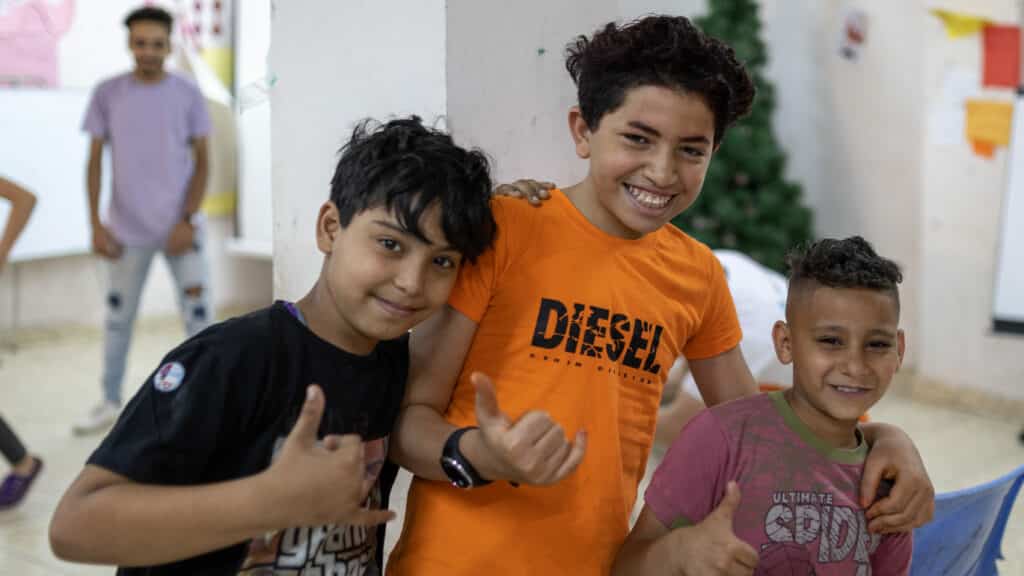
Rosemary, another member of the Live Vision team, works directly with children and observes transformation over time. ‘About a month after they arrive, I often see a change,’ she shares. ‘They’re happier, less anxious, and more caring towards others. They no longer fight or take each other’s belongings. My goal is to stand alongside children and their families – and to help bring about real, lasting change.’
Transformation to Oases
In the last three years, Oasis community centre has been on a transformational journey towards becoming the ‘Oases programme’. The ‘Oasis-model’ has been replicated across multiple community-based organisations (CBOs) and social initiatives. Through strategic partnerships, our reach and impact continue to grow, as knowledge and expertise are shared across the wider network.
Live Vision is now developing an Academy for Social Workers in Cairo to train professionals in approaches such as Asset-Based Community Development (ABCD), case-based management, and participatory methods, and is increasingly recognised as a Centre of Excellence, equipping other NGOs in Cairo and beyond to implement the Oasis model.
In line with this evolution, the centre is also operating as a social enterprise, with new income-generating activities (IGAs) being launched to diversify income sources and strengthen financial sustainability. We also encourage and support local staff, programme graduates and other community members to start their own social businesses. This enables them to create services that meet local needs and strengthen their community from within.
A key milestone in this transformation, has been the adoption of the Flourish programme. This model supports families through eight structured building blocks designed to support them to overcome multi-dimensional poverty. Grounded in social protection, the approach is always adapted to the unique circumstances of each household. Family-based care interventions are an essential part of this model, which means that economic support, protection measures and personalised care are delivered with the household as the central unit of change.
Advancing protection
At Dorcas, protecting people in vulnerable circumstances lies at the heart of our mission. Across all our programmes, we integrate protection measures that respond to the complex needs of those we serve. Key areas of focus include case management, mental health and psychosocial support (MHPSS), child protection, and women’s protection.
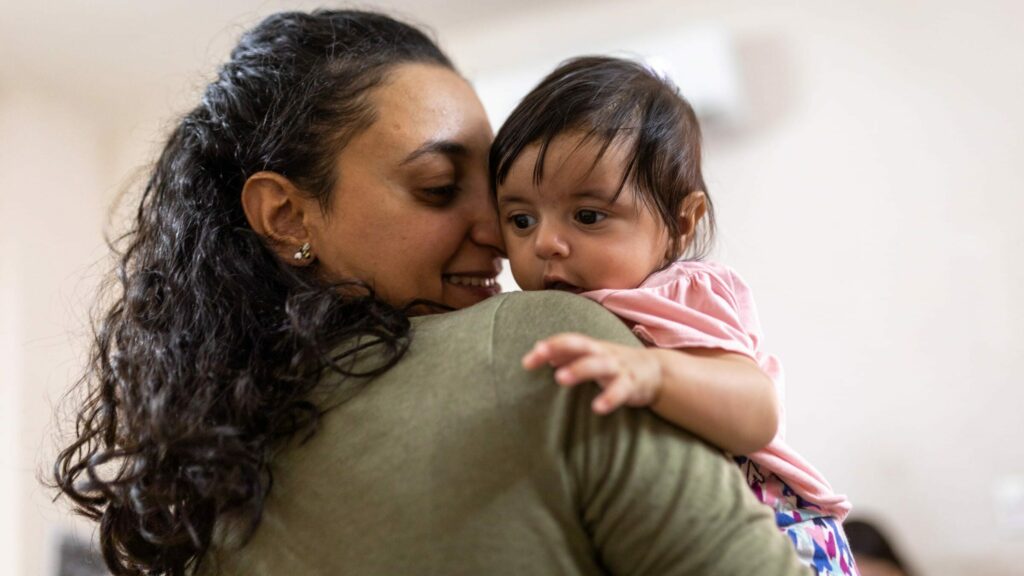
Over the past decade, one Oasis has grown into a network of Oases, safe spaces where families can take meaningful steps towards a future of dignity, strength and opportunity.
Reading time: 3 minutes
Mental health and psychosocial support (MHPSS) form an integral part of Dorcas’ work. One of the countries in which this assistance is currently particularly vital is Ukraine. Due to the ongoing conflict, many people are experiencing prolonged stress, uncertainty and disruption to their daily lives. Dorcas and its partners have recently adopted an approach that involves using music as a tool for psychosocial support.
MHPSS is essential in areas affected by crisis and conflict because such situations can have a long-lasting impact on people’s emotional well-being, relationships, and ability to adapt. MHPSS provides safe and supportive spaces where people can express themselves, rebuild trust and regain a sense of stability.
Dorcas Ukraine recently supported a training initiative in collaboration with the All-Ukrainian Mental Health Support Programme ‘How Are You?‘, the NGO ‘Sol Diez‘ and the organisation ‘Sounds of Change‘. Designed for education representatives, the training focused on using music as a tool for psychosocial support. Over the course of several days, participants were introduced to accessible methods such as rhythm, clapping, using boomwhackers and collaborative song-writing. These practices offer non-verbal ways to foster emotional connection, reduce tension and promote resilience. The training provided educators with techniques that they can implement immediately in their work to promote emotional well-being within crisis-affected communities.
Oksana’s experience: putting the training into practice
Oksana, a psychologist at the Centre for Resilience, participated in the training programme. She describes, ‘I have been interested in music for a long time. I feel that it touches deep levels of the psyche. I wanted to learn how to use sound and rhythm in working with emotions, especially when working with children.’
During the three-day training, she explored simple yet powerful techniques. Reflecting on the experience, she shared, ‘What impressed me most was how simple exercises with sound bring people together, reduce tension and evoke genuine joy. This was especially evident when we created rhythm together and each voice merged with the others. It was amazing – harmony without words.’
Upon returning to her work, Oksana immediately applied these practices with children from a family-type children’s home. The results were clear: emotional relief, increased contact and smiles. She plans to incorporate these music-based methods into her work with children, teenagers and adults.
Like Oksana, all the educators who received the training are now ready to use these music-based methods in their own settings. This is a significant step towards expanding accessible psychosocial support in communities affected by the conflict.
At Dorcas, we believe in creating lasting change by enabling communities to become self-sufficient. One of the key ways we achieve this is by developing social enterprises: businesses that exist to generate income and achieve a clear social mission. Designed to address pressing societal challenges, these enterprises operate on sound business principles. They create jobs, provide training opportunities, and reinvest profits in community development. For Dorcas, social enterprises are a pathway to dignity, inclusion and long-term resilience.
Social enterprises aim to solve social problems through entrepreneurial strategies, balancing economic sustainability with social impact. These businesses generate income through selling goods or services, and they often qualify for government subsidies, which enables them to sustain their operations and expand their impact.
The Fairytale Oven
Cuptorul de basm (The Fairytale Oven) in Trușești, Romania, is more than just a bakery. It is a prime example of a social enterprise that fosters inclusive employment, strengthens communities and promotes sustainable impact in rural areas. By providing training in bread production, marketing and basic business skills, it supports participants to build confidence and gain valuable professional experience. Dorcas Romania has played a pivotal role in supporting this enterprise by providing financial investment, expertise in social economy development and capacity building for the local association.
Understanding social farming
Another example of a social enterprise is Dorcas’s work in social farming. Social farming involves using agricultural resources, such as plants and animals, to provide health, social and educational services to groups in vulnerable circumstances. These groups include individuals with mental or physical health needs, those facing social exclusion, long-term unemployment or addiction recovery. Unlike clinical settings, social farms offer a natural, non-institutional environment where people can engage in meaningful work, build self-esteem and improve their well-being.
Activities on social farms can include animal care, vegetable cultivation, fence maintenance and food production. Often run by family farmers in partnership with care providers, these farms offer flexible, community-based alternatives to institutional care. Financing comes from a combination of product sales, government subsidies and payments from care organisations for services provided.
Dorcas’ strategic approach
Dorcas implemented social enterprises in Romania, Moldova and Albania. These initiatives support people in vulnerable circumstances and provide farmers and the bakery with additional income streams and a sense of purpose. The benefits extend beyond the individual to the wider community, fostering inclusion, reducing stigma and strengthening local economies. Our broader vision is to transition from providing assistance to promoting sustainable, locally driven initiatives. This involves supporting our partners and community organisations so they can become self-sufficient. By adopting social enterprise models, these organisations can generate their own income and, in some cases, qualify for government funding.
In essence, social enterprises are not just projects; they are movements. They represent a shift in how we think about development, moving from dependency to dignity and from giving to growing.
Reading time: 4 minutes
Although we can catch glimpses of global events through the media, many crises remain underrepresented. The complex situation in Yemen is a case in point, despite the urgent need for greater support. Yemen is grappling with a deeply challenging and complex situation that calls for our attention.
Current situation
The current situation in Yemen is calm yet tense, with the shockwaves of developments in the Middle East reverberating throughout the country. Aden and neighbouring governorates in the south and east are experiencing economic and logistical instability, widespread power cuts and the spread of viral diseases.
Protests have been ongoing for over a month as citizens express their frustration over the collapse of the currency, the skyrocketing prices of basic commodities and the high cost of living. The situation is further compounded by deteriorating health and education services and delays in salary payments.
A major development this year has significantly impacted the operational environment. The US Government ordered all humanitarian and development actors receiving US funding to halt operations in Northern Yemen. As a result, some organisations had to withdraw from their target areas.
Alarming food insecurity
Yemen is also facing alarmingly high levels of food insecurity, with some populations now at risk of famine (IPC Phase 5) for the first time since 2022. Currently, 17.1 million people, nearly half of the country’s population, experience high levels of acute food insecurity (IPC Phase 3 or above). Projections suggest that this figure could increase to 18.1 million people between September 2025 and October 2026, highlighting the severity of the humanitarian crisis and the necessity of ongoing intervention.
The delayed rainy season has led to dry conditions persisting across Yemen, heightening the risk of drought and exacerbating water scarcity. These climatic challenges are placing an additional burden on communities that are already struggling.
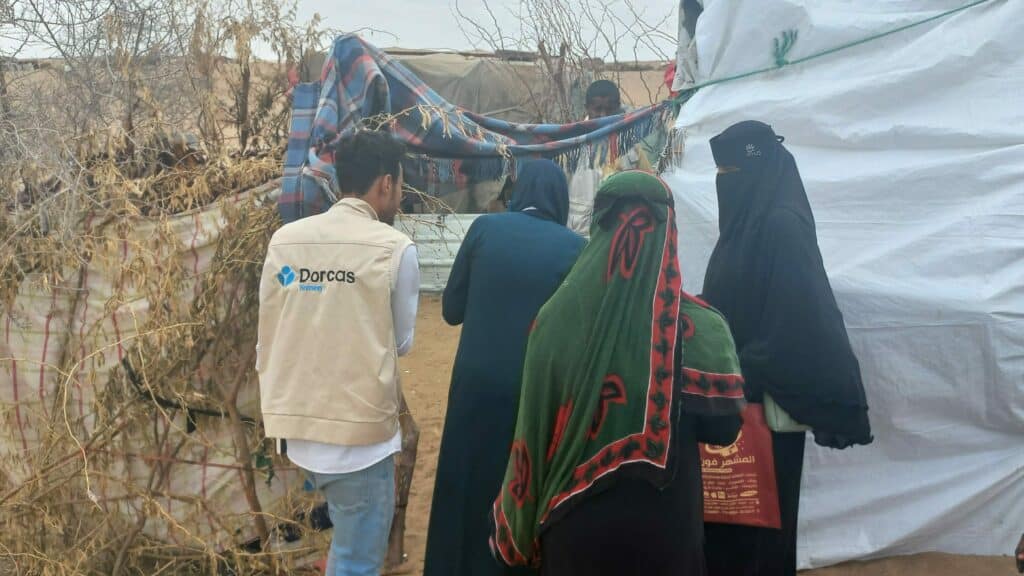
Dorcas in Yemen
Dorcas Yemen is dedicated to supporting displaced people, host communities, women and children. Additionally, we focus on people with disabilities and socially marginalised groups. We implement programmes in various sectors, including health, water, sanitation and hygiene (WASH), food security and livelihoods and protection.
One of our key strengths is our ability to build networks and encourage acceptance within local communities. This involves collaborating with local partners and volunteers to reach marginalised people who are the most difficult to access. Despite the challenging situation and growing needs, Dorcas remains deeply committed to supporting those in need.
José Salema, Dorcas Yemen’s Country Director, says: ‘From experience, I know that the Yemeni people are very resilient. Despite the current obstacles, we will continue to push forward and support our project participants as we work together to build a better future in Yemen.’
He continues, ‘For now, our key priorities lie in responding to humanitarian needs in close collaboration with established clusters and local institutions. Together, we are reinforcing efforts to mitigate food insecurity and optimise water harvesting and usage. Additionally, we are focusing on improving project participants’ livelihoods and their access to markets.’
Call for action
A month ago, 116 humanitarian organisations, including Dorcas, called for immediate action to prevent Yemen’s descent into further crisis. In light of this collective call for action, it is crucial for humanitarian organisations to align their strategic priorities, including scaling up development assistance and advocating for flexible, timely and predictable funding.