‘The community includes you and sees you’: how Community Safety Nets support older people
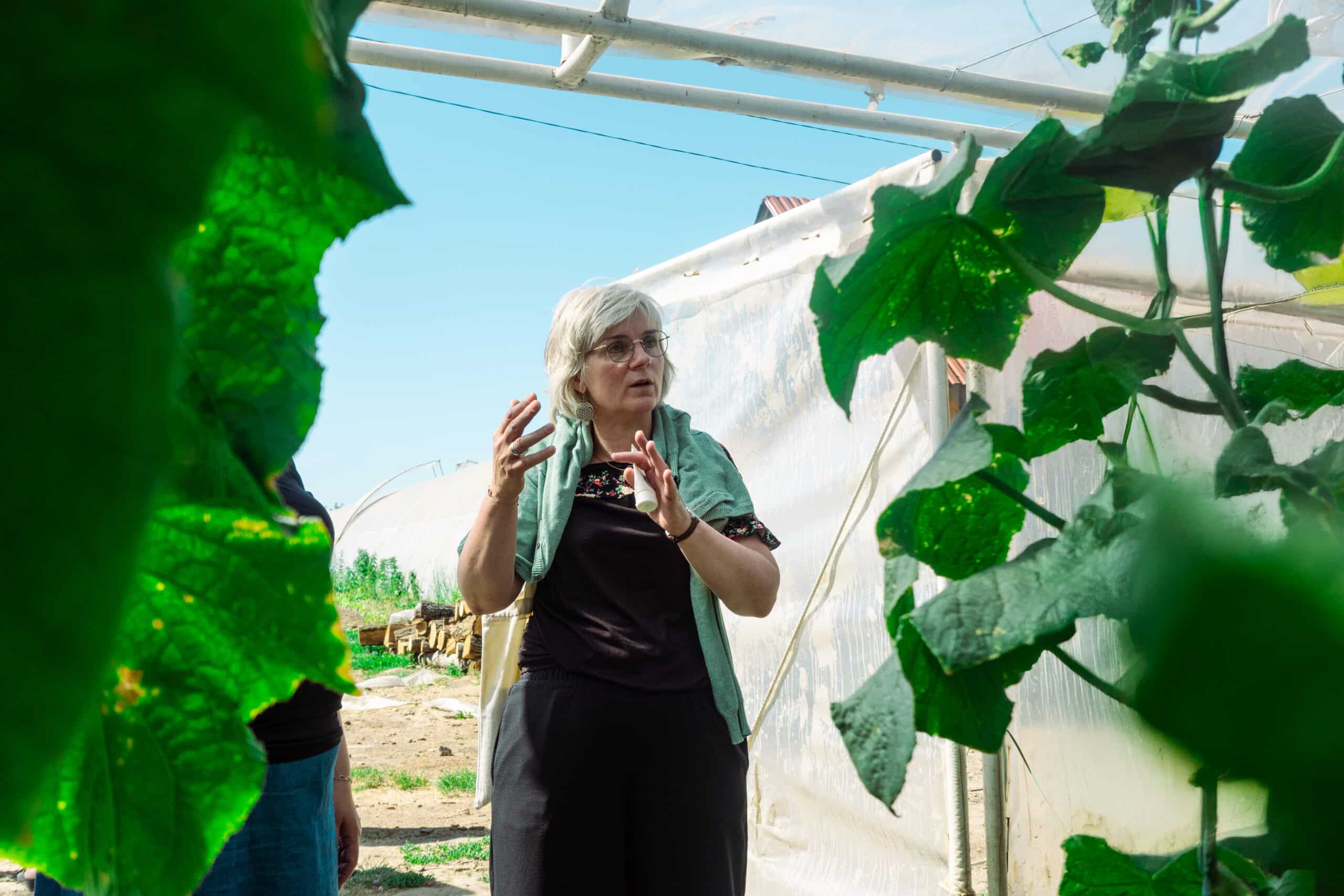
Photo above: Arendje visits a CSN partner in Ukraine, where volunteers help run a greenhouse that generates income for CSN, provides vegetables to older people and supplies a community kitchen.
Being part of a community matters. However, for older people living in poverty, experiencing isolation, or with limited access to support, maintaining connections with others and accessing services is an ongoing challenge.
Dorcas works with older people and their communities through Community Safety Nets in Moldova, Ukraine, Romania, Albania, Ethiopia, Tanzania and Egypt. These locally anchored networks bring together people, organisations and services around older people, strengthening the support available within their own communities.
We asked Arendje Menkveld, CSN Expert at Dorcas, how these networks work in practice and what it means for older people to feel seen and valued in their own community.
Why is community support so important for older people?
‘Older people face different challenges: social isolation and loneliness, exclusion from community participation, limited access to services and support, and weak support networks. For some, loneliness and social isolation are linked to age-related factors, reduced mobility, disability, trauma or the loss of social connections. Some older people do not have anyone they can talk to about daily life and the issues they face, or anyone who can help with practical things. Others have no family, or no family members who are able to support them.
Poverty adds another challenge. Some older people have to make difficult choices about how to spend the little money they have. Do they buy medicines, pay for utilities or buy food?
Community-based support can take many forms. A volunteer might visit an older person regularly, or a neighbour might help them go to the shop or get food. There might be weekly or monthly gatherings where older people are expected and known. There, they can talk to others and take part in preparing food or other activities. Sometimes there is a warm meal at a community centre, or volunteers deliver a food parcel during the winter.’
Community-based support is important because the community includes you and the community sees you.’
That is where Community Safety Nets come in.
What is a Community Safety Net, and how does it work?
‘A Community Safety Net (CSN) is a locally anchored, community-driven support system that ensures older people in vulnerable circumstances can rely on sustained and dignified support within their own communities. A CSN is not a single service or organisation, but a network of actors who work together to prevent people from “falling through the cracks” by offering social, practical, psychosocial and sometimes material support. It complements, rather than replaces, government social protection and grows stronger as communities take ownership over time.
A CSN starts with an entry point in a community, usually a main actor who is motivated to make a difference for people living in vulnerable circumstances. This actor involves other community actors and members. Where possible, older people actively contribute their time and skills to the CSN project or community activities. This can give them a sense of purpose and responsibility, and help them feel part of the community again.
CSNs differ by country and context. A municipality might offer a meeting space, for example. Volunteers might raise funds or collect food. Schools might participate in food collection, with parents and others donating. Together, these community contributions shape the CSN. It becomes a structure that older people can rely on for support, attention and advice.’
In practice, this can look different from place to place.
What helps a Community Safety Net last?
‘Ideally, the implementing partner or main actor coordinates the support from other actors and the wider community. The different actors should meet regularly, agree on who does what and what the next steps are, and ensure that commitments are followed up. It is also important to involve authorities or a local authority representative in the coordination.
CSNs can look different depending on the context and the strengths of the actors involved.
If an organisation has a health background, health may be strongly represented. If there is a collaboration with a food bank, food collection may become part of the support. If there are strong connections with churches, volunteers may be involved in home visits. CSNs adapt to local strengths and assets.’
That local ownership also influences whether older people feel seen and valued within their communities.
What does it mean for older people to be seen and valued?
This year, Dorcas is marking the International Day of Older Persons with local celebrations and online awareness raising around the theme ‘Seen and valued – rights and dignity of older people’. The theme connects closely to the way Community Safety Nets aim to strengthen older people’s place in their own communities.
Arendje explains what this can look like in practice: ‘For me, being seen and valued means that older people are recognised in both big and small ways. An awareness campaign with flyers and presentations can help make their lives and experiences more visible, and remind others that they should be included, not ignored. Older people do not have to do something in order to be valued. At the same time, having a role and feeling useful can be meaningful.
For example, an older person might organise an activity, serve coffee, prepare the room, bake a cake or call someone who missed the activity. Being seen and valued is also expressed in how we speak with older people. Are we genuinely interested in them?
We should not decide what is good for them without listening to them first. We can also gently encourage some older people to share their experiences and skills with others, for example by talking to the younger generation in an intergenerational activity. That is what we want to convey in all community work.’
What can other organisations learn from Dorcas’s experience with Community Safety Nets?
‘Firstly, volunteers are a very relevant and important resource. They play a key role in Community Safety Nets because they help make support personal, practical and close to people’s daily lives. At the same time, when starting a CSN, it is important to take time to listen to older people and other community members, and ask how they can contribute. CSNs are not a quick fix. They need time to grow through relationships, trust and shared responsibility.
The Asset Based Community Development (ABCD) approach can help with this. It encourages communities to identify the people, skills, relationships and local resources that are already present, and to build on those strengths instead of starting with what is missing. This makes a CSN more rooted in the community and increases the chance that it will continue beyond the initial project.’
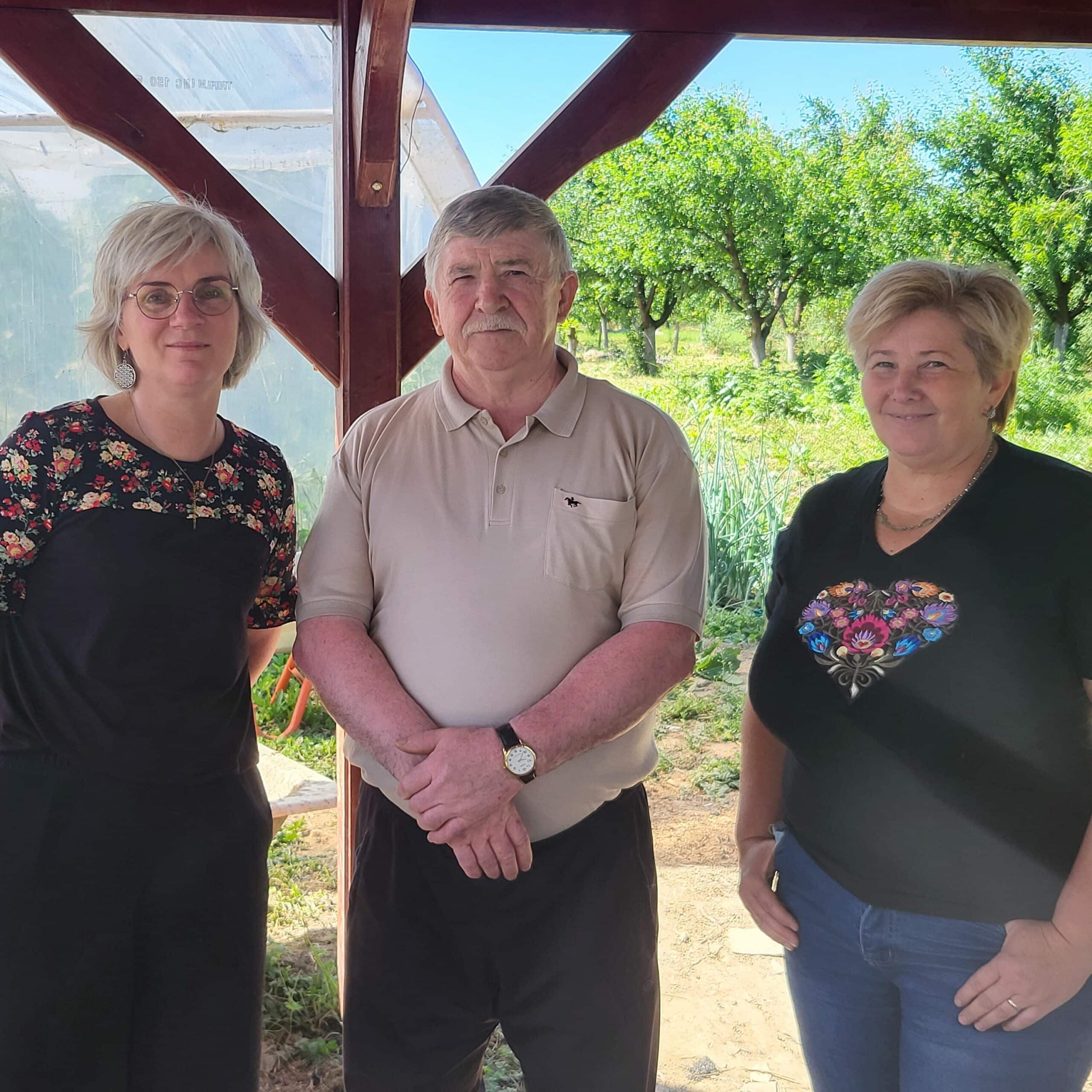
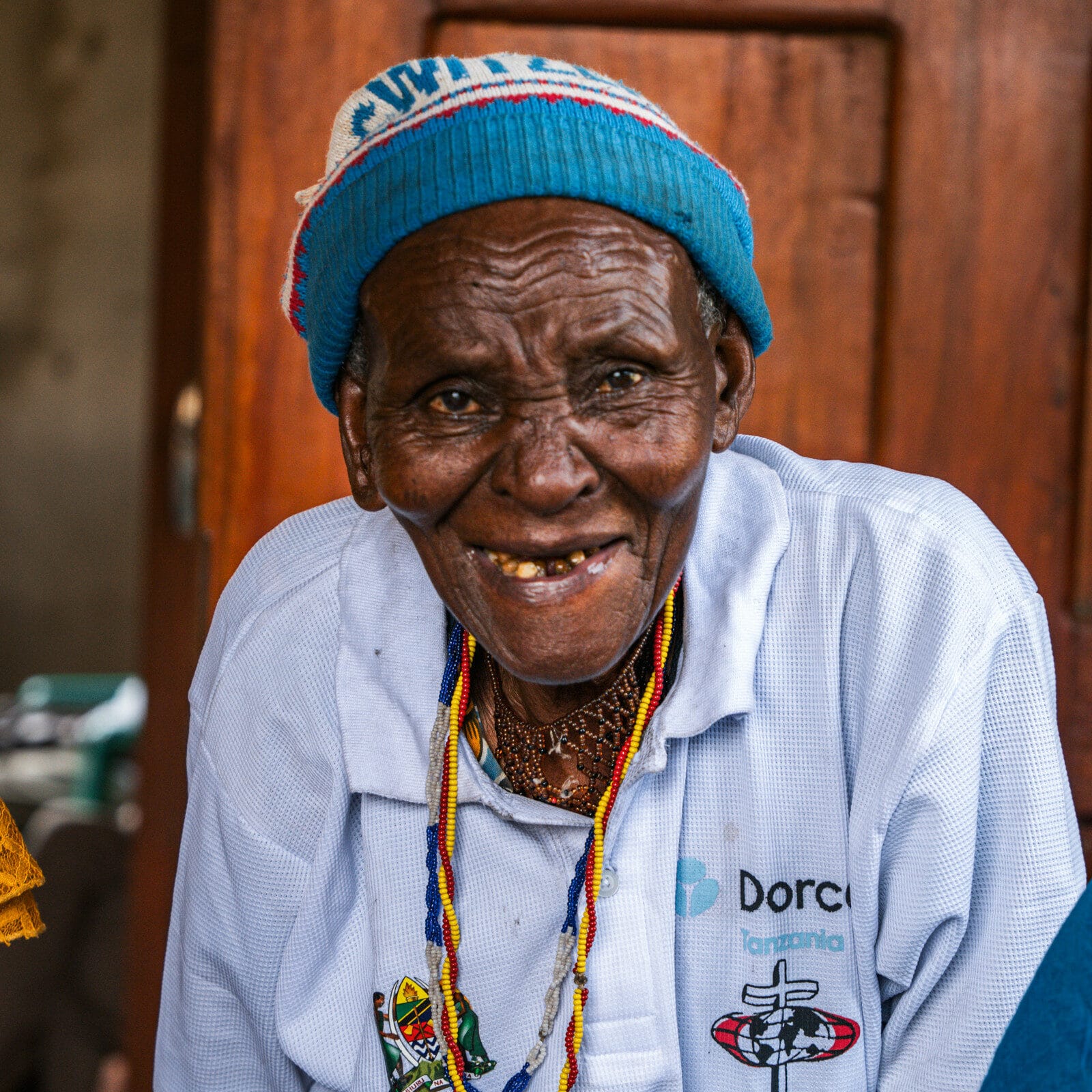
As part of Dorcas’ 2026 International Day of Older Persons campaign, ‘Seen and valued – rights and dignity of older people’, we are highlighting the rights, dignity and contributions of older people and the value they bring to their communities.