Dorcas Ukraine has taken significant steps forward with its psychosocial support programme for internally displaced persons and others affected by the ongoing conflict in the Zakarpattia region. Around 6,800 people have participated in various programme activities, receiving support in the form of group meetings, individual consultations, training events and other assistance depending on their needs.
The Connect programme
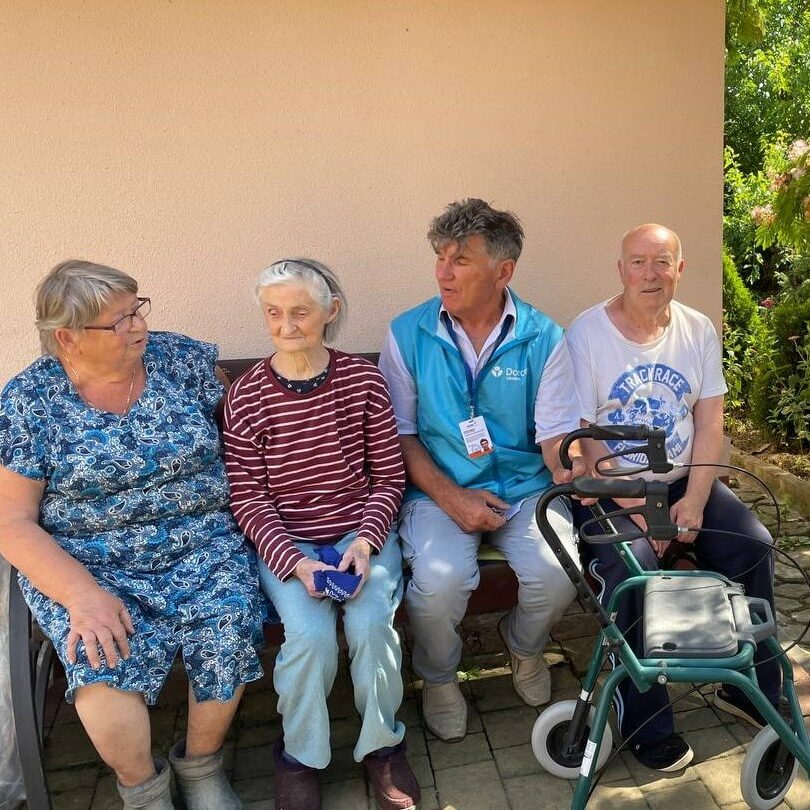
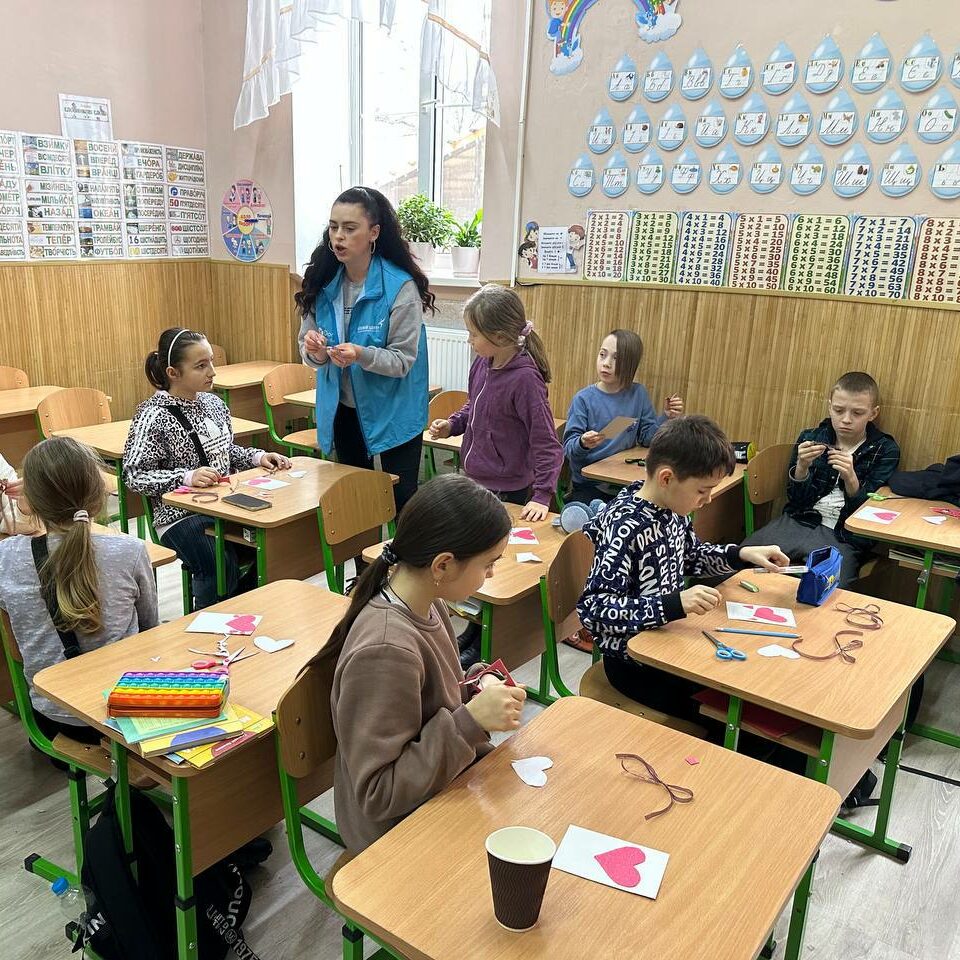
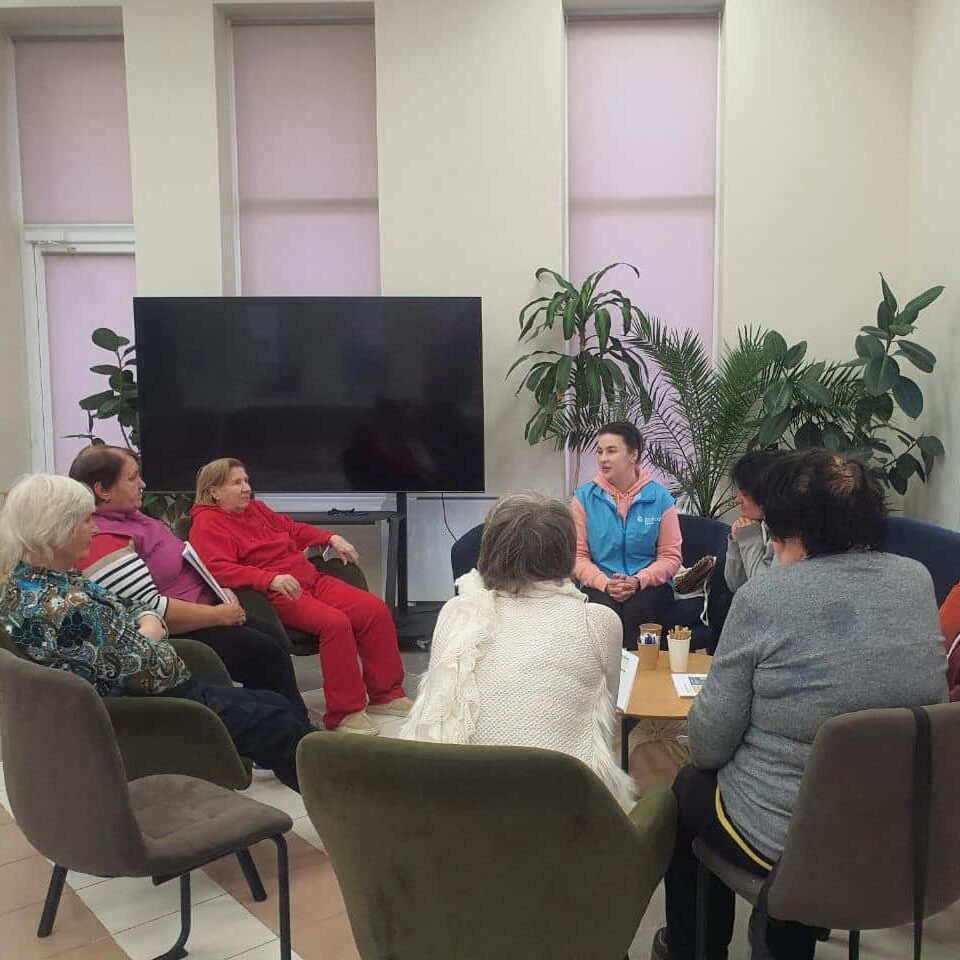
A total of 1,216 participants completed the Dorcas Connect programme, which was designed to provide a space for people to reconnect with themselves and others. To ensure that the knowledge and tools acquired through the programme continue to be available to communities, providing sustainable support, training was also conducted for 1,107 Connect facilitators.
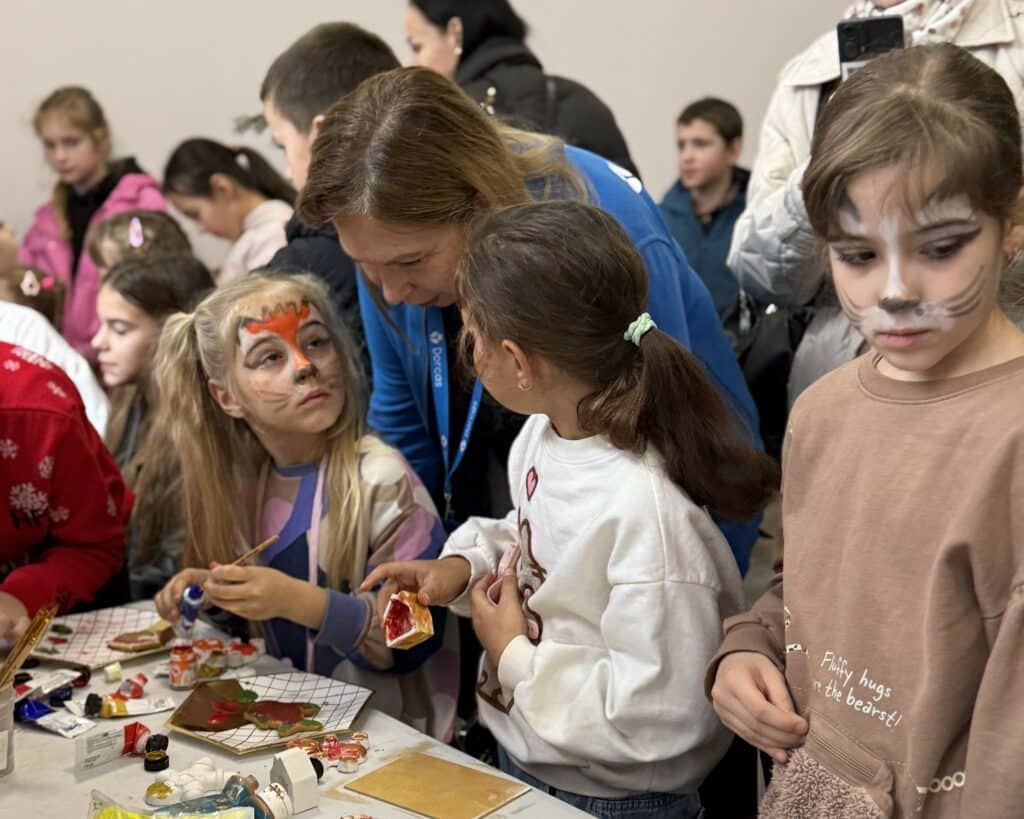
Psychosocial support through creativity and music
Sounds of Change training sessions were delivered to 60 facilitators and 23 trainers through the collaborative efforts of Dorcas, the ‘How Are You?’ mental health support programme, the NGO Sol Diez, and the Sounds of Change team of trainers.
These sessions equipped specialists to implement musical and creative approaches in psychosocial support, thereby enhancing the variety and accessibility of the available assistance.
Evidence-based psychological support (PM+)
In collaboration with WHO and the ‘How Are You?’ programme, Dorcas Ukraine continued to promote evidence-based assistance methods. In particular, it focused on the short-term psychological intervention “Problem Management Plus” (PM+).
Training was conducted for four groups, reaching 61 community representatives. The PM+ programme provides people experiencing high levels of distress and reduced functioning with access to quality psychological support at the community level.
This was made possible thanks to the collaboration of Dorcas Ukraine, the NGO ‘Nehemiah’, the ‘How Are You?’ programme, the Zakarpattia Oblast Centre for Social Services and the Zakarpattia Oblast State Administration.
To prevent specialists from facing challenging cases alone, the project team organised 54 hours of group supervision and 572 hours of one-to-one supervision. Supporting those who support others is an essential part of maintaining a high-quality support system.
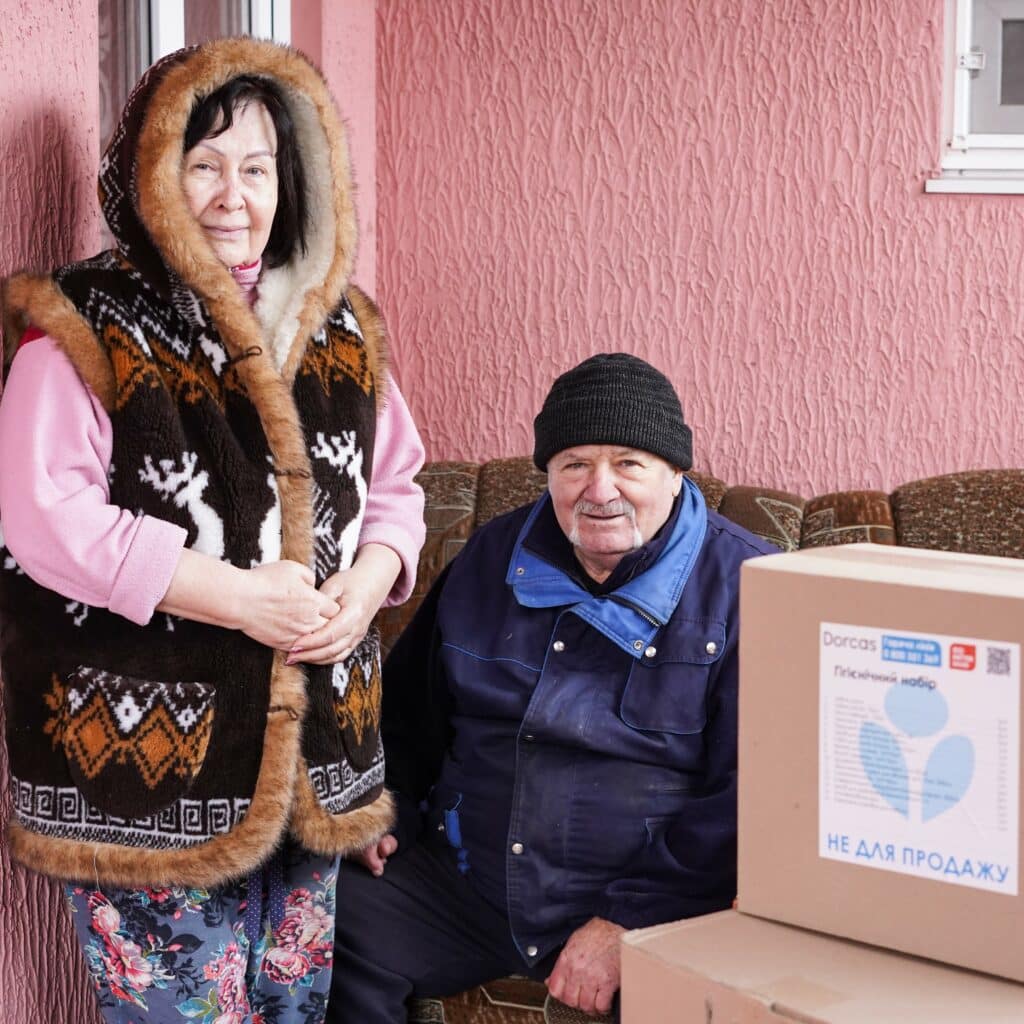
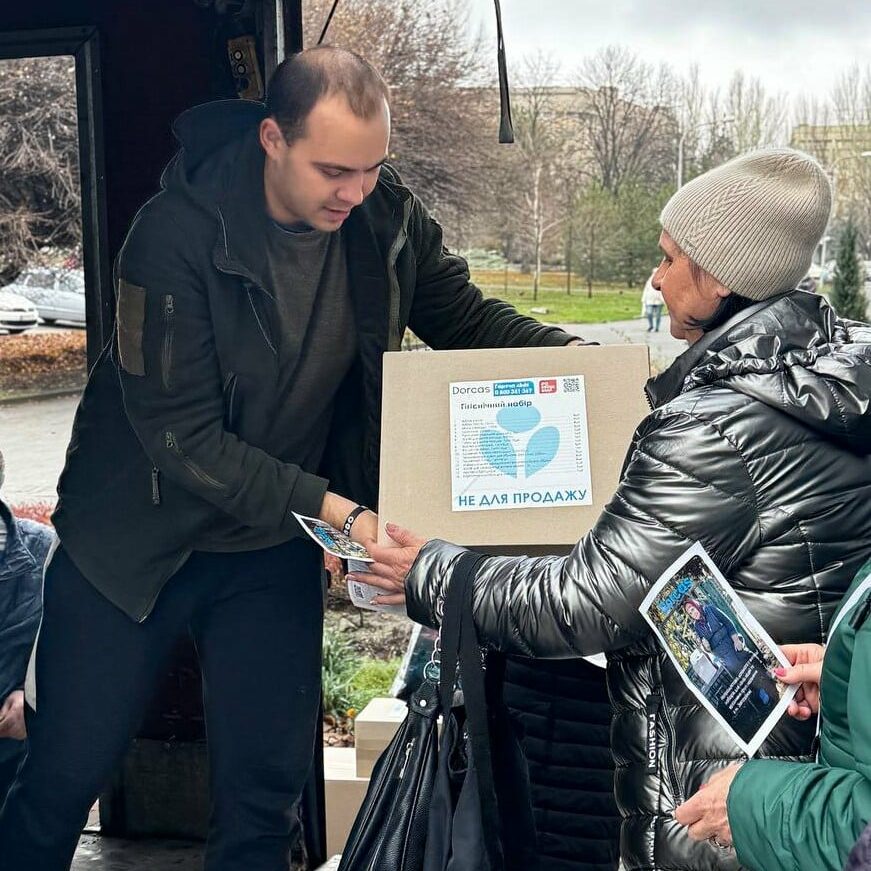
Amid the hostilities in Ukraine, there has been a significant decline in the purchasing power of people in the most vulnerable circumstances. These include older people and people with disabilities who have been severely affected by the ongoing conflict.
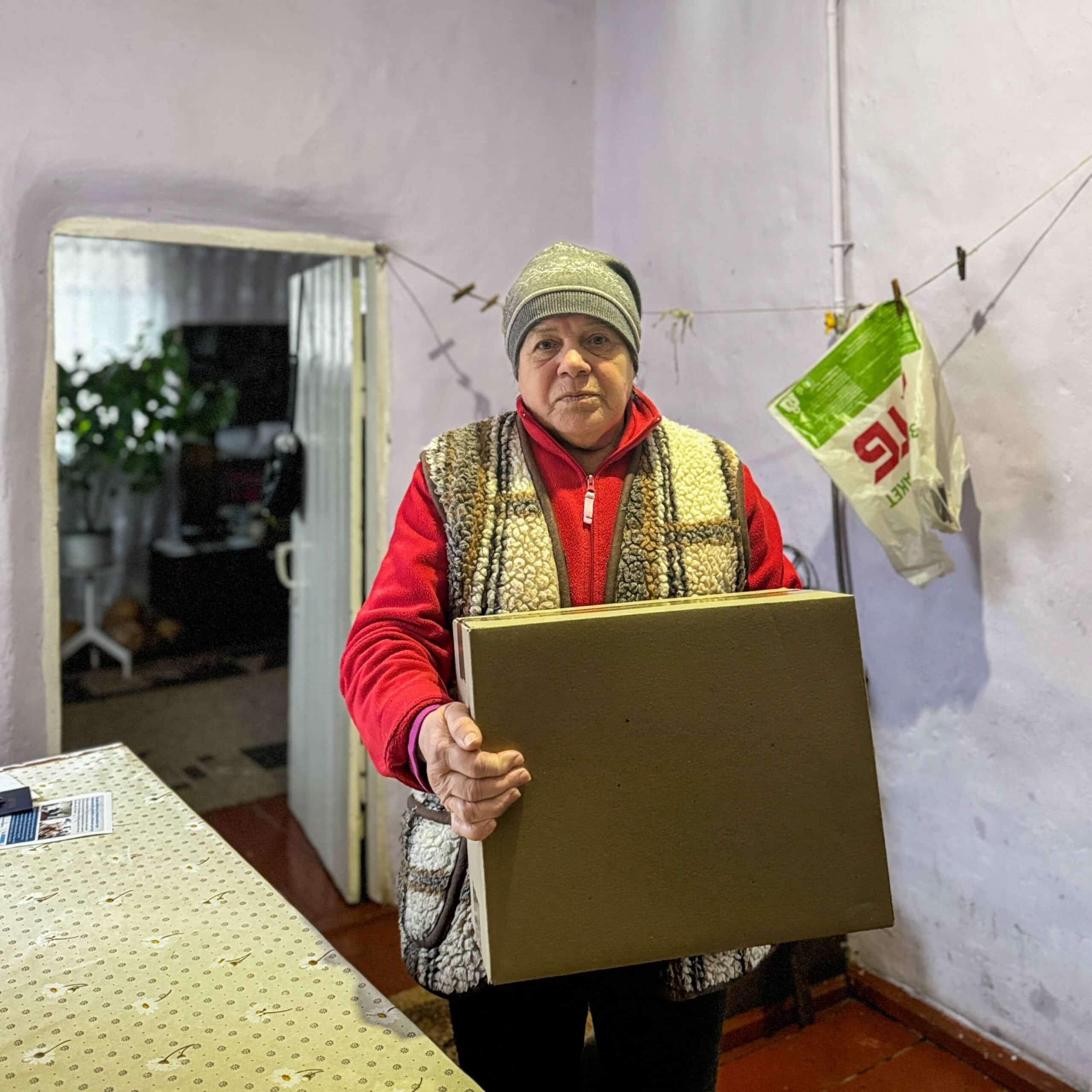
Dorcas provides hygiene kits containing basic essentials to residents of Zaporizhzhia. Thanks to funding from EO Metterdaad, the Dorcas Ukraine team has distributed 210 kits to people with disabilities over the past five months.
Through this joint contribution, hundreds of people have received high-quality care that will prevent complications associated with prolonged bed rest, ease the burden on family members or caregivers, and uphold a sense of dignity in everyday life.
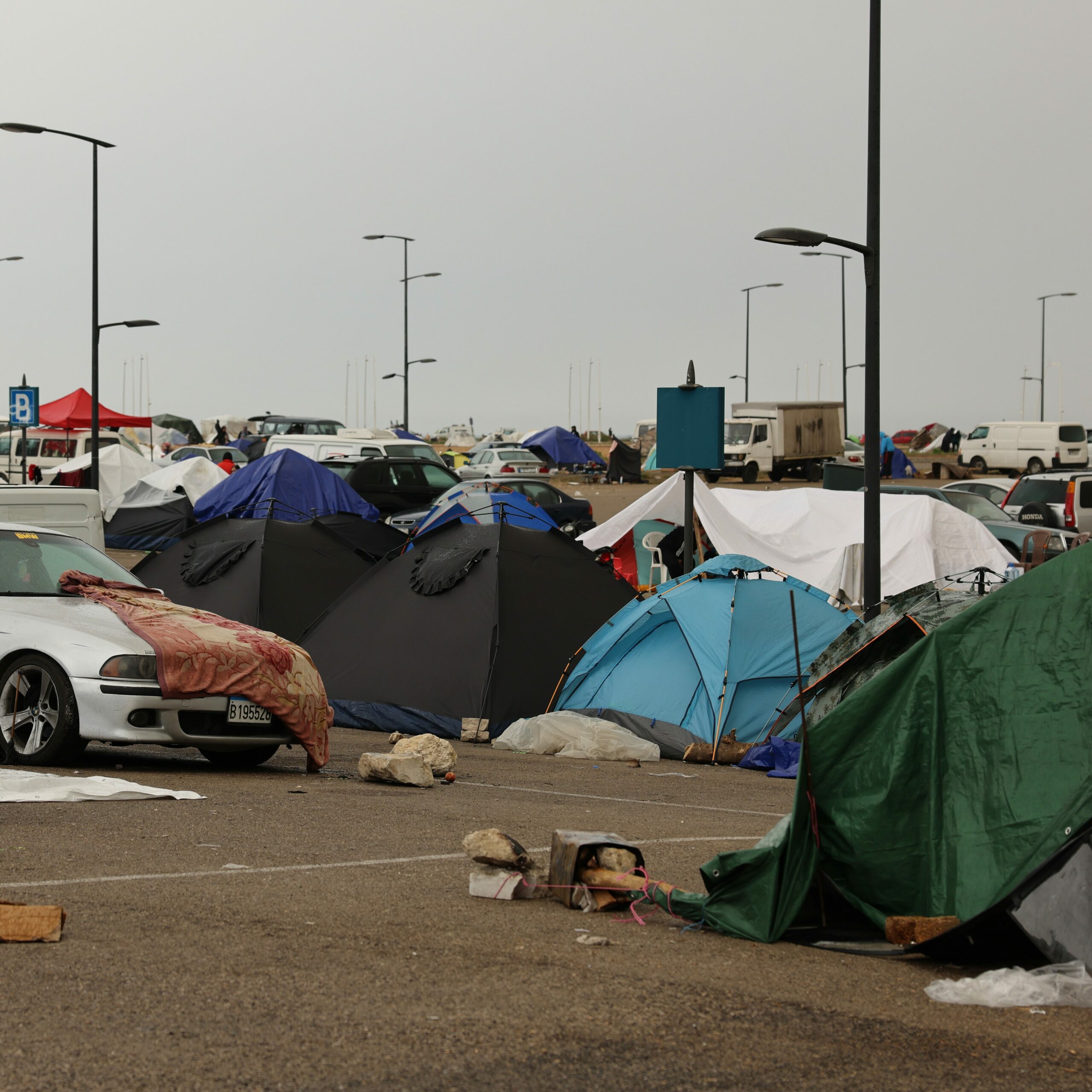
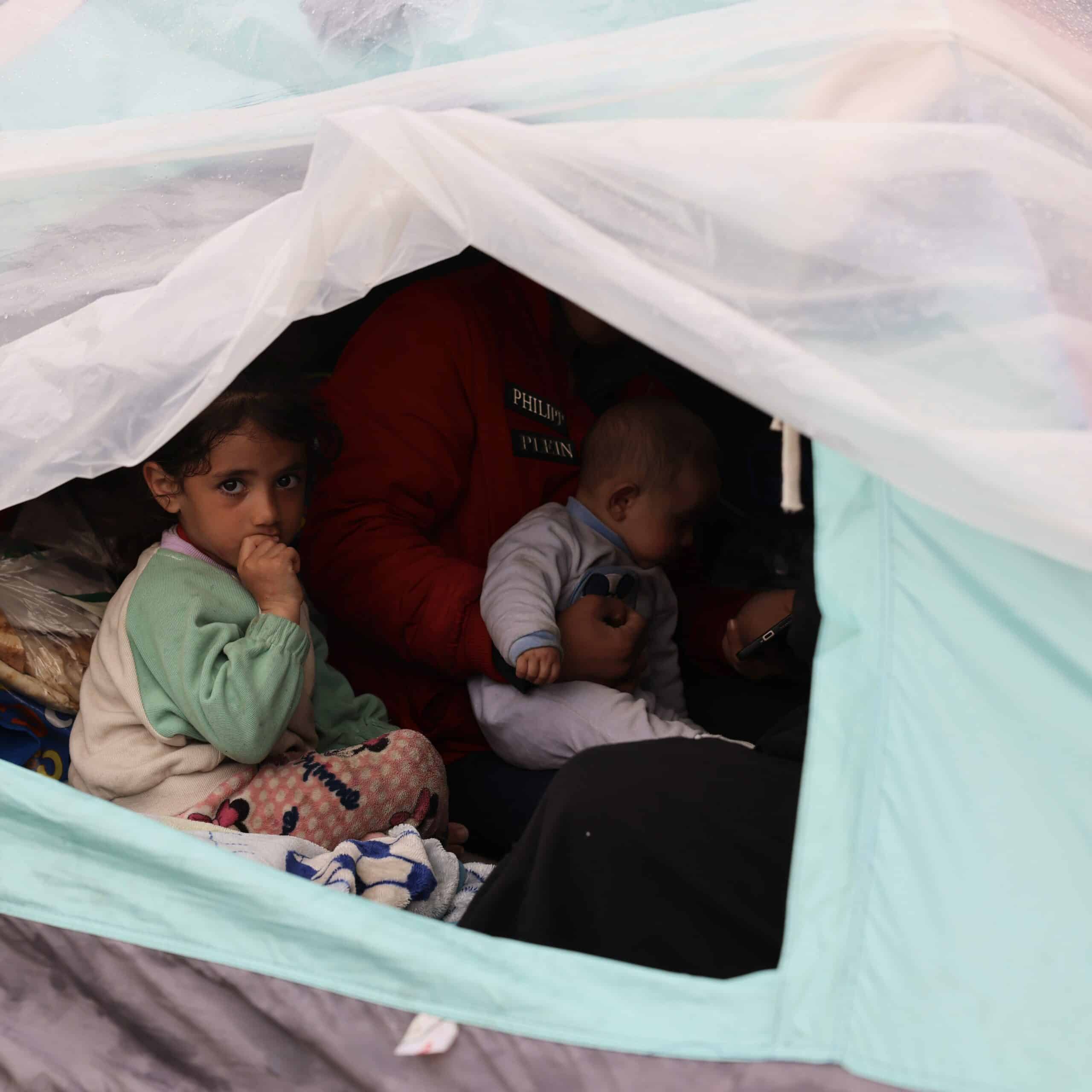
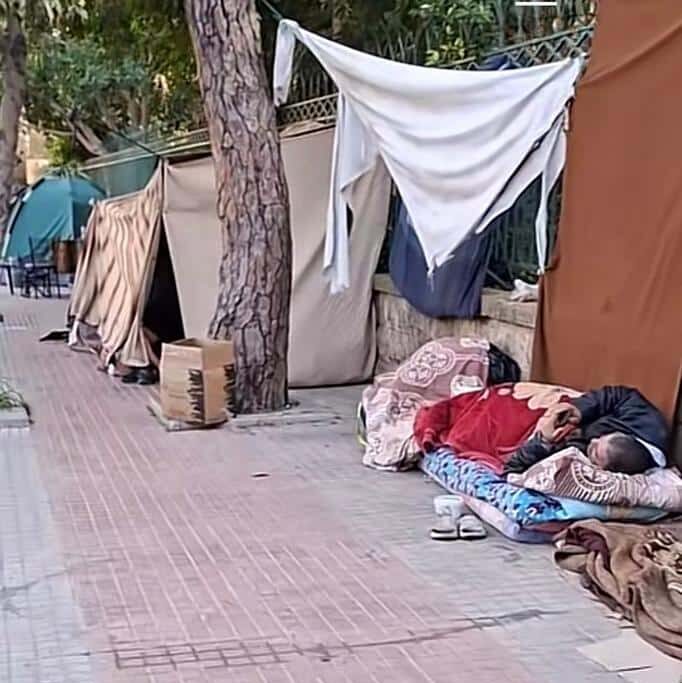
Since the escalation of the conflict in the Middle East, Lebanon has seen large-scale internal displacement. Entire villages have been evacuated, families have fled their homes, and children are sleeping on the streets. To respond to this urgent need, Dorcas is collaborating with EO Metterdaad.
EO Metterdaad is a long-running Dutch humanitarian television programme that highlights global crises and supports emergency assistance initiatives. Through this collaboration, Dorcas and EO Metterdaad aim to highlight the real stories behind the statistics and news items and raise funds to support those in need. So many people have had to flee their homes, losing their security in the process, and now rely on assistance.
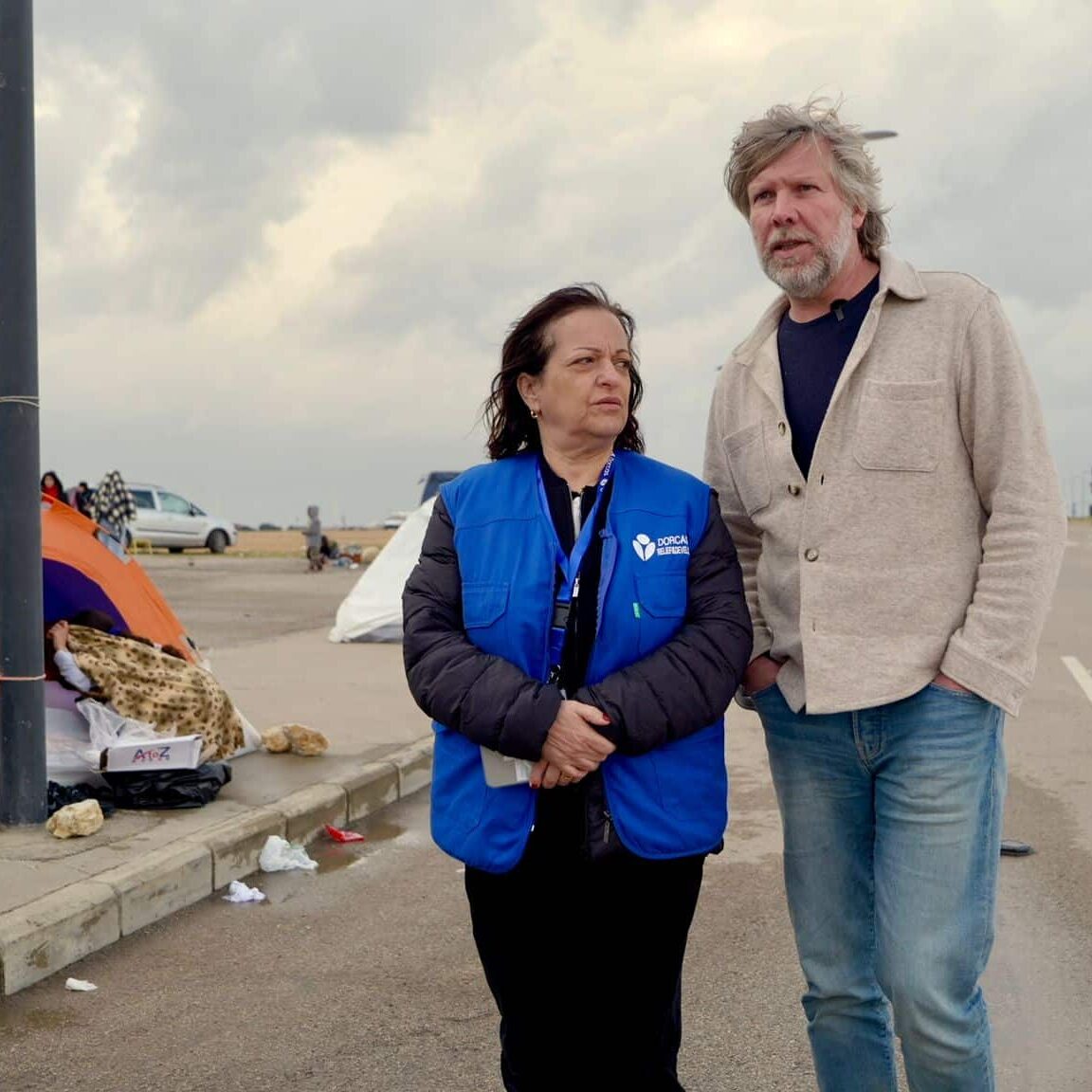
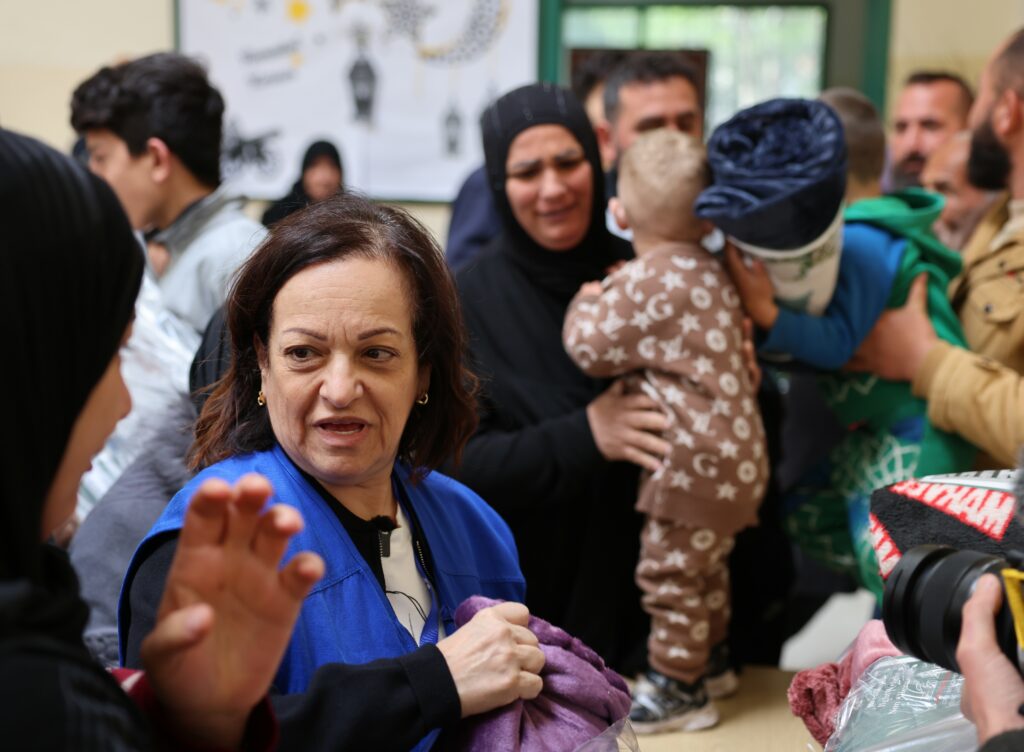
Arjan Lock, CEO and presenter at the Evangelical Broadcasting (EO), is currently in Lebanon to document and share the stories of those affected. He is meeting displaced families and Dorcas humanitarian staff to witness and record the scale of the crisis for several television broadcasts in the Netherlands.
‘I see how urgent the need is,’ Arjan said. ‘So many people have fled violence while Lebanon itself is already under great strain. Dorcas staff are doing everything they can to support, providing food, blankets, clothing and temporary shelter. But the crisis is bigger than they can manage alone – more support is urgently needed.’
Dorcas’ response in Lebanon
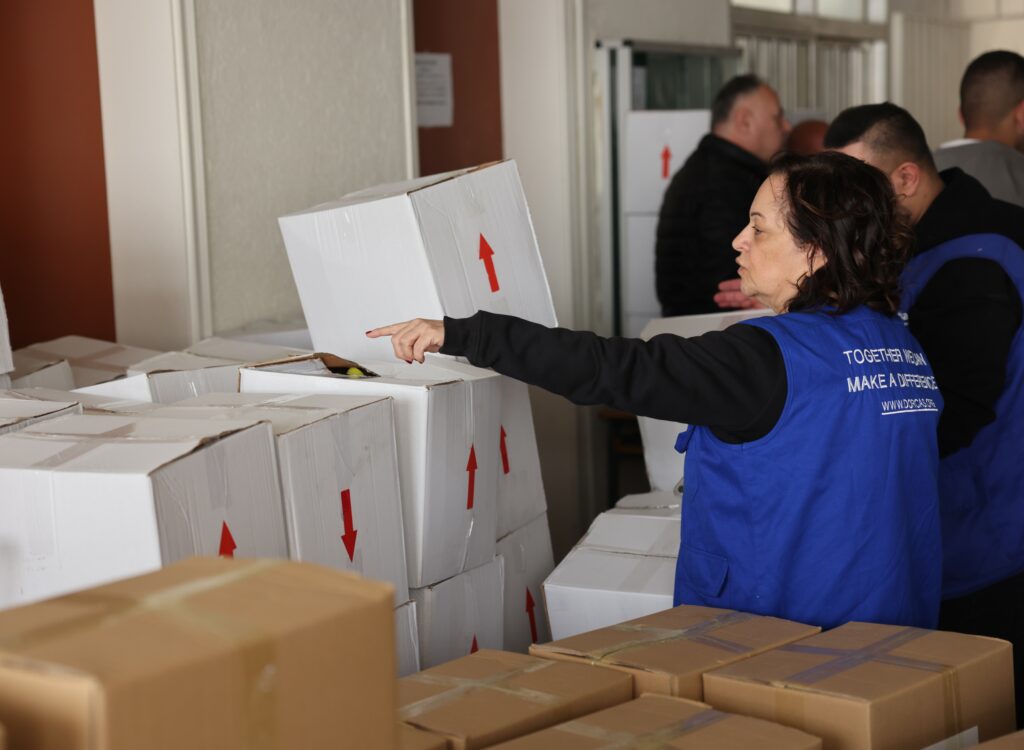
Dorcas has been responding to the urgent needs of people in Lebanon since the beginning of the escalation and is now scaling up its humanitarian assistance. We have also launched an emergency campaign in the Netherlands to raise funds for our work in Lebanon. This allows us to provide life-saving assistance to displaced families.
Najla, Dorcas’ Country Director in Lebanon, explains: People are terrified and shelters are overcrowded. Assistance cannot wait – people need our support now.
The Dutch TV broadcasts of EO Metterdaad
The situation in Lebanon will be featured in special broadcasts of EO Metterdaad on Saturday 21 and 28 March at 17:50 CET on Dutch channel NPO 2. The programmes follow Dorcas staff as they provide assistance to families who have lost everything.
The photos in this article are made by the EO
Nearly two weeks after the escalation of the ongoing conflict in the Middle East, the situation in Lebanon has become extremely dire. The sharp rise in bombardments since 2 March 2026 has caused widespread displacement and severe humanitarian consequences.
Ongoing mass displacement
On March 13, ReliefWeb reported that one in seven people in Lebanon are now displaced, equating to over 800,000 people. Local sources have informed Dorcas that local authorities already estimate the number of displaced people to be over a million. These figures are expected to rise as continued airstrikes cause widespread chaos and insecurity.
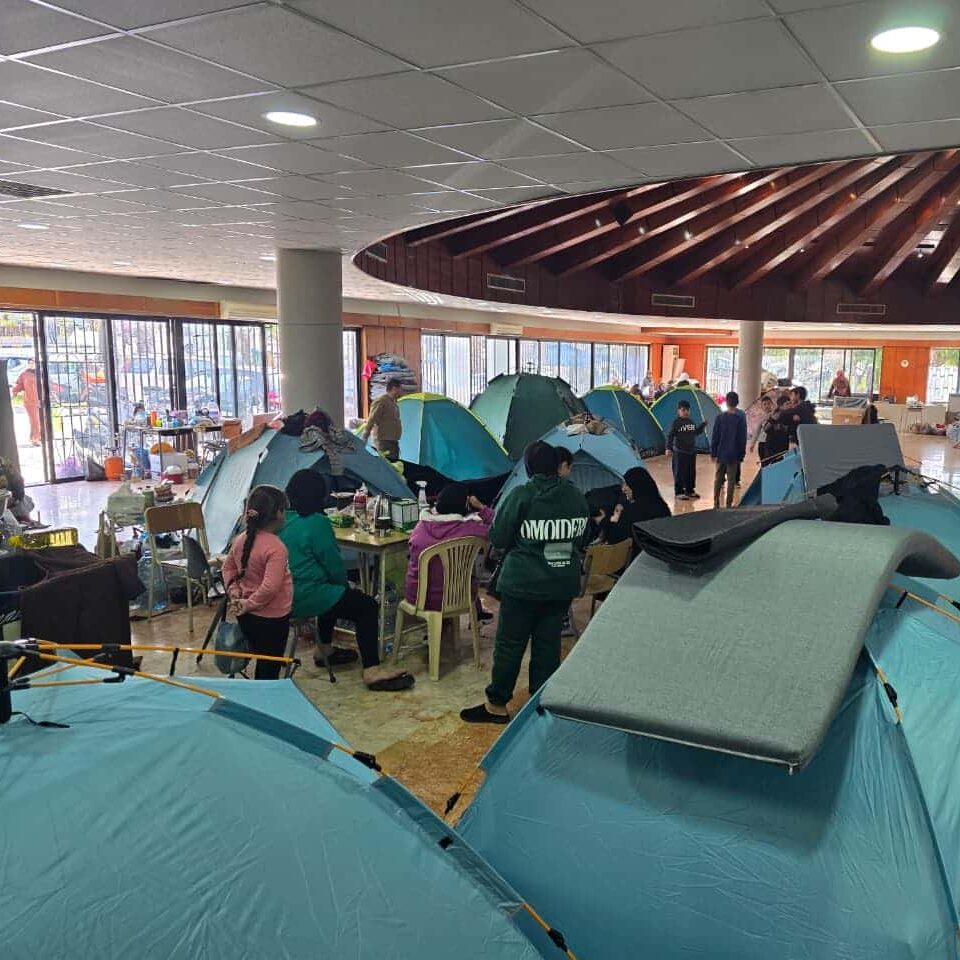
Large numbers of people continue to sleep in public spaces and along the coast, having fled with few belongings and with no access to safe housing. Shelters are under immense pressure and are severely overstretched, with essential supplies depleting rapidly.
The situation is highly critical. Women, children, older people and people with disabilities face heightened risks due to overcrowding, psychological distress and restricted access to services. Without continued, urgent assistance, families will face worsening food insecurity, harsher living conditions and an increased risk to their safety.
Dorcas offering immediate support
From the very beginning of the escalation, Dorcas has been supporting those in need. Our aim is to contribute to the immediate protection of the growing number of people affected. We do this by ensuring timely access to life-saving food assistance, emergency shelter, essential non-food items and integrated protection support. Our support includes:
- Hot meals distribution. Dorcas is organising a community kitchen in Mount Lebanon. In partnership with the World Food Programme (WFP), the kitchen will distribute hot meals daily to 2,500 people. Dorcas also monitors the distribution of hot meals prepared by WFP partners that are delivered to collective shelters. This programme currently operates in 80 shelters across Beirut and Mount Lebanon.
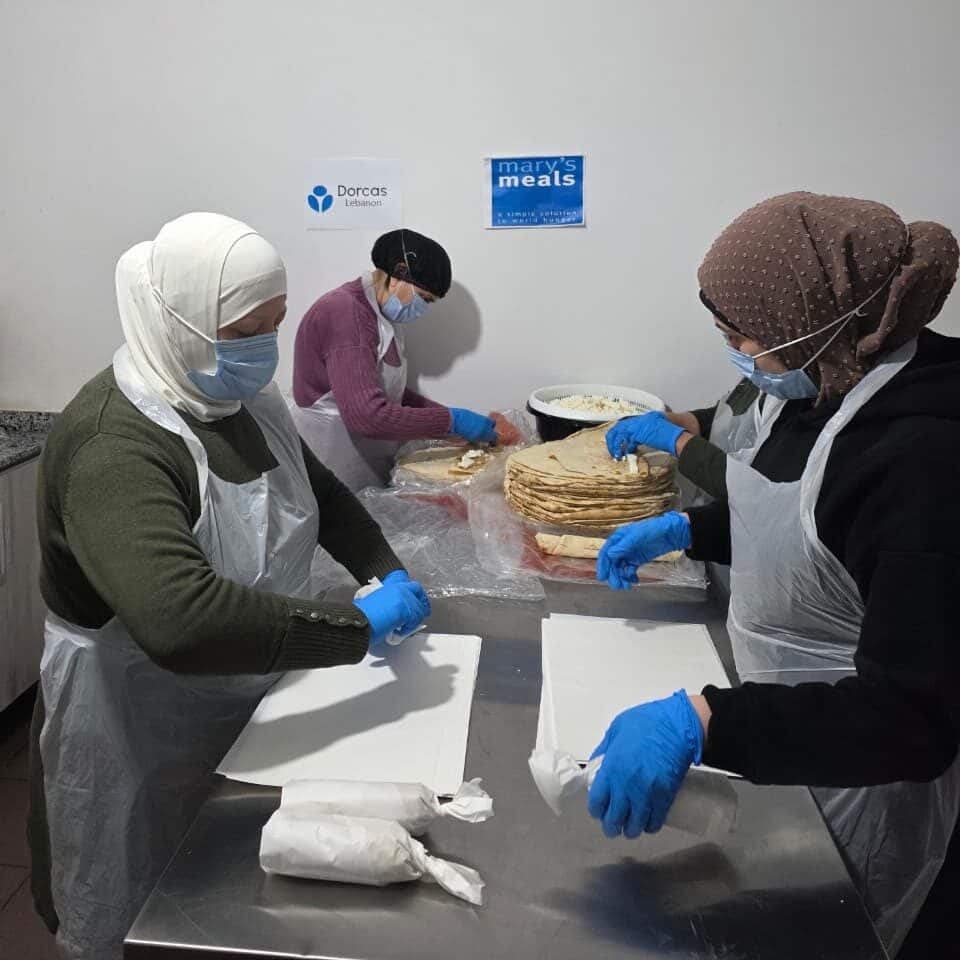
- Sandwich distribution. In partnership with our long-term partner Mary’s Meals, we provide over 500 sandwiches daily at several shelters and community centres.
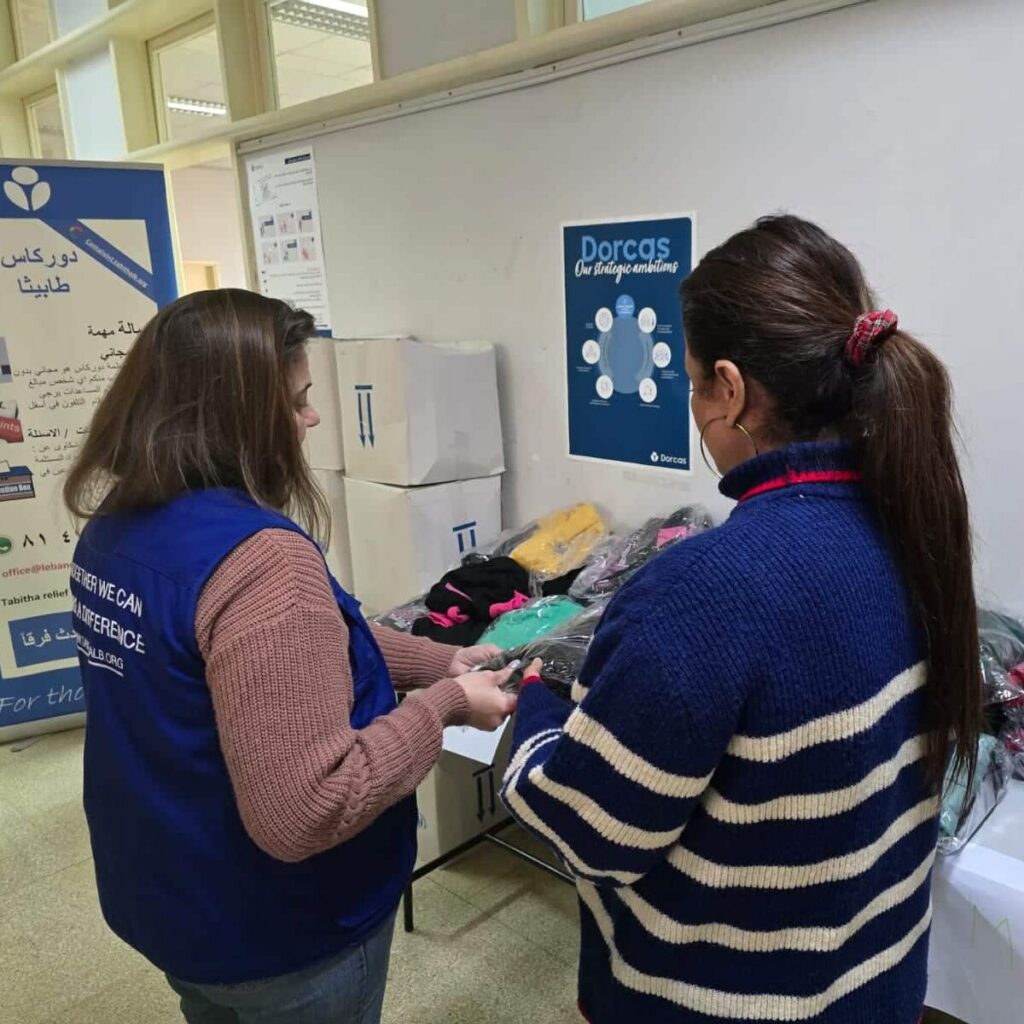
- Essential non-food items. We are improving the basic living conditions in shelters by providing blankets, mattresses, clothing and hygiene items.
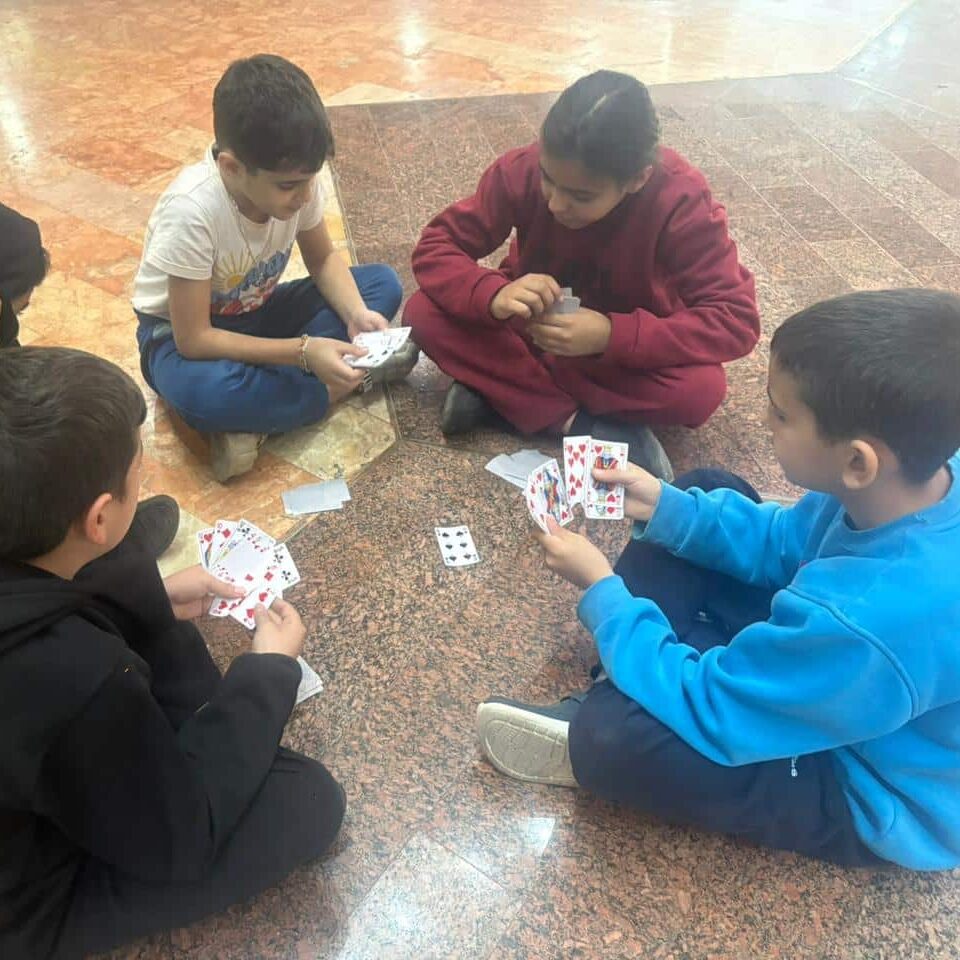
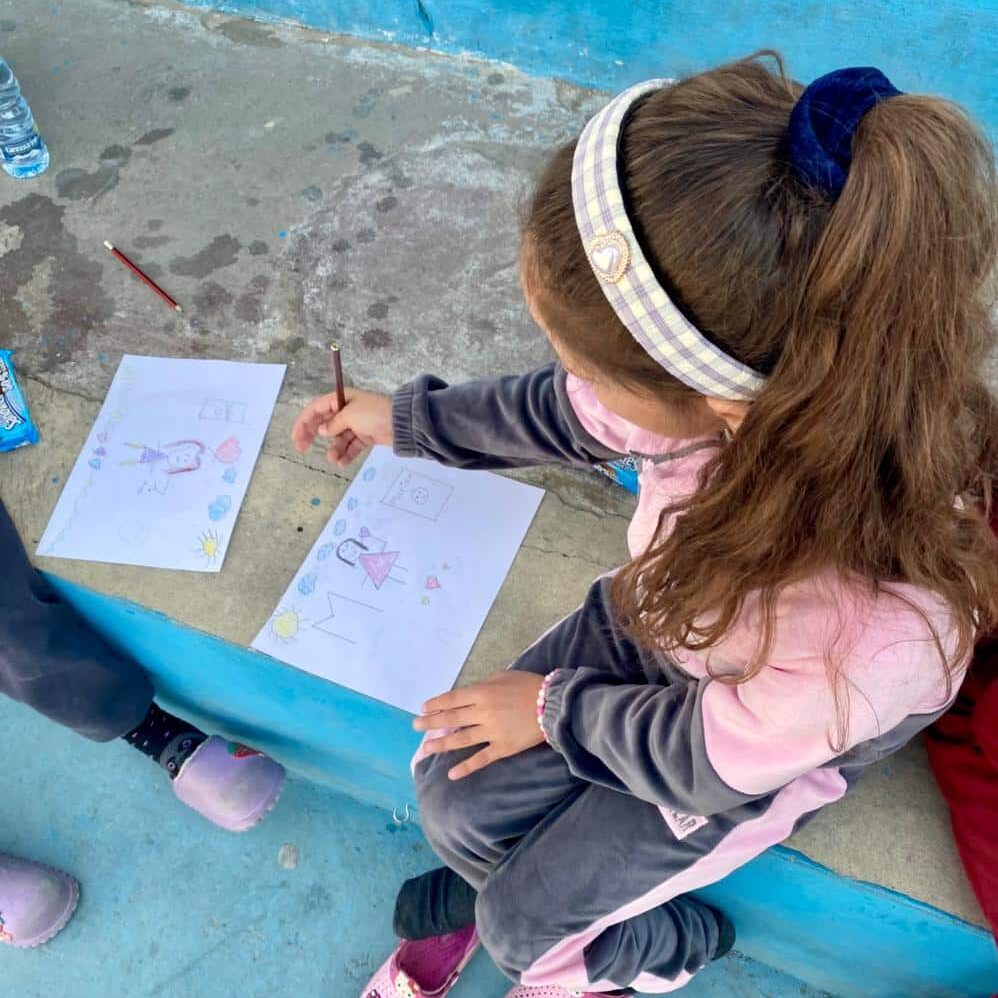
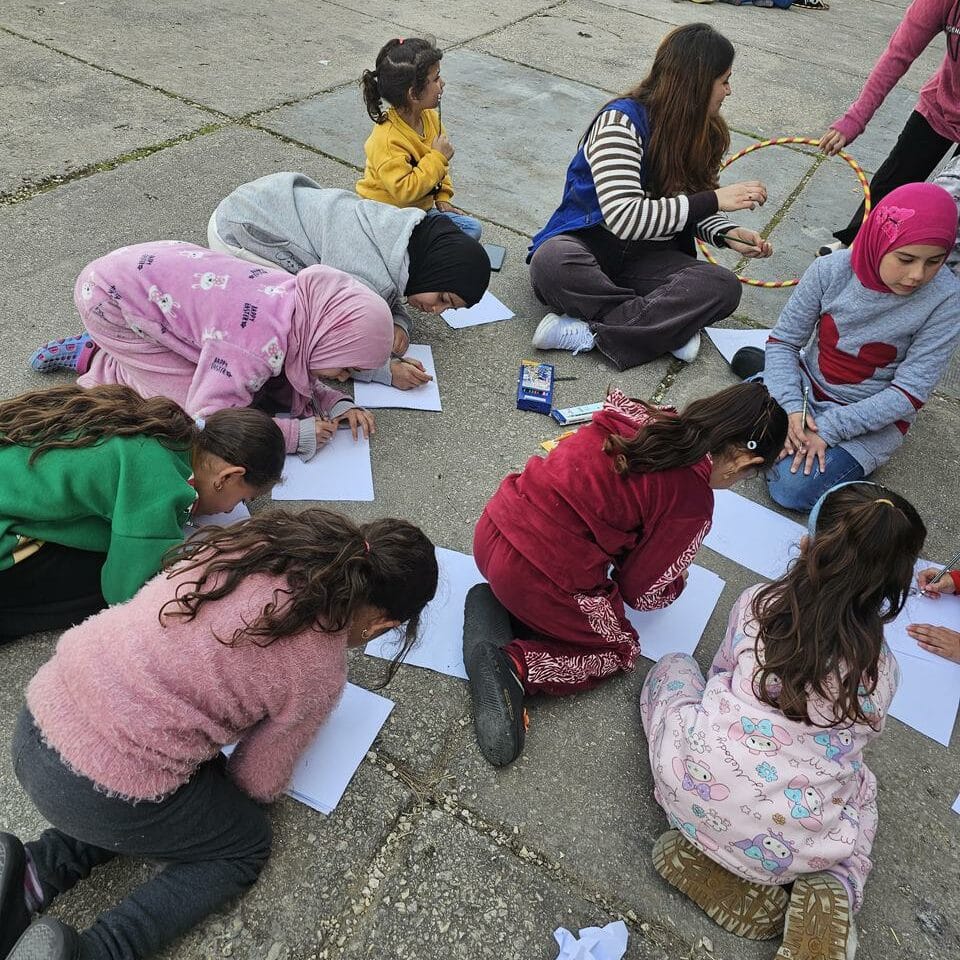
- Protection services. Dorcas is reducing protection risks for displaced families by providing psychological first aid, case management, group psychosocial support sessions, recreational activities for children and protection awareness sessions in multiple shelters. This involves providing emotional support, identifying at-risk people and referring them to the appropriate services, and sharing information on safety, child protection and available services.
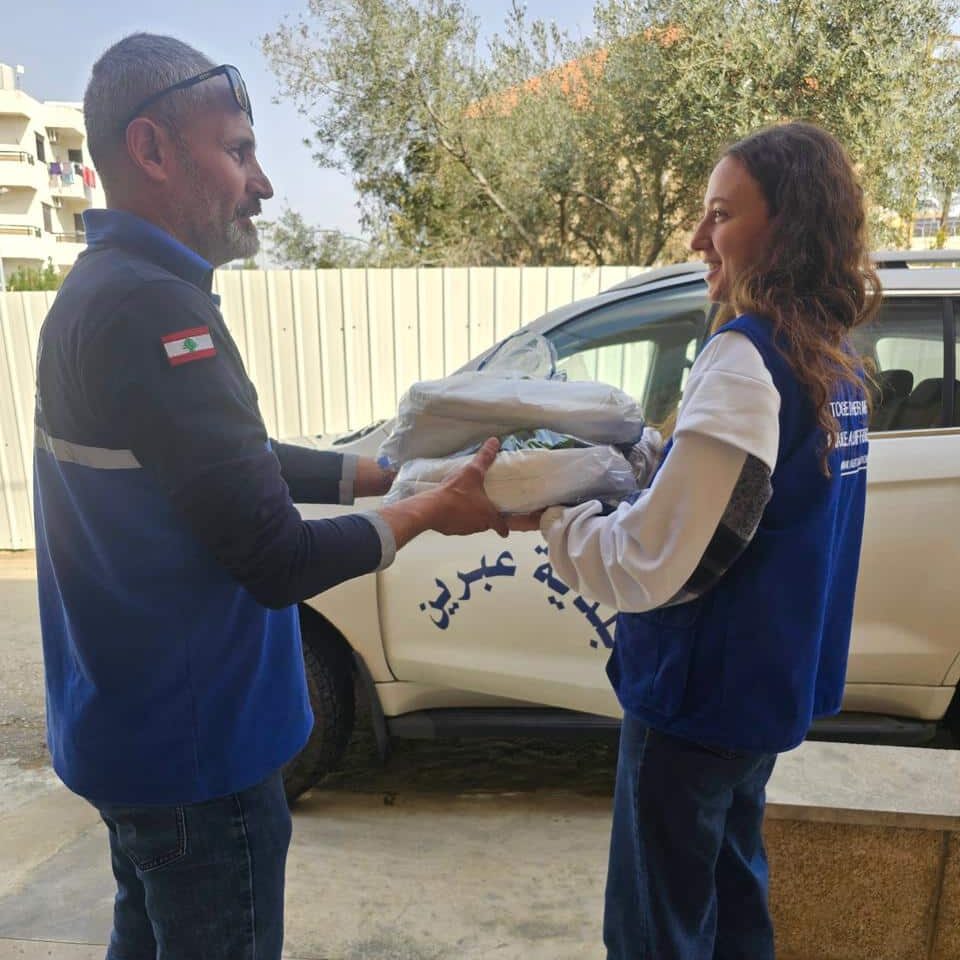
‘We left with only the clothes we were wearing’
Zeinab (68) fled her home with her son and grandchildren and is now living in a temporary shelter for displaced families. In total, eight members of her family share a small space inside the school. ‘We left our home quickly. There was no time to pack anything,’ she explains.
The journey to the shelter took more than 24 hours. Roads were heavily congested with families fleeing at the same time, turning what should have been a short trip into a long and stressful ordeal.
‘I was worried the entire time,’ Zeinab says. ‘Not for myself, but for my grandchildren. I tried to stay calm so they wouldn’t feel how scared I was. As a grandmother, I try to stay strong for them. But it is not easy when everything in our lives has changed so suddenly.’
On arrival, the family received basic mattresses and blankets to help them settle in. While grateful for the support, daily life in the shelter remains difficult. Like many displaced families, Zeinab and her relatives now rely on humanitarian assistance and community support to cope with each day, while hoping for stability and the chance to return home.
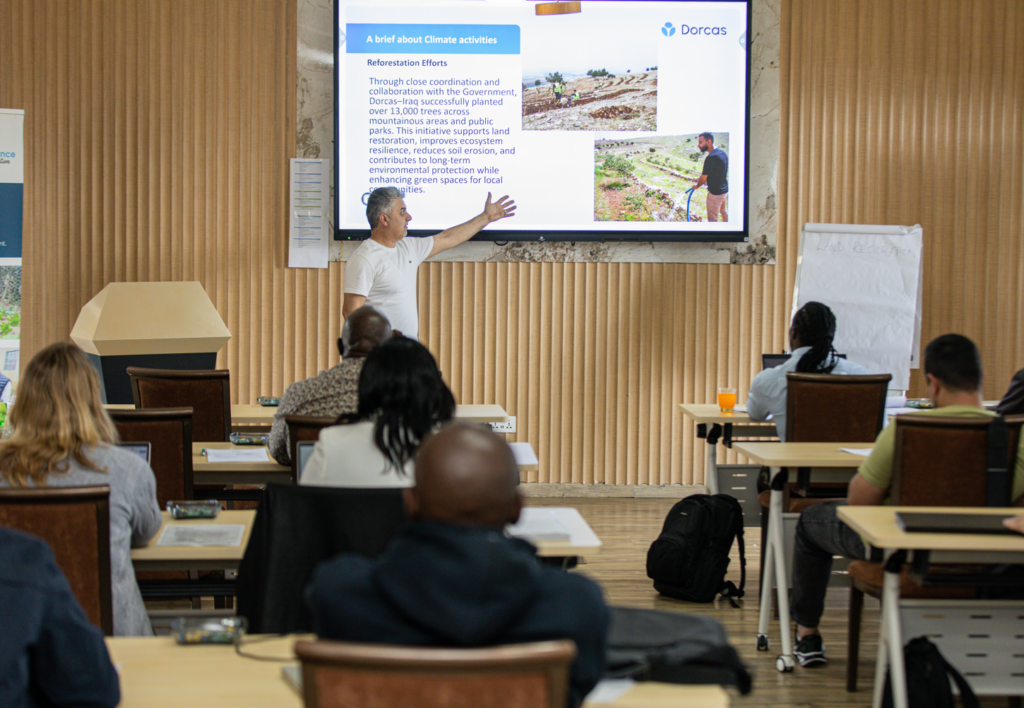
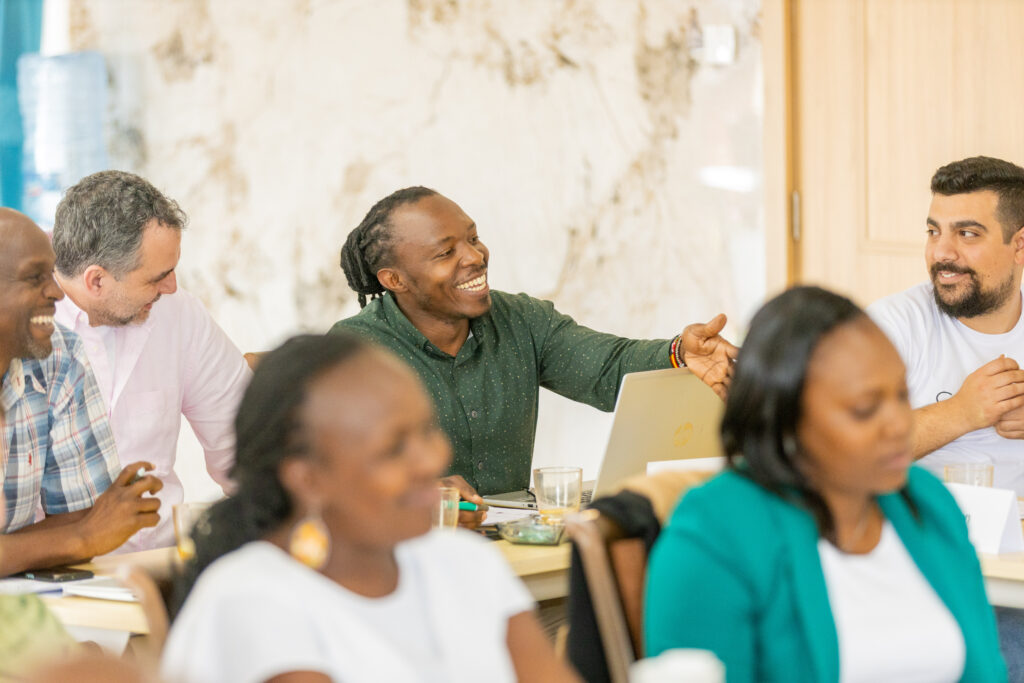
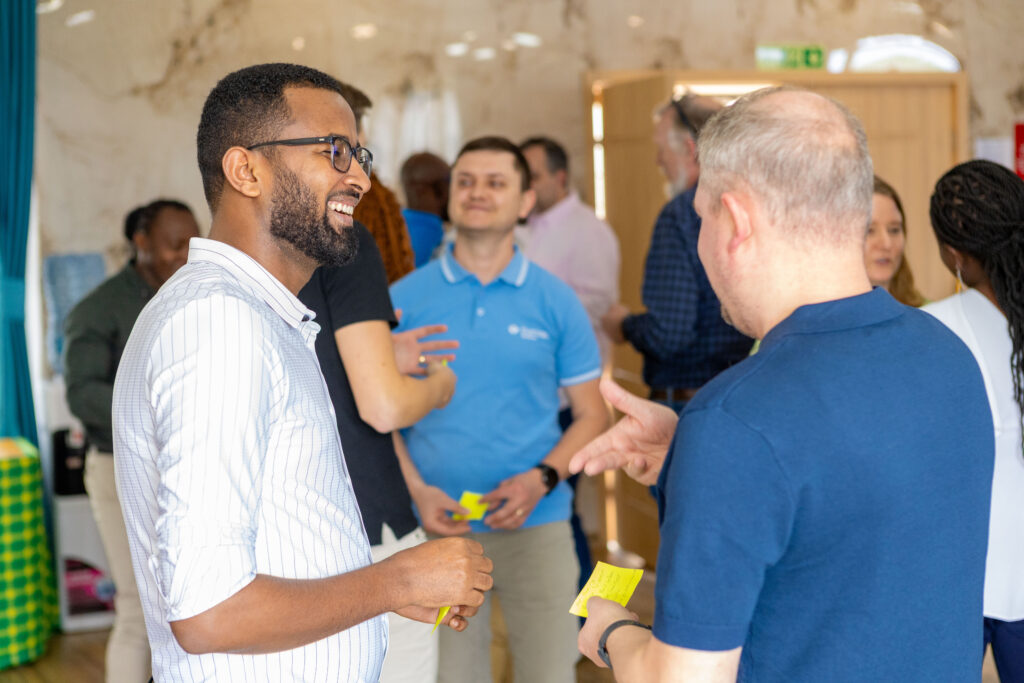
In late February, colleagues from Dorcas offices across East Africa, the Middle East and Eastern Europe, as well as from the International Office, joined the team in Kenya for a learning event.
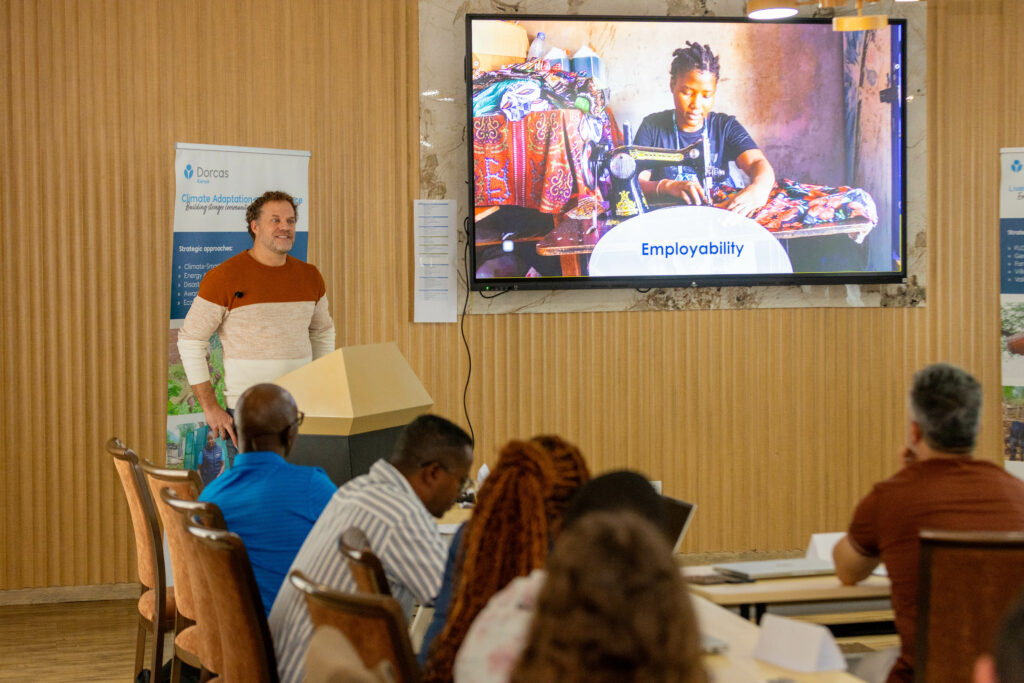
The goal was to examine how programmes are designed around livelihoods and economic development, as well as climate adaptation and resilience, share lessons across contexts, and leave with sharper thinking and practical tools. Topics covered included value chains, employability and market-focused thinking, as well as land restoration, water resilience and nature-based solutions.
Three key takeaways on climate adaptation and resilience
1. Understand the ecosystem before taking action.
Climate work begins with an understanding of the landscape. Restoration does not always mean planting trees. In some areas, farmer-managed natural regeneration (FMNR), soil and water conservation, or rangeland management can be more effective. Tailored strategies are more important than speed.
2. Use tools that centre communities.
Climate Vulnerability and Capacity Analysis and Local Adaptation Planning support communities in identifying risks, assessing vulnerabilities and shaping adaptation plans. This ensures that interventions are based on reality rather than assumptions.
3. Nature-based solutions are essential.
Landscape restoration, water harvesting, ecosystem protection and regenerative agriculture strengthen resilience while improving soil quality, biodiversity and productivity. In communities that rely on natural resources, these solutions form the core of their infrastructure.
Three key takeaways on Livelihoods and Economic Development
1. Recognise the livelihood pathway.
Households transition from survival and coping strategies to adapting and engaging with markets. Support must be tailored to their current situation. Families struggling to meet their basic needs require different support to stabilised cooperatives that are ready to engage with value chains.
2. Think in terms of value chains and connect to markets.
The Dorcas Value Chain Approach, informed by evaluations across East Africa, has highlighted both opportunities and challenges. Case studies, including that of the honey value chain in Kitui, Kenya, revealed issues ranging from quality control to market access. Future programmes will focus on creating sustainable, demand-driven opportunities.
Nicodemus, Director of Programmes at Dorcas Yemen, describes:
‘Many participants in Yemen are involved in honey production, and the environment in Kitui is similar to parts of Yemen. We will use these lessons to ensure that project participants take part in sustainable value chain activities, improve production quality and gain access to local markets.’
3. Invest in youth and the long term.
Job and Business Centres, which combine life skills, vocational training and entrepreneurship support, have demonstrated that connecting young people to labour markets is most effective in the long term. Sustainable change requires long-term engagement with communities and market actors.
Learning in practice: field visits
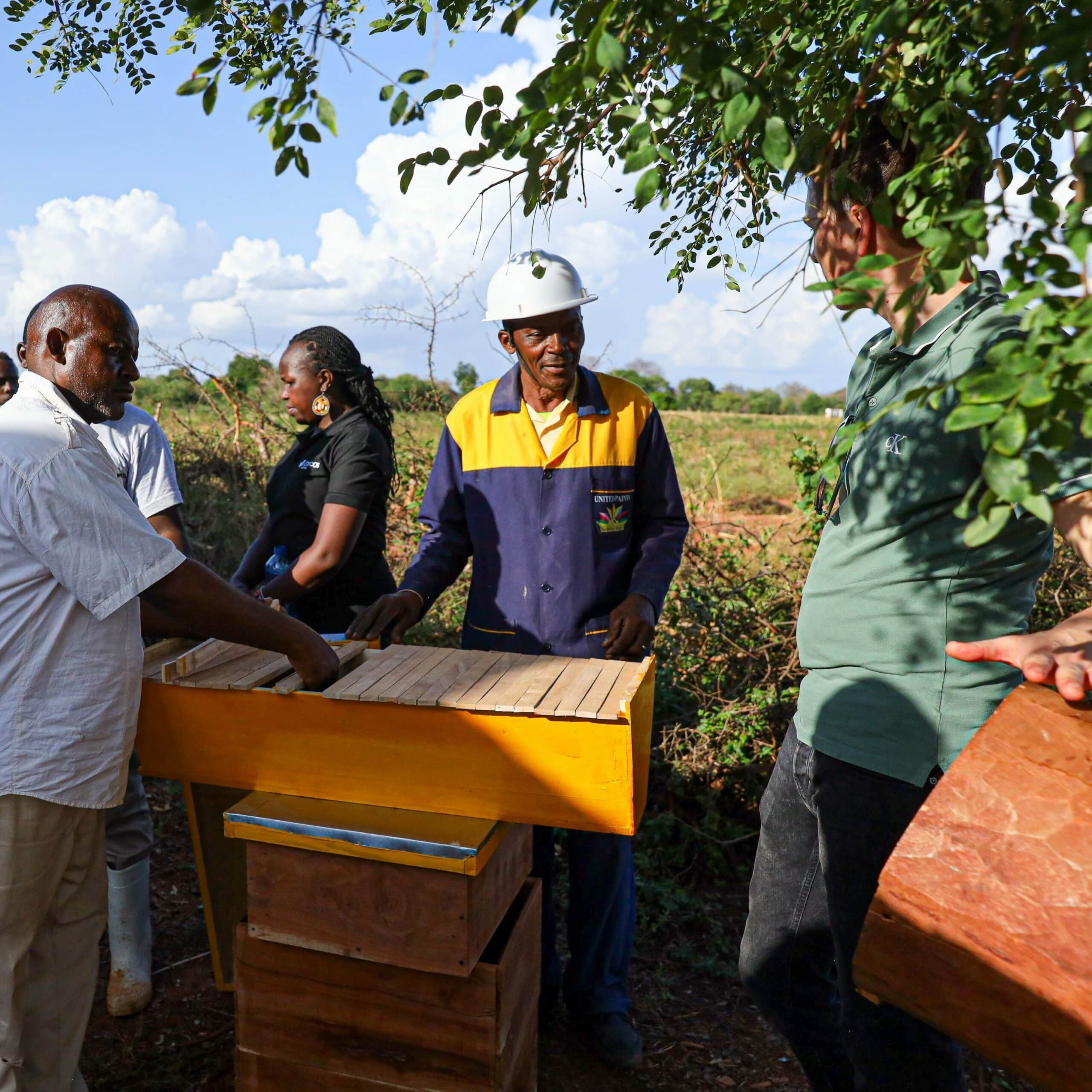
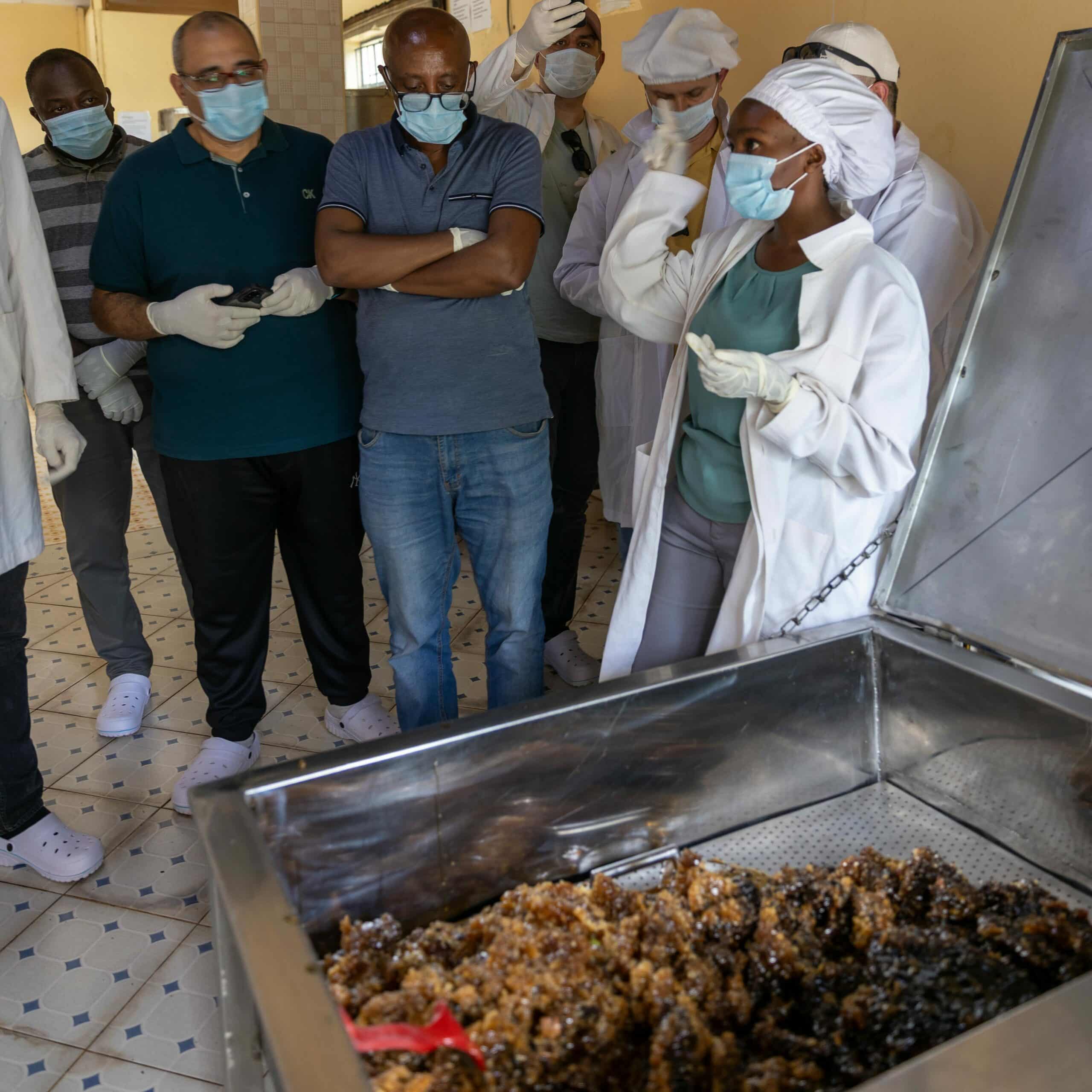
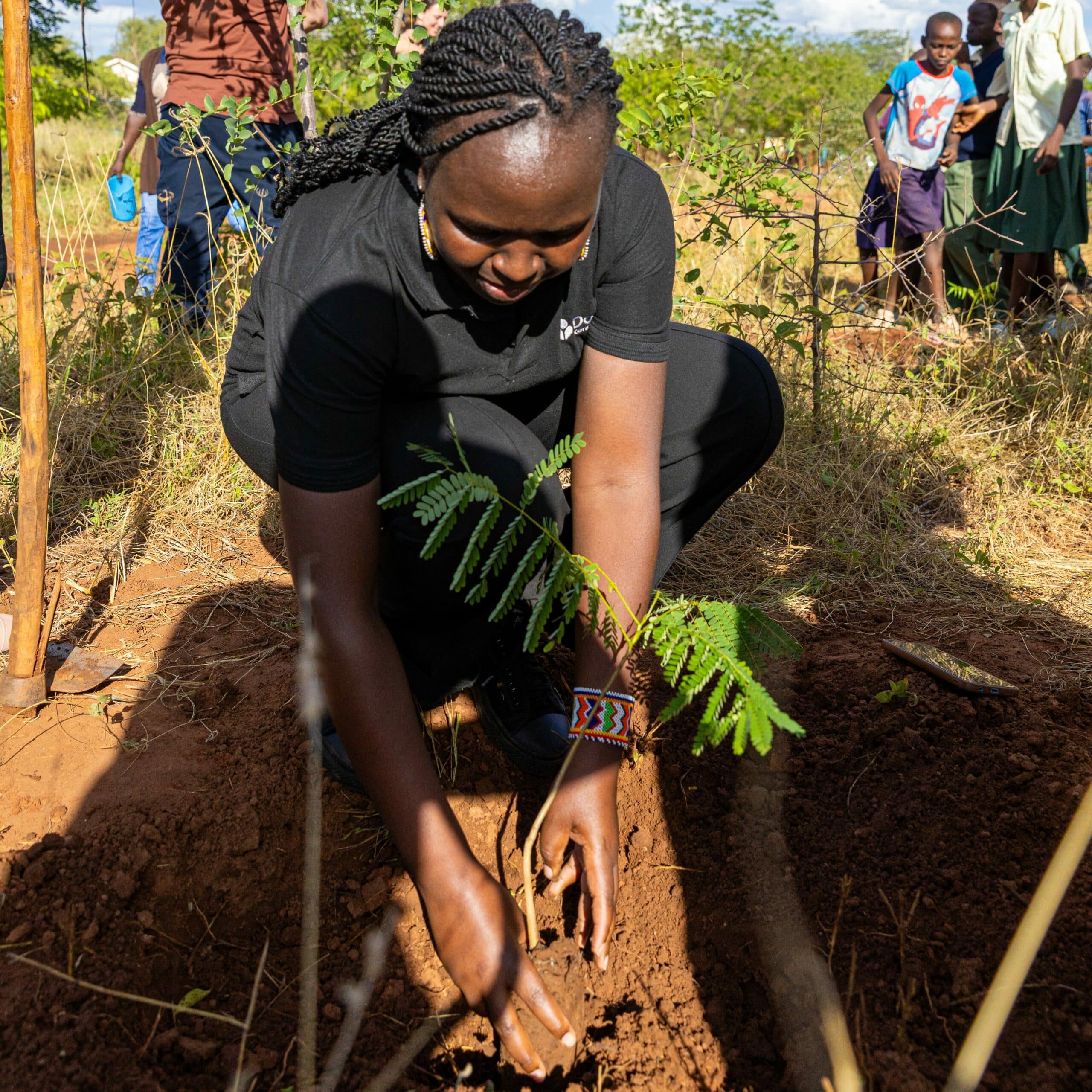
Field visits were a highlight of the event and helped to make abstract concepts more tangible. Participants had the opportunity to visit ongoing Dorcas projects and meet farmers, community groups, and project staff. They observed value chain development in action at the honey cooperative in Kitui and climate adaptation strategies, including land restoration, water management and regenerative agriculture, in Loitoktok in Kajiado County. Participants could ask questions, test assumptions and observe what works and what doesn’t in real contexts.
Andrei, Programme Manager at Dorcas Moldova elaborates:
‘It was incredibly valuable to see the projects in Kenya. The honey value chain project in Kitui was particularly inspiring! It was well organised and close to self-sustained. It could serve as a model for our farmer field schools in Moldova.’
The most inspiring insight
The event highlighted a simple truth: the most effective programmes combine technical expertise with genuine community ownership. Communities that shape solutions achieve sustainable and scalable results, whether the focus is on land restoration, honey production, water management or youth employability.
Daniella, Thematic Expert at Dorcas, describes:
‘The goal of this learning event is not just to learn new tools, but to bring them back to our programmes. The real success will be if, in the coming years, our country offices apply these approaches and build stronger programmes that deliver lasting impact for communities.’
Over the past couple of weeks, the situation in the Middle East has become extremely volatile. Ongoing missile strikes across multiple countries have significantly destabilised the region. Although conditions continue to shift, the overall environment is one of uncertainty and escalating risk.
Dorcas maintains country offices in Lebanon, Syria, Egypt, Yemen and Iraq. The impact of recent developments varies considerably across these countries, with Lebanon currently the most affected and facing the greatest needs. This update provides an overview of each country office and how the evolving situation is influencing our work.
Lebanon
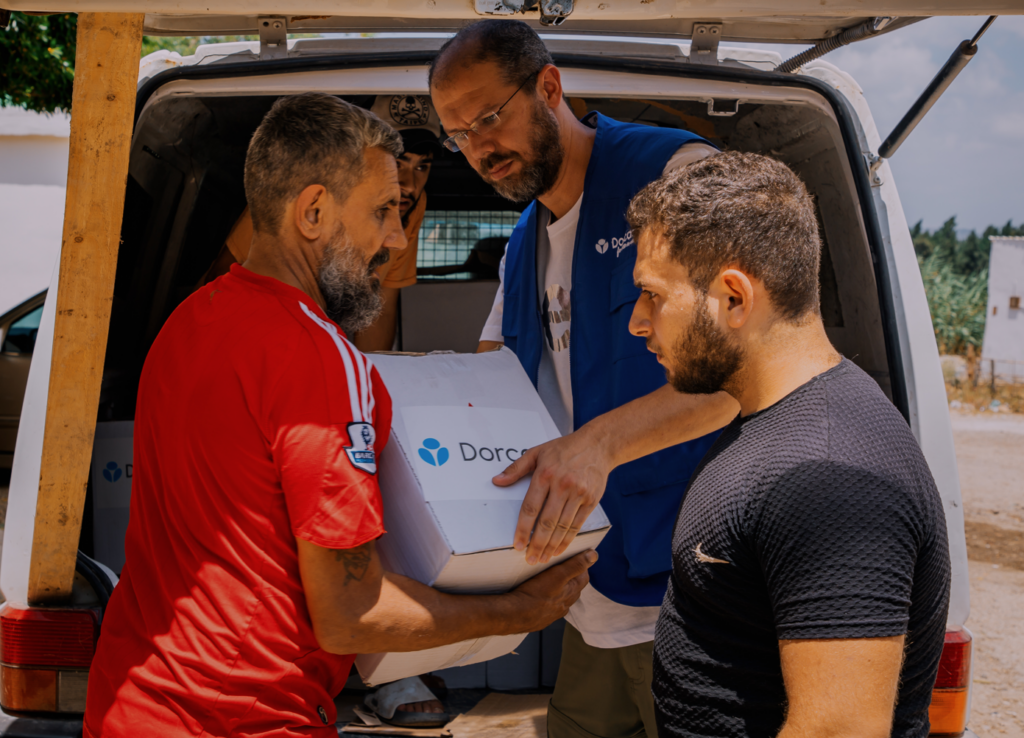
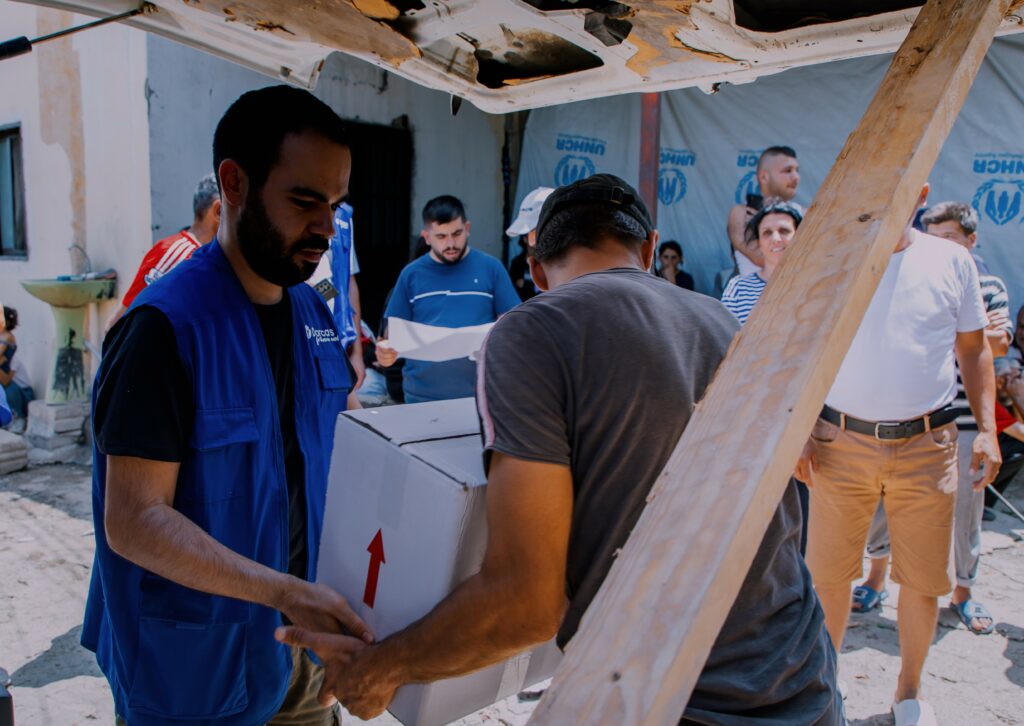
Lebanon is currently facing a severe and rapidly escalating humanitarian crisis. Sustained airstrikes have affected southern Lebanon, the Bekaa Valley, Baalbek‑Hermel, Beirut, and Mount Lebanon. Large-scale evacuation orders have caused widespread panic and mass displacement. This escalation comes on top of Lebanon’s multi-year economic collapse, leaving communities in urgent need.
According to UNHCR, around 517,000 people have been displaced in Lebanon, with more than 117,000 staying in collective shelters. In addition, in the first week of March, over 70,000 Syrians living in Lebanon and nearly 7,000 Lebanese crossed back to Syria, reflecting the scale of recent movements (source UNHCR, March 9th). Recent numbers indicate a displacement of at least 667,000 people (source UNHCR, March 10th).
Many displaced people are fleeing with minimal belongings, seeking shelter in schools, public spaces, and overcrowded collective shelters. Capacity in these sites is overstretched, with urgent needs for food, safe water, hygiene items, protection, and psychosocial support.
Najla, Dorcas Country Director in Lebanon and Syria, describes:
‘People are out on the roads, on the streets and beaches. They are staying outside at night as they have no place to go. We need to start distributing necessary items, such as food parcels now. People need food today. We cannot wait.’
Dorcas has been responding immediately since the beginning of the escalation. The response includes:
- Distribution of blankets, clothing, cold meals (sandwiches) and food parcels.
- Monitoring of hot meal distributions.
- Provision of Psychological First Aid (PFA) and protection support to displaced families and migrant workers.
- Recreational activities for children and youth to support emotional wellbeing.
This response is being scaled up rapidly in the coming days and weeks.
Iraq
The situation in Iraq is tense. The Dorcas Iraq team is safe and maintaining project activities where possible. Communities are experiencing anxiety, particularly in areas already facing limited services, although many continue to show resilience and remain engaged in programme activities. Our teams remain in close contact with them.
Our projects in Iraq are somewhat affected by travel restrictions and limited access to certain locations. Some activities in areas such as Sinjar and Basra have been rescheduled due to the security situation.
In recent days, there have been several recent drone incidents targeting critical sites, including industrial facilities and hotels. These developments are concerning, and Dorcas continues to monitor the situation closely.
Syria
The situation in Syria is calm at the moment, and the team has not yet been significantly affected by the recent instability and conflict. Although there have been minor incidents, our colleagues on the ground report that life is continuing relatively unchanged. The Dorcas Syria team has been in regular contact with colleagues in Lebanon, discussing ways to provide support and taking steps to do so.
Egypt
The situation in Egypt remains stable. All Dorcas staff, the communities in which we work, and our programmes are safe, and there have been no reports of security threats. The main challenge at present is the substantial increase in prices, which is limiting participants’ access to essential goods and services.
Yemen
The situation in Yemen, both in the north and the south, remains relatively calm. There have been no significant new impacts on Dorcas’ projects, and the Dorcas Yemen team is generally coping well.
However, Yemen continues to face a prolonged crisis that requires urgent attention. In addition, a projected increase in fuel prices is expected to further exacerbate the economic situation.
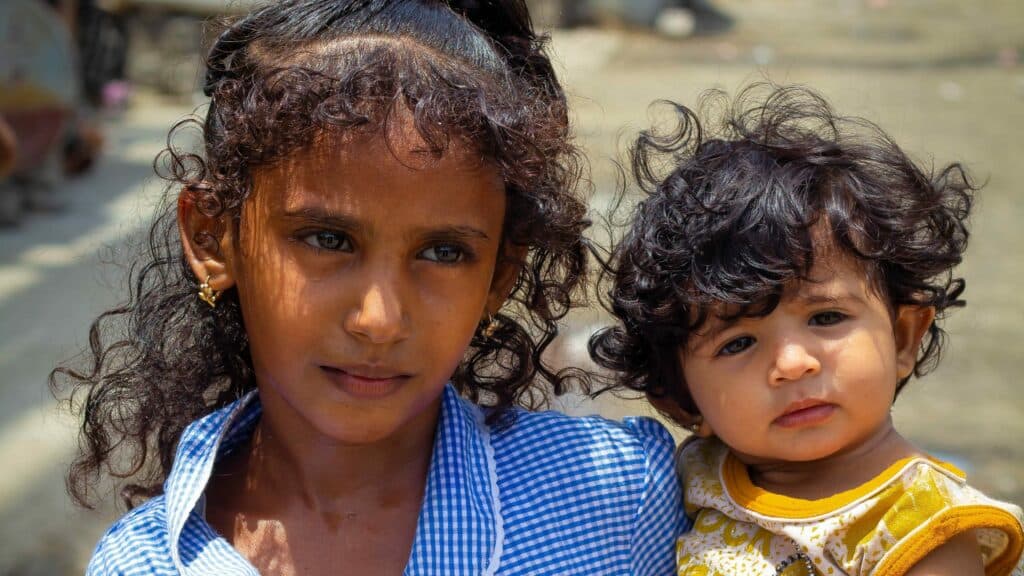
The situation in the Middle East has become increasingly unstable in recent days, with ongoing missile strikes reported across several countries in the region. This has led to growing insecurity, disruptions to airspace and transport routes, and rising humanitarian concerns.
While developments continue to shift rapidly, the overall picture is one of regional uncertainty and elevated risk.
Dorcas has Country Offices in Lebanon, Syria, Egypt, Yemen and Iraq. Our primary concern remains the safety and wellbeing of our colleagues, partners, and project participants across the region. We continue to follow developments closely.
We kindly ask you to keep the people in the region in your thoughts and prayers, and to join us in hoping for peace and stability across the Middle East.
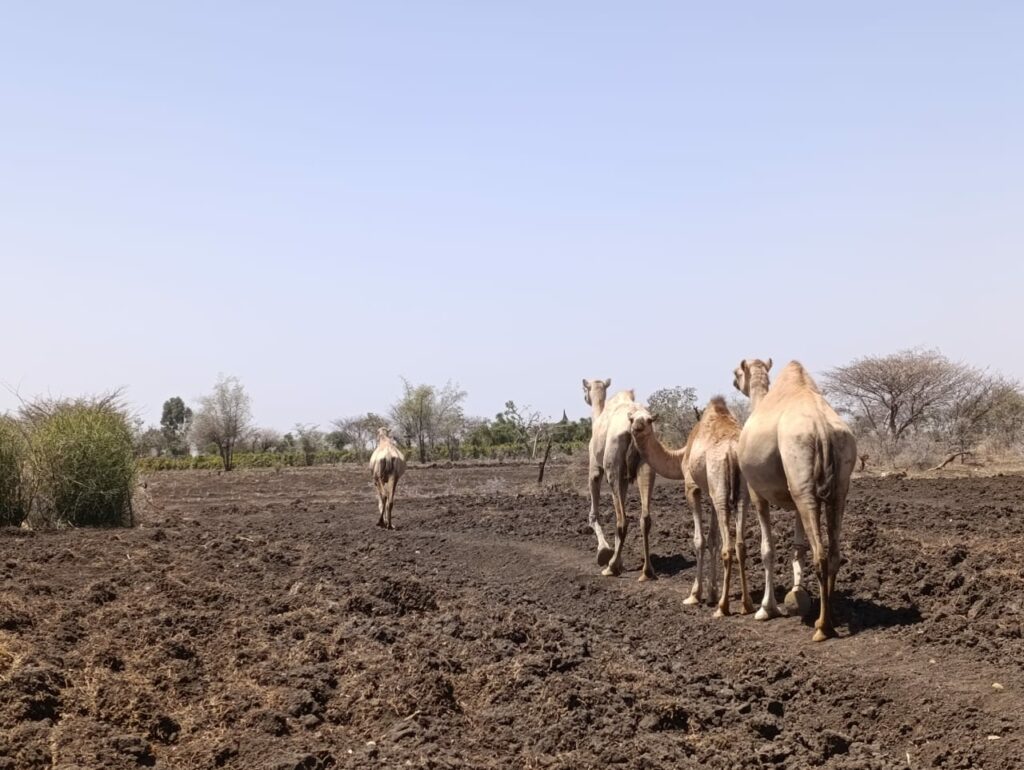
Communities in Fedis and Midega Tola woredas, East Hararge, Ethiopia, are facing acute and rapidly worsening food insecurity following prolonged drought conditions. In response, Dorcas has launched a rapid, multi‑sectoral emergency intervention to support 28,000 drought‑affected people in the Fedis and Midega Tola woredas, as well as surrounding towns and market centres including Harar and Dire Dawa.
Running from 31 January to 16 April 2026, the programme is designed to deliver immediate, life‑saving assistance while helping households stabilise their living conditions and reduce reliance on harmful coping strategies. The intervention is funded by the Start Network and implemented by World Jewish Relief, Dorcas Ethiopia, and Coalition Child Support Association at £350,000.
Targeting those in the most vulnerable situations
The crisis disproportionately impacts people already experiencing multiple vulnerabilities. Dorcas prioritises households headed by women and girls, pregnant and caregiving women, persons with disabilities, older adults, and Indigenous populations. These groups were identified through rapid assessments and community consultations as being at the highest risk of deteriorating food security, protection concerns, and loss of income.
A multi‑sectoral approach to an urgent crisis
To respond effectively to diverse and urgent needs, the programme integrates cash assistance, in‑kind support, WASH interventions, and protection services.
Cash transfers
More than 12,600 people will receive multipurpose cash transfers, enabling families to immediately purchase essential food and basic items. Market assessments confirm that local markets are functional and able to absorb increased demand, making cash the most efficient and dignified means of support.
In‑kind support
An additional 13,850 people will benefit from distributions of food and non‑food items. These include WASH materials, shelter kits and health‑related supplies—items that are critical when household resources are severely strained.
WASH activities
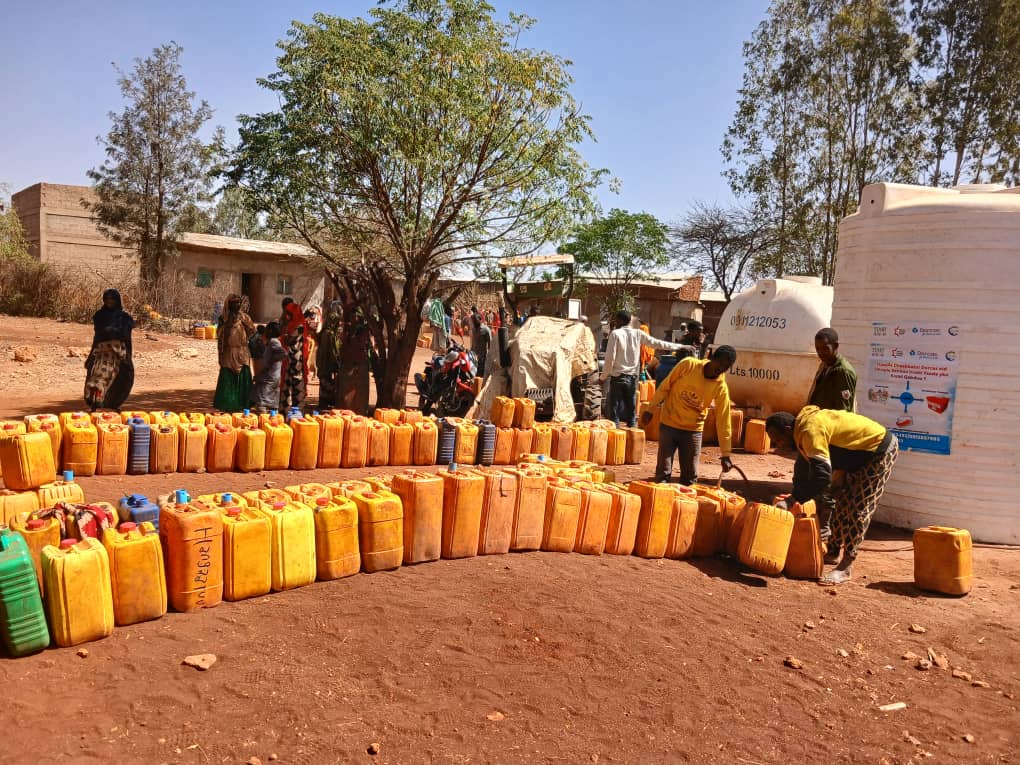
Safe access to water, sanitation and hygiene services is essential to preventing disease outbreaks during food crises. The project therefore restores access to safe water and provides hygiene materials to reduce health risks for affected families.
Livelihoods and early recovery support
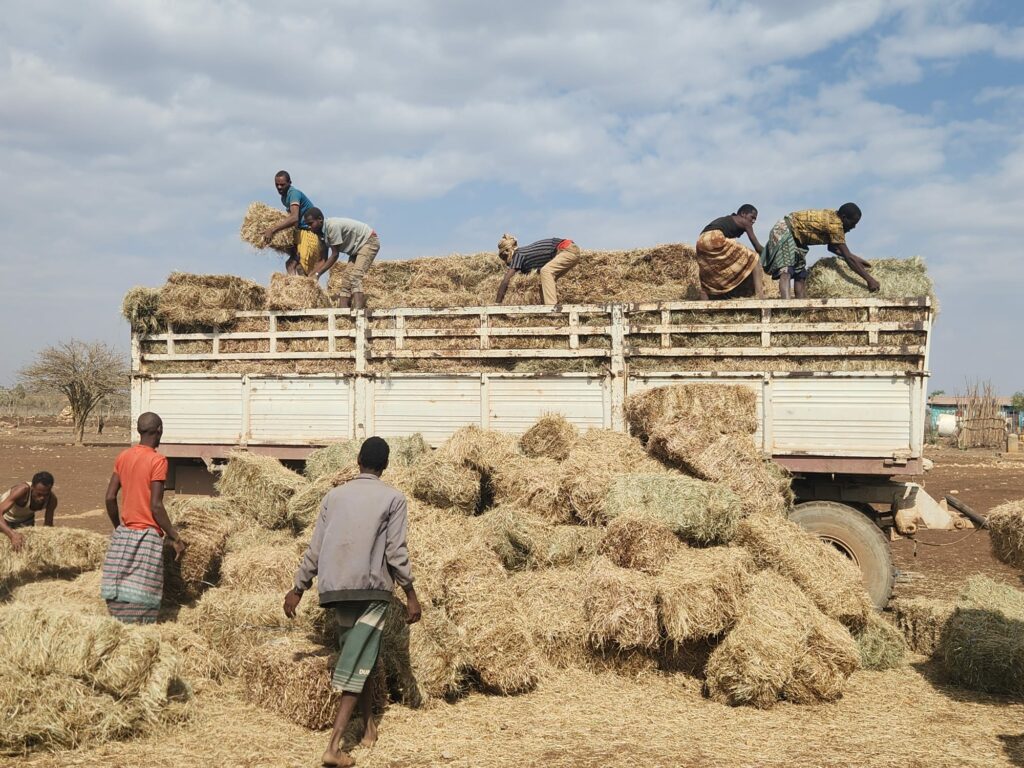
In addition to meeting immediate survival needs, the project includes activities aimed at protecting and restoring livelihoods. This includes provision of animal feed to prevent further loss of livestock—an asset central to rural livelihoods in East Hararge.
Protection and psychosocial support
Crises heighten risks of exploitation, violence, and social exclusion. Dorcas therefore integrates safeguarding, psychosocial support, and community‑based feedback mechanisms to protect dignity and ensure assistance is appropriate and accountable.
Measuring impact
Success for this rapid response is defined by measurable improvements in household safety, well‑being, dignity, and coping capacity within a 45‑day window. By supporting both immediate needs and early recovery, the intervention aims to reduce the use of negative coping strategies – such as skipping meals, forced migration, or selling essential assets – and to strengthen resilience ahead of longer‑term recovery efforts.
Building foundations for longer‑term recovery
While this emergency response provides urgent assistance, it also creates a foundation for more sustainable interventions. The combination of cash support, livelihood protection and strengthening of local market systems supports communities maintain critical stability while recovery and development programmes are mobilised.
Dorcas remains committed to standing alongside vulnerable households in East Hararge, ensuring they receive the support they need. Not only to survive the current crisis, but to rebuild their lives with dignity and hope.
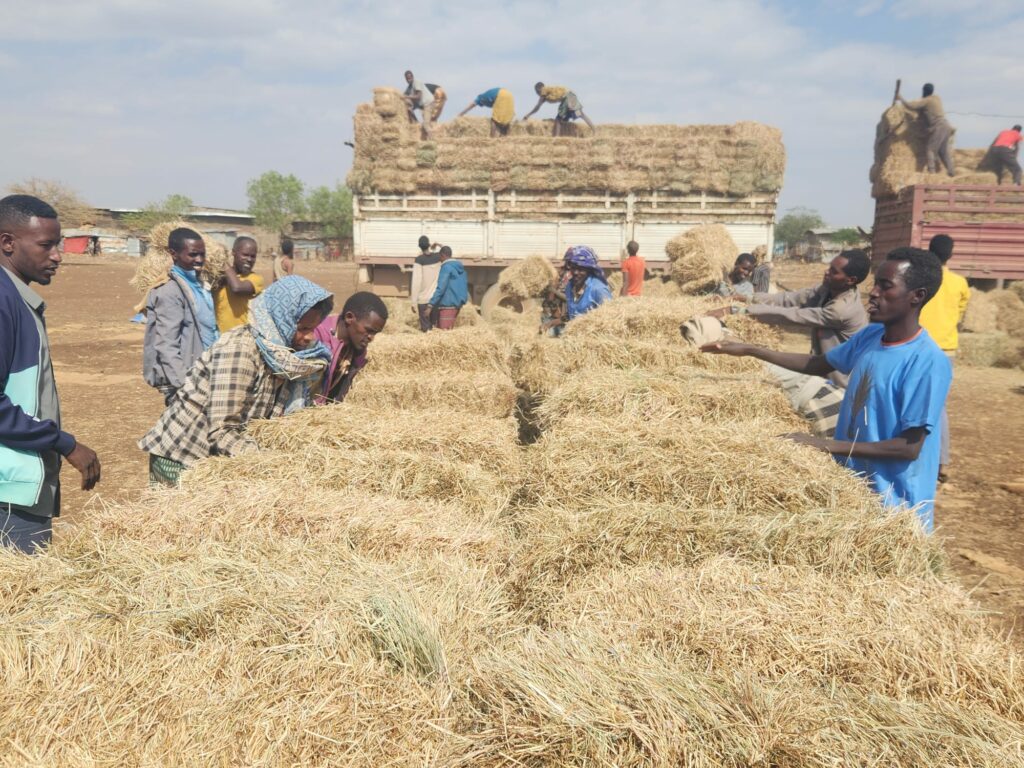
Iraq is facing one of the most severe climate crises in the region. Temperatures are rising seven times faster than the global average, and the country is expected to experience increasing flooding, drought, and desertification over the coming decade. These pressures are already undermining livelihoods and economic resilience at the household level, contributing to rising poverty.
By 2035, Iraq is expected to have a water deficit of around ten billion cubic metres, driving drought, soil salinisation, and the loss of around 25,000 hectares of agricultural land each year. It is estimated that 70 per cent of Iraq’s agricultural land is at risk of total degradation due to climate change.
Climate needs assessment
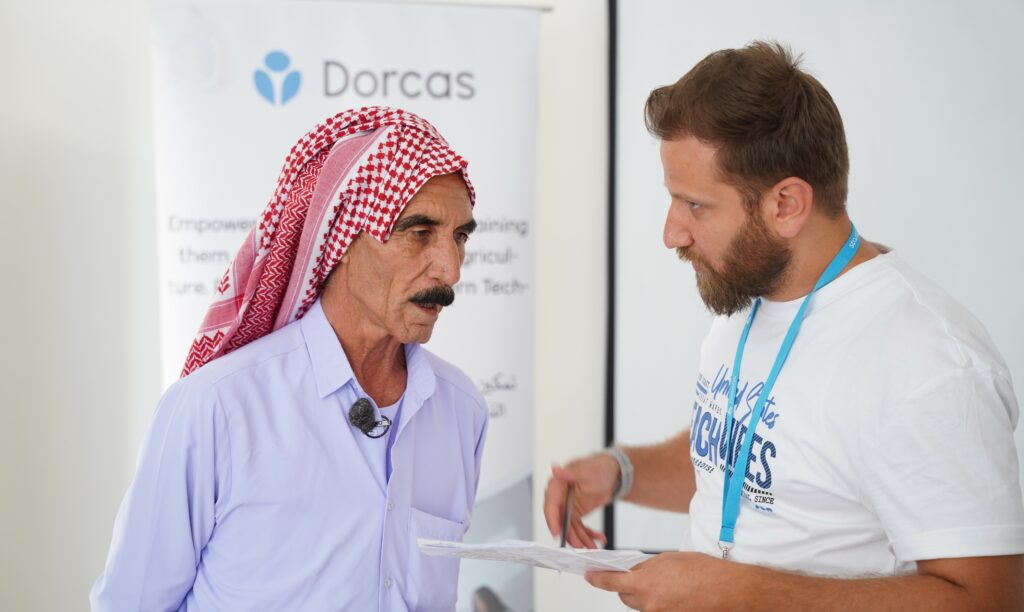
Against this backdrop, Dorcas Iraq conducted a qualitative climate needs assessment in Basra, Ninewa (Sinjar) and Duhok between November and December 2025. The assessment aimed to identify priority climate risks and practical actions to strengthen resilience in agriculture, water management, and ecosystems.
Data was gathered through fifteen key informant interviews across Basra, Ninewa, Duhok and Mosul, as well as two focus group discussions in Sinuni (Balef and Ware Khidre villages), involving 21 participants in total.
Key findings
The assessment highlights a consistent pattern across all locations:
- Climate adaptation is taking place, but largely in a reactive and project-driven manner.
- Water scarcity poses the greatest challenge across sectors and regions.
- The limited uptake of climate-smart practices reduces resilience and productivity.
- The groups most affected are smallholder farmers, women (including those in female-headed households), young people, households dependent on the climate and displaced people in Sinjar.
Priority needs per governorate
In Basra, severe water scarcity, high salinity, desertification and industrial pollution are all major issues. Priority areas include the implementation of water-efficient irrigation systems, the establishment of local water storage facilities, the rehabilitation of canals, and the strengthening of governance, particularly with regard to industrial water use.
In Ninewa (Sinjar), prolonged drought, high temperatures and erratic rainfall are causing soil degradation and losses to crops and livestock. Support for climate-smart agriculture, including drip irrigation, rainwater harvesting and coaching through demonstration plots, is especially needed for women, youth, smallholders and internally displaced people.
In Duhok, drought, irregular rainfall, land degradation and frequent wildfires are having an impact on forests and livelihoods. Key priorities include integrated water resource management, community water committees and forest fuel management linked to wildfire prevention.
How Dorcas is contributing
Dorcas addresses these needs by planting trees using water-saving methods such as the Waterboxx, distributing fruit tree seedlings, and providing practical climate adaptation training. Forest-focused activities include pruning and establishing a biomass-to-compost value chain to reduce fire risk and improve soil quality. Dorcas also supports institutional capacity building and green jobs programs, including vocational training in mushroom cultivation.
Sargon, Country Director of Dorcas Iraq, explains:
‘Our climate resilience strategy prioritises proactive, evidence-based action. In Basra, we focus on expanding community- and farm-level water storage, improving irrigation efficiency, and addressing soil salinity. In Duhok and Ninewa, we are promoting climate-smart agriculture, restoring degraded land, and strengthening wildfire prevention.
Central to this approach is improved coordination between water authorities, agricultural departments, and local communities, enabling lasting, inclusive climate resilience across Iraq.’
Between 2022 and 2025, Dorcas reached more people facing poverty, displacement and crisis across multiple regions. Five strategic ambitions guided this work. They focused our efforts, deepened our impact, and strengthened our capacity to respond in an increasingly complex world. This period brought both significant achievements and valuable lessons that now shape our path forward.

1. Focus on people who are marginalised
During the period 2022–2025, Dorcas stayed true to its core mission: standing alongside people and communities who are marginalised due to poverty, exclusion or crisis. Across all regions, programmes increasingly focused on groups such as older people, displaced families, and socially excluded communities. This led to tangible progress in areas such as empowerment, protection, access to basic services and community support, demonstrating the strength and relevance of our’ approach. During the strategic period, we also further strengthened and refined our approaches. For example, we strengthened programming on Livelihoods and Economic Development, and developed new programming that targets climate adaptation and resilience.

2. Develop coherent and community‑based programmes
Dorcas made steady progress in developing coherent, community‑based programmes. In our programming, the nexus approach was strengthened by further integrating humanitarian assistance with longer-term development objectives within the context of a community-based approach. Additionally, we increased our lobbying and advocacy efforts, primarily in the Netherlands, where we influenced policymakers. We developed a strategic lobbying and advocacy framework, which we will use to strengthen similar efforts in the countries where we work. We have invested in measuring the outcomes and impact of our work, specifically through a comprehensive results framework based on our theory of change. Furthermore, we have increased learning across our country offices through learning events and cross-country cooperation.

3. Increase the scale and effectiveness of our work
Between 2022 and 2025, Dorcas significantly expanded the scale of its work. Partnerships with local organisations and institutional donors grew stronger, enabling Dorcas to reach more people in need. We invested in strengthening the capacity of our implementation partners by realising systematic capacity assessment and development plans. Additionally, we invested in proposal development capacity to enable us to write higher-quality proposals with a greater chance of success. And we explored new funding methods to complement traditional institutional donor funding, a necessary step in the changing funding landscape, where funding availability is decreasing, and competition for these funds is increasing. This is an ongoing journey that will continue in the coming years.
We explored a potential merger with Help a Child to increase scale, but after careful consideration, decided not to proceed along this route. Nevertheless, we remain committed to collaboration with other organisations to increase our scale and effectiveness in the coming strategic period.

4. Mobilise resources and engage communities
Dorcas’ strong connection with communities in the Netherlands remained a cornerstone of the organisation throughout the strategic period. We developed a new private fundraising strategy and strengthened the processes related to it. We also adapted our internal operations to improve the support we provide to private fundraising and the Dorcas shops. As a result, Dorcas shops grew in number and professionalism, volunteer engagement remained high, and supporter trust and satisfaction were consistently strong. At the same time, we also face challenges due to economic developments and increased competition, which influence donor behaviour. However, with the foundations laid in previous years, we have a strong basis for future growth.
5. Become an agile catalyst and ConnActor
The years 2022–2025 were marked by significant organisational development. Dorcas strengthened its foundations through leadership training, development and implementation of internal processes and systems, enhanced integrity and quality management systems, and increased attention to sustainability. These efforts enabled us to achieve successful (re-)certification on all relevant quality standards, including Core Humanitarian Standard certification. The strategic period also further supported the decentralisation trajectory, in which country offices are strengthened and supported to operate in line with their portfolio and capacity. We will continue these efforts in the coming years, as they are also a cornerstone of our strategy for 2026-2030.
The period 2022-2025 strengthened both our impact and our foundations. We reached more marginalised communities, deepened partnerships, expanded our volunteer network, and built systems that enable quality programming. These achievements, alongside lessons learned about funding challenges and the need for continued adaptation, directly informed our new strategic plan for 2026-2030: Local Power Creates Lasting Change. We enter this next phase better equipped to stand alongside those in need.