Reading time: two minutes
Vitalii and Alona are raising four children, including foster children, in a village in the Zaporizhzhia region, 27 kilometres from the front line. When their apartment in Zaporizhzhia became too small for the family and the ongoing conflict made staying in the city dangerous, they decided to move to the village.
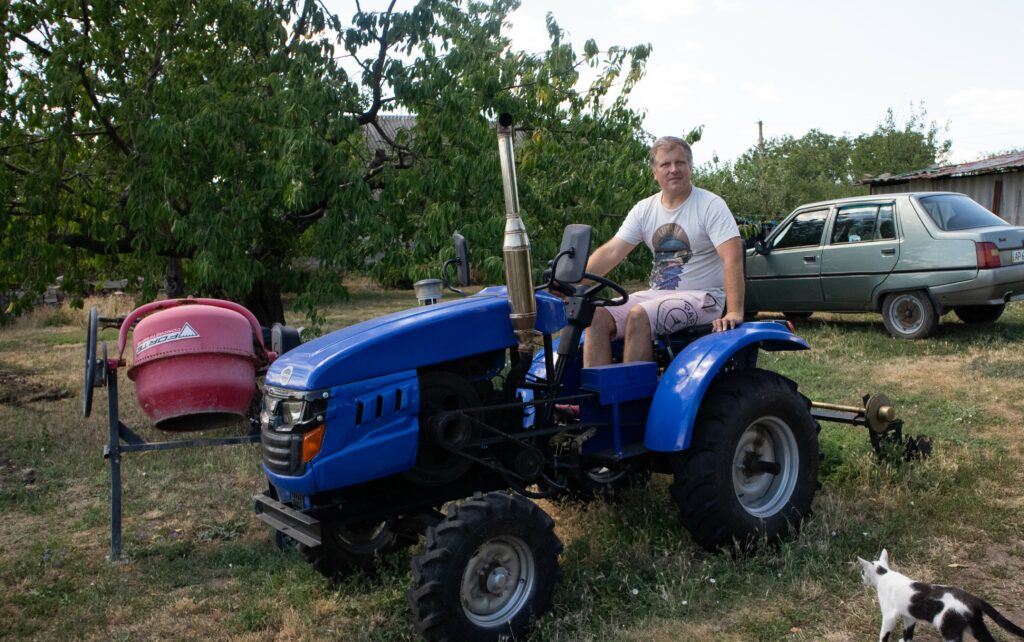
Following the move, Vitalii began farming and selling his produce at the market. Thanks to a grant from Dorcas this year, he was able to install a greenhouse and equip it with heating and irrigation systems, as well as conduct soil and water analysis. ‘I don’t have much experience yet, so also receiving a consultation from a laboratory was helpful. We didn’t know we had fungus in the soil, but now we are working to solve the problem,’ he shares. They plan to grow cucumbers, salad vegetables, and strawberries in the new greenhouse. This will improve the well-being of this large family by establishing a continuous cycle of growing produce for sale.
In 2025, Dorcas expanded its support for farmers in eastern Ukraine, providing grants totalling €16,000 to five households in the Zaporizhzhia region. Despite the constant threat to their lives and livelihoods, farmers remain because, to them, land is not only a source of income, but also a source of dignity, hope and connection between generations. However, mined fields, land damaged by attacks and destroyed equipment remain a challenge for Ukrainian agriculture.
The Zaporizhzhia region has particularly suffered ecosystem disruption due to the destruction of the Kakhovka Reservoir, which has led to a locust invasion this season and threatened the productivity of small orchards. Supporting entrepreneurs in frontline regions gives them the confidence to develop their businesses.
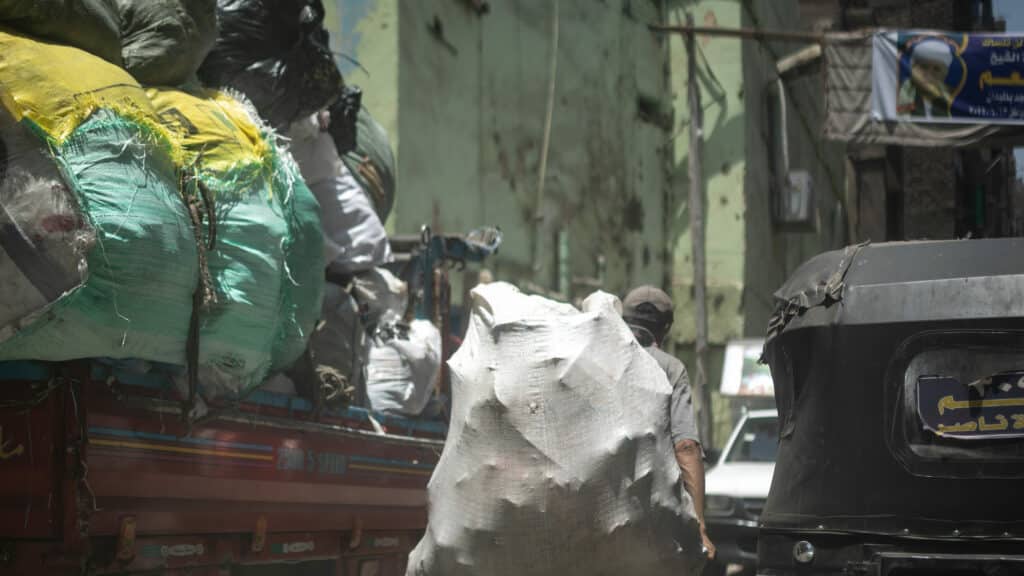
In one of Cairo’s most marginalised communities, commonly referred to as the ‘garbage collectors’ district’, families live under constant strain from poverty, violence and social exclusion. Women and children are particularly affected, facing unsafe living conditions, limited access to education and healthcare.
Since 2014, the Oasis Community Centre of Dorcas, operated by our implementing partner Live Vision, has played a vital role in delivering multifaceted support.
Supporting families to flourish
The Oasis Community Centre specialises in family-based interventions that address the needs of the entire household. By engaging parents, teenagers and children alike, we strengthen relationships and secure lasting change for the whole family. Our approach focuses on building the self-esteem and practical skills of every household member.
Nardeen, a dedicated team member at Live Vision, witnesses the impact of this work every day. She explains: ‘Children and their families receive essential material assistance, but they also gain important skills. We teach them how to manage money, provide additional educational support, and offer life skills training. For parents, there are courses on parenting. The wonderful thing is that these lessons stay with them for life.’
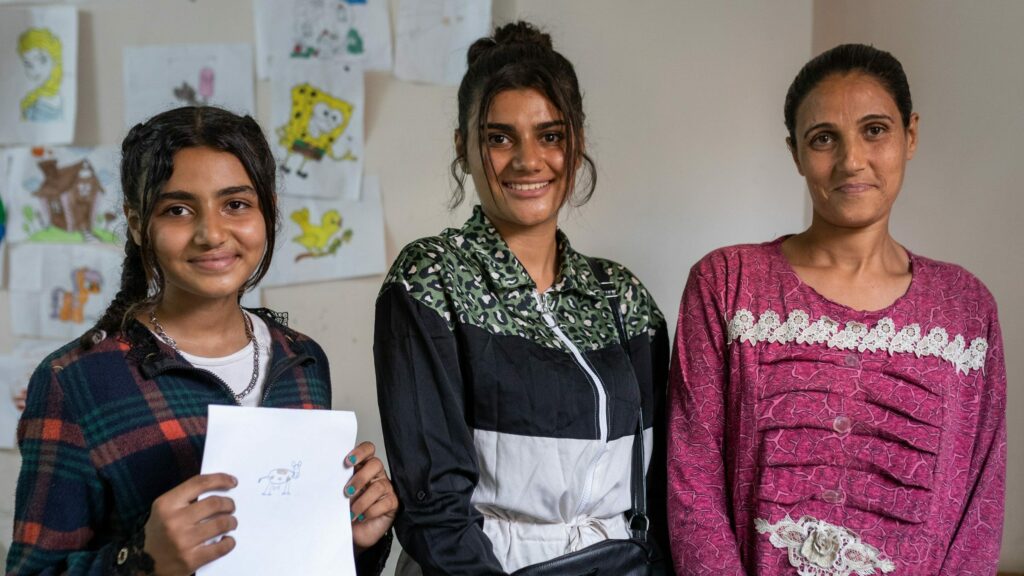
A key focus of the Oasis Centre’s work is the empowerment of women. Nardeen continues: ‘Many women who come to Oasis feel powerless and trapped in difficult circumstances. Standing up for themselves is not easy. That’s why we provide psychosocial support to help them process their emotions and build resilience. With adults, we focus on thoughts, feelings and behaviours. With children, we use play and creative therapy to support them to express themselves.’
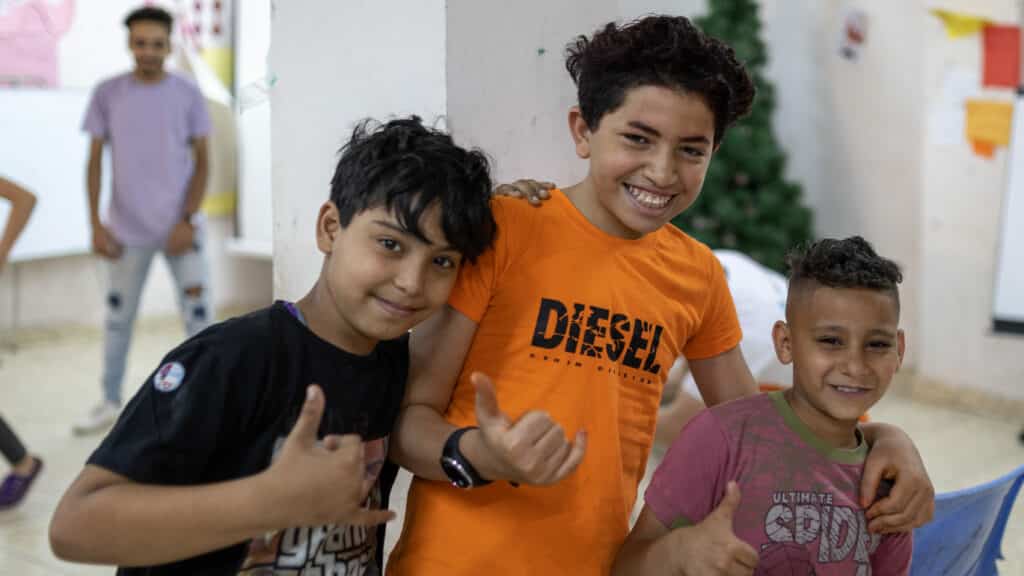
Rosemary, another member of the Live Vision team, works directly with children and observes transformation over time. ‘About a month after they arrive, I often see a change,’ she shares. ‘They’re happier, less anxious, and more caring towards others. They no longer fight or take each other’s belongings. My goal is to stand alongside children and their families – and to help bring about real, lasting change.’
Transformation to Oases
In the last three years, Oasis community centre has been on a transformational journey towards becoming the ‘Oases programme’. The ‘Oasis-model’ has been replicated across multiple community-based organisations (CBOs) and social initiatives. Through strategic partnerships, our reach and impact continue to grow, as knowledge and expertise are shared across the wider network.
Live Vision is now developing an Academy for Social Workers in Cairo to train professionals in approaches such as Asset-Based Community Development (ABCD), case-based management, and participatory methods, and is increasingly recognised as a Centre of Excellence, equipping other NGOs in Cairo and beyond to implement the Oasis model.
In line with this evolution, the centre is also operating as a social enterprise, with new income-generating activities (IGAs) being launched to diversify income sources and strengthen financial sustainability. We also encourage and support local staff, programme graduates and other community members to start their own social businesses. This enables them to create services that meet local needs and strengthen their community from within.
A key milestone in this transformation, has been the adoption of the Flourish programme. This model supports families through eight structured building blocks designed to support them to overcome multi-dimensional poverty. Grounded in social protection, the approach is always adapted to the unique circumstances of each household. Family-based care interventions are an essential part of this model, which means that economic support, protection measures and personalised care are delivered with the household as the central unit of change.
Advancing protection
At Dorcas, protecting people in vulnerable circumstances lies at the heart of our mission. Across all our programmes, we integrate protection measures that respond to the complex needs of those we serve. Key areas of focus include case management, mental health and psychosocial support (MHPSS), child protection, and women’s protection.
Over the past decade, one Oasis has grown into a network of Oases, safe spaces where families can take meaningful steps towards a future of dignity, strength and opportunity.
Dorcas Kenya and our partner, Kitise Rural Development (KRD), have recently concluded the Makueni Pasture and Milk Value Chains Project. Through this initiative, we worked to enhance livelihoods in Makueni County by promoting climate-smart agriculture, developing value chains, and empowering young people.
Farming in Kikome village: A practical learning experience
One of the project participants was Boniface, a 28-year-old pastoralist and dairy farmer from Kikome village in Makueni County. He lives with his wife, Faith, and their two children. Before joining the project, Boniface cultivated a small plot of land, but he had limited knowledge of pasture management, seed selection, and planting methods. Consequently, his milk production was low, resulting in an income that was insufficient to meet his family’s needs.
‘Through the project, I was able to join the Kikome Farmer Field School, where I gained practical skills in pasture and milk production,’ Boniface shares.
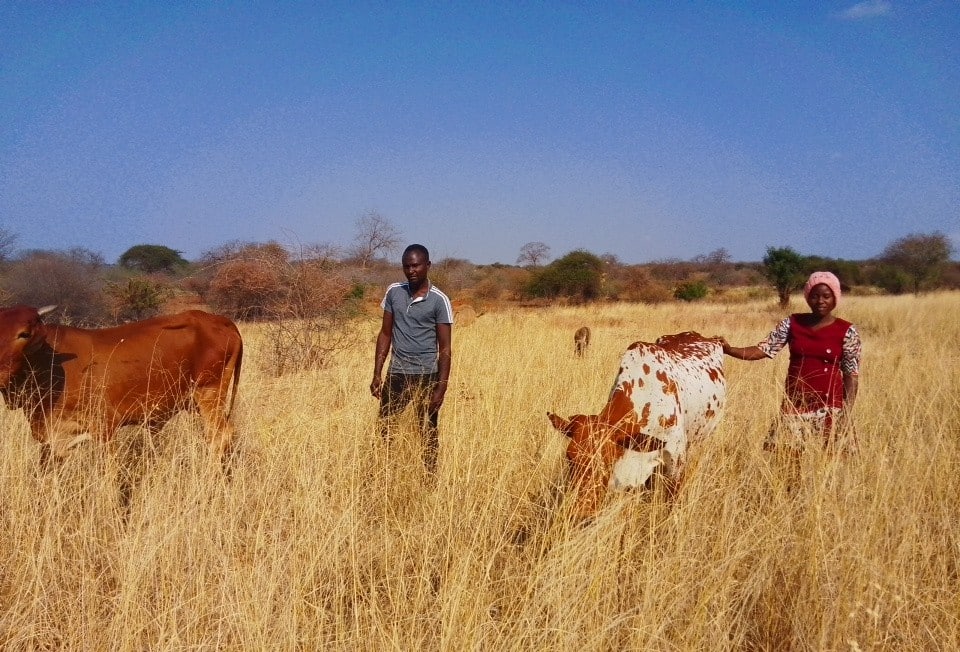
His strong commitment led to him being selected for a six-week intensive course at the Dairy Training Centre in Kenya, where he gained knowledge of soil fertility, feeds and feeding, breeding and animal health.
‘After the training, I planted more pasture the right way. I fed my animals well and put into practice what I had learnt. My milk yield increased from three to six litres per day,’ Boniface explains.
Income growth and community recognition
With the monthly income he now makes, Boniface can now comfortably pay school fees and support his family. He has become a peer-led farmer, offering guidance to others, and was recently contracted by the government to collect data and register farmers for upcoming agricultural programmes.
Boniface: ‘I highly appreciate the work carried out by KRD and Dorcas. I look forward to expanding my farming business and sharing my knowledge with other farmers.’
Reading time: 3 minutes
Mental health and psychosocial support (MHPSS) form an integral part of Dorcas’ work. One of the countries in which this assistance is currently particularly vital is Ukraine. Due to the ongoing conflict, many people are experiencing prolonged stress, uncertainty and disruption to their daily lives. Dorcas and its partners have recently adopted an approach that involves using music as a tool for psychosocial support.
MHPSS is essential in areas affected by crisis and conflict because such situations can have a long-lasting impact on people’s emotional well-being, relationships, and ability to adapt. MHPSS provides safe and supportive spaces where people can express themselves, rebuild trust and regain a sense of stability.
Dorcas Ukraine recently supported a training initiative in collaboration with the All-Ukrainian Mental Health Support Programme ‘How Are You?‘, the NGO ‘Sol Diez‘ and the organisation ‘Sounds of Change‘. Designed for education representatives, the training focused on using music as a tool for psychosocial support. Over the course of several days, participants were introduced to accessible methods such as rhythm, clapping, using boomwhackers and collaborative song-writing. These practices offer non-verbal ways to foster emotional connection, reduce tension and promote resilience. The training provided educators with techniques that they can implement immediately in their work to promote emotional well-being within crisis-affected communities.
Oksana’s experience: putting the training into practice
Oksana, a psychologist at the Centre for Resilience, participated in the training programme. She describes, ‘I have been interested in music for a long time. I feel that it touches deep levels of the psyche. I wanted to learn how to use sound and rhythm in working with emotions, especially when working with children.’
During the three-day training, she explored simple yet powerful techniques. Reflecting on the experience, she shared, ‘What impressed me most was how simple exercises with sound bring people together, reduce tension and evoke genuine joy. This was especially evident when we created rhythm together and each voice merged with the others. It was amazing – harmony without words.’
Upon returning to her work, Oksana immediately applied these practices with children from a family-type children’s home. The results were clear: emotional relief, increased contact and smiles. She plans to incorporate these music-based methods into her work with children, teenagers and adults.
Like Oksana, all the educators who received the training are now ready to use these music-based methods in their own settings. This is a significant step towards expanding accessible psychosocial support in communities affected by the conflict.
Reading time: 2 minutes
In Ukraine, many families are forced to flee the ongoing conflict, seeking safety in western regions such as Transcarpathia. This displacement has a severe impact on their livelihoods and overall well-being.
Dorcas Ukraine runs a ‘Future for Children’ programme in Transcarpathia to support families in vulnerable circumstances. The programme focuses not only on the children, but on the entire household, empowering parents by providing them with training in livelihood skills and parenting. This creates safer, more stable and nurturing environments in which children can grow and flourish despite difficult circumstances.
Lilia’s journey of resilience
Lilia is a single mother raising her son, Ivan. They both participate in the Future for Children programme, which is run by Dorcas. They ended up in a town in the Transcarpathian region, because they were forced to flee the conflict in Kharkiv.
Lilia and her son moved into a compact settlement for internally displaced people. Despite this, Lilia was feeling anxious and uncertain, and was struggling financially.
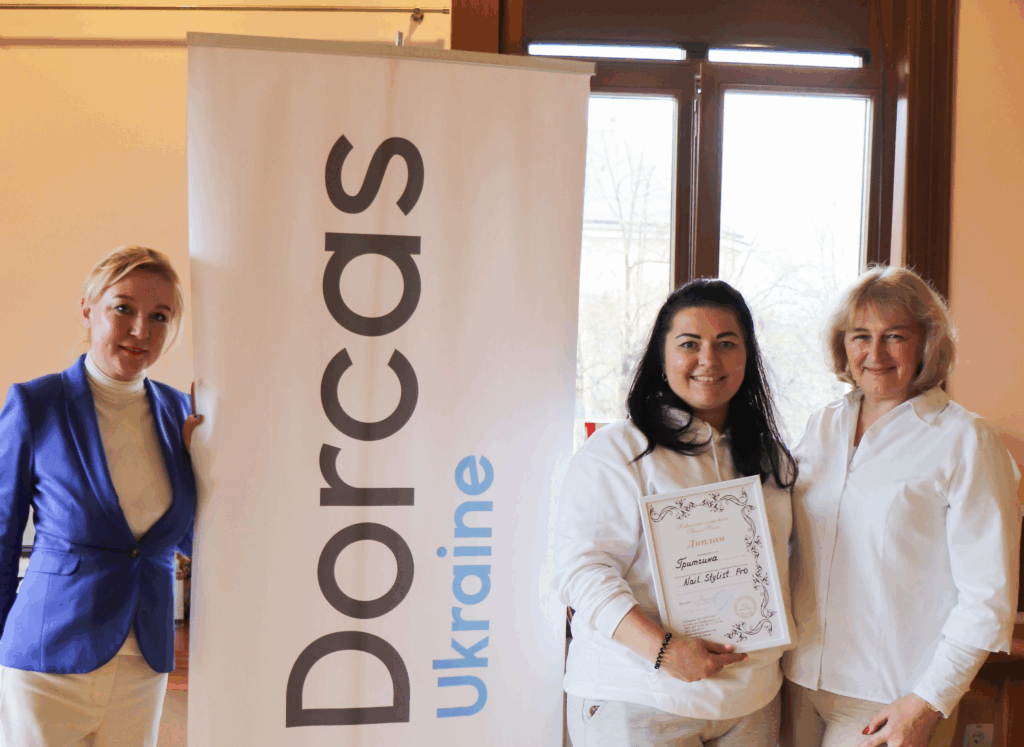
With the support from Dorcas, she completed a course in manicure and pedicure and is now actively working and accepting clients from the dormitory. Thanks to her new profession, she can now support herself and Ivan with her own earnings.
Lilia seized an opportunity that transformed challenging circumstances into a chance for growth.
Reading time: 4 minutes
Although we can catch glimpses of global events through the media, many crises remain underrepresented. The complex situation in Yemen is a case in point, despite the urgent need for greater support. Yemen is grappling with a deeply challenging and complex situation that calls for our attention.
Current situation
The current situation in Yemen is calm yet tense, with the shockwaves of developments in the Middle East reverberating throughout the country. Aden and neighbouring governorates in the south and east are experiencing economic and logistical instability, widespread power cuts and the spread of viral diseases.
Protests have been ongoing for over a month as citizens express their frustration over the collapse of the currency, the skyrocketing prices of basic commodities and the high cost of living. The situation is further compounded by deteriorating health and education services and delays in salary payments.
A major development this year has significantly impacted the operational environment. The US Government ordered all humanitarian and development actors receiving US funding to halt operations in Northern Yemen. As a result, some organisations had to withdraw from their target areas.
Alarming food insecurity
Yemen is also facing alarmingly high levels of food insecurity, with some populations now at risk of famine (IPC Phase 5) for the first time since 2022. Currently, 17.1 million people, nearly half of the country’s population, experience high levels of acute food insecurity (IPC Phase 3 or above). Projections suggest that this figure could increase to 18.1 million people between September 2025 and October 2026, highlighting the severity of the humanitarian crisis and the necessity of ongoing intervention.
The delayed rainy season has led to dry conditions persisting across Yemen, heightening the risk of drought and exacerbating water scarcity. These climatic challenges are placing an additional burden on communities that are already struggling.
Dorcas in Yemen
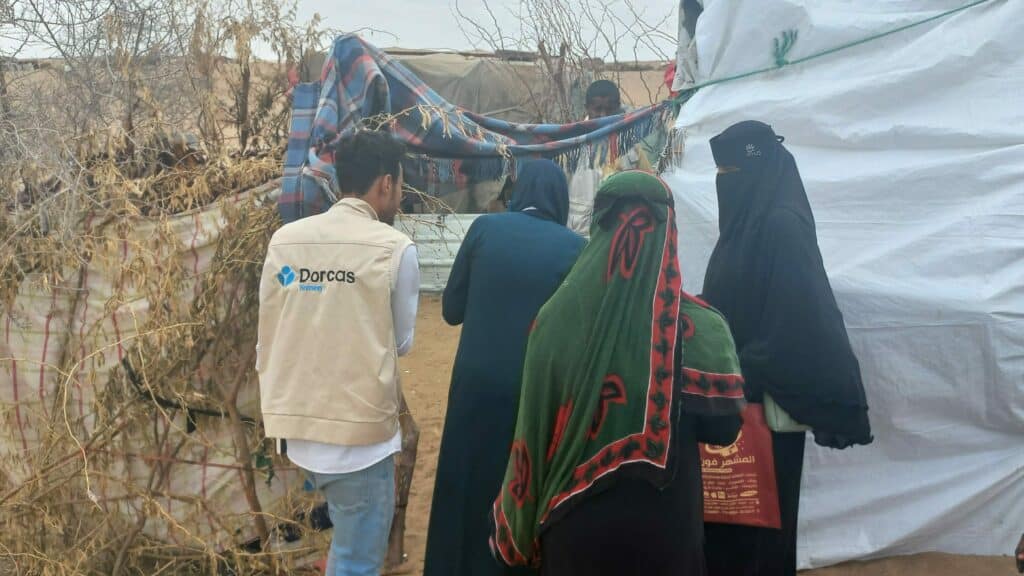
Dorcas Yemen is dedicated to supporting displaced people, host communities, women and children. Additionally, we focus on people with disabilities and socially marginalised groups. We implement programmes in various sectors, including health, water, sanitation and hygiene (WASH), food security and livelihoods and protection.
One of our key strengths is our ability to build networks and encourage acceptance within local communities. This involves collaborating with local partners and volunteers to reach marginalised people who are the most difficult to access. Despite the challenging situation and growing needs, Dorcas remains deeply committed to supporting those in need.
José Salema, Dorcas Yemen’s Country Director, says: ‘From experience, I know that the Yemeni people are very resilient. Despite the current obstacles, we will continue to push forward and support our project participants as we work together to build a better future in Yemen.’
He continues, ‘For now, our key priorities lie in responding to humanitarian needs in close collaboration with established clusters and local institutions. Together, we are reinforcing efforts to mitigate food insecurity and optimise water harvesting and usage. Additionally, we are focusing on improving project participants’ livelihoods and their access to markets.’
Call for action
A month ago, 116 humanitarian organisations, including Dorcas, called for immediate action to prevent Yemen’s descent into further crisis. In light of this collective call for action, it is crucial for humanitarian organisations to align their strategic priorities, including scaling up development assistance and advocating for flexible, timely and predictable funding.
From September 2024 to April 2025, Dorcas Ukraine led the ‘Restoring Hope’ project, which aimed to improve employment opportunities for those affected by the conflict in the Zaporizhzhia and Zakarpattia regions.
Following completion, we assessed the initiative’s impact and found that 99 per cent of participants deemed their involvement as relevant. Of the participants, 65 per cent started or expanded their businesses, while 21 per cent developed existing enterprises further. Additionally, 64 per cent of households reported an increase in income. Particular attention was given to supporting women raising children alone, mothers with multiple children, internally displaced persons living in collective centres, and families caring for older relatives or people with disabilities.
Skills training and support
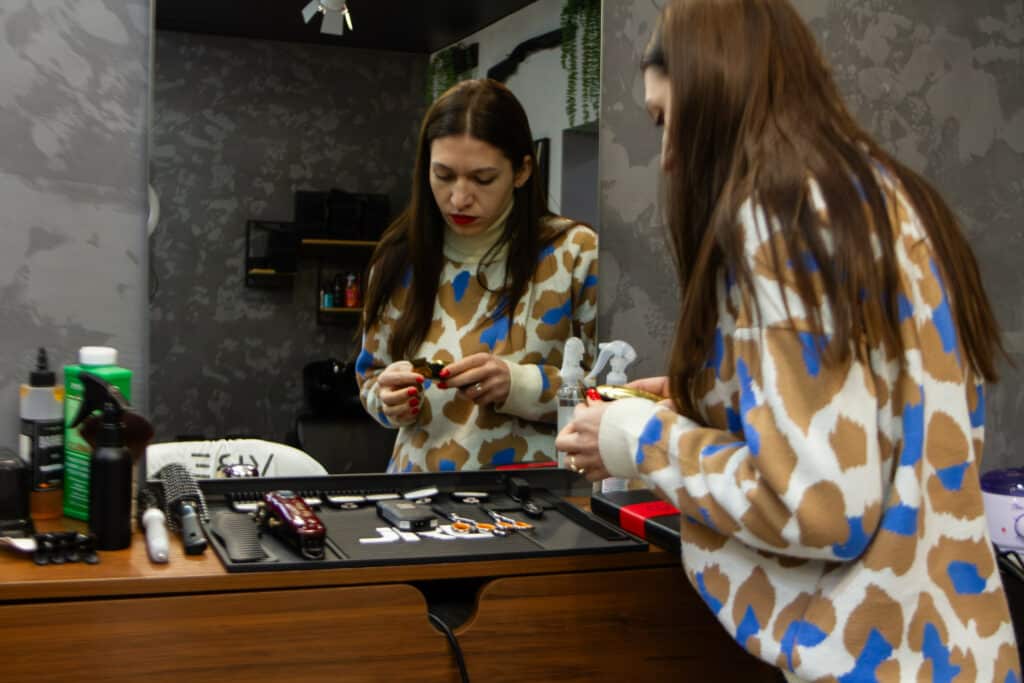
Each project participant acquired professional skills and received a toolkit to facilitate their work. In rural areas, the project introduced greenhouse gardening initiatives to diversify livelihoods and enhance food security. To foster resilience and sustainable growth, Dorcas supported participants in developing business plans, finding employment opportunities and accessing government assistance. We also established support groups in collaboration with a psychologist and career coach.
The most popular fields of study among participants were beauty therapy, IT and accounting. The majority of participants (81 per cent) were internally displaced persons from the Zaporizhzhia, Donetsk and Kharkiv regions. The appeal of these professions lay in the possibility of utilising skills regardless of location, flexible working hours, and opportunities for both self-employment from home and employment within salons or companies.
Impact and progress
Many participants recounted how they had secured employment in salons or launched home-based sewing services, thereby earning their first independent income. Additionally, course graduates confirmed that these professions were practical and in demand within the local labour market. Providing tools was essential support for entering the beauty industry, where start-up costs can be prohibitive. Participants emphasised that receiving this equipment promptly allowed them to overcome significant financial obstacles.
The Restoring Hope project has equipped residents of Zakarpattia and Zaporizhzhia with the practical skills and resources needed to secure long-term employment or set up small businesses. Networking opportunities during the courses enabled participants to find support, like-minded individuals and partners for their ventures. Through vocational training and ongoing support, those affected by the conflict have been able to integrate into economic sectors, achieving financial independence and adapting to a markedly different environment to that in which they previously lived.
Participants on the project are moving beyond survival towards genuine growth thanks to new skills and support. They are establishing sustainable livelihoods and strengthening their communities. Their progress is a testament to their resilience and determination in the face of adversity.
In early 2025, Dorcas in close partnership with our long-time partner Life Vision launched a new three-year PIP project in Upper Egypt. This innovative approach – relatively new to the Middle East – directly addresses some of the region’s most pressing environmental and social challenges, including climate change, land degradation, gender inequality and economic migration.
The project focuses on two rural communities in Minya Governorate, one of Egypt’s lowest income regions. Here, farming families face fragmented land ownership, dated agricultural practices, and limited income opportunities – especially for women. The PIP approach aims to transform this landscape by increasing the resilience and income generation of 1,090 smallholder households, ultimately reaching over 5,000 people directly and many more indirectly.
Women leading change
PIP builds on the previous success of the Farmer Field and Business Schools (FFBS) model implemented by Life Vision. The project will start with 50 proactive women farmers – many of whom are FFBS graduates – acting as Innovator Farmers. These women will become role models and trainers, cascading knowledge through three generations of farmers through peer-to-peer learning. By the end of the project, more than 1,000 households will have been trained, and the ripple effect is expected to reach up to 15,000 people in surrounding communities.
Integrated approach to farming
The PIP methodology, developed by Wageningen University, takes a whole-household approach. It empowers families to create a shared vision for their future and develop personalised, integrated farm plans – visually represented in what’s called a ‘PIP drawing’. These plans identify goals and strategies in seven core areas: crop production, land management, livestock, income generation, household improvements, training and savings. This inclusive approach ensures that everyone in the family contributes to and benefits from the household’s progress, promoting social cohesion, gender equality and long-term economic stability.
Beyond the households, two community-based organisations (CBOs) are also being supported to strengthen their capacity to lead development efforts and mobilise local resources. A key innovation in this project is the introduction of value chain development and improved market access, particularly in the village of El Tayeba, which is known for its higher level of entrepreneurial activity. By 2027, the project aims to have established a network of resilient, self-reliant farming families equipped with the tools, skills, and mindset to adapt, flourish, and inspire others.
The ongoing conflict in Ukraine has disrupted countless lives and displaced many families from their homes, forcing them to adapt to new and often challenging environments. For some, difficulties go beyond displacement as they navigate the complexities of caring for a relative with special needs. Raisa, a 71-year-old mother, and her husband Viktor, along with their son Vitalii, who has severe epilepsy, are facing these difficulties. Evicted from their home in Gulyaypol, the family now lives in a modest house in Zaporizhzhia and has had to adapt to a new reality. In the midst of these challenges, the support of volunteers through the Dorcas home visiting programme has been a lifeline. These volunteers provide both practical and emotional support.
At 31 years old, Vitalii is an adult, but to his mother he is still her child – and in need of her care. His epileptic seizures, which take hold of his body unexpectedly, are a constant challenge. Before the conflict, their lives in Gulyaypole were stable. Vitalii had access to the local services and support he needed, and Raisa, despite her own health issues, was able to provide him with the physical care he needed. However, the conflict forced the family to relocate.
Initially, they stayed with relatives, but with eight people in a single room, they soon realised that they needed to find their own accommodation. They found an abandoned house, and although it required a lot of work, it offered the promise of more space and a sense of stability. ‘After we made it a bit more comfortable, I started to feel at home,’ Raisa recalls.
Impact of volunteer support
In the midst of these challenges, a valuable source of support was Angela, a volunteer with the Dorcas home visiting programme, funded by the UHF. Through this initiative, Vitalii has been provided with an orthopaedic bed, which has greatly improved his comfort and quality of life. Angela also assists by delivering hygiene kits and supporting the family to connect with essential services, including legal support. Raisa and Viktor greatly appreciate this support and consider Angela a member of their family.
One of the family’s current challenges is getting Vitalii out into the fresh air. ‘We have made progress,’ Raisa explains, ‘but we struggle to get Vitalii into the yard because of my physical condition and Viktor’s sore back. We’re hoping to find a stretcher to make it easier.’
Raisa’s greatest wish is to be able to give her son the care he needs. The support they receive from the home visiting programme gives them a sense of hope and dignity, despite the challenges.
As a result of the ongoing conflict in Ukraine, most Ukrainians have experienced increased anxiety and decreased psychological well-being. Therefore, Dorcas Ukraine is focusing on initiatives to improve the mental health of people in the affected regions through mental health and psychosocial support (MHPSS).
Nadiia is one of the project participants supported by Dorcas through MHPSS. She attended a psychological support group with her neighbour. She enjoyed talking to like-minded people, but felt she needed specialist support. ‘The passing of my husband put a lot of pressure on me, and I realised that I needed to deal with my feelings. I had heard good things about counselling from psychologist Anna, so I went to see her,’ she explains.
When her grandson went off to defend the country, Nadiia was overcome with feelings of fear and needed to deal with them. ‘With the help of exercises from my psychologist, I reduced my fear. But the conflict continues, and I still live in constant stress. In difficult moments, I remember what Anna taught me. Drawing, planting flowers in the garden and observing nature are ways to distract myself.’
With the support she received, Nadiia was able to feel the ground under her feet again. In the realities of conflict, such support is invaluable in maintaining hope and well-being.