Rising oil prices are often felt first at the petrol station, yet their impact reaches far beyond the cost of fuel. Energy is embedded throughout food systems: it is needed to produce fertiliser, move seeds and harvests, store food and connect farmers to markets. When oil and gas prices rise, the cost of agricultural inputs and food distribution rises with them.
For households already affected by drought, conflict, poverty and high food prices, these pressures can deepen food insecurity. Understanding the links between energy, fertiliser and food prices is therefore essential for anticipating risks and strengthening resilience before a crisis becomes acute.
How rising energy prices affect food systems
The crisis in the Middle East created great uncertainty in 2026 around the Strait of Hormuz, a major shipping route for oil, gas and fertiliser. Experts warned that disruption to this route could have significant consequences. According to the International Fertilizer Development Center (IFDC), up to 30 per cent of internationally traded fertiliser normally passes through the Strait of Hormuz.
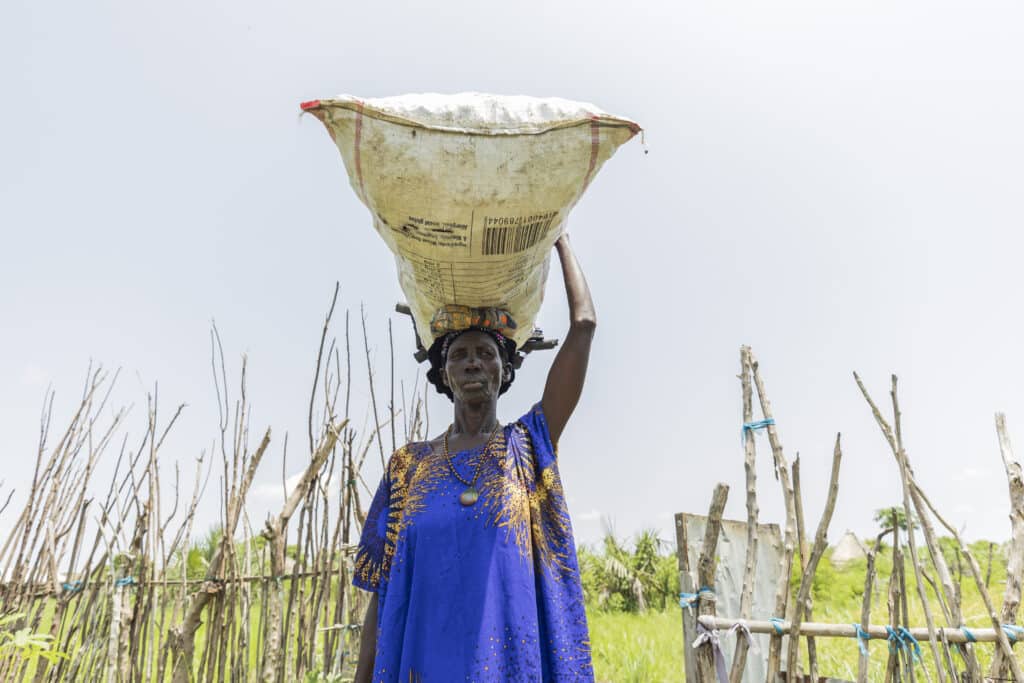
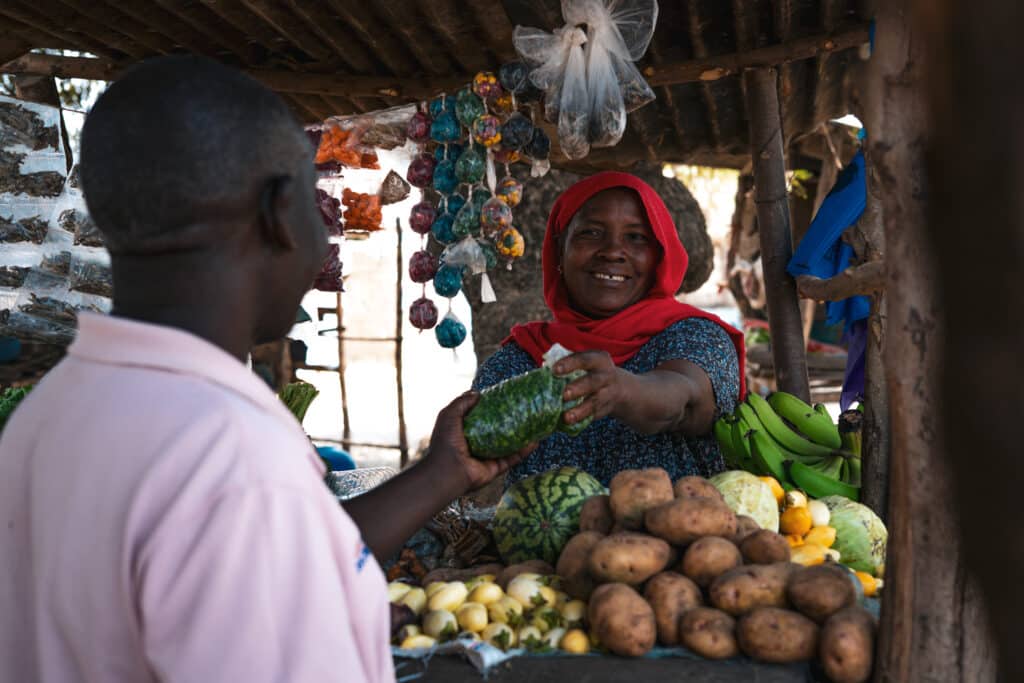
Food production is often associated with rainfall, land and harvests. Yet gas and fuel are also key. Gas is essential for producing widely used nitrogen fertilisers, while fuel is required for transporting seeds, fertiliser and harvests. A small-scale farmer in Ethiopia, Kenya or Tanzania may not use a large tractor, but may still depend on a water pump, transport to market and access to agricultural inputs.
Why higher fertiliser costs can affect future harvests
Fertiliser gives crops the nutrients they need to grow well and enables farmers to produce more food from the land available to them. When fertiliser becomes more expensive, small-scale farmers with limited financial reserves face difficult choices: they may buy less, apply it to a smaller part of their land or cultivate less land altogether.
Because these decisions are made before sowing, the consequences often only become visible months later, when harvests are lower. For farmers in Ethiopia, Kenya, South Sudan and Tanzania, higher fertiliser prices can affect farm productivity, household food security and income. Experts warn that pressure on fertiliser markets may be felt into 2027, making early action important before food shortages become acute. If a poor harvest is followed by drought, further food price increases or another shock, household reserves can be depleted quickly.
Where rising costs hit hardest
The impact is likely to be greatest where households already struggle to afford enough food and have little capacity to absorb further price increases. In Yemen, Iraq, Syria and Lebanon, many households are affected by conflict, poverty and high food prices. Further increases in fuel, transport or fertiliser costs can place additional pressure on already limited budgets.
In Ethiopia, Kenya, South Sudan and Tanzania, many households depend on small-scale farming, livestock or temporary work. Their resilience is shaped not only by market prices, but also by increasingly unpredictable weather patterns. Drought can be followed by heavy rain or flooding, making it harder for farmers to produce enough food and maintain income.
When food becomes more expensive, households may buy less or switch to cheaper products, resulting in smaller and less varied meals. Young children are particularly at risk of malnutrition because they need healthy and varied diets to grow well. Households may also have less money available for school, healthcare and other essentials. Some may sell livestock or tools to buy food, weakening the assets they need to earn an income in the future.
Kenya: when climate and market pressures converge
Kenya illustrates how climate and market pressures can reinforce one another. In early 2026, many parts of the country finally received rain, but the timing and distribution were uneven. In several important agricultural areas, the rains stopped too early, just when maize needed water. Many households had also not yet recovered from previous droughts, having already lost livestock, savings or food stocks.
At the same time, fuel prices rose quickly. In June 2026, country information indicated that petrol was 20 per cent more expensive than in March, while diesel was 34 per cent more expensive. In Kenya’s arid and semi-arid areas, between 3 million and almost 3.5 million people were expected to need food assistance between June 2026 and January 2027.
Dorcas’ response: meeting urgent needs and strengthening resilience
Dorcas combines emergency support with longer-term approaches that strengthen food security. When needs are urgent, households may receive food or cash assistance, enabling them to buy what they need most. Alongside this, Dorcas works with farmers to improve agricultural practices, use water more efficiently, maintain soil fertility and diversify income sources.
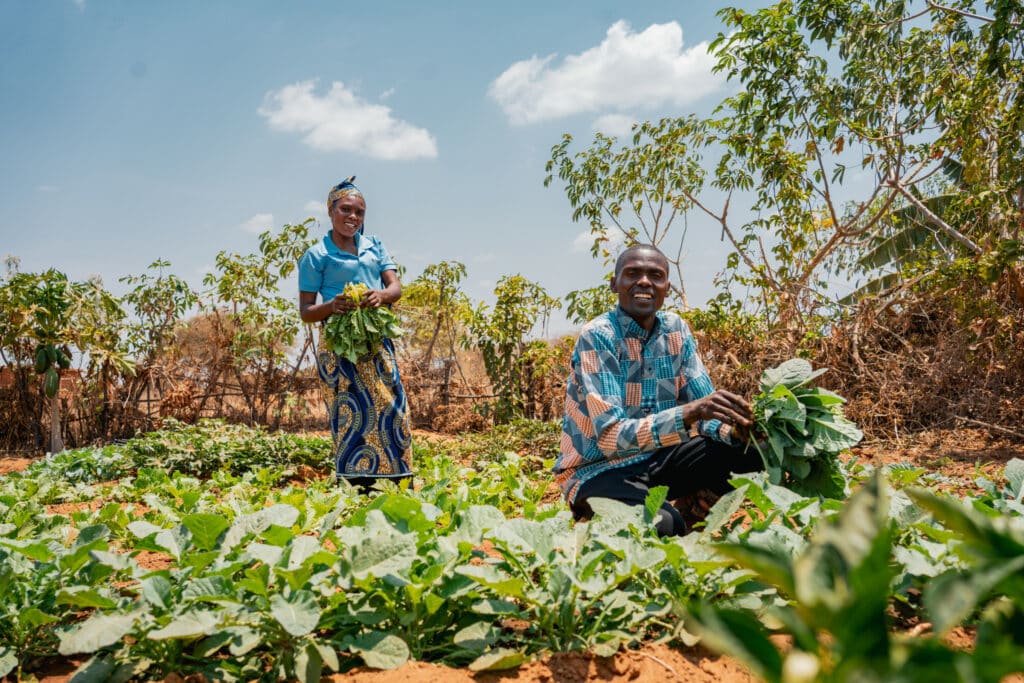
Reducing dependence on expensive fertiliser does not mean that farmers stop using it altogether. The aim is to use fertiliser more effectively while improving soil health. In Tanzania, Dorcas supports farmers to develop a plan for their own farm, including the use of compost and manure, rainwater harvesting, crop diversification, planting trees among crops and combining livestock with crop production.
These practices support healthier soil, more efficient water use and lower risk. Diversified crops and income sources mean that if one harvest fails, another activity may still provide food or income.
Wolda’s story: from training to better harvests
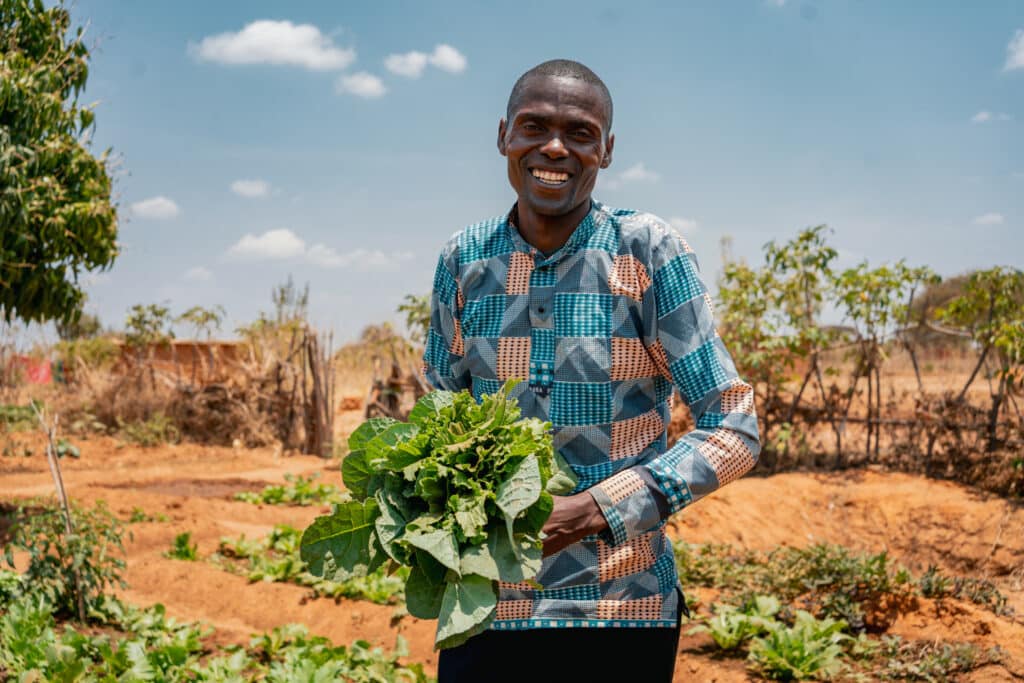
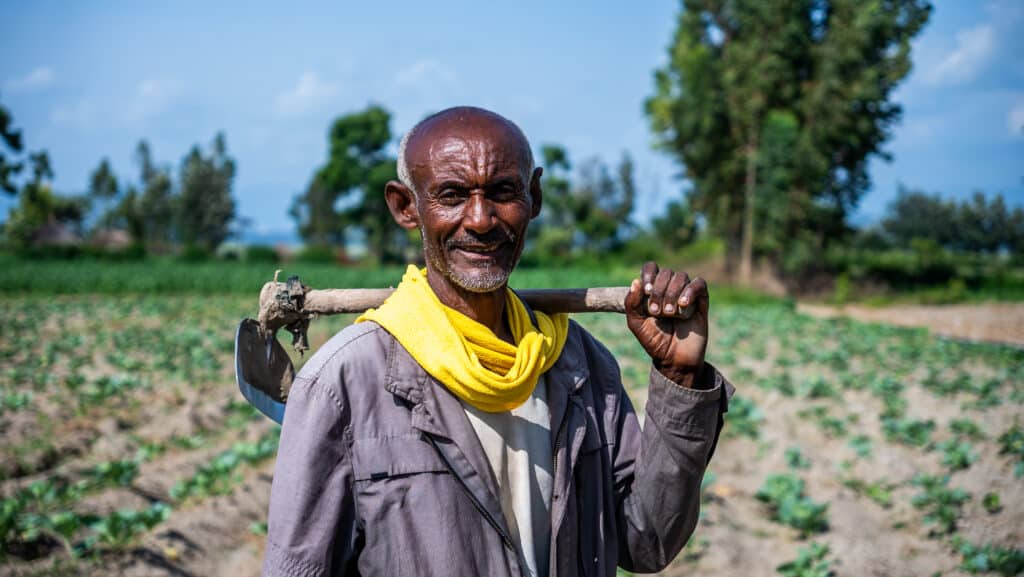
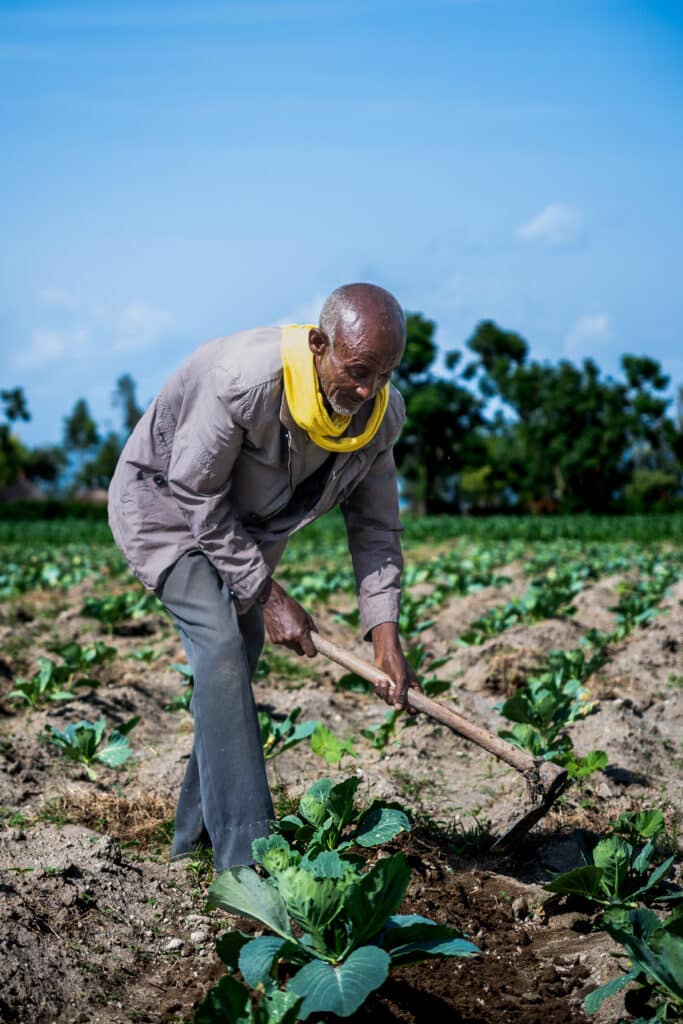
How this approach can work in practice is illustrated by Wolda, a farmer from Ethiopia. After participating in Dorcas Ethiopia‘s agricultural training programme, he applied his newfound knowledge to his own land. His harvests improved, as did his income, enabling him to cover his children’s school costs. His experience demonstrates that stronger farming practices can benefit households well beyond the harvest, providing families with greater opportunities to meet their other essential needs.
Farmers such as Wolda cannot control global oil and fertiliser prices, but with the right knowledge and support, they can be better prepared for their consequences. By combining immediate assistance with practical, long-term resilience-building, Dorcas supports families to protect their food security, strengthen their livelihoods and face future shocks with greater confidence.
Stand with families facing food insecurity
Strengthening food security
The impact of high oil prices goes far beyond the petrol station.
When energy costs rise, fertiliser, transport and food can become more expensive too. For families already facing drought, poverty or conflict, this can have serious consequences.
That is why Dorcas not only provides support during crises but also invests in sustainable solutions that enable families to produce more food, strengthen their livelihoods and prepare for future challenges.
Donate to the Dorcas Food Campaign
For years, farmer Wolda, relied on a single maize harvest each season to provide food and income for his family. When a harvest failed, he struggled to feed his family and pay for his children’s education. Through agricultural training provided by Dorcas, he learned to diversify his crops and sell his surplus produce. Today, he harvests a wider range of crops and works with other farmers to market their produce collectively.
Diversifying crops to reduce risk
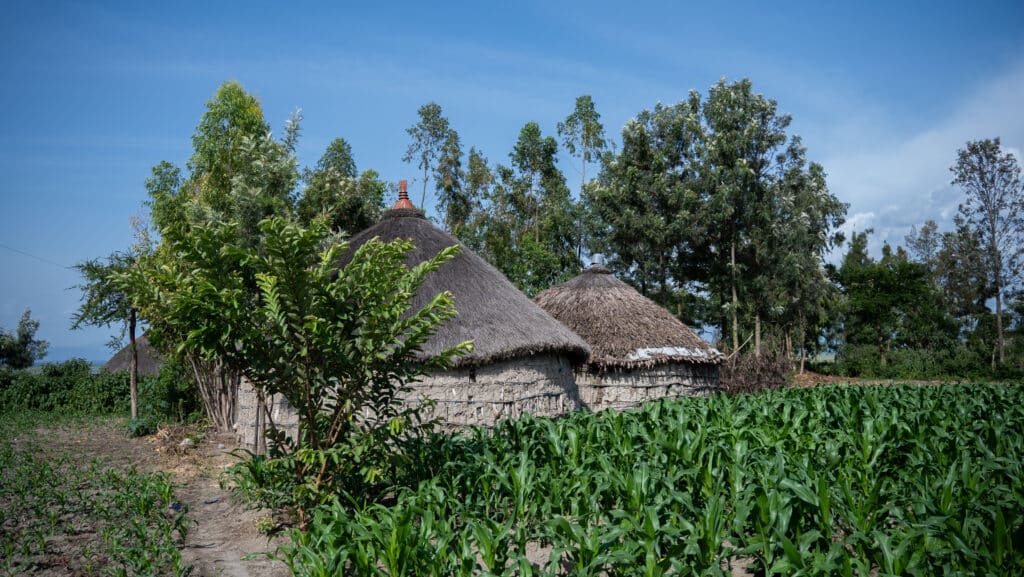
Wolda has lived and farmed on the same piece of land near Lake Hawassa in Ethiopia throughout his life. He inherited the farm from his father. For years, he planted maize just once per season. This left his family dependent on a single harvest, which could be affected by drought, excessive rainfall or disease.
‘If the harvest failed, I would have hardly any food for a whole year. I would earn nothing, either, so there was no money to send my children to school,’ Wolda explains.
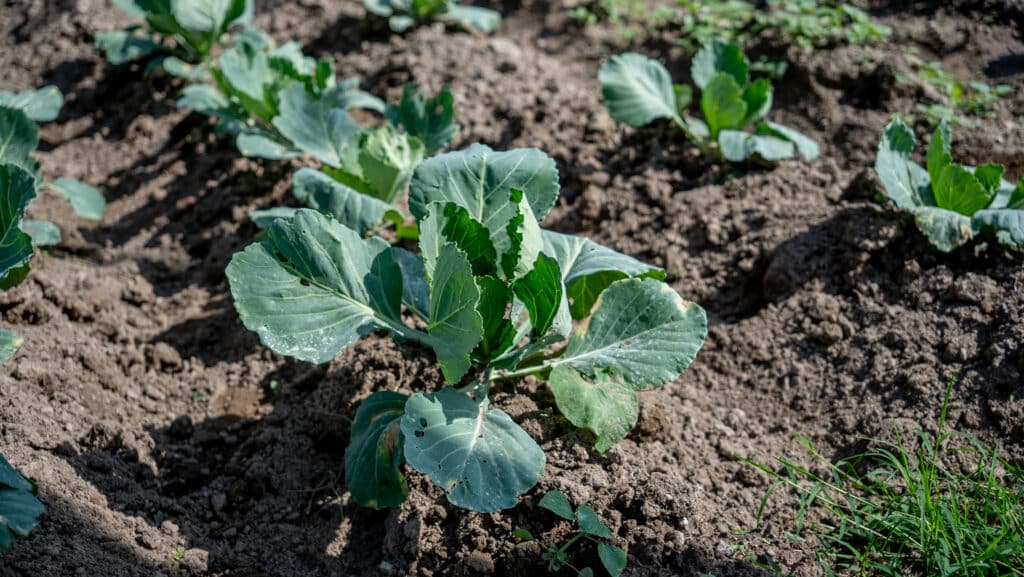
Through a Dorcas project, Wolda took part in agricultural training that introduced him to different farming techniques. He learned to grow a variety of crops, including potatoes, cabbage and tomatoes, rather than relying solely on maize.
‘Now I plant different types of crops. This means I can harvest more often, and it matters less if one harvest fails.’
Reaching the market together
The training also taught Wolda how to sell the produce his family does not need. He has since joined more than twenty farmers from the surrounding area to establish a cooperative.
Together, the farmers discuss which crops to plant in the coming season and sell their produce collectively at the market. By working together, they aim to secure better prices for their harvests.
‘By doing this together, we can ask for a higher price and earn more,’ says Wolda.
Investing in his children’s future
The changes in Wolda’s farming practices have made a difference to his family’s daily life. He can now afford to send his children to school, something that was difficult when a failed harvest meant losing both food and income.
‘This is a real change for my children. I’m glad they can now receive an education.’
Wolda also has ambitions for the future. He hopes to build a new house and perhaps one day buy a car.
His experience shows how agricultural training can support farmers to diversify their production, improve their opportunities to sell their produce and work towards greater food security for their families.
Learn more about how Dorcas strengthens food security
Mona’s life in Lebanon is a constant balancing act, with one urgent need always competing with another. Both her parents have passed away, and most of her eleven siblings are married and live elsewhere. She now lives with two of her brothers. One has a disability and relies on her for all his care needs, while the other is older and unable to find work.
Her caring responsibilities prevent her from taking a job. The family depends on financial support from a younger brother and assistance from Dorcas Lebanon.
Her brother with a disability needs physiotherapy, but the family cannot afford it. Food is another daily struggle. Meat has almost disappeared from their meals, fruit is unaffordable and sometimes they can only buy vegetables one at a time. Even cooking gas has become a major expense, making it difficult to provide nutritious meals.
Since receiving support from Dorcas, however, some of this pressure has eased. Mona now receives a hot meal every week. The support means more to her than the food itself. She recalls craving baked kibbeh, and having it delivered to her door that same week. She also remembers receiving a pizza that felt more like a surprise than assistance.
‘It feels like a mother’s cooking, not food from an organisation,’ she says. Having lost her own mother, she finds this personal touch particularly comforting. The meals also free up money for other essential expenses.
Living with loss
Mona has experienced significant loss. Her sister, whom she describes as ‘the family’s backbone’, passed away during the years of conflict. More recently, she also lost her mother and a young niece. Despite the many challenges she faces, Mona values the support she receives from Dorcas.
‘You never feel needy,’ she says. ‘You keep your dignity.’
The Dorcas staff ask how she is doing and invite her to take part in activities. These personal connections make the centre feel more like a family than an institution. Attending a course also helped Mona recognise her own value and rebuild her confidence, encouraging her to continue caring for others.
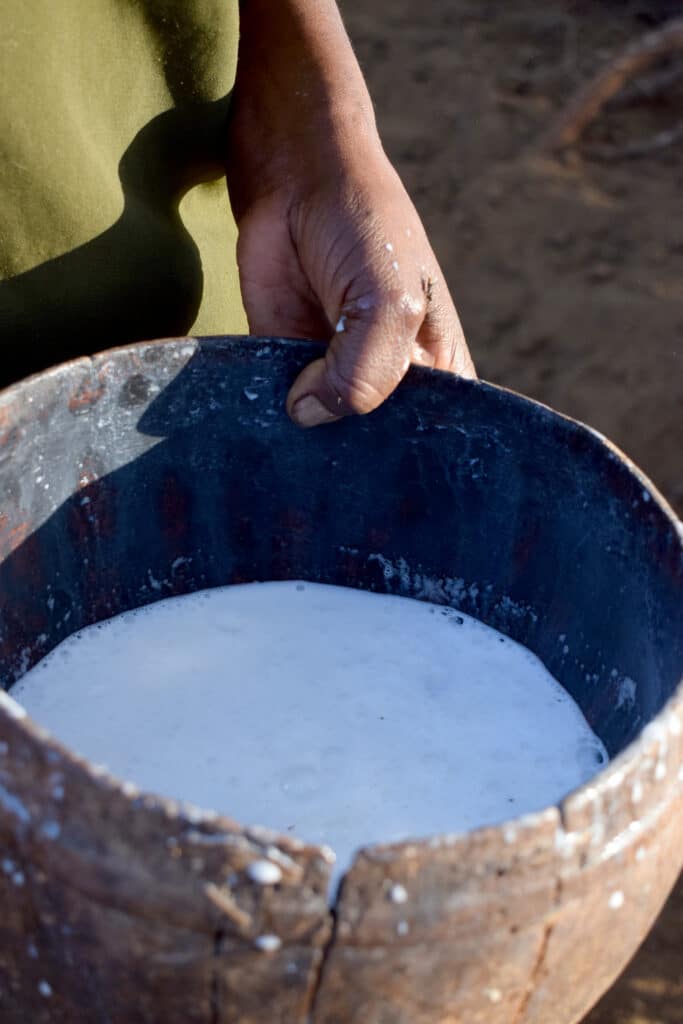
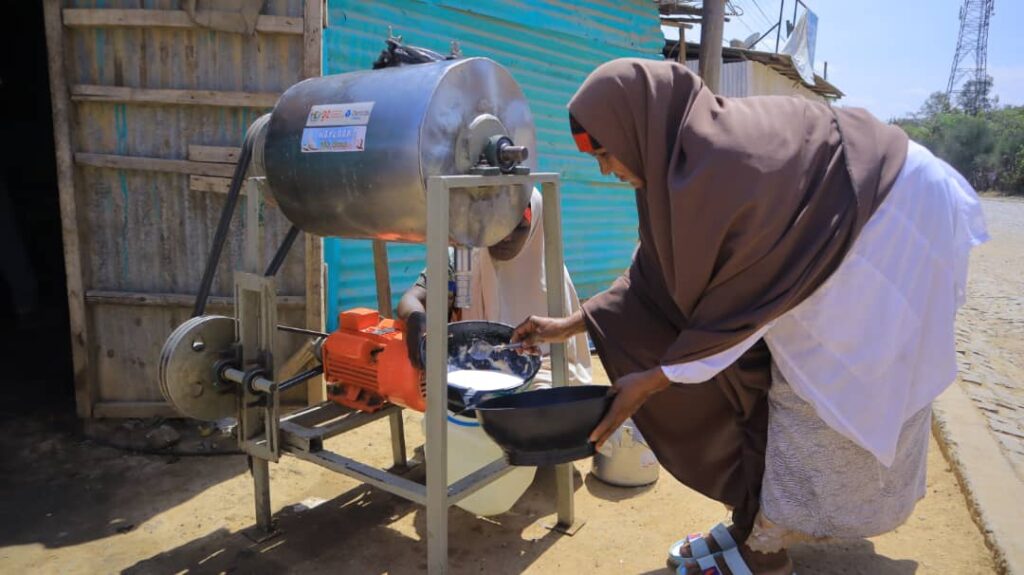
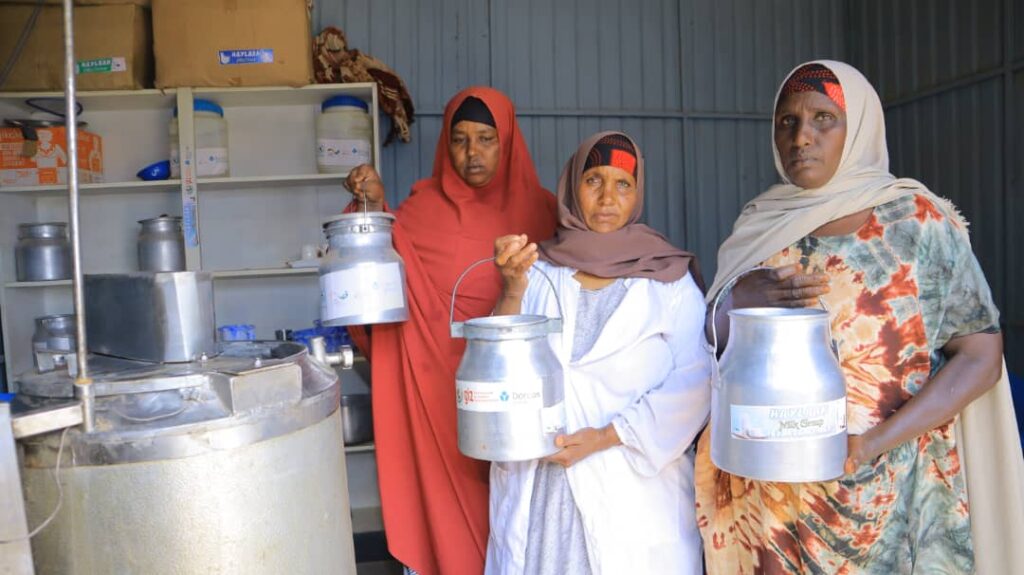
For Momina, chair of Hilkas Milk Cooperative in Moyale, Ethiopia, participating in the camel milk value chain has meant more than earning an income. It has brought structure, trust and dignity. ‘The most important change is dignity. I moved from dependence to leadership,’ she says.
Momina’s story reflects a wider lesson from Dorcas’ recent publication, Building Reliable Value Chains: Lessons from Dorcas’ multi-country experience. Based on an independent evaluation of five value chains in Eastern Africa, the report shows that producers benefit most when the systems around them are reliable: when payments are timely, governance is trusted, quality systems function and market linkages are secure. In Moyale, near Ethiopia’s border with Kenya, these principles are reflected in the daily work of Hilkas Milk Cooperative.
Momina lives in an area affected by drought, conflict and border insecurity. Before the cooperative became a source of stability, her family’s livelihood depended almost entirely on her husband’s income. ‘If my husband earned money, we survived. If he didn’t, we struggled,’ she says. Food, school fees and medicine all depended on one person, leaving her with a constant fear that she would not be able to protect her children if something happened.
When demand is not enough
Before joining the cooperative, Momina’s life was centred on her household. She prepared food, fetched water, cared for her children and supported her husband, but she had no personal income and limited opportunities beyond the home. Camel milk had value, but the way it was sold made benefits uncertain. Milk was sold individually, without coordination or knowledge of quality standards and prices. Sometimes it spoiled. Sometimes buyers took advantage of the women. ‘We did not know our rights,’ Momina says.
This reflects one of the central findings in Dorcas’ value chain report: demand is rarely the only challenge. Long-term results often depend on whether supply systems, transaction processes and governance arrangements work consistently. For Momina and other women in Moyale, working together through Hilkas Milk Cooperative offered a different path. But during a period of violent border conflict, the cooperative’s equipment, including refrigerators and related tools, was destroyed by fire. ‘Everything burned. We lost what we had built over years,’ Momina recalls. The loss left many women discouraged, and Momina feared that her children’s future would never improve.
Rebuilding reliability through structure and trust
Dorcas supported the cooperative after the destruction. According to Momina, the organisation came not only with equipment, but also with encouragement to rebuild. The women received refrigerators, lactometers, protective equipment and training in cooperation, financial management, recordkeeping and transparent decision-making. In practice, this meant better quality control, clearer records and stronger governance. Momina also travelled to Addis Ababa, Nairobi and Uganda for training, her first time leaving her area, where she learned more about leadership and how strong cooperatives function.
Today, Momina is the chair of Hilkas Milk Cooperative, which has 35 members. Every Saturday, the members meet to review records, save money and deposit funds at the bank. The cooperative also coordinates with ten milk collection centres. ‘Before, there was no structure. Now there is discipline, planning and trust,’ Momina says. This way of working mirrors one of the report’s key lessons: transparent leadership, clear rules and trusted systems do not only improve commercial performance; they also influence who benefits.
For Momina personally, that shift has been profound. She has learned to speak without fear, contribute to decisions and lead with confidence. Her experience also shows why inclusion in value chains needs to be built into the way systems work. Formal cooperative structures, transparent decision-making and direct participation have enabled women like Momina to gain income, influence and recognition.
A stronger future built on dependable systems
The impact reaches beyond the cooperative. Momina’s income now supports her family. She has built her own house, bought basic household items and, most importantly, is able to send her children to school. The regular income and savings have also brought greater security. ‘Even when challenges come, we plan together. We save. We do not panic like before,’ she says.
Looking ahead, Momina hopes the cooperative will grow into a larger production centre that can support more families and contribute to the wider district. Her story brings Dorcas’ value chain findings to life: value chains work best when producers can depend on the systems around them. For Momina, that reliability has meant dignity, stability and leadership. ‘Before Dorcas, I waited for life to happen to me. Now I lead my life and others follow.’
Read the report: building reliable value chains
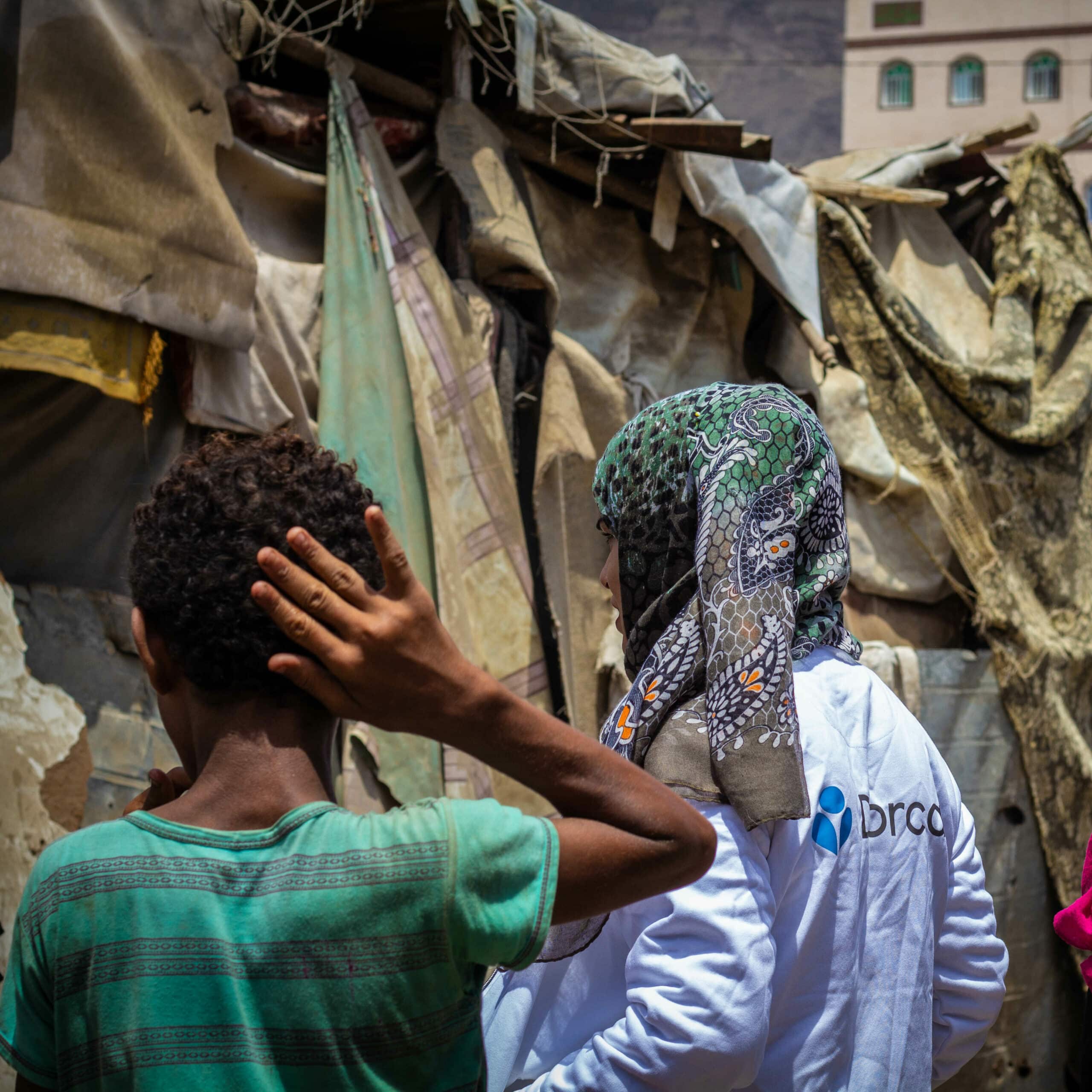
Yemen has been facing one of the world’s most severe humanitarian crises for many years. Long-running conflict, economic instability, and the deterioration of essential services have left millions struggling to meet their basic needs. For many families, daily life is filled with uncertainty, repeated displacement, and limited access to food, clean water, shelter, and protection.
Now, renewed violence and escalating tensions are further exacerbating an already fragile situation. Since early September 2026, fighting along Yemen’s western coast and southern frontlines has forced more than 200,000 people to flee. According to data released by the International Organization for Migration (IOM) on 7 October, the number of displaced people increased from 76,000 in mid-September to 201,217 in just a few weeks. Nearly all of these people had fled since 1 September, emphasising the speed and severity of this latest escalation. For many families, this is not the first time they have been forced to start again from scratch. This latest wave of displacement is part of a wider crisis that has been disrupting lives for years.
Urgent support for families displaced by renewed violence
In response to the current escalation of violence, Dorcas is preparing a three-month rapid response programme to support families who have recently been displaced. Building on our existing presence in the country, we will support 500 households in Zinjibar, Abyan, representing 2,811 people.
These households will receive multipurpose cash assistance, enabling them to address their most urgent needs with dignity and flexibility. Around 100 households will also receive essential non-food items (NFIs). Dorcas will prioritise families facing the greatest protection risks, female-headed households, families with older people or infants, pregnant or lactating women, and people with disabilities. All urgent protection needs that arise during the delivery process will be referred to the relevant service providers. This timely support will be invaluable to families who are already under immense pressure and are now experiencing even greater hardship.
Dorcas’ ongoing commitment in Yemen
Dorcas has been present in Yemen since 2019, officially opening our country office in Aden in 2021. Since then, we have collaborated with local partner organisations to support communities affected by conflict and instability. Our work focuses on crisis response, livelihoods and food security, water, and climate adaptation.
By working with local partners, we can ensure that our response is grounded in the realities of Yemeni communities. In such a complex and rapidly changing situation, this enables Dorcas Yemen to act with care and accountability, prioritising those in need.
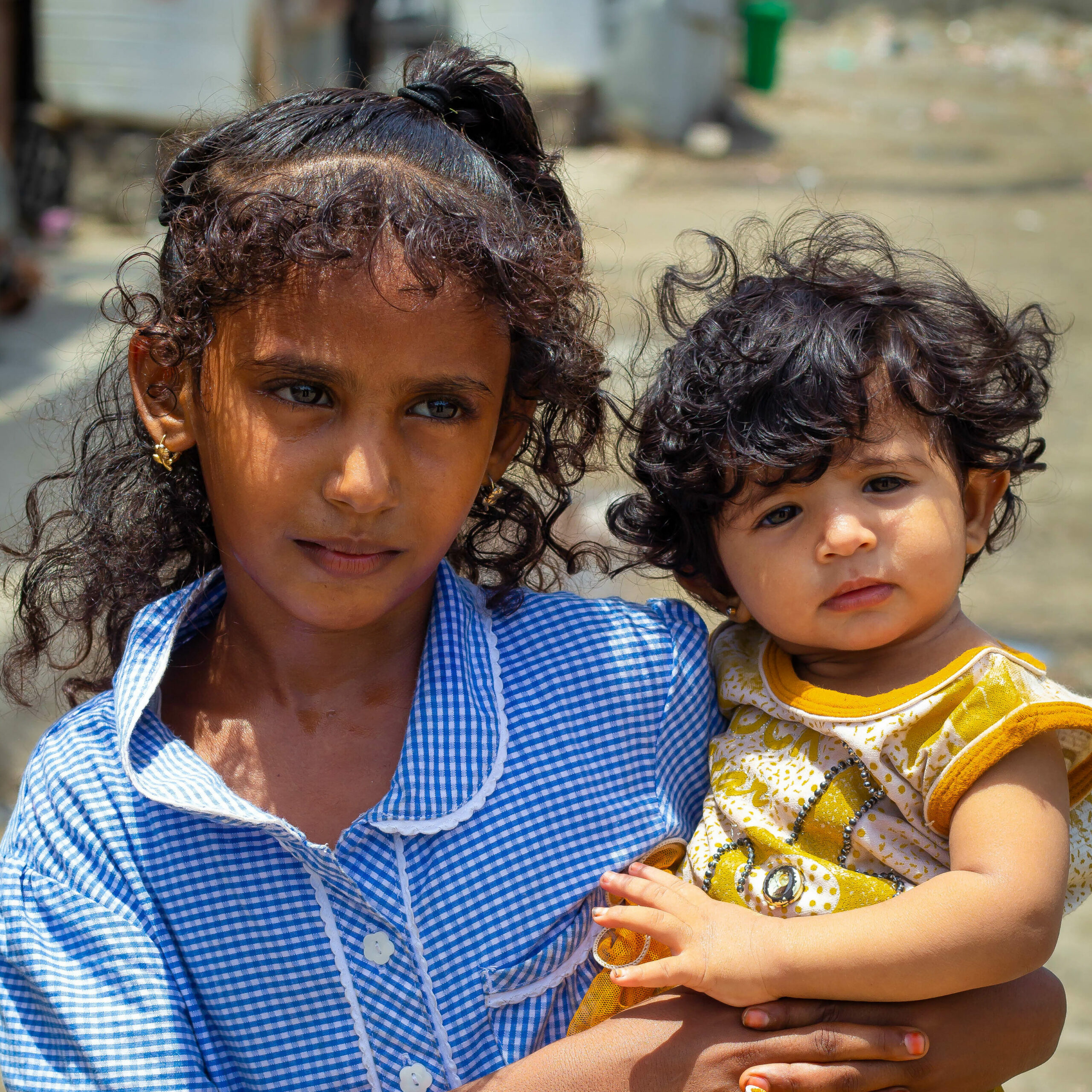
Food is a fundamental human right, yet millions of people around the world still struggle to access sufficient and nutritious food. According to the Food and Agriculture Organization of the United Nations (FAO), an estimated 645 million people experienced hunger in 2025. Meanwhile, 2.1 billion people faced moderate or severe food insecurity, and 2.69 billion people could not afford a healthy diet. Conflict, extreme weather, economic shocks and inequality all contribute to food insecurity.
In response, Dorcas organises the annual Dorcas Food Campaign in the Netherlands. Through this campaign, we raise awareness, mobilise resources and support sustainable solutions that enable communities to build resilient livelihoods. Thousands of dedicated volunteers contribute to the campaign by raising funds and supporting initiatives that address food insecurity.
Dorcas takes a holistic approach to food security, addressing immediate needs while building the foundations for long-term resilience. Alongside emergency food distributions, we support households in marginalised circumstances with training in sustainable farming techniques and the materials they need to put these into practice. We also provide skills training and support people in starting their own businesses, helping them build more secure livelihoods and improve their access to food.
1. Food distributions during emergencies
These distributions are meant to provide food to people in immediate need. For example, people who have lost access to food and water due to a natural disaster or conflict. They receive food or money to support them through this first difficult period.
Barkitha from South Sudan. Barkitha left South Sudan for Sudan many years ago, but after her husband passed away and conflict erupted, she returned home with her children, facing hunger and uncertainty. ‘We had nothing, and my children cried from hunger.’ Then, through Dorcas, she began to receive monthly food parcels and a small cash grant containing flour, oil, beans and salt.
‘With this support, we had enough to get through the first few months. This support gave me the strength and space to make plans for the future.’ Dorcas also provided her with tools for growing grain and nuts. ‘Now I can produce food myself and no longer have to worry whether my children have enough to eat.’
Barkitha’s story highlights the critical role these parcels play as a first step in supporting people to rebuild their lives after emergencies. Dorcas brings this type of support to countless households facing displacement and hunger in the thirteen countries where we work.
2. Growing food
As well as providing immediate emergency assistance, Dorcas also addresses the underlying causes of food insecurity through sustainable agriculture initiatives. We provide households living in poverty with seeds, tools and training to cultivate crops and do this in a climate-smart way. For example, through the Participatory Integrated Planning (PIP) we support farmers to collaborate in decision-making and resource management, enhancing their ability to adapt to climate changes. This ensures they have healthy food all year round.
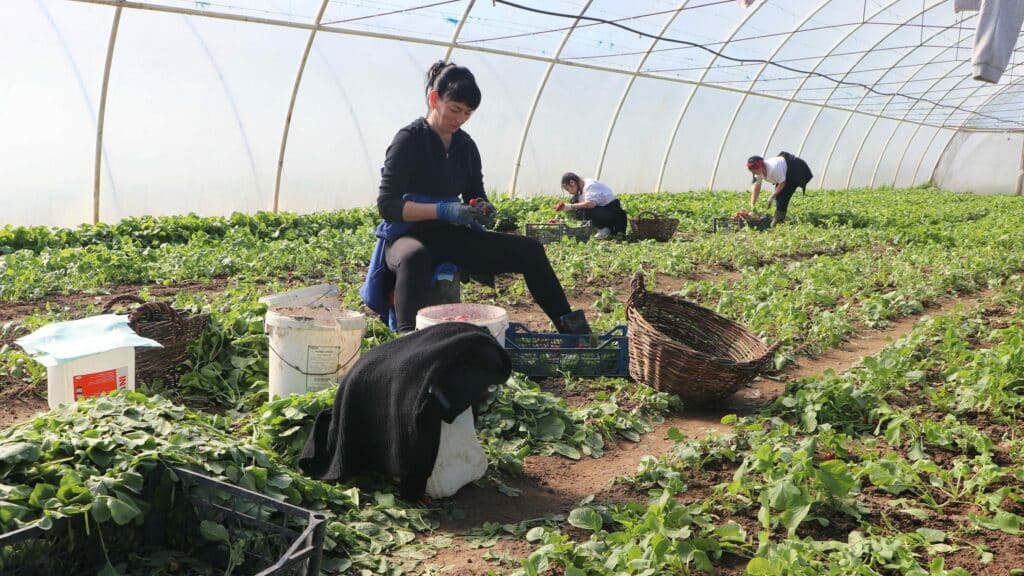
Vasyl and Renate from Ukraine: Due to ongoing conflict, Vasyl lost his job, leaving his family struggling to make ends meet. Dorcas provided them with materials to expand their greenhouse and training in growing and marketing. Now, they have enough food and income to support their family.
3. Earning food through a new occupation
Dorcas provides (skills) training and support for people in vulnerable situations to start their own businesses. This will put food on the table – now and in the future.
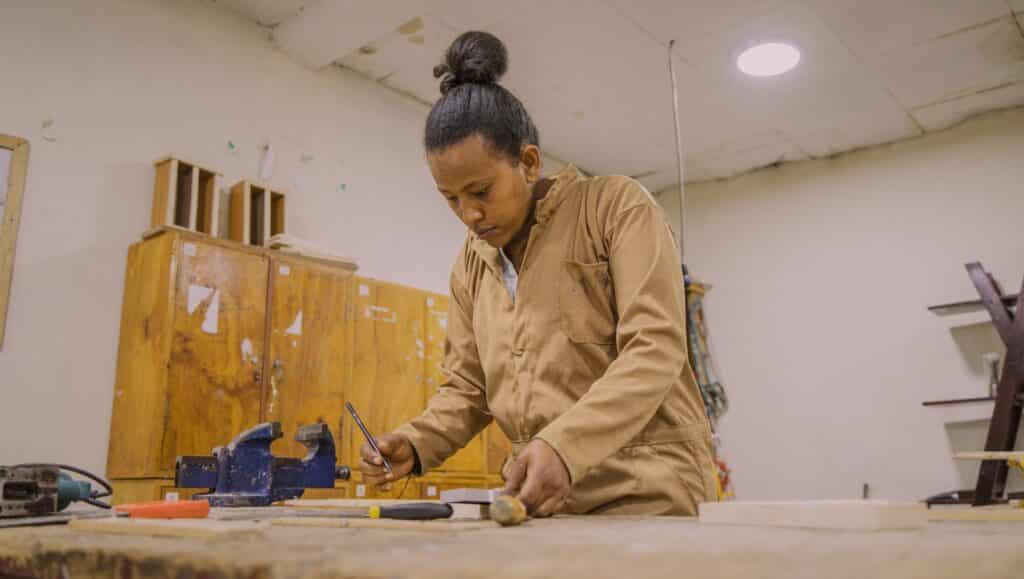
Mahalled from Ethiopia: In Ethiopia, Mahalled took any short-term work she could find, but it wasn’t enough to sustain her family. With her husband’s limited income, she turned to Dorcas and enrolled in a woodworking course. Once she completes the course, she plans to open a workshop named after her daughters: Sosena & Bitanika Furniture Making Workshop.
Mahalled’s experience highlights the importance of skills training in changing personal situations, empowering people to improve their lives and support their families.
Building resilience through food security
Food security has a profound impact on the well-being of people and communities around the world. It affects not only personal health and development, but also broader societal stability and growth. When communities lack access to sufficient food, the consequences go beyond hunger, affecting education, economic productivity and social cohesion. The stories of Barkitha, Vasyl, Renate and Mahalled illustrate how access to nutritious food can transform lives, build resilience and empower people and communities to build a sustainable future.
Through the Dorcas Food Campaign, we want to contribute to a future where food security is accessible to all. Together, we can make a lasting difference in the fight against hunger.
Stand with families facing food insecurity
Piroska has been part of the Community Safety Nets (CSN) programme in Romania since 2012. After losing parts of both legs in a train accident, everyday life became a significant challenge. Living on a small pension, she struggled to meet her needs and manage daily tasks. Alongside practical support, she needed something just as important: people she could rely on.
Over the years, the CSN programme of Dorcas Romania has supported Piroska in making her home more accessible and meeting essential needs. She has received monthly food packages, medication and hygiene products, as well as support with utility bills and minor repairs. Her bathroom door was widened so she could use it with her wheelchair, and cleaning assistance was arranged through local authority services.
Mobility has also been an important part of maintaining her independence. Prosthetic legs gave her greater freedom of movement for a period, and a small electric mobility vehicle made it easier for her to get around.
More than practical support
Today, complications related to diabetes mean Piroska can no longer use her prosthetic legs, and moving around has become difficult again. Yet after more than a decade in the programme, she knows there are people she can turn to. When she has a problem, feels unwell or is admitted to hospital, she calls the people she has come to trust through the Dorcas team.
This sense of connection is strengthened through having regular contact. Volunteers make visits to Piroska and also come to see her on her birthday. These visits have become an important part of her life.
A community that stays close
Community-based support is about more than responding to practical needs. Through Community Safety Nets, Dorcas works with local actors to strengthen the support around older people and connect them with the assistance and relationships they need to remain part of their communities.
For Piroska, that support has made life safer and more dignified. It has also given her something that cannot be measured in material terms: the reassurance that she is seen, heard and valued.
Her story shows why the rights and dignity of older people are closely connected to community life. Accessible living conditions and support with essential needs matter, but so do relationships, trust and the reassurance that someone will be there when needed. When communities stay connected to older people, they can ensure that no one has to face life’s challenges alone.
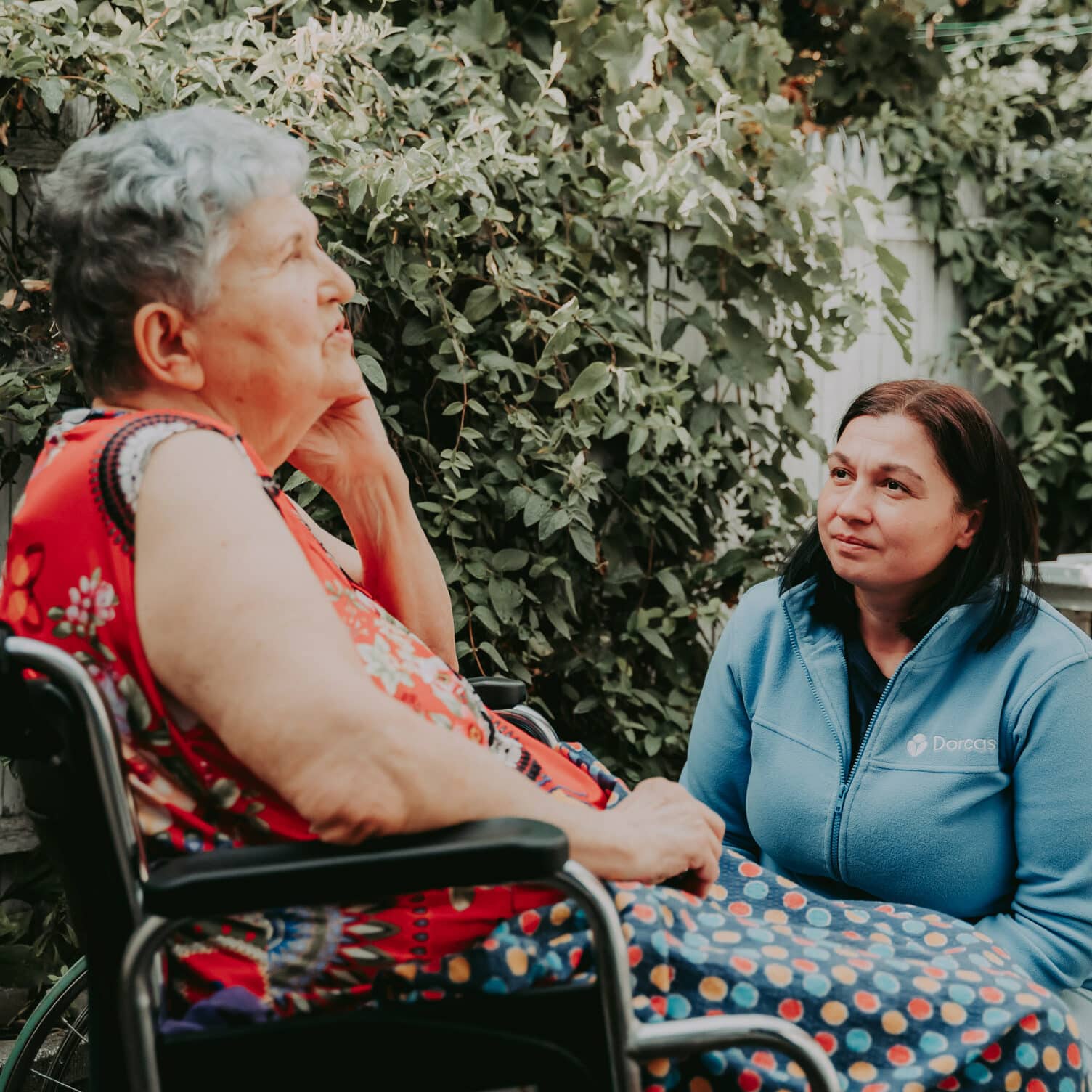
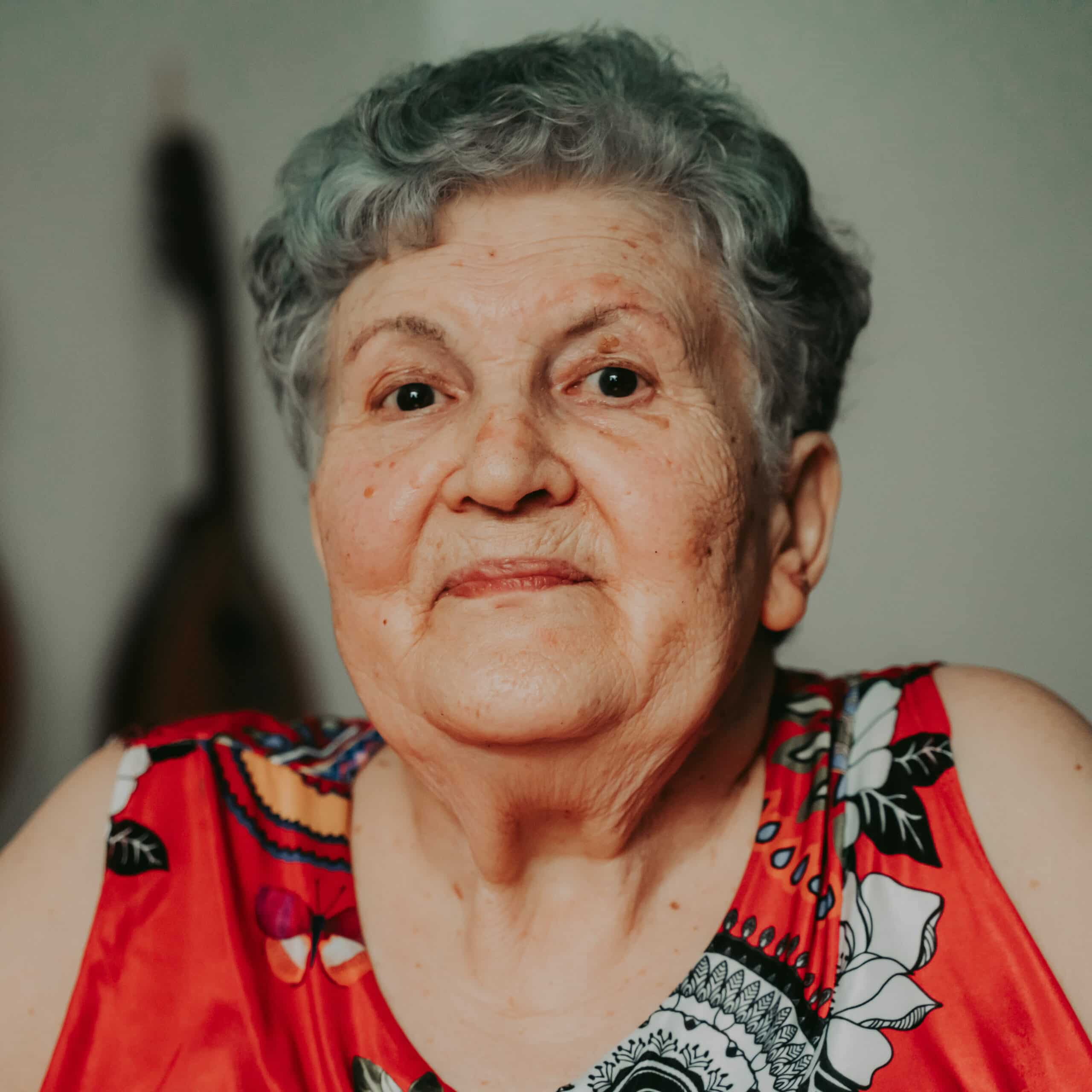
As part of Dorcas’ 2026 International Day of Older Persons campaign, ‘Seen and valued – rights and dignity of older people’, we are highlighting the rights, dignity and contributions of older people and the value they bring to their communities.
Written by: Agnes Kroese, CEO of Dorcas
When we meet someone new, what do we see?
We can form quick judgements based on first impressions. Are they young or old? Successful or struggling? Confident or insecure? In just a few moments, we have started to put them into a box.
And yet, no one actually wants to be reduced to a label. We want to be seen and valued for who we are, and to know that we belong.
For many older people living in poverty and isolation, feeling truly seen and valued is far from their daily reality. Changes in income, health or independence can affect their sense of security and their ability to participate in community life. Every person has the right to social protection, safety and participation. Yet these rights are not always accessible, and older people are often excluded from decisions that affect them.
But rights do not diminish with age. Older people are not only people who may need care or support – they are rights-holders and valued members of their communities, with knowledge and experience to share.
A moment of mutual respect
I saw this in a simple but powerful way during a visit to Ethiopia a few years ago. Outside a meeting room, older people were sitting with their feet in buckets of water while young people gently washed them. As they did, the older generation shared stories, memories and lessons from their lives. What stayed with me was not the act of care itself, but the mutual respect it expressed. Care was offered, while experience was honoured and shared across generations.
For me, that moment showed what it means to truly recognise someone. It is more than noticing their needs. It means listening to their voice and recognising the experience they bring to their communities.
Rights and belonging
That is why, for this year’s International Day of Older Persons, Dorcas uses the theme ‘Seen and valued – rights and dignity of older people’. It reflects a principle at the heart of our work: older people should not be defined by their needs or vulnerabilities, but recognised as people with a voice, value and a place in their communities.
At Dorcas, we work with older people living in poverty through Community Safety Nets in Moldova, Ukraine, Romania, Albania, Ethiopia, Tanzania and Egypt. Together with communities, we strengthen social connections and improve access to vital support, so that older people can continue to participate actively in community life.
On 1 October, we take a moment to celebrate older people and reflect on what their rights and dignity mean in practice. Every older person has the right to access the care and support they need, to be safe and to be heard.
A person’s worth is not something we earn through age, productivity or independence. It belongs to every person, at every stage of life.
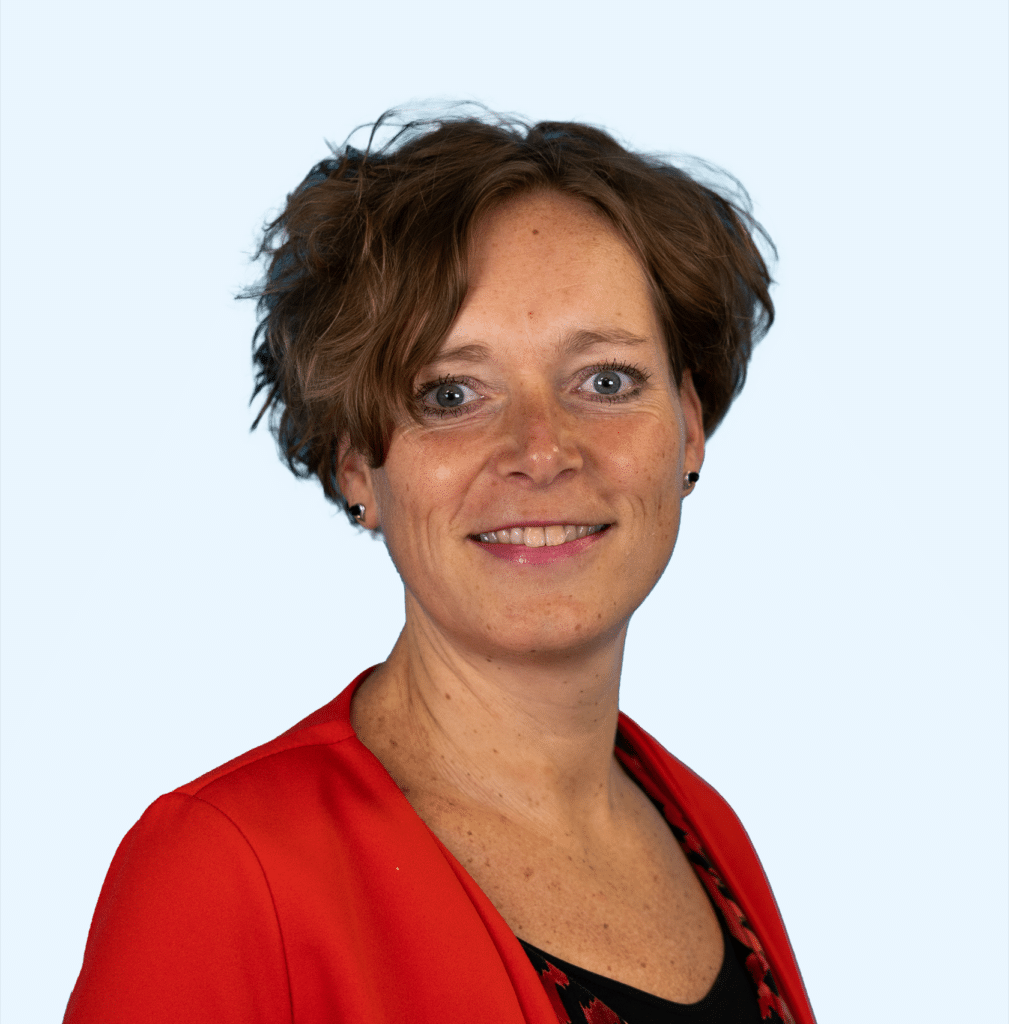
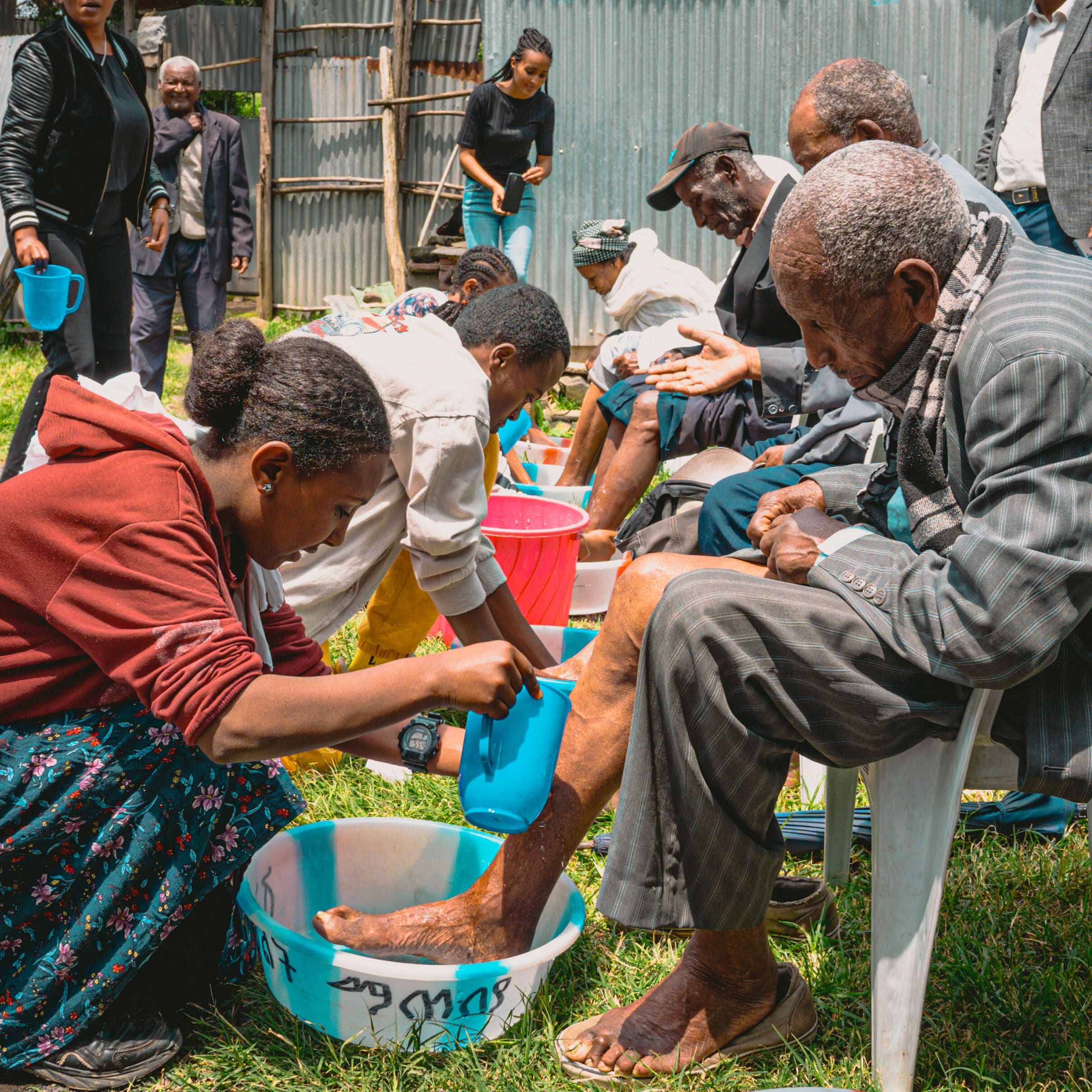
As part of Dorcas’ 2026 International Day of Older Persons campaign, ‘Seen and valued – rights and dignity of older people’, we are highlighting the rights, dignity and contributions of older people and the value they bring to their communities.
Growing older should never mean being left behind. Yet many older people face barriers that make it difficult to live with dignity, stay connected to their communities and meet their everyday needs.
When access to social protection, healthcare and other essential services is limited, and family support is not available, older people can be left with few options. But dignity is about more than material support. It is also about being seen and valued, remaining connected to others and having opportunities to contribute to their own wellbeing.
In Addis Ababa, Ethiopia, Mulu Ayal has experienced these challenges herself. Without adequate support, she struggled to meet her household’s basic needs. The Woreda Women, Children and Social Affairs Office recognised her situation and referred her to Dorcas Ethiopia, where she joined a programme for older people facing poverty and exclusion.
Essential support
Through the project, Mulu Ayal has received food, hygiene products and medical care, support her to manage everyday life and maintain her health and wellbeing over the past three years.
The project also enabled Mulu Ayal to build a more secure livelihood. After receiving basic business and entrepreneurship training, she was given start-up capital to launch a small home-based business selling traditional spices and dried food products.
The income she earns now helps cover household expenses and has brought greater stability to her life.
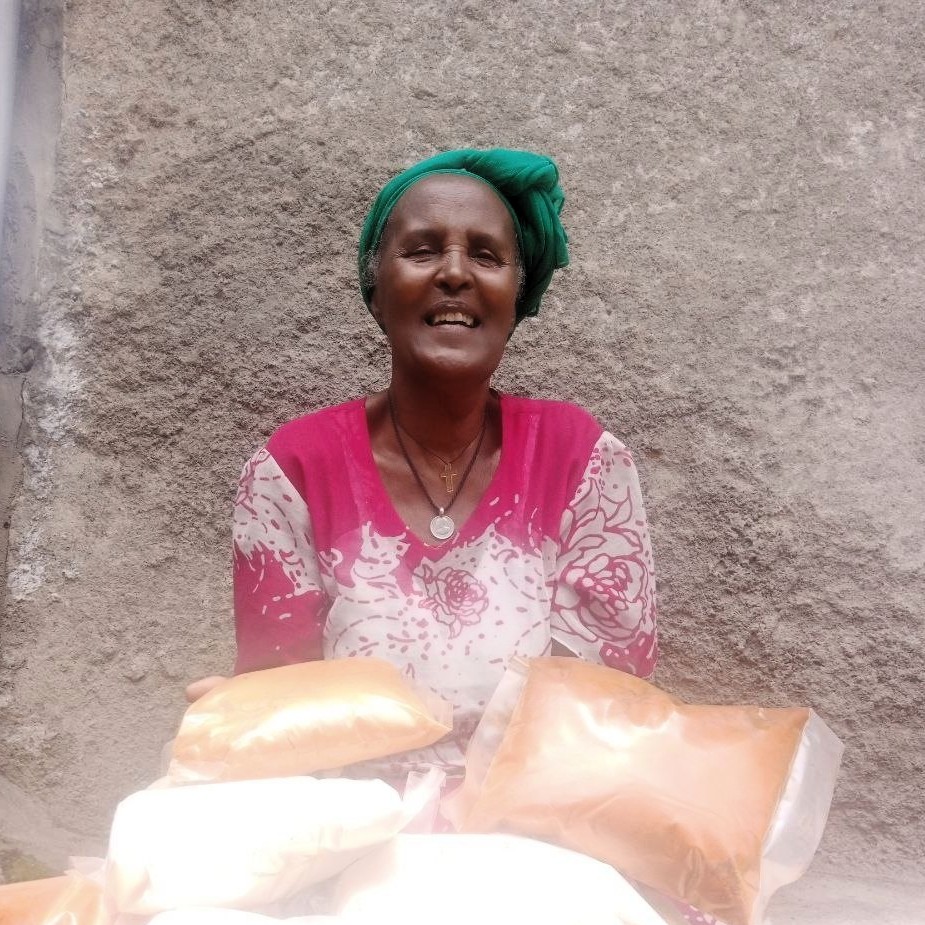
As part of Dorcas’ 2026 International Day of Older Persons campaign, ‘Seen and valued – rights and dignity of older people’, we are highlighting the rights, dignity and contributions of older people and the value they bring to their communities.
Photo above: Arendje visits a CSN partner in Ukraine, where volunteers help run a greenhouse that generates income for CSN, provides vegetables to older people and supplies a community kitchen.
Being part of a community matters. However, for older people living in poverty, experiencing isolation, or with limited access to support, maintaining connections with others and accessing services is an ongoing challenge.
Dorcas works with older people and their communities through Community Safety Nets in Moldova, Ukraine, Romania, Albania, Ethiopia, Tanzania and Egypt. These locally anchored networks bring together people, organisations and services around older people, strengthening the support available within their own communities.
We asked Arendje Menkveld, CSN Expert at Dorcas, how these networks work in practice and what it means for older people to feel seen and valued in their own community.
Why is community support so important for older people?
‘Older people face different challenges: social isolation and loneliness, exclusion from community participation, limited access to services and support, and weak support networks. For some, loneliness and social isolation are linked to age-related factors, reduced mobility, disability, trauma or the loss of social connections. Some older people do not have anyone they can talk to about daily life and the issues they face, or anyone who can help with practical things. Others have no family, or no family members who are able to support them.
Poverty adds another challenge. Some older people have to make difficult choices about how to spend the little money they have. Do they buy medicines, pay for utilities or buy food?
Community-based support can take many forms. A volunteer might visit an older person regularly, or a neighbour might help them go to the shop or get food. There might be weekly or monthly gatherings where older people are expected and known. There, they can talk to others and take part in preparing food or other activities. Sometimes there is a warm meal at a community centre, or volunteers deliver a food parcel during the winter.’
Community-based support is important because the community includes you and the community sees you.’
That is where Community Safety Nets come in.
What is a Community Safety Net, and how does it work?
‘A Community Safety Net (CSN) is a locally anchored, community-driven support system that ensures older people in vulnerable circumstances can rely on sustained and dignified support within their own communities. A CSN is not a single service or organisation, but a network of actors who work together to prevent people from “falling through the cracks” by offering social, practical, psychosocial and sometimes material support. It complements, rather than replaces, government social protection and grows stronger as communities take ownership over time.
A CSN starts with an entry point in a community, usually a main actor who is motivated to make a difference for people living in vulnerable circumstances. This actor involves other community actors and members. Where possible, older people actively contribute their time and skills to the CSN project or community activities. This can give them a sense of purpose and responsibility, and help them feel part of the community again.
CSNs differ by country and context. A municipality might offer a meeting space, for example. Volunteers might raise funds or collect food. Schools might participate in food collection, with parents and others donating. Together, these community contributions shape the CSN. It becomes a structure that older people can rely on for support, attention and advice.’
In practice, this can look different from place to place.
What helps a Community Safety Net last?
‘Ideally, the implementing partner or main actor coordinates the support from other actors and the wider community. The different actors should meet regularly, agree on who does what and what the next steps are, and ensure that commitments are followed up. It is also important to involve authorities or a local authority representative in the coordination.
CSNs can look different depending on the context and the strengths of the actors involved.
If an organisation has a health background, health may be strongly represented. If there is a collaboration with a food bank, food collection may become part of the support. If there are strong connections with churches, volunteers may be involved in home visits. CSNs adapt to local strengths and assets.’
That local ownership also influences whether older people feel seen and valued within their communities.
What does it mean for older people to be seen and valued?
This year, Dorcas is marking the International Day of Older Persons with local celebrations and online awareness raising around the theme ‘Seen and valued – rights and dignity of older people’. The theme connects closely to the way Community Safety Nets aim to strengthen older people’s place in their own communities.
Arendje explains what this can look like in practice: ‘For me, being seen and valued means that older people are recognised in both big and small ways. An awareness campaign with flyers and presentations can help make their lives and experiences more visible, and remind others that they should be included, not ignored. Older people do not have to do something in order to be valued. At the same time, having a role and feeling useful can be meaningful.
For example, an older person might organise an activity, serve coffee, prepare the room, bake a cake or call someone who missed the activity. Being seen and valued is also expressed in how we speak with older people. Are we genuinely interested in them?
We should not decide what is good for them without listening to them first. We can also gently encourage some older people to share their experiences and skills with others, for example by talking to the younger generation in an intergenerational activity. That is what we want to convey in all community work.’
What can other organisations learn from Dorcas’s experience with Community Safety Nets?
‘Firstly, volunteers are a very relevant and important resource. They play a key role in Community Safety Nets because they help make support personal, practical and close to people’s daily lives. At the same time, when starting a CSN, it is important to take time to listen to older people and other community members, and ask how they can contribute. CSNs are not a quick fix. They need time to grow through relationships, trust and shared responsibility.
The Asset Based Community Development (ABCD) approach can help with this. It encourages communities to identify the people, skills, relationships and local resources that are already present, and to build on those strengths instead of starting with what is missing. This makes a CSN more rooted in the community and increases the chance that it will continue beyond the initial project.’
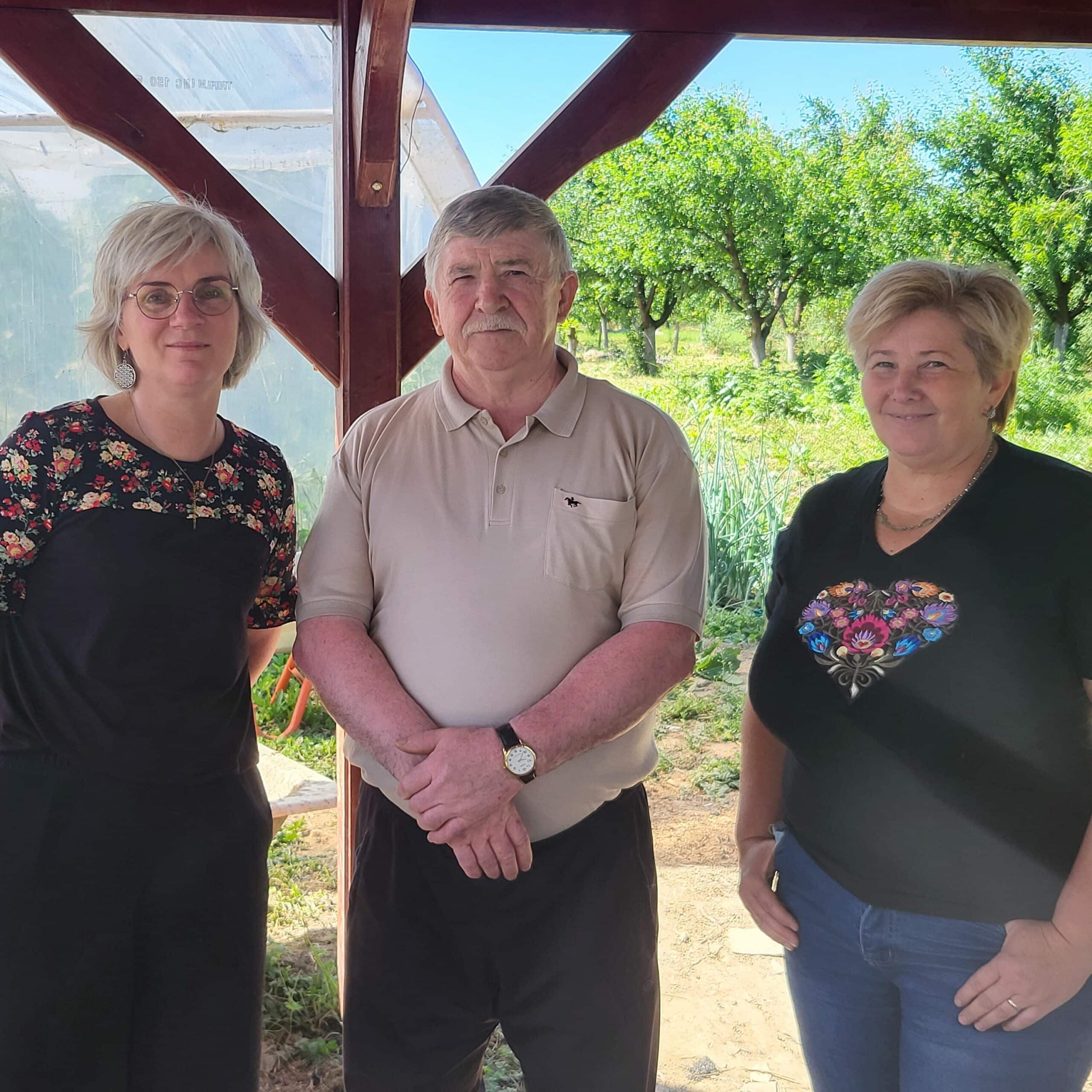
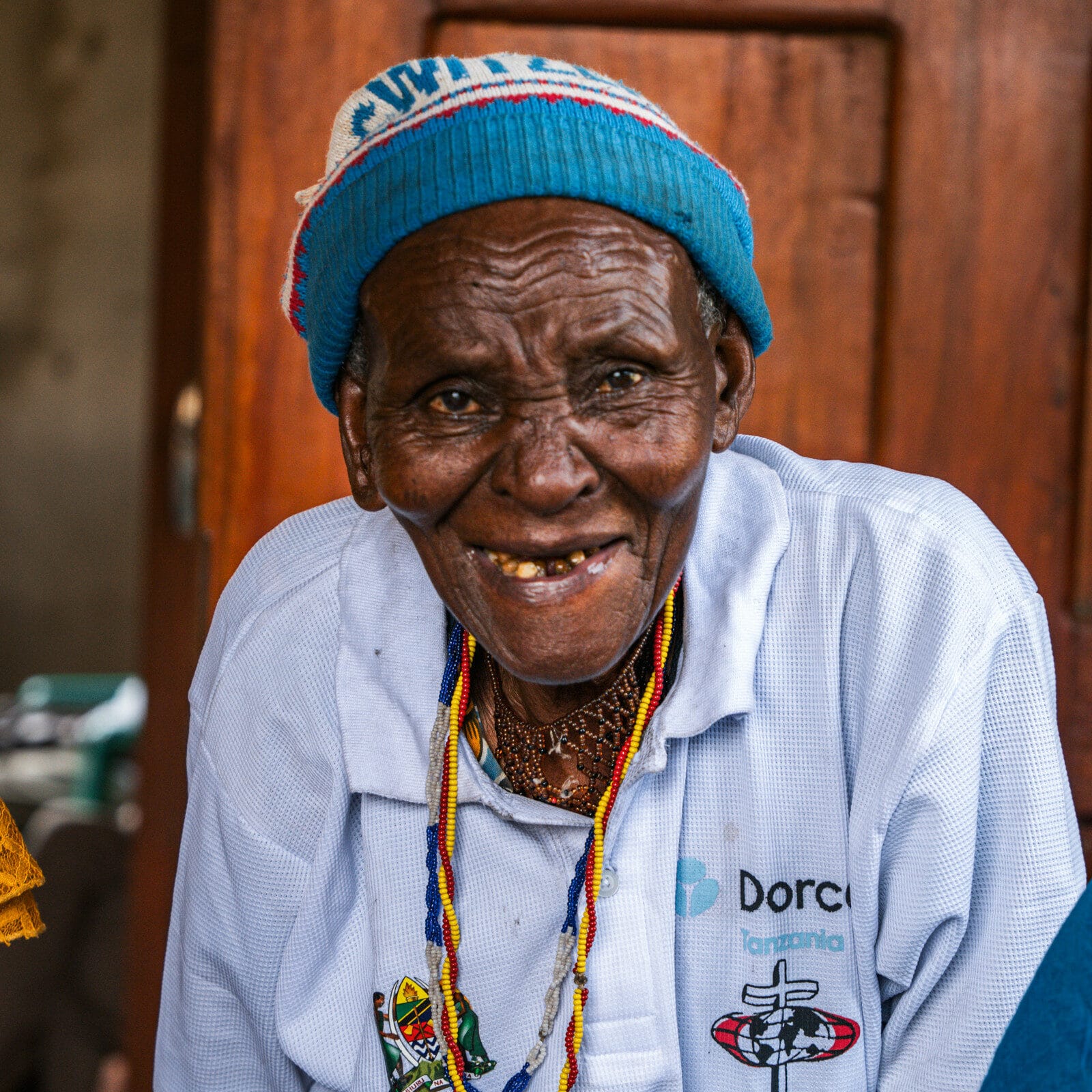
As part of Dorcas’ 2026 International Day of Older Persons campaign, ‘Seen and valued – rights and dignity of older people’, we are highlighting the rights, dignity and contributions of older people and the value they bring to their communities.