Livelihoods and Food Security
At Dorcas, we believe that livelihoods and food security form the foundation for resilient and flourishing communities.
Livelihoods encompass the means by which people and communities fulfil their fundamental requirements, such as access to food, clean water, and other vital resources. Robust livelihoods offer stability, encourage self-reliance, and create opportunities for sustainable growth and a better quality of life.
A central part of this work is ensuring food security, which involves guaranteeing reliable access to sufficient, safe and nutritious food. Dorcas works with communities through inclusive, locally led approaches to strengthen diverse livelihood strategies and support lasting well-being, independence and opportunity.
Our approach supports a variety of livelihood strategies, combining activities such as off-farm employment, animal husbandry, remittances and subsistence agriculture.
The Dorcas Food Campaign - holistic approach to promote food security
Around 673 million people worldwide experience hunger. This is caused by adverse conditions such as weather shocks, conflict, economic downturns and inequality. To address this global crisis, Dorcas organises the annual Dorcas Food Campaign. Through the campaign, we raise awareness, mobilise resources, and implement sustainable solutions that enable communities to flourish.
The Food Campaign takes a holistic approach to promote food security. As part of our crisis response, we distribute food parcels to those in urgent need. We also promote economic development by providing skills training to equip people in need to start their own businesses.
Through our Livelihood and Food Security programme, Dorcas supports marginalised households by training them in sustainable farming techniques and providing necessary materials.
The PIP approach
The Participatory Integrated Planning (PIP) approach is central to Dorcas’ work in advancing sustainable livelihoods and food security. Through PIP initiatives in Tanzania, Egypt, and Ethiopia, we partner with communities to foster resilience and lasting change.
PIP enables communities to address complex challenges such as poverty, water scarcity, and environmental degradation. It empowers smallholder farmers and their families to become drivers of transformation, strengthening their capacity to improve their farms, villages, and surrounding landscapes.
At its core, PIP combines practical planning with a shared, future-oriented vision - inspiring intrinsic motivation and collective action that lead to sustainable, self-directed development.
Watch the video below to find out more.
Stories and articles
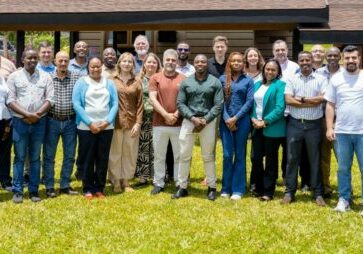
Six key takeaways from the Dorcas learning event in Kenya
In late February, colleagues from Dorcas offices across East Africa, the Middle East and Eastern Europe, as well as from the International Office, joined the team in Kenya for a learning event. The goal was […]
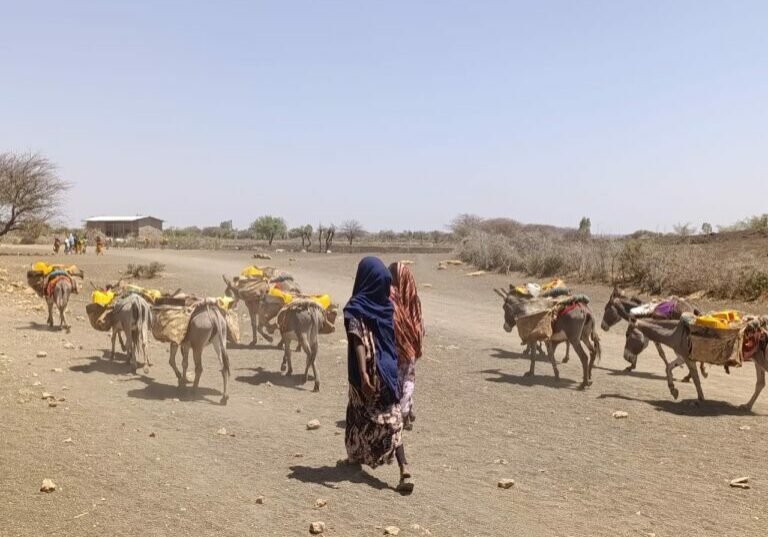
Responding to growing food insecurity in Ethiopia
Communities in Fedis and Midega Tola woredas, East Hararge, Ethiopia, are facing acute and rapidly worsening food insecurity following prolonged drought conditions. In response, Dorcas has launched a rapid, multi‑sectoral emergency intervention to support 28,000 […]
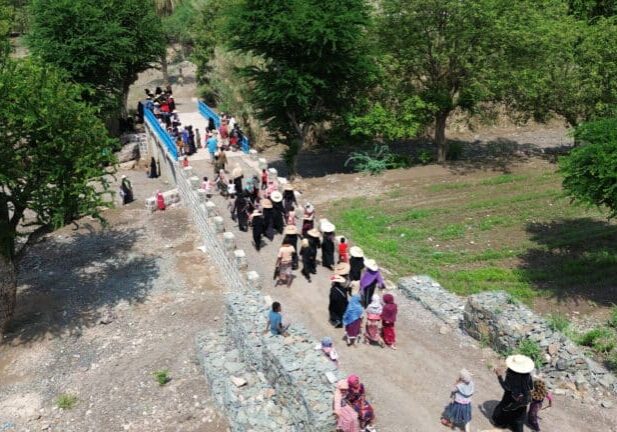
Building bridges in Yemen
José Salema, Country Director of Dorcas Yemen, clearly remembers the moment he was asked to provide support to a remote village. ‘It was after a devastating flood,’ he says. ‘Everything was underwater. The harvest was […]
‘Everyone deserves protection and has the right to live with dignity’
Jitendra Panda, our Country Director in South Sudan, was born and raised in India. Over the past twenty years, he has lived in many different countries across Africa and Asia, always with the aim of […]
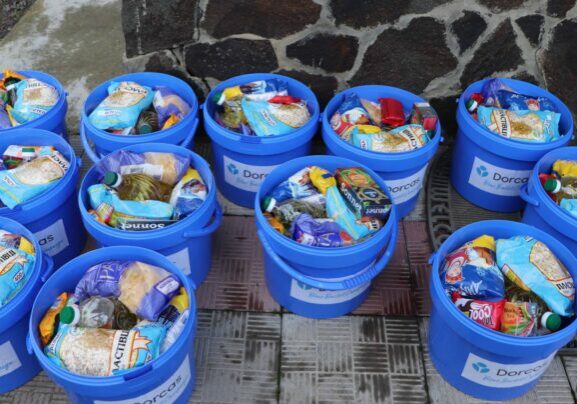
Behind the Blue Bucket Campaign: Building resilience and restoring hope in Eastern Europe
Distributing food in blue buckets to older people and families in vulnerable situations is at the heart of Dorcas’ Blue Bucket Campaign in Eastern Europe. However, the initiative is about more than just providing food: […]
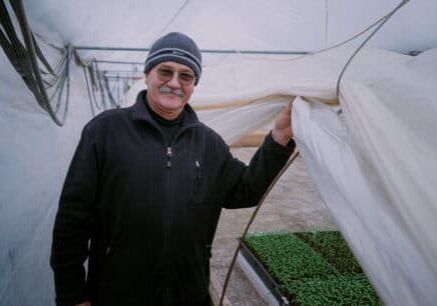
Growing together: How a social farm in Romania is cultivating hope and connection
Social farming harnesses the power of agriculture to deliver care and support for people in vulnerable situations. It involves using agricultural resources such as plants, animals, and land to provide health, social and educational services […]
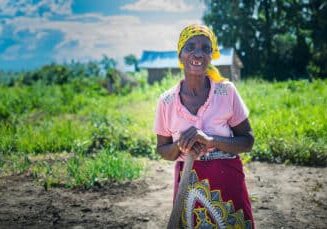
The Dorcas Food Campaign: Fighting hunger and poverty
Food is a fundamental human right, yet hunger remains a global issue. According to the Food and Agriculture Organisation (FAO)1, around 673 million people around the world living with hunger due to adverse conditions such […]
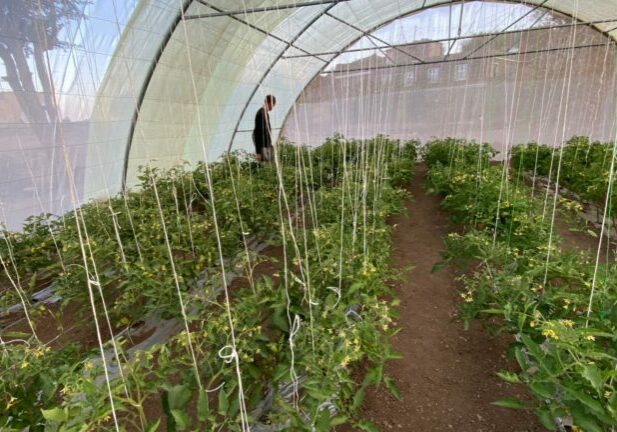
Building sustainable livelihoods and advancing food security in Yemen
Reading time: 2 minutes. Khalid is a father of ten from Yemen. He struggled with the harsh realities of drought and poverty, and found it difficult to provide for his family’s most basic needs. His […]
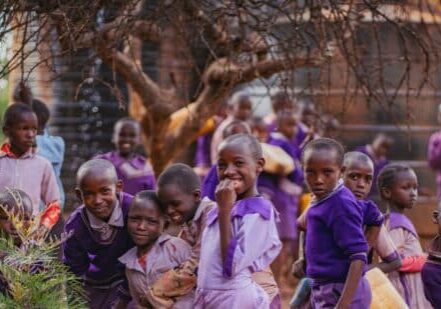
Local power creates lasting change: Dorcas strategic plan 2026-2030
Reading time: three minutes. Dorcas is proud to announce the publication of its strategic plan 2026-2030: Local power creates lasting change. This roadmap sets out Dorcas’s vision for the coming years, focusing on empowering local […]
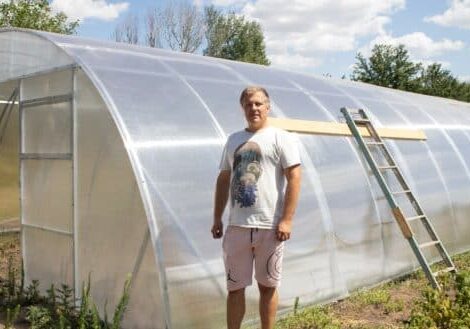
Support for farmers in Ukraine’s conflict-affected regions
Reading time: two minutes Vitalii and Alona are raising four children, including foster children, in a village in the Zaporizhzhia region, 27 kilometres from the front line. When their apartment in Zaporizhzhia became too small for the […]
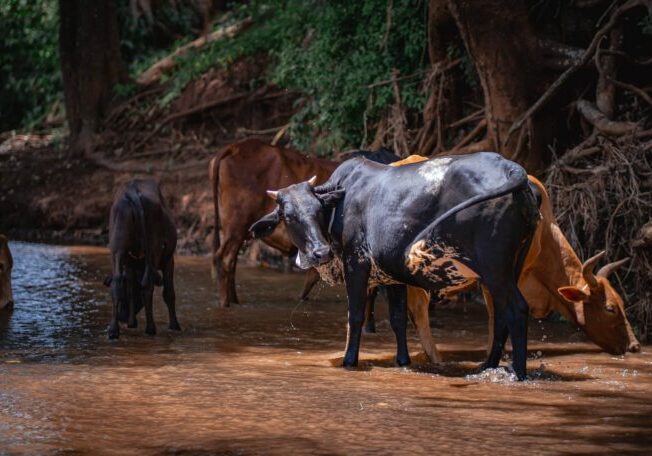
Climate-smart farming in Kenya: Boniface’s story of transformation
Dorcas Kenya and our partner, Kitise Rural Development (KRD), have recently concluded the Makueni Pasture and Milk Value Chains Project. Through this initiative, we worked to enhance livelihoods in Makueni County by promoting climate-smart agriculture, […]
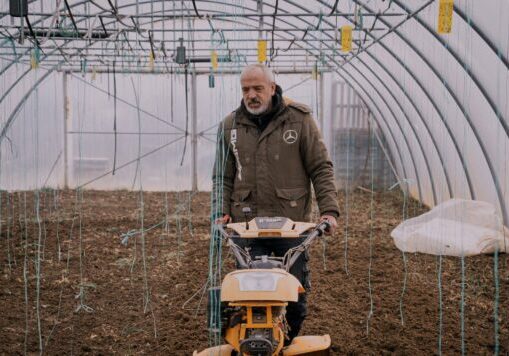
Empowering communities through social enterprise
At Dorcas, we believe in creating lasting change by enabling communities to become self-sufficient. One of the key ways we achieve this is by developing social enterprises: businesses that exist to generate income and achieve […]
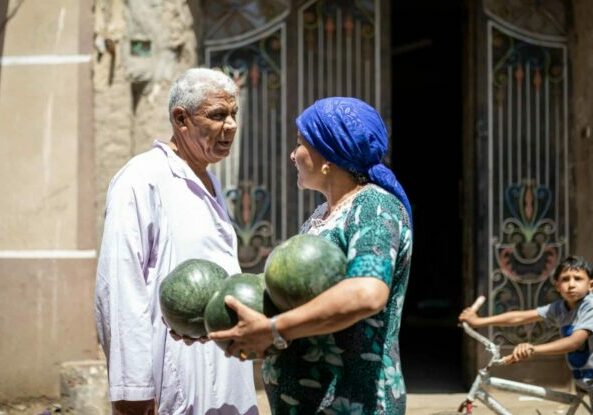
Dorcas launches groundbreaking PIP project in Upper Egypt
In early 2025, Dorcas in close partnership with our long-time partner Life Vision launched a new three-year PIP project in Upper Egypt. This innovative approach – relatively new to the Middle East – directly addresses […]