Six key takeaways from the Dorcas learning event in Kenya
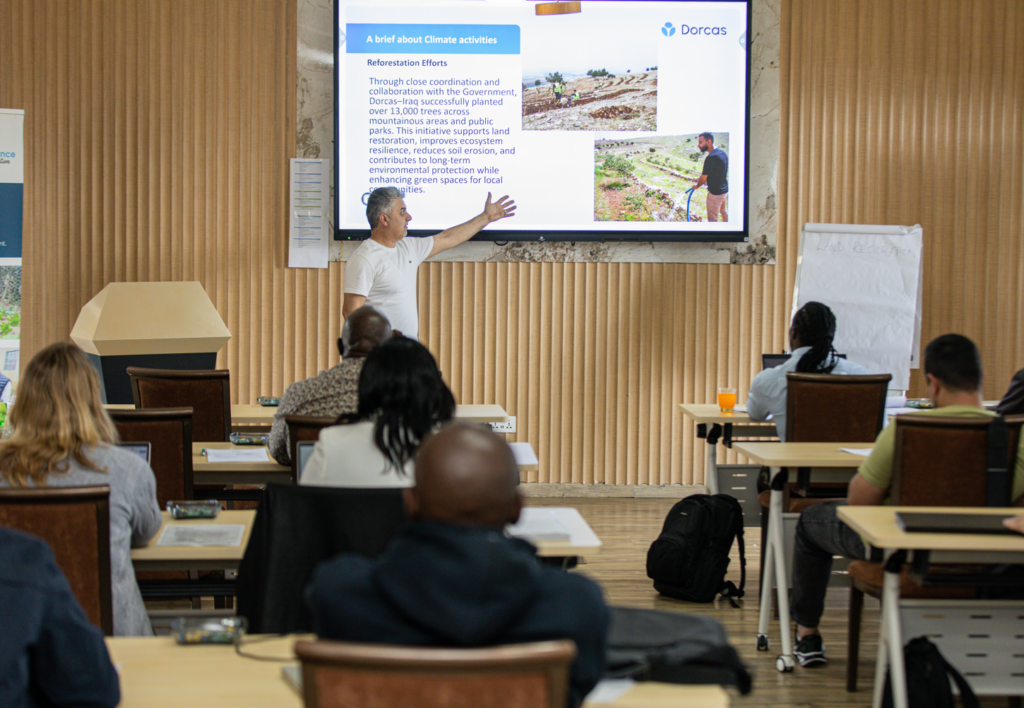
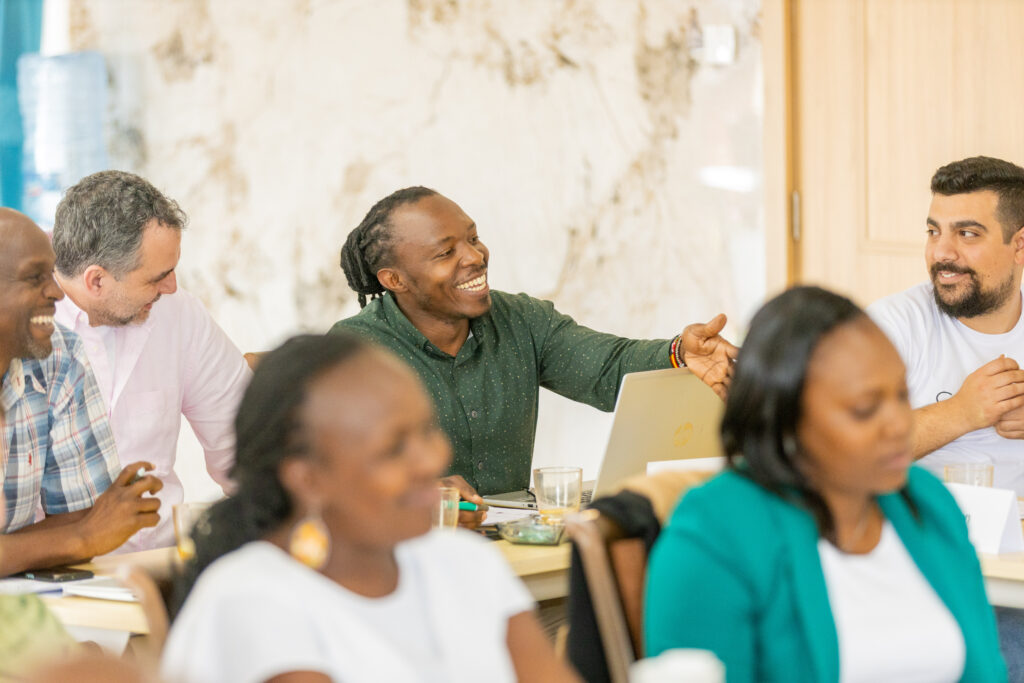
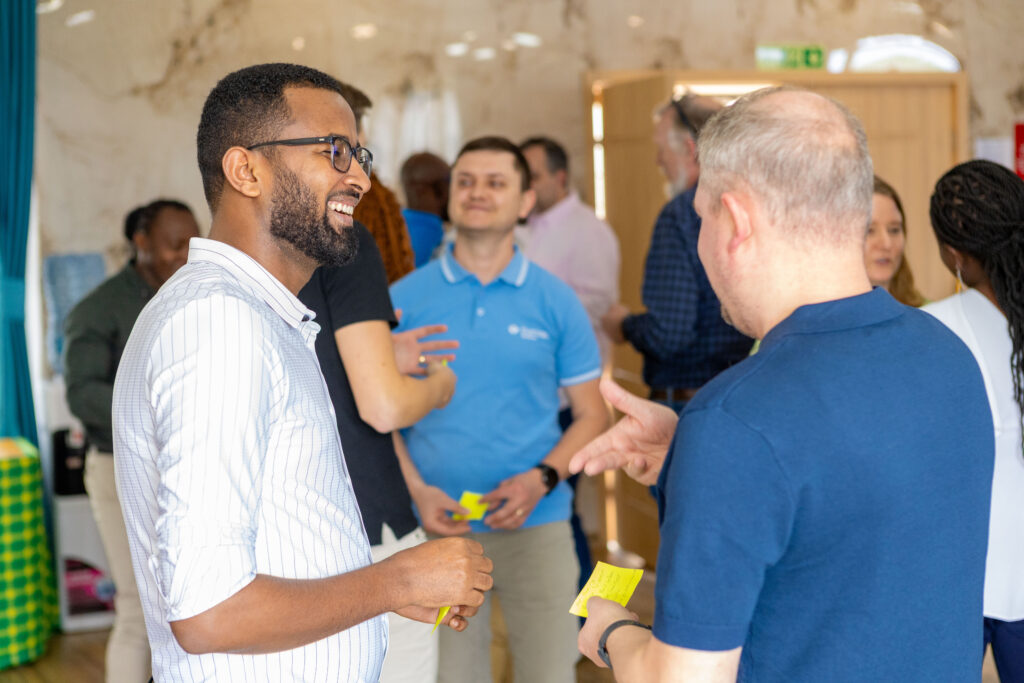
In late February, colleagues from Dorcas offices across East Africa, the Middle East and Eastern Europe, as well as from the International Office, joined the team in Kenya for a learning event.
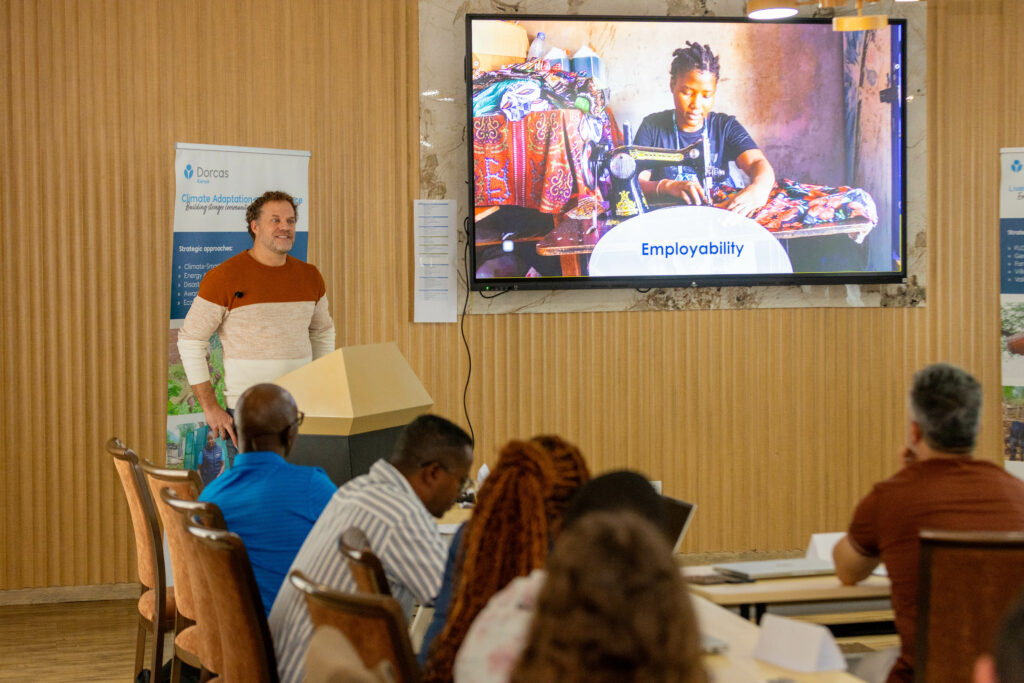
The goal was to examine how programmes are designed around livelihoods and economic development, as well as climate adaptation and resilience, share lessons across contexts, and leave with sharper thinking and practical tools. Topics covered included value chains, employability and market-focused thinking, as well as land restoration, water resilience and nature-based solutions.
Three key takeaways on climate adaptation and resilience
1. Understand the ecosystem before taking action.
Climate work begins with an understanding of the landscape. Restoration does not always mean planting trees. In some areas, farmer-managed natural regeneration (FMNR), soil and water conservation, or rangeland management can be more effective. Tailored strategies are more important than speed.
2. Use tools that centre communities.
Climate Vulnerability and Capacity Analysis and Local Adaptation Planning support communities in identifying risks, assessing vulnerabilities and shaping adaptation plans. This ensures that interventions are based on reality rather than assumptions.
3. Nature-based solutions are essential.
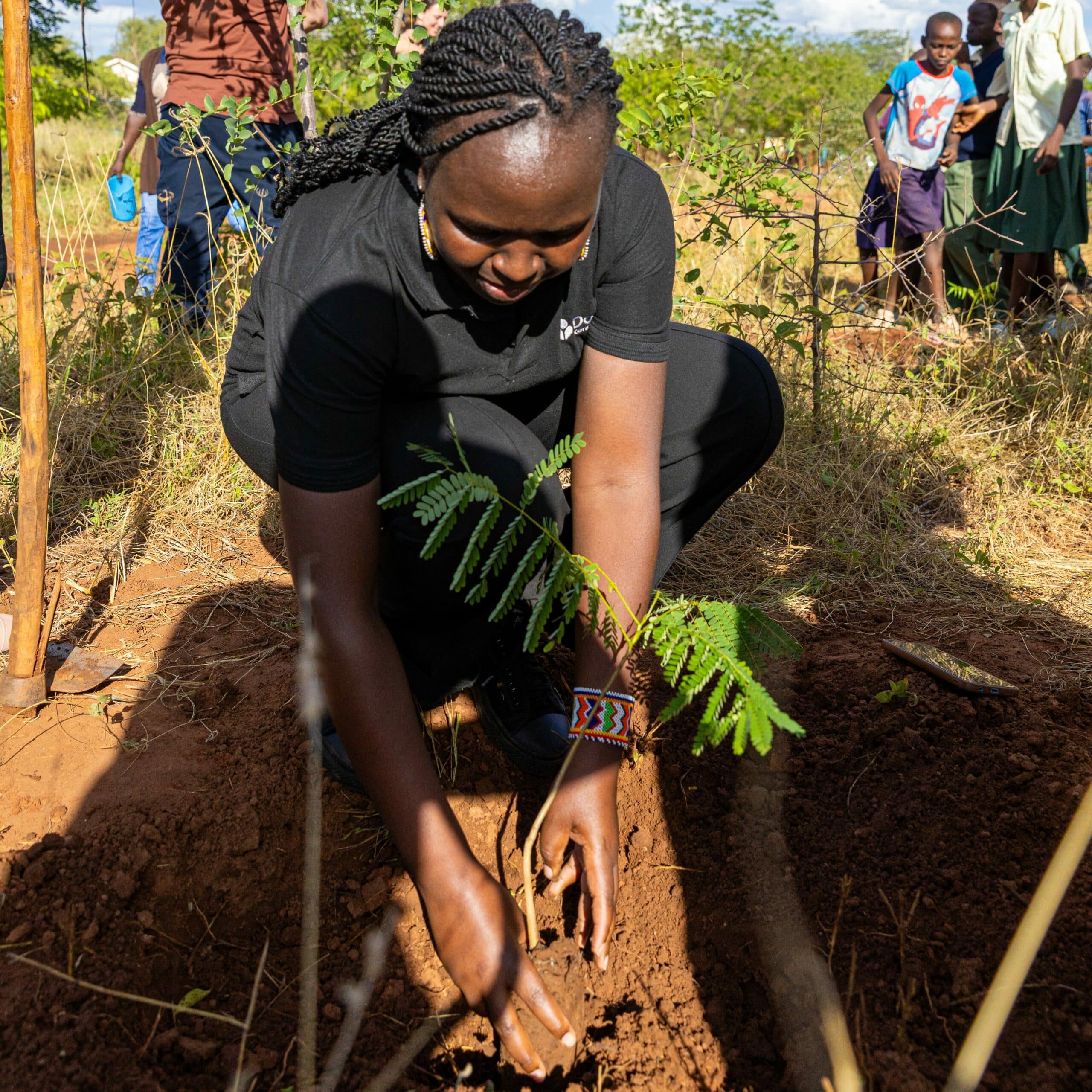
Landscape restoration, water harvesting, ecosystem protection and regenerative agriculture strengthen resilience while improving soil quality, biodiversity and productivity. In communities that rely on natural resources, these solutions form the core of their infrastructure.
Three key takeaways on Livelihoods and Economic Development
1. Recognise the livelihood pathway.
Households transition from survival and coping strategies to adapting and engaging with markets. Support must be tailored to their current situation. Families struggling to meet their basic needs require different support to stabilised cooperatives that are ready to engage with value chains.
2. Think in terms of value chains and connect to markets.
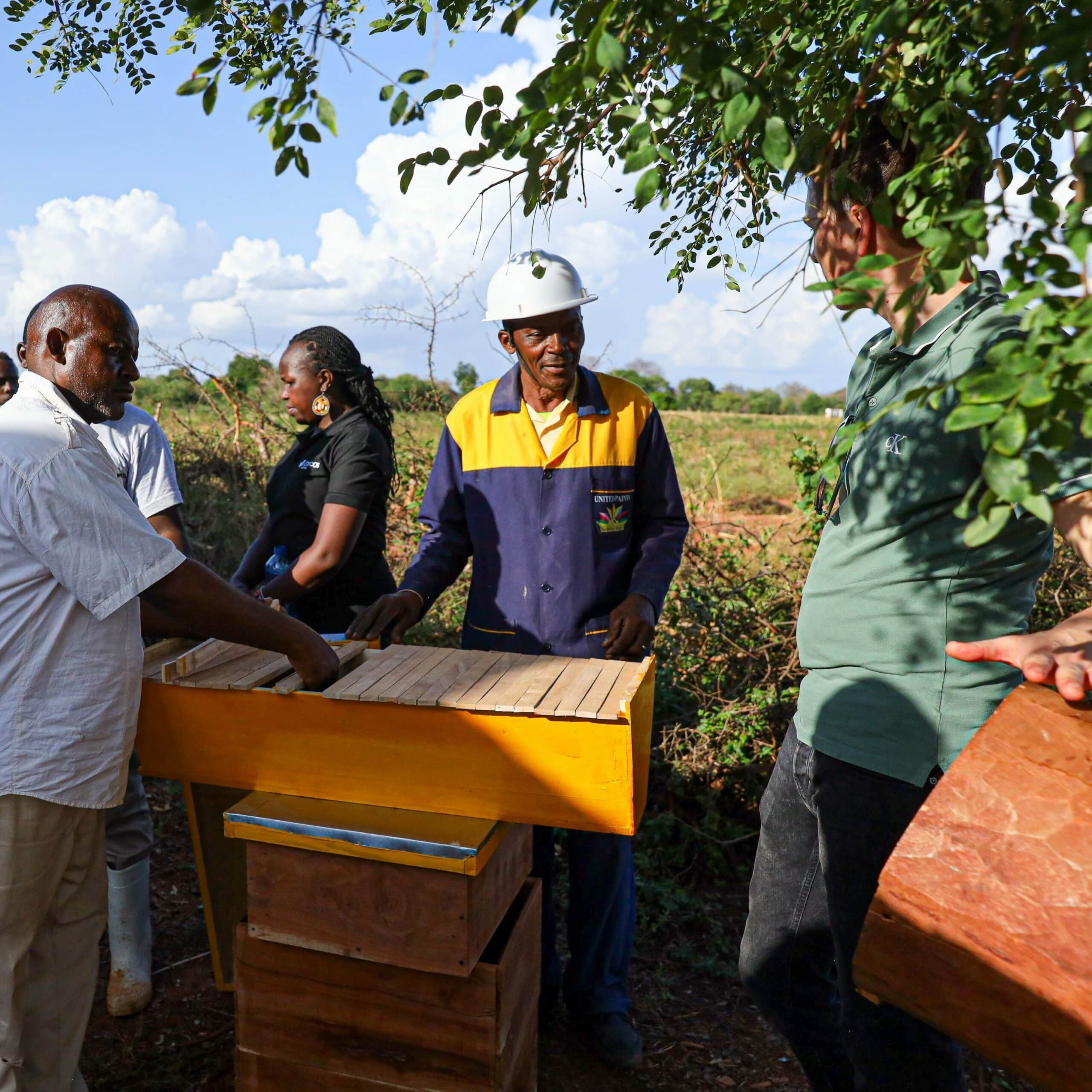
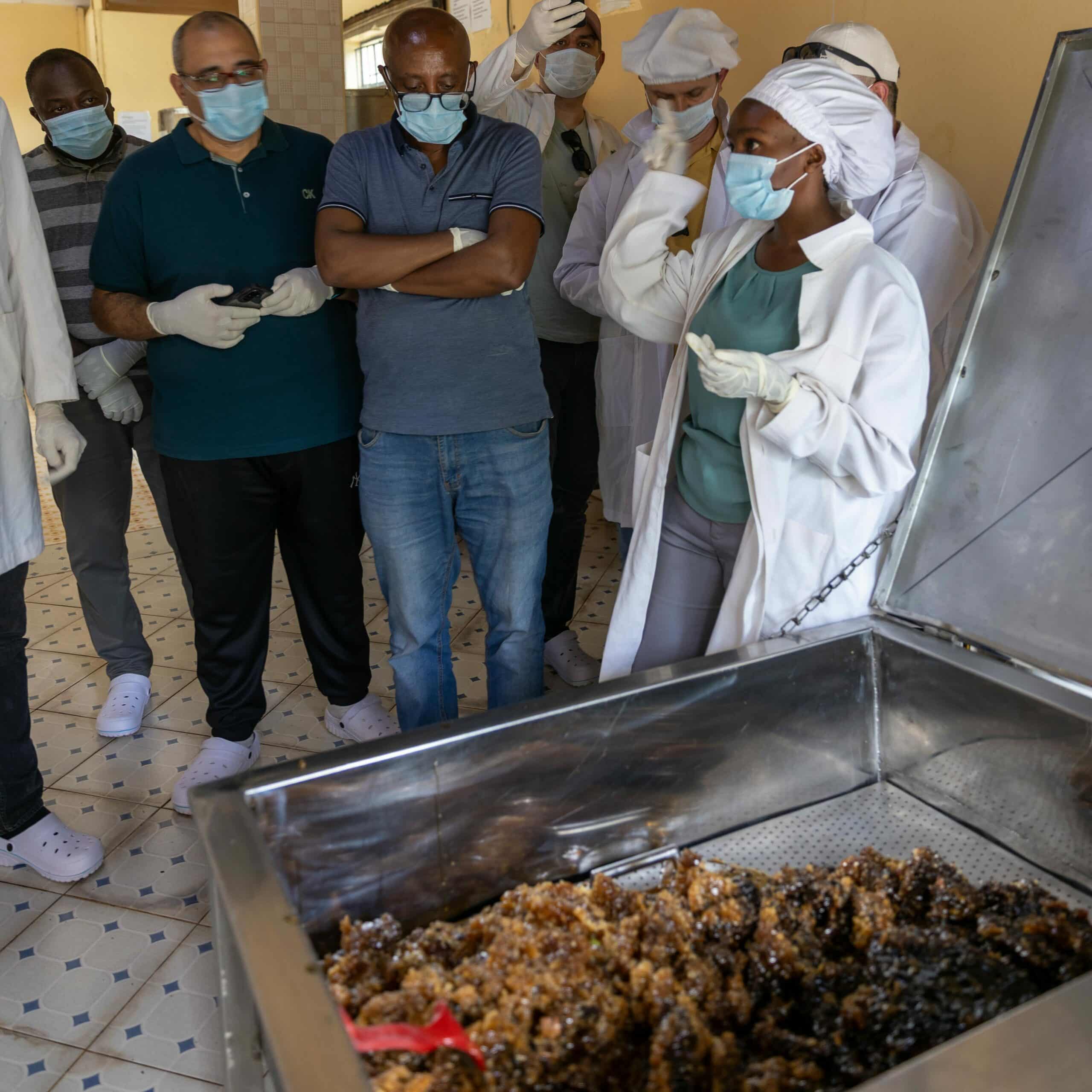
The Dorcas Value Chain Approach, informed by evaluations across East Africa, has highlighted both opportunities and challenges. Case studies, including that of the honey value chain in Kitui, Kenya, revealed issues ranging from quality control to market access. Future programmes will focus on creating sustainable, demand-driven opportunities.
Nicodemus, Director of Programmes at Dorcas Yemen, describes:
‘Many participants in Yemen are involved in honey production, and the environment in Kitui is similar to parts of Yemen. We will use these lessons to ensure that project participants take part in sustainable value chain activities, improve production quality and gain access to local markets.’
3. Invest in youth and the long term.
Job and Business Centres, which combine life skills, vocational training and entrepreneurship support, have demonstrated that connecting young people to labour markets is most effective in the long term. Sustainable change requires long-term engagement with communities and market actors.
Learning in practice: field visits
Field visits were a highlight of the event and helped to make abstract concepts more tangible. Participants had the opportunity to visit ongoing Dorcas projects and meet farmers, community groups, and project staff. They observed value chain development in action at the honey cooperative in Kitui and climate adaptation strategies, including land restoration, water management and regenerative agriculture, in Loitoktok in Kajiado County. Participants could ask questions, test assumptions and observe what works and what doesn’t in real contexts.
Andrei, Programme Manager at Dorcas Moldova elaborates:
‘It was incredibly valuable to see the projects in Kenya. The honey value chain project in Kitui was particularly inspiring! It was well organised and close to self-sustained. It could serve as a model for our farmer field schools in Moldova.’
The most inspiring insight
The event highlighted a simple truth: the most effective programmes combine technical expertise with genuine community ownership. Communities that shape solutions achieve sustainable and scalable results, whether the focus is on land restoration, honey production, water management or youth employability.
Daniella, Thematic Expert at Dorcas, describes:
‘The goal of this learning event is not just to learn new tools, but to bring them back to our programmes. The real success will be if, in the coming years, our country offices apply these approaches and build stronger programmes that deliver lasting impact for communities.’
12 March 2026
Are you inspired?
Read the next story or contact us to get to know more about making an impact together.