Building economic resilience for women: Lessons from Dorcas’ value chain projects in Kenya, Tanzania and Ethiopia.
Across the world, many women continue to face barriers that limit their full participation in society, including in economic life. Limited access to markets, finance, and decision-making restricts their opportunities. Creating equal economic opportunities requires deliberate action.
At Dorcas, inclusion is central to our work. We apply a gender lens and an intersectional approach in selecting project participants, considering age, disability, poverty, and ethnicity to identify those most at risk of exclusion. Through this approach, we strengthen women’s economic participation.
In Dorcas’ economic development work, value chains play a key role. These programmes are designed to strengthen the participation of marginalised groups, including women, by providing chances to learn new skills, take part in production and sales, manage savings and finances, and have a stronger voice in household and community decisions. To see whether these intentions are realised, we studied our value chain projects across Tanzania, Kenya, and Ethiopia. While the study included multiple marginalised groups, this article focuses on what we found about women.
- Camel milk in Moyale, at the Kenya-Ethiopia border.
- Honey in Chemba, Tanzania.
- Chicken in Siaya, Kenya.
- Honey in Kitui, Kenya.
- Pasture and milk in Makueni, Kenya.
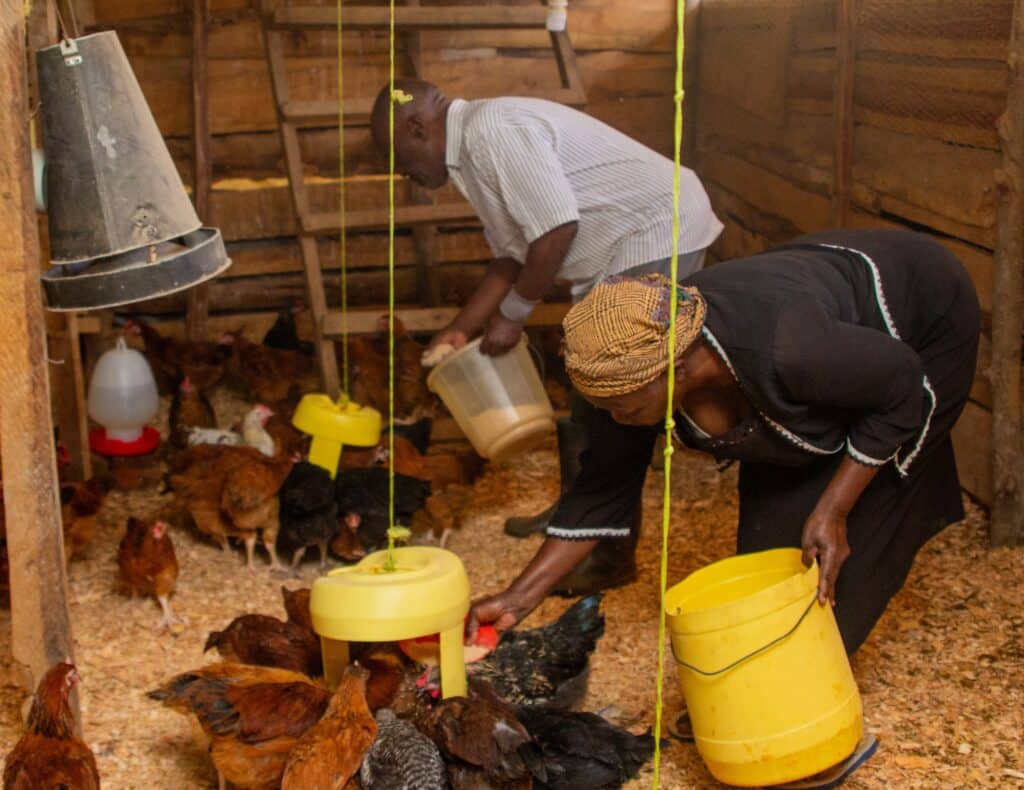
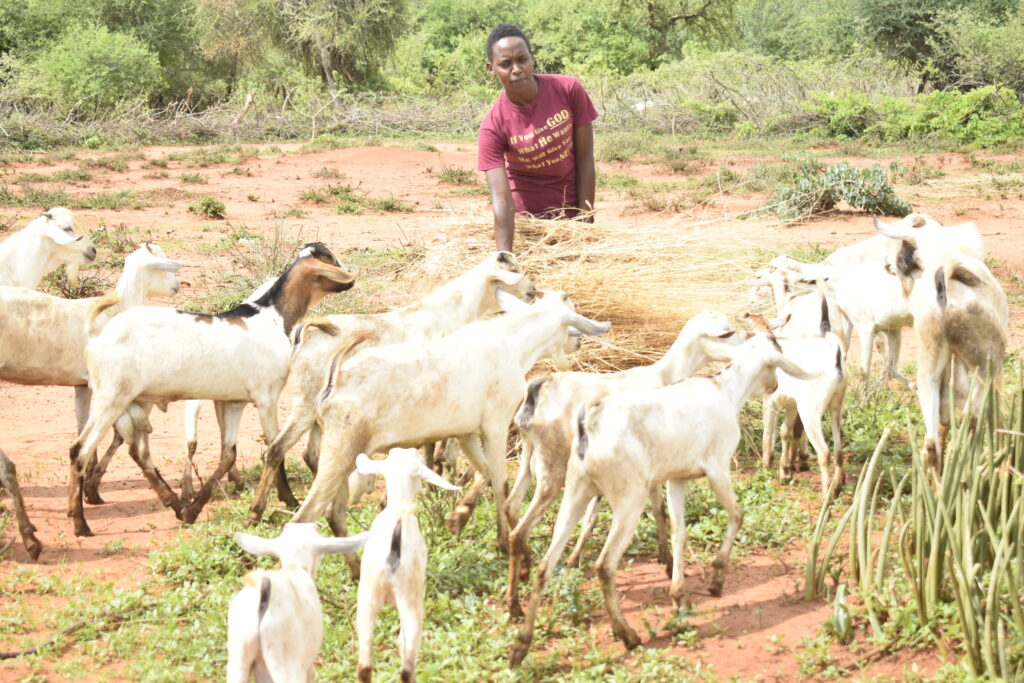
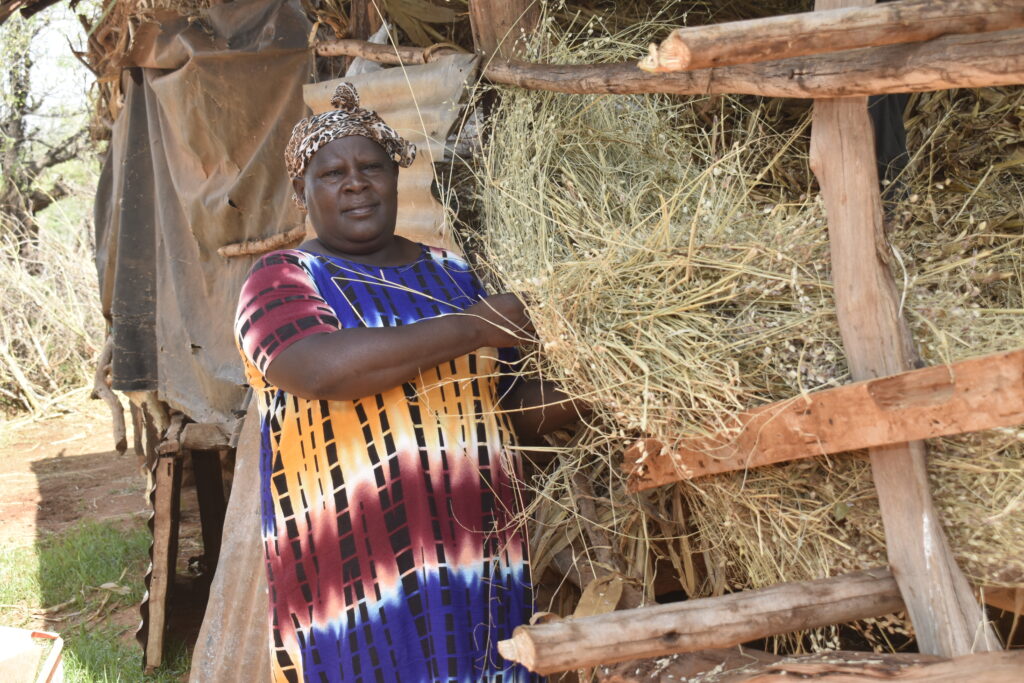
Women’s participation in value chains
The study shows that women participate actively and consistently. They attend trainings, join group activities, and engage in production linked to markets. Many gain new skills, earn a steadier income, and contribute more to household welfare. Participation also made women’s contributions more visible, leading to more discussion and shared decisions in households and groups, especially where income was regular and institutions strong. In Siaya, for example, predictable poultry income sparked household discussions about expenses: ‘When the chickens started bringing money regularly, I was asked how it should be used,’ a female poultry producer said.
But participation does not automatically mean control. While more households reported joint decision-making, women were rarely sole decision-makers. Traditional norms around asset ownership and authority often limited women’s long-term control.
Certain programme features supported women to participate more fully. Cooperatives and groups offered structure, shared responsibility, and formal recognition of women’s roles. Savings mechanisms helped women manage income and plan ahead. Direct access to markets reduced dependence on middlemen and removed the hassle of daily price negotiations.
Challenges and mitigation
Inclusion brings opportunities but also pressures. Increased participation can mean heavier workloads, exposure to safety risks, and vulnerability to economic shocks. Women, youth, persons with disabilities, and households facing poverty are particularly affected.
Dorcas works to reduce these pressures through group structures, peer support, and savings systems that help households manage uncertainty. Systematic risk management remains important to ensure all participants can benefit safely and fairly.
Lessons for women’s empowerment
From the study, four core lessons emerge for strengthening women’s empowerment in value chains:
- Participation alone is not enough. Empowerment requires not only involvement but also influence over outcomes. Women need a say in how income is used and resources managed. Without control over benefits, participation risks remaining symbolic rather than transformative.
- Working together strengthens resilience. Cooperatives, savings groups, and Farmer Field Schools provide structure, peer support, and safe spaces to learn and plan. Collective approaches increase predictability, reduce vulnerability, and strengthen women’s voice and legitimacy.
- Context matters. Women’s experiences differ. Age, disability, ethnicity, and prevailing social norms shape how they can participate and benefit. Recognising these differences ensures inclusion reaches those most at risk and that empowerment gains last.
- Diversifying income increases stability. Relying on a single activity exposes households to shocks. Combining value chain roles with savings, micro-enterprises, or service-based work spreads risk and strengthens long-term economic security.
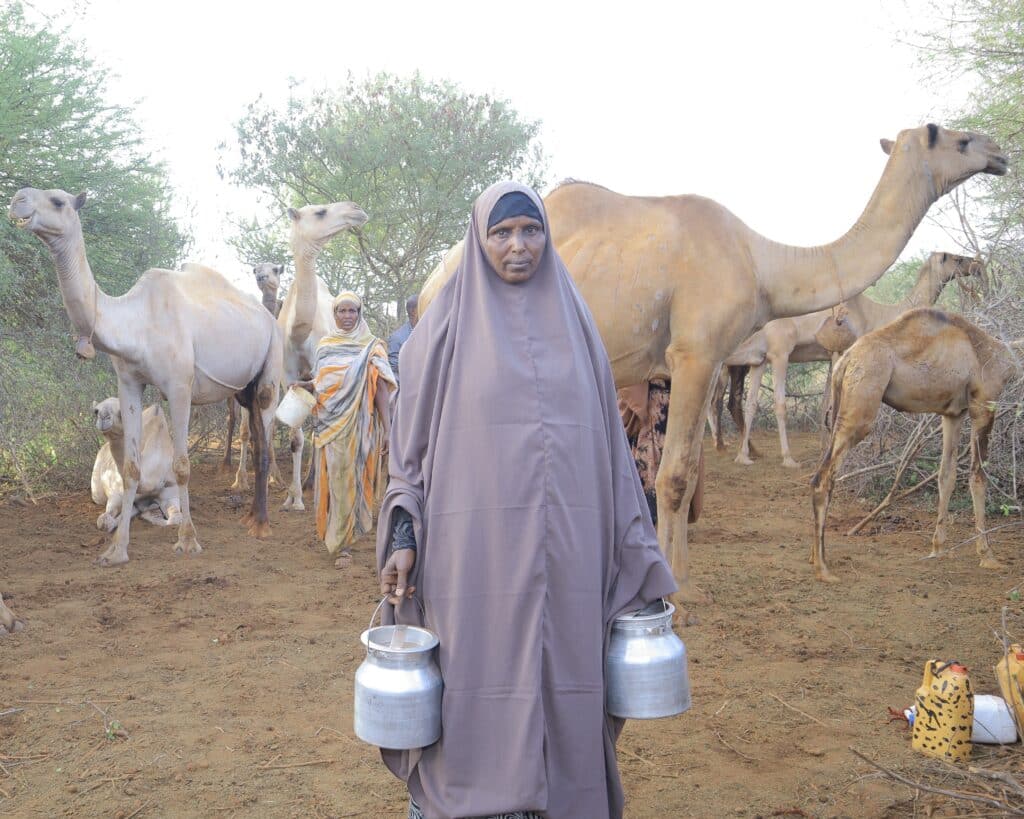
‘Today, I see myself as a businesswoman’
Kadija, a 50-year-old woman from Moyale, Ethiopia, joined the camel milk cooperative to overcome seasonal poverty and uncertainty. She recalls:
‘Before I joined the cooperative, my life was very uncertain. During the dry seasons, work would completely disappear. Some days we struggled just to get food.’Through the milk collection centre, Kadija gained a stable income and became a recognised economic contributor in her household and community. She explains:
‘Today, I see myself as a businesswoman. I have a stable income, I save money, and I plan better. People respect me more, and I have a voice not only in my home but also in the community.’
She also highlights the importance of working together:
‘Working together changed everything for me. Through the cooperative, women support each other, share responsibilities, and inspire one another to keep going.”
Her story reflects the broader findings: when women gain access to skills, markets, income, and collective support, economic participation can translate into greater stability, recognition, and confidence.
05 March 2026
Are you inspired?
Read the next story or contact us to get to know more about making an impact together.