Rural communities in Africa and the Middle East that rely on agriculture for their livelihoods are increasingly affected by food insecurity as a result of a changing climate. A failed harvest following drought or flooding can directly affect people’s access to food. Dorcas works alongside farmers in these regions to strengthen their ability to adapt to increasingly extreme weather conditions and protect their livelihoods.
Climate change and agricultural resilience
Farmers face the challenge of preventing fertile topsoil from being washed away during floods, while also finding ways to capture and store water to withstand periods of drought. Some current agricultural practices make communities more vulnerable to climate change and contribute to soil degradation, including overgrazing, unsustainable land-clearing practices and monocropping.
Dorcas supports farmers in adopting sustainable farming techniques that are better suited to changing climate conditions, minimise soil degradation and help restore the land. Many of these approaches are rooted in agricultural knowledge and practices that have long existed within African and Middle Eastern communities.
Danielle Maroma, Climate Adaptation Expert at Dorcas, elaborates: ‘Climate adaptation is often framed as bringing new solutions to communities. In reality, some of the most effective solutions can be found within communities themselves. Our role is to support farmers in strengthening, adapting and scaling up practices that have been shaped by generations of experience.’
Over time, the use and transmission of some of these practices have been disrupted for many different reasons. A growing focus on efficiency and optimisation encouraged a move away from agricultural diversity towards systems that produce fewer crops, often cash crops grown for sale. In some contexts, colonial policies also disrupted traditional agricultural practices, as land and natural resources were increasingly managed for economic exploitation. In addition, migration from rural to urban areas has changed how agricultural knowledge is passed down between generations.
Reconnecting with traditional practices
Dorcas works with farmers to strengthen and adapt agricultural practices rooted in local knowledge systems and increasingly recognised as valuable approaches to climate adaptation.
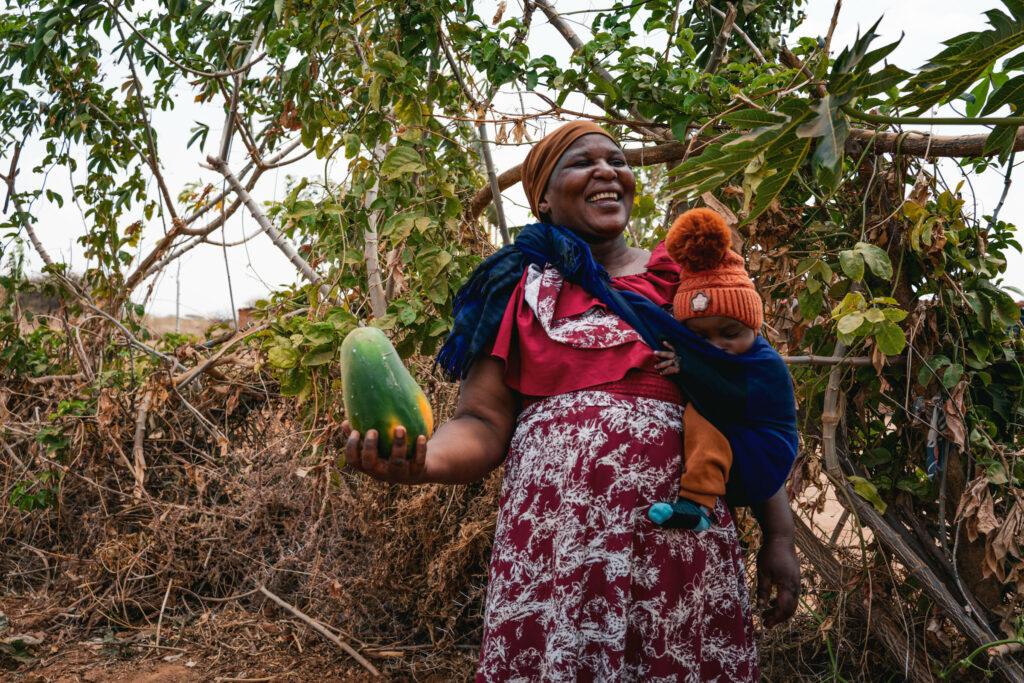
One example is agroforestry: a farming approach in which trees and crops grow together in the same space. Trees provide fruit, shade and other benefits, while their roots help protect and stabilise the soil.
Another practice is intercropping, in which different crop species are grown together to support soil health. One approach to maintaining nutrient-rich farmland is to combine crops with legumes, which fix nitrogen in the soil.
The transition towards climate-adaptive agriculture has already shown promising results. In 2024, farmers in Dorcas programmes increased their yields by up to 30 per cent using Participatory Integrated Planning (PIP) and climate-smart practices, while also improving soil quality. Practices such as agroforestry can contribute to these efforts by supporting agricultural productivity while also helping to restore greener landscapes.
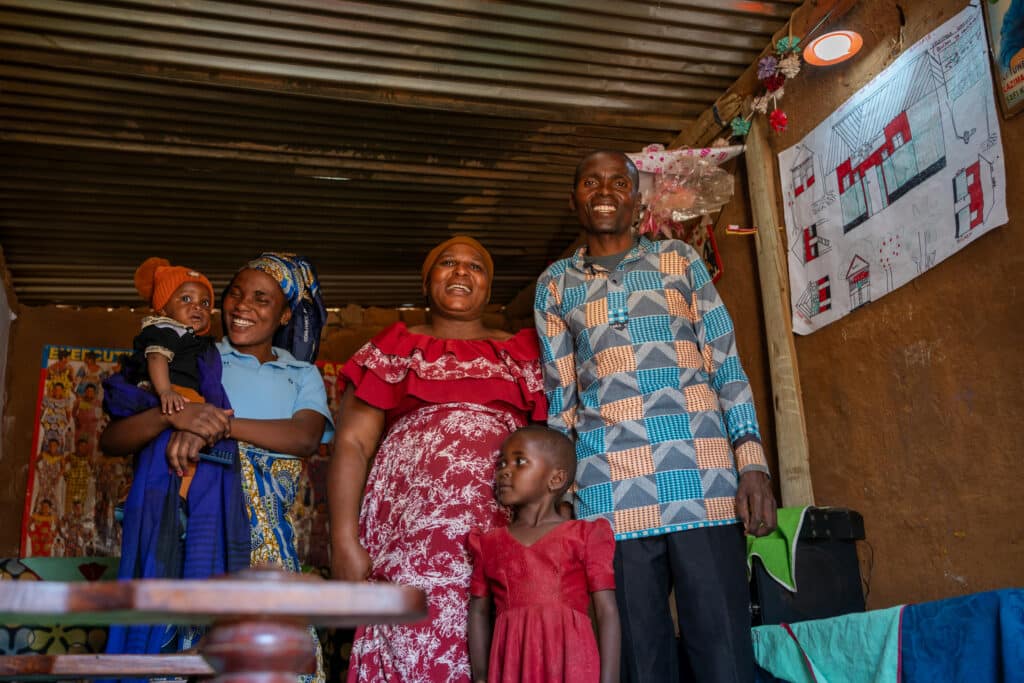
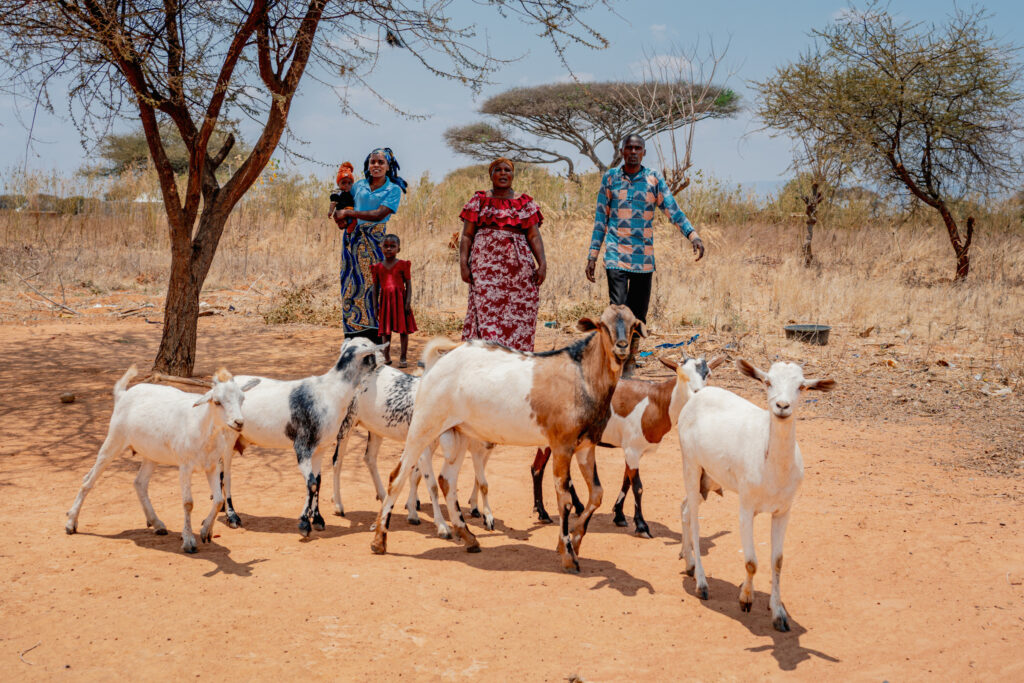
A household that is part of Dorcas’ PIP project in Tanzania.
Through the scaling up of Participatory Integrated Planning (PIP) in Tanzania and Ethiopia, farmers are transforming their farms into more diverse systems that offer greater economic stability and climate resilience. In early 2025, Dorcas launched a three-year PIP project in Upper Egypt. This was one of the first applications of the approach in North Africa and the Middle East, where farming communities face water scarcity and land degradation.
Climate change is creating new challenges for farming communities, but responding to them does not always require entirely new solutions. Some valuable agricultural practices have long been part of local knowledge systems, even though their use and transmission have changed over time.
Dorcas works alongside farmers and supports them to adapt agricultural practices to today’s climate realities. By combining traditional knowledge with new insights and approaches, farmers can strengthen the resilience of their land and livelihoods and build more sustainable ways of farming for the future.
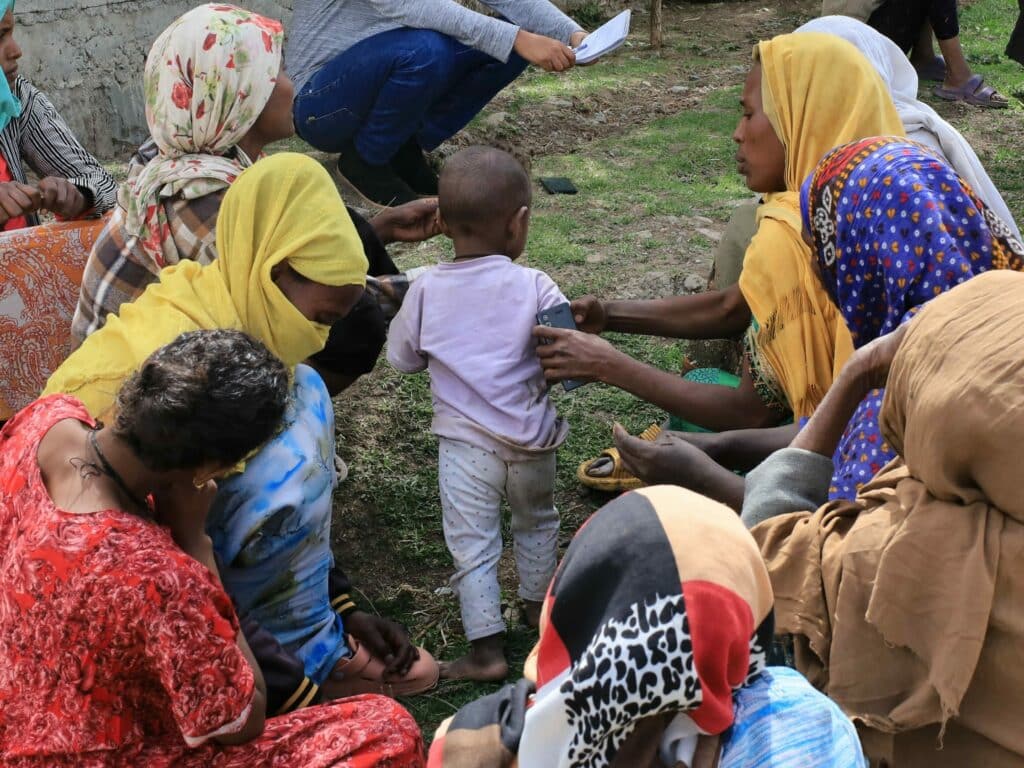
In Debre Birhan, in Ethiopia’s Amhara Region, thousands of people have arrived after fleeing violence and insecurity in East Wollega, Horo Guduru Wollega, West Wollega, West Shewa and surrounding areas. These areas have experienced prolonged insecurity linked to armed conflict, intercommunal tensions and local disputes, forcing many families to leave their homes in search of safety. The town already hosts many internally displaced people and has become an important place of refuge because of its relative safety and access to basic services. As more families arrive, pressure on shelters, services and host communities is increasing rapidly.
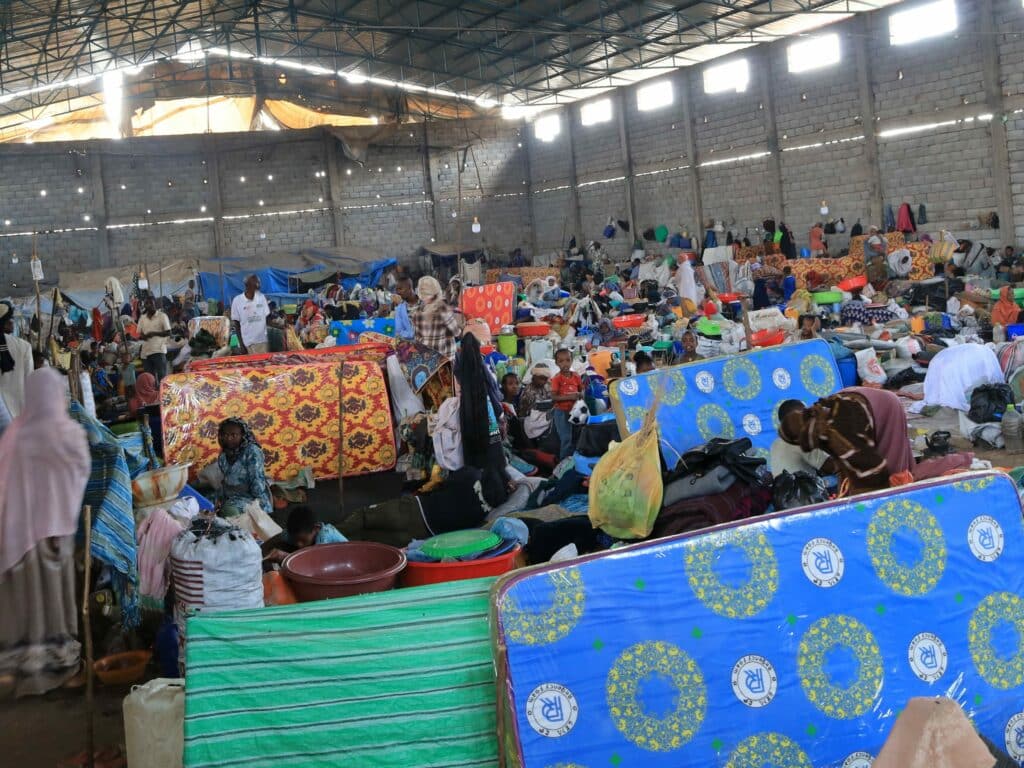
In June and July 2026 alone, more than 1,000 displaced households arrived in Debre Birhan. With existing sites overcrowded, many families are living in unfinished buildings and temporary structures, with limited access to adequate shelter, clean water, sanitation, health services and privacy. A rapid needs assessment by Dorcas Ethiopia highlighted critical gaps in food security, shelter and non-food items, health, WASH and protection. Those facing the greatest risks include women, children, older people, people with disabilities and people with chronic illnesses.
Dorcas is therefore launching an emergency response from 1 August to 31 October 2026 to support 500 newly arrived displaced households, reaching more than 2,500 people. During this three-month period, the project will combine immediate cash assistance with protection support, enabling families to meet urgent needs while strengthening their safety, dignity and wellbeing.
Cash assistance
Through multipurpose cash assistance, households will receive direct financial support so they can prioritise what they need most. This may include food, hygiene items, essential household goods, temporary shelter materials, health related costs or other expenses. Because local markets in Debre Birhan are still functioning, cash assistance offers a fast, flexible and dignified way for families to make their own decisions while also contributing to the local economy.
Protection
Alongside cash assistance, Dorcas will work to promote the safety, dignity and wellbeing of people affected by displacement, paying particular attention to those with specific protection concerns. This may include survivors of gender-based violence, children at risk, older people, people with disabilities, or others in need of specialised support. When such concerns are identified, staff will refer individuals to appropriate services available in the area so they can access the support they need.
Local presence and coordination
With an established presence in Ethiopia, Dorcas is well placed to respond quickly. Dorcas Ethiopia works through its country office and project offices, with local colleagues who understand the context, communities and coordination structures.
The project will be implemented in close coordination with local authorities and relevant government offices, those managing displacement sites, financial service providers, IDP and host community representatives and humanitarian partners.
With experience in humanitarian assistance, Dorcas brings practical capacity and technical expertise to this emergency. The aim is not only to act quickly, but to do so in a way that is accountable, inclusive and rooted in the realities of the communities we serve.
Protecting those in need in humanitarian and development work is complex and multifaceted. At its heart, protection is about safeguarding people and preventing, reducing, and responding to harm. Although protection is often associated with the risk of harm or abuse or with responding to violence or abuse after it has happened, this is only part of the picture.
In humanitarian and development contexts, protection is about safeguarding people from threats that affect their safety, dignity, rights and wellbeing. These threats may include violence, abuse, exploitation, neglect, discrimination, exclusion, or other forms of harm that prevent people from living safely and with dignity.
Responding to risk of harm is essential, but it is just one element of a much broader approach. Effective protection also involves preventing and anticipating potential harm, supporting recovery, and addressing the underlying causes that put people at risk. This article explores the four dimensions of protection and explains how they work together in practice. These dimensions can apply across different contexts, including conflict, displacement, natural disasters, poverty, exclusion and other situations where people may face increased vulnerability.
Looking through a protection lens
Protection is not a single activity or intervention. It is a way of working that helps humanitarian and development organisations recognise risks, reduce harm, and strengthen the conditions that enable people to live – or in certain cases to migrate or evacuate – safely. It means looking beyond the immediate task to understand whether someone may be at risk of violence, abuse, exploitation, neglect, or exclusion.
Pamela Hajal, Humanitarian Assistance and Protection Expert at Dorcas, describes this as putting on a pair of ‘protection glasses’. With these glasses on, staff focus not only on delivering project activities. They are also trained to recognise protection risks and respond appropriately.
Pamela explains:
‘For example, Dorcas Ukraine staff may be repairing damaged houses near the front line. They arrive at a home to replace broken windows and notice that the woman living there has visible bruising and a broken wrist. With your ‘protection glasses’ on, you wouldn’t just repair the windows and leave. You would recognise that she may need protection support and take the appropriate steps to assist her.’
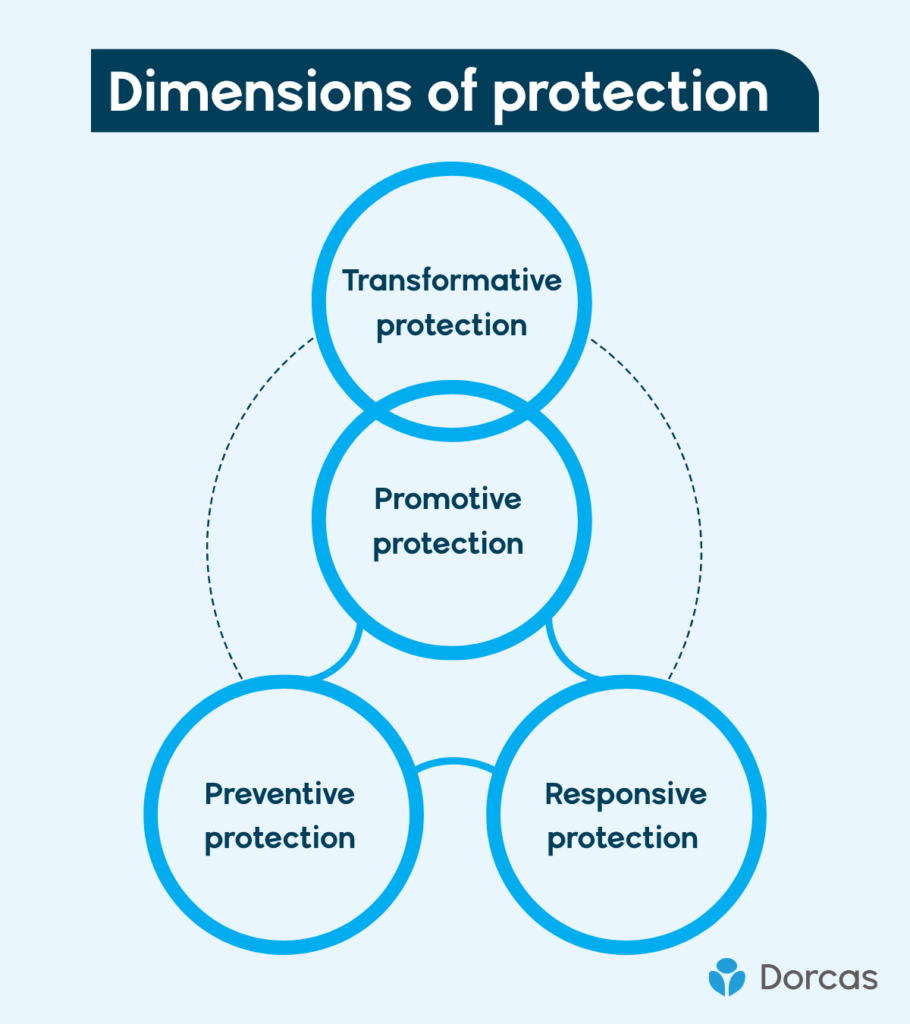
This example illustrates how protection goes beyond delivering services. It is about recognising when people are at risk and ensuring they receive the support they need. To guide this work, Dorcas uses four interconnected dimensions of protection: preventive, responsive, promotive and remedial, and transformative protection.
Preventive protection
Preventive protection aims to reduce the likelihood of harm before it occurs. This means identifying risks, reducing people’s exposure to threats, and addressing the factors that make their circumstances more vulnerable. Prevention is about creating environments where people’s rights are respected and where violence, exploitation, abuse, and exclusion are less likely to occur. Rather than focusing only on preventing individual incidents, it also considers the wider conditions that influence people’s safety.
For example, preventive protection can involve strengthening community awareness, social connections and access to support before harm occurs. This may include identifying people at risk of isolation or exclusion and creating opportunities for participation and support.
Responsive protection
Responsive protection focuses on stopping harm that is already happening or has recently occurred. It includes actions taken when people experience violence, abuse, exclusion or other protection violations. The priority is to support people to reach safety and access appropriate support as quickly as possible. This may include referrals to healthcare, legal assistance, psychosocial support or other specialised services.
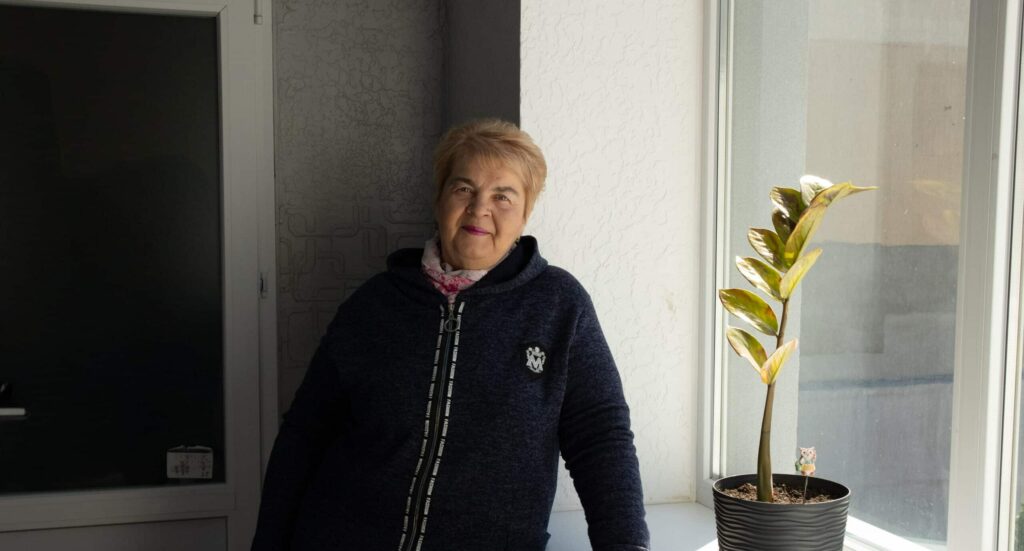
Responsive protection also includes supporting people who experience the psychological and social effects of crises. For example, due to the ongoing conflict in Ukraine, many Ukrainians have experienced increased anxiety and worsened psychological wellbeing. Nadiia is one of them. After her husband passed away and her grandson left to defend the country, she was overcome with fear and needed support. With the MHPSS support she received from Dorcas Ukraine, Nadiia was able to regain her sense of security.
Although this is often the most visible aspect of protection work, it is only one part of a wider system that also includes prevention, recovery, and long-term change.
Nadiia from Ukraine
Promotive protection
Promotive and remedial protection focuses on supporting people to recover from harm and rebuild their lives. It addresses the consequences of past or ongoing violations by supporting individuals and communities through healthcare, psychosocial support and other essential services.
This dimension recognises that protection does not end when the immediate danger has passed. Recovery also means restoring people’s wellbeing, relationships, dignity, and sense of safety.
For example, Maria (78) lives in rural Tanzania and is solely responsible for caring for her seven-year-old granddaughter, Queenie. For years, they faced significant challenges. Since joining the Community Safety Net programme of Dorcas Tanzania, Maria has gained access to support that has strengthened her wellbeing, resilience and ability to care for her granddaughter.
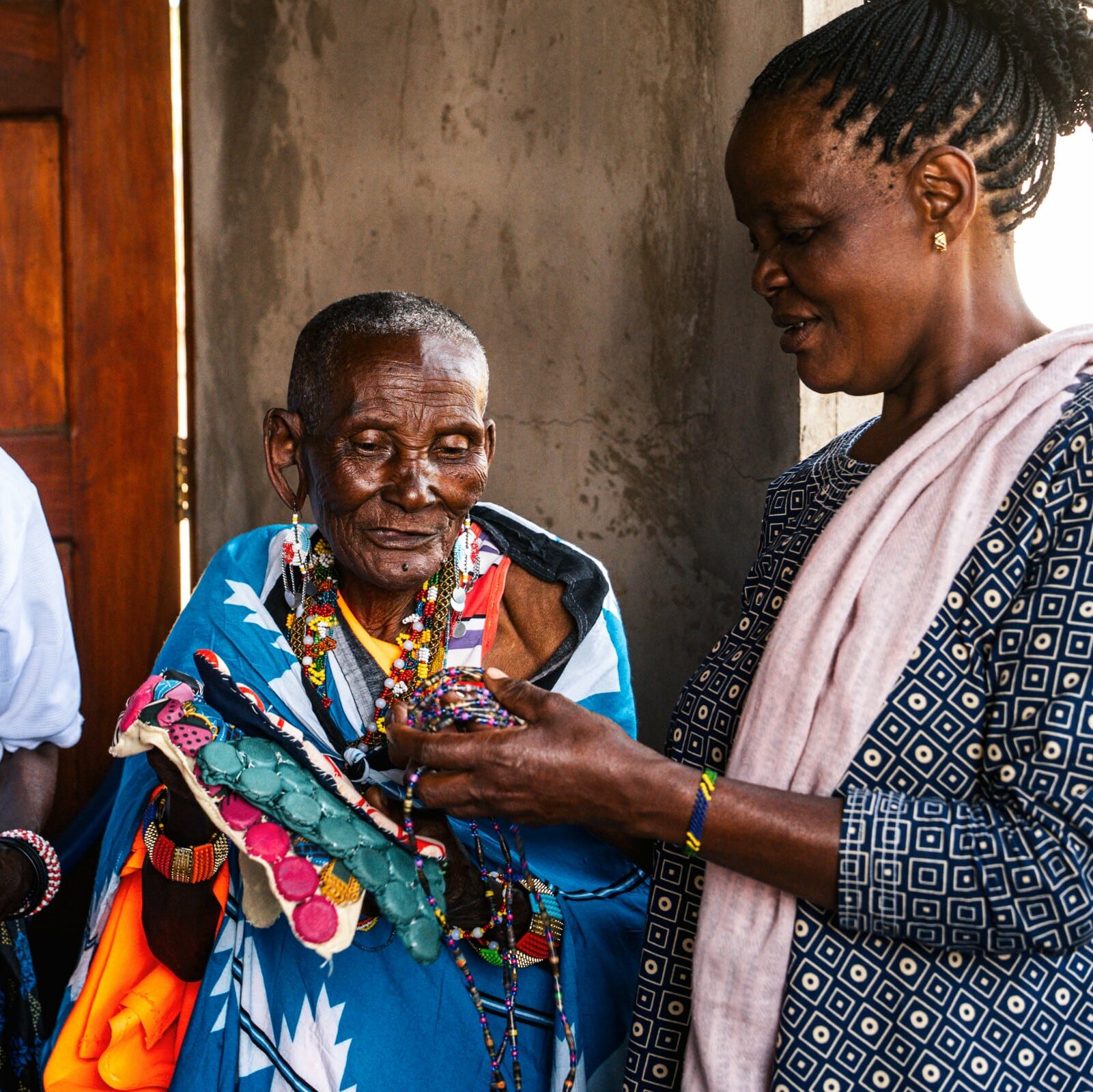
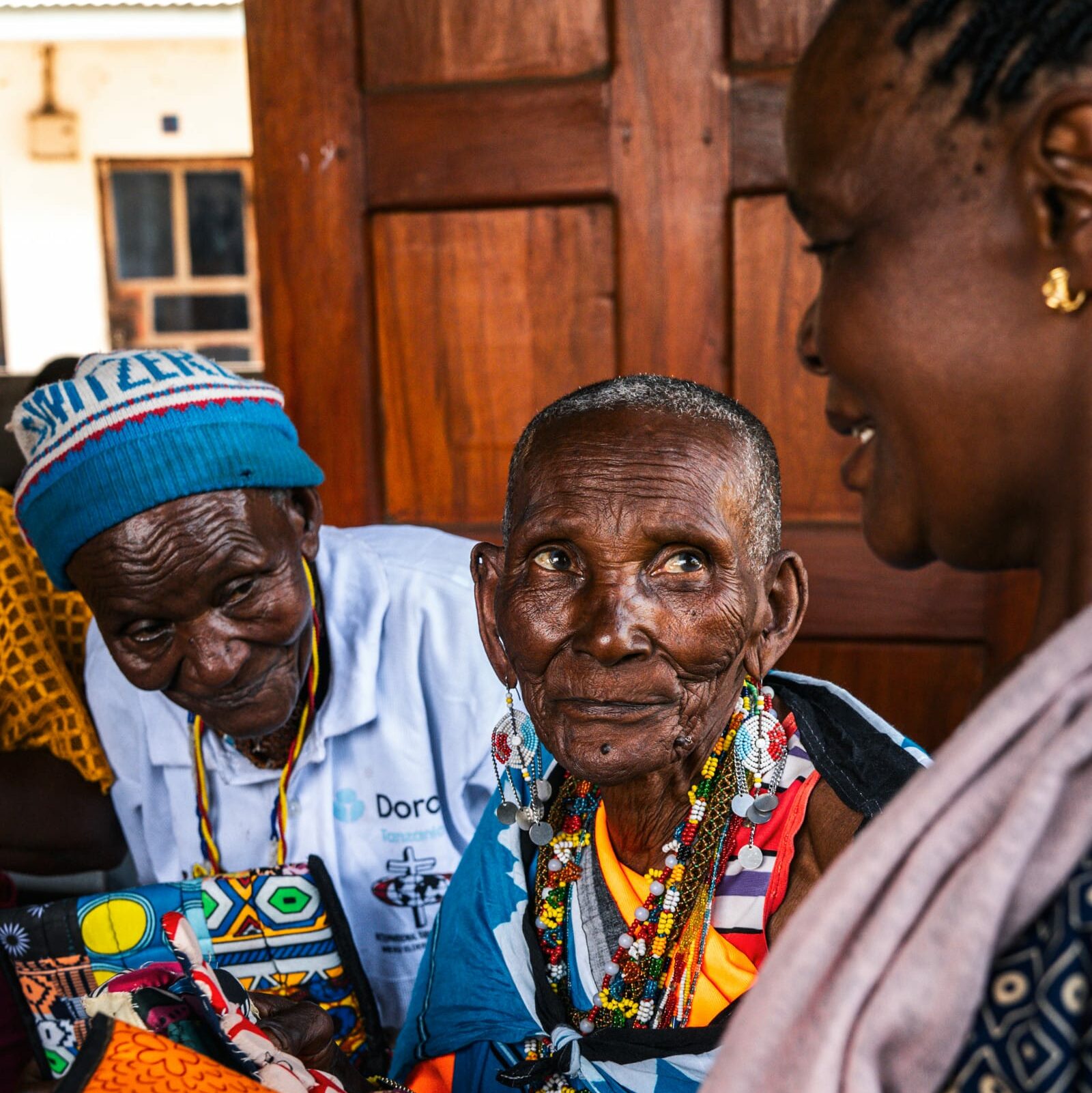
Through the programme, Maria received essential items, support from volunteers with household tasks, and opportunities to connect with other older people in her community. Taking part in activities at a local older people’s centre helped reduce isolation, strengthen social connections and restore her sense of belonging. Maria’s story illustrates how promotive and remedial protection supports people not only after harm has occurred, but also in rebuilding dignity, confidence and resilience.
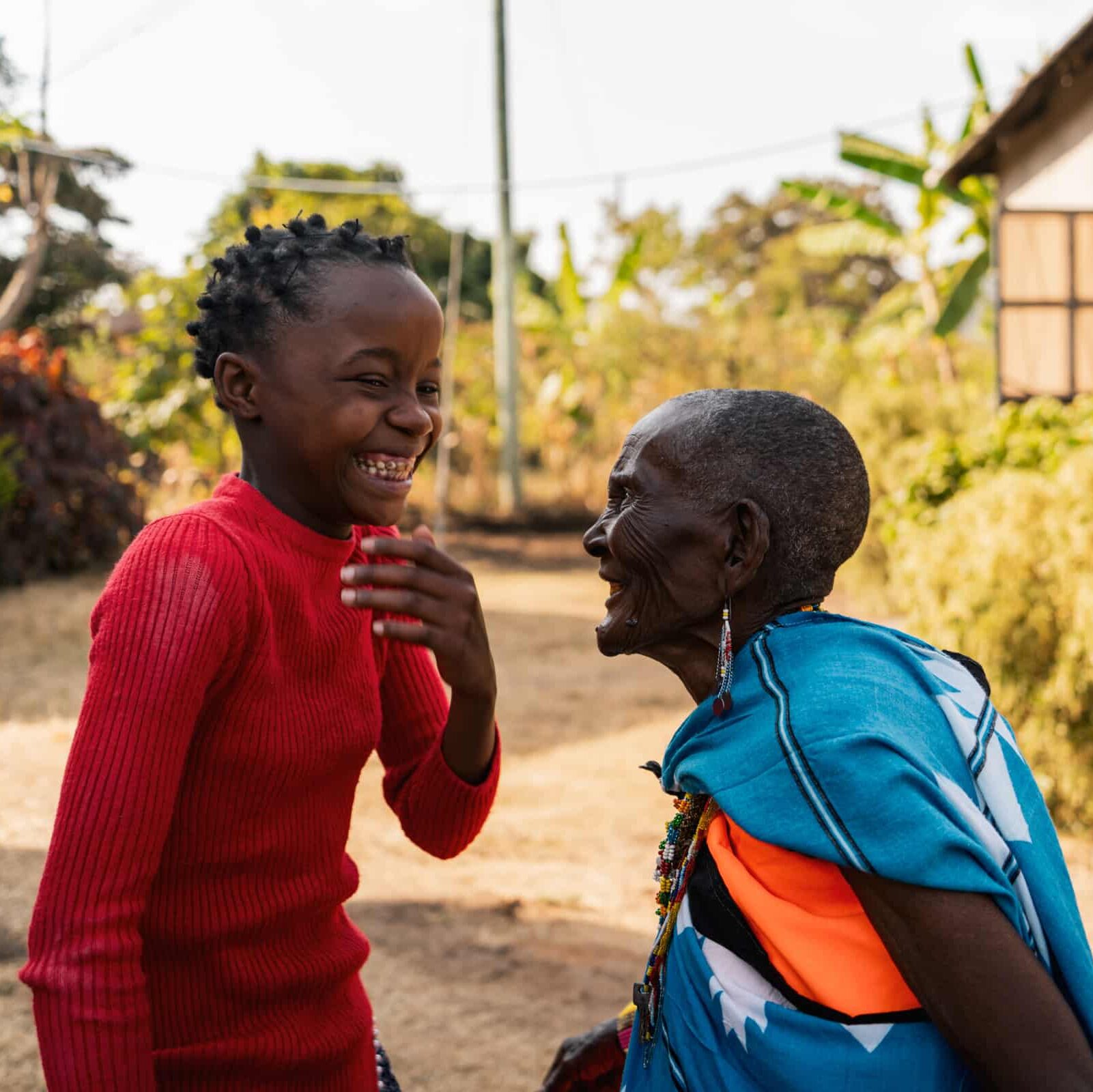
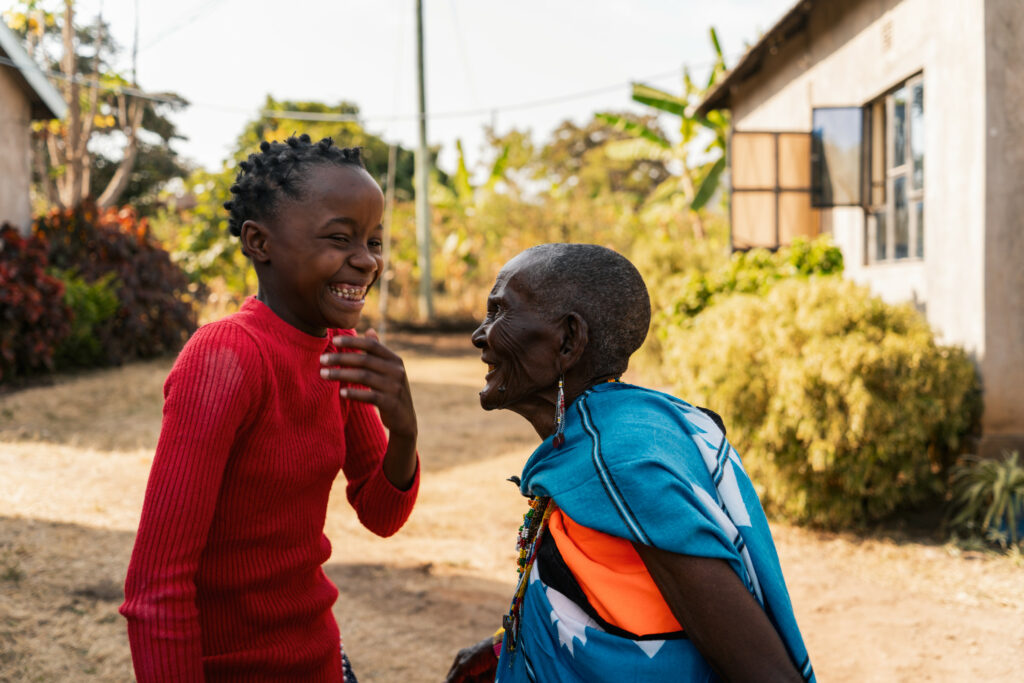
Queenie and Maria
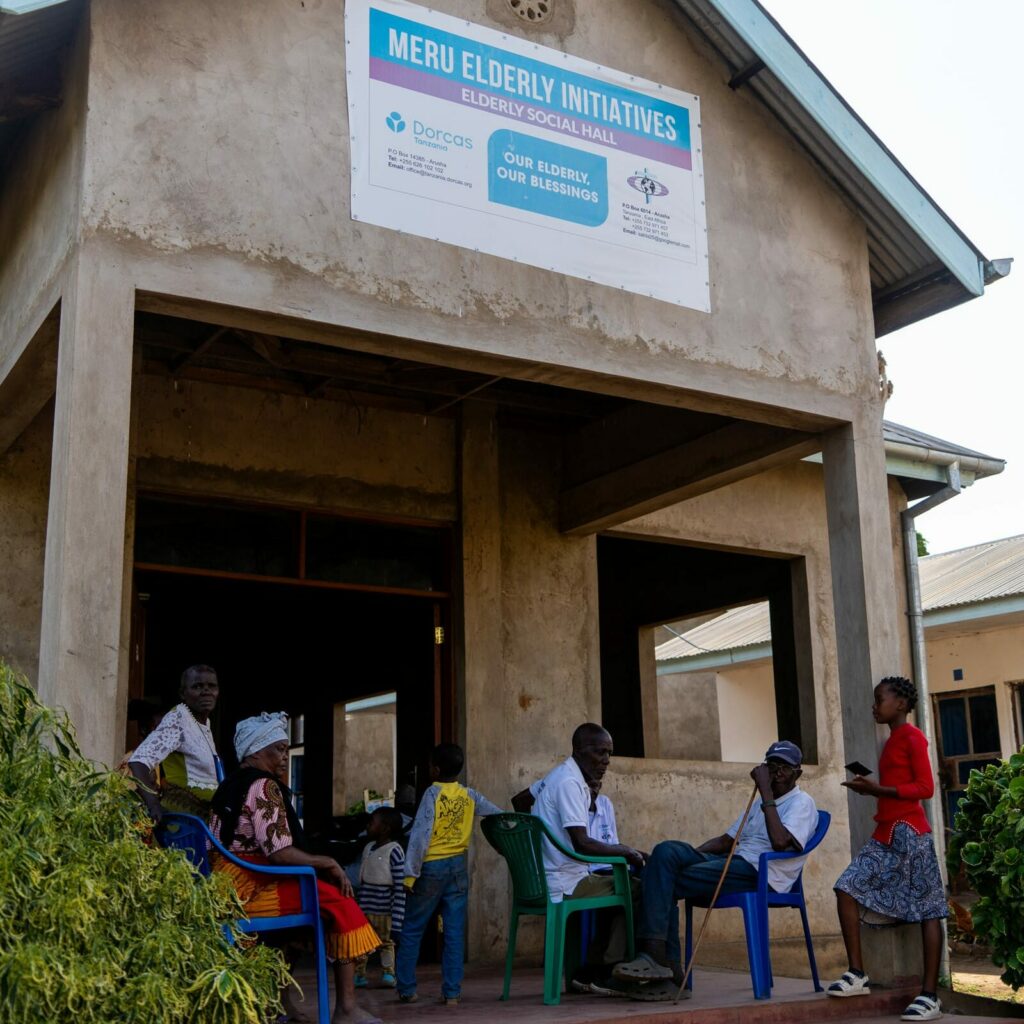
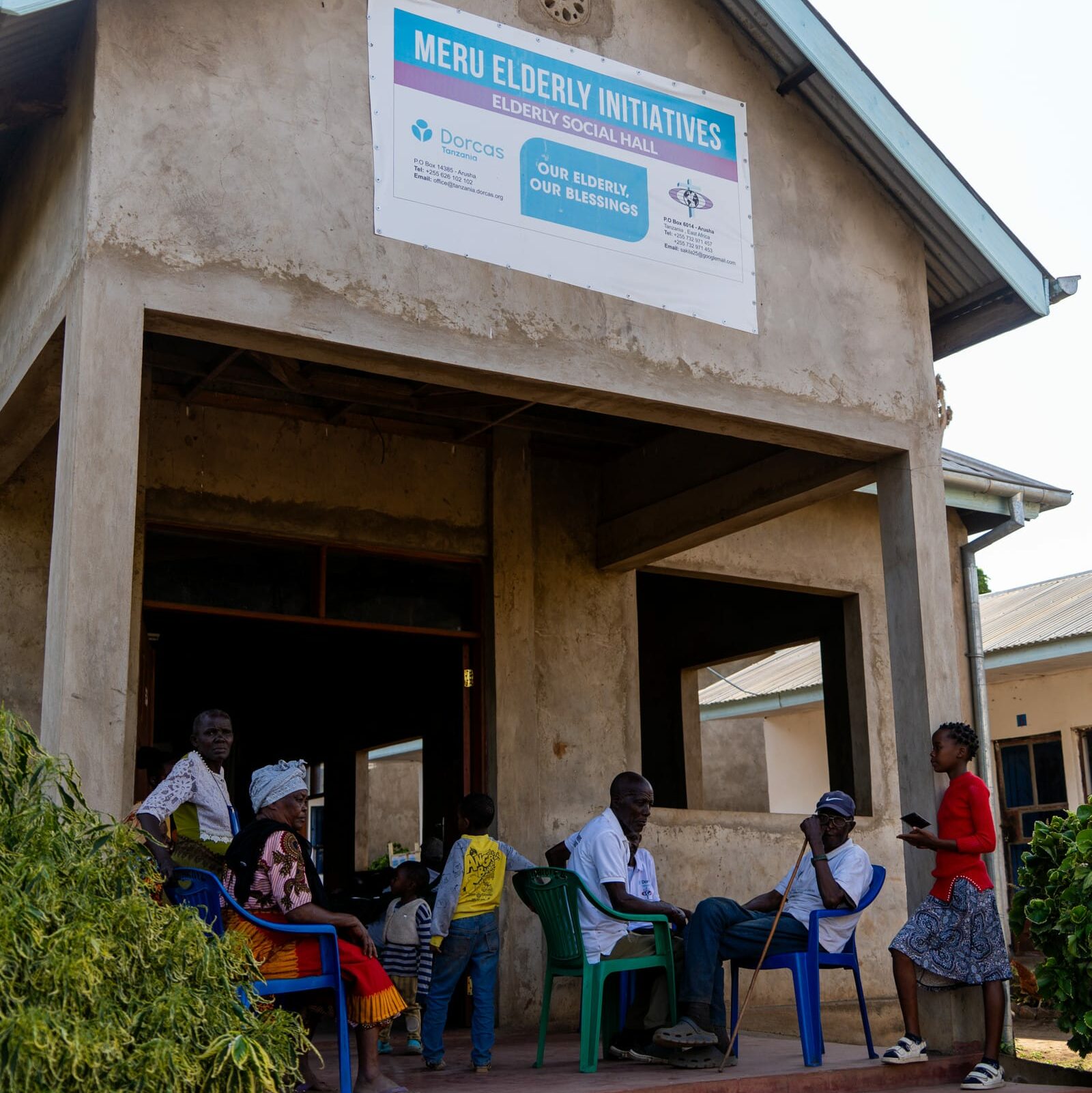
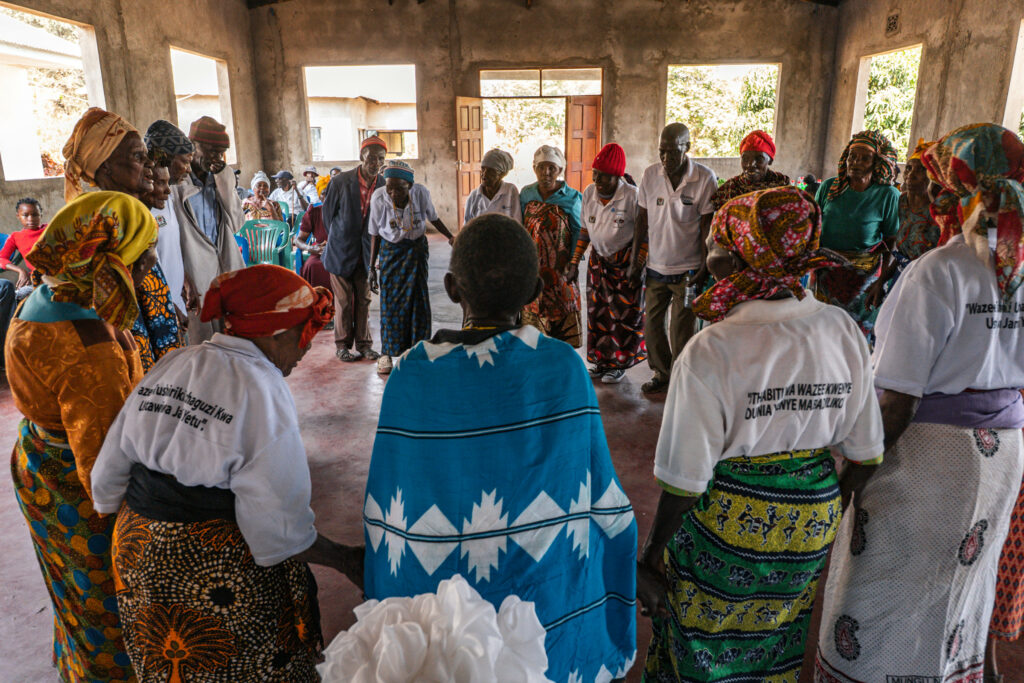
The Meru eldery centre in Tanzania
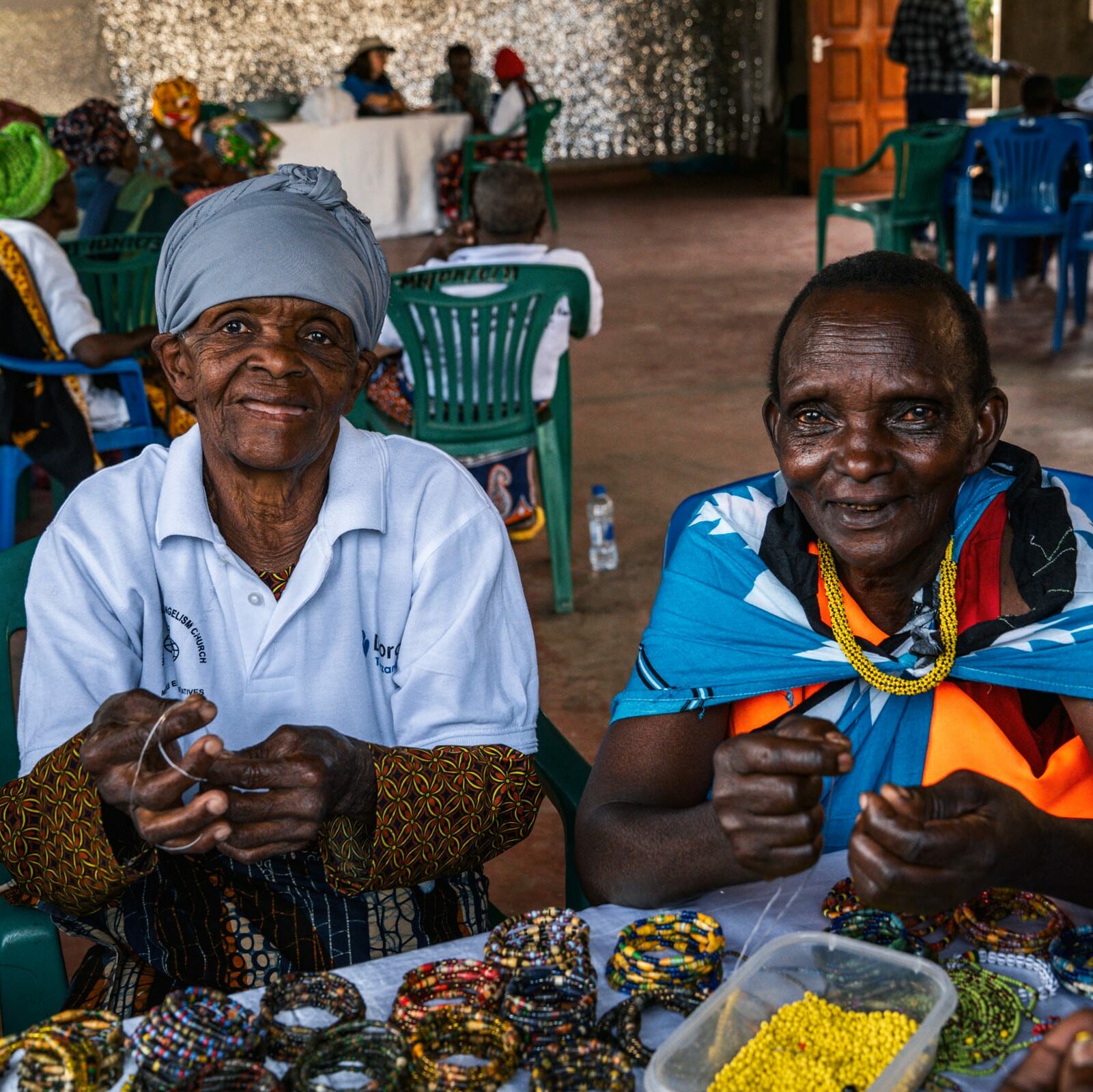
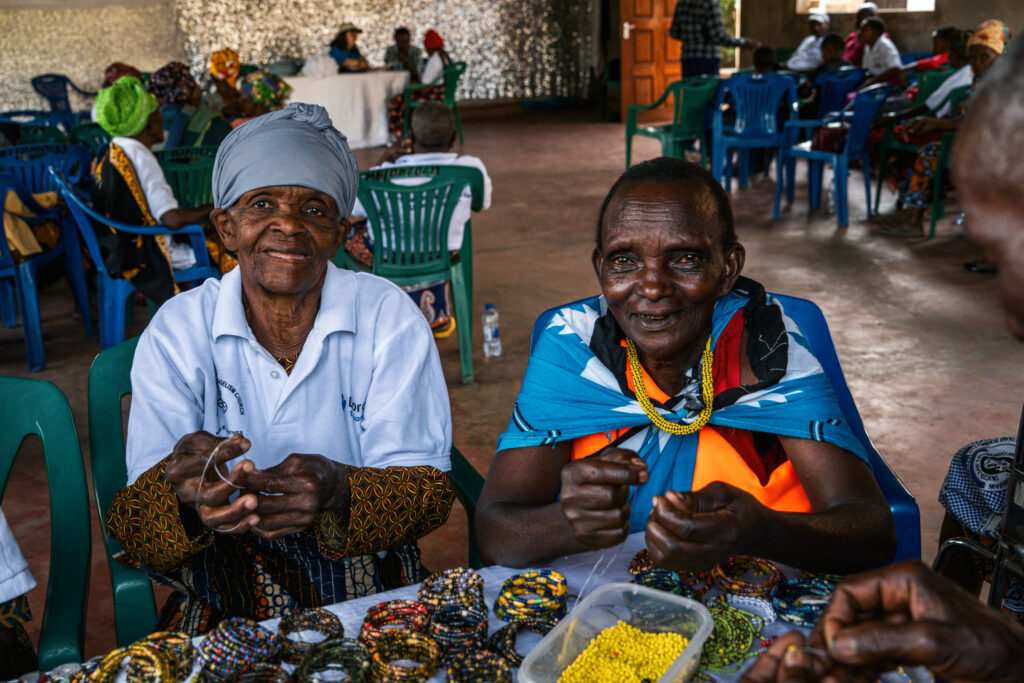
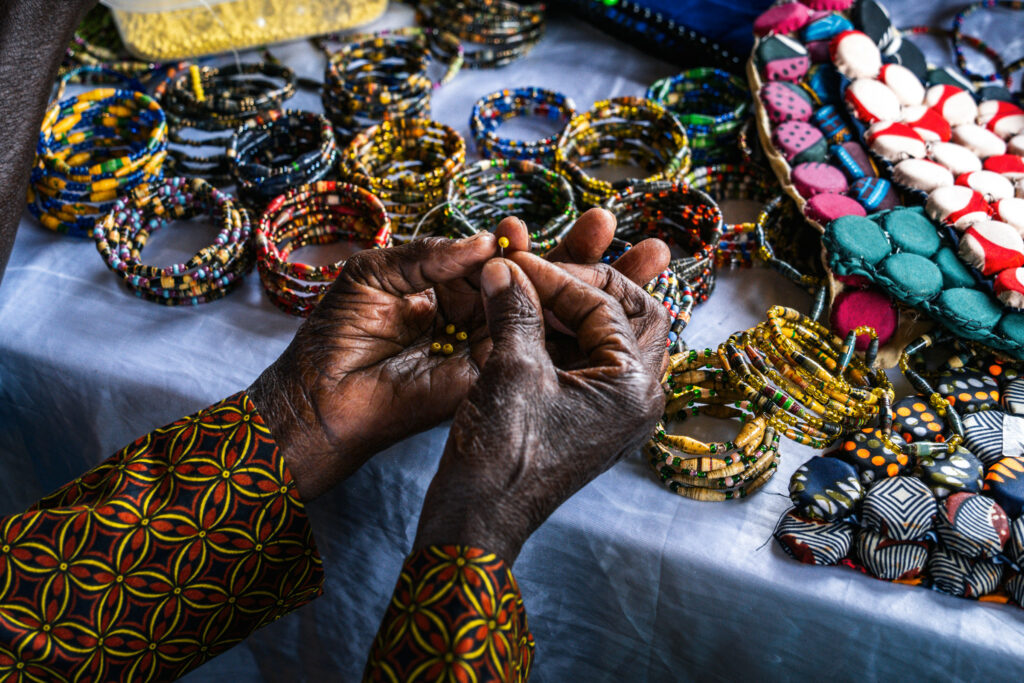
Making jewellery
Transformative protection
Transformative protection focuses on addressing the root causes of protection risks. Rather than responding to individual cases alone, it seeks to change the structural, social, and institutional factors that allow harm to continue. This may involve advocacy, changing harmful social norms, strengthening accountability mechanisms, and supporting systems that promote equal rights and reduce exclusion over the long term.
Transformative protection therefore operates at the level of communities, institutions, and society as a whole. For example, advocating for stronger child protection legislation can reduce protection risks for future generations.
How the four dimensions work together
The four dimensions of protection are closely connected. They are not separate stages or a fixed sequence. In practice, several dimensions often come together within a single programme or intervention.
For example, raising community awareness can help prevent future harm, enable earlier identification of protection risks, and contribute to longer-term changes in attitudes and behaviour.
The examples of Nadiia and Maria show how protection can address different forms of harm and vulnerability. While Nadiia received responsive support after experiencing the effects of conflict and loss, Maria’s support focused on rebuilding wellbeing, dignity and inclusion. Both demonstrate that effective protection requires understanding people’s specific circumstances and responding in ways that address both immediate needs and longer-term wellbeing.
Understanding protection in this way shifts the focus from individual activities to a coordinated system of action that addresses risks at different levels. Ultimately, effective protection depends on how these four dimensions reinforce one another. Together, they enable protection to address both immediate needs and long-term change, supporting individuals while also strengthening the systems and communities around them.
Maria (78) lives in rural Tanzania and is solely responsible for caring for her seven-year-old granddaughter, Queenie. For years, they faced significant challenges, including limited access to food, adequate clothing and the resources needed to maintain their home. Since joining Dorcas’ Community Safety Net programme, Maria has gained access to support that has strengthened her wellbeing, resilience and ability to care for her granddaughter.
Maria lives in an area where the dry climate contributes to food insecurity. Her eleven children and seventeen grandchildren live across the region, but Queenie is the grandchild who lives with her. This responsibility placed additional pressure on Maria, particularly given her limited resources. When a Dorcas staff member visited her village and assessed her situation, Maria was included in the programme.
Through the community safety net programme, Maria receives support that addresses both her immediate needs and longer-term wellbeing. She received essential items, including blankets, food, clothing and a mattress. Volunteers regularly visit her to support her with household tasks such as cleaning and laundry. Equally important is the regular social contact and personal attention she receives, helping to reduce isolation and strengthen her connection with the community.
Protection through inclusion, support and empowerment
Maria’s story is one example of how Dorcas supports people facing vulnerability to strengthen their wellbeing, resilience and ability to participate in their communities. Across both humanitarian and development contexts, Dorcas’ protection work focuses on addressing risks such as neglect, exclusion, abuse and discrimination, while promoting dignity, access to support and social inclusion. In Tanzania, older people may face specific vulnerabilities linked to poverty, loneliness, stigmatisation and limited access to support.
‘Protection is about creating a safe environment in which people can live with dignity, free from neglect, exclusion, abuse and discrimination,’ says Sjoerd Vos, Thematic Expert Social Empowerment and Protection at Dorcas. ‘By bringing older people together in groups and providing access to psychosocial support, life skills, income-generating activities and social safety nets, these projects strengthen their self-confidence, resilience and social position. In this way, we contribute to their protection and wellbeing, enabling them to participate actively in their communities and look to the future with greater confidence.’
As part of the programme, Maria was invited to attend activities at a local older people’s centre. Here, she meets other older people, participates in traditional dances, creates jewellery, shares her work with others and discusses experiences from her life. These activities strengthen social connections and provide opportunities for participation and mutual support.
Maria also participated in an organised outing with the group. ‘We visited a safari park. For the first time in my life, I saw giraffes, elephants and zebras up close. It was a day I’ll never forget.’
Strengthening livelihoods and community resilience
The programme also supports Maria in developing skills to strengthen her economic resilience. She learned how to grow vegetables, care for chickens and goats, and sell crops, eggs and milk to generate an income.
‘We have more food and a greater variety to eat because of the milk, eggs and vegetables. I feel much healthier.’
The programme also involves younger generations. Queenie participates in activities with other children, where they learn how they can support and care for their grandparents. She has seen the positive changes in her grandmother.
‘My grandmother smiles again and has so much more energy.’
Maria reflects on the difference the programme has made in her life. ‘Life used to be very hard, but now I feel hopeful again. The programme has given me support, friendships and opportunities to learn. I feel supported by my community and better able to face the future.’
Through its community safety net programme, Dorcas supports older people facing vulnerability by strengthening access to social support, practical assistance, skills development and community networks. This integrated approach contributes to the protection, dignity and resilience of older people.
Due to climate change, rainfall in Tanzania has become increasingly erratic. Last year in Chemba, there were fewer rains compared to the previous farming season. Despite these challenges, farmers participating in the PIP approach are showing resilience by embracing drought tolerant maize cultivars, early maturing seeds, and the cultivation of cassava and sorghum, as these are drought tolerant crops.
But we know: the right seed must go hand in hand with the right technology.
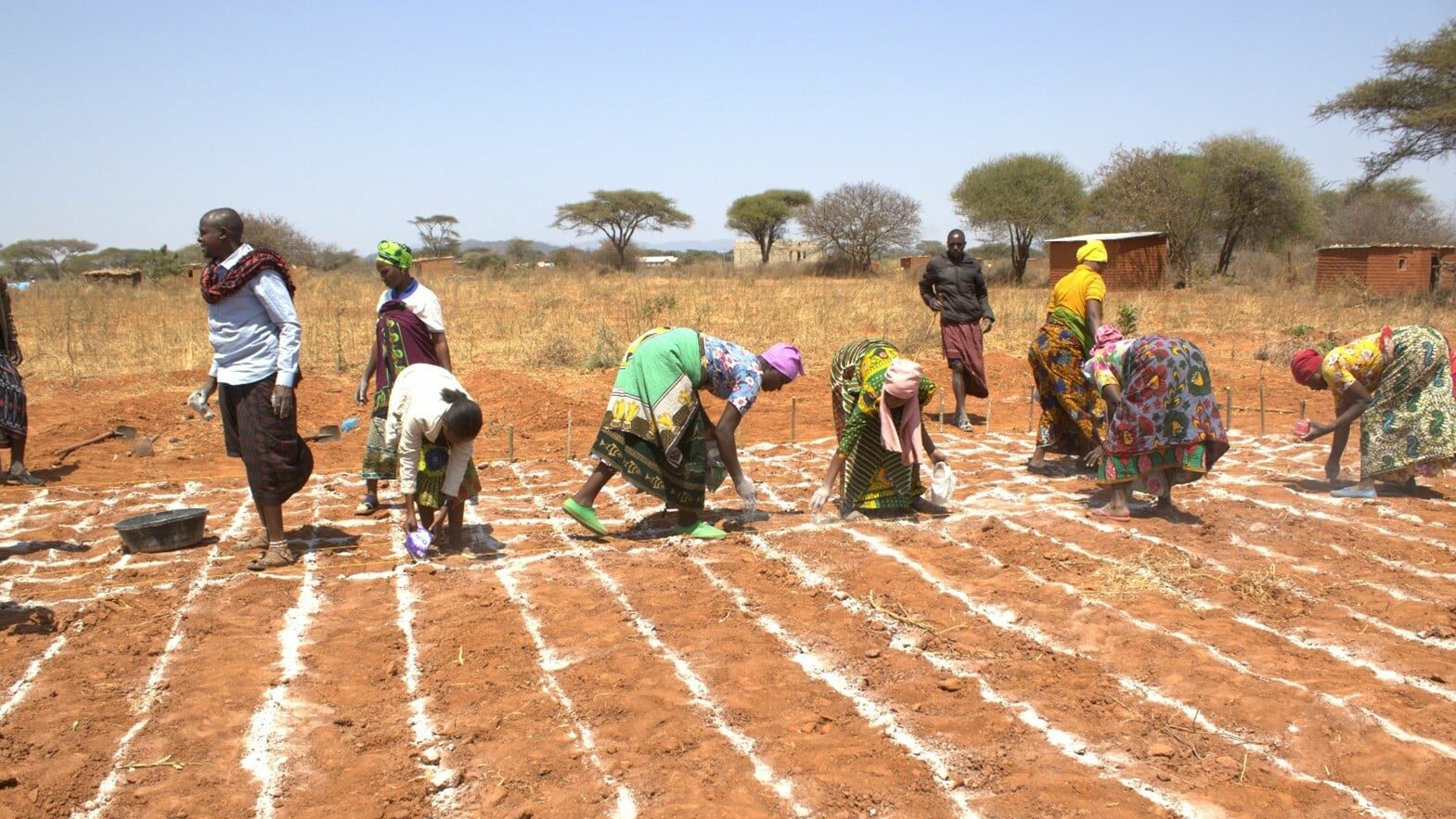
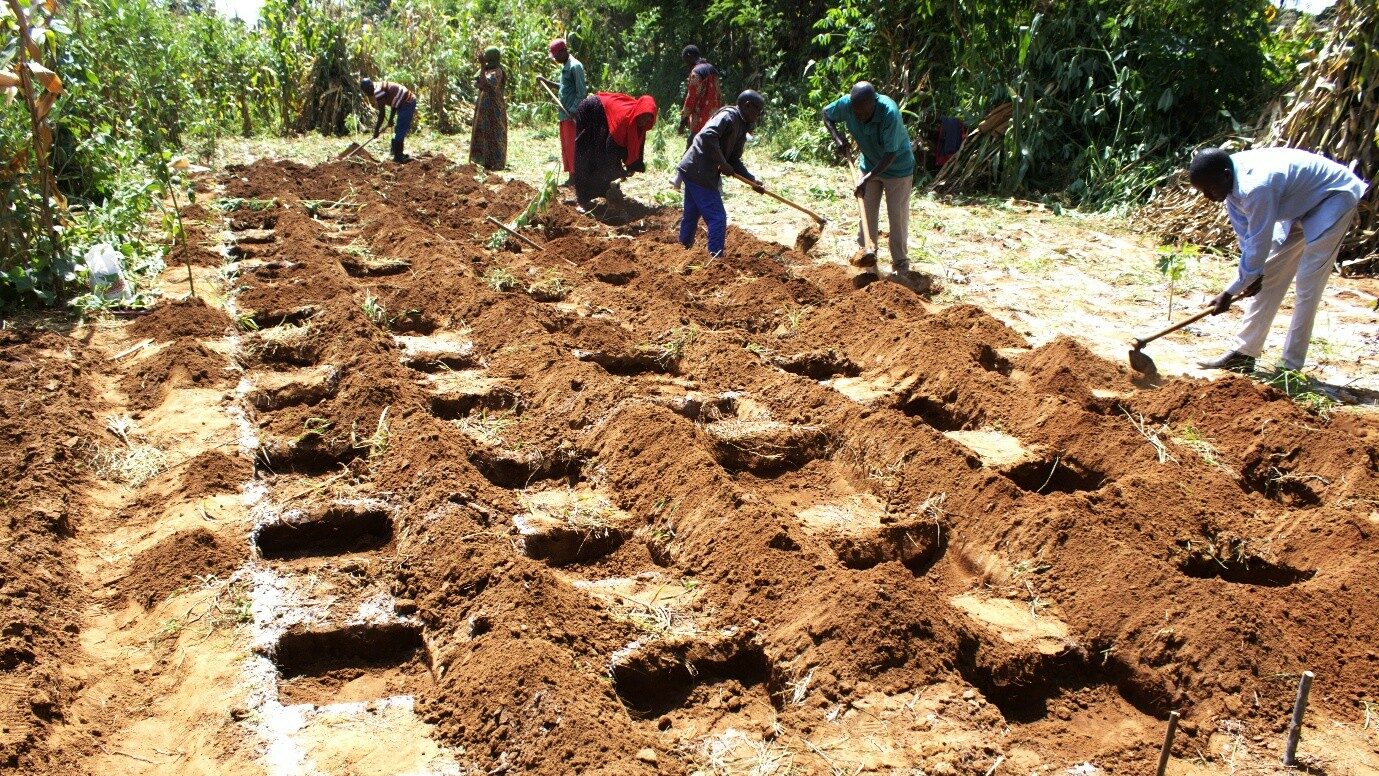
That is why Dorcas Tanzania introduced ZAI Pit technology to project participants, a innovation from Northern Burkina Faso designed to address low rainfall conditions. This method involves digging small pits that conserve moisture, store nutrients, and bring water closer to plant roots. From this, Dorcas Tanzania developed the PIP draft, which applies the same principle but uses equal sized pits arranged in a zig zag pattern, giving plants a competitive advantage over weeds while boosting yield potential.
When this technology was adopted in Burkina Faso, farmers reported yield increases of over 200 per cent. In Chemba, over 50 farmers from the villages of Kidoka and Rofati have already undergone training in this method thanks to Dorcas Tanzania’s pioneering efforts. Dorcas Tanzania was the first development practitioner to introduce this practice to the region.
How the ZAI pits work
This is the step by step procedure that is shared with farmers:
Step 1: Site clearance Remove weeds and unwanted plants. With minimal soil disturbance, the same pits can be reused year after year, a strong soil conservation measure.
Step 2: Field layout Measure the field to ensure adequate spacing. In one acre, using a zig zag layout, farmers can prepare over 7,300 pits.
Step 3: Site marking Mark the pits to ensure precision and enable easy division of labour.
Step 4: ZAI Pit digging Dig pits 30 cm deep, spaced 80 cm apart, with 40 cm paths to allow easy weeding, monitoring and harvesting. Preparation is best done during the dry season so planting can begin with the first rains.
Step 5: Mixing soil with manure Place at least four handfuls of manure into each pit, providing maximum nutrients for plant growth.
Step 6: Seed planting Plant five maize seeds per pit, later thinning to four plants to reduce competition and ensure optimal yield.
Beyond ensuring food security, this technology is a very practical climate change adaptation strategy that enhances resilience, improves livelihoods, and promotes sustainable environmental stewardship.
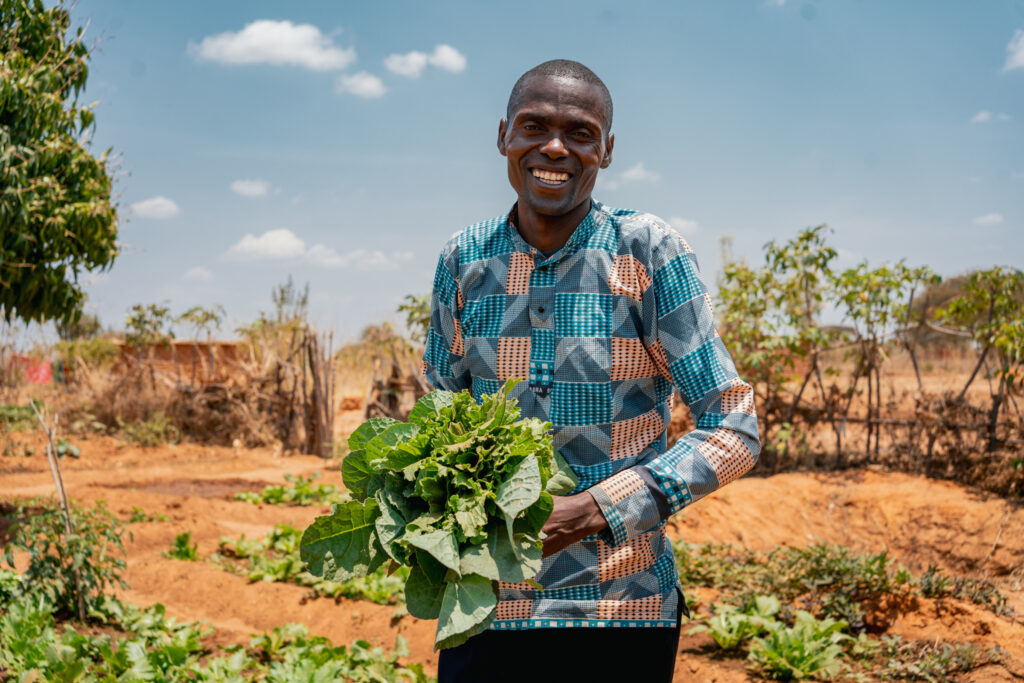
In rural Tanzania, the Participatory Integrated Planning (PIP) approach has supported families in transforming their farms into sustainable sources of food and income. For William, a pastor, his wife Elizabeth and their five children, the programme has brought about lasting change. They have changed their farming methods and improved their household’s financial security. They have also become a source of inspiration for other farmers in the community. Today, they are building a stronger future for their family and others.
William and Elizabeth live with their family in Chemba, Tanzania. They own a small plot of land where they grow vegetables and keep livestock. Despite their hard work, their production was barely enough to sustain the household and they often had to spend their limited resources on buying extra food.
Before joining the project, William farmed in the same way as many others in his community: growing a single crop, keeping a small number of animals and doing little long-term planning. The farm generated too little income to support the family adequately. William explains:
‘My wife was the first to participate in the PIP programme. She eventually persuaded me to join as well. The training provided by Dorcas enabled us to expand our livestock and purchase more goats. Overall, the improvements have been remarkable, and Dorcas played a key role in making that possible.’
The training introduced William and Elizabeth to a mixed farming approach. Rather than relying on a single vegetable crop, they learned the value of diversification and how different crops can strengthen both food security and income generation. They also learned how to work with improved goat breeds that produce more milk and meat, and how to make the most productive use of a small plot of land.
‘When we grew only one type of vegetable, it was never enough,’ William explains. ‘The training showed us the importance of diversification. We now grow a variety of crops and manage livestock more effectively. That has brought significant benefits to our family.’
The impact of PIP
The family now generates income through the sale of surplus vegetables. Elizabeth has seen a major change in the household’s finances and food security.
Elizabeth says: ‘I used to spend around 5,000 Tanzanian shillings every day on vegetables, and even then we often did not have enough,’ she says. ‘At the market, I had to buy whatever was available. Now I no longer need to spend money on vegetables, and I can choose what we will eat from our own farm.’
William adds:
‘We now have financial security. Vegetable sales can generate up to 10,000 Tanzanian shillings a day, while we no longer need to buy vegetables ourselves. Part of that income is used for irrigation, and the rest helps us pay school fees and cover essential household expenses.’
The impact extends beyond improved finances. According to Elizabeth, the project has also strengthened family relationships.
‘I have seen how the project has brought greater love and unity to our family,’ she says. ‘We share the work, we share the harvest, and that sense of togetherness means a great deal to me.’
William agrees.
‘Elizabeth inspired me to become involved. She shared what she was learning through the training and encouraged me to participate. Through that process, I realised that successful farming is something you do together. It has strengthened our family and helped us build a more secure future.’
Inspiring the community
Today, William and Elizabeth are passing on their knowledge to other farmers in the community. They regularly invite neighbours to their farm to demonstrate how a mixed farming approach works in practice. They also visit other farmers to support them in applying the new techniques and overcoming challenges. William and Elizabeth distribute seeds and share practical knowledge that others can use on their own farms.
As a result, their influence now reaches far beyond their own household. Across the community, more families are keeping chickens and goats, cultivating a wider variety of crops and applying the techniques introduced through the PIP training programme. The family greatly values the opportunity to support others in the community to develop their livelihoods.
Smallholder farmers in the Chemba region of Tanzania face significant challenges in sustaining their livelihoods. Prolonged drought due to climate change and degraded soils have reduced agricultural productivity, limiting food security and income opportunities. Many households rely on rain-fed agriculture, leaving them vulnerable to failed harvests. The Participatory Integrated Planning (PIP) project addresses these issues by strengthening the economic resilience of farming households. Combining planning, training and sustainable agricultural practices, the project is supporting 750 families to build more stable and diversified livelihoods.
A structured approach to economic development
At the core of the PIP approach lies a participatory planning process. Each household develops its own integrated plan for farming, income generation and wellbeing, covering areas such as crop production, livestock, soil restoration and financial planning.
The whole family is involved, which strengthens ownership and implementation. Dorcas then helps households to translate these plans into practical steps. Farmers also receive training in sustainable agriculture and entrepreneurship, covering topics such as soil improvement, water management, crop diversification and generating small-scale income. They learn to manage resources more effectively and prepare for periods of economic stress. A key element is the multiplier effect: trained farmers share their knowledge within their community.
Improved productivity and increased income
Farmers can increase their yields and restore soil fertility, resulting in more reliable food production and a surplus for the market. This directly increases household income, enabling families to invest in education, healthcare, and housing. Through savings groups, households can also strengthen their financial resilience and reduce their vulnerability to future shocks.
The story of Abdallah and his children
Abdallah Hassani, a farmer in Chemba, has experienced the impact first-hand. He lives with his children, Salah and Saoumou. In 2022, Abdallah joined agricultural projects and training programmes focused on improved farming techniques and planning.
After completing the training, he implemented new methods on his farm. His maize production increased in both 2023 and 2024, with approximately twenty additional bags produced compared to previous years.
This enabled him to sell part of his harvest, generate income and invest in building materials for his home, as well as starting a chicken farm. These improvements have significantly enhanced his living conditions.
In addition to the training, Abdallah received ongoing support in the form of regular visits, which provided him with advice and strengthened his confidence. He also gained access to medical support and awareness sessions, which contributed to his overall well-being.
The impact is also visible within his family. His children attend school, help with daily farm activities, and can pursue their ambitions. For Abdallah, increased productivity has translated into greater financial stability and improved prospects for the future.
Towards sustainable economic development
Through the PIP project, Dorcas invests in long-term economic development. By strengthening skills, improving productivity and enhancing livelihood opportunities, the project contributes to more resilient rural economies.
For the 750 participating families in Tanzania, this means improved livelihoods today and greater opportunities for the future.
In Chemba, these farming households move beyond subsistence towards greater self-reliance. Increased income, improved food security and stronger financial management establish the foundation for sustainable impact.
An interview with Lenard Hofland about Dorcas’s vocational training programme in Ethiopia.
Youth unemployment in Ethiopia is high. Despite economic growth, many young people are unable to find work or establish a stable livelihood. Through its vocational training programmes, Dorcas aims to equip young people with technical and social skills. We spoke to Lenard Hofland, Programme Adviser at Dorcas, about this.
‘The situation is concerning: many young people simply cannot find employment. We want them to be able to participate in the economy, find work, and flourish along with the development of the country. To improve their prospects, Dorcas offers vocational training programmes. As well as learning technical skills, young people develop social skills such as communicating with customers, working with colleagues, and cultivating a strong work ethic. Combined, those skills greatly increase their chances of finding employment.’
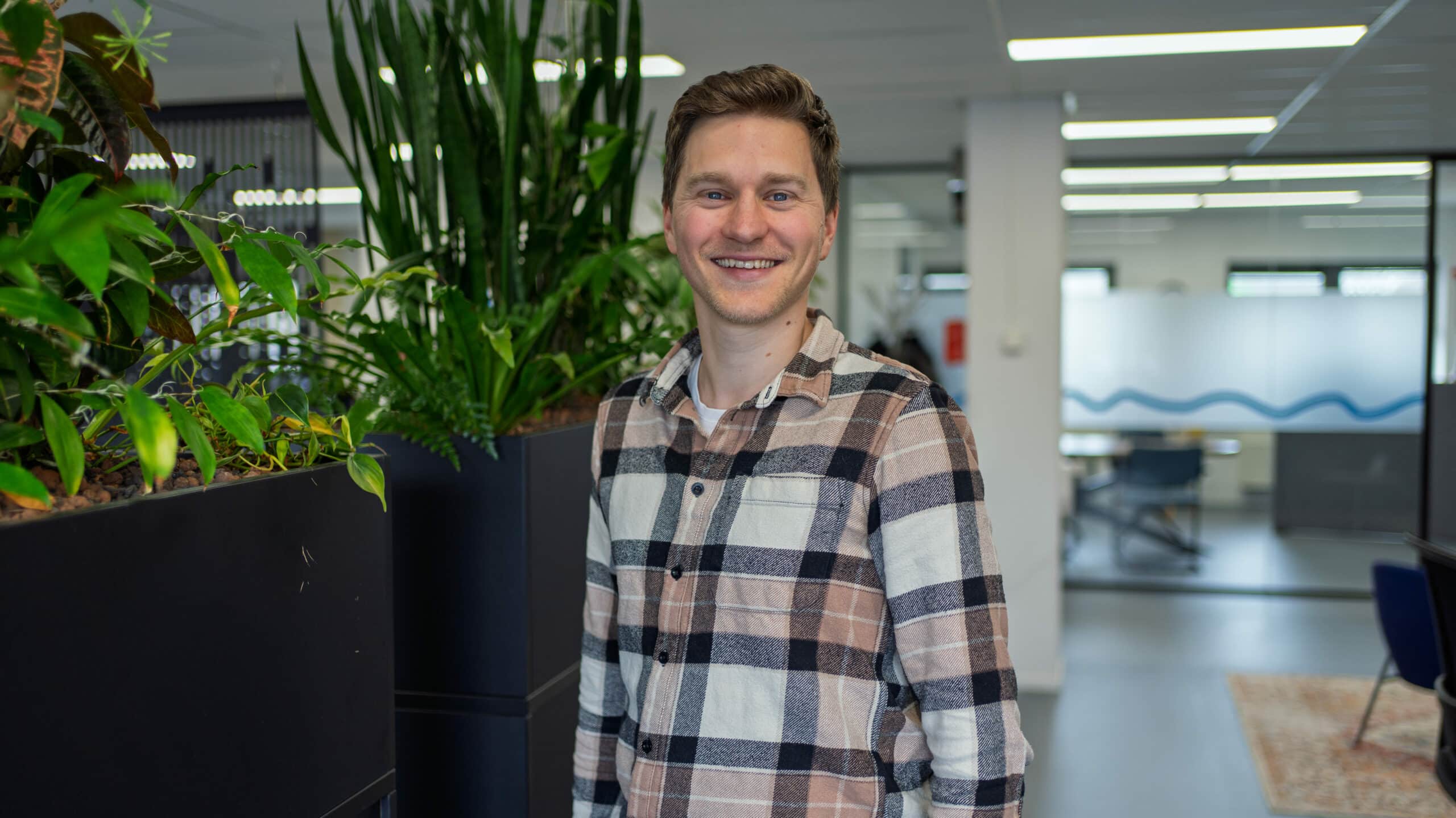
Lenard Hofland – Programme Advisor at Dorcas.
‘Dorcas has been involved in vocational education in Ethiopia for over twenty years. We have a strong track record: 89 per cent of our graduates have found employment. We understand the market well and have strong relationships with businesses. This experience enables us to respond precisely to the needs of young people and employers.
We recently opened a new vocational training centre on a different location, because the training site we previously used was located on government-owned land which has since been repurposed.’
What does vocational training entail?
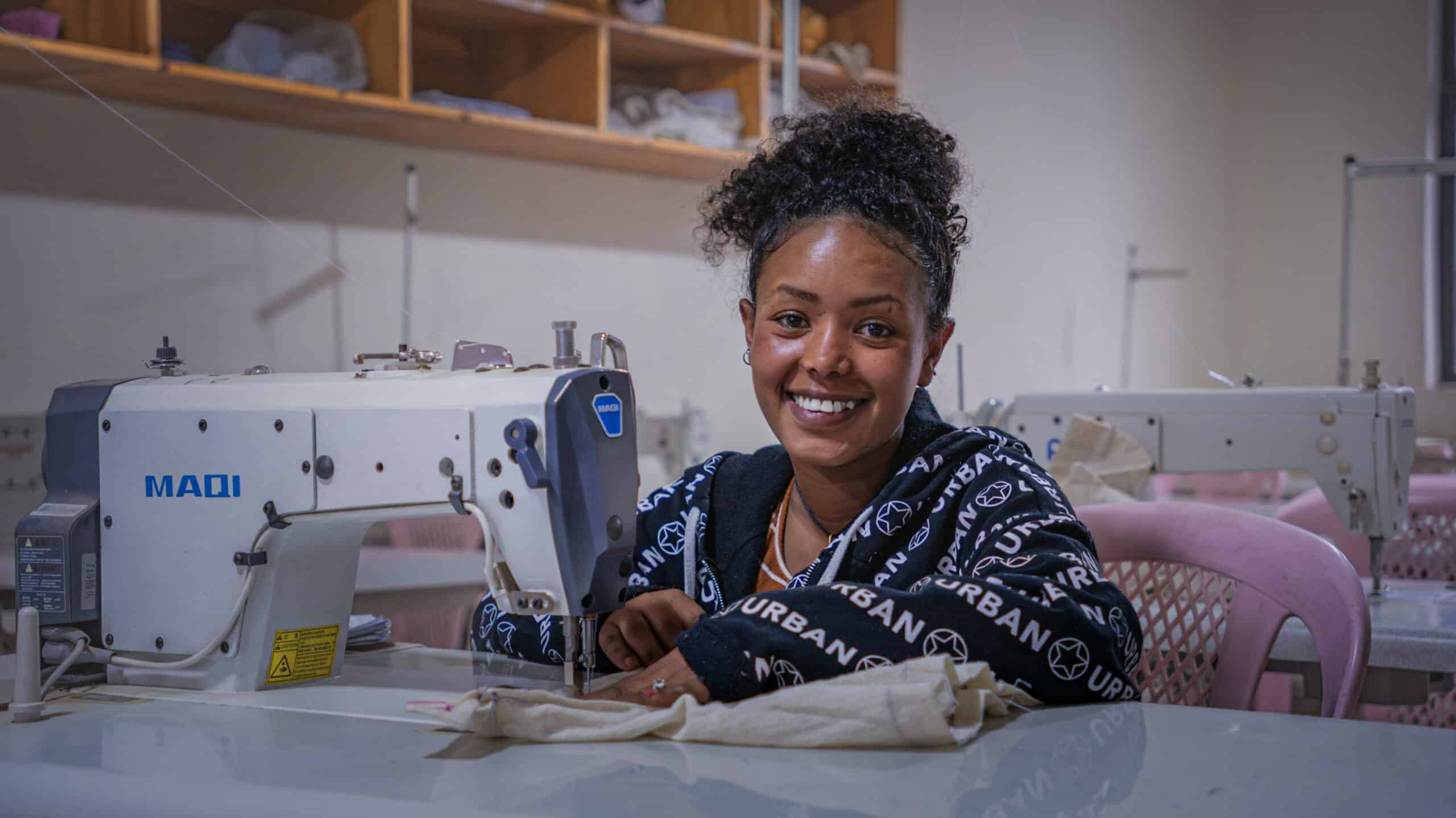
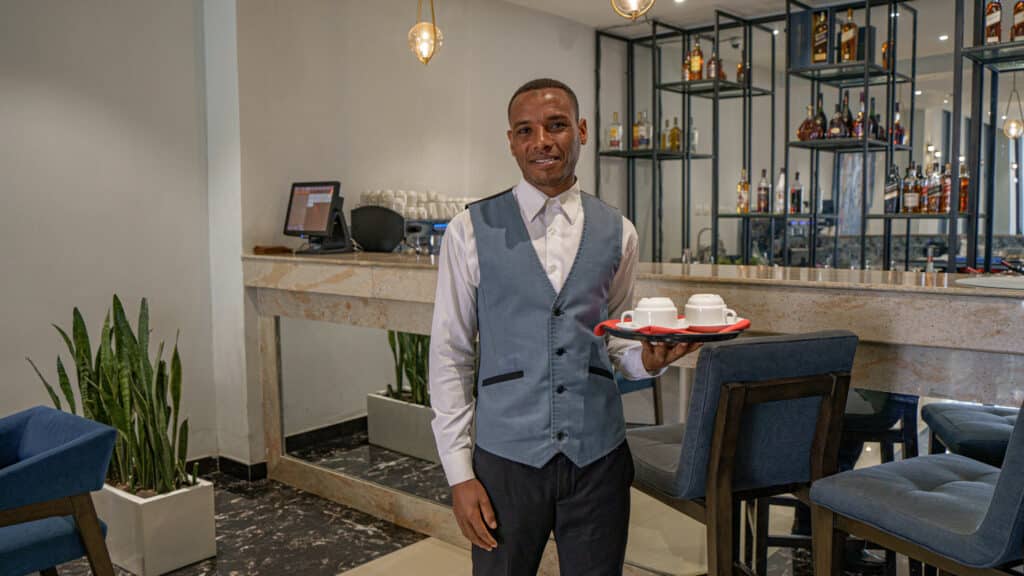
‘We focus on traditional skills in textiles, metalwork and carpentry. In coming years, we plan to expand to include training for electricians and those in the hospitality sector. What makes our approach distinctive is that we offer short courses. Young people in vulnerable situations cannot afford to study for years – they need to be able to earn an income relatively quickly.
In addition, we align closely with market demand. To tackle youth unemployment, particularly in urban areas and especially among young women, we train young people in the exact skills that employers require. We maintain regular and structured dialogue with the sector to find out which products are in demand. Which technical skills are essential? We discuss this with companies that may later employ our students.
Our vocational training has two major advantages: young people have a better chance of finding employment, and businesses gain well-trained employees. We combine technical training with the social skills required in the workplace. You will learn not only how to make a well-crafted chair, but also how to answer the telephone and assist customers professionally.
Over time, the programme also recovers part of its own costs. Young people make products in the training classrooms that are then sold. This gives them practical work experience while contributing to the programme’s sustained viability.’
What has made the programme so successful?
‘It is a combination of understanding the local context, our many years of experience in this sector in Addis Ababa, and our new focus on financial sustainability.’ The programme generates part of its own income, which makes it future-proof.
Many young people travel to the capital every day in search of work, but there simply aren’t enough jobs for everyone. Some graduates find employment with companies, while others start their own businesses. That is why we also focus on the skills needed for self-employment.
Entrepreneurship training is part of the vocational programme. We are exploring the possibility of offering this as a standalone course, by bundling the lessons into a compact, one-week training programme. The same trainers who teach on the vocational programme could deliver this short course, enabling us to support even more young people.’
Why did Dorcas choose to offer short training programmes?
‘Vocational education does exist in Ethiopia, but it is often expensive and usually takes four years to complete. That is far too long for young people without an income. Our six-month programme equips participants with all the necessary skills. This allows us to reach more students and facilitate their transition into employment more quickly. We maintain close links with the workplace and focus primarily on the manufacturing sector, where there is strong demand for products.’
We are deeply concerned about the rise in violence, inequality and crises around the world. That is why we, a broad coalition of Dutch political parties and civil society organisations, are calling on the government to make a significant investment in development cooperation and to put an end to the unprecedented cuts.
Budget cuts on development cooperation
In the recently published coalition agreement, the government states its intention to invest more in development cooperation. This is an encouraging sign at a time of global unrest and instability. However, recent figures show that the promised investments are not being delivered. In fact, the budget for international development cooperation is set to fall in 2027, 2028 and 2030 compared to the previous government. This is happening at precisely the moment when global needs are rising. In April 2026, the OECD warned that global spending on development cooperation had fallen by almost a quarter in 2025. The Netherlands is contributing to this.
Behind the unfulfilled commitments to development cooperation lie personal stories. Stories of people who are denied life-saving care and children who cannot go to school or who grow up in extreme poverty. As a prosperous country that has benefited for decades from open trade and international cooperation, we have a duty to reach out to these people. According to independent research, global spending cuts will lead to millions of additional deaths as a result of hunger, poverty and preventable diseases.
Why development cooperation is in the Dutch national interest
Development cooperation is not merely a matter of humanity: it also serves Dutch interests. It helps to build and strengthen economies, which in turn benefits Dutch trade and investment. It also contributes to security by tackling the root causes of poverty, forced migration and conflict. It is no coincidence that our national security strategy identifies development cooperation as an indispensable pillar of foreign policy.
Keep your commitments
It is therefore crucial to re-establish the link between the development budget and our national income, and to work towards the international commitment to spend 0.7 per cent of national income on development cooperation. This link ensures that the development budget grows in line with the economy. In this way, we share our prosperity in good times and adjust our contribution in leaner times. For 2026, that would mean an additional investment of € 355 million in development cooperation. This is how we give concrete expression to international solidarity in a fair and sustainable manner.
Furthermore, it is essential that additional investments, such as the planned € 257 million, are directed towards the priority areas highlighted by the government, such as youth, education, women’s rights, civil society, global health and food security. In this way, it will not be at the expense of other priorities within the BHOS budget, such as emergency assistance and efforts to intensify sustainable economic development. If the link to national income is not restored in accordance with the international OECD agreement, and the government continues to cut back on development cooperation, this will not only undermine the effectiveness of the Netherlands’ global efforts, but also our own security and economy.
We therefore call on the government to honour the agreements made:
Restore the link between the development budget and the national income, in line with the international OECD agreement.
Ensure that the promised € 257 million goes towards international development goals.
Present a credible path towards the 0.7 per cent target for development cooperation.
The Netherlands has the expertise, the resources and the responsibility to make a difference on the international stage. It is up to all of us to continue to fulfil that role with conviction.
In the regions where Dorcas operates, many people are eager to find employment and earn a decent income, but face barriers that make this a significant challenge. Jobs are scarce, skills do not always align with labour market demand, and discrimination or insecurity can push people to the margins of economic life. For those living in vulnerable circumstances, finding stable and dignified employment often requires more than just motivation.
Dorcas’s Employment Approach helps people to overcome these barriers and take meaningful steps towards sustainable work. Employment is not seen as a quick fix, but as part of a wider pathway towards resilience, dignity, and long-term economic security.
Starting with people and context
Every employment journey begins with understanding. At Dorcas, we start by listening to people and learning about their skills, experience, aspirations, and challenges. At the same time, we analyse local labour markets to identify realistic job opportunities and growing sectors. This dual focus ensures that our employment support is grounded in reality. Instead of pushing people into unsuitable jobs or training, Dorcas empowers individuals to make informed choices that align with their ambitions and the opportunities available in the local economy.
A step by step pathway
Dorcas offers a structured and personalised route towards employment or self-employment through the Job and Business Centre approach. Participants can join the programme at various stages, depending on their circumstances.
The journey often begins with an orientation and motivation session, where people explore their options and build confidence. This is followed by life skills training to strengthen essential capabilities such as communication, teamwork and workplace readiness, skills that are just as important as technical expertise.
Participants then develop the vocational skills required by the labour market, often through practical, hands-on training. Wherever possible, this is combined with real work experience, such as internships or apprenticeships, enabling participants to gain confidence and showcase their abilities in a live work environment.
Linking people to real jobs
Dorcas’s work does not stop at training. A key element of the Employment Approach is actively connecting people with employers. Through mediation and job matching, Dorcas brings participants and businesses together, aligning expectations and supporting both parties as they transition into work.
The focus is on decent employment: jobs that offer fair wages, safe working conditions, and respect for dignity. Employment should provide stability and the opportunity for growth, offering not just an income for today, but a foundation for the future.
Looking beyond the individual
We recognise that employment or self-employment outcomes are shaped by more than personal effort alone. That is why the Employment Approach is embedded in a broader effort to strengthen local systems. Dorcas works with employers, training institutions and local actors to make labour markets more inclusive and responsive, especially for women, youth and marginalised groups.
Employment as part of a bigger picture
Employment is most effective when combined with other forms of support. Psychosocial wellbeing, social networks and basic livelihood security all play a role in people’s ability to engage in work and sustain it over time.
By integrating employment or self-employment with wider livelihood, social and resilience programmes, Dorcas supports pathways that last. Step by step, people gain the confidence, skills and opportunities they need to build a dignified and more secure future for themselves and their families.
What are you looking for?
Quick links
Frequently asked questions
Dorcas works with governments, businesses, foundations and other organisations to create lasting change. Visit our partnership page to explore how we can work together.
Dorcas operates in 13 countries across Eastern Europe, Africa and the Middle East. Our programmes focus on livelihoods, protection, water, climate adaptation, crisis response and community development.
Dorcas is committed to transparency and accountability. We publish our annual report, are audited externally and adhere to international quality standards including CHS and Sphere.