Building bridges in Yemen
José Salema, Country Director of Dorcas Yemen, clearly remembers the moment he was asked to provide support to a remote village. ‘It was after a devastating flood,’ he says. ‘Everything was underwater. The harvest was lost, the wells were contaminated and diseases broke out. Worst of all, people could not reach the hospital.’
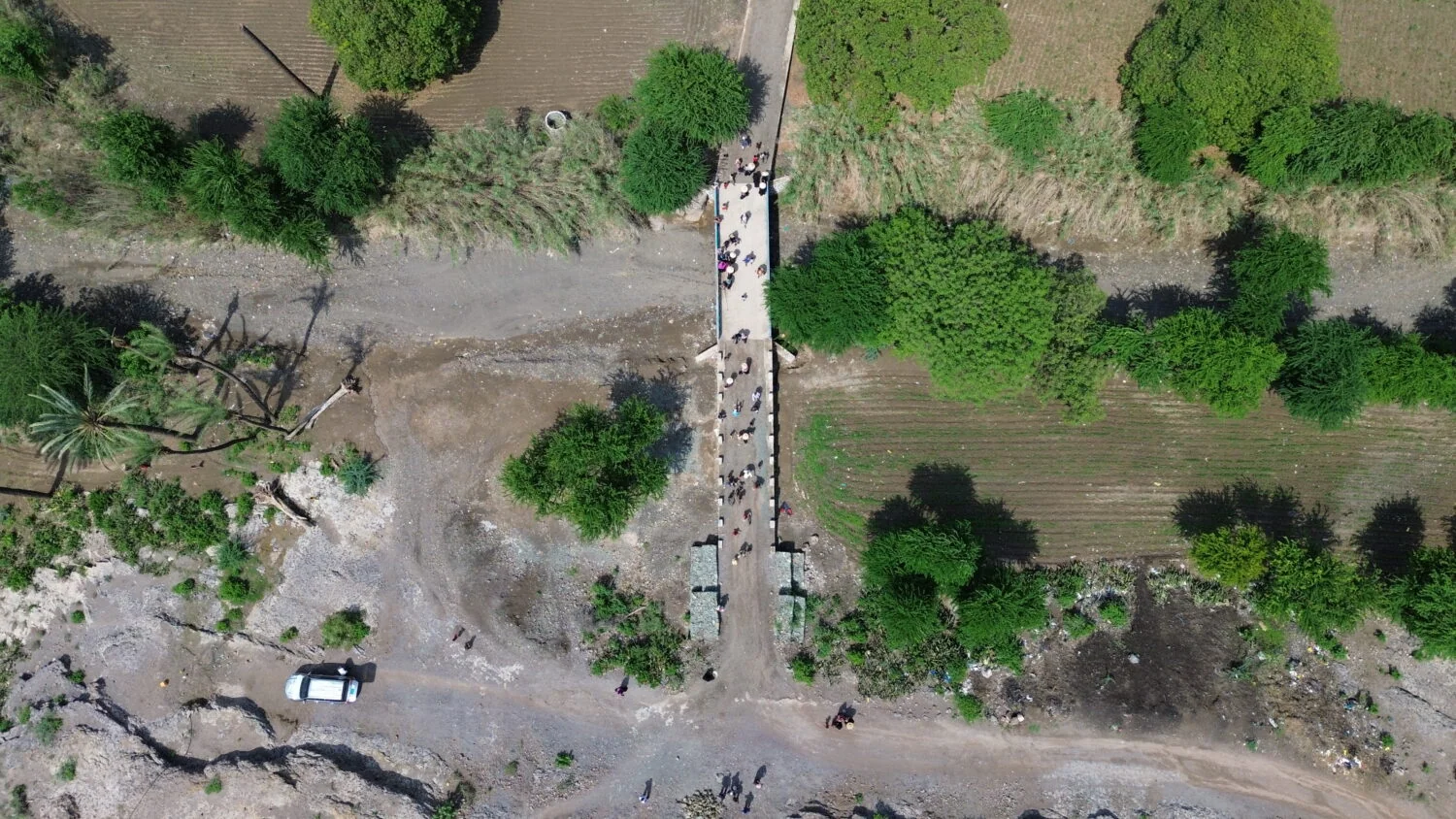
During the rainy season, the village is located close to a river and far from any basic facilities. There are no markets, schools or hospitals nearby. Most families have no regular income and survive by doing seasonal agricultural work in a neighbouring village on the other side of the river. Life across the river could not be more different: there are solid houses, jobs, food, a bustling market and good facilities. The contrast is stark. These differences often lead to tension and conflict between the villages.
Following the flooding, Dorcas provided emergency assistance in the form of food, clean drinking water, and medical care. However, José and his team wanted to do more than simply provide emergency supplies. José: ‘We asked the people, ‘What do you need to prevent this from happening again?’ The answer was surprisingly simple: a bridge.’
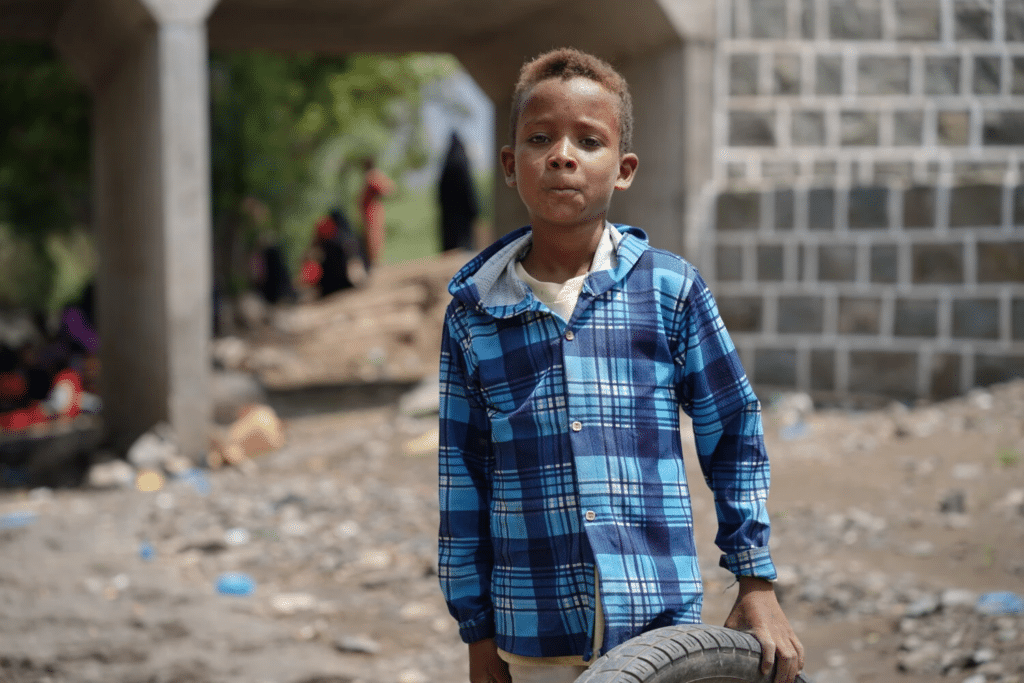
The bridge is a lifeline
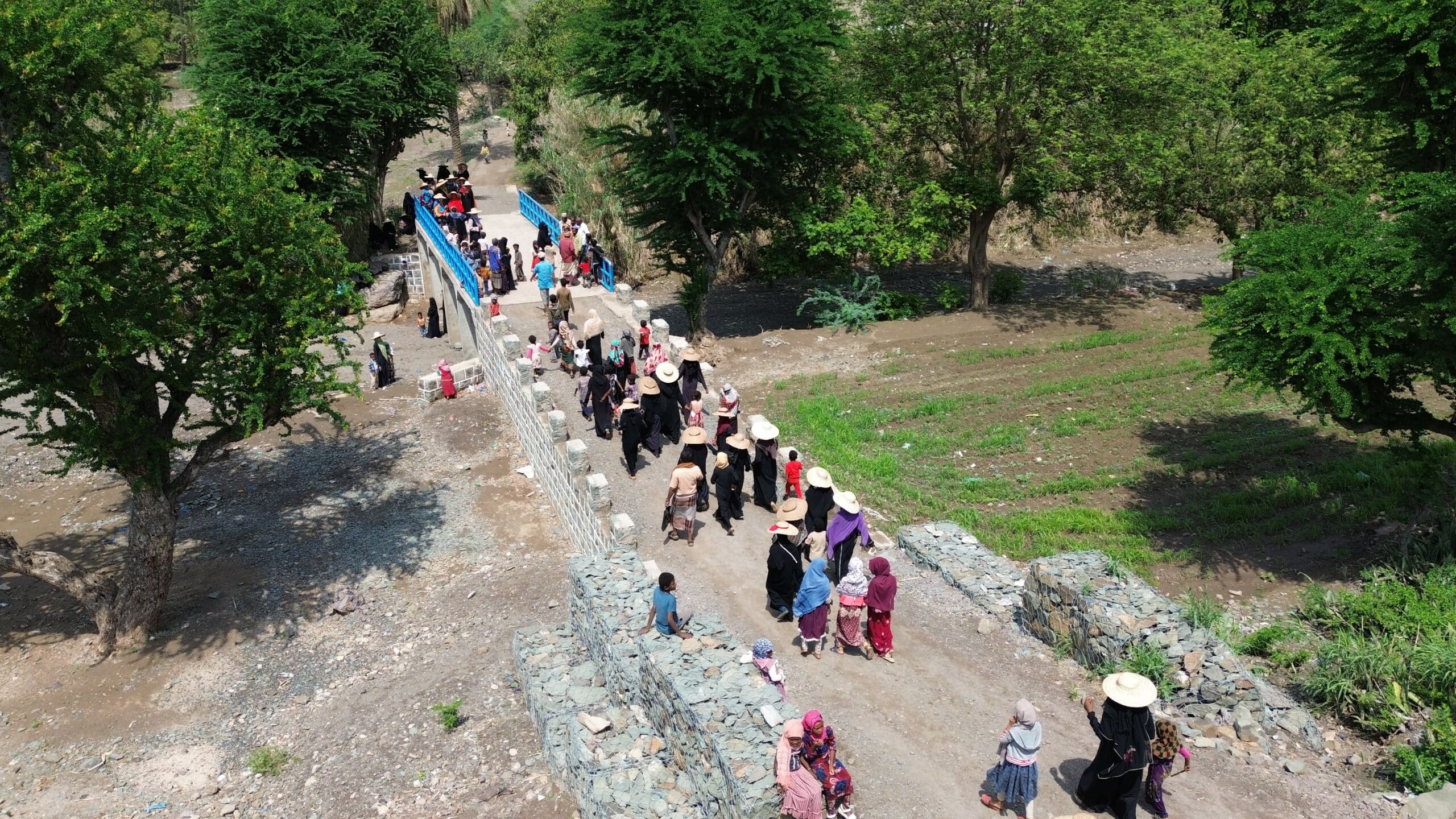
For the villagers, the river forms both a boundary and an obstacle. When the water rises, it is impossible to cross. This means no work, no school and no access to healthcare. ‘With a bridge, daily life can continue even when the river floods,’ explains José. ‘Children can go to school and pregnant women can reach the doctor.’
The construction of the bridge was a joint effort. Local contractors and labourers worked alongside the villagers, who received training and built it stone by stone. ‘They are very proud,’ José says. ‘It is their bridge. They have shown that they are capable of creating something valuable. This boosts their confidence and self-worth.’
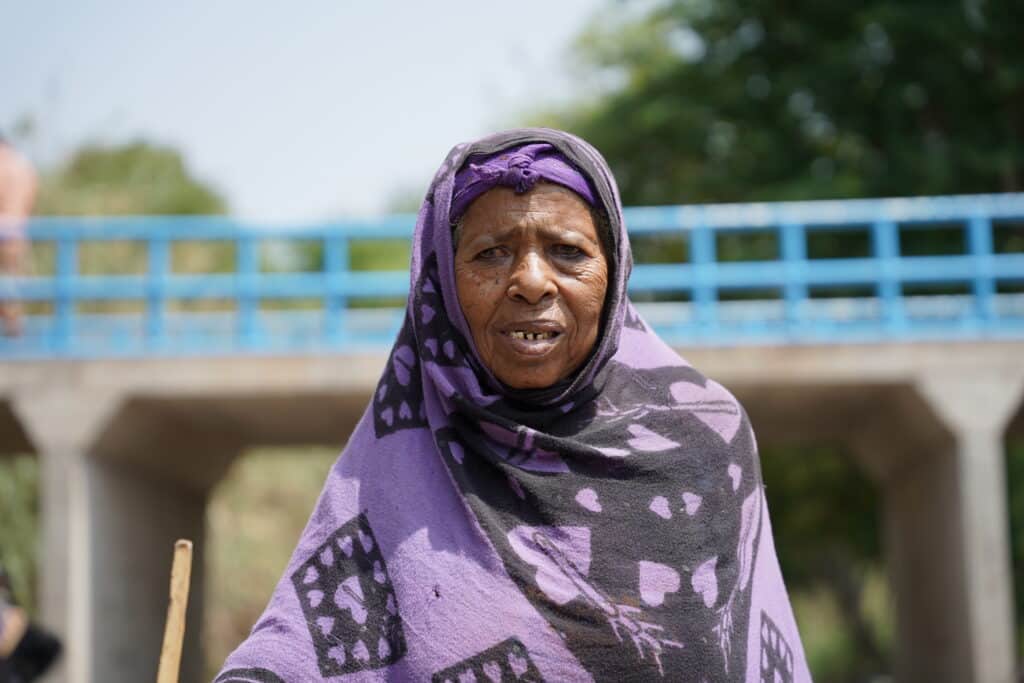
A bridge to flourishing
The bridge brought with it some unexpected benefits. During construction, the idea emerged to tackle the water problem more structurally as well. ‘We installed an irrigation system that drains excess water and channels it to farmland,’ explains José. “Now the crops no longer flood. There is now enough food for everyone.’
In the past, villagers had to ask their employers for food during difficult times, which often caused tension. Now there is stability. There are no more lost harvests, hunger or conflict. ‘The bridge and the irrigation system have transformed life in the village,’ says José. ‘People are in closer contact with one another, and that also reduces tensions.’